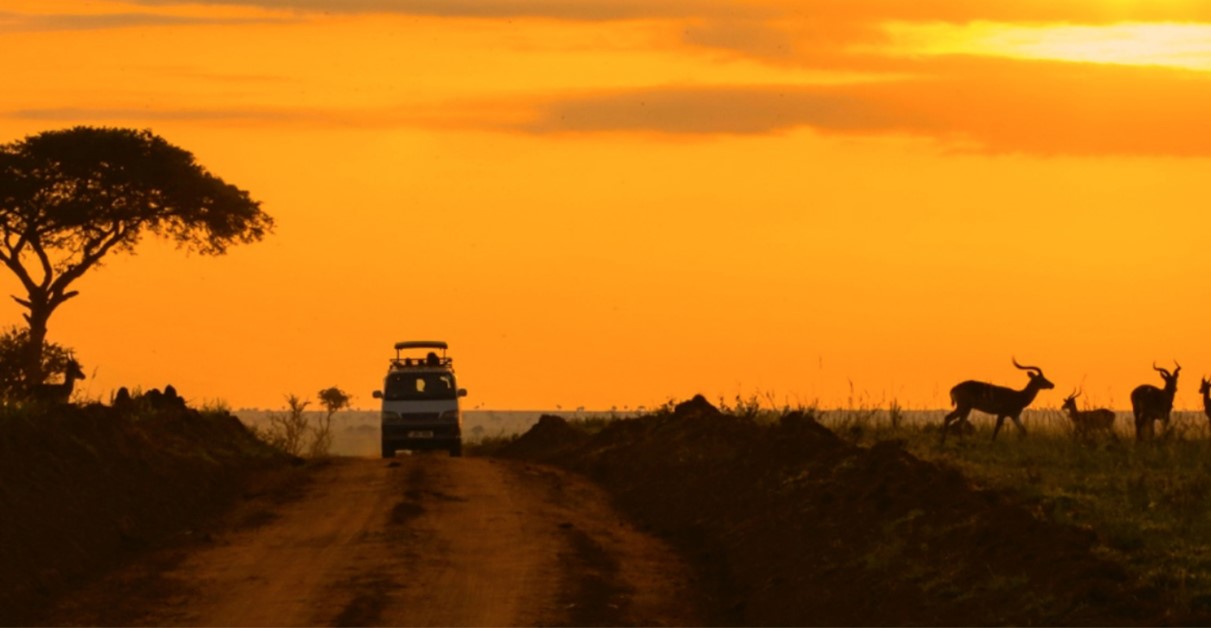
Travelers on a Uganda safari frequently make mistakes regarding gorilla permit timing, packing too heavily for rough roads, and underestimating travel distances between parks. A smooth and highly memorable safari requires careful logistical planning and adherence to local safety and environmental guidelines.
Top most Uganda safari tour packages
14-days-uganda-and-rwanda-safari-tour-itinerary
14-days-luxury-uganda-primate-safari-holiday
14-days-uganda-primate-safari-and-jinja-white-water-rafting
14-days-classic-uganda-birding-safari-expedition
14-days-best-africa-big-five-safari-in-uganda-and-best-gorilla-trekking-adventure
20-days-uganda-birding-safari-wildlife-gorilla-and-chimpanzee-tracking
20-days-uganda-birding-safari-to-uganda-national-park
20-days-uganda-safari-holiday-tour-package-itinerary
19-days-best-photography-uganda-birding-safari-and-wildlife-adventure
19-days-incredible-uganda-safari-tour-big-five-chimpanzees-and-mountain-gorillas
18-days-best-of-uganda-safari-holiday-vacation-to-all-best-parks
17-days-uganda-honeymoon-safari-holiday-tour
17-days-uganda-birding-safari-itinerary
17-days-best-safari-in-uganda-ending-in-kigali-rwanda
16-days-ultimate-uganda-safari-to-rwanda-safari-tour-package-combo
16-days-best-of-uganda-birding-safari-holiday-extravaganza
7-day-ultimate-uganda-primate-safari-chimpanzees-and-game-drives
6-days-best-gorilla-trekking-and-safari-uganda-parks
Gorilla Trekking Errors (Uganda Safari)
One of the most common mistakes during an Uganda safari is booking gorilla permits too late. Gorilla treks in Bwindi Impenetrable National Park and Mgahinga are strictly capped by the Uganda Wildlife Authority, and permits frequently sell out 4–6 months in advance. Waiting too long can mean you either miss your desired date or get forced into a less convenient trek time.
Another frequent error is choosing the wrong park sector. Bwindi has four main sectors—Buhoma, Ruhija, Rushaga, and Nkuringo—and each sector serves gorilla families located in specific starting points. If you book a lodge far from your family’s starting trail, your morning drives become long, stressful, and tiring. That can be a problem because the trek itself can already be physically demanding.
Physical underestimation is also a major issue. Gorilla tracking involves steep, muddy, slippery terrain, and trekking time can range from 2 to 8 hours depending on the gorillas’ movement and weather. Many travelers arrive without proper fitness or expect easy walking. Overconfidence often leads to exhaustion, which reduces enjoyment and makes it harder to stay focused while navigating dense forest.
To reduce these risks, plan early, match your lodge to your sector, and train for hills and uneven ground. Many travelers also benefit from hiring a guide or using approved park support so they can move safely without wasting energy.
Logistics & Transport (Uganda Safari)
Transportation errors can easily ruin the flow of your Uganda safari. A common mistake is underestimating driving times. Routes between Entebbe/Kampala and western parks like Queen Elizabeth or Bwindi can take 8–10 hours, especially with road conditions and traffic. If you try to “rush the schedule,” you may spend the trip exhausted instead of refreshed for wildlife activities.
Overpacking is another frequent problem. Domestic flights in Uganda, along with safari 4x4 vehicles, usually have strict baggage limits. If you bring bulky luggage, you may struggle with storage space or face extra handling that delays your plans.
Relying on international cards is also risky. Outside major cities, credit cards are often not accepted, and some ATMs may run out of cash. Without local currency, you may struggle to pay for tips, park extras, or small purchases in markets. Carry enough Ugandan shillings for day-to-day needs.
Safari Etiquette & Packing (Uganda Safari)
Packing and behavior mistakes are surprisingly common on an Uganda safari. Wearing the wrong colors can affect both comfort and wildlife interaction. Bright, flashy outfits may agitate wildlife, while dark colors can attract tsetse flies. Neutral earth tones like khaki, tan, and olive are safer.
Forgetting essential gear is another error. Bwindi and nearby parks experience unpredictable weather. Many travelers forget waterproof boots, rain protection, and good insect repellent. Without these, you risk blisters, getting soaked, and dealing with heavy bites.
Finally, not respecting wildlife rules can create danger and disrupt wildlife movement. In safari vehicles, guides advise staying seated, keeping voices low, and avoiding sudden movements. Violating these instructions can stress animals and reduce the chances of a calm, rewarding sighting.
10 common mistakes to avoid on Uganda safari
1) Waiting too long for bookings
One of the biggest mistakes on an Uganda safari is delaying key reservations—especially for experiences that are capped by the relevant authorities. For example, gorilla trekking permits in Bwindi Impenetrable National Park and Mgahinga are limited and can sell out well in advance. If you wait until the last minute, you may lose your preferred trekking date, trek time slot, or even be forced into a less convenient schedule. This can also affect your choice of lodge, because the timing and location of your gorilla trail depend on the assigned start point and sector.
Beyond gorillas, many popular wildlife activities (chimpanzee tracking, special boat trips, and certain private-viewing arrangements in places like Queen Elizabeth National Park) may also have limited availability during peak seasons. If you plan around flexible dates, you can sometimes adjust; if you have fixed travel dates (holidays, weddings, work commitments), late booking increases risk.
To avoid this mistake, plan earlier than you think you need. Start by booking major components first: flights into Entebbe/Kampala, park entry arrangements, and any permits. Then select accommodation close to the activities you’ve booked so you reduce long transfer times.
A solid Uganda safari plan includes a realistic itinerary built around opening hours, meeting points, and early morning starts. When bookings are late, travel logistics often become rushed, leaving you stressed before wildlife viewing—exactly when you need to be calm and observant. Early organization protects both your budget and your enjoyment.
2) Underestimating travel times
A common mistake on an Uganda safari is assuming distances will be easy or that roads will be fast. In reality, driving times can be significantly longer due to traffic, road works, rain, and uneven surfaces. Even when the map distance seems short, the travel duration may increase because of slow segments and changing conditions. This is especially true when moving between Kampala/Entebbe and western parks like Queen Elizabeth, Bwindi, or Mgahinga.
When travelers underestimate travel times, they often build itineraries that are too tight. The result is fatigue during the days you most want energy: early game drives, boat cruises, and tracking activities that require patience. Rushing transfers also increases the likelihood of missing departure times, arriving late to briefing sessions, or feeling unwell from exhaustion.
Another hidden problem is how travel fatigue affects behavior on safari. If you are tired, you may lose focus, take fewer breaks, drink less water, and miss wildlife details. Uganda safari experiences are all about observation—listening for bird calls, watching movement patterns, and spotting small changes in the environment. Fatigue reduces that “spotting ability.”
To avoid this mistake, include buffers in your schedule, especially for days with long transfers. Ask your operator about realistic drive times and whether they account for stops, road conditions, and typical delays. If you have flexibility, schedule at least one rest-friendly night between major park hops.
A well-paced Uganda safari keeps you rested and ready, turning travel day stress into a smooth transition rather than a setback.
3) Choosing the wrong lodge location
Lodge location can make or break your Uganda safari. A frequent mistake is booking accommodation far from the park entrance, the starting point of your trek, or the first activity of the morning. For example, in Bwindi, gorilla trekking is linked to specific sectors (Buhoma, Ruhija, Rushaga, and Nkuringo). If you stay in a place that is inconvenient for your assigned starting trail, you face long morning drives over rugged roads.
These drives can be exhausting, especially when you already expect difficult terrain during the main trek or tracking session. Long transfers also reduce time for warm-up, breakfast, and proper preparation (layers, rain gear, snacks). When morning plans are tight, people tend to forget gear or arrive rushed, which increases stress during briefings.
Poor location choices can also affect your daily rhythm. Many Uganda safari days start early, and late returns can mean you miss rest, hydration breaks, or downtime after an active day. When lodges are too far away, the entire itinerary becomes transport-heavy.
To avoid this, match your lodge to your activity plan, not just to the park name. Ask which sector your gorilla permits correspond to and choose lodging with a reasonable transfer time. For Queen Elizabeth or other national parks, consider whether you need to be near the gate for morning game drives or near water for boat activities.
Finally, consider practical factors: road access, weather drainage, and whether the lodge provides reliable transport coordination. A strategic lodge location improves comfort, reduces fatigue, and helps you enjoy wildlife encounters with a clear mind.
4) Not preparing physically for uneven terrain
Physical fitness is essential for an Uganda safari, and travelers often make the mistake of thinking all activities are “easy walking.” In parks like Bwindi, trekking can involve steep sections, mud, slippery paths, and slow, technical footing. Gorilla tracking and chimpanzee tracking may look short on paper but can be physically intense once you’re inside the forest.
Underestimating physical demand leads to avoidable problems: blisters, leg cramps, shortness of breath, and low stamina that makes it hard to enjoy the experience fully. Many visitors also fail to train for uneven terrain, assuming they can rely on luck or “tourist fitness.” Unfortunately, weather (rain) can make ground conditions worse, increasing how long and difficult the trek feels.
To avoid this mistake, build a little training before you go. Focus on hills, stairs, and walking with a small backpack. Practice stepping over uneven surfaces. During the safari, pace yourself and follow your guide’s instructions. Don’t rush early—your stamina matters for the middle and end of the trek.
Packing also matters for physical readiness. Bring sturdy, waterproof hiking boots with good traction. Use socks that reduce friction. Bring light rain gear so wet ground doesn’t soak your comfort layer. A small daypack helps you manage essentials and avoid overloading yourself.
Finally, maintain hydration and take short breaks when advised. A calmer approach helps your body regulate breathing and reduces exhaustion. When you respect the physical demands, your Uganda safari becomes rewarding and safe rather than painful and stressful.
5) Overpacking and struggling with weight
Overpacking is a common mistake on an Uganda safari, and it affects comfort, logistics, and even your energy levels. Many safari vehicles have limited storage. In addition, you may take domestic flights or switch vehicles during park transfers, and bulky luggage becomes a hassle. If your bag is heavy, you’ll feel it during treks, boat excursions, and daily movement between lodges and activity points.
Overpacking also increases the chance of forgetting essential items. When everything is jam-packed, it’s harder to access items you need quickly—like rain protection, insect repellent, extra socks, or a snack. Travelers who bring large suitcases often end up improvising solutions or leaving needed gear behind.
To avoid this mistake, pack only what you truly need. Use layers rather than thick bulky clothing. Bring a lightweight rain jacket, moisture-wicking shirts, and a warm layer for higher or cooler evenings. Keep trekking essentials in an easy-to-reach daypack.
Consider the practical weight limits for flights and how you’ll move luggage at airports, lodges, and vehicle handoffs. If you plan gorilla trekking, prioritize comfort and safety over “perfect outfits.” You don’t need many changes of clothes because Uganda safari itineraries often include washing/drying options at lodges.
Finally, think about durability. Rain and mud are normal in some parks. Choose clothing that dries relatively quickly and fabrics that won’t get ruined by humidity. A lighter pack helps you walk more comfortably, reduces stress, and makes your Uganda safari smoother from arrival to final day.
6) Wearing inappropriate colors or unsafe clothing
A surprisingly common mistake on an Uganda safari is ignoring how clothing affects both comfort and wildlife interaction. Bright, flashy colors can stand out in the environment and may agitate animals. Dark colors can attract tsetse flies in some regions. While this doesn’t mean you can’t wear anything dark, it’s smart to minimize the risk by choosing neutral earth tones.
Another issue is clothing safety for the environment. Safari conditions can include rain, thick vegetation, and rough ground. If you wear shoes that aren’t suitable—such as lightweight sneakers without traction—you increase your chance of slipping, injuring yourself, or developing painful blisters. Similarly, if you forget a rain layer, a wet forest or sudden showers can turn an enjoyable day into a miserable one.
To avoid this mistake, pack in a way that matches Uganda’s conditions. Wear neutral earth tones like khaki, tan, or olive. Choose long sleeves and long pants when appropriate for insect protection and vegetation contact. Use breathable fabrics for daytime heat and warmer layers for cooler mornings and evenings.
For footwear, bring waterproof trekking boots with strong grip. They may feel heavier than normal shoes, but they provide stability on mud and uneven paths. Add socks that wick moisture and reduce friction. If you are doing gorilla trekking, prioritize comfort and durability over fashion.
Finally, bring a hat and sunglasses for sun exposure and a small head covering if insects or rain are an issue. Dressing correctly supports safer movement, better wildlife experiences, and fewer distractions during your Uganda safari.
7) Forgetting essential gear (boots, rainwear, repellant)
Many travelers make the mistake of packing for “typical weather” and forget essential gear that is crucial in Uganda safari environments. Weather can shift quickly—especially in forested or higher-altitude areas. Rain can be sudden, and mud and damp ground are common near trekking routes. If you don’t bring waterproof boots or rain gear, you may become uncomfortable quickly, which can affect your energy and mood throughout the day.
Another critical item is insect repellent. Mosquitoes, biting insects, and other pests are present in different habitats. Forgetting repellent increases the risk of itching, sleepless nights, and distraction during activities.
You also need practical items like a headlamp or flashlight (for early mornings), water bottles, and basic snacks or energy bars if you’ll be out for long periods. Many people also overlook small items like gloves (for cold mornings), a dry bag for electronics, or blister treatment for the first signs of foot issues.
To avoid this mistake, create a checklist and test your kit before you travel. Ensure you have: waterproof hiking boots, a rain jacket/poncho, insect repellent, extra socks, a light warm layer, and a daypack. If you wear glasses or have camera equipment, consider protective covers so moisture doesn’t damage devices.
Also, pack essentials accessible rather than buried under clothes. During briefings or treks, you may need quick access to gloves, rainwear, or a snack. Organization is part of preparation.
When you arrive with the right gear, you reduce avoidable discomfort and you can focus on what matters: the sights, sounds, and memorable wildlife moments of your Uganda safari.
8) Ignoring safari rules and not following guide instructions
A serious mistake on an Uganda safari is ignoring wildlife rules or not following guide instructions. Wildlife encounters require safety for both visitors and animals. In many parks, guides provide clear protocols: keep voices low, remain seated in vehicles, avoid sudden movements, and follow distance guidance. When visitors break these rules, it can stress animals and reduce the quality of the sighting. In some cases, it can also create safety risks—especially around animals that feel threatened.
Another aspect of rules is respecting the trek environment. During gorilla trekking and forest tracking, guides manage pace based on trail conditions and animal movement. Straying off route or rushing can disrupt the planned observation flow. In addition, some visitors panic when the terrain becomes difficult; however, the guide’s guidance is designed to keep you safe and ensure you reach the right observation position.
To avoid this mistake, treat the guide as your safety partner. Ask questions during the briefing. If you don’t understand a rule, ask for clarification. Then follow instructions consistently. Keep your attention on the path and on your surroundings rather than chatting loudly or taking risky photos.
Also, remember that your behavior affects conservation and community relationships. Calm, respectful behavior supports a positive safari experience and helps protect wildlife for future travelers.
Finally, be patient. Wildlife doesn’t follow schedules. Good behavior helps you handle uncertainty and allows guides to position you for the best viewing possible. Respecting safari rules makes your Uganda safari more enjoyable, safer, and ethically responsible.
9) Relying on cards and not carrying enough cash
A common logistical mistake on an Uganda safari is depending too heavily on international credit cards. In Uganda, card acceptance may be limited outside major urban centers and bigger hotels. Some markets, small shops, and even certain lodge extras may require cash payment. If you run out of money or can’t withdraw funds, you may face delays or inconvenience when paying for tips, souvenirs, or park-related charges not included in your package.
Credit cards can also fail due to network issues or limited acceptance. ATM access varies by location, and some ATMs may run out of cash or have technical problems. Relying on cards alone adds unnecessary stress to your trip.
To avoid this mistake, withdraw enough Ugandan shillings before entering remote areas. Keep cash in a secure, split manner—don’t store all funds in one place. Use smaller denominations for easier payments. Also, keep track of what’s included in your tour cost versus what will likely be paid on-site (tips, drinks, laundry, park extras, and occasional transport upgrades).
Another tip is to confirm exchange needs in advance. Ask your tour provider about typical tipping expectations and payment practices. When you know what to expect, you can budget properly and reduce surprises.
Finally, carry a basic emergency amount even if you expect the rest to be card-based. A small buffer prevents disruptions. When you manage cash responsibly, your Uganda safari becomes smoother and more predictable.
10) Expecting “instant results” and not allowing flexibility
A final common mistake on an Uganda safari is treating it like a guaranteed checklist where you will see everything exactly as planned. Wildlife viewing depends on animal movement, weather, and habitat conditions. Sometimes animals are nearby and easy to spot; other times they are farther away or hidden. Similarly, trek outcomes—especially in forest environments—depend on how gorillas or chimpanzees move that day.
When travelers expect “instant results,” frustration grows quickly. They may get discouraged, move impatiently, or question guide decisions. This behavior not only affects their own enjoyment but can also disrupt the group’s experience. Uganda safari experiences are best enjoyed with a mindset of flexibility and patience.
To avoid this mistake, choose a reputable guide and trust their local knowledge. Build time buffers into your schedule so you’re not rushing from one disappointment to the next. If a sighting is delayed, remember that delays can increase the odds of better viewing later.
Also, prepare emotionally: wildlife sometimes stays quiet, then suddenly appears. Birding and big-cat sightings often involve waiting and scanning. Trekking may be slower on rainy days due to mud. Flexibility helps you conserve energy rather than spending it on stress.
Bring a positive attitude and practical habits: stay hydrated, keep a light snack, and allow yourself to rest. If you keep your expectations realistic, every day becomes valuable—even when the sightings aren’t exactly what you pictured.
With patience and flexibility, your Uganda safari becomes an adventure rather than a rigid schedule, and you’ll likely remember the unexpected moments most.
When is the best time for Uganda safari?
The best time for a Uganda safari depends on what you want to see. In general, the drier seasons are more comfortable for road travel and game viewing. Uganda has two main rainy periods (roughly March–May and September–November), and during heavy rains roads can become muddy, which may slow travel and make some treks more challenging. For many travelers, June to August is ideal for classic wildlife spotting because vegetation is less dense and animals gather around water sources. Another strong window is December to February, when conditions are relatively dry and skies are often clearer.
If your top priority is gorilla trekking in Bwindi or Mgahinga, the rain seasons still work—but expect slippery trails and bring proper waterproof gear. Ultimately, the “best time” is the period that matches your goals—gorillas, chimpanzees, birds, or savannah game—while you plan for weather and road conditions.
Where to stay in Uganda safari?
Choosing where to stay is key to a smooth Uganda safari because it affects travel time, comfort, and how early you can start activities. In western Uganda, staying near the park sectors makes a big difference—especially for gorilla trekking in Bwindi Impenetrable National Park. Many travelers choose lodges in Buhoma, Ruhija, Rushaga, or Nkuringo, since your gorilla starting point is sector-based.
For savannah wildlife, Queen Elizabeth National Park is best matched with accommodation close to park entry areas, so you can start early for game drives and afternoon activities. If you’re combining safari styles, you can also mix lodge locations to reduce long daily drives.
When deciding, consider: proximity to gates, reliable transport, comfort level (hot shower, electricity), and whether the lodge can support early departures. A good lodge helps you rest well, eat properly, and stay energized for trekking and viewing days.
Booking Uganda safari with us Roads of Adventure Safaris
Booking your Uganda safari with Roads of Adventure Safaris means you get planning support that fits your budget, travel style, and goals. We help you choose the right destinations—whether you’re focused on gorilla trekking in Bwindi, chimpanzee tracking, or classic savannah wildlife in Queen Elizabeth National Park. We also guide you on timing, accommodation placement, and permit planning so you don’t run into last-minute shortages.
A great itinerary should reduce stressful long drives and ensure you’re positioned close to your daily starting points, especially for trek days. We coordinate transport, lodging, and daily schedules so you can enjoy the experience without confusion.
Contact Roads of Adventure Safaris to discuss your dates, interests, fitness level, and group size. We’ll recommend the best route, help you pack smart, and support you from booking through your final day—so your Uganda safari is safe, organized, and memorable.
