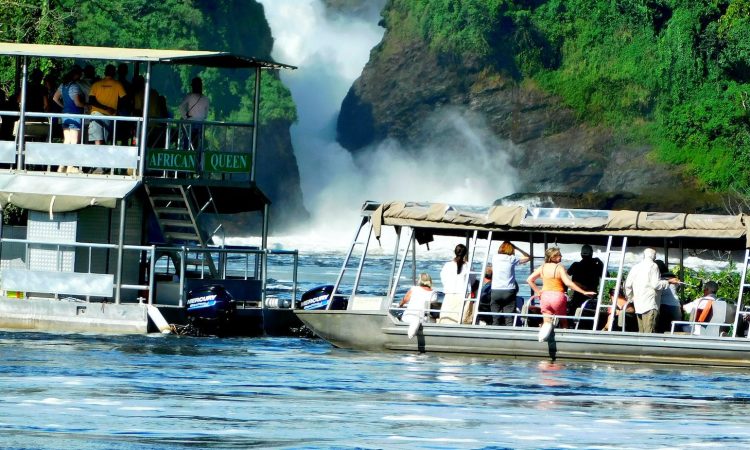
For a luxury photography safari in Murchison Falls National Park, top activities include private sunrise/sunset game drives on the Buligi Circuit for predators, a private boat cruise to the base of the falls or Nile Delta for birding/crocodiles, hot-air balloon safaris, and hiking to the Top of the Falls
10-days-best-photography-uganda-wildlife-safari-holiday-and-gorilla-trekking
7-days-photography-uganda-safari-all-big-five-chimpanzee-and-gorillas
3-days-murchison-falls-national-park-best-uganda-safari-road-trip
3-days-best-honeymoon-uganda-safari-escape-to-murchison-falls-national-park
5-day-best-safaris-to-uganda-kidepo-and-murchison-falls-national-parks
5-days-kidepo-valley-uganda-safari-via-ziwa-rhino-sanctuary
6-days-best-of-murchison-and-kidepo-uganda-safari-via-ziwa
7-days-murchison-falls-uganda-safari-trip-via-ziwa-rhinos-kidepo-valley-and-jinja
7-days-uganda-tour-to-murchison-falls-via-ziwa-kibale-and-queen-elizabeth-national-park
9-days-africa-big-five-safari-in-uganda-safari-parks-and-gorilla-trekking
Photography Game Drives (Buligi Circuit)
Private game drives on the Buligi Circuit are tailor-made for photographers who need predictable light, flexible routing, and time to set up shots. Plan morning departures around 05:30–06:00 and late-afternoon drives from about 16:00 until dusk; those windows provide low-angle sunlight that sculpts fur and landscape, produces long shadows, and adds warm color to skies. Use a fast telephoto (300–600mm) for tight wildlife headshots and a 70–200mm for intimate portraits and compressed landscapes when animals are closer to the vehicle. Set a minimum shutter speed of around 1/1000s for running subjects (lions or leopards moving fast) and 1/500s for slower-moving giraffes or elephants; aperture priority at f/5.6–f/8 balances depth of field and sharpness. Shoot RAW, and carry two camera bodies if possible—one with a long lens, one with a midzoom—to avoid lens changes in dusty conditions.
Drivers and guides on private drives can circle or park for extended periods when animals are active; communicate your photographic goals with the guide (e.g., eye-level shots, wide environmental images, or feeding-action sequences). Use beanbags or a padded window rest for stability; avoid tripods inside vehicles as they’re cumbersome and unsafe. For composition, try low-angle silhouettes with the sun behind the subject for dramatic rim light, or include acacia trees and termite mounds to anchor scale—giraffes against the horizon read large and majestic. Respect distance and the guide’s instructions: animal welfare and safety come first. Expect to return with a mix of tight portraits, detailed behavior frames, and wide savannah context shots—review exposures during breaks and tweak ISO settings for the changing light.
Boat Cruise to the Falls & Delta
A private launch along the falls and the Delta is one of the best ways to photograph large Nile crocodiles, hippos at close range, and more than 450 bird species, including the rare Shoebill. For safety and image quality, opt for a boat with a shaded roof and stable platform; morning (06:00–09:30) and late-afternoon (15:00–18:00) cruises again deliver the most flattering light and the highest wildlife activity. Bring a long lens—300–600mm is ideal for distant birds and skittish crocodiles—plus a 70–200mm for composition flexibility. Polarizing filters cut glare off the water and enhance skies; lens hoods help reduce reflections when shooting across bright water.
Hippos and crocodiles can appear suddenly; keep shutter speeds high (1/800s–1/1600s) for abrupt movements, and use continuous autofocus with a high frame rate when tracking action. For bird portraits, aim for shallow depth (f/4–f/6.3) to isolate the subject, but stop down to f/8–f/11 when you want both foreground birds and background habitat sharp. The Shoebill rewards patience: move quietly, limit sudden movements, and let the guide position the boat for a clean background—open water or reeds work best. Use spot metering for dark crocodiles against bright water to prevent underexposure, and bracket exposures if the scene includes strong contrast.
Practically, wear neutral-colored, non-reflective clothing and keep camera gear covered between shots to avoid water spray. Protect electronics with zip-seal bags, and carry spare memory cards and batteries in a dry pouch. A lightweight beanbag or gimbal head helps steady long lenses on the boat’s rail. Bring binoculars for initial spotting since birds can be seen before they’re frame-filling. Boat cruises often include short stops at key points—use these to change lenses if needed, but keep exchanges quick and dust-free. Finally, respect local rules about distance to hippos and crocodiles; your guide’s judgment keeps both you and the wildlife safe.
Hiking to the Top of the Falls
The hike to the top of the falls takes you to vantage points where the Nile forces through a narrow 7-meter gorge—an opportunity for dramatic, powerful images of water in motion and the surrounding geology. Wear grippy trail shoes and bring a lightweight daypack with water, snacks, a waterproof camera cover, and a microfibre cloth to wipe spray from lenses. Morning light between 07:00–10:00 tends to be cooler and clearer; late afternoon offers warmer tones and the chance for dramatic mist backlit by the low sun. A wide-angle lens (16–35mm or 24–70mm) captures the scale and context of the falls, while a midtelephoto (70–200mm) isolates details—rock textures, water plumes, and people for scale.
To photograph flowing water, carry a neutral-density (ND) filter for long exposures that smooth the water into silky streams—use exposures from 1/4s to several seconds depending on flow and light, and bracket to ensure you keep detail in highlights. If you prefer a crisp, fast-freeze look, use shutter speeds of 1/500s or faster. Use a small, stable travel tripod where terrain allows; otherwise brace your camera on rocks or a beanbag. For handheld long exposures, raise ISO carefully and use IS (image stabilization) if your lens supports it, though IS is less effective at multi-second exposures.
Include human elements—local guides, children, or porters—at the edge of the frame to convey scale; a person standing near the gorge’s lip instantly communicates the waterfall’s force. Pay attention to composition: leading lines formed by riverbanks and rock strata guide the viewer’s eye toward the gorge. Watch weather—heavy spray and sudden gusts can quickly wet filters and lenses, so keep lens cloths handy and change settings under shelter. Respect safety signs and stay behind guard rails; the combination of slippery rocks and powerful water makes caution essential. Expect 1.5–3 hours for the round trip depending on stops, and plan for extra time if you want to experiment with multiple exposures and filters.
Chimpanzee Trekking in Budongo Forest (Kaniyo Pabidi)
Kaniyo Pabidi in Budongo Forest is among the most rewarding sites for photographing habituated chimpanzees and other primates. Treks typically begin at first light (06:00–07:00) when chimp activity is high; the animals move through the canopy, feed, and engage in social behavior that translates beautifully to images. Use a fast telephoto (300mm or 400mm) for closer portraiture and a 70–200mm for group interactions and environmental portraits. Shoot RAW and set a high continuous autofocus mode with a modestly fast shutter (1/500s–1/1000s) to freeze leaps and sudden head turns. In dense forest, light levels fall quickly; be prepared to raise ISO—modern cameras handle ISO 1600–6400 well and that’s preferable to motion blur.
Respect the trek rules: maintain a minimum distance unless the chimp approaches you (do not pursue them), keep noise to a minimum, and follow the guide’s lead to avoid disturbing communities. Use spot metering to expose for faces if the canopy creates dappled light; consider a small fill flash or high-ISO single-frame bursts for brief shaded encounters, but only if permitted by the tracker team. A monopod or sling-style support aids stability without the bulk of a tripod and is handy during long waits.
Bring a lightweight waterproof jacket, insect repellent, and knee protection for low scrambling. Treks can last 2–5 hours and may involve steep, slippery trails—good fitness helps. For composition, aim for close-eyes and hands to reveal personality: chimp hands grooming fur, expressive eyes peering through leaves, or an adolescent swinging mid-air. Include environmental frames showing chimps in the canopy to document habitat. If you hope for family-group portraits, communicate with the guide about preferred angles and be patient; primates don’t pose on command. Finally, consider hiring a local photography guide or joining a small group to increase your chances of long, unobstructed encounters while supporting local livelihoods.
Sport Fishing (Nile Perch on the Nile)
Sport fishing for Nile Perch on the Nile is a specialist, high-end activity offering adrenaline-fueled encounters with large freshwater sportfish. These trips are usually catch-and-release and organized by experienced operators who provide rods, tackle, and local knowledge. Best seasons depend on river conditions, but early mornings and late afternoons are reliable; plan for 4–8 hour half- or full-day trips. Use robust tackle—a 20–30 lb class outfit or heavier depending on expected fish size—and braided line for sensitivity and power. Bring polarized sunglasses to reduce glare, and quick-dry clothing; on-boat shade or sun protection is essential.
From a photographic standpoint, fishing shots ask for wide storytelling images (anglers battling fish, the boat and river setting) and close action frames (struggling line, water spray, fish in the air). A 70–200mm covers most action, while a 16–35mm or 24–70mm documents the angler and environment. Fast shutter speeds (1/1000s or faster) freeze splash and the bursty action of a fish jumping; continuous focus and high frame rates increase your keeper rate. Use a polarizer to reduce surface reflections and reveal submerged shapes when photographing fish near the surface.
Safety and ethics matter: follow operators’ handling protocols to minimize stress—wet your hands when lifting fish, keep them in water as long as possible, and photograph quickly. Many operators include a release cradle and a local species expert; ask about best practices and whether a photographer can be near the fish during handling. Expect long waits punctuated by explosive action; stay ready with camera settings dialed in and a charged battery. Budget for boat fuel and guide fees—specialist trips are premium experiences and frequently include drinks and light meals. Sport fishing on the Nile delivers dynamic images that combine human effort, raw waterpower, and the scale of trophy freshwater fish.
Sundowner Drinks & Bush Dinners
Sundowner drinks and bush dinners blend relaxed social time with strong photographic potential: warm, low light, vivid skies, and the chance to capture silhouettes, candid portraits, and intimate table scenes under lanterns. These experiences typically start about an hour before sunset and continue into the evening; arrive early to photograph changing light and the setting sun. A range of lenses is useful: a 24–70mm for environmental portraits and table scenes, a 50mm or 85mm for low-light portraiture, and a 70–200mm if wildlife approaches. Use wide apertures (f/1.8–f/4) to isolate subjects and create creamy bokeh for candlelit or lantern-illuminated frames.
Low-light techniques are crucial: set ISO to achieve shutter speeds that prevent camera shake—modern cameras often perform well at ISO 3200–12800. Use a lens with good low-light performance and image stabilization; a monopod or a small travel tripod makes long exposures possible without blur. For warmer color, dial white balance to “shade” or warm Kelvin values (around 4000–4800K) depending on light sources, or shoot RAW to tweak in post. Capture candid moments: laughter, toasts, a hand reaching for a glass, or the silhouette of a guide serving food against the sunset.
Practical tips: keep spare batteries warm (cold nights drain them faster), and store extra memory cards in a pocket to avoid fumbling by candlelight. Respect other guests’ desire for quiet and the lodge’s low-light policies—some places discourage flash. If photographing lantern-lit tables, use small, diffused LED panels or a reflector to fill shadows subtly. Include wider context shots that show the landscape—the river or plains at dusk—then move in for intimate portraits once the light softens. These evenings are also good times to photograph local cuisine and table settings for storytelling images; ask permission before photographing staff or local performers. The result should be a set of warm, narrative images that convey atmosphere, food, and human connection in a scenic wild setting.
What is the best activity for photography in Murchison Falls?
The boat cruise from Paraa toward the base of Murchison Falls is the single most productive photographic activity in the park. From the launch you get a fluid mix of subjects and light: great concentrations of hippos and Nile crocodiles along the banks, elephants and buffaloes drinking at the waterline, and a dense, bird-rich fringe that is excellent for both wide environmental images and tight bird portraits. The falls themselves—where the Victoria/Albert Nile is forced through a narrow 6–7 meter gorge and drops with thunderous power—are a dramatic focal point for landscape and action photography. Timing matters: aim for early morning for soft, cool light and wildlife activity, or late afternoon for warm tones and long shadows. A typical launch lasts 2–3 hours (bottom-of-the-falls) or up to 3–4 hours for the Albert Delta cruise; plan to use both depending on your interests.
Lens choice: carry a long telephoto (300–600mm) for crocodiles, hippos, and skittish birds; a 70–200mm for mixed close-medium subjects; and a wide-angle (16–35mm or 24–70mm) for the falls and riverscapes. Use a polariser to cut glare on the water and boost colours; bring rain protection and protective covers—the spray near the falls and river mist will land on your lens. Shutter speed: use 1/800–1/1600s for sudden animal movements, 1/500s for calmer subjects; bracket exposures in strong contrast scenes. Stability: a good gimbal head or small beanbag for the boat rail will reduce blur.
Work with your guide and boat pilot: operators know the best vantage points and will stop for extended observing or repositioning when wildlife appears. Keep waterproof bags for memory cards and batteries and avoid lens changes on the boat—spray and humidity are common. Above all, maintain safe distance and respect wildlife: the boat is the platform, your guide’s experience keeps you safe and yields the best images.
Can I take a hot air balloon safari?
Yes—hot air balloon safaris run at sunrise in and around the park and are a superb way to photograph landscape-scale patterns, herds and predator-prey interactions from above. Balloons typically lift off around 05:30–06:00 so you catch the cool, directional morning light; flights last about 45–60 minutes and carry small groups (often up to 12–16 passengers depending on operator). From the basket you can compose very different images to vehicle-based work: sweeping panoramas of the savanna, meandering river channels, and sometimes native wildlife that looks small and graphic against the grass—herds of kob, buffalo, or clusters of elephants are particularly photogenic from altitude.
Technical approach: use a mid-range zoom (24–70mm or 24–105mm) for broad context and a 70–200mm for isolated subject compression; wide apertures aren’t necessary if there’s plenty of dawn light—f/5.6–f/8 will keep subjects sharp. Stabilization is mostly handled by the basket; shoot handheld at shutter speeds of 1/250s or faster to freeze slight motion from burners and wind. Because you’ll often be shooting down at subjects, pay attention to background clutter—water holes and river bends make clean compositions. A polariser is less useful in a balloon due to changing angles, but a lens hood helps with flare when the sun rises.
Practicalities: book in advance—balloon places are limited and fill fast in peak season. Operators generally include a short celebratory bush breakfast after landing; bring layers (it’s cold at dawn), sun protection for after, and strap your camera securely. Ask the operator about insurance and weight limits. Respect regulations and pilot instructions—leaning too far over the basket or dropping gear is dangerous. The aerial perspective is complementary to your boat and vehicle images and can produce standout frames for a portfolio or travel story.
What is special about the Delta Boat Cruise?
The Paraa-to-Albert-Delta launch is a longer, wildlife- and bird-focused river journey that takes you from the park’s mid-section downriver toward Lake Albert. Its principal photographic asset is concentrated birdlife—reed-edge species, raptors and, critically, the occasional Shoebill Stork that prefers delta wetland habitat. The delta scenery yields layered images: waterways and papyrus beds, waterbirds in flight, and the pale, flat lake surface contrasted with distant shoreline trees. The extended cruise gives time to wait for behaviour—feeding herons, fish-eating raptors, and shoals of hippos—so it’s ideal for patient wildlife photographers.
Logistics: the delta cruise lasts longer (often 3–4 hours) and requires a stable, shaded launch with space to mount long lenses on the rail. Bring a 300–600mm telephoto for distant birds and a 100–400mm for flexible framing; a 1.4x tele-extender can help with shy Shoebills. Camera settings: start at 1/1000s for birds in flight and 1/800s for fast action; for perched birds you can reduce to 1/500s and stop down to f/8 for depth if background context matters. Spot metering is useful when a dark bird sits against bright water. Carry extra batteries and cards—long cruises run through both.
Behavioural tips: birds often feed at the water edge—have your focus mode on continuous and use back-button AF to track wingbeats. Quiet the boat when the guide signals a sighting; Shoebills are especially sensitive. Use boat stops to change lenses, but keep exchanges short and protected from spray. Wear neutral colours to reduce reflections that might startle birds. Finally, the delta gives environmental images—combine tight bird portraits with wider habitat shots to tell the story of this rare wetland.
Where can I photograph the Big Five?
To photograph the Big Five in Murchison Falls, the savanna game drives—especially on the Buligi Circuit and other southern tracks—are your best shot. Buligi covers long, open grasslands interspersed with riverine corridors and acacia stands; this mix draws elephants, buffaloes, lions, leopards, and, with planning, access to rhinos via nearby Ziwa Rhino Sanctuary (outside the park) or integrated multi-day itineraries. Early morning and late afternoon drives increase sighting odds because animals are active then; drives are usually 3–6 hours including stops for photography, picnic breaks and repositioning.
Gear and technique: carry a long telephoto 300–600mm for tight portraits and a 70–200mm for medium-range behaviour and compressed landscape shots; a 24–70mm or 16–35mm is handy for environmental images and dramatic sunset silhouettes. Use aperture priority or manual: f/5.6–f/8 balances subject isolation with sufficient depth of field. For moving subjects, set a shutter minimum of 1/1000s for running predators and 1/500s for larger, slower movers like elephants. Two camera bodies help — one with the long lens mounted, the other with a midzoom to avoid lens swaps on dusty tracks.
Work with your guide: local drivers know animal territories, recent movement and where leopards hang out (trees and rocky outcrops). Communicate your photographic goals—close portraits, action, or habitat shots—and ask for time to set up. For rhinos, a specific visit to Ziwa Rhino Sanctuary or guided rhino-tracking programs is required; those encounters are controlled and often allow closer distances under ranger guidance. Respect safety rules—do not exit vehicles without guide permission—and understand that wild animals dictate framing and distance. A mix of game-drive images—tight faces, feeding behaviour, interaction sequences, and habitat frames—will yield a full Big Five portfolio.
How do I get close-up shots of the Falls?
To achieve compelling close-up images of Murchison Falls you need to combine the “Top of the Falls” hike with careful technique and protective gear. The viewpoint at the rim—where the Nile narrows to a 6–7 meter choked gorge—lets you photograph surging water, spray, and rock detail from very near the action. The top-of-falls hike is roughly 20–90 minutes from the boat stop depending on which trail and your pace; the Churchill/Church Hill trail is a classic route used historically and provides several excellent vantage points.
Composition and technique: wide-angle lenses (16–35mm, 24–70mm) capture the scale and the river channel; use a midtelephoto (70–200mm) to compress and isolate water patterns and rock faces. Long-exposure techniques (1/4s to several seconds) with an ND filter will render the water silky and accentuate flow lines—bring a compact travel tripod or stable beanbag for support. For a frozen-water look, use fast shutters (1/500s or faster). Spray management is critical: bring microfiber cloths, lens rain covers, and quick-dry cloths for wiping droplets. Consider weather-sealed gear or protective plastic covers.
Lighting: morning and late afternoon provide the most interesting light—directional sun can create golden rim light on water spray. Overcast days can give even, high-dynamic-range scenes where you can reveal texture without harsh highlights, but be prepared for dull skies. Use spot metering on the water or rock to avoid blown highlights, and bracket exposures if the dynamic range is large.
Safety and access: stay behind guardrails where present and follow guide instructions. Rocks are slippery and currents strong—never get too close to the gorge edge. Combine top-of-falls images with bottom-of-falls boat shots for contrasting perspectives—one captures raw power up close, the other shows context and the river’s journey. Finally, include human elements—guides, porters, or a silhouette at the rim—to communicate scale; one person near the lip dramatically conveys the falls’ force.
Is chimpanzee tracking available?
Yes—chimpanzee tracking is available at several sites, and in Murchison Falls the Kaniyo Pabidi (Budongo Forest) and Rabongo forests are the main locations for photographic chimp encounters. Treks typically start at first light (06:00–07:00) when chimps are most active, and groups are led by experienced trackers and guides who follow habituated communities. Treks can vary from short, gentle walks to longer, physically demanding hikes depending on where the chimp group ranges that day; be prepared for 2–5 hour tracking sessions.
Camera approach: a 300–400mm telephoto is ideal for portraits and behavioural detail when chimps are in the canopy or on the ground; 70–200mm is useful for group interactions and environmental portraits. Forest light is challenging—dappled, low and changeable—so be ready to raise ISO to 1600–6400 and use fast apertures (f/2.8–f/5.6) to keep shutter speeds above 1/500s for sudden movement. Continuous autofocus, high frame-rate burst modes, and back-button AF increase keeper rates when a chimp suddenly swings or charges.
Respect and ethics: keep the legal minimum distance (and your guide’s instruction) to avoid stress or disease transmission—do not pursue chimps, avoid sudden movements, and do not use flash unless explicitly allowed. Use quiet, respectful behaviour; many habituated chimps will approach but never assume proximity. Consider a monopod or sling support for stability on long waits.
Logistics and comfort: wear neutral-coloured, moisture-wicking clothing, insect repellent, and sturdy, grippy boots; bring water, snacks, and a lightweight rain jacket. Protect camera gear from humidity with silica packs and zip-lock covers; avoid lens changes in the field. If you want both close portraits and wider habitat frames, travel with two bodies or swap lenses briefly at trailheads. Hiring a local photography guide or joining small, private groups increases your chances of long, unobstructed encounters while supporting conservation and local livelihoods.
Are there private, exclusive photography safaris?
Yes—private and exclusive photography safaris are widely offered and especially valuable for serious photographers. Luxury operators and specialist photo-tour companies can arrange private vehicles, private launches, and dedicated guides who prioritise positioning, light and time—allowing you to wait for ideal behaviour, return to a sighting for different lighting conditions, or stage composition runs without competing tourists. Exclusive safaris are typically half- or full-day private drives, tailored multi-day schedules, or bespoke packages that include specialist vehicle setups (e.g., raised seats, swivel mounts, mounts for gimbal heads), guide/spotter teams, and even remote camp options to be on location at dawn.
Advantages: control over timing (extended early morning or late afternoon windows), the ability to chase specific subjects (a known pride, a resident breeding herd), and extra flexibility when changing composition, lenses, or camera bodies. For bird photography or delta work, private boats that slow or hold position let you achieve close range shots—useful for skittish species such as the Shoebill. Private ops also allow additional staff—assistants to hold beanbags, help with lens changes, or manage gear in wet or dusty conditions.
Considerations: private safaris are more costly but yield higher productivity for portfolios or commercial work. Ask operators about vehicle modifications (gunwale mounts, cushioned rests), guide photography experience, and whether they provide a photography assistant. Communicate your technical needs—lens-range, preferred species, and desired shots—before travel so routes and permits can be planned. Also confirm logistics: fuel surcharges, photography-specific permits, and cancellation policies. If you’re shooting for publication, discuss rights, commercial permits and whether the operator can arrange access to conservation areas or research teams for special subjects. Private safaris can be the most efficient and rewarding way to produce a focused body of work while minimizing disturbance to wildlife.
What is the best time of day for game drives?
Early morning (roughly 05:30–09:30) and late afternoon (approximately 15:00–18:00) are the most productive windows for game drives in Murchison Falls. Cooler temperatures concentrate animal activity in these periods: predators hunt and move, herbivores leave bedding areas to graze, and water-dependent species come to the river margins. Light quality is also superior—low-angle sun produces warm tones, long shadows and textured light that gives fur and landscape dimensionality—features photographers prize. Midday is typically flat, harsh and hotter; animals rest and hide, reducing sighting odds.
Plan drives around golden hours: dawn gives cooler colour temperatures and softer shadows; late afternoon yields warmer light, and the “blue hour” after sunset offers silhouettes and mood if light conditions allow. For birds, early morning is often best as many species are most active and vocal then. Night drives, where permitted, open chances for nocturnal species (leopards, civets, genets) but require specialist guidance and bring a different set of photographic challenges and equipment.
Practical tips: start drives before sunrise if possible—your driver can position the vehicle to intercept known roads used by predators. Bring layers (temperatures drop at dawn), sun protection for later hours, and snacks. Set camera defaults for each window: start with lower ISOs and tighter apertures at dawn as light builds, then lower shutter speeds for panning at dusk if subjects move slowly. Discuss your goals with the driver at the start—if you want close portraits, ask to approach slowly; if you need silhouette shots, request stops that place the subject against the sky. Lastly, remember that animal behaviour is variable—good guides increase your chance of success but patience is part of the recipe.
Can I photograph birds?
Absolutely—Murchison Falls is excellent for bird photography, with over 450 species recorded across riverine, savanna and forest habitats. Key targets include waterbirds along the Nile and Albert delta (herons, egrets, African fish eagle), raptors perched on riverine trees, and Albertine Rift endemics. The Delta and Kazinga-like river edges concentrate birds, while forest patches (Kaniyo Pabidi, Rabongo) and papyrus swamps host specialised species like the papyrus gonolek and, for truly specialists, the Shoebill Stork in wetland/delta areas.
Gear and technique: a 300–600mm telephoto is the workhorse for bird portraits and flight shots; a 100–400mm is a lighter alternative that covers most situations. Use fast shutter speeds—1/1000s or faster for flight shots—and continuous autofocus with predictive tracking modes. For perched birds, f/5.6–f/8 gives a good balance of subject isolation and sharpness. A gimbal head or sturdy monopod is essential for long-lens stability during long waits. Polarizing filters reduce water glare; high-speed memory cards help when shooting burst sequences.
Finding subjects: morning boat launches, river banks, and tree lines are rich. Work with guides and boat pilots who know nesting sites and regular roosts; they can slow or hold position for better angle and background. For rare targets such as Shoebill, patience, quiet approach and sometimes extended waiting are required—avoid sudden moves. Finally, mix tight portraits with environmental frames—show the bird in context (papyrus reedbeds, river bends) to tell a stronger story.
What is the "Heart of Murchison" drive?
The “Heart of Murchison” drive refers to game drives through the park’s southern and central savanna sectors—routes that cut through open grasslands, acacia woodlands and riverine corridors that form the park’s core wildlife habitat. These drives cover lesser-visited areas away from crowded vantage points and offer strong chances for photographers to find interesting light, varied species compositions and dramatic landscapes. The tracks move through Buligi and Paara areas, meet the river in places, and often bring encounters with grazers, predators, and large bull elephants.
Photographic advantages: the Heart routes are less crowded and allow longer stops for set-up and composition. The plains and trees create strong foreground and background elements for storytelling shots—herds crossing a line of acacia, a lone bull elephant framed against a dramatic sky, or a pride lounging in tall grass. Timing remains critical—early morning and late afternoon yields the best activity and light.
Practical notes: inform your guide about composition goals; they can position the vehicle for low-angle shots and recommend vantage points for silhouettes or horizon framing. The roads here can be rough—4x4 vehicles and experienced drivers are recommended. Vehicle conservation: staying on designated tracks minimizes habitat damage; ask the guide to explain local restrictions. For deeper access, private safaris can secure extended time on prime sections of the Heart route, increasing the likelihood of rare or prolonged sightings.
Are there night game drives?
Yes—guided night drives can be arranged and offer a different photographic opportunity focused on nocturnal species such as leopards, hyenas, civets, genets and owls. Night drives use searchlights or vehicle spotlights; photographers can capture eye-shine reflections, silhouette work, and restrained portraiture under artificial light. Because of the use of lights and the low available light, night photography requires a different approach: fast lenses (f/1.8–f/2.8), high ISO performance, and stable support like a monopod.
Technique and ethics: set your camera to high ISO (ISO 3200–12800 depending on the camera), open aperture wide to gather light, and use shutter speeds appropriate for subject movement—try to keep above 1/200s where possible for animals that may flick their heads. Spot metering on the animal’s body helps expose correctly under the beam. Avoid flash unless the operator and park rules permit it; flash can disturb animals and alter natural behaviour.
Safety and regulation: night drives are run only by experienced guides and respect park rules; not all sectors allow them, and availability may vary seasonally. Because animals can be unpredictable in low light, follow your guide’s instructions and stay within vehicle confines. For conservation reasons, operators limit spotlight use and duration—ask about the operator’s ethics and whether they follow best-practice guidelines for nocturnal wildlife viewing. Night drives are rewarding but demand preparation and sensitivity.
What to expect in Budongo Forest besides chimps?
Budongo Forest (including Kaniyo Pabidi and Rabongo) is a biodiverse forest with a rich array of subjects beyond chimpanzees—excellent possibilities for primate portraits, bird photography, macro work and atmospheric forest landscapes. You’ll encounter black-and-white colobus monkeys, red colobus, various guenons, baboons, and smaller mammals like pottos and galagos (nocturnal). Birdlife is abundant: forest specialists such as the white-thighed hornbill, yellow-footed flycatcher and Ituri batis show well in good light.
Photographic tips: forest lighting is low and dappled, so be ready to raise ISO (1600–6400). Use fast telephotos (300–400mm) for canopy subjects, 70–200mm for mid-distance interactions, and a macro or 100mm prime for insects and floral detail. For mammals and birds, continuous AF and fast shutter speeds (1/500s–1/1000s) help freeze movement in dim conditions. For night or nocturnal shots (e.g., galagos), specialised night-trekking with red-filtered torches and long lenses can produce unique frames—only under guided, permitted conditions.
Behavior and access: primate encounters may involve slow, careful tracking; local trackers and guides know daily ranges and feeding sites. Budongo’s forest trails and canopy structure also create excellent opportunities for composition—shooting along leading lines created by tree trunks or capturing sunbeams in misty mornings. Respect the forest: stay on tracks, avoid loud noise, and follow guide rules about flash and proximity to wildlife. Budongo’s variety makes it a rewarding complement to river and savanna images.
Are walking safaris available?
Yes—guided walking safaris are available in and near park zones and are a valuable way to produce different photographic material: micro-nature, detailed plant and insect shots, tracking spoor, and intimate animal portraits at close range (with a skilled guide). Areas such as certain sections around the park boundaries, and community-run trails, allow guided walks where you can study animal tracks, observe bird and insect life, and photograph small mammals and ecosystem details that are missed from vehicles.
Equipment and technique: walking safaris favour lighter kits—carry a 70–200mm for flexible reach, a 24–70mm for environment shots, and a macro or 100mm for insects and plant detail. A small monopod or hand strap helps stabilize longer shots. Use apertures suitable for subject isolation (f/2.8–f/5.6 for macro isolation; f/8 for depth in landscapes) and prepare to raise ISO when canopy cover reduces light.
Safety and conservation: walking safaris are led by trained guides and trackers who know animal behaviour and can read signs; they pick routes that minimise disturbance. Stay close to the guide, follow instructions about silent movement, and do not attempt to approach large animals—walking safaris focus more on small-scale and behavioural subjects. Walking offers unique storytelling frames—hand-held plant textures, animal tracks, and human-wildlife interface scenes that enrich any photographic narrative.
What are the best months for a photo safari?
The dry seasons—December to February and June to September—are the most favourable months for photography in Murchison Falls and wider Uganda. During dry months vegetation is lower, visibility improves, and water concentrates wildlife along rivers and waterholes, increasing the chances of close sightings and predictable animal concentrations. Bird migration patterns also concentrate certain species seasonally, and river levels change to reveal exposed banks where hippos and crocodiles gather.
Advantages of the dry seasons: easier access on tracks (less risk of being bogged), longer daylight hours for driving and boat launches, and more reliable roads between lodges and park entrances. For birds, some species are more visible in the dry season when they congregate around shrinking water bodies, while the wet season (March–May and October–November) brings lush green landscapes, abundant newborn ungulates and migratory insectivores—better for dramatic landscapes and lush forest shoots but tougher for access and some species spotting.
Plan logistics around seasons: lodges and operators are busier in dry months—book early for boats, balloon flights and chimp/gorilla permits. Wet-season photography can reward with dramatic skies, dramatic waterfalls and lower visitor numbers, but expect muddy trails and intermittent rain. Ultimately, choose timing according to your priorities: close, dry-season wildlife and easier logistics, or green-season landscapes and potentially fewer tourists.
Can I combine Murchison Falls with another destination?
Yes—combining Murchison Falls with nearby destinations is straightforward and highly recommended to broaden photographic opportunities. Common and productive pairings include Ziwa Rhino Sanctuary (for rhino trekking and close rhino portraits), Budongo Forest (chimpanzee tracking and forest birds), and Queen Elizabeth or Kibale for tree-climbing lions, chimps, and diverse savanna/forest contrasts. Logistics: Murchison sits in northwestern Uganda; Ziwa lies to the southeast en route from Kampala, and Budongo is often combined in a single multi-day itinerary. Many operators offer multi-park circuits—two- to seven-day combinations that maximise species variety while minimising backtracking.
Practicalities: allow extra days for travel and for permitting—chimp and rhino tracking, and gorilla permits elsewhere, must be booked in advance. If you want gorillas, combine Murchison with Bwindi or Mgahinga, but note driving distances are long (plan internal flights or overnight stops). For photographers, mixing habitats is invaluable: river and delta work at Murchison, forest primates and macro work at Budongo/Kibale, and savanna big-game drama at Queen Elizabeth or Kidepo yields a diverse portfolio.
Work with a local operator to create a sensible routing that matches drive times, permit availability, and your photographic objectives (private launches, balloon bookings). Combining destinations increases cost but hugely raises payoff: you’ll leave with a complete visual story of Uganda’s animal, bird, forest and river ecosystems rather than a single-venue snapshot.
When is the best time for a Luxury Uganda photography safari
The best time for a luxury photography safari in Uganda is during the dry seasons: June to September and December to February. These months offer clearer skies, firmer trails and easier access to remote forests and savannahs, making gorilla and chimp trekking more predictable and comfortable. Wildlife congregates around water sources, improving game-viewing for species such as elephants, buffalo and Uganda kob, while visibility for long-range shots and sunrise/sunset sessions is excellent. Birding and migratory species are also rewarding, with many resident and Palearctic migrants present. The dry conditions reduce rain-related lens and gear issues, though occasional showers can occur — packing weather-sealed protection and quick-dry clothing is wise. If primate photography is the priority, consider shoulder months (March–May, October–November) for fewer tourists and lower rates, but expect wetter trails and more challenging logistics. For peak light and crisp landscapes, plan your trip around new and crescent moon phases for darker skies during night-sky photography.
Where to stay on a Luxury Uganda photography safari
Choose accommodations that combine prime photographic access, privacy and expert service. Around Bwindi Impenetrable Forest, opt for exclusive lodges like high-end forest-side camps or luxury bandas with private viewing platforms and fast access to gorilla trek trailheads — amenities should include dedicated photo prep areas, secure charging stations, tech-friendly rooms and experienced naturalist guides. In Queen Elizabeth National Park and Murchison Falls, select riverside or savannah lodges with elevated viewing decks and private boats for dawn and dusk wildlife shoots; consider properties offering private vehicles for flexible game-drive timings. For chimp-focused Nyungwe-like experiences in Uganda’s western forests, boutique eco-lodges with early departure breakfasts and dry storage for equipment are essential. Also look for lodges that provide tailored photography services: transfers timed for golden hours, vehicle roof-hatches, hides/blinds, and staff familiar with camera cleaning and battery management. Prioritize properties that support conservation and community projects — they provide meaningful context and photographers often gain access to local subjects and cultural portraits.
Booking a Luxury Uganda photography safari with Roads of Adventure Safaris
Booking your luxury photography safari with Roads of Adventure Safaris ensures a tailored, high-service experience from first contact to final departure. Roads of Adventure arranges bespoke itineraries based on your photographic goals — whether gorillas, chimpanzees, big game, birds or cultural portraits — matching you with specialist guides experienced in wildlife behavior and best photographic practices. The company handles all logistics: permits, domestic transfers, private vehicles with photography-friendly modifications, luxury lodge reservations, and prioritized trailhead timings for optimal light. Roads of Adventure also offers equipment support options, such as secure storage, charging stations, and local contacts for emergency gear needs. We coordinate visa guidance, medical and vaccination advice, and flexible cancellation policies for peace of mind. For groups, Roads of Adventure can organize private guiding, tripods-friendly hides and post-safari image reviews or workshops. Contact Roads of Adventure Safaris to discuss dates, tailor inclusions, and secure limited gorilla and chimp permits well in advance.
