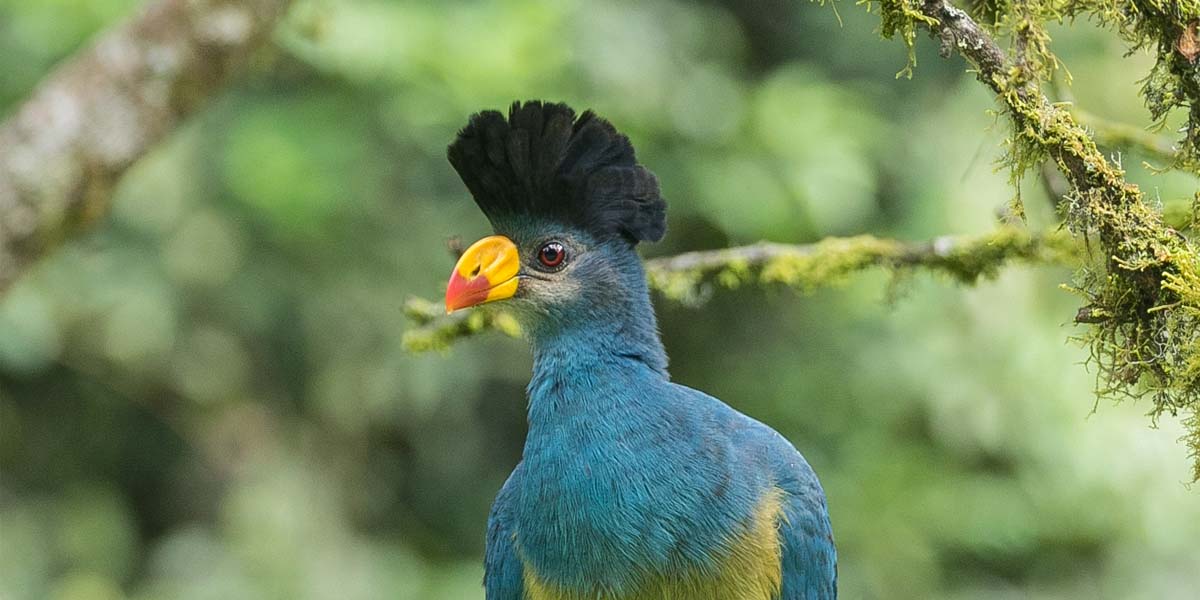
Kibale Forest National Park is a premier Uganda birding destination, renowned for its 370+ species, including 6 Albertine Rift endemics. Birders can spot the sought-after Green-breasted Pitta, African Pitta, and White-thighed Hornbill, particularly in the Bigodi Wetland Sanctuary. Best viewing is June–September and December–February.
25-days-complete-uganda-birding-safari-extravaganza-with-wildlife-viewing
22-days-best-uganda-primate-and-birding-safari-adventure
21-days-uganda-birding-safari-extravaganza-to-best-uganda-safari-parks
20-days-uganda-birding-safari-to-uganda-national-park
20-days-uganda-birding-safari-wildlife-gorilla-and-chimpanzee-tracking
14-days-classic-uganda-birding-safari-expedition
12-days-uganda-birding-tour-looking-for-rift-valley-endemic-birds-west-circuit
10-days-best-uganda-birding-safari-and-wildlife-experience
Key Uganda Birding Safari Information for Kibale Forest
Top Species
Kibale Forest is renowned for its rich biodiversity, particularly its impressive array of bird species. Among the top species that avid birdwatchers can hope to see are the Green-breasted Pitta and African Pitta. Both are known for their vibrant plumage and elusive behavior, making sightings a highlight for birders. The African Emerald Cuckoo adds flair with its stunning green coloration and melodious calls, often heralding the arrival of the wet season.
The Black-billed Turaco, with its striking colors and unique vocalizations, is another sought-after species found within the forest's depths. Additionally, the White-thighed Hornbill showcases a dramatic appearance and can often be spotted gliding through the canopy, adding excitement to any birding expedition. The Yellow-rumped Tinkerbird and Blue-shouldered Robin-chat are also notable sightings, with their distinctive calls and striking features providing a delightful challenge for bird enthusiasts. Observing these species in their natural habitat can offer stunning photographic opportunities and unforgettable encounters, making Kibale Forest an ideal destination for birdwatching.
Best Locations
When exploring Kibale Forest for birding, several prime locations enhance the experience significantly. The Kibale Forest trails themselves are well-maintained and meander through various habitats that support countless bird species. These trails provide access to different altitudes and ecosystems, increasing the likelihood of encountering a variety of birds.
The adjacent Bigodi Wetland Sanctuary is another prime birding location just outside the park. This area is known for its rich diversity of aquatic and wetland birds. Birdwatchers can enjoy sightings of many avian species that thrive in the lush wetlands, including the elusive shoebill and various heron species. Both locations are vital for birding enthusiasts, presenting varied experiences and abundant opportunities to observe unique bird species in pristine environments.
With expert local guides often available, visitors can maximize their encounters by visiting the right spots at the right times, ensuring a rewarding birdwatching experience in this biodiverse region.
Best Time
The best time for birdwatching in Kibale Forest aligns with the dry seasons, from June to September and December to February. During these months, the trails are typically more accessible and traversable, allowing birders to explore the rich habitats without the hindrance of mud or rain. Bird activity is generally heightened during these seasons as many species are either nesting or more approachable due to the abundance of food sources.
Alternatively, the wet season, spanning March to May and September to November, can also yield good birdwatching experiences, especially for spotting migratory species. This period attracts various migratory birds, enriching the biodiversity of the region. Birdwatchers should anticipate that while the trails may be more challenging to navigate, the rewards in terms of different bird species can make the efforts worthwhile.
Selecting the right time to visit Kibale Forest contributes significantly to the overall experience, allowing birders to harness the varied conditions and activities of its avian inhabitants.
Duration
For those venturing into Kibale Forest, a duration of 2 to 3 days is ideal to combine birding with chimpanzee trekking. This timeframe allows visitors to immerse themselves in the rich ecosystems and diverse wildlife of the area fully.
The initial days can be dedicated to exploring the trails and wetland sanctuary, focusing on spotting various bird species. Expert guides can enhance this experience with their knowledge of the best spots and timing for birdwatching. The third day could be allocated to chimpanzee trekking, adding another fascinating wildlife encounter to the visit. This unique combination not only broadens the scope of wildlife observation but also enhances appreciation for the rich biodiversity that Kibale Forest offers.
By engaging in both activities, visitors can maximize their adventure, gaining insights into the myriad species inhabiting the forest and wetland while enjoying the mesmerizing natural beauty that makes Kibale Forest a premier destination for wildlife enthusiasts.
Uganda Birding Highlights in Kibale Forest Park
Green-breasted Pitta
The Green-breasted Pitta is a highly sought-after species in Kibale Forest, renowned for its striking coloration and elusive nature. This bird boasts vibrant green, blue, and orange plumage, making it a visual delight for birdwatchers. Primarily found in dense undergrowth, spotting this species requires patience, as it is known to be secretive and hard to approach. Its unique calls resonate through the forest, adding to the excitement of birding in the area. Finding the Green-breasted Pitta is often considered a highlight of any birding expedition, showcasing the rich avian biodiversity of Kibale Forest.
Bigodi Wetland Sanctuary
The Bigodi Wetland Sanctuary is a prime birdwatching destination adjacent to Kibale Forest, featuring a variety of unique habitats that attract numerous swamp-specialty birds. This lush sanctuary is particularly well-known for sightings of the Great Blue Turaco, which dazzles visitors with its vibrant plumage and remarkable presence. The sanctuary offers well-maintained trails, making it accessible for birders keen to explore its rich biodiversity. In addition to the Great Blue Turaco, birdwatchers can expect to find a plethora of other species, ensuring an unforgettable experience in this serene wetland environment, perfect for birding enthusiasts.
Species Count
Kibale Forest boasts an impressive species count, often cited at around 370 regularly recorded bird species. However, some reports suggest the overall number could exceed 600 species within the broader region. This remarkable diversity is attributed to the park's varied ecosystems, including moist tropical forest, savannah, and wetlands, each supporting unique habitats. Birdwatchers can enjoy a rich tapestry of avian life, from colorful forest residents to migratory species during various seasons. This high species count makes Kibale Forest an essential destination for birding enthusiasts eager to explore Uganda's avifauna.
Best Times for Bird Viewing
Birdwatching in Kibale Forest is ideally conducted early in the morning or late in the afternoon when avian activity peaks. During these times, many bird species are more active and vocal, providing excellent opportunities for sightings and identification. Early mornings see birds engage in feeding, singing, and social interactions, allowing birdwatchers to experience the forest's vibrant atmosphere as the day begins. Late afternoons similarly bring bursts of activity as birds prepare for the evening, making them easier to spot.
This daily rhythm is particularly advantageous in a biodiverse environment like Kibale, where the dense foliage can make visibility challenging at other times. To optimize the birding experience, enthusiastic birdwatchers should plan their outings around these peak activity periods. Beyond timing, employing strategies such as being as quiet as possible and positioning oneself at strategic viewpoints enhances the likelihood of successful birdwatching.
Moreover, having a knowledgeable guide can dramatically improve the experience, as they are familiar with the local species and can provide insights into their behaviors and habitats. This comprehensive approach to timing and technique ensures that birders have the best chance to observe and appreciate the wealth of avian life in Kibale Forest.
Species Count
Kibale National Park is a birdwatcher’s paradise, confirmed to host over 375 species of birds regularly. This impressive variety can even exceed 600 species when considering the broader ecological zone surrounding the park, which includes secondary forests and wetlands. The park’s unique blend of habitats—including tropical rainforest, savannah, and swamp—creates an ideal environment for diverse avifauna.
Birdwatchers visiting Kibale can expect to encounter an array of colorful and exotic species, such as the African Green Broadbill, Green-breasted Pitta, and the Great Blue Turaco, among others. Many of these birds are dependent on specific habitats, making it essential to explore various regions of the park for a comprehensive experience.
In addition to its impressive species count, Kibale offers significant opportunities for observing not just the birds, but also the intricate relationships within the ecosystems. Guided birding tours can help identify these species while also providing context about their roles in the ecosystem. A visit to Kibale is an opportunity to immerse oneself in one of Uganda’s most vibrant and important ecological treasures, making it a must-visit destination for avid birdwatchers.
Optimal Visiting Seasons
The best times for birding in Kibale National Park align with the months of March through May and September through November. Although these periods are characterized by rainy weather, they provide unique advantages for birdwatchers. The rainy season encourages many migratory species to visit, enriching the diversity of birds available for observation. Additionally, the lush vegetation during these months creates a vibrant and beautiful setting that enhances the overall birdwatching experience.
Despite the rainfall, the forest is alive with activity, and many birds are easily spotted as they take advantage of the abundant food sources. This is particularly true for species like the Green-breasted Pitta and the African Green Broadbill, which may be easier to see during these wetter months due to their increased activity.
While navigating through the park may become more challenging due to muddy trails and obstacles, accessible pathways and well-maintained routes are still available. Pack proper rain gear and ensure the use of sturdy hiking boots to remain comfortable during explorations. Visitors should embrace the rich experience that comes with birdwatching in these months, as the lush, green environment provides an entirely different perspective on Kibale National Park’s avian inhabitants.
Key Bird Species
Kibale National Park is home to a myriad of bird species, and among the most remarkable are the African Green Broadbill, Green-breasted Pitta, and Great Blue Turaco. The African Green Broadbill is particularly sought after for its vibrant plumage and unique calls, often found in mature rainforest habitats. Birdwatchers fortunate enough to spot this elusive bird are treated to a special encounter that highlights the biodiversity of the region.
Equally enchanting, the Green-breasted Pitta wows observers with its striking colors and secretive nature. Its infrequent appearances increase the excitement and challenge of birding excursions in Kibale, making successful sightings particularly rewarding. The habitat preferences of these species often require visitors to venture into dense foliage, making skilled guides invaluable for locating these stunning birds.
The Great Blue Turaco stands out as one of the most frequently seen colorful birds in the park, known for its brilliant blues and greens. Its presence in the canopies above serves as an excellent introduction for birders keen on experiencing the avifauna of Kibale. The diversity of birds in the park adds an enriching layer to any visit, making Kibale a highlight in the birdwatching community.
Visiting Bigodi Wetland Sanctuary
Visiting the Bigodi Wetland Sanctuary is highly recommended for birdwatchers exploring Kibale Forest. This lush wetland, located adjacent to the national park, is rich with diverse bird species and provides an excellent opportunity to see papyrus endemics, such as the stunning White-winged Swamp Warbler and the Sedge Warbler. These specialized birds thrive in the unique wetland habitat, making Bigodi a critical area for both birdwatching and conservation.
The sanctuary’s network of well-marked trails allows visitors to explore idyllic surroundings while also offering chances to spot various other birds, including the Great Blue Turaco and the elusive kingfishers. Guided walks through the sanctuary enrich the experience, as knowledgeable guides can provide insights into bird behavior and the ecology of the area.
In addition to birds, the wetland sanctuary is home to numerous primate species and other wildlife, making it an excellent spot for holistic wildlife observation. Birdwatching at Bigodi also enhances the adventure of visiting Kibale by allowing for extended exploration beyond the park boundaries, diversifying the birding experience. This sanctuary is a must-visit for anyone eager to immerse themselves in Uganda's rich avifauna while enjoying the serene beauty of wetlands.
Essential Gear for Birdwatching
When embarking on a birdwatching journey to Kibale Forest, bringing the right gear is crucial for enhancing the experience. A good pair of binoculars, preferably 8x32 or 10x42 models, is essential for observing birds from a distance. High-quality optics allow birdwatchers to appreciate details in plumage and subtle behavioral nuances, adding depth to each sighting.
Additionally, a camera equipped with a zoom lens is important for capturing the breathtaking beauty of the birds and the pristine landscapes around Kibale. The opportunity to photograph unique species and stunning scenery can create lasting memories and documentation of the experience.
In terms of clothing, it is advisable to wear a vest or long-sleeved clothing in neutral colors, such as khaki or brown. Dressing in muted tones helps birdwatchers blend into their surroundings, minimizing disturbance to wildlife and enhancing the likelihood of close encounters.
Finally, carrying a field guidebook or installing a bird identification app on a smartphone can significantly boost identification skills. These resources help birdwatchers recognize elusive species in dense forests, making the birding experience even more fulfilling as they record their sightings. Together, this gear enhances the overall birdwatching adventure in Kibale Forest.
Transportation from Kampala
Traveling from Kampala to Kibale National Park typically takes about 5 hours by road, making it a manageable journey for anyone aiming to explore this avian haven. Various transportation options are available, including private vehicles, shared vans, or organized tour transport. Each of these choices presents different benefits, from comfort to cost-effectiveness.
Many visitor packages include transportation as part of the tour, offering added convenience to those who prefer not to navigate on their own. The road to Kibale takes travelers through scenic Ugandan landscapes, allowing glimpses of local life, agriculture, and vibrant scenery along the way.
Once you arrive at Kibale, having a vehicle readily available is beneficial for getting around the park and reaching prime birdwatching hotspots. Some lodges and tour operators also provide transport services within the park, facilitating easy access to key locations. An organized approach to transportation not only eases the logistics of the trip but also enriches the overall experience of exploring Kibale Forest's diverse ecosystems and avian attractions.
Importance of Guided Birding Walks
Guided birding walks are essential for successfully locating and identifying the elusive bird species in Kibale Forest. While the park is home to rich biodiversity, many birds inhabit dense undergrowth and can be challenging to spot without skilled local guides. Experienced birding guides possess intimate knowledge of the flora and fauna, helping visitors navigate the trails effectively.
These guides are trained to recognize subtle signs of bird presence, from calls to movement, increasing the chances of spotting remarkable species. Their expertise allows visitors to appreciate the nuances of bird behavior and ecology, providing insights that enhance the overall experience. They can also lead participants to some of the park’s hidden gems, maximizing sightings of species that may otherwise go unnoticed.
Additionally, guided tours are important for maintaining safety, particularly in the less accessible areas of the park. Guides ensure that visitors remain on designated paths and navigate varied terrain effectively. Overall, hiring a local guide enhances the birdwatching experience in Kibale, enabling participants to connect more deeply with the natural beauty and wildlife of this extraordinary environment.
Other Wildlife Viewing Opportunities
Kibale Forest does not only shine as a birdwatching destination; it also hosts an impressive array of wildlife, with 13 species of primates, including chimpanzees. Birdwatchers often relish the chance to see these remarkable primates while exploring the forest. Chimpanzee trekking can be included as part of an itinerary, allowing visitors to observe these intelligent animals in their natural habitat.
The park’s diverse ecosystems support a variety of wildlife, making it possible to encounter various mammals, reptiles, and butterflies while birdwatching. Visitors might see friendly olive baboons, playful red-tailed monkeys, or even the elusive forest elephant. The presence of diverse wildlife adds another layer of excitement to any visit.
Furthermore, the combination of birdwatching and primate trekking provides a holistic nature experience. Guided excursions can efficiently blend these activities, ensuring that visitors maximize their time engaging with the rich biodiversity of Kibale Forest. This unique opportunity to observe a variety of wildlife, all within one visit, makes Kibale an extraordinary destination for nature enthusiasts of all kinds.
Using Calls and Apps for Identification
Identifying elusive bird species in the dense foliage of Kibale Forest can be challenging, but utilizing voice calls and bird identification apps significantly enhances the birdwatching experience. Familiarizing oneself with the calls of local birds can help visitors pinpoint locations where specific species might be found. Many birds are more easily detected through their vocalizations than through visual sightings, especially in thick environments.
Birdwatchers can benefit from recording apps that provide access to the calls of various species found in the park. These resources offer a convenient way to learn sounds in advance, adding an interactive dimension to the birdwatching adventure. When out in the field, using apps that offer bird identification features can assist in recognizing unfamiliar species based on photos or descriptions, further enriching the experience.
Incorporating technology while maintaining a focus on traditional observation methods creates a balanced approach to birdwatching. The combination of auditory skills and modern tools enables birders to effectively engage with the avian community, enhancing their appreciation for Kibale Forest's rich birdlife and ensuring a fulfilling nature experience.
Terrain and Hiking Conditions
The terrain in Kibale Forest varies from dense tropical forest to swampy areas, presenting unique challenges and rewards for birdwatchers. As visitors navigate the park, they encounter a wide range of ecosystems, enriching the birding experience by allowing observation of diverse bird species adapted to different environments.
When exploring the forest and wetland areas, sturdy hiking boots are essential for comfort and stability. The trails can be uneven and, at times, muddy, particularly during the rainy season. Proper footwear not only enhances safety but also enables walkers to traverse varied landscapes more comfortably, ensuring a more enjoyable exploration.
The delightful mix of tropical rainforest and wetlands creates perfect habitats to support an astonishing array of birds. This rich landscape adds beauty to the journey, elevating the birdwatching experience as visitors encounter wildlife in picturesque surroundings. Understanding the terrain and preparing accordingly equips birdwatchers for an immersive and rewarding experience in Kibale Forest, one of Uganda’s premier birding destinations.
Rain Gear
When preparing for a birding adventure in Kibale Forest, bringing appropriate rain gear is vital. The forest is located at a high altitude and experiences significant rainfall throughout the year, especially during the wet seasons. Sudden downpours can occur, making it essential for visitors to be prepared for changing weather conditions.
Lightweight, waterproof jackets and breathable raincoats are recommended for keeping dry while maintaining comfort during hikes. Waterproof pants can also be beneficial, especially when navigating muddy trails. Using a rain cover for backpacks can protect essential gear such as binoculars and cameras from moisture, ensuring that equipment remains functional during adventures.
Despite the challenges posed by rain, the forest thrives with incredible biodiversity in such conditions. Some of the best birding experiences can occur while rain nourishes the environment, attracting a plethora of bird species seeking food. With the right rain gear, birdwatchers can enjoy Kibale’s rich avian offerings without being deterred by the weather, facilitating an immersive experience in this awe-inspiring environment.
Park Entrance Costs
Visiting Kibale Forest involves varying costs for park entrance, which are important for travelers to consider when planning their birdwatching excursions. As of now, the entrance fees are typically designated based on residency status, with foreign non-residents generally paying around $40 per day and foreign residents paying a slightly reduced fee. These fees contribute to the park's conservation efforts, helping to protect the diverse ecosystems and wildlife that make Kibale a premier birding destination.
In addition to the park entry fees, guided birding tours will incur separate costs. These guided excursions are highly recommended for maximizing the birdwatching experience, as knowledgeable guides enhance the adventure by offering insights into the local ecosystem, including bird behaviors and habitats.
Prospective visitors should plan ahead to obtain the most current information on entrance fees and tour costs. Those working with tour operators may find that package deals are available, which can encompass transportation, accommodation, and guided tours—all designed to provide a seamless experience. By factoring in these costs, birdwatchers can effectively budget for an unforgettable trip to Kibale Forest, immersing themselves in its remarkable avian diversity.
Booking Uganda birding safari in Kibale Forest Park with us Roads of Adventure safaris
Book your ultimate birding adventure in Kibale Forest National Park with Roads of Adventure Safaris, the experts in tailor-made Uganda birding safaris. Known for over 335 rainforest species, including the Green-breasted Pitta, our guided tours offer unmatched access to Kibale's diverse habitats. We provide professional birding guides, secure 4x4 transport, and comfortable, strategically located lodge bookings to maximize sightings. Experience the "Primate Capital of the World" while spotting African Shrike-flycatchers, various illadopsis, and rare pigeons. Contact us via email or WhatsApp to book your unforgettable trip to Uganda today.
