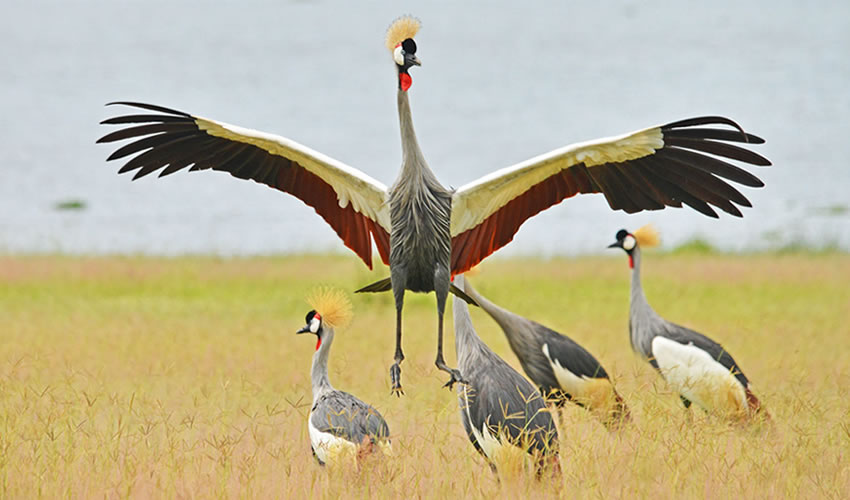
A Uganda birding safari offers incredible avian diversity (1000+ species) year-round, best during dry seasons (Dec-Feb, Jun-Sep) for easier access and breeding displays, featuring unique spots like Mabamba Swamp (Shoebill) & Bwindi (Albertine Endemics). Key preparations involve binoculars, cameras, and Yellow Fever/Malaria meds, with activities often combined with gorilla trekking. Expect expert local guides and access to diverse habitats from rainforests to savannas, making it a top global birding destination.
25-days-complete-uganda-birding-safari-extravaganza-with-wildlife-viewing
21-days-uganda-birding-safari-extravaganza-to-best-uganda-safari-parks
20-days-uganda-birding-safari-wildlife-gorilla-and-chimpanzee-tracking
20-days-uganda-birding-safari-to-uganda-national-park
14-days-classic-uganda-birding-safari-expedition
12-days-uganda-birding-tour-looking-for-rift-valley-endemic-birds-west-circuit
10-days-best-uganda-birding-safari-and-wildlife-experience
9-days-best-uganda-birding-safari-tour-from-swamps-to-savannah-eastern-route
8-days-best-uganda-birding-safari-and-wildlife-watching-tour-package
7-days-best-uganda-birding-safari-tour
5-days-uganda-bird-watching-safari-lake-victoria-shores-and-lake-mburo
1-day-perfect-mabamba-swamp-shoebill-stork-uganda-birding-safari
Why is Uganda a top birding destination for a Uganda birding safari?
Uganda is renowned as a top birding destination, boasting a remarkable 1,090 bird species, which accounts for about 11% of the world's bird population. This incredible avian diversity is a product of Uganda's varied climates and ecosystems, which range from dense forests to expansive wetlands and savanna regions.
The country's unique geographical position at the intersection of several ecological zones creates a rich array of habitats. Forests like those found in Bwindi Impenetrable National Park provide shelters for numerous rare species, while the wetlands of Mabamba Swamp attract unique aquatic birds. Savannas and grasslands like those in Queen Elizabeth National Park host a wide variety of raptors and ground-dwelling birds.
Moreover, Uganda is home to many Albertine Rift endemics, which are species found nowhere else in the world, such as the African Green Broadbill. These rare birds add to Uganda's allure as a birdwatching haven, making it an essential destination for avid birders looking to spot unique species.
Accessibility also plays a key role in Uganda's appeal. Many birding hotspots are within relatively easy reach of major cities like Kampala, and guided tours often include customized itineraries that focus on desired species. The abundance of skilled local guides equipped with extensive knowledge of birds makes it even easier for birdwatchers to navigate Uganda's diverse environments.
In summary, Uganda's impressive bird species count, ecological diversity, and accessibility make it a premier destination for birding enthusiasts from around the globe, providing opportunities to encounter some of the most sought-after avifauna in Africa.
What is the best time for a Uganda birding safari?
The best time for a Uganda birding safari aligns with the country’s dry seasons, which occur from December to February and June to September. These months offer ideal conditions for birdwatching, featuring clear skies and reduced rainfall, which enhance visibility and ease of travel in various habitats.
During the dry seasons, birds are more active, making it a prime time for spotting species in their breeding plumage. This is particularly exciting for birdwatchers seeking vibrant colors and unique behaviors displayed during mating rituals. The dry weather also results in easier access to trails, ensuring smoother navigation through Uganda’s diverse ecosystems.
Additionally, the migratory birds from Europe and North Africa begin to arrive in Uganda from November to April, adding to the already rich avian diversity available for observation. This period brings an influx of different species that are not typically seen in Uganda, providing even more opportunities for avid birders to expand their lists.
Traveling during the recommended dry seasons can improve the overall birdwatching experience by maximizing the likelihood of sightings and enjoying the scenic beauty of Uganda’s landscapes. Although birding can indeed be done year-round, aligning the timing with these dry periods enhances the chances of successfully spotting rare and migratory species.
Ultimately, planning a birding safari during Uganda's dry seasons increases the chances of experiencing the country’s lush wildlife and striking birdlife to the fullest extent, making for an unforgettable adventure in East Africa.
What birds can I expect to see on a Uganda birding safari?
A Uganda birding safari offers the opportunity to encounter an impressive variety of avian species, showcasing the country’s extraordinary biodiversity. Among the most iconic birds you can expect to see is the Shoebill, renowned for its distinctive bill and prehistoric appearance. These fascinating birds inhabit wetlands and can often be spotted at Mabamba Swamp, where guided tours provide excellent chances for close-up encounters.
In addition to the Shoebill, birders will have the opportunity to search for the Green-breasted Pitta, a vibrant and elusive species that thrives in Uganda's dense forests. Birdwatchers may also enjoy spotting several of the Albertine Rift endemics, such as the striking African Green Broadbill and Rwenzori Turaco, both of which can be found in the lush surroundings of Bwindi Impenetrable National Park and Kibale National Park.
Uganda’s diverse habitats also host numerous savanna species, including various raptors, hornbills, and storks. Parks like Queen Elizabeth National Park provide ample opportunities for birdwatching in open grasslands and wetlands, offering chances to spot a variety of migratory birds, waterfowl, and resident species.
Overall, birdwatching in Uganda is an adventure filled with surprises, showcasing a range of ecological zones that house myriad bird families. With careful planning, and in the company of expert guides, birders can enjoy spotting over 400 species in a single week, making each safari unique and fulfilling.
Where are the best locations for a Uganda birding safari?
Uganda is graced with several premier locations ideal for a birding safari, each offering distinct habitats and incredible avian diversity. Queen Elizabeth National Park is a notable starting point, harboring over 600 bird species, including the sought-after African Fishing Owl and numerous waterfowl along its waterways.
Another exceptional site is Bwindi Impenetrable National Park, renowned for its richness in biodiversity, including many Albertine Rift endemics, such as the African Green Broadbill and Blue-headed Sunbird. The dense forest environment provides unique opportunities for spotting rare species, making it a must-visit for serious birdwatchers.
Kibale National Park is often highlighted for its unique forest bird species, with over 350 recorded species. Its accessible trails make it an excellent place for both novice and experienced birders, particularly those eager to see primates alongside avifauna.
The Murchison Falls National Park is another highlight, offering a diverse range of habitats that attract various bird species, including the elusive Shoebill and many raptors. Birding along the Nile River can yield vibrant sightings of sunbirds, kingfishers, and more.
Additionally, Budongo Forest and Mabamba Swamp stand out as top birding locations. Budongo is noted for its variety of forest birds, while Mabamba is one of the best spots for observing the Shoebill as it searches for food in the wetlands.
In summary, Uganda's top birding locations combine rich biodiversity with beautiful landscapes, providing birdwatchers with unforgettable experiences and opportunities to spot both common and rare species in their natural habitats.
Can I combine a Uganda birding safari with gorilla trekking?
Yes, combining a Uganda birding safari with gorilla trekking is an increasingly popular option among travelers looking to experience the full spectrum of Uganda's wildlife offerings. This combination provides a comprehensive exploration of the country's rich biodiversity, allowing bird enthusiasts to enjoy both avian watching and the unforgettable experience of tracking mountain gorillas in their natural habitat.
Bwindi Impenetrable National Park serves as a perfect link between birding and gorilla trekking. The park is not only home to a significant portion of the world’s mountain gorilla population, but it is also rich in birdlife, particularly with Albertine Rift endemics. Birders can take advantage of the lush forests for watching unique species both before and after their gorilla trekking excursions.
Travelers often start their itinerary with birding activities in various habitats, such as Mabamba Swamp for water birds, and then proceed to gorilla trekking, which involves hiking through dense forests to observe the majestic gorillas. These treks are generally guided, enhancing the overall experience and providing important insights from knowledgeable guides.
This dual experience allows visitors to immerse themselves in the distinct wonders of Uganda's wildlife, from the rarity of its birds to the elegance of its mountain gorillas. Many tour operators offer tailored packages that include both activities, making it easier for travelers to enjoy this unique combination.
In conclusion, combining a birding safari with gorilla trekking in Uganda enriches the adventure, allowing for an unforgettable wilderness experience while supporting conservation efforts for both avian species and endangered gorillas.
What should I pack for a Uganda birding safari?
Packing for a Uganda birding safari requires thoughtful preparation to ensure a comfortable and successful experience in diverse environments. Here are essential items to consider:
- Binoculars: A high-quality pair of binoculars is vital for spotting birds in the field. Opt for lightweight and compact binoculars with good magnification to enhance your birdwatching experience.
- Camera: A camera with a zoom lens is a must for capturing memorable sightings. Many birders prefer DSLRs or mirrorless cameras, enabling them to take high-quality photographs of birds at varying distances.
- Hiking Boots: Comfortable and durable hiking boots are essential, especially for traversing uneven terrains and dense forests. Sturdy footwear will provide support and protection during long hikes.
- Light and Breathable Clothing: Lightweight, breathable clothing is ideal for Uganda’s tropical climate. Neutral colors such as browns and greens help you blend into natural surroundings while keeping insects at bay.
- Rain Gear: Even during the dry season, occasional showers can occur. A light rain jacket or poncho is beneficial for staying dry and comfortable during unexpected downpours.
- Sunscreen and Hat: Protect your skin from the sun with high-SPF sunscreen and a wide-brimmed hat. Uganda's sun can be intense, especially during midday excursions.
- Insect Repellent: Mosquitoes and other insects can be prevalent. Use an effective insect repellent to reduce bites and potential exposure to mosquito-borne illnesses.
- Water Bottle: Staying hydrated is critical, particularly during outdoor activities. A reusable water bottle helps mitigate plastic waste while providing easy access to hydration.
By packing these essential items, travelers can be well-prepared for birdwatching adventures in Uganda’s stunning landscapes. With thoughtful gear choices, birders can enjoy the full experience of encountering Uganda’s incredible avifauna in comfort.
Are there health requirements for a Uganda birding safari?
Yes, several health requirements are critical for a safe and enjoyable Uganda birding safari. The most important mandate is proof of a Yellow Fever vaccination, which is required for entry into the country. Travelers should ensure they receive the vaccine at least ten days prior to arrival to comply with this requirement.
In addition to the Yellow Fever vaccine, travelers are highly recommended to take malaria prophylaxis. Malaria is endemic in many regions of Uganda, so protective measures are essential. Consulting with a healthcare provider about suitable antimalarial medications is advisable, and travelers should continue taking the medication as directed for a specified duration after returning home.
Other vaccinations may also be recommended, including those for Hepatitis A, Typhoid, and Rabies (especially for those participating in outdoor activities that may involve wildlife). Travelers should consider visiting a travel clinic well in advance of their trip to discuss vaccinations tailored to their itinerary and activities in Uganda.
Moreover, practicing good hygiene, such as handwashing and safe food preparation, can further minimize health risks while traveling. Using bottled or treated water for drinking and brushing teeth is crucial, as tap water may not be safe to consume.
In summary, being aware of and adhering to the necessary health requirements when planning a birding safari in Uganda helps ensure a safe, enjoyable experience, allowing travelers to fully immerse themselves in the rich biodiversity and magnificent landscapes of this beautiful country.
How long should my Uganda birding safari be?
The ideal duration for a Uganda birding safari typically ranges from 7 days to several weeks, depending on the specific interests and goals of the birdwatcher. A safari spanning 10 to 14 days is often recommended, as it allows for thorough exploration of Uganda's diverse habitats and a chance to see over 400 species of birds.
In a week-long itinerary, travelers can visit top birding locations such as Mabamba Swamp, Kibale National Park, and Bwindi Impenetrable National Park. This duration provides ample opportunity to identify key species, including iconic birds like the Shoebill, as well as various forest and savanna species.
Longer safaris, extending 10 to 14 days or more, allow for an even more extensive exploration of Uganda’s birdlife. Adding diverse locations such as Queen Elizabeth National Park and Murchison Falls National Park increases the variety of species seen, including a rich array of migratory and endemic birds. Moreover, longer safaris can include time for other activities such as cultural experiences or even gorilla trekking, offering a well-rounded experience of Uganda's wildlife.
Ultimately, the length of the safari should align with individual interests, birding goals, and available time. Consideration of local expertise and guided tours is also important, as they can facilitate successful birdwatching and maximize species exposure throughout the chosen safari duration.
Do I need a guide for my Uganda birding safari?
Yes, having a guide for a Uganda birding safari is highly recommended, as expert ornithological guides significantly enhance the birdwatching experience. Guides bring invaluable local knowledge, including familiarity with the best birding locations, the habits of various species, and optimal times for sightings.
A knowledgeable guide can provide insights into local bird calls and behaviors, making it easier for birders to spot and identify species while also sharing enjoyable stories about the ecology and cultural significance of the birds being observed. Their expertise allows for a much more enriching experience, as they can adjust itineraries based on current bird sightings and weather conditions.
In addition to helping identify species, professional guides are trained to ensure a safe and enjoyable experience in Uganda’s diverse habitats. They understand the best practices for tracking birds without disturbing them and prioritize the safety of their clients while exploring potentially rugged terrains.
For beginners or those with varying levels of birdwatching experience, local guides can tailor the safari to match different skill levels, ensuring that everyone has a rewarding and enjoyable adventure. Guides who are passionate about birds can inspire travelers, helping cultivate a deeper appreciation for Uganda’s avian diversity.
In summary, securing a guide for a Uganda birding safari greatly enhances the experience, ensuring birds are spotted, identified reliably, and appreciated in their natural habitats, resulting in a memorable adventure in one of Africa's premier birding destinations.
Is birding in Uganda expensive?
Birding in Uganda offers remarkable value compared to many other African countries, particularly considering the rich diversity of birdlife and the overall experience. While costs can vary based on factors such as the choice of accommodation, guided tours, and the length of stay, Uganda remains relatively affordable for birdwatchers.
Accommodations range from budget-friendly lodges to luxury camps, allowing travelers to select options that align with their budgets. While luxury accommodations may be on the higher end, mid-range lodges and camps provide comfortable and suitable options for most travelers without straining finances, often inclusive of meals and guided activities.
The cost of guided birding tours also compares favorably to other countries. Local tour operators usually offer comprehensive packages that include transportation, meals, lodging, and expert guides. These packages can often be tailored to suit individual interests and budgets, with a variety of duration options from short excursions to extended safaris.
Entry fees to national parks are generally reasonable, especially in comparison to similar offerings in neighboring countries. While gorilla trekking permits can be pricey, they directly support conservation efforts and local communities, effectively making the investment worthwhile for wildlife enthusiasts.
In summary, birding in Uganda provides great value with lower overall costs than many other African destinations. With the rich diversity of species and experiences available, travelers can indulge in exceptional birdwatching adventures without compromising quality, making Uganda an attractive choice for birders.
What are the Albertine Rift endemics on a Uganda birding safari?
The Albertine Rift endemics are a unique group of bird species that are exclusively found in the Albertine Rift region of East Africa, which includes parts of Uganda. This area hosts a wealth of biodiversity, and a significant portion of these rare species can be observed in Uganda's lush forested areas, with Bwindi Impenetrable National Park being a key highlight.
Among the notable Albertine Rift endemics you can encounter on a Uganda birding safari are the African Green Broadbill, Rwenzori Turaco, and Purple-breasted Sunbird. Bwindi Impenetrable National Park is particularly rich in these species, boasting around 90% of the Albertine Rift endemics, making it a must-visit for serious birdwatchers.
The Blue-headed Sunbird and Northern Albertine Owl are additional examples of these unique species found in the region. The exceptional concentration of these endemics, coupled with the diverse range of habitats present in Uganda, offers bird enthusiasts an unparalleled opportunity to observe and appreciate species that are not found elsewhere in the world.
Visiting areas known for their Albertine Rift endemics not only adds excitement to the birdwatching experience but also highlights Uganda's significance in global biodiversity conservation. The protection of these habitats is crucial for ensuring the survival of these rare bird species.
In conclusion, Uganda's status as a home to the Albertine Rift endemics enhances its appeal as a premier birding destination, providing travelers with unforgettable opportunities to encounter some of Africa's most treasured and hard-to-find bird species in their natural habitats.
Can beginners enjoy a Uganda birding safari?
Absolutely! A Uganda birding safari is well-suited for beginners and experienced birders alike, with opportunities tailored to various skill levels. In addition to the rich variety of species, Uganda offers a range of environments that are accessible and conducive to birdwatching, making it easy for newcomers to engage.
Many tour companies and lodges provide guided birding tours specifically designed for beginner birdwatchers, catering to their learning needs while ensuring they have enjoyable experiences. Expert guides are not only knowledgeable about local birdlife but are also skilled at teaching identification techniques, sharing fascinating insights into bird behavior, and helping newcomers recognize key characteristics of different species.
Accessible locations, such as Mabamba Swamp and Queen Elizabeth National Park, welcome beginner birders with well-marked trails and guided walks that allow for comfortable exploring. These areas often include a variety of bird species readily visible and easily identifiable, boosting beginner morale and facilitating positive learning experiences.
Moreover, the country’s diverse ecosystems—from wetlands to tropical forests—present opportunities for beginners to observe a wide range of bird species in a short amount of time. This diversity keeps the experience engaging, allowing novice birders to rapidly expand their knowledge and appreciation for avifauna.
How do I spot the elusive Shoebill on a Uganda birding safari?
Spotting the elusive Shoebill on a Uganda birding safari is an exciting endeavor, particularly at Mabamba Swamp, one of the best locations to encounter this remarkable bird. The Shoebill, known for its striking bill and prehistoric appearance, thrives in the dense papyrus swamps of Uganda, where it hunts for fish and other aquatic prey.
The best time for viewing is during the dry seasons, which occur from December to February and June to September. During these periods, the water levels in the swamps recede, making the birds easier to find as they gather around the remaining water sources. Opting for a boat tour on the swamp is recommended, as it allows for close and unobtrusive viewing without causing unnecessary disturbance to the wildlife. These boat trips provide a quieter environment, enhancing the chances of spotting the Shoebill as it stalks prey or stands motionless in the water.
Qualified local guides are invaluable when seeking the Shoebill. They are familiar with the bird’s habits, preferred locations, and the best times to look for it. Guides also help navigate the intricate network of waterways in Mabamba, ensuring you effectively cover the most promising birding spots.
In summary, to successfully spot the elusive Shoebill, plan your visit during the dry season, consider a boat excursion in Mabamba Swamp, and work with experienced guides who can provide essential insights and enhance your birding experience.
What makes Uganda's bird habitats so diverse for a Uganda birding safari?
Uganda's bird habitats are incredibly diverse, making it a premier destination for a birding safari. Several factors contribute to this avian richness, with the country's unique geographical position playing a pivotal role. Uganda straddles the boundary between East African savanna and West African jungle, resulting in a blend of ecosystems that support an astonishing variety of bird species.
The differences in elevation and climate across the country further contribute to its biological diversity. Uganda’s landscapes range from lowland tropical forests and wetlands to high-altitude mountainous terrains, such as the Rwenzori Mountains. This geographical diversity permits a wide array of habitats, each hosting distinct bird populations. Forests provide essential habitat for forest-dwelling species, while wetlands attract waterbirds and migratory species alike.
Moreover, Uganda's complex climate—characterized by two dry seasons and two rainy seasons—affects the presence and behavior of various bird species. Many birds migrate during the rainy season, while others breed and display vibrant plumage during the dry months.
Additionally, local conservation efforts play a crucial role in preserving these habitats. Many parks and protected areas are established to safeguard unique ecosystems and the birds that inhabit them. This commitment to conservation ensures that birders can experience diverse habitats brimming with avian life.
In conclusion, Uganda's rich amalgamation of savanna and jungle ecosystems, diverse elevations, and ongoing conservation initiatives create an exceptional environment for birdwatchers, offering countless opportunities to encounter a wide variety of species in their natural settings.
What skill is crucial for a Uganda birding safari?
One of the most crucial skills for a successful Uganda birding safari is the ability to recognize bird calls. Understanding avian vocalizations significantly enhances the birdwatching experience, particularly when it comes to identifying species that may be physically hard to spot, often referred to as "little brown jobs." Due to the dense habitats found in Uganda, many bird species may remain hidden among the foliage, making their calls the most reliable indicators of their presence.
Bird calls can convey a wealth of information about a species, including its identity, behavior, and even its location. By learning to differentiate between various calls, birders can pinpoint where to focus their attention, increasing the chances of spotting elusive birds. For instance, while walking or participating in a guided canoe trip, listening for specific bird calls can alert viewers to the presence of local species, prompting a search for visual confirmation.
Start by familiarizing yourself with the common bird calls of Uganda prior to your trip. Online resources, field guides, and recordings can aid significantly in memorizing the sounds of local species. Once on safari, maintaining a keen ear and observing birds in their natural environment will further enhance your confidence and skills.
In summary, mastering the skill of recognizing bird calls is essential for any birder venturing into Uganda. It enables birdwatchers to maximize their experiences, appreciate the rich avian life, and enjoy the challenges of spotting and identifying various species in the diverse landscapes of the country.
Are roads difficult during a Uganda birding safari?
Navigating the roads in Uganda during a birding safari comes with its challenges, particularly influenced by seasonal weather patterns. The wet seasons, which typically occur from March to May and September to November, can make road conditions quite difficult. During these months, many rural and park roads suffer from erosion and become muddy and slippery, posing challenges for even experienced drivers.
In contrast, the dry seasons (December to February and June to September) are characterized by significantly improved road conditions. Whether traveling on main highways or trails leading into national parks, dry weather allows for easier access to birding hotspots. Many tracks are more navigable, enabling smoother journeys to various habitats without the risk of getting stuck in deep mud or navigating washed-out paths.
Despite the challenges posed by wet seasons, local guides and tour operators are equipped with knowledge about alternate routes and the best times to travel, ensuring that birdwatchers can still access prime birding areas. Additionally, vehicles specifically designed for safari tours, typically 4WD, are used to manage rough terrains effectively.
In summary, while riding conditions can be challenging during Uganda's wet seasons, the dry seasons generally offer improved access to diverse birding sites. Proper planning and consultation with experienced local guides can help ensure a successful birding safari regardless of the season.
What kind of terrain will I encounter on a Uganda birding safari?
On a Uganda birding safari, you can expect to encounter varied terrain that showcases the country’s diverse ecosystems and landscapes. This variety contributes to the richness of birdlife and offers unique opportunities for exploration.
- Forests: Uganda is home to several lush tropical and montane forests, such as those found in Bwindi Impenetrable National Park and Kibale National Park. These forests are filled with towering trees, dense undergrowth, and vibrant bird species, making them excellent locations for spotting forest-dwellers like the African Green Broadbill and the Rwenzori Turaco.
- Mountains: The Rwenzori Mountains, known as the "Mountains of the Moon," offer a rugged terrain characterized by high-altitude ecosystems of cloud forests and moorlands. The varied altitude presents a unique habitat for many endemic species, enhancing the biodiversity you may encounter.
- Savannas: In places like Queen Elizabeth National Park, broad savanna landscapes are common. These grasslands attract a variety of species, including raptors, weavers, and various waterfowl that inhabit the nearby wetlands.
- Wetlands and Swamps: Uganda’s extensive wetlands and papyrus swamps—like those at Mabamba Swamp—provide critical habitats for aquatic birds, including the iconic Shoebill. These marshy areas are vital for several migrant and resident species, making them prime spots for birding.
- Lakes: Researchers and enthusiasts will find several lakes, such as Lake Victoria and Lake Albert, that serve as essential habitats for numerous waterbirds, making boat rides an exciting way to experience avifauna.
Booking Uganda birding safari with us Roads of Adventure safaris
Book your unforgettable Uganda birding safari with Roads of Adventure Safaris! We specialize in tailored itineraries spanning 1 to 25 days, covering key hotspots like Mabamba Swamp for the Shoebill, Bwindi Impenetrable Forest for Albertine Rift endemics, and Queen Elizabeth National Park. Our expert guides ensure a seamless experience, often combining birdwatching with gorilla trekking or chimpanzee tracking. Choose a personalized expedition that explores Uganda’s diverse wetlands and savannahs. To start planning your dream avian adventure, contact us at +256 7010141637 or email info@roadsofadventuresafaris.com
