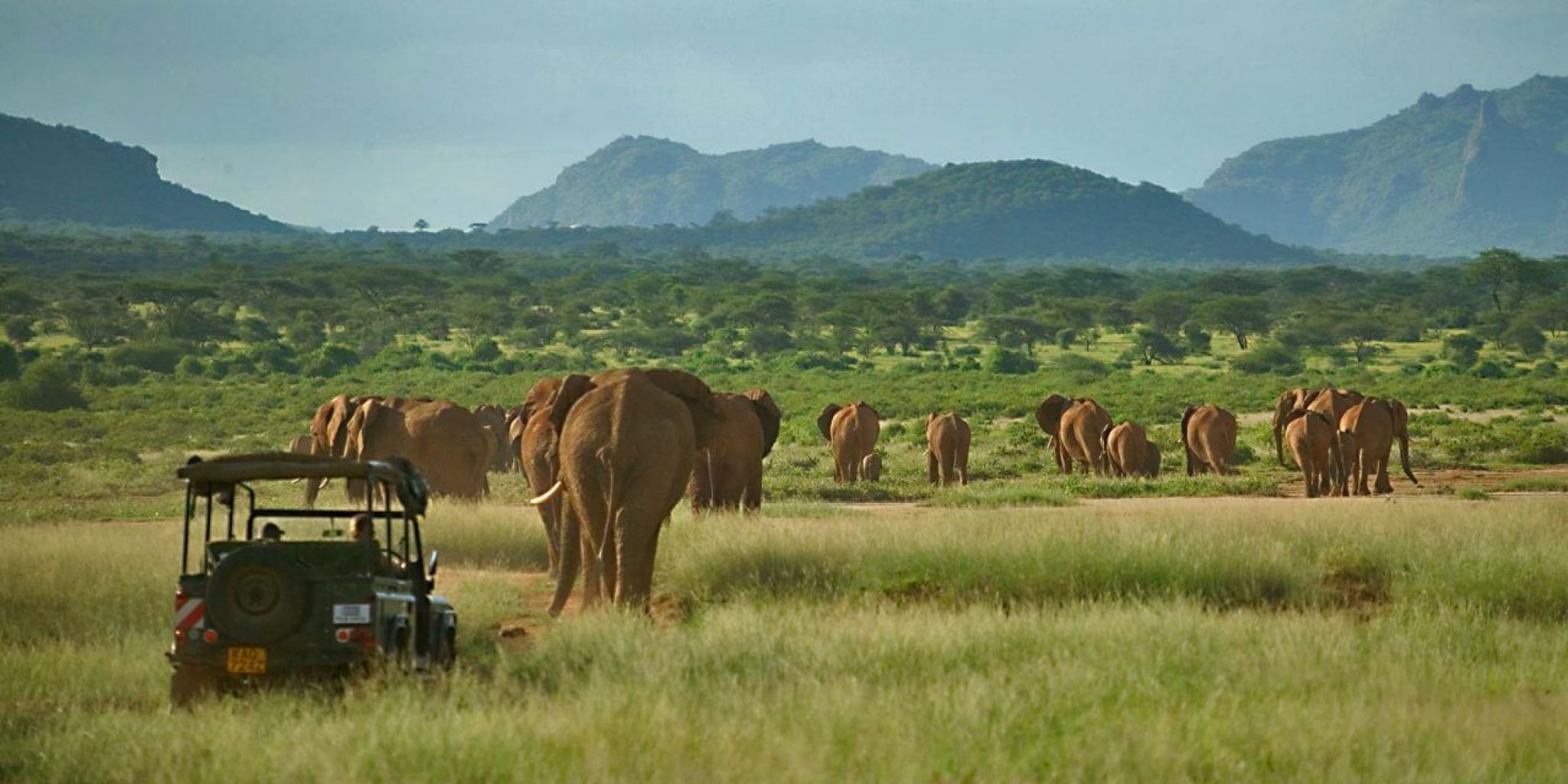
Samburu National Park offers unique wildlife, particularly the "Samburu Special Five" (Grevy's zebra, Somali ostrich, reticulated giraffe, gerenuk, Beisa oryx), plus elephants, big cats, and abundant birdlife, alongside cultural visits to the Samburu people, camel treks, guided walks, and serene riverside game drives along the Ewaso Ng'iro River.
3-days-compelling-samburu-national-park-kenya-wildlife-safari-tour-package
4-days-kenya-wildlife-safar-to-samburu-and-lake-naivasha
7-days-samburu-ol-pejeta-lake-nakuru-and-masai-mara-safari-tour
13-days-samburu-ol-pejeta-lake-nakuru-masai-mara-lake-naivasha-and-amboseli-kenya-safari
Wildlife Attractions (The "Samburu Special Five")
Grevy's Zebra
The Grevy's zebra is a remarkable symbol of Kgfenya's wildlife, celebrated as the world's most endangered zebra species. What sets these zebras apart are their unique stripe patterns, which differ from those of the more common plains zebra. The stripes are narrower and more closely spaced, creating a striking appearance that fascinates visitors. Grevy's zebras have large, rounded ears that enhance their acute sense of hearing, aiding them in detecting predators in their arid Samburu habitat.
These zebras can often be seen grazing on the tough grasses and shrubs typical of the semi-desert regions of northern Kenya. Their social structure is also distinctive; while they may form loose groups, they are not as cohesive as other zebra species. Instead, they exhibit more solitary behaviors. Spotting Grevy's zebras during a Kenya wildlife safari not only offers a unique photographic opportunity but also raises awareness of the conservation efforts needed to protect their dwindling numbers.
With their striking looks and fascinating behaviors, Grevy's zebras provide an unforgettable experience for wildlife enthusiasts. Observing these majestic animals can inspire a deeper appreciation for the biodiversity that thrives in Kenya, making them a must-see during any safari.
Reticulated Giraffe
The Reticulated giraffe is one of Kenya's most iconic wildlife attractions, particularly known for its distinctively patterned coat. Characterized by sharply defined, chestnut-colored patches separated by a network of white lines, their striking appearance makes them easy to identify among the other giraffe species. These gentle giants roam the savannas of northern Kenya, particularly around the Samburu National Reserve, where they can often be seen feeding on acacia leaves, their preferred diet.
Adapted for browsing among the treetops, Reticulated giraffes have long necks that allow them to reach high into the canopy, showcasing their unique feeding behavior. Despite their towering stature, they are surprisingly agile and can run at speeds up to 37 miles per hour over short distances.
In addition to their aesthetic beauty, Reticulated giraffes play a crucial ecological role in their habitat by helping to prune trees, promoting new growth. Spotting these magnificent creatures in their natural environment adds an enriching layer to your Kenya wildlife safari. Their gentle demeanor and distinctive characteristics will undoubtedly leave a lasting impression, making the Reticulated giraffe a highlight of any wildlife experience.
Gerenuk
The Gerenuk, often referred to as the "giraffe gazelle," is a long-necked antelope endemic to the dry savannas of East Africa, particularly in the Samburu region of Kenya. What makes the Gerenuk unique is its feeding behavior; it stands on its hind legs to reach high branches and shrubs, allowing it to access foliage that is out of reach for other herbivores. This ability distinguishes it from other antelopes and showcases an adaptation to its arid environment.
Gerenuks have a slender body, long legs, and distinctive large eyes, which enhance their vision to detect predators from afar. Their coat features a reddish-brown hue with white markings on the face and underbelly, making them visually appealing to wildlife enthusiasts. These graceful animals are often seen in small family groups, typically consisting of a single male and a few females.
During your Kenya wildlife safari, encountering a Gerenuk can be a highlight, especially when observing its unique grazing posture. Their relatively localized population makes them an exciting find for both amateur and seasoned wildlife photographers. This adaptability to their environment and charming behavior contribute to the Gerenuk's allure and importance in the Kenyan ecosystem.
Beisa Oryx
The Beisa oryx is one of Africa’s most striking antelopes, known for its impressive size and long, straight horns that can reach nearly 4 feet in length. Found primarily in dry savannas and arid regions, the Beisa oryx is well adapted to harsh environments, making it a resilient survivor in the Kenyan wilderness. Their distinctive appearance is characterized by a beautiful, sandy-colored coat adorned with contrasting dark markings on the face and legs, which serve as camouflage against the rocky terrain.
These antelopes are social animals, often seen in small herds comprising females and their young, with males occasionally joining during the mating season. Beisa oryxes are well known for their territorial behavior, especially during breeding periods, displaying impressive postures to assert dominance among rivals. During your Kenya wildlife safari, witnessing these majestic creatures in action is a rewarding experience.
Their ability to survive in arid conditions is a testament to their adaptability, as they can go for several days without water, extracting moisture from the plants they consume. Spotting the Beisa oryx adds a touch of drama and elegance to any safari experience, emphasizing the beauty and diversity of Kenya's wildlife.
Somali Ostrich
The Somali ostrich, a unique subspecies of ostrich, stands out in Kenya's wildlife landscape, particularly in the arid regions of Samburu. Known for its striking blue-grey skin on the legs and neck, this bird is distinguished from its relatives by its coloration and behavior. With a large, robust body and long, powerful legs, the Somali ostrich is well-equipped for fast running and can reach speeds of up to 40 miles per hour, which is a remarkable adaptation for evading predators.
These ostriches are often seen foraging on the ground, where they primarily consume seeds, leaves, and insects. Despite their size, Somali ostriches are social creatures, commonly found in small flocks, especially near water sources. They are most active during the cooler parts of the day, showcasing their unique behaviors during your Kenya wildlife safari.
Observing Somali ostriches in their natural habitat offers an exciting opportunity to appreciate their beauty and resilience. Their distinctive appearance and fascinating behaviors make them a memorable addition to any wildlife adventure, inviting further exploration and understanding of Kenya's avian diversity.
Things to do in Samburu national park on Kenya wildlife safari
Game Drives
Game drives are an exhilarating way to experience the rich wildlife of the park, especially during the cooler hours of morning and evening. These drives are often concentrated around the Ewaso Ng'iro River, a vital water source that attracts diverse animals. Setting off at dawn allows you to witness the park waking up—sunrise casting golden light across the plains gives you the chance to spot predators like lions and cheetahs returning from the night’s hunt. The early daylight often stirs the animals into activity, and you might see elephants congregating at the river or herds of zebras grazing nearby.
Evening drives, on the other hand, offer a completely different atmosphere as the sun sets and the nocturnal creatures start to emerge. With experienced guides leading the way, you’ll learn about animal behaviors and the ecology of the area. It’s also a great time to spot animals like leopards and hyenas. Most game drives are conducted in open-sided vehicles for unobstructed views, maximizing your experience. Expect to capture stunning photographs and create lasting memories as you observe wildlife in their natural setting. Overall, game drives serve as a highlight, showcasing the diverse animal life that thrives in harmony with the landscape.
Cultural Tours
Cultural tours can offer a profound insight into the lifestyles and traditions of the local Samburu tribe. Visiting village communities allows you to experience their rich culture firsthand, from their unique customs to daily practices. Samburu people are known for their vibrant attire and intricate beadwork, which hold significant cultural meanings.
During these tours, you’ll often be guided by locals who share stories about their history, beliefs, and lifestyle. Engage in traditional dances and songs that are performed for visitors, showcasing their connection to nature and community. You might even participate in activities like bead-making or cooking traditional meals, giving you a deeper appreciation for their way of life.
These tours provide an opportunity to learn about the Samburu’s pastoral lifestyle, which revolves around livestock herding and sustainable practices that respect their environment. You’ll also hear about their challenges and triumphs, especially in relation to conservation efforts in the region. Engaging in cultural tours not only enriches your travel experience but also supports the community economically, as proceeds often go back to the village. This creates a meaningful exchange, fostering connections that enhance your understanding of the local culture.
Guided Nature Walks
Guided nature walks offer an immersive way to explore the wilderness that often goes unnoticed during traditional game drives. These walks, typically led by knowledgeable local guides, allow you to engage your senses and discover the intricate details of the ecosystem up close. You’ll venture into various terrains such as woodlands, grasslands, and even near water sources.
Walking allows for a slower pace, making it easier to spot smaller wildlife and unique plant species. Your guide will point out animal tracks, bird calls, and even medicinal plants that local communities have utilized for generations. The opportunity to see the environment from the ground perspective provides a deeper connection to nature, enhancing your understanding of the interdependent relationships within the ecosystem.
The experience can also be quite calming, as you leave behind the noise of vehicles and enjoy the tranquil sounds of nature. Whether you're looking to take beautiful landscape photos or simply experience the landscape in its purest form, guided nature walks can be a fulfilling addition to your adventure. Many walks also culminate in scenic viewpoints or hidden gems within the park, allowing for moments of reflection amidst the beauty of the surroundings.
Camel Trekking
Camel trekking provides an extraordinary perspective on the landscape, allowing you to navigate the park in a way that connects you to the traditional ways of travel in this region. Camels, often referred to as "ships of the desert," are well-suited for the arid environment and make for a unique mode of exploration.
During the trek, you’ll travel at a leisurely pace, giving you ample time to take in the scenery and enjoy the tranquility of the surroundings. The rhythmic gait of the camel sets a relaxed tone as you meander through varied landscapes, from open plains to rugged hills. Led by experienced guides, you’ll learn about the importance of camels to the local communities, particularly the Samburu, who rely on them for transportation and livelihood.
As you trek, you'll likely encounter wildlife and bird species that you may miss when traveling by vehicle. The experience creates memorable moments as you not only connect with the animals but also engage with the landscape itself. Camel trekking is an excellent alternative for those who may prefer a different kind of adventure, allowing you to bond with these gentle giants while simultaneously gaining insight into the cultural practices tied to them.
Bush Meals & Sundowners
Bush meals and sundowners are a delightful way to combine delicious cuisine with stunning natural backdrops. Imagine enjoying a freshly prepared meal in a scenic spot, surrounded by the sights and sounds of the wilderness. Often organized at remarkable viewpoints or along riverbanks, these meals offer an unforgettable dining experience.
Sundowners typically take place before sunset, allowing you to relax with a refreshing drink while taking in the breathtaking views as the sun sinks below the horizon. Many lodges and operators take time to set up a unique ambiance, complete with comfortable seating and decorations that enhance the experience. The time spent here is perfect for reflection, and it’s also an ideal opportunity to connect with fellow travelers or family.
The culinary offerings often highlight local ingredients, giving you a taste of traditional flavors. Whether it's a simple picnic or a multi-course gourmet meal, bush dining brings flavors and nature together. Gourmet food served in the heart of the wilderness makes every meal feel special. This activity provides a serene closure to busy days filled with adventures like game drives and guided walks, allowing you to appreciate the beauty around you fully.
Bird Watching
A paradise for birders, the park presents countless opportunities for bird watching, especially during the wet season when the avian population flourishes. With over 200 recorded bird species, many of which are endemic to the region, the diversity of habitats found here makes it an attractive destination for both amateur and experienced bird watchers.
Early morning is often the best time for birdwatching, as the cool air stirs the birds into activity. Guided birding walks will take you through different ecosystems, enabling you to observe various species such as the vibrantly colored African Fish Eagle, the striking Great Kingfisher, and the elusive Raptor. Birding guides are well-versed in local bird life and can help you identify species and share insights about their behaviors and habitats.
For those interested in photography, having a camera with a good zoom is essential for capturing these beautiful creatures in action. Whether perched gracefully in a tree or taking flight, their movements provide excellent opportunities for stunning shots. Birding complements other activities like Rwanda gorilla trekking, as it offers a quieter, more focused way to appreciate nature's diversity while deepening your connection to the park.
Best Time for Kenya Wildlife Safari in Samburu National Park
The best time for a Kenya wildlife safari in Samburu National Park is during the dry season, which runs from late June to October. During this period, wildlife viewing is at its peak as animals congregate around water sources, making them easier to spot. The vegetation is less dense, and the open savannah allows for unobstructed views of wildlife, including elephants, lions, and the unique Samburu specialties like the reticulated giraffe and Grevy's zebra. Additionally, the dry season often coincides with the Great Migration, although Samburu offers a unique experience apart from the herds seen in the Maasai Mara. The temperatures during the day are typically warm but can cool down in the evenings, making early morning and evening game drives optimal for animal activity. While the wet season (between November and April) brings lush greenery and the birth of many species, wildlife spotting may be more challenging due to thicker foliage.
Where to Stay for Kenya Wildlife Safari in Samburu National Park
When planning your Kenya wildlife safari in Samburu National Park, several accommodation options cater to various preferences and budgets. High-end lodges like Saruni Samburu or Samburu Intrepids offer luxurious amenities and experiences, including excellent game viewing right from your doorstep. For a more authentic experience, consider tented camps like Elephant Bedroom Camp or Samburu Ashnil Camp, where you can enjoy the sounds of the wilderness at night while still having access to comfort. Mid-range hotels also exist, providing good service and convenience, such as the Samburu Game Lodge. Each of these options is strategically located to enable easy access to key wildlife viewing areas. Booking early is advisable, especially during peak season, to secure your preferred accommodation. Staying within the park ensures that you maximize your time on game drives, offering a more immersive experience in this unique and biodiverse environment.
Booking for Kenya Wildlife Safari in Samburu National Park with Roads of Adventure Safaris
Booking your Kenya wildlife safari in Samburu National Park with Roads of Adventure Safaris ensures a seamless and enriching experience tailored to your interests. We offer a range of customizable safari packages that include guided game drives, cultural tours, and nature walks, ensuring you fully engage with the unique wildlife and landscapes of Samburu. Our knowledgeable guides are experts in local wildlife, providing insights that enhance your journey. You can choose from various accommodation options, from luxurious lodges to intimate tented camps, according to your preferences and budget. Our user-friendly booking process allows you to secure your safari adventure with ease. Additionally, we prioritize your safety and comfort, equipping our vehicles with necessary amenities for a comfortable ride. Don't miss this chance to explore the remarkable biodiversity and landscapes of Samburu National Park. Contact us today to start planning the adventure of a lifetime with Roads of Adventure Safaris!
