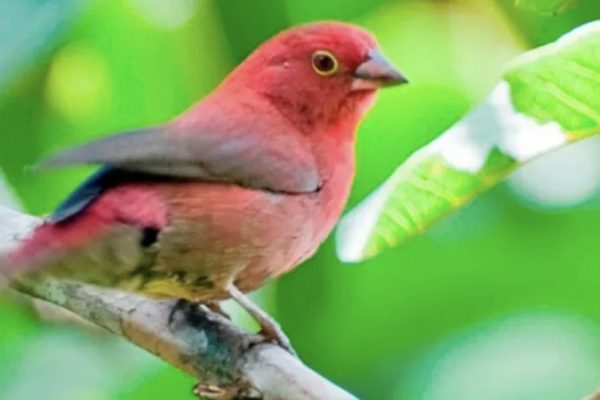
Rwanda is a premier African birding destination boasting over 700 species, with top birding spots including Nyungwe Forest National Park (322+ species, Albertine endemics), Akagera National Park (500+ species, savanna/wetland birds), Volcanoes National Park (high-altitude species), and Rugezi Marsh.
17-days-rwanda-birding-safari-and-uganda-birding-tour-combined-vacation
16-days-exclusive-rwanda-bird-watching-safari-extravaganza
15-days-classic-rwanda-birding-safari-and-gorilla-and-chimpanzee-tracking
12-days-perfect-rwanda-birding-safari-itinerary
10-days-best-rwanda-birding-safari-combined-with-rwanda-gorilla-trekking-vacation
5-days-perfect-rwanda-birding-safari-and-wildlife-and-gorilla-trekking
Nyungwe Forest National Park
Nyungwe Forest National Park is Rwanda’s premier montane rainforest and one of East Africa’s richest birding destinations. Covering some 1,000 square kilometers of high‑altitude rainforest, Nyungwe’s habitat diversity—ranging from mist‑clad canopy and epiphyte‑rich branches to clearings and riverine thickets—supports more than 322 recorded bird species. Most significant to birders is the high number of Albertine Rift endemics (around 29 species), which makes Nyungwe a must‑visit for anyone targeting regional rarities. Signature species include the spectacular Rwenzori Turaco, with its vivid green plumage and crimson mantle; the Red‑collared Mountain Babbler, often found in mixed‑species flocks; and Chapin’s Flycatcher and Handsome Francolin in denser understory. Montane specialists such as Ruwenzori Apalis and collared apalis also inhabit the forest.
Birding in Nyungwe is best during the dry season (June–September and December–February), when trails are more passable and birds are easier to locate. Early morning guided walks on canopy walkways or along established trails yield encounters with canopy species and raptors; the canopy walkway at Gisakura provides excellent vantage points for canopy specialists and mixed flocks. Guides trained in bird identification and local behavior are essential—many endemic species are inconspicuous and require patient, expert locating.
Access to Nyungwe is by road from Kigali (about 5–6 hours) or via charter flight to nearby airstrips followed by a short transfer. Accommodation ranges from luxury lodges near the park edge to mid‑range camps. Visitors should come prepared for cool, damp conditions at higher elevations: layered clothing, waterproofs, and sturdy hiking shoes are recommended. Bring a good pair of binoculars (8x42), a telephoto lens for photography, and field guides for the Albertine Rift. Conservation efforts and community‑based initiatives around Nyungwe mean that responsible tourism contributes directly to habitat protection and local livelihoods—booking guided tours through established lodges supports these programs.
Akagera National Park
Akagera National Park presents a contrasting birding environment: broad savannah plains, papyrus swamps, scattered woodlands and significant freshwater lakes—most notably Lake Ihema—combine to create an extraordinarily rich avifaunal tapestry. With over 490 species recorded, Akagera is Rwanda’s hotspot for wetland and savannah specialists and attracts both resident and seasonal migrants. Key target species include the iconic and much‑sought Shoebill Stork—typically encountered in papyrus fringes and reedy shallows—alongside Papyrus Gonolek, African Fish Eagle, Malachite Kingfisher, African Jacana, and numerous herons and egrets. Raptors such as Bateleur and Martial Eagle patrol the open skies, while open‑country passerines like Red‑necked Spurfowl, Rufous‑crowned Eremomela, and Cisticolas add variety.
The best time for birding is the dry season (June–September) when water levels retract and birds concentrate around remaining waterholes and lake edges, making them easier to locate. Early morning boat trips on Lake Ihema are among the most productive activities—these allow for close encounters with waterbirds, hippos and crocodiles and excellent photographic opportunities. Guided game drives and targeted visits to papyrus swamps increase the chances of finding papyrus‑specialists like the Papyrus Gonolek and Papyrus Canary.
Access from Kigali is straightforward: a 2.5–3 hour drive on tarmacked roads brings visitors to the park gates. Accommodation ranges from luxury lakeside lodges offering private boat safaris to more basic campsites. Guides with local knowledge are invaluable for locating elusive species such as Shoebill; many lodges maintain contacts with local trackers who know seasonal Shoebill locations. Practical considerations include bringing sun protection for long, exposed drives, insect repellent for swampy areas, and waterproof covers for optics during unexpected splashes on boat trips. Visiting Akagera also offers the dual attraction of classic game viewing—elephant, buffalo, giraffe and the reintroduced black rhino—so birders often combine birding with broader wildlife sightseeing. Conservation work in Akagera, supported by public–private partnerships, has improved habitat quality and increased bird and mammal populations, making it a rewarding destination for nature enthusiasts.
Volcanoes National Park
Volcanoes National Park, set on Rwanda’s northwestern frontier amid the Virunga volcanic chain, is primarily famous for mountain gorilla trekking—but it is also an outstanding venue for high‑altitude forest birding. The park’s montane forests, bamboo zones and heathland altitudes support more than 200 bird species, including at least 17 Albertine Rift endemics. Birders visiting Volcanoes should expect to encounter high‑altitude specialists such as the Ruwenzori Batis, Dusky Crimson‑wing, Grauer’s Rush Warbler, and the elusive Albertine Owlet in suitable habitats. Mixed‑species flocks occur, especially in forested valleys, bringing together flycatchers, warblers, and sunbirds.
Best birding windows are during the dry months (June–September and December–February), although birding can be rewarding year‑round. Early morning walks around lower elevation trails, such as those near Kinigi or the park headquarters, can yield species like the red‑tailed and mountain masked apalis, as well as sunbird species adapted to higher elevations. Combining gorilla tracking with targeted bird walks is efficient—while gorilla permits are pricey, a guided birding walk before or after a trek can produce several endemic sightings.
Access to Volcanoes National Park is a relatively short drive from Kigali (approx. 2–3 hours) or from Gisenyi on Lake Kivu. Accommodation includes high‑comfort lodges and mid‑range hotels in Ruhengeri/Musanze town and forest camps nearer the trails. Given the altitude, visitors should bring warm clothing, waterproof gear and sturdy walking shoes. Local guides with strong knowledge of Albertine Rift avifauna provide the best chance of finding skittish or localized species; many can imitate calls and know seasonal movements. As Volcanoes NP is tightly managed for gorilla conservation, birding activities are subject to park rules and guided-only access in many zones—this management benefits both primates and birds by minimizing disturbance.
Gishwati‑Mukura National Park
Gishwati‑Mukura National Park, Rwanda’s newest protected area, represents a conservation success story: once heavily degraded and fragmented, the forest has been the focus of regeneration and reforestation efforts that have reconnected habitat and restored biodiversity. Though smaller and less famous than Nyungwe, Gishwati‑Mukura supports over 200 bird species and is increasingly important for Albertine Rift endemics and forest specialists. Birders visiting will find species such as the Mountain Yellow Warbler, Purple‑breasted Sunbird, Rwenzori Turaco (in suitable pockets), and several apalis and flycatcher species that utilize the regenerating canopy and edge habitats.
Best birding occurs during the drier months (June–September and December–February) when trails are most accessible and detection rates are higher. Early morning guided walks along forest trails and ridgelines allow birders to encounter mixed flocks, sunbirds at flowering trees, and understorey specialists. Gishwati’s relatively compact size means that targeted half‑day walks can yield a substantial species list, making it suitable for travelers with limited time who still want quality forest birding.
Access is by road from Kigali or from Nyabihu/Gisenyi regions, typically requiring a few hours’ drive on paved and secondary roads. Accommodation options near the park are developing and include community lodges and eco‑camps that emphasize low‑impact tourism. Local guides and community trackers play a crucial role in spotting birds and signaling rare species; hiring them supports conservation and community livelihoods. Visitors should be prepared for humid, sometimes muddy trails and bring waterproofs, insect repellent, and sturdy boots. The park’s ongoing restoration and community programs make visits meaningful—tourism revenue directly supports reforestation, anti‑poaching, and habitat connectivity projects that benefit both birds and broader biodiversity.
Rugezi Marsh
Rugezi Marsh, located in northern Rwanda near the town of Musanze and the base of the Virunga volcanoes, is a vital high‑altitude wetland that punches well above its weight for birders. This peat bog and marshland system supports a range of wetland specialists, with the Papyrus Canary and Grauer’s Swamp Warbler among the primary targets. The marsh’s sedge beds, reed fringes and open wet grasslands also attract herons, egrets, marsh terns, and a variety of waterfowl and passerines that utilize highland wetlands.
The best time to visit Rugezi is during the dry season (June–September and December–February) when water levels are lower and birds concentrate in remaining shallow pools, making them more visible and accessible. Early morning and late afternoon are the most productive birding windows, when marsh specialists are actively calling and foraging. Guided walks and short boat trips (where permitted) along channels or reed edges increase the chance of locating the skulking Papyrus Canary and the secretive Grauer’s Swamp Warbler; these species are often localized and require patient, specialized searching.
Access to the Rugezi Marsh is straightforward from Musanze (Ruhengeri) and can be combined with visits to Volcanoes National Park or nearby cultural attractions. Infrastructure is basic: expect short walking trails, boardwalks in some sections, and modest picnic and observation points. Local guides familiar with marsh microhabitats are invaluable for finding the key species and interpreting the wetland ecology. Practical considerations include waterproof footwear or gaiters, insect repellent, and protection from sun and wind on exposed marshlands. Conservation of Rugezi is important for regional hydrology and biodiversity, and birding visits contribute to raising awareness and supporting local conservation measures that protect both the marsh ecosystem and its specialist birdlife.
Nyabarongo River Wetlands
The Nyabarongo River wetlands, a critical freshwater network near Kigali, form an important birding area that connects upland and lowland habitats and supports a suite of waterbird and papyrus‑dependent species. These wetlands, along the meandering Nyabarongo River and its associated floodplains, host papyrus specialists such as the Papyrus Gonolek and Papyrus Canary, as well as herons, egrets, kingfishers, and migrant species that pass through Rwanda. For birders based in Kigali, Nyabarongo represents accessible, productive birding without long travel.
Visits are most rewarding in the dry season (June–September and December–February) when lower water spreads condense bird activity. Early mornings are best for detecting skulking papyrus birds and for seeing kingfishers and waders feeding along the river edges. Guided walks along riverbank trails and short boat trips (where available) permit close encounters with waterbirds; photography from hides or bushes near the river can yield good shots of shy species.
Access from Kigali is easy—short drives to wetland edges and nearby protected patches make it suitable for half‑day excursions for time‑pressed travelers. Local birding guides and NGOs conducting wetland monitoring can enhance sightings by pointing out known papyrus patches and seasonal congregation sites. Practicalities include wearing sun protection, insect repellent, and waterproof footwear for muddy banks. As an urban‑adjacent wetland system, Nyabarongo faces development pressures; responsible tourism and community engagement are essential to its preservation. Visiting supports awareness and local conservation efforts aimed at maintaining the river’s ecological functions and the unique wetland birds dependent on papyrus and riparian vegetation.
Kigali City & Lake Kivu Shores
Kigali and nearby Lake Kivu shores offer surprisingly rewarding birding opportunities for visitors with limited time. Kigali’s urban wetlands, parks, and riverine corridors—along with the shoreline habitats of Lake Kivu—provide habitat for a mix of resident and migratory species, making urban birding both accessible and productive. Species commonly seen around the capital include pied kingfishers, African fish eagles near larger water bodies, weavers, sunbirds, swifts and a variety of herons and waders along lake edges. Lake Kivu’s littoral zones, papyrus fringes and rocky headlands add diversity, attracting waterfowl, cormorants, and sometimes more unusual migrants during peak seasons.
Best birding is in the early morning and late afternoon, especially during the dry season (June–September and December–February) when visibility is better and water levels concentrate bird activity. Popular local sites include wetlands on the outskirts of Kigali, alleys and gardens of hotels (which host nectar feeders and gardens attracting sunbirds), and the Lake Kivu shorelines near Gisenyi and Kibuye for a half- to full‑day excursion.
Access is extremely simple: Kigali’s compact layout and reliable road network mean short transfers to urban birding spots or to Lake Kivu towns. For visiting Lake Kivu, allow 2–3 hours’ drive from Kigali depending on the chosen shore. Urban guides and local birding clubs can provide tailored short itineraries, which are especially useful for spotting skulking species and for arranging access to private gardens or small wetlands. Practical advice includes carrying binoculars, wearing comfortable shoes for short walks, and bringing sun protection. Urban birding in Kigali is an excellent complement to Rwanda’s forest and wetland sites—offering easy, high‑value birding for travelers with tight schedules and contributing to local nature appreciation.
What is the best time for birding in Rwanda?
Rwanda is a year‑round birding destination, but the best windows depend on what you hope to see and how comfortable you want to be in the field. The two most commonly recommended periods are June–September (the long dry season) and December–February (the short dry season and part of the northern hemisphere’s winter). During the dry months, trails in montane forests such as Nyungwe and Volcanoes are firmer and less muddy, visibility improves, and birds tend to be more conspicuous at predictable water sources and forest edges. Dry conditions also make access to remote wetland sites and papyrus swamps easier, increasing the chance of finding secretive species like the Papyrus Gonolek.
December–February has the additional benefit of attracting Palearctic migrants that winter in Africa; these add diversity to the resident species list and are often easiest to spot in open wetlands and lakeshores. However, the rainy seasons (March–May and October–November) are not poor times to visit—indeed, breeding activity peaks for many resident species, with males singing and displaying, which is excellent for behavior-focused birders and photographers. The rainy months also mean fewer tourists, more lush scenery, and sometimes lower accommodation rates. Do note that heavy rain can make the steeper Nyungwe trails challenging and limit access to some remote wetlands.
If your priority is maximizing species count in comfortable walking conditions, aim for June–September or December–February. If you prefer fewer people, lush scenery, and active breeding behavior, consider the shoulder wet months—but plan for muddy trails and occasional road delays. Whatever the season, early morning starts (first three hours after dawn) are crucial—this is when the forest is most active and cryptic species are most detectable.
Where are the top birding spots?
Rwanda’s compact size concentrates excellent birding in a few accessible hotspots, each offering distinct habitats and complementary species lists. Nyungwe National Park is the crown jewel for forest specialists—montane and bamboo forest, forest edges, and road corridors support over 300 species, including numerous Albertine Rift endemics and several primates that attract birders interested in mixed-species flocks. Akagera National Park provides a savannah/wetland contrast—open woodland, papyrus swamps, and lakeshores are ideal for raptors, waterbirds, and papyrus specialists; it’s the main place to look for species such as the Papyrus Gonolek and the internationally sought Shoebill (when present in the region).
Volcanoes National Park, although famous for mountain gorillas, is an important montane forest birding site—its higher altitudes and bamboo zones host species like the Rwenzori double-collared Sunbird and Lagden’s bush-shrike. Rugezi Marsh (a Ramsar site) and the Nyabarongo wetlands are vital for marsh specialists, including Grauer’s Swamp Warbler and other marsh passerines; these wetlands are especially productive for secretive birds. Lake Kivu’s shores and islands add lacustrine species and migratory waders; towns like Gisenyi and scenic points around Kibuye can be surprisingly rewarding.
For quick urban birding or a warm-up, Kigali’s green spaces—Kigali Serena Hotel gardens, Nyarutarama artificial lake, and the Botanical Gardens—offer comfortable, easy birding with a mix of urban-adapted species and migrants. Combining these sites in a short itinerary gives excellent habitat variety—forest endemics, papyrus specialists, savannah raptors, and lakeside waders—making Rwanda highly efficient for productive birding in a small area.
What is special about birding in Nyungwe Forest?
Nyungwe Forest is one of East Africa’s most important montane forests for birding and biodiversity. Spanning ridges and valleys at altitudes between roughly 1,600 and 2,950 meters, it supports over 300 bird species and at least 26 Albertine Rift endemics—species largely restricted to this mountain chain. What makes Nyungwe exceptional is the combination of intact primary montane forest, extensive bamboo stands, swamps, and forest edge habitats. This mosaic supports conspicuous, range-restricted species such as the Rwenzori Turaco, Red-collared Babbler, and Kivu Ground Thrush, plus numerous near-endemics and rare forest specialists.
Birding in Nyungwe rewards both the patient forest birder and those who prefer approachable viewing. Early mornings along the Gisakura and Kamiranzovu trails, the main tarmac road that bisects the forest, and the canopy walkway are particularly productive. The canopy walkway provides unique vantage points for canopy species that are otherwise hard to observe from the ground—sunbirds, trogons, and broadbills can be located more easily from elevated platforms. Nyungwe also hosts mixed-species feeding flocks, which attract a concentrated group of species—these flocks are prime opportunities to see a variety of specialists in close succession.
Beyond species lists, Nyungwe offers excellent logistical support (lodges at forest edges, experienced local guides, and established trails), making it accessible for serious and casual birders. The forest’s high primate diversity adds another layer to visits: encounters with chimpanzees, L’Hoest’s monkeys, and other primates often coincide with active birding moments, producing rich wildlife days. Conservation-wise, Nyungwe’s intactness and active protection make it a secure destination to find rare endemics that are increasingly threatened elsewhere, so every successful sighting contributes to appreciation and support for conservation in the Albertine Rift.
What can I see in Akagera National Park?
Akagera National Park in eastern Rwanda provides an exciting contrast to the country’s montane forests, combining savannah, woodland, and extensive wetlands. For birders, Akagera’s mosaic habitats translate into very different avifaunal highlights: raptors such as African Fish Eagle and various eagles and hawks patrol the lakeshores; open-country birds like hornbills, rollers, and bee-eaters are frequently seen along the park’s roads; and wetland specialists inhabit the papyrus-filled margins of lakes and channels.
One of Akagera’s most celebrated wetland species is the Papyrus Gonolek—a striking, secretive songbird strongly associated with papyrus swamps—though it can be shy and needs targeted searching from boats or papyrus boardwalks. The park’s lakes and channels also draw abundant waterbirds: herons, egrets, pelicans, cormorants, and migratory waders. In some seasons and locations, large concentrations of flamingos and other waterbirds can be present. Akagera is also a good place to search for more elusive species like the Shoebill in the broader Kagera wetlands (shoebill sightings are rare and not guaranteed but can occur in the wider region) and the Papyrus Yellow Warbler.
Additionally, combining birding with classic East African wildlife viewing is straightforward in Akagera—elephants, buffalo, hippos, and a recovering lion population are regularly seen, and safaris by boat on Lake Ihema are both wildlife-rich and comfortable for birding photography. The park’s accessibility and the relative ease of spotting larger birds make it an excellent destination for mixed wildlife-and-birding itineraries. For papyrus and wetland specialists, a focused morning boat trip and quiet listening along papyrus fringes deliver the best results.
What are the Albertine Rift Endemics?
The Albertine Rift, the western branch of the East African Rift, is a biodiversity hotspot running through highland areas of Uganda, Rwanda, Democratic Republic of Congo, Burundi, and Tanzania. Albertine Rift endemics are bird species whose global ranges are largely or entirely restricted to this mountainous region—many species evolved in isolated montane forests and have very limited distributions. Examples include the Rwenzori Turaco, Red-collared Babbler, Handsome Francolin, Rwenzori Batis, Strange Weaver, Kivu Ground Thrush, and many others. These birds often occur at specific elevations and habitat types (e.g., bamboo, montane forest, forest edges), making their conservation dependent on protecting these specialized habitats.
The significance of Albertine Rift endemics lies in their rarity and ecological specificity: they contribute disproportionately to the global uniqueness of the region’s avifauna. For birders, the Albertine Rift is a prime draw because many species are difficult or impossible to see elsewhere in Africa. Rwanda’s Nyungwe and Volcanoes parks harbor many of these endemics, making the country unusually efficient for racketing up endemic sightings in a small area.
Conservation-wise, several Albertine Rift endemics are threatened due to habitat loss, fragmentation, and local pressures on montane forests. Their restricted ranges and small population sizes make them vulnerable to environmental change. This underscores the importance of protected areas like Nyungwe and Volcanoes and community conservation initiatives. For visiting birders, seeing these endemics supports local conservation economies: tourism revenue funds park protection and community programs, aligning birding success with tangible conservation outcomes.
Can I spot birds in Kigali?
Yes—Kigali offers surprisingly good and convenient birding for short half-day outings or warm-up mornings. The city’s relatively green urban fabric, parks, hotel gardens, and small water bodies hold a range of both resident and migratory species. Popular, accessible spots include the Kigali Serena Hotel gardens, which attract garden birds and sunbirds; the Nyarutarama artificial lake and adjacent golf course area, which support waterbirds, kingfishers, and raptors; and various small municipal parks where passerines and bulbuls are common.
Kigali birding is particularly useful for observers who have limited time on arrival or departure days: it allows checking off ubiquitous species, getting acclimatized to East African bird calls, and testing optics and cameras after travel. While the urban list cannot compete with Nyungwe’s endemics or Akagera’s wetlands, careful morning walks can still produce rewarding finds such as African paradise-flycatcher, Klaas’s cuckoo (seasonally), sunbirds, and a range of raptors overhead. City gardens also draw common but photogenic species like weavers, francolins near green spaces, and a variety of swifts and swallows.
Using Kigali as a base also makes logistics easy: short drives, reliable guides, and the chance to combine city culture with a brief birding session. For those with limited time, an early morning two- or three-hour birding walk in Kigali can be an efficient and pleasant birding starter.
Is Volcanoes National Park only for gorillas?
No—while Volcanoes National Park is globally renowned for mountain gorilla trekking, it is by no means only for gorillas when viewed through an ornithological lens. The park’s montane and submontane habitats support around 200 bird species, including several Albertine Rift endemics and high-altitude specialists. The park’s elevational gradients, bamboo patches, and mixed montane forest provide niche habitats for species such as the Rwenzori double-collared Sunbird, Lagden’s bush-shrike, Shelley’s crimsonwing, and the white-tailed swallow in adjacent habitats. Bamboo zones are particularly rewarding, often holding distinctive bamboo specialists and skulking species that are more challenging to find elsewhere.
Birding can be conveniently combined with gorilla treks—early starts and short walks around the park’s trails and viewpoints allow birding before or after gorilla permits. The scenic ridges and lower slopes also attract raptors and highland passerines, and if you traverse the park’s boundary zones you can find open-country species and forest edge specialists. Volcanoes’ location near the borders of Rwanda, Uganda, and the DRC also makes it a strategic spot for species that range across the Albertine Rift highlands.
For birders who want a multi-species day, pairing Volcanoes with nearby sites (e.g., Buhanga eco-park, the lower Nyabarongo wetlands, or Lake Kivu shores) adds habitat variety and complements the park’s montane list. So, while gorillas are the headline, birders will find Volcanoes richly rewarding and well worth inclusion on any avian-focused Rwanda itinerary.
What is the best wetland for birding?
Rugezi Marsh is widely regarded as Rwanda’s premier wetland for birding. Designated a Ramsar site, Rugezi is a high-altitude peat bog and marsh complex in the northern part of Rwanda that supports several specialist and range-restricted species. Its most famous resident is Grauer’s Swamp Warbler (Bradypterus graueri), a secretive and localized species that relies on dense marsh vegetation. The marsh also holds a suite of papyrus and reed specialists—marsh warblers, rails, and other skulking species—and attracts migratory passerines and waterbirds seasonally.
Beyond Rugezi, the Nyabarongo river wetlands and the papyrus fringes of Akagera and Lake Ihema are excellent for papyrus specialists such as the Papyrus Gonolek and the Papyrus Yellow Warbler. Lake Kivu’s shores and islands provide additional wetland and lakeshore habitat for waders, terns, and waterfowl. For many wetland species, the best approach is a focused early-morning boat trip or quiet stake-out at a papyrus edge when birds are singing actively.
When planning wetland birding, prioritize calm weather and early starts—marsh birds are most vocal and active in the cool morning hours. Also, bring gaiters and waterproof footwear for muddy fringes and use well-established paths or boat-based approaches to minimize disturbance. If you want to target rare marsh specialists, engage a guide with local wetland knowledge; their experience will greatly increase the likelihood of finding secretive species and accessing the best vantage points.
What is the Red-collared Babbler?
The Red‑collared Babbler (Turdoides rufocinctus or similar taxonomic treatments depending on authority) is one of the Albertine Rift’s iconic forest endemics, and it’s highly sought after by birders visiting Nyungwe and adjacent montane forests. This medium-sized babbler is named for the reddish collar or throat patch that contrasts with darker plumage—its vivid facial markings and vocal behavior make it distinctive in a dense forest setting. Typically found in the understorey and mid-levels of montane forest, Red-collared Babblers are often encountered in family groups and mixed-species flocks, where they forage actively among foliage for insects and small invertebrates.
Observing the species can be challenging because it skulks within dense vegetation, but its loud, repetitive calls and social group movements make it easier to locate with a knowledgeable guide who can interpret vocalizations and follow the group’s activity. The babbler’s presence is a good indicator of healthy, intact forest, and its habitat specialization emphasizes why preserving primary montane tracts like Nyungwe is so important.
For photographers and birders, successful encounters usually involve patient listening, early‑morning stakeouts near known territories or trails where they have been recorded, and careful movement to avoid flushing groups. Ethically, maintain respectful distances and avoid prolonged disturbance; babblers are social and sensitive to human intrusion, and minimal disturbance preserves both bird behavior and the quality of sightings for other visitors.
Do I need a specialized guide?
Yes—hiring a local, specialized birding guide in Rwanda significantly increases your chances of seeing targeted species and enhances your overall birding experience. Rwanda’s forests and wetlands host many cryptic and range-restricted species whose presence is best detected by experienced ears and local knowledge. Guides are invaluable for interpreting songs and calls, locating mixed-species flocks, knowing daily movement patterns of key species, and finding the exact microhabitats (bamboo stands, ravines, papyrus edges) where rare birds concentrate.
Local guides also handle logistics—timing dawn starts, selecting the best vantage points, arranging boat trips for wetland specialists, and adapting routes to seasonal bird movements. Beyond species detection, specialized guides provide identification help, ethical birding practices (minimizing disturbance), and sometimes connections to local conservation projects. For photographers and serious listers, a guide’s patience and ability to position you for good light and background can make a major difference.
Rwanda has a growing cadre of professional birding guides, many trained in vocal identification and familiar with the Albertine Rift endemics. Hiring a guide supports local livelihoods and conservation too: tourism revenue helps protect fragile habitats and funds community initiatives. For independent birders, a single guide often pays for itself in saved time and better sightings—especially in dense forests where seeing is as much about hearing and knowing territory as it is about chance.
Are there any papyrus endemics?
Yes—Rwanda’s papyrus wetlands are home to several papyrus-associated species, some of which are specialized to papyrus habitat and are therefore high priorities for wetland-focused birders. The Papyrus Gonolek (Laniarius mufumbiri) is one of the most sought-after papyrus endemics in the region; it is a secretive, brightly colored passerine that favors dense papyrus stands along lakes and river channels. The Papyrus Yellow Warbler and Papyrus Canary (or similar local taxa) are other examples of papyrus specialists that are best sought in the Nyabarongo wetlands, Rugezi, and the papyrus margins of Akagera and Lake Ihema.
Papyrus habitats are globally threatened, and the birds that depend on them are vulnerable to drainage, agricultural expansion, and disturbance, making Rwanda’s conserved papyrus systems important refuges. Finding these species typically requires quiet approach techniques—boat rides along channels or accessing well-established tracks through papyrus—and the experience of a guide who recognizes their calls and preferred microhabitats. For birders aiming to see papyrus endemics, include Rugezi and the Akagera papyrus fringes on your itinerary and plan for early morning outings when activity and calling rates are highest.
What should I pack for a birding safari?
Packing well makes your Rwanda birding trip more comfortable and productive. Prioritize optics and comfort: a reliable pair of binoculars (8x42 or 10x42) is essential; bring a spotting scope if you plan to watch distant waterbirds or raptors from fixed points. A modern field guide (East Africa or Albertine Rift region) or a birding app with offline checklists will help with IDs. Clothing should be neutral-colored (avoid bright colors that may disturb birds), breathable, and layerable—mornings in montane forests can be cool while afternoons warm up. Waterproof outerwear and gaiters are useful for Nyungwe’s drizzle and muddy trails.
Footwear: sturdy, well-broken-in hiking boots with good tread and ankle support. Accessories: a comfortable daypack, a wide-brimmed hat, sunscreen, insect repellent (DEET or equivalent), a headlamp for early starts, and a small first-aid kit. For photographers: a sturdy monopod or tripod for long lenses, extra batteries and memory cards, and rain protection for gear. Bring snacks and a refillable water bottle, but avoid leaving litter in fragile forest zones. Finally, include binocular harnesses or straps for long days, a notebook or e‑device for field notes, and copies of permits and contact details for guides and lodges.
Is birding safe in Rwanda?
Yes—Rwanda is widely regarded as a safe destination for tourists, including birders. Park infrastructure, ranger presence, and established lodges provide secure bases for birding excursions. National parks and wetland reserves are managed with visitor safety in mind; guides and rangers are trained to handle wildlife interactions and to advise on safe behavior in remote areas. Standard travel precautions apply: secure valuables when in town, avoid isolated areas after dark unless accompanied by a guide, and communicate your plans and expected return times to your lodge or driver.
Health precautions are important: consult travel medicine guidelines for vaccinations and malaria prophylaxis, and carry any necessary medications. When birding in wetlands or near water, take care around slippery banks and ensure boats are operated by experienced personnel with life jackets available. Using licensed guides and reputable operators reduces logistical and safety risks and enhances overall enjoyment. Also check any travel advisories from your government before travel, although for most visitors Rwanda’s tourist regions remain calm and welcoming.
- How hard is the birding in Nyungwe?
Birding in Nyungwe ranges from easy to physically demanding depending on the trails and species you target. The park contains a mix of relatively accessible birding points—the main tarmac road, park trailheads, and the canopy walkway—and steeper, more strenuous tracks that plunge into valleys and bamboo thickets. If you stick to the roadside forest stretches, the canopy walkway, and well-maintained trails, you can see many key species with moderate effort; these spots are suitable for birders with average fitness. However, some prime endemic and understory species require off‑road hiking or steep trail work; such excursions can involve slippery mud, narrow paths, and sustained uphill gradients.
Preparation matters: bring appropriate footwear, walking poles if you need balance support, and expect long mornings of standing, listening, and slowly moving through the forest. Guides can often position you strategically near known territories to minimize exhaustive searching. If mobility is a concern, discuss this with your operator—guides can tailor outings to your ability, and many important sightings are possible from the easier trails and viewpoints. For fit birders who enjoy a challenge, Nyungwe’s steeper trails and ridge‑to‑valley variations are rewarding and increase chances to encounter rarer species.
What is a "Big Five" birding trip?
A "Big Five" birding trip is a curated birding itinerary that targets five particularly sought-after, iconic, or charismatic bird species in a region—analogous to the mammal “Big Five” concept but focused on ornithological megaticks. The exact birds chosen vary by region and organizer. In Rwanda and the Albertine Rift, a birding "Big Five" might include top priorities such as the Red‑collared Babbler, Rwenzori Turaco, Grauer’s Swamp Warbler, Papyrus Gonolek, and Handsome Francolin (or other regionally iconic endemics). The idea is to design an efficient trip that maximizes chances of seeing these marquee species by combining key habitats—montane forest, papyrus marsh, wetland, and savannah—within a compact itinerary.
A Big Five birding trip is attractive because it focuses limited time on high-value targets, often delivering excellent “bang-for-buck” species lists. These trips typically involve early starts, targeted stake-outs, specialist guides, and sometimes boat or canoe segments for papyrus and wetland specialists. For many birders, successfully ticking a regional Big Five is both a checklist milestone and a gateway to discovering the region’s broader avifauna. Organizers often combine the Big Five with secondary targets and scenic wildlife opportunities (e.g., gorillas or general game viewing) to make the trip appealing to mixed-interest groups. If you’d like, I can draft a sample 5‑7 day "Big Five" birding itinerary for Rwanda including logistics, recommended guides, and where to allocate early mornings.
Booking Rwanda birding safari with us Roads of Adventure safaris
Book an unforgettable Rwanda birding safari with Roads of Adventure Safaris, specializing in tailored birding tours that showcase Albertine Rift endemics. Explore top hotspots like Nyungwe Forest and Akagera National Park to spot the Red-collared Mountain Babbler, Shoebill Stork, and Rwenzori Turaco. Expert guides offer personalized, high-quality experiences for spotting rare birds and wildlife, including chimpanzees. Our customized itineraries ensure a focused, comfortable, and thrilling birding experience in the heart of Africa. Book your tailored adventure with us for a deeply memorable birding experience.
