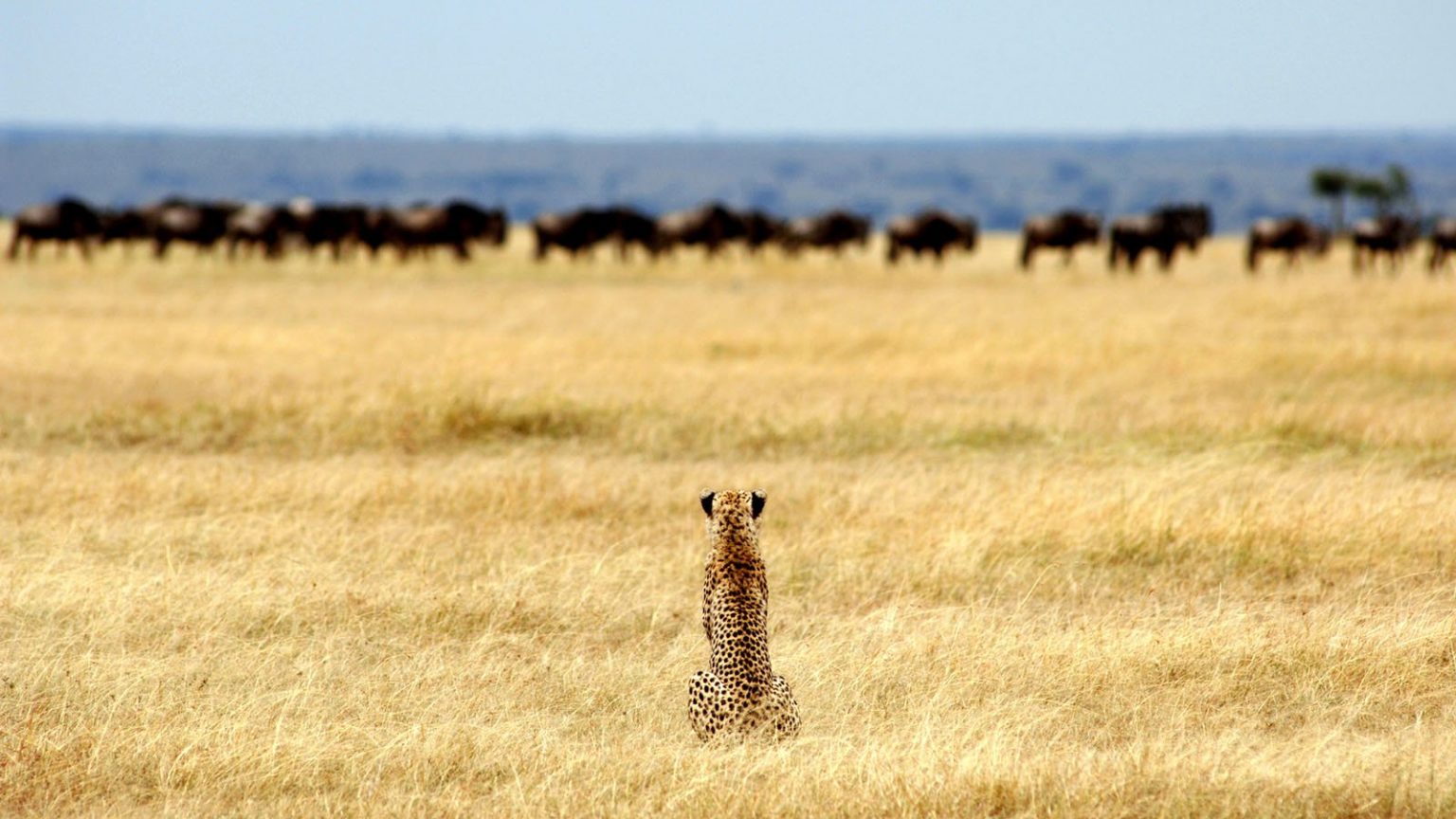
Top activities in Tanzania's Serengeti and Ngorongoro Crater include witnessing the Great Wildebeest Migration, descending the Ngorongoro Crater for Big Five sightings, and taking a hot air balloon safari at dawn. Other highlights include game drives in the Serengeti, cultural visits to Maasai villages, walking safaris, and birdwatching.
4-days-ndutu-and-serengeti-safari-in-tanzania
4-days-tarangire-ngorongoro-and-serengeti-safari-tour
4-days-best-tarangire-ngorongoro-and-serengeti-safari-itinerary
5-days-luxury-africa-safari-in-tanzania-all-inclusive-tour-package
5-days-tanzania-safari-holiday-vacation-tour
5-days-budget-tanzania-safari-tour-package
5-days-tanzania-safari-to-tarangire-serengeti-ngorongoro-and-lake-manyara
5-day-kilimanjaro-climb-marangu-route
5-days-luxury-zanzibar-beach-holidays-and-serengeti-safari-tour
5-days-zanzibar-island-tour-and-zanzibar-beach-holiday-trip
5-days-ultimate-ndutu-migration-calving-season-safari-to-tanzania
6-days-best-northern-circuit-tanzania-safari-to-best-tanzania-safari-parks
6-days-best-kilimanjaro-climb-via-marangu-route
6-days-best-of-tanzania-safari-to-nyerere-mikumi-and-udzungwa-mountains
6-days-lake-manyara-ngorongoro-crater-and-serengeti-tour-package
6-days-kilimanjaro-climb-via-umbwe-route
6-days-family-zanzibar-beach-holiday-tour-and-out-door-activities
6-days-ndutu-migration-and-tanzania-safari-itinerary
Top Activities in the Serengeti National Park
Witness the Great Migration
Witnessing the Great Migration is one of nature’s most remarkable spectacles, featuring over 1.5 million wildebeest and zebras traversing the Serengeti ecosystem in search of lush grazing lands and water sources. This annual event is not only a fundamental part of the wildlife calendar in Tanzania but also offers visitors an unforgettable experience. The migration can be observed throughout the year, but two key moments stand out.
From January to March, the southern Serengeti becomes a calving ground for wildebeests, where approximately 500,000 calves are born within a short period. This season presents unique opportunities to see newborns trying to take their first steps while predators lie in wait. Witnessing this nurturing moment is particularly touching, as the herds congregate in grassy plains, providing ample chances for photography and wildlife observation.
From July to October, the migration reaches its dramatic climax with the Mara River crossings. As herds approach the river, the sheer number of animals creates a breathtaking visual. The perilous journey involves navigating crocodile-infested waters, leading to intense moments as the wildebeest and zebras leap into the river. The crossings are not just thrilling; they are also pivotal for the survival of these species. Observing this event enriches your understanding of the circle of life and showcases the resilience and instinct that drive these animals. The Great Migration is a bucket-list experience for any wildlife enthusiast, encapsulating the raw beauty and drama of nature.
Hot Air Balloon Safari
A hot air balloon safari over the Serengeti provides a unique perspective of the iconic African wilderness. This serene experience typically starts before dawn, allowing participants to glide silently above the landscape as the sun rises, casting golden hues over the expansive plains. Holding the promise of breathtaking views, the flight offers an exhilarating way to view the wildlife below, undisturbed by vehicles.
As the balloon ascends, you might spot massive herds of wildebeest and zebras grazing peacefully, or elephants lumbering through the bush. The aerial vantage point reveals the intricate patterns of the savannah and the seasonal changes that shape the various ecosystems. The tranquility and beauty of floating above the Serengeti set the perfect tone for your day ahead.
Once the balloon lands, guests are treated to a celebratory breakfast in the bush, complete with sparkling wine—a delightful way to conclude your flight. The combination of adventure, the thrill of flight, and breathtaking views makes hot air ballooning in the Serengeti an unforgettable highlight of any safari. This experience is an excellent way to connect with the beauty of nature while enjoying the tranquility that comes with observing it from above.
Classic Game Drives
Classic game drives are a staple of any safari adventure in the Serengeti, providing unparalleled opportunities to explore the vast savannahs and observe an array of wildlife in their natural habitats. Guided by experienced rangers, these drives allow participants to traverse diverse areas, from grasslands to woodlands, ultimately increasing chances of spotting the elusive Big Five: lions, leopards, elephants, buffaloes, and rhinos.
The early mornings and late afternoons are prime times for wildlife activity, making these slots ideal for observing animals at their most active. As you drive through the Serengeti, keep your eyes peeled for lion prides lounging under acacia trees, cheetahs sprinting across the plains in pursuit of prey, and elephants meandering in family groups. Each moment spent on a game drive brings new surprises, as the park is home to abundant bird species and smaller mammals as well.
Game drives also offer insightful commentary from guides who share information about animal behavior, conservation efforts, and the fragile relationships that exist between species. Combining education with wildlife viewing enriches your connection to this remarkable environment. With the freedom to roam vast distances, classic game drives ensure that visitors have the best chance of engaging with the rich biodiversity that the Serengeti has to offer.
Big Cat Tracking
Big cat tracking in the Serengeti is a thrilling activity that draws many wildlife enthusiasts to this iconic park. Known for having one of the highest concentrations of lions, cheetahs, and leopards in the world, the Serengeti offers a unique chance to observe these magnificent predators in their natural habitats. Guided by experienced trackers, participants are led into the park to follow signs of big cat activity.
Tracking begins with assessing paw prints, scats, and recent kills, allowing the guides to determine where the big cats might be located. Early morning and late afternoon are ideal times for spotting these elusive creatures, as they are more active during these cooler parts of the day. Whether you are searching for a lion pride lounging in the shade or a cheetah surveying the plains, the thrill of the chase is ever-present.
In addition to witnessing these powerful animals in action, tracking big cats provides invaluable insights into their behaviors, social structures, and feeding habits. The opportunity to observe a lioness teaching her cubs or a cheetah sprinting at full speed adds depth to your understanding of the intricate balance of nature. For many, this is a highlight of the safari experience, as encountering big cats serves as a profound reminder of the wonders of wildlife.
Sundowners in the Bush
Sundowners in the bush offer a delightful way to unwind after a day of wildlife viewing in the Serengeti. As the sun approaches the horizon, guests are treated to a peaceful setting surrounded by nature. This tradition involves enjoying drinks and snacks while taking in the stunning colors of the sunset. The experience is particularly enchanting as the landscape transforms, with the sky painted in hues of orange, pink, and purple.
Sundowners often take place at scenic vantage points, allowing for panoramic views of the savannah and its abundant wildlife. As you sip your drink, gaze out at the silhouette of acacia trees and marvel at the animals returning to their resting places after a day of grazing or hunting. The relaxed atmosphere creates a wonderful environment for sharing stories with fellow travelers and reflecting on the day’s wildlife sightings.
This leisurely activity combines the joy of nature with social interaction, making it a cherished moment in any safari itinerary. Whether you choose a refreshing gin and tonic or a glass of wine, sundowners in the bush serve as a perfect end to the day, creating lasting memories as you watch the day fade into night, surrounded by the sounds of the wild.
Top Activities in the Ngorongoro Crater
Crater Floor Game Drives
Crater floor game drives in Ngorongoro Crater offer a profound opportunity to explore one of the world's most unique geological formations. Descending into the largest intact volcanic caldera, visitors are greeted by a vibrant landscape teeming with wildlife. Spanning approximately 265 square kilometers, this natural enclosure hosts over 25,000 large animals, including elephants, lions, zebras, and wildebeests. The rich biodiversity makes it an ideal location for observing wildlife in their natural habitat.
One of the major highlights of these game drives is the chance to see the rare black rhino. Due to their endangered status, finding a black rhino can be a once-in-a-lifetime experience. With only a few hundred remaining in the entire country, sightings are special and memorable. The crater provides them a sanctuary from poaching threats in other areas.
Game drives typically take place in the early morning or late afternoon, maximizing the chances of observing animals during their most active times. Guides are knowledgeable about animal behavior and ecology, providing insights as you traverse the area. From the sweeping grasslands to the lush forested regions, each section of the crater has its own unique wildlife dynamics. Crater floor game drives encapsulate the essence of a safari experience, offering exceptional wildlife viewing coupled with the stunning beauty of this ancient volcanic landscape.
Cultural Maasai Village Visit
A visit to a Maasai village near Ngorongoro Crater provides an authentic glimpse into the rich traditions and daily life of this iconic pastoralist community. The Maasai are known for their vibrant culture, distinctive dress, and deep connection to the land. During your visit, you will be welcomed by local villagers who are eager to share their way of life, enhancing your understanding of their customs and traditions.
The experience typically begins with a warm greeting and a ceremonial dance displaying their traditional attire, adorned with bright beads and distinctive patterns. Participating in a Maasai dance is a fun and engaging way to connect with the community and learn about their values and beliefs. The Maasai's commitment to preserving their culture despite modern influences is an inspiring aspect of their identity.
As you explore the village, you’ll have the opportunity to observe daily activities such as cattle herding, cooking, and artisan crafts. Interacting with villagers gives insight into their resourceful lifestyle, which revolves around cattle as a source of sustenance and social status. Additionally, you may learn about their efforts regarding environmental conservation and how they coexist with wildlife in the Ngorongoro conservation area. This cultural visit not only enriches your safari experience but also fosters a deeper appreciation for the Maasai way of life, leaving you with lasting memories and a broader perspective on cultural diversity.
Visit Lake Magadi
Visiting Lake Magadi, an alkaline lake within the Ngorongoro Crater, is a mesmerizing addition to any safari itinerary. This unique body of water is famous for its vibrant flocks of flamingos and a multitude of other wading birds. The lake’s high salinity creates a stunning environment where thousands of flamingos gather, creating a spectacular visual feast as they feed on the abundant algae and crustaceans that thrive in the saline waters.
As you approach Lake Magadi, the female flamingos’ pink hues dominate the scene, creating a striking contrast against the deep blue of the lake and the surrounding greens of the crater. Early morning or late afternoon is the best time for bird watching, offering the chance to see not just flamingos but also various species of ibis, herons, and storks. This unique habitat attracts a diverse array of birdlife, making it a haven for ornithologists and nature lovers alike.
The lake also serves as a vital source of water for various wildlife species in the area, including hippos that can often be seen lounging nearby. Observation points along the lake provide excellent opportunities for photographs as you capture the beauty of the birds in their natural habitat. A visit to Lake Magadi adds a rich dimension to your safari experience in Ngorongoro Crater, showcasing the incredible intersection of wildlife, geology, and vibrant ecosystems.
Explore Olduvai Gorge
Exploring Olduvai Gorge is a journey into the origins of humanity, offering visitors a chance to delve into one of the world’s most significant archaeological sites. Known as the “Cradle of Mankind,” this iconic location in Tanzania is famed for its rich fossil records that have provided crucial insights into early human ancestors. The gorge, formed by millions of years of geological activity, offers a dramatic landscape to complement its historical importance.
During your visit, knowledgeable guides share fascinating stories and findings from the site, including the fossilized footprints of early hominids that date back over 3.6 million years. These discoveries have transformed our understanding of human evolution and migration patterns. You can also view exhibitions showcasing artifacts and replicas of hominid skulls, providing a context for the evolution of tools and social behavior.
The stunning views of the gorge itself, with its layer upon layer of volcanic ash and sediment, add a sense of awe to your visit. Exploring Olduvai Gorge offers not only an educational experience but also a deep appreciation for the scientific research that has taken place in this significant area. Visitors depart with a heightened understanding of humanity’s past and the remarkable journey that has shaped our species.
Hippo Pool & Lerai Forest
The Hippo Pool and Lerai Forest within the Ngorongoro Crater provide unique wildlife viewing opportunities that enhance the safari experience. The Hippo Pool is a popular spot where numerous hippos congregate, lounging in the water and basking in the sun. Observing these massive creatures up close allows for a fascinating glimpse into their social behavior and lifestyle. Often, you’ll see them engaging in playful interactions, showcasing their agile movements both in and out of the water.
Surrounding the pool, the lush greenery of the Lerai Forest creates a beautiful contrast to the open savannahs. This forest is home to various wildlife species, including elephants and different types of monkeys, such as the versatile blue monkey. The shade provided by the trees makes it a perfect refuge for these animals, offering visitors ample opportunities to observe and photograph wildlife interactions.
Walking along the trails of Lerai Forest introduces you to an array of bird species and is a favorite spot for avid birdwatchers. The peaceful environment allows visitors to connect with nature while learning about the diverse flora and fauna. The combination of Hippo Pool and Lerai Forest captures the spirit of the Ngorongoro Crater, offering an enriching wildlife experience that highlights the park’s extraordinary biodiversity.
Tanzania tour in Serengeti and Ngorongoro crater Africa safari
A 5 to 7-day Tanzania safari, commonly starting from Arusha, offers an iconic adventure through the Serengeti National Park and Ngorongoro Crater, frequently including Tarangire or Lake Manyara. Key highlights include the Big 5, the Great Migration in the Serengeti,
5-Day Serengeti & Ngorongoro Itinerary
This 5-day itinerary offers a chance to explore two of Tanzania’s prime wildlife destinations: the Serengeti National Park and Ngorongoro Crater. The Serengeti is renowned for its dazzling array of wildlife, including over 1.5 million wildebeest, zebras, lions, leopards, cheetahs, elephants, hippos, buffaloes, and rhinos, along with unique bird species such as ostriches and secretary birds. Conversely, Ngorongoro Crater stands out as one of the world’s most remarkable geological formations, housing diverse wildlife within its walls, including the rare black rhino, elephants, and other large herbivores. This itinerary begins with a drive from Arusha to either Tarangire National Park, with its numerous elephants and iconic baobab trees, or to Lake Manyara, known for its tree-climbing lions. Following this, the journey continues towards the Serengeti, featuring prime wildlife viewing opportunities. The trip culminates with a descent into the Ngorongoro Crater for an unforgettable wildlife experience deep within this ancient caldera.
Day 1: Arusha to Tarangire or Lake Manyara
On the first day, you’ll depart from Arusha and head to either Tarangire National Park or Lake Manyara, depending on your preference. If you choose Tarangire, expect a drive of about 2 to 3 hours that leads to vast open spaces filled with iconic acacia trees and a dense population of elephants. While on a game drive, look for large herds of elephants, as well as lions, leopards, as well as giraffes and zebras grazing. Alternatively, a visit to Lake Manyara, known for its tree-climbing lions, offers unique wildlife viewing opportunities. This park is also home to flocks of flamingos and various waterfowl. In both locations, plenty of wildlife abounds, providing excellent views and photographic opportunities. After a day filled with encounters, you will either settle into your lodge in Tarangire or Manyara, resting for the adventures that lie ahead.
Day 2: Tarangire/Manyara to Serengeti National Park
After breakfast, depart from Tarangire or Lake Manyara for the Serengeti National Park, a drive that typically takes around 4 to 5 hours. As you travel, you'll pass through the Ngorongoro Conservation Area, where you may spot additional wildlife, including gazelles and various birds. Upon arrival in the Serengeti, your first stop will be the Seronera Valley in the central part of the park for an afternoon game drive. The Seronera Valley is famous for its high concentration of wildlife. Expect to see lions lounging under trees, leopards resting on branches, and herds of wildebeest and zebras moving across the plains. Other species you could encounter include hyenas, buffaloes, and even hippos in the nearby rivers. As the sun sets, you’ll wind down your day, reflecting on the exciting wildlife encounters before heading to your lodge in the heart of the Serengeti.
Day 3: Full Day in Serengeti National Park
This full day in the Serengeti is dedicated to comprehensive game drives, allowing ample opportunities to witness the region’s rich wildlife. Set out early in the morning, targeting times when animals are most active. Search for big cats, such as lions, leopards, and cheetahs, as well as herds of wildebeest and zebras, who might be migrating if you are visiting during that season. The diversity in flora and fauna is remarkable, providing chances to spot elephants, buffaloes, and various antelope species. The Serengeti is also a habitat for many bird species, including vultures and ostriches. Multiple stops throughout the day will enable you to enjoy animal behavior, take photographs, and soak in the charm of the environment. By the end of this rewarding day, you will have a deeper understanding of the Serengeti’s incredible wildlife and the interdependence among species in this remarkable setting as you return to your lodge for the night.
Day 4: Serengeti to Ngorongoro Crater Rim
On the fourth day, enjoy a morning game drive in the Serengeti before packing up and heading to the Ngorongoro Crater rim, a journey of approximately 3 to 4 hours. The morning drive provides an additional chance to see wildlife you may have missed, including elephants, giraffes, and various species of birds. After some wildlife viewing, start your scenic drive towards the Ngorongoro Crater, which is considered one of the natural wonders of the world. Upon arrival at the crater rim, you'll check into a lodge with spectacular views looking into the caldera. The area is not just known for its geological features; it's home to diverse wildlife, including elephants and the critically endangered black rhino. Relax at your lodge in the evening, taking in the unique atmosphere of the crater before preparing for your descent into the crater floor the following day.
Day 5: Ngorongoro Crater to Arusha
On your final day, after breakfast, descend 600 meters into the Ngorongoro Crater floor, where an array of wildlife awaits. The caldera provides a unique habitat, making it one of the best locations to see the rare black rhino, along with elephants, lions, and various antelopes grazing peacefully. The experience of driving within the crater offers great chances to encounter wildlife, making it one of the highlights of your safari. Completing your exploration of the crater, you will head back to the rim and begin your drive back to Arusha, which typically takes around 3 to 4 hours. Reflect on the incredible wildlife you’ve seen and the different national parks you’ve explored as you return to Arusha, concluding a memorable chapter of your Tanzanian safari adventure.
When is the Absolute Best Time to Visit the Serengeti for a Safari?
The best time to visit the Serengeti for a safari experience is during the dry season, which runs from June to October. This period is widely recognized as optimal for wildlife viewing, as it coincides with the migration patterns of animals seeking water and fresher grazing grounds. As the weather becomes drier, animals congregate around water sources, making them easier to spot. The open savannah also allows for clearer visibility, enabling visitors to observe a greater variety of wildlife.
During these months, not only can you witness the iconic Great Migration—a remarkable spectacle where over 1.5 million wildebeest and zebra traverse the plains—but you'll also find an abundance of large mammals such as elephants, lions, cheetahs, and buffalo gathered near rivers and waterholes. Additionally, the clear skies and pleasant weather enhance photography opportunities, making it a favorite time for both amateur and professional photographers.
Although the dry season is the most popular, the green season, which runs from November to May, also has its merits. It brings lush landscapes and baby animals, offering unique wildlife encounters. However, for the best chances of seeing a wide variety of wildlife, especially during migration, the dry season is the ideal choice.
What is the Great Migration and Where Can I See It Happening?
The Great Migration is often described as the world's largest mammal migration, involving approximately 1.5 million wildebeest, alongside hundreds of thousands of zebras and other grazing animals. This natural phenomenon primarily takes place in the Serengeti-Mara ecosystem, spanning Tanzania's Serengeti National Park and Kenya's Maasai Mara. The migration is driven by seasonal patterns, as these animals move in search of fresh grazing pastures and water sources.
Typically, the migration follows a circular route, starting in the southern Serengeti, where wildebeests gather to calve between January and March. As the grass begins to dry up, herds migrate north towards the central and western Serengeti and then finally cross the Mara River into Kenya, especially between July and October. This river crossing is one of the most dramatic aspects of the migration, where animals face numerous dangers, including crocodile-infested waters and predators.
The migration is not only crucial for the survival of these species but also attracts numerous tourists who wish to observe this extraordinary event. For the best views, travelers are encouraged to time their visits between June and October when the river crossings occur, allowing for the most breathtaking animal encounters. A visit during this period means you will have the opportunity to witness one of nature's most awe-inspiring spectacles.
Are the Serengeti and Ngorongoro Crater Safe Destinations for International Tourists?
The Serengeti and Ngorongoro Crater are considered safe destinations for international tourists, particularly when travelers adhere to the guidance provided by professional guides and comply with park regulations. Tanzania is generally known for its warm hospitality, and both parks are frequented by tourists exploring their rich wildlife and stunning landscapes.
While wildlife watching can pose inherent risks, such as getting near large animals, the presence of experienced tour guides greatly mitigates these dangers. They are well-trained in understanding animal behavior and are skilled in maintaining safe distances to ensure the well-being of both visitors and wildlife. Park rangers are also vigilant about enforcing safety protocols, making sure that all visitors enjoy the parks sensibly.
Additionally, travelers are advised to practice standard safety precautions as they would in any travel destination. This includes taking care of personal belongings, being aware of surroundings, and following safety recommendations during night excursions or guided activities. Overall, with proper planning and responsible attitudes, visitors can explore the Serengeti and Ngorongoro Crater with confidence, resulting in a fulfilling and enjoyable safari experience.
How Much Does a Typical Safari Tour in Tanzania Usually Cost?
The cost of a safari tour in Tanzania can vary widely based on several factors, including duration, accommodations, and included activities. Budget options for shorter safaris generally start at around $450 per day, offering basic accommodations and shared vehicle tours. These budget tours often focus on essential wildlife viewing experiences but may not include luxuries such as private guides or high-end lodges.
Mid-range tours may average between $750 to $1,200 per day, providing more comfortable lodgings, better food, and guided vehicle tours tailored to enhance the wildlife experience. These options often include organized activities like guided walks or cultural interactions.
Luxury safari experiences can exceed $1,650 per day, featuring upscale lodges, fine dining, and exclusive private guides. Luxury accommodations often provide unique amenities such as private plunge pools, gourmet cuisine, and breathtaking views, making the safari experience exceptionally memorable.
Additionally, factors like travel insurance, park fees, and international flights should also be considered when budgeting for a safari. While prices can be quite variable, planning accordingly based on your preferences ensures a satisfactory adventure, whether it's a budget-friendly trip or a lavish getaway exploring Tanzania’s iconic landscapes.
Which Specific Animals Are Included in the Famous African Big Five?
The term "Big Five" originates from big-game hunting, but today it represents the most iconic wildlife species that safari enthusiasts aspire to see in their natural habitats. The five animals categorized as the Big Five are the lion, leopard, African elephant, Cape buffalo, and the endangered black rhino.
Lions are considered the kings of the jungle, often seen in prides, hunting in the early morning or late evening. Leopards, known for their solitary and elusive nature, can often be spotted resting in trees, showcasing their distinctive rosette-patterned fur.
African elephants, renowned for their intelligence and social structures, are frequently found throughout various habitats in Tanzania, roaming in family herds. Cape buffalo, characterized by their formidable presence and herd behavior, are often spotted near water sources in savannah areas.
Lastly, the black rhino is a critically endangered species known for its smaller size and curved lips, adapted for browsing. Spotting the Big Five during a safari is a prized achievement for many. Their importance goes beyond mere observation; these species play vital ecological roles in maintaining the balance within their habitats.
Do I Need Any Vaccinations or Malaria Medication Before My Trip?
Before traveling to Tanzania, it is important to consult with a healthcare professional regarding potential vaccinations and malaria prophylaxis. The Centers for Disease Control and Prevention (CDC) recommends several vaccinations, including those for Yellow Fever, Hepatitis A and B, Typhoid, and Tetanus. A Yellow Fever vaccination is particularly critical if you are arriving from a country where the disease is prevalent.
Malaria is also a concern in Tanzania, especially in rural and forested areas, including popular safari destinations. Visitors are often advised to take antimalarial medication to reduce the risk of contracting the disease. Medications can be prescribed in various forms, including pills to be taken before, during, and after your visit.
Aside from these specific vaccinations and medications, maintaining good health practices, such as using insect repellent and sleeping under bed nets, is advisable. Engaging with a medical professional before your trip ensures you are informed about necessary precautions, enabling you to enjoy your safari adventure with peace of mind.
What Essential Items Should I Pack for a Comfortable Safari Adventure?
Packing appropriately for a safari adventure is key to ensuring comfort and maximizing your experience in the wild. First, opt for neutral-colored clothing that blends into the environment, helping you to avoid disturbing wildlife. Lightweight, breathable fabrics are ideal for daytime, while warmer layers are recommended for early morning and evening drives, which can be quite chilly.
Binoculars are essential for wildlife watching, allowing you to observe animals at a distance. A good camera, whether a professional DSLR or a high-quality smartphone, is also important for capturing remarkable moments during your safari. Make sure to bring extra batteries, memory cards, and protective gear for your camera.
Sun protection is vital in Tanzania's sunny climate; pack sunscreen, a sun hat, and sunglasses. Don't forget personal items needed for hygiene and health, such as any medications, insect repellent, and your water bottle to stay hydrated. Finally, comfortable shoes for walking and closed-toe sandals for driving can enhance your experience. Proper preparation makes for an enjoyable safari, letting you fully appreciate the incredible wildlife around you.
Are There Any Specific Colors I Should Avoid Wearing While on Safari?
When choosing clothing for a safari, it is best to avoid bright colors that might disturb wildlife. Bright hues can attract unwanted attention from animals, causing them stress or leading to missed opportunities for observation. Similarly, it's advisable to avoid wearing blue or black clothing as these colors are known to attract tsetse flies, which can be a nuisance and potentially transmit sleeping sickness.
Instead, opt for neutral shades like khaki, green, or beige. Earth-toned colors not only help you blend with the natural surroundings, promoting a more rewarding wildlife viewing experience, but they also minimize the risk of insect bites. Fabrics like lightweight cotton or moisture-wicking materials also provide comfort during the varying temperatures of a safari day.
In addition to color, consider wearing long sleeves and pants to protect your skin from the sun and insects. Ultimately, dressing appropriately for a safari not only enhances personal comfort but also contributes to a more respectful interaction with the wildlife and environment around you.
Can I Fly Directly Between the Different National Parks in Tanzania?
Yes, travelers can fly directly between various national parks in Tanzania, making transportation between major safari destinations much more convenient and time-efficient. Domestic flights are available from regional airports, connecting places like Arusha, the Serengeti, and Ngorongoro Crater. Several airlines operate these routes, offering scheduled flights and private charters to accommodate various budgets and preferences.
Opting for a flight can save valuable time, allowing you to maximize your time spent observing wildlife rather than driving between parks. For example, instead of spending several hours on the road to travel from the Serengeti to Ngorongoro Crater, a short flight significantly reduces travel time.
Airstrips are conveniently located near the parks, making transfers seamless. Once you land, it's just a quick drive to your lodge or camp. This option is particularly beneficial for travelers on tighter schedules or those who wish to visit multiple parks within a shorter period. Overall, flying between parks enhances the safari experience by providing more opportunities for wildlife viewing.
How Many Days Are Recommended for a Fulfilling Northern Circuit Safari?
For a fulfilling northern circuit safari in Tanzania, a duration of 5 to 7 days is typically recommended. This timeframe allows for ample exploration of multiple national parks, ensuring a well-rounded wildlife viewing experience. During this period, visitors can cover highlights such as the Serengeti National Park and the Ngorongoro Crater, while also potentially adding Tarangire or Lake Manyara to their itinerary.
A 5-day safari allows for a good balance of wildlife activities, typically covering Tarangire on the first day, followed by a second day traveling to the Serengeti. The following days can consist of full-day game drives in the Serengeti, capped off with a visit to Ngorongoro Crater for a memorable wildlife encounter.
Extending the safari to 7 days provides additional flexibility and opportunities for relaxation or exploration of lesser-known areas, cultural experiences, or even beach extensions to places like Zanzibar after your safari. Ultimately, the specific length may depend on personal preferences and the scope of wildlife you wish to observe. Regardless of the duration, a northern circuit safari in Tanzania promises unforgettable memories.
Is It Possible to See the Rare Black Rhino in Ngorongoro?
Yes, it is indeed possible to see the rare black rhino in Ngorongoro Crater. The crater serves as one of the last strongholds for this critically endangered species, making it one of the best locations in Tanzania for spotting black rhinos in their natural habitat. Unlike other rhino species, black rhinos are characterized by their smaller size and pointed upper lips, which they use to browse on shrubs and bushes.
The Ngorongoro Crater provides a unique ecosystem that supports a population of approximately 30 black rhinos, allowing visitors a better chance of encountering this elusive creature compared to other parks where they are more sparsely distributed. Guided tours into the crater often highlight the effort to protect these rhinos and educate participants about their behaviors and habitat.
While sightings can never be guaranteed, the dense vegetation and varied landscape of the crater create opportunities for observation. For wildlife enthusiasts and photographers, spotting a black rhino amidst the other incredible wildlife adds a highlight to the safari experience, making Ngorongoro Crater an essential destination for those eager to see these magnificent animals.
Are There Any Age Restrictions for Visitors Entering the National Parks?
In general, there are no strict age restrictions for visitors entering national parks in Tanzania, which makes it a suitable destination for families and travelers of all ages. Whether you’re planning a safari with young children or a multi-generational family trip, national parks like the Serengeti and Ngorongoro Crater welcome all guests.
However, individual tour operators and accommodation facilities may have their own policies when it comes to age limits for specific activities, such as walking safaris or certain excursions that could pose a certain level of risk. It’s always best to consult with the tour company you are booking with to understand their policies and ensure that activities are appropriate for all members of your travel group.
Most parks also offer family-friendly accommodations, often equipped to cater to younger guests with kid-friendly options and services. Ultimately, a safari in Tanzania presents a great opportunity for families to bond and create lasting memories in the face of incredible wildlife and stunning natural settings.
What is the Significance of the Olduvai Gorge Archaeological Site?
The Olduvai Gorge is often referred to as the "Cradle of Mankind" due to its significant contributions to the understanding of human evolution. Located in Tanzania, this archaeological site is renowned for its rich fossil record, which includes a variety of early human ancestors as well as stone tools that date back millions of years.
Discovered in the early 20th century by the Leakey family, the gorge has yielded some of the most important fossilized remains, including those of Homo habilis and Australopithecus boisei. These findings have shaped modern anthropological understanding of how early human species lived, evolved, and interacted with their environment.
Visitors to Olduvai Gorge can explore the geological formations that tell the history of our ancestors, while also viewing exhibits that include fossil replicas and tools. The site serves as both an educational resource and a vital reminder of humanity’s origins and resilience. Visiting Olduvai Gorge not only enhances a safari experience but also enriches one’s understanding of the intricate web of human development.
Is the Tap Water Safe to Drink During My Stay in Tanzania?
While traveling in Tanzania, it is highly recommended to drink only bottled or filtered water for health and safety reasons. Tap water in many areas may be untreated or contaminated, leading to a risk of waterborne illnesses, particularly for travelers with sensitive stomachs.
Most safari lodges and camps provide bottled water for guests, and it’s wise to always ensure you have enough on hand, especially when traveling to more remote areas. Keep a refillable water bottle with you for convenience and consider using water purification tablets or filters if you plan on accessing natural water sources.
Practicing good hygiene, such as washing hands regularly and being cautious with ice or food washed in tap water, is also advisable. Staying hydrated is crucial in the warm climates of Tanzania, so being mindful of your water source helps ensure a safe and enjoyable safari adventure.
What Kind of Accommodation Can I Expect in the Remote Wilderness?
In Tanzania's remote wilderness, visitors can experience a diverse range of accommodations catering to various budgets and preferences, from luxury lodges to basic campsites. Luxury safari lodges often include upscale amenities such as private decks, infinity pools, gourmet dining, and personalized service. These lodges are typically situated in stunning locations, offering breathtaking views and immersive experiences in nature.
Tented camps are another popular option that allows travelers to enjoy a more intimate encounter with the wildlife. Luxury tented camps often provide elevated comforts, including en-suite bathrooms and stylish furnishings, while budget campsites may offer basic tent setups with shared facilities.
For those seeking an authentic experience, there are public campsites available, usually located within national parks. These campsites offer basic facilities and require visitors to bring their own supplies. While they don’t include the same level of comfort as luxury lodges, they provide a genuine wilderness experience and closer proximity to nature.
Overall, accommodations in Tanzania offer something for everyone, ensuring that whether you seek luxury or adventure, you can find a comfortable place to rest after a day of exploring the incredible wildlife and landscapes.
Booking Tanzania tour in Serengeti and Ngorongoro crater with us Roads of Adventure safaris
Book an unforgettable Tanzania safari with Roads of Adventure Safaris to explore the iconic Serengeti and Ngorongoro Crater. Experience premier wildlife viewing, including the Great Migration and Big Five, with expert guides. We offer tailored 3–6-day itineraries, featuring thrilling game drives and top-tier accommodation choices, ensuring a seamless, high-quality adventure.
