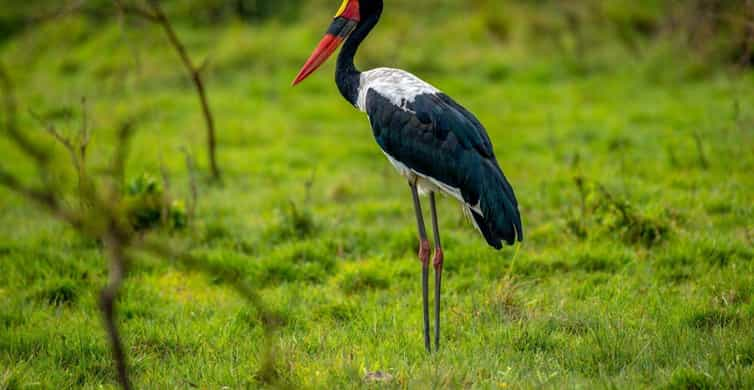
For a successful birding safari in Uganda, focus on visiting during the dry seasons (December–February and June–August) for better accessibility and bird activity. Key tips include hiring an expert local guide, packing quality binoculars (8x42 or 10x42) and a camera with a telephoto lens, and visiting prime spots like Bwindi for endemic species, Mabamba Swamp for the Shoebill, and Queen Elizabeth NP for water birds.
Popular tour packages
9-days-classic-uganda-birding-safari-tourn
13-days-uganda-birding-safari-and-wildlife
20-days-uganda-birding-safari-to-uganda-national-park
21-days-uganda-birding-safari-extravaganza-to-best-uganda-safari-parks
10-days-best-uganda-birding-safari-and-wildlife-experience
9-days-best-uganda-birding-safari-tour-from-swamps-to-savannah-eastern-route
1. Best Timing
Timing your Uganda birding safari is crucial for maximizing your experience. The ideal periods to visit are during the dry seasons, specifically from June to August and December to February. During these times, birds are generally more active, making them easier to spot, and trails are considerably less muddy, enhancing your ability to navigate through various habitats without difficulty.
In the dry months, many migratory species are present, and this increase in bird activity heightens your chances of witnessing diverse avifauna. As the plants are less dense and visibility improves, you’ll find that identifying various species becomes more manageable. The absence of heavy rains also leads to a more comfortable experience, allowing you to explore Uganda's rich ecosystems without the hindrance of wet and muddy trails.
Additionally, visiting during these periods allows opportunities for stunning photography since the clear skies and vibrant colors in the scenery create ideal conditions. Being able to move around comfortably aids not just in spotting birds but also in enjoying other wildlife encounters—elephants, for example, are often more visible during the dry months.
While exploring Uganda, one should remain flexible with plans to adjust for sudden weather changes. Always check local forecasts before heading out. In essence, visiting during dry seasons aligns well with the habits of both residents and migratory birds, making this timing advantageous for any birdwatcher eager to experience Uganda's avian diversity.
2. Hire Expert Guides
When planning a birding safari in Uganda, hiring expert guides is one of the best decisions you can make. Specialized birding guides bring a wealth of knowledge and experience that significantly enhances your chances of witnessing elusive bird species. Their familiarity with local habitats, birding hotspots, and seasonal variations allows them to provide insights that can transform a good birding trip into an extraordinary one.
Guides excel in identifying birds by their calls, an essential skill for spotting species that may blend into their surroundings. Their keen observational skills enable them to locate birds that an untrained eye might easily miss, ensuring you get the most out of your birdwatching experience. From the Albertine Rift endemics in Bwindi Impenetrable National Park to the waterbirds in Murchison Falls, a knowledgeable guide can tailor your trip to focus on your specific interests.
Additionally, guides can help navigate dense forests and difficult terrains, ensuring safety during your birding adventures. They possess in-depth knowledge about local cultures and conservation efforts, providing a richer context to your experience.
Moreover, hiring local guides supports the community and eco-tourism, which is crucial for the conservation of Uganda's biodiversity. Whether you are a novice or an experienced birder, employing specialized guides means you’ll leave with memorable sightings and a deeper appreciation for the avian wonders of Uganda.
3. Essential Gear
Equipping yourself with the right gear is fundamental to a successful birding safari in Uganda. High-quality binoculars are a must-have, and models with magnification of 8x42 or 10x42 are recommended. These provide the clear, detailed views necessary for spotting and identifying birds at a distance without shaking or blurriness. A good pair will enable you to make the most of fleeting sightings, whether you’re observing a majestic raptor soaring overhead or a colorful warbler flitting among the branches.
In addition to binoculars, a camera with a telephoto lens is essential. A lens with at least 300mm will allow you to capture stunning images of birds without disturbing them. Crystalline photographs can turn memories into tangible souvenirs of your experiences.
Clothing plays a crucial role, too; in addition to being comfortable, it should blend in with the natural surroundings. Neutral-colored clothing—khaki, olive, or brown—helps reduce visibility, allowing you to observe birds more closely without startling them. It's also wise to dress in layers. Lightweight, breathable long-sleeved shirts and trousers will protect you from both insect bites and the sun, enhancing your comfort while trekking through diverse habitats.
Considering these essentials will not only enhance your birdwatching experience but also ensure you’re prepared for various conditions while exploring the rich ecosystems Uganda has to offer.
4. Spotting Scope
A spotting scope can be an invaluable addition to your birding gear, especially in Uganda's wetlands and open savannahs. This specialized telescope is indispensable for spotting birds at a distance, enabling birders to see species that might be challenging to identify with binoculars alone. For example, birdwatchers seeking the enigmatic Shoebill can benefit substantially from a good-quality spotting scope, as these birds often dwell in the papyrus wetlands where they may be far from the shore.
Having a spotting scope greatly enhances your birdwatching experience, allowing for clear views of the intricate details of each bird, including feather colors and unique markings—details that can be easily lost to the naked eye or through binocular lenses. Furthermore, these scopes offer stable viewing, reducing the effects of shaking that can come with hand-held equipment, which is particularly beneficial when observing raptors or waterfowl.
Setting up your scope is relatively easy and can be done at strategic locations, such as riverbanks or lookouts. As the sun rises, finding a good position can help you take advantage of optimal light for viewing and photography. Some birding tours even include time designated specifically for using spotting scopes, maximizing opportunities to see both common and rare avian species.
In summary, while binoculars are indispensable for on-the-go birdwatching, a spotting scope equips you with the depth of observation needed for richer experiences when birding, particularly in open environments of Uganda.
5. Clothing Color
When preparing for a birding safari in Uganda, the color of your clothing plays a significant role in your overall experience. Opting for neutral-colored, earth-toned outfits—such as khaki, olive, and brown—can greatly enhance your birdwatching opportunities. These colors help you blend into the natural surroundings, reducing your visibility to keen-eyed birds that might otherwise notice a brightly colored outfit. This camouflage strategy is simple yet effective, increasing your chances of close encounters with a variety of bird species.
Neutral-colored clothing not only aids in birdwatching but also contributes to a more enjoyable experience overall. Birds are often startled by sudden flashes of color or movement, which can lead to missed opportunities for observation. By dressing in muted tones, you minimize disturbances, allowing you to move more easily within the habitats you’ll be exploring.
Additionally, wearing earth tones aligns with the natural landscapes, making it easier to appreciate and immerse yourself in the wildlife. It also reflects a respect for the environment and wildlife you aim to observe. Lightweight, breathable fabrics are recommended; they not only keep you comfortable during long hikes but allow you to adapt to temperature variations.
In conjunction with your selection of colors, consider layering your clothing to accommodate changing weather patterns during the day. Ultimately, choosing the right colors enables you to maximize your time spent observing Uganda's rich avifauna while enhancing your overall birding experience.
6. Layering
Layering your clothing is an essential strategy for a successful birding safari in Uganda, where weather conditions can be unpredictable and vary widely throughout the day. The climate can change from cool and misty mornings in tropical forests to hot and humid afternoons under the sun, making it crucial to be prepared for different temperatures and conditions.
Starting with a moisture-wicking base layer is a wise choice, as it keeps sweat at bay and helps regulate your body temperature. On top of this, consider adding a lightweight long-sleeved shirt to protect against sun exposure and offer some defense against insect bites. Long trousers are preferable for similar reasons, especially when navigating through dense vegetation.
A breathable, waterproof jacket is also recommended, particularly during the wet seasons when unexpected rain showers can occur. This not only keeps you dry but also helps maintain warmth during cooler mornings or evenings.
By layering your clothing, you can easily adjust to fluctuating temperatures throughout the day. Being able to add or remove items will enhance your comfort level, allowing you to focus your attention on birdwatching rather than on how you feel in your clothing.
Be mindful that lightweight and durable fabrics are ideal, keeping both comfort and functionality in mind. Properly layering your clothes allows you to fully immerse yourself in the vibrant habitats of Uganda, enhancing your birdwatching experiences while keeping you comfortable throughout your adventure.
7. Footwear
Choosing the right footwear is critical for a successful birding safari in Uganda, where trekking through diverse and sometimes challenging terrains is common. Opt for sturdy, waterproof hiking boots that provide both comfort and support during long hours of walking. High-quality boots ensure that your feet remain dry and protected while navigating muddy trails or rocky paths often found in the lush forests.
Good hiking boots with proper ankle support can also help prevent injuries, particularly if you’ll be traversing uneven ground. Your choice should include soles with good traction, which are necessary for maintaining grip on slippery or loose surfaces. This is essential not just in rainforest areas but also when observing birds in rocky savannahs or wetlands.
In addition to support and traction, ensure your footwear is breathable to avoid excessive moisture buildup. Stuffy feet can lead to discomfort, which can be particularly troublesome during extended birdwatching trips. Many brands offer boots made with advanced materials that enhance breathability and moisture-wicking properties.
Remember to break in your boots prior to your trip. Wearing them during hikes or walks at home can prevent blisters and discomfort during your Uganda adventure. Ultimately, well-chosen footwear contributes significantly to your overall comfort and mobility, allowing you to focus on enjoying the incredible birdlife Uganda has to offer without the distraction of sore or wet feet.
8. Migratory Season
Understanding Uganda’s migratory season is vital for birdwatchers looking to maximize their experience. The migratory period runs primarily from November to April, during which numerous Palearctic birds from Europe and Asia make their way to Uganda. This influx of migrants adds a vibrant layer of diversity to the already rich avifauna found in the country, presenting exciting opportunities to spot rare or otherwise elusive species.
These migratory birds often seek Uganda’s milder climate and abundant food sources during the northern winter months. Birdwatchers can observe a multitude of species, including various types of warblers, waders, and even some raptors that return annually. The sight and sounds of these birds enhance any birdwatching safari, ensuring that enthusiasts are treated to a colorful showing.
In addition to Palearctic migrants, intra-African migrants also appear during the warmer months from June to September, contributing to the rich diversity of species one can observe during that time. This unique timing encourages birders to plan their safaris accordingly to take advantage of both the locals and the visiting migratory species.
With specialized guides, birders can also learn about the best locations and times to find specific migratory species, enhancing the overall birding experience. Overall, planning your visit around the migratory season allows for an enriched and dynamic birdwatching experience, making your Uganda safari truly unforgettable.
9. Key Hotspot - Bwindi
Bwindi Impenetrable National Park is a premier hotspot for birdwatchers, renowned for its incredible diversity of avian species, including 23 of the 24 Albertine Rift endemics found in Uganda. This UNESCO World Heritage site is characterized by its dense, lush forests, which provide ideal habitats for more than 350 documented bird species, making it a must-visit destination for birding enthusiasts.
Birders flock to Bwindi in search of legendary species such as the African Green Broadbill, Shelley’s Crimsonwing, and the striking Rwenzori Turaco. The sheer variety of birds available in different habitats within the park offers a thrilling experience for every level of birdwatcher. The rich ecosystem nourishes various birds, making them more accessible to passionate observers.
What sets Bwindi apart is not only its rich birdlife but also the opportunity to combine birding with gorilla trekking, creating a unique dual focus for wildlife enthusiasts. Guided bird tours led by knowledgeable local experts can greatly enhance the experience, as they know the best trails and locations for finding specific birds.
The best time to visit Bwindi is during the dry months, from June to September and December to February, when walking trails are easier to access and bird activity is heightened. An adventure in Bwindi Impenetrable National Park promises enchanting experiences in nature while providing the chance to encounter both rare avian species and the majestic mountain gorillas that inhabit this stunning landscape.
10. Key Hotspot - Murchison Falls
Murchison Falls National Park is another key hotspot for birdwatching in Uganda, renowned for its rich diversity of avian life. Home to over 450 bird species, Murchison Falls offers an array of habitats, including wetlands, savannahs, forests, and riverine landscapes, which create ideal conditions for numerous bird populations, including many specialized species.
One of the prominent highlights in this park is the opportunity to observe water-associated birds. The Nile River, which flows through the park, is a significant location for spotting iconic species such as the Shoebill, which can often be seen in the marshlands at the Nile-Albert Delta. Additionally, visitors can encounter the elegant African Fish Eagle, diverse herons, and various waterfowl, making Murchison Falls a paradise for birdwatchers.
The unique landscape of Murchison Falls itself adds to the allure for birding enthusiasts. Boat cruises along the Nile provide stunning views and substantial opportunities for birdwatching. These cruises allow you to see a variety of birds up close, adding layers of excitement to the adventure.
Guided birdwatching tours conducted by local experts can significantly enhance your experience, as they help with bird identification and provide insights into the behavior and ecology of the various species observed. With the combination of diverse habitats, key bird species, and expert-led tours, a visit to Murchison Falls National Park promises a rewarding birdwatching experience for anyone eager to explore Uganda's remarkable avifauna.
11. Research Before You Go
Preparing for a birding safari in Uganda requires more than just packing your binoculars. Conducting thorough research beforehand can greatly enhance your experience and ensure that you get the most out of your birdwatching adventure. Familiarize yourself with Uganda’s unique ecosystems, key bird species, and hotspots to create a more targeted and personalized itinerary.
Begin by learning about the different regions you plan to visit, such as Bwindi Impenetrable National Park, Queen Elizabeth National Park, and Kibale Forest. Each location has its own set of birds, including Albertine Rift endemics found in Bwindi and migrants present in Queen Elizabeth. Knowing what to expect will help you prepare both mentally and materially.
Consider investing in a comprehensive field guide to East African birds that can assist you in identifying species during your trip. Such resources often provide information about birds’ behaviors, habitats, and distinct markings, which can be invaluable while out in the field.
Additionally, use online platforms or local forums to connect with fellow birders who have experience in Uganda. They may share insights on recent sightings, suggest itineraries, or recommend guides. Engaging with local tour operators beforehand can also help clarify logistics, such as accommodation and the availability of expert guides.
Researching your destination ensures you are well-prepared and informed, allowing for a more enriching and enjoyable birdwatching experience. Armed with knowledge, you’ll leave Uganda having witnessed its incredible avifauna and perhaps a few personal “lifer” species along the way.
12. Respect Wildlife
Respecting wildlife during your birding safari is paramount for both ethical and safety reasons. As a birdwatcher, it is crucial to practice responsible observation techniques that minimize disturbance to the animals and their habitats. Observing birds from a distance is essential; getting too close can cause stress for the animals and may lead them to abandon their nests or young.
Maintaining silence and minimizing sudden movements while observing helps create a peaceful environment, allowing birds to behave normally without feeling threatened. If a bird is agitated and attempts to fly away, it’s a sign that you are too close, and you should back off to create a safer distance for both you and the wildlife.
Another key aspect of respecting wildlife involves following designated trails and guidelines set by park authorities. Straying from marked paths can potentially damage delicate ecosystems, disrupting habitats or nesting areas. Staying on trails not only preserves the environment but also enhances your safety.
It's also important to avoid feeding or baiting birds, as this can lead to unhealthy behavior and dependency on human food sources. Always follow the principles of “Leave No Trace,” which includes cleaning up after yourself and keeping the environment pristine for future visitors and wildlife.
Being a conscientious birdwatcher contributes to conservation efforts, enabling you to enjoy the thrill of observing wildlife while playing a role in protecting the habitats and species you cherish. Your respect for wildlife and their ecosystems ensures that future generations can experience the wonder of birdwatching in Uganda.
13. Use a Checklist
Utilizing a birding checklist can greatly enhance your adventure during a birding safari in Uganda. A checklist serves as an organized way to track the species you have observed, helping you keep a record of your findings and ensuring that you don’t miss any significant sightings. This tool not only adds excitement as you tally new observations, but it can also serve as a reference for future trips.
Before your safari, research and compile a comprehensive list of bird species that you hope to encounter. Focus on species endemic to Uganda, migratory visitors, and any personal “lifers” (birds you are keen to see for the first time) that are found within your chosen parks, such as the Shoebill or African Green Broadbill. Having these species listed will provide a sense of purpose and direction during your birdwatching outings.
Consider using a birding app to maintain your checklist. Many birders now utilize mobile applications that allow for more efficient tracking and identification of birds in real-time. Some apps even offer photos and calls of various species, making them excellent educational tools while you’re on the move.
At the end of your trip, reflecting on your checklist can contribute valuable insights into your birding experiences. Limiting memory to a checklist not only supports your pursuit of specific birds but can also aid in conservation efforts by providing data for scientists and researchers monitoring bird populations and distributions in Uganda. In summary, having a checklist enhances your organization and fulfillment, making your birding safari even more enjoyable.
14. Keep an Open Mind
Having an open mind is essential when embarking on a birding safari in Uganda. While it's common to have specific target species in mind, birdwatching can often lead to unexpected and delightful surprises. Nature has a way of presenting opportunities that may not align with your original expectations, making patience and flexibility crucial.
Upholding a sense of wonder as you explore different habitats may lead to the discovery of numerous unexpected bird species, endemic to Uganda or transient visitors. For instance, while searching for the elusive Green-breasted Pitta, you may encounter other fascinating birds, like the Great Blue Turaco or various types of Sunbirds that capture your attention.
Recognizing the importance of being adaptable in your approach can significantly enhance the enjoyment of your birding experience. If you have your sights set on a particular bird, such as the Shoebill, but it proves elusive on that day, use that time to appreciate the other species around you; the vibrant colors, unique calls, and captivating behaviors of birds can create lasting memories.
This mindset also applies to interactions with local guides or fellow birders. They might offer insights or share best practices, enhancing your understanding and connection to Uganda’s vibrant ecosystems.
In essence, keeping an open mind can lead to enhanced experiences, making your Uganda birding safari both rewarding and exhilarating as you embrace the natural world’s unpredictability and magic.
15. Take Notes
Taking notes during your birding safari in Uganda can significantly enhance your overall experience and understanding of the diverse avifauna you encounter. Recording your observations helps reinforce your learning and provides a reference for
16. Key Hotspot - Mabamba Bay
Mabamba Bay is renowned as one of the best spots for birdwatchers hoping to find the elusive Shoebill Stork. Located near Entebbe, this wetland area’s labyrinth of papyrus and reed beds creates an ideal habitat for the Shoebill, which is often seen wading in the shallow waters or patrolling the wetlands for fish and other prey. The success rate for spotting this unique bird is impressively high, making Mabamba a must-visit destination for bird enthusiasts.
Exploring the swamp via guided canoe trips is the best way to navigate the intricate waterways without disturbing the natural habitat. Early morning yields the best chances for spotting the Shoebill, as it is more active and visible at this time. The quiet paddling of the canoe not only provides a perfect vantage point but also invites birdwatchers to enjoy the diverse avifauna, ranging from herons to kingfishers.
In addition to the Shoebill, Mabamba Bay is home to other interesting species such as the Papyrus Gonolek and various waterfowl, adding further intrigue to the birdwatching experience. Guided tours led by local experts can help identify various species and provide insights into the area's ecology, ensuring a comprehensive birdwatching outing.
Mabamba Bay’s significance extends beyond birdwatching; it is also an important site for conservation efforts that protect wetland ecosystems. Visiting this hotspot not only enhances your birding experience but also supports initiatives aimed at preserving Uganda’s rich biodiversity, making it a fulfilling and rewarding experience for nature lovers.
17. Target Specific Endemics
Uganda is a treasure trove for birdwatchers, especially for those interested in locating specific endemic species. Among the country’s unique birds, the Fox’s Weaver stands out as Uganda's only true endemic. This striking bird, primarily found within the grassy wetlands, is a must-see for enthusiasts looking to expand their lifelist.
In addition to the Fox’s Weaver, birders should seek out the mesmerizing Green-breasted Pitta and the rare African Green Broadbill. The Green-breasted Pitta is especially elusive and can be found in dense forest undergrowth, making it a favorite target for birders skilled in spotting hidden species. Knowledgeable local guides are invaluable for locating these birds, as they are aware of the specific habitats and feeding behaviors of these endemics.
Timing is essential when searching for these species; visiting during peak seasonal activity increases your chances of success. Early mornings and late afternoons bring heightened bird activity, allowing for better observation opportunities.
Moreover, ensure you visit primary habitats, like the pristine forests of Bwindi and the wetlands of Mabamba Bay, where these species thrive. Your focus on locating these endemics allows for tailored birdwatching experiences, making your Uganda safari not only rewarding but unique, as you interact with the country’s distinct avifauna.
18. Morning/Evening Birding
The timing of your birding excursions can significantly influence your success rate in Uganda. Birdwatching is best done early in the morning and late in the afternoon, periods when birds are most active and vocal. Early mornings, often characterized by the soft light of dawn, create the perfect conditions for spotting a variety of species as they begin their daily activities.
Morning birding allows enthusiasts to witness the stunning songs and behaviors of many species, as they engage in feeding and territorial displays. The quieter hours of the day minimize disturbances, enabling birders to observe natural behaviors without interruption. Additionally, the cooler temperatures in the morning provide a comfortable environment for trekking through Uganda’s diverse habitats for extended periods.
Likewise, late afternoon offers another prime window for birding. As the day begins to cool down, birds become more active again, making it an ideal time for spotting those elusive and often secretive species. The golden-hour light also provides excellent conditions for photography, capturing vibrant colors and intricate details.
Planning your birding activities around these optimal times can significantly enhance your overall experience. Devoting time to birdwatching during the early mornings and late afternoons promises rich encounters with Uganda's diverse wildlife, allowing you to maximize both your sightings and your enjoyment of the breathtaking landscapes.
19. Pack Protection
When embarking on a birding safari in Uganda, it is essential to prioritize personal protection from the elements. The unpredictable weather and diverse habitats you will encounter require thoughtful preparation to ensure a safe and enjoyable experience. Pack items such as sunscreen, insect repellent, and a wide-brimmed hat to safeguard against excessive sun exposure and pesky insects.
Sunscreen should have a high SPF rating, which can prevent sunburn during long hours spent outdoors. A wide-brimmed hat not only protects your face from harmful UV rays but also helps keep you cool. Insect repellent is vital, as Uganda's lush habitats can harbor mosquitoes and other biting insects that can carry diseases.
Considering the diverse weather patterns, ensure to pack a light rain jacket or poncho, even during the dry season. Sudden rain showers can occur, especially in tropical forest areas, and being caught unprepared can lead to discomfort or hinder your birding experience. A lightweight, packable raincoat can easily fit in a daypack and offer protection from the elements when needed.
These protective measures allow you to concentrate on the incredible avian diversity without the distraction of discomfort. Being prepared not only increases your safety but also enhances your overall birdwatching experience, enabling you to focus on the beauty of Uganda’s landscapes and its stunning array of birds.
20. Rain Gear
While Uganda is known for its stunning landscapes and incredible avifauna, the weather can be unpredictable, requiring visitors to be prepared for sudden downpours, even in the dry season. Packing appropriate rain gear—such as a lightweight rain jacket or poncho—is vital to maintaining comfort and continuity during your birding adventures.
A light rain jacket should be breathable, allowing moisture to escape, while still providing protection against the rain. Packable styles are particularly useful, as they can easily fit into a bag without adding significant bulk. Ponchos can also be a practical choice, offering ample coverage and the convenience of quick wear.
Additionally, consider waterproof bags for storing essential equipment, like binoculars and cameras, to prevent water damage. Protecting your gear ensures uninterrupted birdwatching, allowing you to focus on spotting the incredible species of Uganda.
Being adequately equipped for rain will also enable you to explore a wider range of habitats. Ongoing rainy conditions can yield unique birding opportunities, as many species become more active under cloudy or wet circumstances. Observing species like raptors or migrating birds can lead to unexpected and rewarding encounters.
Overall, packing appropriate rain gear ensures that your Uganda birding safari remains enjoyable and productive. By preparing for varying weather conditions, you can fully engage with nature and appreciate the breathtaking landscapes and vibrant wildlife that Uganda has to offer.
21. Field Guides
Having a comprehensive field guide, such as "Birds of East Africa" by Stevenson & Fanshawe, is an indispensable tool for your birding safari in Uganda. This guide provides detailed illustrations, descriptions, and species accounts that can help you quickly identify the diverse avifauna you’ll encounter, enhancing your overall experience.
Field guides often include information on habitat preferences, behavior, vocalizations, and nesting habits, serving as an invaluable resource while you explore Uganda’s varied ecosystems. Being able to reference a guide on-site allows for immediate identification and enriches your understanding of each species.
When navigating through national parks and unique habitats, such as wetlands or dense forests, a well-organized field guide can help you keep track of your sightings. By noting each bird you observe in relation to its habitat or behavior, you can deepen your understanding of birdwatching principles and foster an appreciation for the ecological roles birds play in their environments.
In addition to individual guides, consider using apps that can complement your field guide experience. Many birding apps offer up-to-date information and can assist with real-time identification by using photos and audio clips.
Equipping yourself with a reliable field guide is an integral part of enhancing your birdwatching adventure in Uganda, as it allows you to engage more deeply with the rich biodiversity while building your skill set. This invaluable tool positions you to appreciate and celebrate the stunning variety of birds Uganda has to offer.
22. Power & Memory
When embarking on a birding safari in Uganda, it's crucial to ensure that your electronic devices, particularly cameras, are adequately powered to capture stunning moments in the field. Carrying extra batteries is essential, allowing you to continue photographing and documenting your birdwatching adventures without interruption.
Long days in the field can consume a significant amount of battery life, especially if you’re capturing numerous photos and videos to document the incredible avifauna. Having spare batteries means you won't miss any opportunities due to a dead camera. Keep your batteries charged and readily accessible so you can swap them out swiftly when needed.
In addition to extra batteries, it is wise to carry additional memory cards. Wildlife photography often results in an extensive collection of images, and running out of space on your card can be frustrating and limiting. Extra memory cards will ensure you have sufficient storage to capture everything from macro shots of unique bird species to breathtaking landscapes.
Consider organizing your memory cards by labeling them or using cases for easy access. This not only helps you stay organized but also prevents the loss of precious images.
By being adequately prepared with power supplies and memory storage, you can enjoy uninterrupted birdwatching and photographic opportunities. Capturing the beauty of Uganda’s diverse birds will create lasting memories and provide tangible souvenirs to cherish long after your adventure has concluded.
23. Combine with Wildlife
Maximizing your Uganda birding safari is best achieved by combining birdwatching with wildlife experiences, such as gorilla or chimpanzee trekking. Uganda is home to some of the world’s most sought-after wildlife, and integrating these experiences can enrich your overall adventure, offering a diverse range of encounters that showcase the country’s stunning ecosystems.
Gorilla trekking in Bwindi Impenetrable National Park is a unique highlight for any wildlife enthusiast. This experience of observing mountain gorillas in their natural habitat creates a profound connection to nature and conservation efforts. The joy of witnessing these magnificent creatures adds depth to your safari experience.
In addition to gorillas, consider exploring Kibale Forest National Park for chimpanzee trekking. Spending time with these intelligent primates offers valuable insights into primate behavior and ecology. The juxtaposition of birdwatching alongside mammal encounters enriches your understanding of Uganda's ecosystems and its interconnected wildlife.
While on these treks, you may encounter numerous bird species, adding to your birding list. The rich biodiversity of Uganda means that birding and wildlife experiences often overlap, enhancing your overall adventure.
Connecting with expert guides during these excursions is crucial. They can provide valuable insights into both birding and wildlife, ensuring that you maximize each experience. The combination of birdwatching and wildlife encounters creates a multifaceted safari, allowing you to fully appreciate the abundance of life in Uganda’s varied habitats.
24. Hydration
Staying hydrated during your birding safari in Uganda is crucial for maintaining energy levels and overall well-being. The combination of hiking through diverse terrains and exploring various ecosystems can be physically demanding, making it essential to drink plenty of water throughout the day.
Carrying a reusable water bottle is an eco-friendly and practical solution to ensure you’re consuming enough fluids. Many lodges and campsites provide water refill stations, allowing you to stay hydrated without relying on single-use plastic bottles.
Aim to drink water consistently throughout the day, rather than waiting until you feel thirsty. Dehydration can lead to fatigue, headaches, and diminished concentration, all of which can hinder your birdwatching experience. Planning hydration breaks while birding is important; take short pauses to sip water, allowing you to re-energize while scanning the surroundings for new sightings.
Consider electrolyte-replenishing drinks if you anticipate intense activity levels or hot weather. These can help maintain essential mineral levels, preventing fatigue and ensuring that you’re prepared for long hours of exploration.
Ultimately, prioritizing hydration enhances your ability to enjoy Uganda's rich avifauna fully. By ensuring you maintain adequate fluid intake, you can focus your energy on birdwatching, thus elevating your overall experience while engaging with the stunning outdoor environments that Uganda has to offer.
25. Respect Wildlife
Respecting wildlife is paramount for a fulfilling birding safari in Uganda. As a birder, adhering to ethical practices enhances your personal enjoyment while playing a vital role in conservation efforts. Maintaining a respectful distance from birds prevents unnecessary stress that can disrupt nesting behaviors or feeding routines.
It's essential to observe birds silently and patiently, giving them space to engage in their natural behaviors without feeling threatened. This approach not only allows for better observations but also aligns with responsible birdwatching principles that prioritize the well-being of wildlife.
Stay on designated trails and follow park guidelines to minimize habitat disturbance. Off-trail exploration can damage sensitive ecosystems and nesting sites, which can have lasting impacts on local bird populations. Respecting established guidelines extends to not feeding birds or altering their environment; these actions can create dependency on human intervention and disrupt natural foraging behaviors.
Considering seasonal breeding cycles is also crucial. Being aware of nesting times for various species can guide your birdwatching habits and ensure you are not inadvertently disturbing critical home sites for local wildlife.
Educating yourself about the unique avifauna of Uganda promotes sustainable habits and fosters appreciation for the connectedness of the ecosystems you’ll be exploring. By advocating respectful wildlife interactions, you contribute to the long-term preservation of Uganda’s breathtaking bird populations while enriching your own birdwatching experience.
Booking Uganda birding safari with us Roads of Adventure safaris
Book your unforgettable Uganda birding safari with Roads of Adventure Safaris. We specialize in expert-led, tailored itineraries focusing on Albertine Rift endemics, Shoebill Storks, and forest dwellers in top spots like Bwindi and Mabamba Swamp. Our customized packages offer seamless logistics, including 4x4 transport, accommodation, and knowledgeable guides, allowing you to combine birding with gorilla trekking for a comprehensive experience. Contact us to create your bespoke, high-value birdwatching adventure in the Pearl of Africa.
