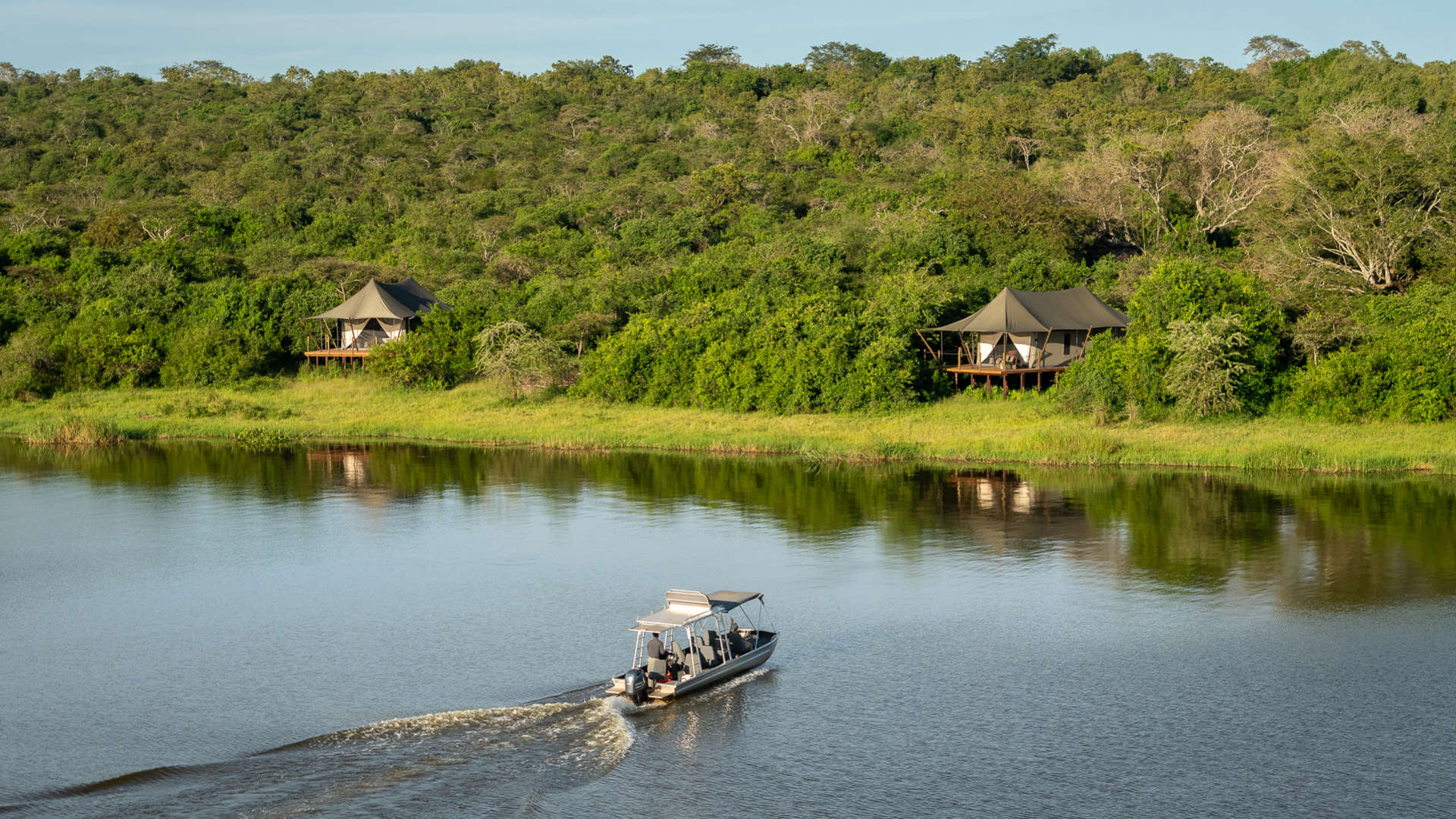
Planning a safari in Rwanda’s eastern wilderness is a chance to experience remarkable wildlife while choosing a stay that gives something back to the landscape and local communities. Akagera National Park is known for its wetlands, open savannah and diverse wildlife, including the Big Five. Its lodges and camps offer different ways to enjoy the park, from comfortable lakeside tents to seasonal bush camps.
Choosing an eco-friendly lodge near Akagera National Park can make your trip more meaningful. Solar power, local materials, community partnerships and conservation work all play a part in responsible travel. Here are five places to consider when planning your stay.
3-days-rwanda-safari-to-akagera-national-park-combined-with-lake-ihema-boat-cruise
3-day-africa-big-five-safari-in-akagera-national-park-with-kigali-city-tour
3-days-safari-in-rwanda-akagera-national-park-game-drive-and-lake-ihema-boat-trip
4-days-akagera-safari-and-chimpanzee-tracking-rwanda-safari
4-days-volcanoes-national-park-and-akagera-rwanda-wildlife-safari
9-days-rwanda-gorilla-trekking-and-adventure-activities-and-relaxation
6-days-rwanda-safari-to-akagera-and-nyungwe-chimpanzee-tracking
1. Ruzizi Tented Lodge
- Location: Southern sector, on the shores of Lake Ihema inside Akagera National Park.
- Eco-features: Solar-powered operations, locally made furnishings and a focus on reducing single-use plastics.
Ruzizi Tented Lodge is a small, peaceful camp beside Lake Ihema. Set beneath palms and fig trees, it has nine canvas-walled tents designed to sit lightly within the lakeside landscape.
Solar power supplies the camp’s electricity and hot water, reducing its reliance on fuel-powered generators. Local Rwandan cooperatives and artisans have contributed textiles, furniture and other details throughout the property. Elevated wooden walkways help guests move around the marshy site while limiting disturbance to the ground and nearby vegetation.
The lodge is managed by African Parks in partnership with the Rwanda Development Board. Revenue from tourism supports Akagera’s management and conservation work, including anti-poaching patrols, wildlife monitoring and community education.
At the central deck or around the fire pit, guests can take in views across the lake and look out for hippos and elephants. Guided game drives and boat trips offer other ways to explore the park, with naturalists helping guests observe wildlife responsibly. For travelers seeking a comfortable, low-impact stay inside Akagera, Ruzizi offers a close connection to both the lake and the surrounding wilderness.
2. Wilderness Magashi Camp
- Location: Northern sector, in a private concession beside Lake Rwanyakazinga.
- Eco-features: Solar power, a policy against single-use plastics and support for wildlife conservation.
Wilderness Magashi Camp sits in a remote, wildlife-rich part of northern Akagera. Its six tented suites look out over Lake Rwanyakazinga, offering guests a quiet base surrounded by open landscapes and water.
The camp uses solar energy and eco-conscious waste-management practices to help reduce its environmental footprint. Its design draws on Rwandan influences, with local materials, canvas and Imigongo-inspired artwork helping the camp feel connected to its setting.
Magashi’s conservation work is carried out in collaboration with African Parks and the Rwanda Development Board. The camp supports efforts to protect species such as the eastern black rhinoceros and African wild dog, while tourism helps sustain conservation in the park.
Guests can head out on morning and evening game drives in search of lions, leopards and other wildlife. Boat trips and catch-and-release fishing are also offered, depending on conditions and camp activities. With its small number of suites and strong focus on wildlife, Magashi is a high-end option for travelers looking for an eco-conscious safari stay in Akagera.
3. Akagera Rhino Lodge
- Location: Nyagakongi Hill, outside the park’s southern boundary.
- Eco-features: Locally sourced stone and timber, rainwater harvesting and links with nearby growers.
Akagera Rhino Lodge is set on Nyagakongi Hill, a short drive from the park’s southern entrance. Its location makes it a convenient base for early starts and game drives, while also giving guests the chance to stay in the surrounding rural community.
The lodge uses locally sourced stone and timber, with a rustic design that reflects the colors and character of the hills. Rainwater harvesting helps collect water for landscaping and other uses. The kitchen also works with community gardens and nearby smallholder farmers to source ingredients.
Community involvement is part of the lodge’s approach. Staff are recruited and trained from nearby villages, and the craft shop gives local makers a place to offer baskets, woodwork and beaded jewelry to visitors. Guests can choose from private chalets and rooms, many with terraces overlooking the countryside. In the evening, meals made with local ingredients and the quiet, open skies offer a relaxed end to a day in the park.
For visitors comparing eco-friendly accommodation near Akagera National Park, Rhino Lodge offers a community-focused option outside the gate, with convenient access to the southern entrance.
4. Karenge Bush Camp
- Location: Northern sector, in the remote Kilala Plains of Akagera.
- Eco-features: Seasonal mobile camp, solar lighting, bucket showers and no permanent concrete structures.
Karenge Bush Camp is a seasonal camp designed to leave a light mark on the landscape. It operates during selected wildlife-viewing periods and is dismantled during the wet season, giving the site time without a permanent camp presence.
The camp accommodates up to twelve guests in six canvas tents. Rather than building permanent structures, it relies on temporary facilities that can be taken down and moved. Solar lanterns provide light, while bucket showers offer a simple way to manage water use. Hot water is heated using fallen bush timber, according to the camp’s operating approach. Meals are prepared with local produce and enjoyed in a shared, outdoor setting.
In the Kilala Plains, guests may see zebras, giraffes and a range of other wildlife. Guided walks and game drives with local rangers provide a closer look at the area and its habitats. The camp’s small size and seasonal setup make it a distinctive choice for travelers who want a simpler, more immersive safari experience.
Karenge is a good fit for guests who value a temporary, low-impact camp over the amenities of a permanent lodge. Its remote setting and back-to-nature style are a major part of the experience.
5. SALT of Akagera (formerly Mantis Akagera Game Lodge)
- Location: Southern sector, on a ridge about five kilometers from the southern park entrance.
- Eco-features: Energy-efficiency improvements, local food sourcing and community-focused hospitality.
Overlooking Lake Ihema and Lake Shakani, SALT of Akagera is a larger, more conventional property in the park’s southern area. Formerly known as Mantis Akagera Game Lodge, it has reopened under The Lux Collective, combining resort-style facilities with a focus on local sourcing and more responsible operations.
Renovations included improvements to the property’s energy and water systems while retaining its hilltop setting. The lodge’s menus feature Rwandan produce, locally roasted coffee, honey and fish sourced from nearby waters. The property also employs people from surrounding communities and supports local training initiatives.
Guests can make use of the swimming pool, spa, tennis facilities and family areas, then head out to explore the park. Its position near the southern entrance makes it convenient for game drives and other activities. Travelers looking for more facilities alongside access to Akagera’s wildlife may find SALT a comfortable base.
Choosing an Eco-Friendly Lodge Near Akagera National Park
The right lodge depends on the kind of safari you want. Ruzizi and Magashi are inside the park and offer intimate tented stays close to wildlife. Karenge is a seasonal camp for travelers who prefer a simpler wilderness experience. Akagera Rhino Lodge is outside the southern gate and emphasizes local community connections, while SALT offers more resort-style facilities.
Before booking, check the lodge’s current operating dates, inclusions, location and available activities. Sustainability practices and services can change, so it’s worth confirming details directly with the property or your safari operator.
How does Ruzizi Tented Lodge balance comfort with environmental care?
Ruzizi Tented Lodge combines a comfortable lakeside stay with design choices intended to reduce its impact on the surrounding environment. The camp runs on solar power, which supplies electricity and hot water without relying on conventional fuel generators. Elevated wooden walkways help guests move across the marshy site while limiting ground disturbance and damage to vegetation.
The lodge also uses local furnishings and textiles, and it works to avoid single-use plastics. Its management by African Parks, in partnership with the Rwanda Development Board, connects tourism with the park’s broader conservation and community work. Revenue helps support activities such as anti-poaching patrols, wildlife monitoring and community education.
What role does Wilderness Magashi Camp play in wildlife conservation?
Wilderness Magashi Camp works with African Parks and the Rwanda Development Board in support of conservation in Akagera. Located in a private concession beside Lake Rwanyakazinga, the camp contributes to wider efforts to protect the park’s wildlife and habitats.
Among the species highlighted in its conservation work are the eastern black rhinoceros and African wild dog. Guests can explore the area on guided game drives, boat trips and other activities offered by the camp. These experiences provide opportunities to learn about the park while keeping wildlife viewing focused on responsible, low-impact practices.
How does Akagera Rhino Lodge support nearby communities?
Akagera Rhino Lodge is located on Nyagakongi Hill outside the park’s southern gate. Its community connections include employing and training staff from nearby villages and sourcing food from community gardens and smallholder farmers.
The lodge was built with local stone and timber, and its craft shop gives nearby artisans and women’s groups a place to sell goods such as baskets, carved woodwork and beaded jewelry. These relationships help connect guest spending with local suppliers and makers.
What makes Karenge Bush Camp different from a permanent lodge?
Karenge Bush Camp is a seasonal camp rather than a permanent property. Its canvas tents and temporary facilities are dismantled during the wet season, and the camp does not use permanent concrete structures. This approach limits the long-term physical footprint of the camp.
The experience is intentionally simple: solar lanterns provide lighting, bucket showers help keep water use modest, and meals are served in a shared outdoor setting. With space for up to twelve guests, Karenge offers a smaller-scale stay in the northern plains.
How do the lodges use solar power and manage energy?
Solar power is an important part of the eco-friendly approach described by several Akagera properties. Ruzizi Tented Lodge and Wilderness Magashi Camp are listed as solar-powered, while Karenge Bush Camp uses solar lanterns for lighting.
At SALT of Akagera, renovations have included energy-efficiency improvements. These approaches differ from lodge to lodge, so travelers who want to know exactly how a property generates power or limits consumption should confirm the details before booking.
What water-conservation practices are mentioned?
Akagera Rhino Lodge uses rainwater harvesting to collect seasonal rainfall for landscaping and other operational needs. At Karenge Bush Camp, bucket showers offer a simple way to keep showering practical while using less water.
The properties also describe waste-management practices intended to reduce impacts on their surroundings. Since water systems and conservation measures can vary, guests can ask each lodge how it manages wastewater and protects nearby water sources.
How do local materials and craftsmanship feature in lodge design?
The lodges use a mix of canvas, timber, stone and locally made furnishings to reflect the surrounding landscape and Rwandan design. Ruzizi features textiles and furniture made by local artisans, while Magashi incorporates Imigongo-inspired design details. Akagera Rhino Lodge uses locally sourced stone and timber.
Using local materials and crafts can support regional makers and help give each property a stronger sense of place. The specific materials and suppliers vary by lodge, so it is best to check with the property for the latest information.
What’s the difference between staying inside the park and outside the gates?
Staying inside Akagera National Park, at properties such as Ruzizi, Magashi or Karenge, puts guests close to the park’s landscapes and wildlife. Depending on the lodge and itinerary, guests may have convenient access to game drives, lakeside views and boat activities.
Akagera Rhino Lodge sits outside the southern boundary, making it a convenient base near the entrance and a way to stay close to local communities. SALT of Akagera is also near the southern entrance and offers a more conventional resort experience. The best choice depends on your preferred comfort level, budget, location and activities.
How can boat trips and other low-impact activities benefit wildlife viewing?
Boat trips and guided activities offer ways to see Akagera without leaving the same kind of footprint as some more intrusive forms of recreation. Quiet boat outings can help visitors observe lake wildlife and waterbirds, while guided game drives and walks allow knowledgeable guides to help keep a respectful distance from animals.
The activity and its environmental impact depend on the operator, equipment and conditions. Ask your lodge or safari operator how trips are run and what measures they take to avoid disturbing wildlife and sensitive habitats.
How does farm-to-table dining support sustainability?
Sourcing food from nearby farmers and community gardens can connect lodge kitchens with local producers and reduce the need to transport some ingredients over long distances. Akagera Rhino Lodge and SALT of Akagera both highlight local food sourcing.
For farmers, lodge purchases can provide an additional market for seasonal produce. For guests, meals made with local ingredients offer a taste of the region. Menus and suppliers can change, so check with the property if you have questions about specific ingredients or dietary requirements.
Why is the African Parks and Rwanda Development Board partnership important?
African Parks and the Rwanda Development Board work together on the management of Akagera National Park. Their partnership supports park operations, conservation and community-related initiatives.
Tourism helps fund the park through visitor spending and other tourism-related income. These resources support work such as wildlife protection, park management and community programs. Lodges with links to this partnership help connect a visitor’s stay with the wider conservation effort.
How can seasonal bush camps help reduce pressure on savannah landscapes?
A seasonal camp such as Karenge is designed to operate for part of the year and then be dismantled. This avoids keeping a permanent set of structures on the same site year-round and gives the area a break between operating periods.
The camp’s temporary setup also means there are no permanent concrete buildings or fixed facilities of the kind found at a larger lodge. It is one approach to lowering the long-term footprint of a safari stay, though the impact of any camp also depends on how it manages water, waste, fuel and guest activities.
Book an Eco-Friendly Akagera Safari with Roads of Adventure Safaris
Planning a safari in Akagera National Park? Roads of Adventure Safaris Ltd can help organize your trip, including accommodation at properties such as Ruzizi Tented Lodge, Wilderness Magashi Camp, Akagera Rhino Lodge, Karenge Bush Camp or SALT of Akagera.
The team can also help arrange game drives, boat trips and park permits, along with transport in a 4x4 Land Cruiser and the support of a driver-guide. Get in touch with Roads of Adventure Safaris to discuss your travel dates, preferred lodge and the kind of Akagera safari you have in mind.