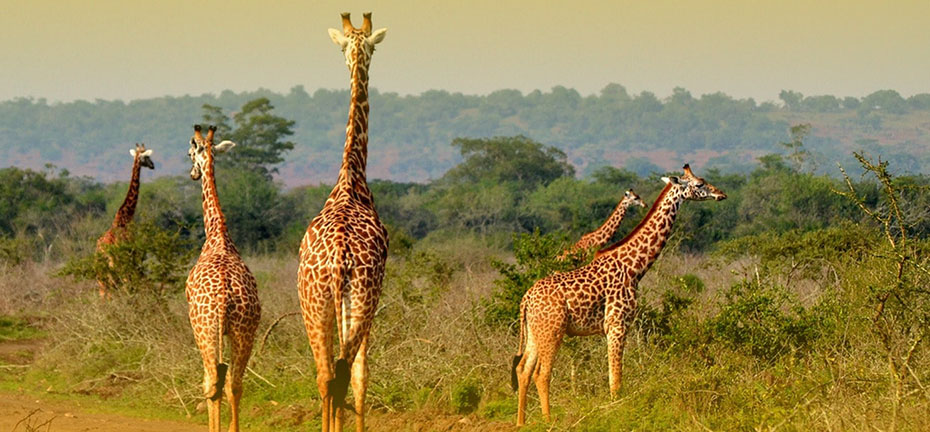
Akagera National Park, Rwanda's premier savannah reserve, is a restored Big Five destination located just 100 km (a 2-hour drive) east of Kigali. You can explore its 1,122 sq km of lakes, papyrus swamps, and rolling grasslands on guided 4x4 game drives, thrilling night drives, and scenic Lake Ihema boat safaris
3-days-rwanda-safari-to-akagera-national-park-combined-with-lake-ihema-boat-cruise
3-day-africa-big-five-safari-in-akagera-national-park-with-kigali-city-tour
3-days-safari-in-rwanda-akagera-national-park-game-drive-and-lake-ihema-boat-trip
4-days-akagera-safari-and-chimpanzee-tracking-rwanda-safari
4-days-volcanoes-national-park-and-akagera-rwanda-wildlife-safari
9-days-rwanda-gorilla-trekking-and-adventure-activities-and-relaxation
6-days-rwanda-safari-to-akagera-and-nyungwe-chimpanzee-tracking
4-days-akagera-safari-and-chimpanzee-tracking-rwanda-safari
4-days-volcanoes-national-park-and-akagera-rwanda-wildlife-safari
5-day-akagera-bwindi-gorilla-trekking-lake-bunyonyi-and-batwa-experience
A typical Akagera safari itinerary includes several distinct adventures
Daytime Game Drives
Daytime game drives in Akagera National Park are one of the best ways to experience Rwanda’s classic savannah wildlife. Because the park is dominated by grasslands and open habitats, animals are often easier to spot than in denser vegetation. As you drive slowly along established tracks, you’ll have the chance to see a mix of iconic species such as lions, elephants, buffalo, and giraffes, along with zebras and other grazing animals that attract predators. Akagera is also known for rarer sightings, including black rhino (where reintroduced populations exist) and excellent opportunities to observe black-and-white wildlife interactions around watering points. Guides use their knowledge of animal movement to take you to areas where chances are best—especially early morning and late afternoon when animals are most active. Day drives also help you understand Akagera’s ecosystem: how herbivores move across the plains and how predators patrol the boundaries between grassland cover and open ground. It’s a relaxed, rewarding safari format, ideal for both first-timers and seasoned wildlife travelers.
Boat Safaris
A boat safari on Lake Ihema is a different kind of Akagera experience—quiet, scenic, and packed with wildlife moments. From the water, you can get closer to animals that spend most of their time along the lake’s shoreline and reed beds. The most memorable encounters often involve massive pods of hippos, which surface, socialize, and create a constant sense of motion across the water. Nile crocodiles are also common, sometimes appearing near the banks as you pass slowly by, creating dramatic “look-but-don’t-disturb” viewing opportunities. In addition to the mammals and reptiles, Lake Ihema is a major birding hotspot. With hundreds of recorded bird species, boat safaris are especially valuable for birdwatchers hoping to spot the elusive Shoebill stork and other water-dependent birds. The experience feels immersive because you’re not just driving—you’re gliding through the habitat itself. A good boat trip is guided, allowing you to learn about bird calls, feeding behavior, and how seasonal water levels influence where animals gather.
Night Safaris
Akagera’s night safaris reveal a side of the park that most daytime visitors never experience. With a guided after-dark drive (or sometimes other night formats depending on operator arrangements), you’ll track nocturnal behavior and the predators that become active once the sun sets. Night drives can be thrilling because you often notice movement before you see animals—eye-shine in the dark, faint calls, or silhouettes crossing the road. Common nocturnal sightings can include predators such as hyenas and leopards, as well as smaller mammals like servals that hunt in low grass and thickets. Night safaris also help you understand predator strategies: how they conserve energy by staying still during certain periods, then become more active when prey is moving. Guides follow safety protocols and keep distances appropriate for wildlife and for the vehicle’s spotlighting. The result is an immersive safari atmosphere—cooler air, dramatic darkness, and the excitement of witnessing real-time hunting activity and vocal communication after sundown.
Best Time to Visit
The best time to visit Akagera is largely determined by rainfall and how it affects visibility, ground conditions, and animal behavior. The dry seasons—typically from June to September and January to February—are widely considered optimal for wildlife viewing. During these months, the grass is shorter, which makes it easier for guides to locate animals and for you to spot them from a vehicle or while on the lake. Wildlife also tends to concentrate around water sources, increasing the likelihood of seeing predators and herbivores together. Dry-season temperatures are often more comfortable for long days in open vehicles. In contrast, the heavy rains that fall roughly from March to May and again around Nov to Dec can make roads slower, some areas harder to access, and wildlife may spread out more as food becomes more widely available. Even though rain doesn’t stop Akagera from being exciting, it can reduce the predictability of sightings and the smoothness of drives. If your priority is maximum game visibility, plan around the drier months, and you’ll likely enjoy a more consistent safari experience.
Getting Around
Getting around Akagera is relatively straightforward, especially if you travel with a reputable local operator or plan transfers in advance. Most safari itineraries are built around game drives and park access routes from Kigali, the main gateway city. Many visitors choose to hire private 4x4 transfers because the roads and park tracks can become challenging during rainy periods. A private transfer also provides flexibility—your guide can adjust timings based on wildlife sightings and weather conditions, and you can avoid the uncertainty of shared transport schedules. Alternatively, local tour operators can arrange full-day or multi-day packages that include transport, accommodation, guiding, and sometimes meals. This is often convenient because it removes the logistics from your planning and ensures that activities run in a logical sequence (for example, positioning you for morning drives and late-day predator viewing). If you’re on a budget, you may find shared options, but the most comfortable experience usually comes from organized transport in a properly maintained vehicle. Either way, confirm the vehicle’s condition, pickup timing, and route plan ahead of departure.
Park Entry & Conservation
Akagera’s management approach is a key part of what makes the safari experience meaningful. The park is managed jointly by the Rwanda Development Board and African Parks, and the reserve relies heavily on ecotourism revenue to support rewilding, conservation, and long-term habitat protection. This partnership helps ensure that wildlife populations and biodiversity recovery efforts are funded through responsible visitor activity rather than short-term exploitation. For travelers, it’s important to understand that entry fees and park-related charges directly contribute to protecting species, monitoring animal movements, maintaining infrastructure, and supporting anti-poaching and ranger operations. Akagera is also associated with reintroduction programs, meaning some species’ presence depends on ongoing conservation management and habitat readiness. When you visit, you’re essentially participating in a conservation model that values wildlife survival and ecological restoration. To maximize impact, choose reputable operators and follow ranger and guide instructions on vehicle conduct and distancing from animals. Conservation is not just a “background detail”—it shapes the quality, safety, and sustainability of your safari experience.
What is the current boat safari schedule for Lake Ihema, and which operator provides the best birdwatching (e.g., Shoebill Stork) experience?
The scheduled boat safaris on Lake Ihema operate four times a day, providing predictable slots for visitors. The morning departures are scheduled from 7:30 AM to 8:30 AM and 9:00 AM to 10:00 AM. The afternoon sessions take place from 3:00 PM to 4:00 PM, followed by the highly popular sunset cruise from 4:30 PM to 6:00 PM. For those seeking a tailored experience, private, non-scheduled boat trips can be arranged during the midday block between 10:30 AM and 1:30 PM. Each scheduled tour accommodates a maximum of 11 to 29 participants depending on boat size, making advance booking essential.
All official boat safaris on Lake Ihema are managed exclusively by the Akagera Management Company (AMC), a joint partnership between the Rwanda Development Board and African Parks. Therefore, AMC is the sole provider for this experience. For serious birdwatchers aiming to spot elusive waders, water birds, or the highly rare Shoebill Stork, the early morning 7:30 AM slot is widely considered the absolute best option. During these cooler morning hours, bird life is highly active along the papyrus fringes. The park’s expert maritime guides are adept at identifying endemic species, including the African darter, giant kingfisher, and various herons.
Which time of year (the dry seasons from June to September or December to February) offers the best wildlife viewing and photography conditions?
Both dry seasons offer exceptional opportunities, but the long dry season from June to September is generally considered the premier window for wildlife viewing and photography in Akagera National Park. During these months, the park's dense vegetation thins out significantly, and smaller seasonal watering holes dry up completely. This forces a wide variety of wildlife—including elephants, buffaloes, giraffes, and apex predators like lions and leopards—to congregate predictably around the remaining permanent water sources along the eastern lake system, offering magnificent, unobstructed viewing.
For photographers, the June to September window provides clear, bright days with excellent natural lighting, though the air can occasionally become hazy with dust. The shorter dry season from December to February is also highly rewarding and offers a distinct advantage for bird photography, as it coincides with the arrival of migratory bird species from Europe and northern Africa. During this winter block, the landscape retains a vibrant hint of green from the previous rains, offering a colorful, dramatic backdrop for wildlife portraits. While roads are firm and easy to navigate in both seasons, the June-September window remains unmatched for sheer volume and density of big game sightings.
How much do the daily park entry and vehicle fees cost for international visitors?
For international adult visitors, the standard park entrance fee is $100 USD per person for a single day or night. Akagera National Park utilizes a fee structure that provides meaningful discounts for longer stays to encourage conservation tourism. If you choose to stay inside the park, the entry fee for two nights is $150 USD, and a three-night stay costs $200 USD. For international children aged 6 to 12 years, the entrance fee is reduced to $50 USD for one day, $75 USD for two nights, and $100 USD for three nights. Children aged 5 and under enter completely free.
Vehicle fees are charged separately based on the registration of the vehicle and its size. For a standard foreign-registered car or safari minibus, the entry fee is $20 USD per day. Larger foreign-registered commercial vehicles, such as omnibuses, buses, or heavy overland safari trucks, are subject to a higher fee of $100 USD per day. It is important to note that the entry ticket includes self-drive game viewing privileges. All payments at the park gates are completely cashless, meaning international visitors must pay using major credit cards (Visa or Mastercard), debit cards, or local mobile money platforms.
What are the best lodging options inside or immediately outside the park (ranging from budget camping to luxury tented camps)?
Akagera National Park offers accommodation configurations tailored to every budget. For high-end luxury, Magashi Camp by Wilderness Safaris, located in the private northern sector, delivers an ultra-premium experience with luxury tented pavilions overlooking Lake Rwanyakazinga. Another excellent upper-tier option is Ruzizi Tented Lodge, a luxury eco-camp nestled among the riverine palms of Lake Ihema. For mid-range travelers, Akagera Game Lodge provides comfortable hotel-style rooms, a swimming pool, and panoramic views of the southern savannahs. Just outside the southern gate, Mantis Akagera Rhino Lodge offers rustic, mid-range cottages with beautiful views.
Budget travelers can take advantage of the park's scenic, well-maintained campsites. The southern campsites, including Shakani (located on the lake shores) and Muyumbu (perched on a ridge), cost $25 USD per person per night and offer basic amenities like pit latrines and firewood. For a slightly elevated camping experience, the Mihindi Campsite in the central region costs $50 USD per person per night and includes a freshly prepared breakfast. If you do not possess your own camping gear, the park headquarters offers heavy-duty, 6-man canvas tents for hire at a rate of $30 USD per night, making budget travel accessible.
What is the specific driving time and route distance from Kigali International Airport to the Southern Mutumba Gate?
The southern entry point of Akagera National Park, commonly accessed near the park headquarters, is located roughly 110 to 130 kilometers east of Kigali International Airport, depending on the exact road deviations. Under normal traffic and weather conditions, the total driving time from the airport to the southern entrance gate averages between 2.5 to 3.5 hours. The national speed limit across Rwanda is strictly enforced at 60 kilometers per hour (and lower in designated urban trading centers), which contributes to the steady but slower travel time despite the relatively short distance.
The standard route guides you out of Kigali via the well-paved RN3 highway, traveling east through the rolling hills of the Rwamagana district. Upon reaching the town of Kayonza, you will turn right onto the main road heading toward Kabarondo. Shortly after passing through Kabarondo, a clearly marked left turn onto a well-graded dirt road leads you directly toward the park. This final dirt track snakes through local agricultural communities for roughly 25 kilometers before terminating at the southern entrance gate. A 4x4 safari vehicle is highly recommended for navigating the final dirt road section, especially if traveling during transitional weather blocks.
What are the rules and locations for spot fishing at Lake Shakani?
Sport fishing in Akagera National Park is strictly designated to the shores of Lake Shakani, located in the southern sector of the park. This specific lake is chosen because its gently sloping banks allow anglers to fish safely while maintaining a clear view of any approaching wildlife, such as hippos or crocodiles. The premier rule for sport fishing at Lake Shakani is that it operates predominantly on a catch-and-release basis to preserve the local aquatic ecosystem. Anglers are permitted to target native fish species, which primarily include tilapia, catfish, barbell, and the occasional lungfish.
To participate, international visitors must purchase a specific sport fishing permit from the park headquarters, which costs $25 USD per adult per day and $15 USD for children aged 6 to 12. This permit fee is separate from standard park entry charges. Anglers are strictly required to bring their own fishing equipment, including rods, reels, lines, and appropriate tackle, as the park does not provide rental gear. While fishing, participants are expected to follow general park safety guidelines, remain vigilant of wildlife, avoid littering, and stay within the designated shoreline fishing boundaries marked out by the rangers.
How can I participate in the "Walk the Line" community tour or the "Behind-the-Scenes" park management experience?
To participate in these immersive activities, you must book them directly through the Akagera National Park headquarters or coordinate via a registered Rwandan tour operator. Both experiences start from the southern section near the park headquarters and require minimum group sizes to run. The "Behind-the-Scenes" tour requires a minimum of 4 participants and costs $25 USD per adult ($15 for children). This 1.5-hour experience offers an inside look at conservation operations, giving you the opportunity to meet park administrators, tour the headquarters, and view a live demonstration by the specialized anti-poaching canine unit.
The "Walk the Line" tour complements this by taking you onto the physical infrastructure protecting the park. This activity requires a minimum of 3 participants and costs $30 USD per adult ($20 for children). Accompanied by an armed park ranger, you will embark on a moderate, 7-kilometer guided foot safari along the park’s western boundary fence. The hike takes approximately two hours across uneven terrain, where the ranger explains the engineering of the solar-powered perimeter fence and its role in resolving human-wildlife conflict. Because the park operates a fully cashless system, all tour fees must be paid via card or mobile money.
Are there any updated health and safety guidelines (e.g., malaria preventatives or yellow fever requirements) I should follow?
When planning a safari to Akagera National Park, managing your health requires adherence to specific international and regional travel guidelines. Because Akagera sits at a lower, warmer altitude characterized by extensive wetlands and savannah lakes, it is classified as a year-round malaria zone. While it is not considered an ultra-high-risk area, taking a prescription malaria prophylaxis—such as Malarone, Doxycycline, or Lariam—is strongly advised. To further reduce your risk, you should apply DEET-based insect repellent regularly and wear long-sleeved shirts, long trousers, and closed shoes from dusk until dawn when mosquitoes are most active.
Regarding vaccinations, a valid Yellow Fever vaccination certificate is a mandatory entry requirement for Rwanda if you are arriving from, or have transited for more than 12 hours through, a country with a known risk of yellow fever transmission (such as neighboring Uganda, Kenya, or Tanzania). The vaccine must be administered at least 10 days prior to arrival for the official yellow card certificate to be legally valid at border control. Additionally, global health authorities recommend ensuring routine vaccines are up to date, alongside preventative boosters for Hepatitis A, Typhoid, and Tetanus for rural travel.
Booking Rwanda safari to Akagera park with us Roads of Adventure safaris
Booking an Akagera National Park safari with Roads of Adventure Safaris involves 2-to-3-day packages starting in Kigali. You can choose a 2.5 to 3-hour 4x4 road transfer or a 30-minute private helicopter charter direct to the park. Standard itineraries include savannah game drives and Lake Ihema boat cruises
