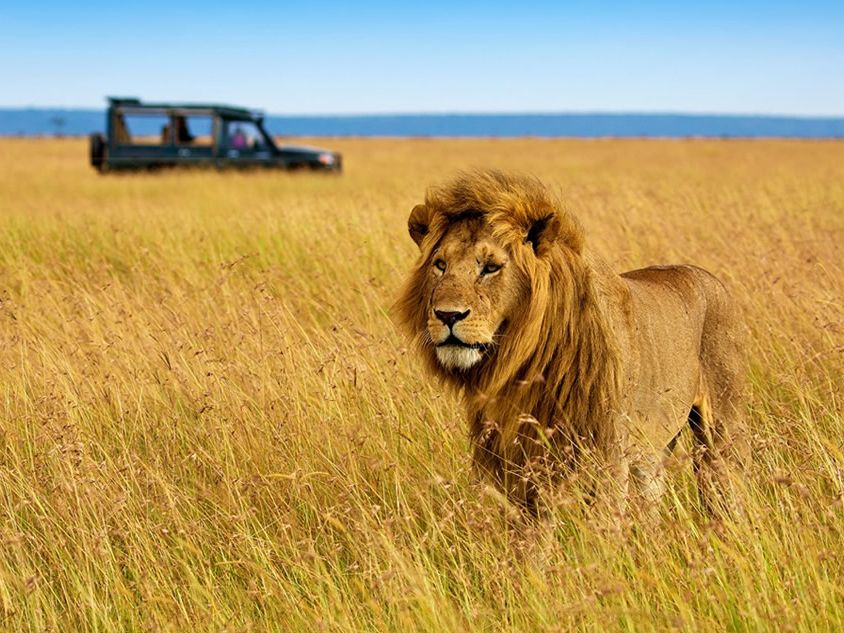
A Tanzania Big Five safari offers an unparalleled wildlife adventure, bringing you face-to-face with Africa’s most iconic species: the lion, leopard, rhinoceros, elephant, and buffalo. Renowned for spectacular biodiversity, Tanzania’s Northern Circuit—specifically the Serengeti National Park and Ngorongoro Crater—provides premier viewing opportunities for these magnificent creatures. Visitors can witness massive elephant herds, elusive leopards, and the endangered black rhino in their natural habitats. Whether exploring the vast plains or the crater floor, these safaris guarantee thrilling encounters and breathtaking landscapes. Combining expert guides with diverse, protected ecosystems, a Tanzanian safari delivers an unforgettable, high-stakes wildlife experience, perfect for nature enthusiasts seeking to check the Big Five off their bucket list.
3-days-best-of-central-serengeti-safari-begive-spotting-and-game-watching
4-days-serengeti-safari-tour-and-ngorongoro-tanzania-safari-holiday
5-days-tanzania-safari-to-tarangire-serengeti-ngorongoro-and-lake-manyara
7-days-epic-africa-big-five-safari-in-tanzania-top-best-parks
8-days-budget-tanzania-safari-tour-holiday-vacation
9-days-budget-tanzania-safari-vacation-holiday
11-day-tanzania-safari-to-tarangire-lake-naron-serengeti-ngorongoro-and-lake-eyasi
10-days-perfect-tanzania-safari-itinerary
15-days-uganda-rwanda-tanzania-safari-and-zanzibar-beach-holidays
1. What Animals are Included in a Tanzania Big Five Safari?
A Tanzania Big Five safari focuses on spotting five iconic species: the lion, leopard, elephant, buffalo, and the rare rhinoceros. Each of these animals plays a significant role in their ecosystem, contributing to the region's biodiversity. The lion, often referred to as the king of the jungle, is a social predator that lives in prides and is primarily found in open savannas. The leopard, known for its elusive nature, thrives in both forests and grasslands, and its distinctive spotted coat offers effective camouflage when hunting. The elephant, the largest terrestrial mammal, is known for its intelligence and complex social structures. Elephants are often seen roaming in family groups, making their behavior fascinating to observe. The buffalo, characterized by their large, curved horns and thick bodies, often travel in herds, providing excellent opportunities for group interactions and social behavior observation. Lastly, the rhinoceros, particularly the black rhino, is critically endangered, making sightings especially precious. A Big Five safari not only offers thrilling wildlife encounters but also contributes to conservation awareness, as many lodges and tours emphasize sustainable practices that help protect these magnificent creatures.
2. Why is it Called a "Big Five" Safari?
The term “Big Five” originates from 19th-century hunters who labeled these animals as the most challenging and dangerous to hunt on foot. Completing a hunt of all five was considered a significant accomplishment, often celebrated as a rite of passage among hunters. Today, however, the phrase has shifted from a hunting context to symbolize the most sought-after wildlife viewing experiences in Africa. A Big Five safari embodies the thrill of witnessing these majestic animals in their natural habitats, providing an opportunity for photography, education, and appreciation of wildlife in conservation contexts. The term not only excites travelers but elevates the cultural and ecological importance of these animals, encouraging responsible tourism that prioritizes their preservation. As a result, the Big Five has become synonymous with adventure and exploration in Africa, drawing visitors from around the globe eager to experience the ultimate safari adventure.
3. Can I See All Big Five in a Single Tanzania safari Trip?
Yes, it is entirely feasible to see all five of the Big Five animals during a single Tanzania safari trip, particularly in the Northern Circuit, which includes renowned locations such as Serengeti National Park and Ngorongoro Crater. The diversity of habitats in this region—ranging from open grasslands in the Serengeti to the lush highlands of Ngorongoro—creates ideal conditions for spotting a variety of wildlife. The Serengeti is well-known for its high concentrations of lions, particularly around the Seronera Valley, where prides can easily be observed. Leopards can often be spotted resting on tree branches or hidden in the grass, while elephants and buffalo are commonly seen coexisting in large herds. The Ngorongoro Crater, with its dense wildlife population, offers an excellent prospect of spotting the elusive rhino in the short span of a day. Therefore, with the right planning and a knowledgeable guide, a family safari can provide rich and diverse wildlife sightings that include all five iconic species, ensuring a memorable experience filled with adventure and excitement.
4. What is the Best Time of Year for a Tanzania Big Five Safari?
The best time for a Tanzania Big Five safari typically falls during the long dry season, from June to October. This period is characterized by minimal rainfall, which leads animals to congregate around limited water sources, making them easier to spot. During these months, vegetation is less dense, offering unobstructed views of wildlife as they traverse the landscape. The dry season also coincides with the Great Migration, where millions of wildebeest and zebras can be observed moving across the Serengeti, attracting various predators and enhancing the overall safari experience. The weather during this time is generally pleasant, with warm temperatures and cool evenings, perfect for game drives. Additionally, wildlife activity tends to peak during these months as animals are more actively searching for food and water. For families and photographers, this season provides excellent lighting conditions for capturing stunning images. By planning your safari during the dry season, you increase the likelihood of fulfilling wildlife encounters, ensuring an unforgettable experience for all.
5. Which National Park is Best for a Tanzania Big Five Safari?
Ngorongoro Crater is widely regarded as the best park for experiencing the Big Five in Tanzania. This UNESCO World Heritage site is a true natural wonder, formed from a collapsed volcano that created a vast, fertile caldera, attracting an abundant wildlife population. The crater offers the highest density of wildlife in Africa, including a notable population of black rhinoceroses, which are notoriously difficult to spot elsewhere. Within the crater’s rich ecosystem, families can encounter lions, elephants, cheetahs, and many ungulates, all thriving in close proximity. The compact nature of the crater allows for excellent wildlife viewing opportunities within a single day, making it ideal for families or individuals with limited time. The combination of unique landscapes—ranging from lush grasslands to swampy areas—creates diverse habitats that further enhance wildlife encounters. Travelers often rave about the thrill of spotting all Big Five species in one visit to Ngorongoro Crater, making it a must-visit destination for anyone wishing to experience the best that Tanzania has to offer.
6. Are Big Five Sightings Guaranteed?
While a Tanzania Big Five safari provides great opportunities for wildlife viewing, sightings of all five species aren't guaranteed. Many travelers may expect to see lions, elephants, and buffalo quite reliably due to their populations and habitats; however, spotting a leopard or a black rhinoceros can require a bit more luck. Leopards are elusive and tend to be solitary, often resting in shady trees or dense foliage, making them harder to find. Similarly, the critically endangered black rhino is rare and tends to avoid open areas, meaning fortunate sightings are often limited to specific locations like the Ngorongoro Crater. Safari experiences are often described as a "hunting" expedition for photographers and wildlife enthusiasts alike, requiring patience and keen eyes. Therefore, while guides do their utmost to locate these animals, the unpredictability of nature adds excitement and intrigue to the safari experience, making each journey unique while emphasizing the importance of wildlife conservation.
7. What Makes the Serengeti Ideal for a Tanzania Big Five Safari?
The Serengeti is a quintessential choice for those seeking to experience a comprehensive Big Five safari due to its vast, diverse landscapes and rich wildlife populations. The expansive plains host high numbers of lions and leopards, particularly around the Seronera Valley, making them more easily locatable for visitors. The Serengeti is not only known for its incredible density of predators but also for its role as the main stage for the Great Migration, where millions of wildebeest and zebras traverse the savanna, drawing in predators and enriching the overall safari experience. The varied habitats within the Serengeti—including grasslands, woodlands, and riverine areas—provide optimal conditions for both scouting for the Big Five and observing various other species. Equipped with knowledgeable guides, visitors can maximize their chances of sightings while learning about the intricate ecosystems and behaviors of the animals. The Serengeti is well-equipped with a range of lodges and camps, catering to all types of travelers, making it an idyllic base for an unforgettable Tanzania safari journey.
8. Where Can I See Rhinos on a Tanzania Big Five Safari?
If you're eager to see rhinos during a Tanzania Big Five safari, the best locations are the Ngorongoro Crater and the Moru Kopjes area in the Serengeti. Ngorongoro Crater particularly shines as a prime spot due to its conservation efforts, which have resulted in a stable population of the endangered black rhinoceros. This unique ecosystem within the crater provides protection and a favorable habitat for these elusive creatures, giving guests a high probability of spotting them along with other wildlife. On the other hand, the Moru Kopjes region in the Serengeti also offers opportunities to see rhinos, but sightings here are less frequent compared to those in Ngorongoro. The rocky outcrops provide a contrast to the plains, allowing for excellent vantage points for both wildlife viewing and photography. By visiting these designated areas, wildlife enthusiasts will have a much higher chance of encountering these majestic but endangered animals, making their safari experience even more rewarding.
9. Which Park is Best for Elephants on a Tanzania Big Five Safari?
Tarangire National Park is heralded as the premier destination for elephant sightings during a Tanzania Big Five safari. This park is famous for its massive elephant herds, often seen wandering along the Tarangire River, especially during the dry season. The park’s diverse landscapes, which include savanna, acacia woodlands, and swamps, support stable elephant populations, allowing families to observe these gentle giants in their natural habitat. Tarangire is less crowded compared to other parks, offering a more intimate safari experience. The sight of herds of elephants, with young ones playfully interacting and bathing in mud, provides splendid opportunities for photography and connection with nature. Additionally, the park is home to an array of wildlife, including buffalo and predators, augmenting the overall safari experience. Combining a visit to Tarangire with the Ngorongoro Crater or Serengeti ensures an unforgettable family adventure filled with impressive wildlife encounters, particularly the majestic elephants that define this iconic African landscape.
10. Where Are Tree-Climbing Lions Found During a Tanzania Big Five Safari?
One of the unique highlights of a Tanzania Big Five safari is the famed tree-climbing lions found in Lake Manyara National Park. These extraordinary lions have adapted to their environment by frequently climbing acacia trees, which offers them a reprieve from the heat and provides excellent vantage points for hunting. Observing these majestic animals lounging in the trees while they survey their surroundings is a captivating experience, setting Lake Manyara apart from other safari destinations. The park’s lush forests and varied ecosystems allow for sighting a diverse array of wildlife beyond just the Big Five. Families can enjoy game drives that highlight this unique behavior, combined with opportunities to observe elephants, hippos, and numerous bird species in the park's flourishing ecosystem. The combination of the striking scenery, lush vegetation, and engaging wildlife experiences makes Lake Manyara a fantastic addition to any Tanzania safari itinerary, especially for those eager to witness the extraordinary phenomenon of tree-climbing lions.
11. Can I Do a Tanzania Big Five Safari in the South?
Yes, you can embark on a Tanzania Big Five safari in the south, specifically in Nyerere National Park (formerly known as Selous). This park offers a wild and remote safari experience, providing an alternative to the more popular northern circuit destinations. Nyerere National Park is characterized by its diverse landscapes, including vast savannahs, rivers, and miombo woodlands, which are home to a variety of wildlife, including elephants, lions, and wild dogs. However, it's important to note that rhino sightings in the park are very rare, making it challenging to complete the Big Five checklist fully. The charm of Nyerere lies in its off-the-beaten-path adventure and the opportunity to experience fewer crowds, enabling visitors to connect more intimately with nature. Walking safaris, boat safaris, and driving tours are available, offering different perspectives of the ecosystem. Although it provides a unique environment, travelers should ensure they choose reputable operators who emphasize safety, given the lesser-known nature of the park and its wildlife. A safari in the south can truly complement a broader Tanzania experience, combining both the thrill of wildlife watching and the tranquility of lesser-explored landscapes.
12. How Many Days Do I Need for a Tanzania Big Five Safari?
For a fulfilling Tanzania Big Five safari, a 5 to 7-day itinerary is highly recommended. This duration allows for adequate exploration of key wildlife-rich locations such as the Serengeti National Park and Ngorongoro Crater. Spending several days in the Serengeti enables visitors to immerse themselves in the dynamic landscapes and wildlife, especially if timed with the Great Migration, where large herds of wildebeest move through the plains. Some days can be dedicated specifically to seeking out the elusive Big Five. The Ngorongoro Crater offers a unique experience with its high concentration of wildlife available within a day trip. A well-planned itinerary can balance both game drives and moments for relaxation, allowing families and travelers to absorb the stunning surroundings without feeling rushed. Including travel days into your overall plan is crucial for smooth transitions between locations, and opting for early morning and late afternoon game drives maximizes wildlife sightings. Ultimately, a thoughtful approach to how days are allocated will enhance your overall safari experience, ensuring unforgettable encounters with Africa’s majestic wildlife.
13. Is a Private or Group Tour Better for a Tanzania Big Five Safari?
Choosing between a private or group tour for a Tanzania Big Five safari largely depends on personal preferences and travel goals. Private tours offer increased flexibility, allowing families or individual travelers to customize their itinerary based on specific interests and wildlife wishes. With a private guide, you can spend more time at particular sightings—especially important for spotting the rarer animals like leopards and rhinos—without the constraints of scheduled group activities. This personalization can enhance the experience, providing more in-depth conversations and tailored wildlife education during drives. Additionally, private tours can adapt to your family’s pace, accommodating young children or older travelers.
On the other hand, group tours tend to be more cost-effective, making them an appealing option for budget-conscious travelers. They provide a social component, enabling interaction with other safari-goers, which can enrich the experience. However, they may not offer the same level of flexibility and may require adherence to a more rigid schedule. Ultimately, those prioritizing a tailored, immersive experience may prefer a private tour, while those seeking to meet new people and share costs might opt for a group tour. Careful consideration of individual circumstances and preferences will help determine which option aligns best with your safari goals.
14. What is the Average Cost of a Tanzania Big Five Safari?
The average cost of a Tanzania Big Five safari can vary significantly based on several factors, including the type of accommodation, time of year, and inclusions such as meals, park fees, and guiding services. Prices for mid-range safaris generally start around $200 to $400 per person per day. This pricing typically encompasses comfortable lodges, meals, and safari activities. However, luxury safaris, which include high-end lodges, gourmet meals, and exclusive experiences, can increase costs substantially, often reaching $1,000 or more per person per day, particularly during peak travel seasons.
Traveling during the shoulder or low seasons can offer considerable savings, though it may affect wildlife viewing opportunities. Always consider additional expenses such as domestic flights between parks, tipping, and personal items when estimating the total cost. It’s also wise to research and choose reputable safari operators known for transparent pricing and exceptional service. By comparing options and understanding what is included in the package, travelers can find a safari that suits their budget and desires while ensuring a memorable experience in Tanzania's remarkable wildlife reserves.
15. Are Tanzania Big Five Safaris Safe?
Yes, Tanzania Big Five safaris are considered very safe when organized through reputable tour operators with experienced guides. The majority of safaris are conducted within established national parks and conservation areas, where guidelines and regulations are in place to protect tourists and wildlife alike. Reputable safari operators prioritize safety by providing knowledgeable guides who are adept at navigating wildlife interactions and possess a deep understanding of animal behavior.
All safety measures, such as vehicle maintenance and emergency protocols, are typically adhered to, enhancing the safety of all participants. Additionally, safaris are structured to minimize risks, ensuring that travelers remain within their vehicles during game drives and follow established guidelines when exploring on foot. While medical facilities are generally available in major towns and near popular park areas, it’s wise for travelers to have health precautions in mind, such as vaccinations and malaria prophylaxis, particularly in rural and remote areas. By traveling with experienced, established operators, families and individuals can feel confident embarking on a thrilling yet safe safari adventure, immersing themselves in the beauty of Tanzania's wildlife-rich landscapes.
16. Do I Need to Be Fit for a Tanzania Big Five Safari?
Generally, you do not need to be particularly fit to enjoy a Tanzania Big Five safari, as most viewing is comfortably conducted from sturdy 4x4 vehicles. Game drives are designed with accessibility in mind, and many travelers of various fitness levels can easily participate in the experience. The emphasis is often on capturing wildlife encounters while minimizing physical exertion, making safaris suitable for families with children or older adults.
However, those seeking a more active experience may wish to explore options such as walking safaris, which are available in some parks, emphasizing a closer connection to the landscape and highlighting smaller details of the ecosystem. These require a bit more physical capability, as participants will walk in the bush with trained guides. Regardless of fitness level, it's crucial for travelers to communicate their preferences with tour operators so they can tailor the itinerary to meet everyone’s comfort and enjoyment. Doing so ensures that each participant can fully savor their adventure while enjoying the incredible wildlife and unique landscapes that Tanzania has to offer.
17. What Time of Day is Best for a Tanzania Big Five Safari Game Drive?
The best times for a Tanzania Big Five safari game drive are early mornings (approximately 6:00 AM – 10:00 AM) and late afternoons (around 4:00 PM – 7:00 PM). During these hours, wildlife is typically most active, providing greater opportunities for sightings. Early morning game drives often yield exciting encounters as predators such as lions and leopards are out and about post-night hunting. As the day progresses and temperatures rise, many animals retreat to shade, making sightings more challenging without specialized guiding.
Late afternoons become equally rewarding as the heat subsides and animals resume their activities, often returning to water sources to drink. These cooler periods not only heighten wildlife activity but also offer the best lighting conditions for photography, with softer, warmer light illuminating the savanna. Planning safari drives during these optimal times allows visitors to maximize their experiences, ensuring exciting landscapes filled with vivid wildlife interactions and stunning visuals.
18. How Rare are Leopards on a Tanzania Big Five Safari?
Leopards are considered one of the rarer animals to spot during a Tanzania Big Five safari, primarily due to their nocturnal and solitary nature. Unlike lions, which can often be observed in prides, leopards prefer to hunt alone and are proficient at remaining hidden in dense foliage and trees. Their exceptional camouflage allows them to blend seamlessly into their surroundings, making them challenging to locate during the day. However, guides experienced in leopard behavior will typically focus on areas with suitable habitat—like riverbanks and wooded regions—where leopards often rest or hunt.
Although spotting leopards may require some patience and luck, dedicated guides and trackers can significantly enhance your chances of experiencing these elusive creatures. Furthermore, game drives at dawn or dusk can also improve opportunities, as leopards may be more active during these times. Despite the initial challenge, the thrill of catching a glimpse of a leopard in its natural habitat becomes a memorable highlight of the safari experience, rewarding the effort spent tracking these magnificent, stealthy beings in the wild.
19. What is the Most Dangerous Animal on a Tanzania Big Five Safari?
Among the Big Five, the African buffalo is frequently cited as the most dangerous animal in Tanzania. Despite their seemingly docile behavior while grazing, buffalo can be incredibly unpredictable, especially when threatened or cornered. Known for their massive size and considerable strength, they can charge without warning, posing significant risks to humans and vehicles alike. Buffalo often travel in large herds, which can intensify their aggressive instincts when protecting their young or wounded members.
While lions and elephants may also be dangerous, buffalo are notorious for their aggressive nature, and they have a reputation as one of Africa’s most formidable animals. Thus, experienced guides prioritize maintaining a safe distance when observing buffalo during game drives, ensuring the safety of both tourists and wildlife. Understanding these dynamics enhances the richness of the safari experience, as you appreciate the beauty and complexity of Africa's ecosystems—alongside the importance of respecting wildlife from a safe vantage point.
20. Can I Do a Hot Air Balloon Safari?
Yes, a hot air balloon safari over the Serengeti is a popular and exhilarating way to experience the stunning landscapes and observe wildlife from a unique perspective. Typically undertaken at dawn, these balloon rides provide breathtaking views of the vast savanna as well as the opportunity to witness wildlife awakening. Gliding silently above the ground gives travelers a chance to see herds of animals gathering near water sources, offering a new angle to appreciate their natural behaviors.
Upon landing, most hot air balloon safaris include a celebratory champagne breakfast set up in the bush, allowing participants to relish the beauty of the wilderness while enjoying a meal. This experience is extraordinarily serene and memorable, combining adventure with a touch of luxury. However, securing a spot for a hot air balloon safari typically requires advance booking due to its popularity. Overall, a hot air balloon ride can become one of the highlights of your Tanzania Big Five safari, making for an unforgettable blend of thrill and tranquility.
21. What Should I Pack for a Tanzania Big Five Safari?
Packing smartly for a Tanzania Big Five safari enhances your experience and comfort while exploring the stunning landscapes. Essential items include neutral-colored clothing—such as khaki or beige—to blend in with the environment and minimize disturbance to wildlife. Lightweight layers are advisable, as temperatures can fluctuate significantly from daytime heat to cooler evenings and early mornings.
Don't forget sturdy walking shoes for outside excursions and a wide-brimmed hat for sun protection. Sunscreen is essential to safeguard your skin from the strong African sun, while insect repellent is vital for keeping mosquitoes at bay—particularly in malaria-endemic areas. Moreover, personal binoculars can greatly enhance your wildlife viewing experience, providing closer looks at distant animals. A reliable camera with a telephoto lens is also highly recommended for capturing breathtaking photographs of wildlife encounters.
Lastly, bring any necessary personal items, such as medications and travel documents. Thoughtful packing ensures you’re well-prepared for your safari adventure, allowing you to focus fully on the incredible wildlife and natural beauty that Tanzania has to offer.
22. Do I Need Binoculars for a Tanzania Big Five Safari?
Yes, binoculars are highly recommended for a Tanzania Big Five safari as they significantly enhance wildlife viewing opportunities. With many animals often found at varying distances from the road or within dense vegetation, binoculars provide the necessary magnification to get an up-close look at wildlife without disturbing them. This is especially useful for observing elusive species such as leopards or birds high in trees, which may be difficult to see clearly with the naked eye.
Using binoculars allows families to engage more fully with their surroundings, fostering excitement as they identify animals and birds in the distance. Good-quality binoculars enhance the overall safari experience, enriching both children’s and adults' appreciation for Africa’s diverse ecosystems. Most guiding services will also provide binoculars during drives, so confirming availability with your tour operator can help streamline your packing process. Ultimately, a reliable pair of binoculars is an invaluable tool that elevates your wildlife viewing experience, making it an essential item for any safari enthusiast.
23. What is a "Sundowner" on a Tanzania Big Five Safari?
A "sundowner" is a delightful tradition enjoyed on a Tanzania Big Five safari, where travelers can unwind with refreshments in the scenic outdoors as the sun sets over the African landscape. Typically, after a day of game driving, a sundowner involves enjoying drinks, such as cocktails, wine, or local beverages, alongside savory snacks while soaking in breathtaking views of the sunset.
This ritual often takes place at scenic vantage points—be it a hilltop, an open glade, or a riverbank—creating unforgettable moments connected to the beauty of the environment. It offers the perfect opportunity to reflect on the day's wildlife encounters while embracing the serene atmosphere of the African bush. Many safari lodges and camps incorporate this experience into their itineraries, as it combines relaxation with the unique charm of being immersed in nature. Embracing sundowner traditions serves as a beautiful way to cap off exciting days spent on safari, and it fosters camaraderie among friends and family as they share stories and experiences together in the wild.
24. Are There Mosquitoes?
Yes, Tanzania does have mosquitoes, particularly in regions that are malaria-endemic, making it important for travelers to be prepared. Mosquitoes are most active during the warmer months, and they are particularly prevalent during the wet season when breeding conditions are optimal. As a precaution, travelers are strongly advised to take malaria prophylactic medication, especially if they plan to visit areas where malaria is common.
Using insect repellent containing DEET or picaridin on exposed skin can significantly reduce the likelihood of bites, while wearing long sleeves and long pants in the evenings further minimizes exposure. Many lodges provide mosquito nets for sleeping, enhancing protection during the night. Travelers should regularly check for any localized health advisories and consult with healthcare providers for personal recommendations. These precautions contribute significantly to ensuring a safe and enjoyable safari experience, allowing you to immerse yourself in the remarkable landscapes and wildlife of Tanzania without unnecessary worry.
25. Is It Possible to Combine a Tanzania Big Five Safari with a Beach Vacation?
Yes, it is indeed possible to combine a Tanzania Big Five safari with a relaxing beach vacation, making for a well-rounded and unforgettable travel experience. A popular itinerary includes a 5-day safari focused on the Serengeti and Ngorongoro Crater, followed by a flight to the idyllic beaches of Zanzibar. The blend of thrilling wildlife encounters in some of Africa's most famous parks, combined with the luxurious relaxation found on Zanzibar’s pristine shores, provides an incredible contrast.
Zanzibar is known for its white sandy beaches, warm turquoise waters, and rich cultural history. It offers diverse activities such as snorkeling, diving, and exploring historical sites like Stone Town. The transition from the excitement of game drives to the serenity of the beach makes for an enriching journey, offering travelers a chance to experience Tanzania's natural beauty and cultural heritage.
This combination can also be tailored to suit individual preferences, allowing travelers to choose varying lengths of stay at both the safari and beach destinations. By linking a safari with a beach retreat, visitors cater to diverse interests within their travel party, and it often results in a perfect blend of adventure and relaxation.
5 itinerary ideas for Tanzania big five safaris
Tanzania Big Five safaris (Lion, Leopard, Elephant, Buffalo, Rhino) typically focus on the Northern Circuit, combining the Serengeti, Ngorongoro Crater, and Tarangire for prime, high-density wildlife viewing. Popular 5-day itineraries include focused migration tracking, luxury fly-ins, or budget-friendly combinations, usually starting from Arusha.
Classic Northern Circuit (5 Days)
This classic itinerary covers Tanzania's most famous national parks, ensuring families can witness the Big Five in a short time while enjoying diverse landscapes. Starting in Arusha, families will embark on a captivating journey through Tarangire National Park, known for its large elephant herds, followed by the picturesque Lake Manyara, where tree-climbing lions pose a unique sight. Continuing to the Serengeti offers opportunities for big cat sightings, particularly in the iconic savannah plains. Finally, the Ngorongoro Crater, a UNESCO World Heritage Site, provides an unforgettable experience with its high density of wildlife, including the elusive rhinoceros. This itinerary is perfect for families eager to immerse themselves in Tanzania's stunning scenery and abundant wildlife, ensuring an unforgettable safari adventure.
Day 1: Arusha to Tarangire National Park
After breakfast in Arusha, the safari begins with a drive to Tarangire National Park, renowned for its large population of elephants and iconic baobab trees. The journey takes about two hours, giving families a chance to marvel at the changing landscapes as they descend from the highlands to the Tarangire Valley. Upon arrival, a packed lunch allows families to fuel up for an exciting afternoon of game viewing. During the safari, families can watch herds of elephants, seek out elusive lions, and spot various bird species. As the sun begins to set, families can enjoy sunset views before heading to their lodge for a delicious dinner, where the day's adventures are recounted, deepening family bonds and creating lasting memories.
Day 2: Tarangire to Lake Manyara National Park
Following an early breakfast, families set off for Lake Manyara National Park, a UNESCO Biosphere Reserve famous for its diverse habitats, including forest, savanna, and wetlands. This journey takes about one to two hours, immersing families in stunning landscapes. Upon arrival, families embark on a game drive, where they may encounter tree-climbing lions, giraffes, and an impressive array of bird species, including flamingos. The park's unique ecosystems offer countless opportunities for wildlife viewing and photography. After an exciting morning, families enjoy a picnic lunch amidst nature before continuing their adventure. By the afternoon, they can relax at their lodge, reflecting on the day and savoring the tranquility of the surroundings, fostering a deeper appreciation for Tanzania’s natural beauty.
Day 3: Lake Manyara to Serengeti National Park
After breakfast, families will begin their journey to the world-famous Serengeti National Park, known for its incredible wildlife diversity. The drive takes around four to five hours, providing stunning vistas of the plains and valleys along the way. Once at the Serengeti, families will settle into their accommodation and enjoy a packed lunch before heading out for an afternoon game drive. The thrill of spotting iconic species like lions, cheetahs, and leopards on the vast horizon captivates everyone. As the golden sunset fills the sky, families capture breathtaking photos and enjoy the sounds of the African wilderness before returning to the lodge for dinner. Sharing stories about wildlife sightings fosters family connection, creating cherished memories of the day.
Day 4: Serengeti National Park
Day four of the itinerary is dedicated to exploring the Serengeti, with morning and afternoon game drives allowing families to immerse themselves in this iconic ecosystem fully. Early risers can witness the breathtaking sunrise over the savannah before embarking on an exhilarating morning drive. Seasonally, families can witness the Great Migration, where herds of wildebeest and zebras traverse the plains. Knowledgeable guides will enhance the experience with fascinating insights about the wildlife and ecosystems encountered. After a picnic lunch, families have a chance to relax before continuing their afternoon game drive. As the day concludes, families return to their lodge for another delightful meal, sharing their favorite moments and building an appreciation for the incredible wildlife that surrounds them in the Serengeti.
Day 5: Ngorongoro Crater to Arusha
On the final day, families will set off early for a visit to the Ngorongoro Crater, a UNESCO World Heritage Site that boasts an incredible concentration of wildlife. The journey from the Serengeti to the crater takes approximately two to three hours, providing families with stunning views along the way. Upon arrival at the crater, a thrilling game drive awaits, where families can expect to spot the Big Five - particularly the rare black rhino. The crater floor's diverse ecosystems allow for varied sightings, including buffalo, zebras, and elephants. After enjoying lunch at a picnic site overlooking the crater floor, families begin their drive back to Arusha, reflecting on the incredible adventures and unforgettable memories created during their safari, making it a perfect send-off for their Tanzanian journey.
Serengeti & Ngorongoro Focus (5 Days)
This itinerary concentrates on two of Tanzania’s most iconic wildlife destinations: the Serengeti and the Ngorongoro Crater. Starting from Arusha, families will have a chance to explore these renowned parks in depth, maximizing their wildlife encounters. The Ngorongoro Crater offers a unique ecosystem where families can observe a diverse array of wildlife, including the Big Five, in a relatively compact area. Spending two days in the crater maximizes animal sightings while providing a spectacular backdrop for memorable family experiences. Following this, the journey to the Serengeti focuses on finding leopards and lions in their natural habitat, providing opportunities to engage with wildlife like never before. This itinerary is ideal for families passionate about wildlife and eager to experience Tanzania’s natural wonders in great detail.
Day 1: Arusha to Ngorongoro Crater
After breakfast in Arusha, families will embark on a scenic drive toward the magnificent Ngorongoro Crater. The journey takes approximately three hours, offering breathtaking views of the surrounding landscapes. Upon arrival, families will descend into the crater, with its unique geological features and diverse ecosystems that create an unparalleled wildlife experience. After a packed lunch, families begin their game drive, keeping an eye out for the Big Five against this dramatic backdrop. As they explore, the chance to spot lions, elephants, and buffalo brings excitement and joy. The day concludes with a return to the lodge perched on the crater's rim, where families can enjoy a relaxing dinner while sharing highlights and thrilling wildlife encounters from the day.
Day 2: Ngorongoro Crater
Today focuses exclusively on exploring the Ngorongoro Crater, allowing families to fully immerse themselves in its rich biodiversity. An early morning game drive ensures an exhilarating start to the day, as many animals are more active during the cooler morning hours. Families will have the chance to see numerous species, including the elusive black rhino, as well as prides of lions and large herds of zebras. The unique setting of the caldera allows families to experience varied landscapes, including grasslands and acacia forests. After a rewarding morning, families will enjoy a picnic lunch in the crater, offering more time to appreciate the stunning scenery. By afternoon, families can opt for additional game drives or visit a Maasai village nearby, enriching their cultural understanding before returning to their lodge for a relaxing evening.
Day 3: Ngorongoro Crater to Central Serengeti
Following breakfast, families will depart Ngorongoro and begin their journey to the Central Serengeti, approximately four hours away. Along the way, families can witness the spectacular vistas of the Serengeti plains unfold before them. Once in the Central Serengeti, they will settle into their camp and have lunch. The afternoon game drive begins in search of big cats, including leopards lounging in trees and lions prowling the open plains. Knowledgeable guides share insights into wildlife behaviors, fostering curiosity and excitement among younger travelers. As the sun sets, families return to their camp to enjoy dinner and recount the day’s adventures, building on their understanding and appreciation for Tanzania's captivating wildlife.
Day 4: Central Serengeti
Day four is dedicated to exploring the Central Serengeti more thoroughly. The game drive starts early, ensuring families can witness early morning wildlife activity when animals are most active. This offers excellent opportunities for spotting leopards and other predators that families may not have seen previously. With the extensive experience gained from previous days, families become more adept at identifying animal tracks and signs. After a morning of adventure, families will enjoy a picnic lunch in the heart of the Serengeti, surrounded by nature. The afternoon brings more exploration as they continue their game drive, possibly encountering large herds of wildebeest or intimate family groups of elephants. This enriching day ends back at the camp, where stories and laughter fill the air during dinner.
Day 5: Central Serengeti to Arusha
On their final day, families will depart the Central Serengeti after breakfast and begin their journey back to Arusha, reflecting on the amazing wildlife encounters they’ve experienced. The drive back takes approximately five to six hours, providing families with time to appreciate the scenery as they traverse the rolling landscapes. Families will reminisce about their favorite moments, from thrilling animal sightings to stunning sunsets. Depending on flight schedules, there may be opportunities for a final morning game drive, maximizing the last hours in this incredible landscape. Upon arrival back in Arusha, families can share their reflections before concluding their unforgettable safari adventure, filled with cherished memories of wildlife encounters and natural beauty in Tanzania.
Migration-Focused Safari (5 Days - Seasonal)
This migration-focused itinerary is tailored to families eager to witness the Great Migration of wildebeest and zebras. Depending on the season, the safari begins in either the Ndutu Plains during calving season or the Northern Serengeti during dramatic river crossings. Each destination offers a unique perspective on one of nature's most incredible spectacles. Families will have ample opportunities for wildlife viewing while learning about animal behavior and migratory patterns from knowledgeable guides. Following the ambition of the migration, this safari not only focuses on the Big Five but also provides enriching educational experiences that can ignite a passion for wildlife conservation in younger travelers. Families will finish their trip with a profound appreciation for Tanzania's natural wonders.
Day 1: Arusha to Ndutu Plains
After breakfast in Arusha, families will start their adventure by heading to the Ndutu Plains, a crucial calving area during the Great Migration. The drive takes about four hours, and families will enjoy beautiful landscapes along the way. Upon arrival, they’ll check in to their accommodation and have lunch before heading out for their first game drive. This afternoon, families can observe newborn wildebeest and their mothers, a truly mesmerizing experience. Guides will share insights about the calving season, highlighting the challenges these young animals face. As the sun sets over the plains, families will return to their lodge for dinner, sharing their excitement about spotting wildlife and discussing the amazing experiences that await them in the coming days.
Day 2: Ndutu Plains
Day two is dedicated to exploring the Ndutu Plains, giving families the chance to witness more of the calving season’s thrilling events. Early morning game drives offer excellent opportunities to see predators such as lions and hyenas lurking nearby, waiting to capitalize on the vulnerability of newborns. Families can engage in discussions with their guides to learn more about the ecological dynamics and animal behaviors unique to this time of year. After a morning filled with wildlife sightings, families will enjoy a picnic lunch amidst the stunning plains. The afternoon allows for continued exploration, potentially encountering herds of wildebeest and their interactions with other wildlife. Families will return to their lodging for another evening of relaxation and memory-sharing after a fulfilling day spent in Tanzanian wilderness.
Day 3: Ndutu Plains to Northern Serengeti
After breakfast, families will depart Ndutu and embark on a scenic drive to the Northern Serengeti, a journey that takes roughly three to four hours. This area is best known for dramatic river crossings during the migration, where wildebeest and zebras brave the treacherous waters. Upon arrival, families will check into their camp and enjoy a delicious lunch while soaking in the surrounding views. The afternoon game drive focuses on finding river crossings and other wildlife, enhancing the excitement of spotting herds. Families may witness breathtaking moments as animals navigate the river, creating unforgettable experiences. As the day winds down, families return to their camp for dinner, eager to discuss the thrilling events of the day and enjoy another magical sunset over the Serengeti plains.
Day 4: Northern Serengeti
Day four centers around exploring the Northern Serengeti as families continue to witness the Great Migration first-hand. Early morning game drives capitalize on the cooler temperatures, allowing families to observe active wildlife. Families can engage with guides by asking questions about the migration dynamics and learning about the environmental factors affecting the animals' behaviors. The thrill of seeing wildebeest and zebras crossing the river heightens anticipation, as families become captivated by this natural spectacle. Afternoon explorations allow for sightings of predators stalking their prey or resting near their kills. Returning to camp at sunset provides families with a perfect opportunity to reflect on the awe-inspiring day while enjoying a delicious meal. This unforgettable day encourages everyone to appreciate the delicate balance of life on the Serengeti plains.
Day 5: Northern Serengeti to Arusha
On the final day, families will have an early breakfast before embarking on one last game drive in the Northern Serengeti. This unforgettable morning allows families to soak in the beauty of the landscape one final time while remaining vigilant for any last-minute wildlife surprises. After the game drive, families will return to their camp for a check-out and commence their journey back to Arusha, approximately six hours away. Along the drive, families can reflect on the incredible migration experiences, discussing their favorite moments and what they learned. Upon arrival in Arusha, families will conclude their journey with a heartwarming appreciation for nature and a deeper understanding of the importance of conservation efforts in Tanzania's unique ecosystems.
Luxury Fly-In Safari (5 Days)
This luxury fly-in safari offers families a hassle-free experience while maximizing their game-viewing time. By flying from destination to destination, families can bypass the lengthy drives typical of traditional safaris, leaving more time for wildlife encounters in Tanzania's stunning national parks. Beginning in Arusha, this itinerary includes exquisite private camps in the Serengeti and the spectacular Ngorongoro Crater, ensuring families enjoy comfort paired with world-class service. Experienced guides will enhance the adventure, sharing insights about the wildlife and landscapes that make Tanzania a top safari destination. Families can relax in style and immerse themselves in the abundant wildlife without compromising comfort, making this luxurious journey a memorable exploration of Tanzania’s natural wonders.
Day 1: Arusha to Serengeti
Following a leisurely breakfast in Arusha, families will board a domestic flight to the Serengeti, a journey that takes less than an hour. Upon arrival, families will be greeted at the airstrip and transferred to their private camp, providing spectacular views of the landscape. After a welcome snack and refreshment, families will enjoy a delicious lunch before embarking on their first afternoon game drive. As they explore the iconic Serengeti, children will be thrilled to see elephants, giraffes, and the Big Cats in their natural habitats. The knowledgeable guides will offer insights into behaviors and ecology, deepening families’ appreciation for Tanzania's wildlife. As the sun sets, families will return to their camp for dinner, enjoying the comfort and luxury while sharing the day’s highlights.
Day 2: Serengeti National Park
Day two is devoted to exploring the Serengeti, packed with exciting game drives. An early morning start ensures families witness the beauty of the golden savannah as the sun rises. A full day of wildlife encounters awaits as families keep an eye out for leopards in trees and prides of lions at play. The knowledgeable guides will enrich the experience with stories about the unique wildlife dynamics of the area. After a delightful picnic lunch in the bush, families can continue their game drive as they search for exciting animal interactions. This unforgettable day concludes with families returning to the camp for an evening of relaxation and a sumptuous dinner, embracing the stunning views and sounds of the wild around them.
Day 3: Serengeti to Ngorongoro Crater
Following breakfast at the camp, families will take a short morning flight from the Serengeti to Ngorongoro Crater. The scenic flight offers breathtaking views of the landscapes below, heightening the excitement of the day ahead. Upon arrival, families will be transferred to their luxury lodge on the crater’s rim, where stunning vistas create a remarkable backdrop. After a delicious lunch, families will descend into the crater for an afternoon game drive. The chance to spot the Big Five, including the rare black rhino, makes this experience special. Families can revel in the diversity of wildlife in this UNESCO World Heritage Site before returning to their lodge for a relaxing evening, enjoying the exquisite amenities and sharing stories of the day's captivating experiences.
Day 4: Ngorongoro Crater
The fourth day is dedicated to fully exploring the Ngorongoro Crater, with families ascending into the crater after an early breakfast. Morning game drives provide opportunities to visit local wildlife in their unique habitats, capturing breathtaking photographs of the varied ecosystems. The guides will share insights into animal behaviors, ecology, and the dynamics of life in the crater, fostering an enriching educational experience for children. After a rewarding morning, families will pause for a picnic lunch with stunning views of the fertile landscape. In the afternoon, they can continue their game drive or opt for a cultural visit to a nearby Maasai village, promoting an understanding of local traditions. The day concludes with dinner at the lodge, allowing families to relax and recount their adventures from throughout the day.
Day 5: Ngorongoro Crater to Arusha
On the final day, families will enjoy breakfast at the lodge before beginning their journey back to Arusha. As they ascend from the crater, families can reflect on the remarkable wildlife encounters and unforgettable memories created during their safari. After arriving at the airstrip, families will board a flight back to Arusha, where they have the option to explore the local area, shop for crafts, or even visit a local museum. After enjoying lunch at a nearby restaurant, parents can share stories about the wildlife adventures with their children. This luxurious journey concludes with families heading to the airport, carrying treasured memories of their time in Tanzania to cherish for years to come.
Budget & Culture Safari (5 Days)
This budget and culture safari combines an exciting wildlife experience with rich cultural interactions, making it ideal for families eager to learn about Tanzania's diverse heritage. Beginning in Arusha, families will visit iconic national parks, such as Tarangire and the Ngorongoro Crater, while also having the opportunity to connect with local cultures and traditions. This itinerary includes experiences with the Hadzabe bushmen, enabling families to gain insights into traditional lifestyles. The approach balances wildlife experiences with cultural education, ensuring families appreciate both Tanzania's natural beauty and its rich cultural heritage. By prioritizing affordability without sacrificing quality, this safari presents an enriching adventure for families while creating strong, lasting memories.
Day 1: Arusha to Tarangire National Park
After breakfast in Arusha, families will set off on an adventurous drive to Tarangire National Park, known for its iconic elephant herds. The journey takes around two hours, offering beautiful vistas along the way. Upon arrival, families will enjoy a packed lunch before embarking on an exciting afternoon game drive. The park's unique ecosystems provide diverse wildlife opportunities, and families will be thrilled to watch elephants wandering beneath baobab trees, along with other species such as lions and giraffes. Tarangire’s rich birdlife adds excitement for young explorers. As the sun sets, families will gather to share stories about their wildlife encounters before heading to their camp for a hearty dinner, establishing a strong sense of camaraderie that will continue throughout the journey.
Booking Tanzania big five safaris with us Roads of Adventure safaris
Experience the ultimate Tanzanian Big Five safari with Roads of Adventure Safaris, featuring expert-guided tours through the Serengeti, Ngorongoro Crater, and Tarangire. Witness lions, leopards, elephants, rhinos, and buffalo in their natural habitat with tailored itineraries, comfortable accommodation, and thrilling game drives. Our 11-day specialized itineraries guarantee unforgettable wildlife encounters and intimate, personalized service. Book your dream safari today and explore Tanzania's iconic northern circuit.
