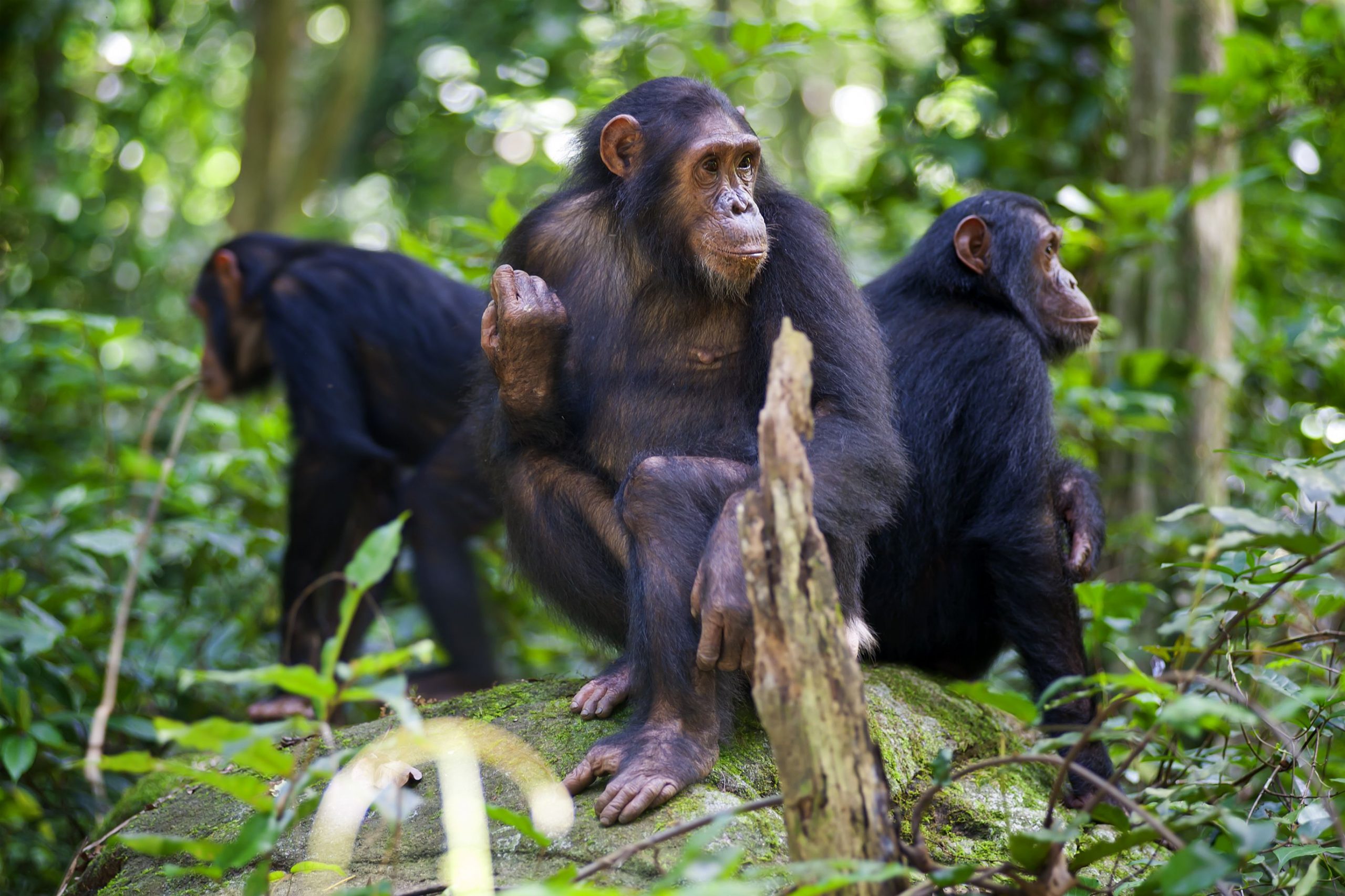
To secure a last-minute chimpanzee tracking permit in Kibale Forest National Park, contact local tour operators directly like Roads of Adventure safaris, local operatores often hold standby permits or can quickly check the Uganda Wildlife Authority (UWA) live database. Expect to pay $250 per person for Foreign Non-Residents.
3-days-chimpanzee-tracking-to-kibale-forest-national-park
3-days-chimpanzee-habituation-in-kibale-forest-park
3-days-chimpanzee-tracking-in-kibale-forest-park-from-kigali
Use Local Safari Operators like Roads of Adventure Safaris
Directly booking chimpanzee or gorilla tracking permits through government bodies like the Uganda Wildlife Authority (UWA) can be a slow, bureaucratic process, particularly when you are working against a tight deadline. When a traveler submits an individual inquiry, it enters a standard queue that can take days to process—time that a last-minute traveler simply does not have. Furthermore, the public-facing online portal may not display real-time availability changes caused by late cancellations.
This is where reputable, local tour operators like Roads of Adventure Safaris provide an invaluable advantage. Established operators have dedicated, direct channels with UWA permit offices and maintain constant communication with reservation clerks. Crucially, these agencies often hold pre-purchased permit allocations for their upcoming safari circuits. If a client reschedules or cancels, an operator may have an open permit readily available in their internal inventory that is not visible to the general public.
Additionally, local operators are plugged into active industry networks. If they lack a permit internally, they can instantly blast trusted member forums (such as the Association of Uganda Tour Operators) to find peer companies looking to offload a surplus permit due to a last-minute guest cancellation. Relying on an operator’s on-the-ground presence, logistical expertise, and internal networks turns a stressful, low-probability search into a streamlined, fast-tracked booking.
Opt for Low Season
Last-minute permit availability is significantly higher during East Africa's low or wet seasons, which run from March to May and October to November. During the peak dry seasons (June to August and December to February), primate permits sell out up to six months in advance due to the massive influx of global travelers. Attempting a last-minute booking during these peak months often leaves travelers empty-handed.
Choosing the low season completely changes the supply-and-demand dynamic. Because fewer travelers visit during these rainy periods, UWA registries frequently have unallocated permits available right up to the morning of the trek. This gives spontaneous travelers the freedom to book their experience on very short notice.
While the wet season brings afternoon downpours, it offers distinct advantages for chimpanzee tracking. Primate behavior changes based on food availability; during the rainy season, the forest is lush, and wild fruits are abundant on the lower branches and forest floor. Consequently, chimpanzees do not have to travel far or climb high into the canopy to forage. Treks in the low season are frequently shorter and less physically demanding because the communities stay lower to the ground. Additionally, lodges drop their rates to attract guests, meaning you can pair a last-minute permit with luxury accommodation at a fraction of the dry-season cost.
Consider Alternatives
If Kibale National Park—the world's premier chimpanzee tracking destination—is completely sold out, a smart last-minute traveler pivots to nearby alternative habitats. Rather than abandoning the goal of seeing wild primates, you can inquire about permits for Kyambura Gorge (located within Queen Elizabeth National Park) or the Kalinzu Forest Reserve. Both locations host habituated chimpanzee communities and offer incredible tracking experiences on short notice.
Kyambura Gorge, known as the "Valley of Apes," is a dramatic, subterranean rainforest slashed into the middle of the savannah. Tracking here is a unique geological adventure, as you descend into a hidden ecosystem to find the chimps. Kalinzu Forest, sitting just outside the national park boundary, boasts a remarkably high tracking success rate and is home to over 400 chimpanzees, with two groups fully habituated for tourism.
Beyond availability, these alternatives offer massive financial benefits. While a Kibale chimpanzee permit costs $250 USD for international non-residents, a permit for Kalinzu Forest or Kyambura Gorge typically ranges between $50 to $100 USD. This lower cost makes them highly accessible alternatives. Because these secondary sites receive fewer visitors, their permit pools rarely max out, making them the perfect safety net for a last-minute itinerary.
Be Flexible on Time
Kibale National Park structures its daily chimpanzee tracking operations into two distinct shifts: the morning shift starting at 8:00 AM and the afternoon shift starting at 2:00 PM. The overwhelming majority of international travelers and pre-booked tour groups request the morning slot. This preference stems from a traditional belief that wildlife is only active early in the day, causing the 8:00 AM registry to fill up months in advance.
Being explicitly open to the afternoon shift drastically increases your chances of securing a last-minute permit. UWA frequently has open slots for the 2:00 PM trek even during busier months, simply because large itinerary routes tend to rush travelers onward to Queen Elizabeth National Park or Bwindi after breakfast.
Opting for the afternoon shift does not compromise the quality of the encounter. Chimpanzees do not follow the same midday resting patterns as large savannah predators; they feed, groom, and vocalize throughout the afternoon. In fact, afternoon trackers often benefit from the morning rangers' data. Because the tracking teams already located the chimpanzee communities a few hours prior, the afternoon guides have a very accurate starting point, which can lead to a more direct and efficient trek to find the group.
1. What makes a last-minute permit so difficult to secure independently?
The primary hurdle is simple supply and demand. Kibale National Park caps daily tracking numbers strictly to protect the habituated chimpanzee communities from over-tourism and human disease transmission. The morning shift is incredibly popular, and independent travelers entering the standard Uganda Wildlife Authority (UWA) public queue face lengthy response times. On short notice, a standard email or phone inquiry to the central booking office in Kampala may go unanswered for days, during which time the last remaining slots are snapped up by local agencies.
Furthermore, the public-facing online portal doesn’t instantly reflect cancellations, meaning it might show "sold out" when a slot has actually just opened up. Trying to coordinate park entry, payment processing, and confirmation without a local intermediary on a tight timeline is logistically incredibly difficult.
2. How do local operators like Roads of Adventure Safaris access hidden permit availability?
Established local tour operators have an invaluable advantage because they maintain direct, daily contact with the UWA reservation desks. When an international tour group cancels or reschedules their itinerary at the eleventh hour, those permits are released back into the system. Local operators are immediately alerted to these openings through internal booking networks and WhatsApp communication groups shared with park officials.
Additionally, operators frequently buy blocks of permits months in advance for their own scheduled safaris. If a particular departure doesn't sell out completely, that operator will have an internal surplus. Because these "internal" permits are held by private companies, they never appear on the public UWA availability roster, making trusted local agencies your best bet for finding a rogue opening.
3. Why does shifting your focus to the afternoon tracking group increase your chances?
Kibale operates two distinct tracking sessions: the morning briefing at 8:00 AM and the afternoon session at 2:00 PM. The morning slot is universally coveted by major tour companies because it fits standard itinerary routing—allowing groups to track chimps, have lunch, and drive to Queen Elizabeth National Park before dark. As a result, the morning shift sells out months in advance.
The afternoon shift is heavily underutilized. Many travelers choose to rest or travel during these hours, leaving the 2:00 PM registry with much higher availability. On short notice, UWA clerks almost always have a few slots open for the afternoon, making immediate flexibility on your daily timing the easiest way to turn a "no" into a confirmed booking.
4. Does tracking chimpanzees in the afternoon compromise the quality of the encounter?
Not at all. A common misconception is that chimpanzees hide or become inactive during the hotter afternoon hours. Unlike savannah lions or leopards that sleep under bushes when the sun is high, chimpanzees remain highly active throughout the day. They spend their afternoons foraging for fruit, grooming one another to reinforce social bonds, and swinging through the mid-canopy layers.
In fact, afternoon trackers frequently have an operational advantage. Because the morning guides and trackers have spent hours monitoring the communities, the park rangers at 2:00 PM know exactly where the chimps were located just an hour prior. This real-time data means your afternoon guide can often lead you straight to the coordinates, resulting in a more efficient and direct trek.
5. How does the time of year affect your odds of a last-minute booking?
Your chances of success are entirely dictated by the East African safari calendar. If you are looking for a permit during the peak dry seasons (June to August and December to February), finding a last-minute opening requires immense luck, as global travel volume peaks and permits are locked down up to six months ahead.
Conversely, if you look for a permit during the low/rainy seasons (March to May and October to November), availability skyrockets. During these months, the park sees a significant drop in foot traffic, and UWA registries regularly have surplus permits available on a walk-in or day-before basis. If your travel dates fall in these rainy windows, spontaneous planning becomes an entirely viable strategy.
6. What are the unique benefits of tracking chimpanzees in the wet season?
Beyond easy permit availability, the wet season offers fascinating behavioral perks. When the rains arrive, the rainforest erupts in fresh vegetation, and wild fruits ripen in abundance on the lower tree branches and bushes. Because food is everywhere, the chimpanzees do not need to travel massive distances or scale the highest canopy layers to eat.
They tend to stay lower to the ground and remain in highly localized areas. Consequently, wet-season treks are frequently shorter, flatter, and less exhausting than dry-season treks, where you might have to keep up with a fast-moving troop traveling miles across the forest floor. Furthermore, nearby luxury lodges heavily discount their rates during the rainy months, saving you money.
7. What alternative locations should I look into if Kibale is completely booked?
If Kibale's registry is completely maxed out for both shifts, you should immediately check the Kalinzu Forest Reserve or Kyambura Gorge. Kalinzu Forest sits just outside Queen Elizabeth National Park and boasts a remarkably high tracking success rate, with a large community of fully habituated chimpanzees.
Kyambura Gorge, a dramatic underground rainforest sliced directly into the savannah landscape, offers a spectacular tracking environment known as the "Valley of Apes." Because these two locations are managed under different administrative frameworks or receive less international marketing, their permit pools rarely fill up completely. This makes them the ultimate safety net for a last-minute traveler who refuses to leave Uganda without seeing wild primates.
8. How do the costs of alternative chimpanzee tracking sites compare to Kibale?
Pivoting to an alternative destination offers a massive financial silver lining. A standard chimpanzee tracking permit in Kibale National Park costs $250 USD for international non-residents. While it provides the premier experience, it is a significant investment.
If you choose to track in Kalinzu Forest, a permit costs roughly $50 USD. Kyambura Gorge permits sit at around $100 USD. Both alternative sites give you a full hour of face-to-face interaction with habituated wild chimpanzees but at a fraction of the price. If you are on a tight budget or trying to piece together a spontaneous trip without breaking the bank, these secondary locations provide extraordinary value.
9. What payment pitfalls should I avoid when trying to buy a permit quickly?
When a last-minute permit becomes available, you must be ready to secure it instantly; park clerks will not hold a slot without full payment. The biggest pitfall for independent travelers is relying on international wire transfers, which can take three to five business days to clear into Uganda. By the time the funds arrive, the permit is gone.
Credit card payments at local UWA offices can occasionally fail due to spotty satellite internet connections or fraud alerts triggered by your home bank. To avoid this, it is highly recommended to authorize a local operator to pay cash at the central desk on your behalf, or ensure your credit card company knows you are traveling in East Africa so emergency transactions clear instantly.
10. Can I buy a chimpanzee habituation experience permit on short notice instead?
Kibale offers a premier option called the Chimpanzee Habituation Experience (CHEX), where you spend a half-day following a community undergoing the process of becoming used to humans. This permit costs $300 USD. Because only a tiny handful of visitors are allowed on CHEX treks per day, these are usually the very first permits to sell out months in advance.
However, because of the higher price point, if an upscale agency has a corporate or luxury client cancel at the last minute, these premium permits occasionally hit the market unexpectedly. While you shouldn't count on it as your primary plan, it is always worth asking a local operator to check the CHEX registry as a premium backup.
11. How should I adjust my Uganda itinerary logistics to wait for an opening?
If you are determined to track in Kibale but are waiting on a last-minute permit clearance, you should base your logistics out of Fort Portal or the Crater Lakes region. Fort Portal sits just 45 minutes away from the Kibale park gate.
By staying locally rather than waiting in Kampala, you put yourself in a position to react instantly. If an operator calls you at 7:00 PM confirming that a permit has opened up for the following morning, you can comfortably make the drive to the park headquarters by the 8:00 AM briefing. Basing yourself nearby also allows you to enjoy alternative local activities, like hiking the Top of the World viewpoint, while your guide works the phones.
12. What are the age and health restrictions that could invalidate a last-minute permit?
Before spending money on a non-refundable emergency permit, you must ensure you meet the park's strict entry criteria. The minimum age for chimpanzee tracking in Uganda is 12 years old (recently lowered from 15). Children under this age will be denied entry at the briefing gate, regardless of permit possession.
More importantly for last-minute travelers, you must be in good health. Chimpanzees share roughly 98.7% of our DNA and are highly susceptible to human respiratory illnesses. If you show up to the briefing with a noticeable cough, severe cold, or flu-like symptoms, the park wardens reserve the right to revoke your tracking privileges to protect the primates from a potentially fatal outbreak.
13. How does the physical terrain of Kibale impact last-minute gear prep?
Because you are booking spontaneously, you might not have packed with a meticulous safari checklist, but your gear choices remain vital. Kibale is a true primeval rainforest—it is humid, dense, and muddy underfoot. Unlike the steep mountain volcanic tracking of Bwindi, Kibale is relatively flat with rolling hills, but the forest floor is crisscrossed with thick root networks and hidden swamps.
At a minimum, you must source a pair of sturdy shoes with good grip. Running sneakers can suffice if the weather has been dry, but waterproof hiking boots are highly preferred. You will also need long trousers and long socks to tuck your pants into, which protects your legs from biting safari ants.
14. Should I hire a porter if I get a last-minute permit for Kibale?
Yes, you should absolutely hire a porter at the Kanyanchu visitors center trailhead, even if you are in excellent physical shape. Porters are members of the local communities bordering the forest and offer their carrying services for a standard fee of $20 USD.
Hiring a porter allows you to trek completely unburdened by the weight of your camera gear, rain gear, and drinking water, leaving you free to navigate slippery logs or dense vines easily. More importantly, this system acts as a direct conservation incentive. Many local porters rely entirely on this income to support their families; by hiring them, you ensure the local community directly benefits from primate tourism, reducing the economic incentive for illegal poaching.
15. What are the essential tracking rules I must memorize on short notice?
If you skip a lengthy pre-trip planning phase, you must memorize the core forest rules before your briefing. Once you locate the chimpanzees, your time with them is strictly capped at 60 minutes. You must maintain a minimum distance of 26 feet (8 meters) from the primates at all times.
Eating, drinking, or smoking anywhere near the chimpanzees is strictly forbidden, as dropped food scraps pose a massive disease transmission risk. Flash photography is strictly prohibited because sudden bursts of light can terrify the animals and provoke an aggressive response. Finally, you must keep your voice to a low whisper throughout the encounter to keep the community calm and relaxed in your presence.
Booking chimpanzee tracking with us Roads of Adventure safaris
Booking chimpanzee tracking with Roads of Adventure Safaris is a seamless process. They handle all logistics, including securing permits, booking private 4x4 transport, and arranging comfortable accommodations.
