A safari in Zambia offers an authentic, untamed African experience, renowned as the birthplace of walking safaris, with top destinations including South Luangwa (high-density wildlife, leopards), Lower Zambezi (canoeing, big game), and Kafue National Parks. The best time to visit is the dry season, from June to September, for excellent game viewing.
19-day-zambia-zimbabwe-and-botswana-safari-itinerary
15-days-best-of-zambia-safari-and-victoria-falls-tour-package
11-days-best-zambia-wildlife-safari-itinerary
10-days-best-zambia-wildlife-safari-tour-to-south-luangwa-lower-zambezi-and-kafue
10-days-honeymoon-zambia-safari-itinerary-with-victoria-falls-tour
8-days-perfect-zambia-wildlife-safari-escape-and-victoria-falls-tour
9-days-ultimate-zambia-safari-tour-to-best-zambia-wildlife-parks
7-days-south-luangwa-and-lower-zambezi-safari-in-zambia
6-days-in-zambia-safari-parks-discovering-south-luangwa-and-lower-zambezi
5-days-canoe-and-safari-in-zambia-lower-zambezi-national-park
3-days-livingstone-town-and-honeymoon-victoria-falls-tour-for-couples
3-days-best-victoria-falls-tour-from-zambia-zimbabwe-to-botswana-safari-in-chobe-park
Key Safari Destinations & Activities
South Luangwa National Park
South Luangwa National Park is often hailed as one of Africa's premier wildlife destinations, boasting an exceptionally high animal density. Home to over 60 mammal species, including iconic wildlife such as elephants, lions, and leopards, the park is a haven for nature enthusiasts. Its diverse ecosystems range from lush valleys to open plains, facilitating a vibrant array of wildlife interactions.
The park is particularly famous for its guided bush walks, offering a thrilling way to explore the landscape on foot. These treks, led by trained guides, allow visitors to immerse themselves in the sights and sounds of the wilderness. Participants can observe animal tracks, bird species, and the smaller flora that often go unnoticed during traditional game drives. Evening game drives in South Luangwa are also breathtaking, providing opportunities to see nocturnal species like the African civet and bushbabies.
In addition to game viewing, South Luangwa is known for its high concentrations of leopards, often regarded as one of the best places globally to spot these elusive cats. The mix of nocturnal and diurnal species ensures that every safari experience brings unique wildlife encounters, making South Luangwa a must-visit for avid photographers and wildlife lovers alike.
Lower Zambezi National Park
Lower Zambezi National Park provides a unique safari experience, combining traditional game drives with water-based activities. This park is characterized by its stunning landscapes along the Zambezi River, where visitors can engage in boat cruises and canoeing adventures.
On these water safaris, one can observe elephants and hippos as they come to the riverbanks to drink and bathe, often providing close-up encounters. The serene environment of paddling through the waterways allows for a different perspective on wildlife, where silence translates into a more intimate and engaging safari experience. Canoeing offers the thrill of spotting animals from the water, accompanied by guided insights about the local ecosystem.
In addition to the aquatic activities, Lower Zambezi also offers traditional driving safaris, ensuring a well-rounded wildlife experience. The park is home to a variety of animals, including abundant herbivores like buffalo and kudu, making it a diverse location for both safari types. Lower Zambezi is thus an ideal destination for those seeking a multifaceted safari experience that includes both land and river-based activities.
Kafue National Park
Kafue National Park, one of Africa’s largest and most remote national parks, is a treasure trove of diverse wildlife and stunning landscapes. Spanning over 22,400 square kilometers, Kafue offers vast expanses of wilderness, covering everything from woodlands to wetlands and open plains. This diversity attracts a wide array of animal species, providing excellent opportunities for wildlife viewing.
Kafue is lesser-known than some of its neighboring parks, making it a fantastic destination for those seeking a more secluded safari experience. It’s home to over 500 bird species, including the majestic African fish eagle, and provides habitats for numerous mammals, including lions, leopards, cheetahs, and the endemic Kafue lechwe.
Visitors can enjoy a mix of activities, including game drives, walking safaris, and boat cruises, allowing for different perspectives on the wildlife and terrain. The park's remote nature means fewer visitors, creating a more personalized safari experience. Moreover, the chance to encounter wildlife without the crowds enhances the thrill of spotting animals in their natural habitat. Kafue National Park is an essential destination for nature enthusiasts looking to connect with Africa's wilder side.
Victoria Falls (Livingstone)
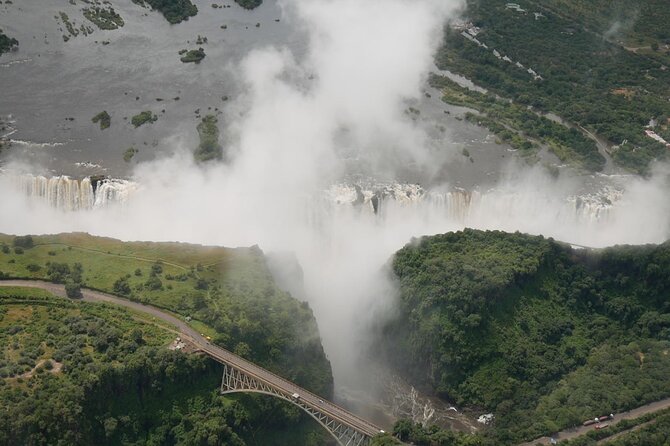
Victoria Falls, often referred to as "The Smoke That Thunders," is an iconic natural wonder and a must-visit destination for travelers. Straddling the border between Zambia and Zimbabwe, these majestic falls attract visitors from around the world, all eager to witness its awe-inspiring beauty.
The nearby town of Livingstone serves as a perfect base for exploring the falls and offers various activities. In addition to marveling at the cascades themselves, visitors can engage in rhino walking safaris at Mosi-oa-Tunya National Park, located just a short distance from the falls. This experience offers a unique opportunity to observe these magnificent creatures in their natural habitat while learning about the conservation efforts aimed at protecting them.
In addition to walking safaris, visitors to Victoria Falls can enjoy adrenaline-pumping activities such as bungee jumping, white-water rafting, and zip-lining, catering to adventure seekers. The falls also provide numerous viewing points and trails, enabling guests to appreciate the stunning scenery and capture breathtaking photographs.
Victoria Falls represents not just a beautiful sight but a hub of activities and experiences, making it a world-renowned destination for travelers seeking both adventure and natural beauty.
North Luangwa National Park
North Luangwa National Park offers visitors a more remote and untouched wilderness experience, setting it apart from its more popular counterparts. Known primarily for its incredible walking safaris, North Luangwa provides an intimate way to explore the African bush on foot. Guided by experienced and knowledgeable rangers, guests can track wildlife, study the flora, and appreciate the sounds of the wild in a way that is impossible from a vehicle.
The park is home to a diverse range of wildlife, including large populations of elephants, buffalo, and the elusive spotted hyena. The chances of encountering leopards are also high, as the area boasts dense bush and an abundance of prey. Night walks offer the added thrill of spotting nocturnal animals and witnessing the jungle come alive after dark.
North Luangwa is less frequented than its southern counterpart, allowing guests to enjoy a true sense of solitude and connection with nature. Accommodations tend to be more basic yet are tailored to enhance the wilderness experience, providing comfort while still immersing visitors in their stunning surroundings.
When is the Best Time for a Safari in Zambia?
The best time for a safari in Zambia is during the dry season, which runs from May to October. This period is characterized by lower rainfall, making it easier to spot wildlife as animals congregate around the remaining water sources. The dry season also allows for clearer visibility, facilitating excellent game viewing opportunities. The peak months, especially from August to October, can experience hotter conditions, but this increase in temperature often correlates with heightened wildlife activity, especially as the animals are more active during the cooler early mornings and late afternoons.
During the dry season, visitors to Zambia can witness a variety of species, such as elephants, lions, leopards, and buffalo, in their natural habitats. As vegetation thins, wildlife spotting becomes increasingly rewarding. However, the dry season is also the peak tourist time, leading to busier parks and accommodations.
While many travelers prefer the dry season, the rainy season, which occurs from November to April, also offers a unique perspective for those interested in Zambia’s biodiversity. The “Green Season” transforms the landscapes into lush environments, promoting vibrant birdwatching and fewer crowds. Though many camps may close, those that remain open offer a different kind of safari experience, where travelers can witness newborn wildlife and enjoy the rich tapestry of life supporting the wetlands. Ultimately, the choice of when to visit depends on personal preferences regarding wildlife viewing, crowds, and weather conditions.
Is the Rainy Season Good for a Safari in Zambia?
Yes, the rainy season in Zambia can indeed be good for a safari, particularly for travelers seeking lush scenery and unique wildlife viewing experiences. The rainy season lasts from November to April and is affectionately referred to as the “Green Season.” During this time, the landscape transforms into a vibrant tapestry of greens, offering a beautiful backdrop for wildlife encounters. Many animals give birth during this season, so visitors might see young wildlife and experience the excitement of new life in the bush.
One of the significant advantages of visiting during the rainy season is the reduced number of tourists, which translates into quieter parks and more personal wildlife sightings. Birding enthusiasts particularly benefit during this period as migratory birds flock to Zambia, making it a paradise for birdwatchers. You can spot a variety of species, some of which are not present during the dry season.
However, travelers should be aware that the rainy season can also present challenges. Some camps and lodges may close due to the lower accessibility of roads or adverse weather conditions. Additionally, wildlife viewing can be less predictable because animals might be more dispersed as they roam in search of food and water.
Despite these considerations, the rainy season is ideal for those who appreciate a different aspect of the Zambian wilderness, filled with fresh foliage and an active birding scene. With the right planning, a safari during the Green Season can be a rewarding and visually stunning experience for adventurous travelers.
How Many Days Do I Need for a Safari in Zambia?
For a fulfilling experience in Zambia, a safari trip lasting between 7 to 10 days is ideal. This duration allows ample time to explore several of the country's iconic national parks, offering a diverse range of wildlife encounters and activities. Particularly noteworthy are South Luangwa National Park and Lower Zambezi National Park, both of which provide rich ecosystems and exceptional opportunities for wildlife observation.
In South Luangwa, you can engage in various activities such as walking safaris, game drives, and night excursions. This park is world-renowned for its high concentrations of wildlife, including elephants, lions, and leopards. Spending 4 to 5 days here enables you to immerse yourself in its unique environment while maximizing your chances of spotting various species.
Next, a transfer to Lower Zambezi National Park adds a varied experience, especially with its focus on canoeing safaris that allow you to navigate the river and observe wildlife from a different perspective. Spending another 3 to 4 days in this park offers the chance to view hippos, elephants, and diverse birdlife along the riverbanks.
Overall, a 7 to 10-day trip provides flexibility and allows travelers to take their time in each park without feeling rushed. It presents opportunities for relaxation while still ensuring that you engage in numerous outdoor activities. This time frame is ideal for those who wish to savor the richness of Zambia’s wildlife and the stunning natural environments it has to offer.
Do I Need a Visa?
When planning your safari to Zambia, understanding the visa requirements is essential for a smooth travel experience. Many nationalities, including citizens of the United States, the United Kingdom, and European Union countries, are eligible for a visa on arrival in Zambia. This visa can be obtained at the airport or border entry points, simplifying the process for tourists. The visa costs approximately $25 to $50, depending on the duration of stay and the type of visa you require.
To obtain a visa on arrival, travelers must present a valid passport with at least six months of validity beyond their intended departure date from Zambia. It's also advisable to have proof of onward travel, such as a return flight itinerary, as authorities may request this information at the time of entry.
For those who plan to visit both Zambia and neighboring Zimbabwe, the KAZA Univisa is an excellent option. This visa allows for multiple entries between Zambia and Zimbabwe for around $50, which is especially useful for exploring Victoria Falls from both sides.
Before traveling, it's wise to verify the latest visa regulations and any additional entry requirements, as policies can change. Proper preparation regarding visas will help ensure a smooth start to your Zambian safari adventure, allowing you to focus on the thrilling wildlife experiences that await.
What is the KAZA Univisa?
The KAZA Univisa is a special visa designed to facilitate travel between Zambia and Zimbabwe. Priced at approximately $50, this visa allows visitors to make multiple entries between the two countries within a 30-day period. This feature is particularly advantageous for tourists who want to explore both nations and visit popular attractions like Victoria Falls, which straddles the border.
The KAZA Univisa is available at designated entry points, including major airports and some land border crossings. This visa simplifies logistics, enabling travelers to experience the rich offerings of both Zambia and Zimbabwe without the hassle of applying for separate visas for each country. As a result, tourists can easily weave back and forth between the two countries, maximizing their adventure without losing time on administrative formalities.
In addition to its convenience, the KAZA Univisa promotes regional tourism by encouraging cross-border visits. This initiative aims to boost economic growth in both countries through tourism-related activities.
While this visa offers multiple entries, travelers should always check the latest regulations and availability before planning their trip. The KAZA Univisa serves as an excellent option for those looking to incorporate both Zambia and Zimbabwe into their travel itineraries, enriching their experience of Southern Africa as a whole.
What Makes a Safari in Zambia Unique?
A safari in Zambia stands out for several reasons, one of the most notable being its pioneering role in the development of walking safaris. Unlike many other African countries, Zambia focuses on intimate, walking-oriented experiences that allow travelers to engage more profoundly with the environment. Accompanied by an armed park ranger and an expert guide, visitors can explore diverse habitats on foot, gaining insights into wildlife behaviors, plant life, and the general ecology of the region.
Additionally, Zambia boasts some of the highest wildlife concentrations in Southern Africa. National parks such as South Luangwa and Lower Zambezi are home to various species, including lions, leopards, elephants, buffalo, and even the rare African wild dog. This biodiversity provides ample opportunities for thrilling wildlife encounters, whether during a walking safari, traditional game drive, or canoeing expedition.
Moreover, Zambia’s commitment to conservation and sustainable tourism practices enhances its appeal. Many parks and lodges focus on supporting local communities and promoting wildlife protection, ensuring a more responsible form of tourism.
Zambia's unique mix of experiences—ranging from traditional game drives to enriching walking and canoe safaris—makes it a compelling destination for adventure seekers and wildlife lovers alike. These elements combine to create a safari unlike any other, allowing visitors to forge a deeper connection with the natural world.
What Animals Can I See?
Zambia is renowned for its remarkable wildlife diversity, making it an ideal destination for safari enthusiasts. The country's national parks, including South Luangwa and Lower Zambezi, host high concentrations of iconic African animals. Visitors can frequently spot African elephants, especially in herds, as they roam the forests and savannahs. These majestic creatures are often seen interacting with other wildlife, grazing on vegetation, and even taking to the waters for a refreshing swim.
Lions and leopards are also prominent in Zambia's parks, providing thrilling opportunities for sightings. The chance to observe these big cats in their natural habitat adds excitement to any safari adventure. Additionally, you can expect to see large herds of buffalo, often grazing alongside antelopes and zebras, which create a rich tapestry of wildlife interaction.
Along with these common species, Zambia is home to rarer animals like African wild dogs, known for their unique hunting strategies and strong social bonds. Birdwatchers will also find a paradise in Zambia, with opportunities to see numerous species, including the iconic shoebill stork, which can often be found in wetlands.
Overall, the varied habitats and high concentrations of wildlife make Zambia a fantastic location for those seeking thrilling wildlife encounters, with plenty of opportunities to witness the beauty of Africa's fauna in their natural environments.
Are Walking Safaris Safe?
Walking safaris in Zambia are designed with safety as a top priority. Participants are always accompanied by experienced armed park rangers and knowledgeable guides, ensuring that travelers feel secure while exploring the wilderness. These trained professionals provide critical insights into the forest, spotting tracks and understanding animal behavior, which enhances the overall experience.
Before setting out on a walking safari, guides typically conduct a safety briefing, outlining proper behavior and responses when encountering various wildlife. This education includes recognizing potential hazards and maintaining a respectful distance from animals.
While walking safaris allow for a more intimate experience with nature, it’s essential for participants to follow their guides' instructions closely. Travelers will gain a unique perspective of the environment, observing details often missed from a vehicle, such as tracks, plants, and smaller animals.
Zambia is known as the birthplace of the walking safari, and this reputation reflects the successful, safe experiences travelers can expect. Many visitors report that walking safaris provide a deep connection to nature, allowing them to appreciate the wildlife and its habitat in a more profound way.
With the right precautions and guidance, walking safaris are not only safe but also offer an exhilarating way to experience the African wilderness, complementing the traditional game drive outings.
What is a Night Safari in Zambia?
A night safari in Zambia offers a unique opportunity to explore the bush after dark, revealing a different perspective on the wildlife inhabiting this remarkable landscape. Many lodges and camps in the country organize night game drives, allowing guests to encounter nocturnal animals that are rarely seen during daylight hours. Often beginning just before sunset, these excursions enable travelers to witness the vibrant transition of the environment as day turns to night.
During a night safari, participants are likely to spot elusive creatures such as leopards, hyenas, and various small mammals like bushbabies and porcupines. The use of spotlights helps illuminate wildlife, enabling guests to see these animals engaging in their nighttime activities, such as hunting or socializing. The darkness also enhances the sounds of the wilderness, creating a rich sensory experience that deepens your connection to the environment.
Night safaris are usually conducted by experienced guides who prioritize safety while providing educational insights. They emphasize the importance of staying quiet and still to avoid scaring the wildlife, allowing for intimate wildlife encounters.
This experience adds a fascinating layer to a traditional safari, enriching your understanding of the nocturnal side of the African bush. For travelers wishing to make the most of their time in Zambia, a night safari is a captivating way to broaden your wildlife observations.
Can I Visit Victoria Falls on a Safari in Zambia?
Absolutely! Including a visit to Victoria Falls during your safari in Zambia is strongly recommended. Livingstone serves as the primary gateway to the Zambian side of the falls and is conveniently located just a short drive from major national parks, making it an accessible addition to your itinerary. Victoria Falls is one of the Seven Natural Wonders of the World and offers a stunning display that attracts visitors from around the globe.
The best time to see the falls is from May to July, following the rainy season when the flow of water is at its peak, creating a dramatic and awe-inspiring sight. Visitors during this period can experience the falls in all their glory, as the roaring waters plunge over the edge, often producing rainbows from the mist created by the cascading water.
From August to December, the flow decreases, which allows visitors to enjoy the falls with less spray and improved visibility for photographs. No matter the time of year, Victoria Falls offers numerous activities, including guided tours, bungee jumping, and helicopter tours, enriching your visit further.
Overall, a trip to Victoria Falls complements your Zambian safari, merging the beauty of the wildlife experience with one of nature’s most spectacular wonders, making your safari adventure even more unforgettable.
When is the Best Time to See Victoria Falls?
The best time to see Victoria Falls is from May to July, right after the rainy season when the water flow is at its highest. During this period, the falls exhibit a breathtaking display of power and beauty as tons of water cascade over the cliffs. The sheer volume of water creates a magnificent spectacle, with substantial mist rising and often forming rainbows in the light. Many travelers find this time to be the most rewarding for viewing the falls in their full glory.
However, visiting Victoria Falls from August to December also has its advantages. During this time, the volume of water decreases, allowing for clearer views of the geological structure of the falls without excessive spray. Ideal for photography, this period is suitable for those who wish to capture the intricate details of the rock formations and enjoy the surrounding landscapes.
Visitors to the falls have a variety of activities to enhance their experience, such as guided tours that explain the historical and geological importance of this natural wonder. Adventurers can also engage in thrilling activities like bungee jumping or taking a helicopter ride for stunning aerial views.
Regardless of when you visit, Victoria Falls is a remarkable site worthy of exploration. Its seasonal beauty adds to the overall experience of any safari in Zambia, ensuring lasting memories for all who come to witness this natural wonder.
What Should I Pack for a Safari in Zambia?
Packing for a safari in Zambia requires careful consideration to ensure comfort and suitability for the variable environments you will encounter. A key aspect is to choose neutral-colored clothing, such as khaki and beige, that blends well with the surroundings. This not only enhances your wildlife experience by reducing the chance of startling animals but also helps keep you cool in the sun. Opt for lightweight, moisture-wicking fabrics that are breathable and quick-drying.
Sturdy walking shoes are essential, particularly if you plan on undertaking walking safaris. Good boots provide the necessary support and protection for your feet while navigating varied terrain. Alongside shoes, packing a warm jacket or fleece is advisable for early morning and evening excursions when temperatures can drop.
In addition, don’t forget to bring binoculars for wildlife viewing and a camera to capture the stunning landscapes and memorable encounters with animals. Extra batteries and memory cards are wise to include, as you’ll want to document your experiences thoroughly.
A small daypack can be beneficial for carrying essentials like water, sunscreen, insect repellent, and snacks during your outings. Lastly, consider packing a hat and sunglasses for sun protection while enjoying the outdoor adventures. By being well-prepared, you can focus on the exhilarating safari experience without worrying about your comfort or needs.
Do I Need Special Clothing for a Walking Safari?
Yes, special clothing is recommended for a walking safari in Zambia, primarily to enhance your comfort and safety while navigating the bush. Lightweight, long-sleeved clothing is ideal as it provides protection against the sun's harsh rays, keeping you cool and warding off potential sunburn. Additionally, this type of clothing helps shield your skin from thorns, branches, and insects, making it practical for a bush environment.
Neutral colors, such as browns, greens, or khaki, are preferred as they help you blend into the environment, minimizing disturbances to wildlife. When clothing stands out in bright colors, it might scare animals away or attract unwanted attention from insects. Avoid wearing bright whites or flashy colors, which can contrast sharply against the natural landscape.
In terms of footwear, comfortable, sturdy walking shoes or boots are critical. These should offer good ankle support and traction, as walking safaris can involve uneven and rugged terrain.
A wide-brimmed hat is also advisable to provide shade and protect your face and neck from the sun. Packing a light scarf or buff can be handy for covering your face or neck in case of unexpected wind or sun exposure. By choosing the right clothing for your walking safari, you can focus on the beauty of the wilderness and enjoy your adventure safely.
What is the Currency?
The currency of Zambia is the Zambian Kwacha (ZMW), which is essential for transactions within the country. While the kwacha is the official currency used for everyday purchases, US dollars are widely accepted in many lodges and tourist areas, making it easier for travelers. However, it is advisable to use the local currency when visiting markets or smaller establishments to ensure smooth transactions.
It’s useful to exchange some of your currency for kwacha upon arrival, especially if you plan on shopping or tipping local guides and staff. Banknotes are straightforward to exchange at currency exchange facilities, airports, or banks. ATMs are available in major cities, such as Lusaka and Livingstone, but may not always work properly, so having cash on hand is sensible.
While US dollars are accepted at many lodges, they are often only accepted in denominations without wear or tears. Ensure that your bills are in good condition to avoid issues. Additionally, while larger lodges may accept credit cards, cash is still the preferred method for small purchases and tipping.
Understanding the currency situation ensures that you will have access to the funds you need for an enjoyable safari, facilitating a smoother experience during your adventures.
Are Credit Cards Accepted?
Yes, credit cards are accepted in many major lodges and upscale establishments in Zambia. Visa and Mastercard are the most commonly accepted credit cards, making them practical options for your travels. However, while credit cards can be convenient for lodging and dining expenses, it's important to be prepared to use cash as well, particularly for smaller purchases, tips, or in more remote areas.
In tourist-heavy locations like Livingstone and Lusaka, you might have minimal issues using your credit card, but it’s advisable always to carry some cash—in Zambian Kwacha—especially when venturing into national parks or rural areas. Many small shops and local markets primarily function on cash transactions.
Moreover, be aware of potential transaction fees and inform your bank of your travel plans to avoid any issues with your card while abroad. It is also wise to check the exchange rates and any associated costs with currency conversion through your credit card issuer.
Having a mix of payment options contributes to a more flexible and stress-free experience during your safari, ensuring that you can enjoy your time in Zambia without worrying about payment limitations.
What is the Official Language?
The official language of Zambia is English, making it accessible for many travelers from around the world. English is widely spoken across urban areas, government institutions, and educational settings. It serves as the primary language of communication in business, tourism, and public life, making it easier for visitors to navigate their surroundings and interact with locals.
In addition to English, Zambia boasts a rich diversity of indigenous languages, with about 72 languages spoken throughout the country. Notable languages include Bemba, Nyanja, and Lozi, among others. While English will suffice for most interactions, learning a few basic phrases in local languages can enhance your experience and foster goodwill with the locals.
When visiting national parks or engaging in cultural experiences, you may find guides who speak both English and local languages, facilitating a deeper understanding of the culture and wildlife.
The prevalence of English allows for seamless communication, but it is respectful and enjoyable to engage with local communities by showing interest in their languages and cultures. This connection can enrich your safari adventure and lead to a more immersive experience in Zambian hospitality.
Is There Electricity in the Camps?
Most camps in Zambia do provide electricity, but it’s essential to understand the limitations that might exist, especially in more remote locations. Many camps rely on solar power or generators, which means that electricity may not be available 24 hours a day. Typically, power is provided during specific hours, allowing guests to charge devices and have light during the evening hours.
While in more luxurious lodges, you might find full-time electricity and additional amenities, more rustic accommodations may offer limited power supply. It’s a good idea to check in advance with your lodge regarding the availability of electricity and any specifics that you should anticipate.
Due to the nature of safari camping, some lodges may opt for eco-friendly practices and limit the use of generators. It’s advisable to carry portable chargers or power banks for your electronic devices, ensuring that you always have a means of keeping your camera and phone charged, especially during activities throughout the day.
Overall, while electricity is available in most camps, being prepared for its limited availability allows you to make the most out of your Zambian safari experience without interruptions.
Do I Need Vaccinations?
When planning your safari in Zambia, certain vaccinations are recommended to safeguard your health and well-being while traveling. A Yellow Fever vaccination certificate is required if you are arriving from countries where Yellow Fever is endemic. It’s crucial to check with a local travel clinic or your healthcare provider to inquire about the necessary vaccinations ahead of your trip.
In addition to Yellow Fever, vaccines for hepatitis A, hepatitis B, typhoid, and tetanus/diphtheria/polio are often recommended for travelers. Malaria is also prevalent in Zambia, particularly in the more rural and wildlife-rich areas, so taking prophylactic medication before and during your trip is strongly advised. Always consult with a healthcare professional to evaluate your vaccination needs based on your travel schedule and health history.
Ensuring you have the appropriate vaccinations not only protects you as a traveler but also promotes overall public health in the regions you visit. Being prepared makes your safari experience safer and more enjoyable, allowing you to focus on the incredible wildlife encounters and natural beauty Zambia has to offer.
Is There Malaria in Zambia?
Yes, malaria is a significant health concern in Zambia, particularly in rural areas and national parks where many safaris take place. The disease is transmitted by infected mosquitoes, and it is essential for travelers to take precautions to reduce the risk of contracting malaria during their stay. Prophylactic medications are highly recommended for all visitors to Zambia, and it’s best to begin taking these medications before your arrival.
In addition to prophylactics, implementing preventative measures can further enhance your safety. This includes wearing long sleeves and long pants, especially in the early morning and evening when mosquitoes are most active. Using insect repellent with DEET on exposed skin and sleeping under impregnated mosquito nets can also provide added protection against bites.
Overall, being aware of malaria and taking necessary precautions will significantly contribute to your safety during your safari. Travelers should consult with a healthcare provider for personalized advice and to ensure appropriate medication is obtained in advance.
By understanding the risks associated with malaria and prioritizing safety measures, you can enjoy a successful and healthy safari experience in Zambia.
Should I Get Travel Insurance?
Yes, obtaining comprehensive travel and medical insurance is highly recommended for anyone planning a safari in Zambia. Travel insurance can provide vital coverage for unexpected events, including medical emergencies, trip cancellations, lost luggage, or other unforeseen circumstances that may arise during your travels. Given the nature of safari activities, such as walking safaris or engaging in outdoor adventures, having medical coverage ensures you have access to healthcare if needed.
When selecting travel insurance, choose a policy that specifically covers outdoor activities and any specific requirements you may have. Inquire about coverage limits, deductibles, and any exclusions related to safari activities. It’s also wise to keep your policy information accessible during your trip.
Additionally, medical evacuation coverage is essential in case of serious health issues requiring swift transport from remote areas to hospitals. This is particularly important when visiting rural locations where medical facilities may be limited.
Acquiring travel insurance not only offers peace of mind but also safeguards your investment in your trip. Ensuring that you are protected against potential risks allows you to focus entirely on enjoying the adventure and incredible wildlife encounters that Zambia has to offer.
Is It Safe for Children?
Zambia can be a family-friendly destination, but considerations regarding safety and activities are important when traveling with children. Many lodges cater to families and provide special accommodations and activities for younger travelers. However, it’s essential to check age restrictions, particularly for walking safaris, which often require participants to be over a certain age due to safety concerns.
For families considering a safari, selecting lodges with family-friendly amenities and activities becomes crucial. Many lodges offer tailored programs designed to engage children and teach them about wildlife and conservation. In addition to game drives, they may facilitate nature walks or educational programs.
Safety measures should also be emphasized. Ensuring that children follow safety guidelines, stay close to adults, and respect the wildlife will create a more enjoyable and secure environment for everyone involved.
When planning, it’s advisable to assess your children’s interests and adaptability to outdoor activities to ensure a pleasant experience. Overall, with proper planning and consideration, a safari in Zambia can be a rewarding and educational adventure for families, leaving lasting impressions for both adults and children alike.
How Much Does a Safari in Zambia Cost?
The cost of a safari in Zambia varies widely based on various factors, including accommodation type, duration of stay, and the activities included. Generally, travelers can expect to budget between $150 and $500+ per person per night, depending on the luxury levels of the lodges or camps chosen.
Budget options typically include basic camping facilities or more rustic lodges, which offer essential amenities without extensive frills. Mid-range accommodations provide comfortable lodging with a range of exciting activities, while luxury lodges often feature exceptional service, gourmet dining, and unique offerings like private guides or exclusive game drives.
Additional costs to consider include park entrance fees, tips for guides and staff, and any excursions not included in your lodge package, such as walking safaris or boat trips. It’s also advisable to have extra funds for personal expenses, souvenirs, and additional meals not covered in your package.
Planning ahead helps manage your safari budget more effectively. Researching different lodges and comparing options allows travelers to make informed decisions that fit their comfort level and financial capacity. Understanding these aspects will help ensure a fulfilling and enjoyable safari experience tailored to your needs.
Is Tipping Expected?
Yes, tipping is considered customary and appreciated in Zambia for excellent service in the tourism industry, especially in safaris. It's a way to show gratitude for the efforts of guides, camp staff, and other service providers during your journey.
When tipping, it's essential to consider the type of service you receive. For guides and trackers, a range of $10 to $20 per person per day is generally appropriate. Camp staff, including those involved in meal preparation and cleaning, might also receive tips ranging from $5 to $10 per guest per day. Some travelers prefer to pool tips for staff at lodges to ensure everyone benefits from the generosity.
While it's not mandatory, well-deserved tips contribute positively to the service workers’ livelihoods and encourage exceptional service.
It’s wise to carry small denominations of local currency (Zambian Kwacha) for tips, as many lodges may not allow tipping with credit cards. Calculate your tipping budget in advance to make the process smoother and ensure that you can show appreciation to those who enhance your safari experience.
How Do I Get to the National Parks?
Getting to Zambia’s national parks can be relatively straightforward, with multiple options available for travelers. Light aircraft flights are often the most convenient method to access remote areas, particularly for major national parks such as South Luangwa and Lower Zambezi. Scheduled flights depart from major cities like Lusaka and Livingstone, transporting visitors directly to airstrips near the parks. Using light aircraft helps reduce travel time, allowing you to maximize your safari experience shortly after arriving.
Alternatively, travelers can opt for road transfers or self-drive options, which may be more feasible for those who wish to explore multiple parks or enjoy the surrounding landscapes along the way. Roads can vary in quality, especially during the rainy season; thus, it’s advisable to check conditions in advance if planning to travel by car.
Many lodges offer transfer services for their guests, simplifying logistics and ensuring you arrive at your accommodations safely. Whichever method you choose, careful planning in advance can significantly enhance the journey to Zambia’s stunning national parks, allowing you to focus on the exciting wildlife experiences that await you upon arrival.
Can I Visit in the Rainy Season?
Yes, you can visit Zambia during the rainy season, often referred to as the “Green Season,” which lasts from November to April. This time of year brings unique opportunities for travelers seeking a different safari experience. The landscape transforms into lush environments with vibrant green foliage, providing picturesque backdrops for wildlife and fantastic birdwatching opportunities, as many migratory species arrive during this period.
While the rainy season features beautiful scenery, certain challenges may arise—some lodges may close, and roads can become muddy and inaccessible, particularly in remote areas. However, some camps remain open and offer unique safari packages during this season, targeting specific attractions like bird species that are active during the rain.
Despite the challenges, you might find fewer crowds than in the dry season, allowing for a more intimate wildlife experience. You'll also be able to witness newborn animals as many species give birth during this time, enriching your safari adventure.
If you’re prepared for potential weather variations and choose your lodges wisely, visiting Zambia during the rainy season can provide a rewarding and captivating experience, full of beauty and wildlife encounters.
Booking safari in Zambia with us Roads of Adventure safaris
Book your unforgettable Zambia safari with Roads of Adventure Safaris for expertly tailored, sustainable journeys through South Luangwa and Lower Zambezi. Experience thrilling walking safaris, canoe trips, and game drives with knowledgeable guides, ensuring close encounters with diverse wildlife. We specialize in customized itineraries, ranging from luxury lodges to authentic bush camps, accommodating your, personal preferences and flexibility. From Victoria Falls to remote, wilderness areas, our team ensures a seamless adventure. A 30% deposit secures your booking, offering a truly immersive African experience. Contact us today to plan your dream,, Zambian, safari with, Roads of Adventure Safaris.
