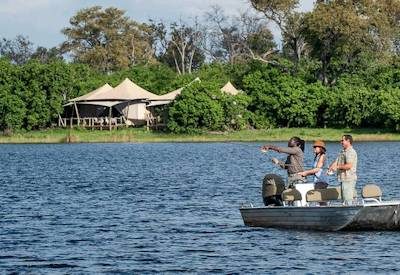
A Safari in Botswana offers an unparalleled, exclusive immersion into Africa’s most pristine wilderness, defined by the breathtaking Okavango Delta, vast Kalahari plains, and the massive elephant herds of Chobe National Park. With a strong focus on low-impact, high-value tourism, visitors experience intimate wildlife encounters away from the crowds of East Africa. The country represents a true, untamed wilderness where over 40% of the land is protected, offering unique activities from mokoro (dugout canoe) trips to thrilling, intimate game drives in the predator-rich Moremi Game Reserve. Whether navigating the water channels or witnessing dramatic predator-prey interactions, a Safari in Botswana provides a deep connection to nature, promising unforgettable, high-end wildlife viewing in a serene, secluded setting. It is widely considered one of the most prolific wildlife destinations in the world.
21-days-exceeding-botswana-safari-itinerary-all-inclusive-tour-package
16-days-botswana-safari-hwange-and-victoria-fall-tour
15-days-best-of-botswana-and-zimbabwe-safari-holiday-vacation-southern-africa-safari
14-best-botswana-safari-holiday-tour-itinerary-to-botswana-safari-parks
14-days-best-safari-in-africa-to-best-botswana-safari-parks
13-days-best-botswana-tour-to-zimbabwe-safari-holiday-and-zambia-safari-tours
12-days-best-of-hwange-victoria-falls-chobe-and-okavango-delta-botswana-safari
11-days-un-comparable-best-botswana-safari-itinerary-and-optional-victoria-falls-tour
10-days-best-luxury-family-botswana-safari-itinerary
9-days-best-safari-in-botswana-and-victoria-falls-tour-zimbabwe-side
8-days-best-zimbabwe-botswana-safari-all-inclusive-tour-package-from-victoria-falls
8-days-exciting-botswana-safari-holiday-vacation-in-okavango-delta-moremi-and-chobe
8-day-ultimate-zimbabwe-and-botswana-safari-chobe-moremi-and-victoria-falls-trip
7-days-perfect-victoria-falls-tour-hwange-and-chobe-zimbabwe-safari-tour
7-days-budget-botswana-safari-okavango-delta-moremi-and-chobe-riverfront
7-days-fly-in-and-out-of-okavango-delta-luxury-botswana-safari-experience
7-days-exclusive-luxury-botswana-safari-tour-package
7-days-best-botswana-safari-to-makgadikgadi-pans-okavango-delta-and-chobe
7-days-best-africa-big-cats-botswana-safari-itinerary
7-days-best-botswana-safari-combined-with-namibia-safari-tour-southern-africa-safari
6-day-best-victoria-falls-tour-chobe-and-hwange-zambia-wildlife-safari-holiday
3-days-chobe-national-park-botswana-safari-tour-package-from-victoria-falls-town
1. When is the Best Time to Go on a Safari in Botswana?
The optimal time to embark on a safari in Botswana is during the dry winter season, which spans from May to October. These months are characterized by lower temperatures and minimal rainfall, leading to ideal conditions for wildlife viewing. As water sources become scarce, animals congregate around rivers and waterholes, making them easier to spot during game drives and walks.
During the dry season, temperatures can range from cool mornings to warm afternoons. This range of weather prompts many wildlife species, including elephants, lions, and buffaloes, to be more active and visible during the day. Consequently, safaris during this period provide excellent opportunities for encountering a variety of animals, particularly in renowned areas like Chobe National Park and the Okavango Delta.
The peak wildlife viewing times are often at dawn and dusk when animals are particularly active. Visitors can take advantage of these hours for unforgettable experiences as they watch predators hunt and herds of elephants socialize. While the dry season is the most popular time for tourists, it can also be busier, so planning ahead and booking accommodations in advance is essential. Overall, the dry winter season in Botswana offers some of the most rewarding safari experiences, combining great wildlife sightings with pleasant weather.
2. What Animals Can I See on a Safari in Botswana?
Botswana is a wildlife enthusiast's paradise, known for its rich diversity of fauna. Among the highlights are the "Big Five": lions, leopards, rhinos, buffalo, and elephants. Each of these iconic species plays a vital role in the ecosystem, and safaris in places like Chobe National Park and the Okavango Delta offer excellent viewing opportunities.
In addition to the Big Five, visitors to Botswana can expect to see a range of other fascinating animals. African wild dogs, known for their unique social structures and hunting techniques, roam the landscape, often visible in packs. Giraffes, zebras, and impalas are commonly seen grazing in the savannahs, while hippos and crocodiles inhabit the waterways, particularly in the Okavango Delta.
Birdwatchers will also delight in the diverse avian life, with over 500 species recorded in Botswana. The wetlands of the Okavango Delta attract magnificent birds, including pelicans, herons, and kingfishers. Each safari offers a different experience depending on the season and specific location, enhancing the thrill of wildlife watching.
Overall, the multitude of species found in Botswana creates a rich tapestry of life, ensuring a captivating experience for anyone on safari. Whether through game drives, walking safaris, or canoe trips, the chance to observe Botswana's wildlife in their natural habitat is a memorable highlight for visitors.
3. What is the Best Safari in Botswana for First-Time Visitors?
For first-time visitors to Botswana, a combination safari that includes Chobe National Park and the Okavango Delta provides a classic and incredibly rewarding experience. This combination showcases Botswana’s unique habitats, offering diverse wildlife encounters and breathtaking landscapes.
Chobe National Park is renowned for its immense elephant population, especially near the Chobe River. Visitors will find opportunities for both land and river safaris, creating a dynamic wildlife experience. Game viewing along the river can yield sightings of not just elephants, but also hippos, crocodiles, and a variety of bird species, adding richness to the safari experience.
Transitioning to the Okavango Delta introduces visitors to one of the world’s most unique wetlands. The shifting waters create a complex ecosystem where wildlife flourishes. Travelers can experience mokoro (traditional canoe) rides, providing a tranquil way to explore the waterways while observing aquatic species like lechwe and a wide array of birds. Additionally, guided walking safaris in the Delta allow for intimate encounters with the flora and fauna of the region.
This combination of habitats and activities offers a well-rounded introduction to Botswana's exceptional wildlife and landscapes. First-time safari-goers will appreciate the accessible yet diverse experiences that create lasting memories in the heart of Africa.
4. Is a Safari in Botswana Safe for Travel?
Yes, Botswana is considered one of the safest countries in Africa for tourists. It consistently ranks high in terms of political stability, low crime rates, and effective governance, making it an appealing destination for safari enthusiasts. The country's commitment to conservation and sustainable tourism further enhances safety, as many national parks and reserves are well-managed.
While on safari, travelers are generally well looked after by professional guides and tour operators who prioritize safety. These guides possess extensive knowledge of the wilderness and ensure that guests are educated about potential hazards, including wildlife encounters. Following safety recommendations, such as maintaining a safe distance from animals and adhering to guidelines during walking safaris, is crucial for a secure experience.
Travelers are encouraged to exercise standard precautions, such as securing valuables and being mindful of their surroundings, particularly in urban areas. Vaccinations and health precautions, like malaria prophylaxis in certain regions, should also be considered for overall safety. In summary, with its reputation for stability and well-managed tourism, Botswana stands out as a safe and welcoming destination for those seeking an unforgettable safari adventure.
5. How Much Does a Safari in Botswana Cost?
The cost of a safari in Botswana varies widely, depending on the type of experience sought. While it is generally perceived as a high-cost destination, the wide range of offerings accommodates different budgets.
Budget travelers can opt for mobile camping safaris, which involve spending nights in tents and traveling to various parks. Prices for these budget options may start around $200 to $400 per person per day, often including meals, guides, and camping fees. Luxury safaris, on the other hand, can reach costs of $1,000 to $2,000 or more per person per day, particularly for exclusive lodges and fly-in options, which provide stunning accommodations, gourmet dining, and personalized services.
Many luxury lodges offer all-inclusive packages that cover game drives, guided walks, meals, and drinks, allowing for high comfort amidst the wild landscapes. The advantage of this exclusivity is a low-impact tourism focus that often leads to smaller group sizes and more personalized wildlife experiences.
In conclusion, while Botswana caters to various budgets, the overall costs reflect the high-quality safari experience and conservation efforts that maintain the region's rich biodiversity. Planning and flexibility can help travelers find options that fit their preferences and budgets.
6. What Should I Pack for a Safari in Botswana?
Packing appropriately for a safari in Botswana is essential for comfort and functionality during your adventure. Lightweight, neutral-colored clothing is advisable, as these shades blend well with the natural environment and help keep you cool during the warm days. Fabrics like cotton or moisture-wicking materials are ideal, helping to manage sweat and provide comfort.
While daytime temperatures can be warm, early mornings and evenings may become chilly, particularly in the dry season. Packing a warm jacket or fleece is recommended for cooler mornings when you will be out for game drives. A good hat, sunglasses, and sunscreen are also crucial to protect against the sun.
Insect repellent is a must, especially when camping or trekking in areas where mosquitoes are prevalent. As Botswana is a malaria zone, using repellent containing DEET can help guard against bites. Comfortable, sturdy footwear, like hiking boots or sandals, is important for walking safaris and navigating uneven terrains.
Travelers should also consider bringing a good camera with extra batteries and memory cards to capture the stunning wildlife and landscapes. A refillable water bottle is essential for hydration throughout the day. By packing wisely, safari-goers can ensure that they are prepared for the exciting and diverse experiences that Botswana has to offer.
7. Do I Need a Visa for a Safari in Botswana?
Travelers planning a safari in Botswana should note that citizens from many countries, including the United States, Canada, Australia, and the United Kingdom, do not currently require a tourist visa for stays of up to 90 days. This visa exemption simplifies travel planning, allowing visitors to focus more on arranging their safari experiences.
However, it is vital for travelers to ensure that their passports are valid for at least six months beyond their planned departure date from Botswana, as this is a common requirement for entry. It's also wise to have proof of onward travel, as border control may ask for it upon arrival.
For visitors whose countries do require visas, these can often be obtained in advance through the nearest Botswana embassy or consulate or can sometimes be arranged on arrival, although it’s advisable to check specific regulations beforehand to avoid complications.
Overall, understanding the visa requirements for Botswana helps streamline the travel process, allowing visitors to enjoy their safari adventures without unnecessary bureaucratic hassle.
8. What is the Difference Between a Lodge and a Mobile Safari in Botswana?
When considering safari options in Botswana, understanding the difference between lodges and mobile safaris is essential for planning an enjoyable experience.
Lodges offer permanent, comfortable accommodations that often come with luxurious amenities. These locations provide guests with a base to explore the surrounding wildlife-rich areas while ensuring all the comforts of home. Many lodges feature en-suite bathrooms, dining facilities, and scheduled game drives led by experienced guides. This experience is more structured and allows guests to enjoy comfortable evenings after a day of exploration.
In contrast, mobile safaris involve camping in tents, allowing for a more immersive experience in nature. These safaris often move between different locations, taking travelers to various parks and reserves. While lacking some of the comforts found in lodges, mobile safaris provide an authentic connection to the wilderness, allowing guests to experience the sounds and sights of nature up close.
Additionally, mobile tours typically include small group sizes, enhancing the sense of camaraderie and adventure. The choice between lodges and mobile safaris can depend on personal preferences for comfort versus immersion in the wild. Ultimately, both options offer unique advantages, ensuring unforgettable safari experiences in Botswana's stunning landscapes.
9. Are Malaria Pills Needed for a Safari in Botswana?
Yes, malaria prophylaxis is highly recommended for travelers planning a safari in Botswana, especially in northern regions like the Okavango Delta and areas near the borders of Zambia and Namibia. These areas are known for having higher incidences of malaria due to the presence of stagnant water, which creates ideal breeding conditions for mosquitoes.
Travelers should consult their healthcare provider weeks prior to departure to discuss the most suitable anti-malarial medications. Common medications include Atovaquone-proguanil (Malarone), Doxycycline, and Mefloquine, each with specific instructions for use. Starting the medication in advance and continuing it for a period following departure is crucial for maximizing protection.
In addition to medication, practicing preventive measures is essential. Wearing long sleeves, long pants, and using insect repellent containing DEET can significantly reduce the risk of mosquito bites. Nets and screens in accommodations, along with staying indoors during peak mosquito activity times, also enhance protection against malaria.
Overall, taking these precautions helps ensure a safe and enjoyable safari experience in Botswana, allowing visitors to focus on the awe-inspiring wildlife and landscapes without health concerns.
10. How Do I Get Around on a Safari in Botswana?
Getting around on a safari in Botswana is typically accomplished through a combination of light aircraft, 4x4 vehicles, mokoros (traditional canoes), and boats. The mode of transport often depends on the location and specific safari itinerary.
In many cases, traveling by light aircraft is the most efficient way to reach remote camps and national parks. These flights allow visitors to traverse large distances quickly, providing stunning aerial views of the landscapes below. Many safari operators coordinate air transfers, making it seamless for guests to move between lodges or camps.
For ground transportation, 4x4 vehicles are the primary means of getting around. These vehicles are specially designed for navigating rough terrains common in Botswana’s national parks, ensuring safety and comfort during game drives. Guided tours in these vehicles allow guests to access popular wildlife viewing spots.
Mokoro rides in the Okavango Delta provide a unique and serene exploration of the waterways, allowing for close-up views of wildlife while silently gliding through the lush landscapes. Boat safaris can also be arranged in regions like Chobe National Park, offering dynamic wildlife viewing opportunities along the river.
By utilizing these diverse transportation methods, travelers can experience the breathtaking landscapes and rich ecosystems that define Botswana, creating unforgettable memories during their safari adventure.
Can I Do a Walking Safari in Botswana?
Yes, walking safaris are an exciting option in Botswana, particularly in private concessions and areas such as the Okavango Delta. These guided treks allow visitors to intimately experience the wilderness by traversing the landscape on foot. Walking safaris provide a unique perspective on nature, enabling travelers to connect more deeply with their surroundings and observe the smaller elements of the ecosystem that are often overlooked during vehicle safaris.
Guided by trained local experts, walking safaris focus on educating participants about various flora, fauna, and wildlife tracks, enriching the experience with their knowledge of the ecosystem. Guides prioritize safety, teaching guests how to act in the presence of wildlife and ensuring a respectful approach to nature. This educational component heightens visitors' appreciation for the intricacies of the environment.
Typically, walking safaris are offered in the mornings or late afternoons when temperatures are cooler, and wildlife is more active. These experiences can vary in distance and duration, catering to different fitness levels and interests. Participants can expect to encounter a diverse range of wildlife, including herds of elephants, antelopes, and an array of bird species.
Overall, a walking safari in Botswana is an enriching experience that combines adventure with education, allowing travelers to explore the bush in a way that is both thrilling and sustainable. For those seeking a genuine connection to the wild, walking safaris are not to be missed.
2. Is a Safari in Botswana Suitable for Children?
A safari in Botswana is indeed suitable for children, with many family-friendly options available. However, it is essential to consider that many lodges have specific age restrictions, typically allowing children aged 6 to 12 to participate in certain activities. These guidelines ensure the safety and enjoyment of both children and wildlife during the safari experience.
Botswana is an incredibly educational environment for families, offering a rich array of wildlife and natural beauty that can intrigue and engage young minds. Young travelers can learn about conservation, animal behavior, and the importance of biodiversity through guided safari experiences. Many lodges also provide tailored family itineraries that include fun, hands-on activities like nature walks and interactive wildlife education sessions.
Additionally, certain lodges offer special programs focused on children, helping them develop a deeper appreciation for nature while instilling values of conservation. Engaging with wildlife in a safe and controlled environment allows children to form lasting connections to the great outdoors, making for unforgettable family memories.
Parents should plan in advance to ensure suitable accommodations and activities tailored to family needs. Overall, with its rich wildlife and educational experiences, Botswana serves as a fantastic destination for families looking to bond over adventure while fostering a love for nature in the younger generation.
3. What is the Currency Used in Botswana?
The local currency in Botswana is the Botswana Pula (BWP), which is subdivided into 100 thebe. While the Pula is the primary currency used for transactions within the country, many camps and lodges in Botswana also accept US dollars and credit cards, making it convenient for international travelers.
When embarking on a safari, it is essential to be aware of currency exchange options and fees. Visitors can exchange money at banks and authorized currency exchange outlets, typically found in major towns like Gaborone and Maun. However, travelers may notice fluctuating rates and additional service fees, so it’s advisable to change a reasonable amount ahead of time.
Despite the acceptance of foreign currencies, bringing a small amount of cash in Pula can be advantageous for smaller purchases or tips. As many camps and lodges operate on an all-inclusive basis, guests may not need to carry large amounts of cash once there; however, paying for extras such as souvenirs or local artisan crafts may require local currency.
In summary, while the Botswana Pula is the official currency, the acceptance of foreign currencies and credit cards enhances the ease of transactions for visitors, allowing for a smoother safari experience.
4. Is It Possible to See the Zebra Migration on a Safari in Botswana?
Yes, it is possible to witness the zebra migration during a safari in Botswana, particularly between December and March. This remarkable event takes place as thousands of zebras migrate across the Makgadikgadi Pans and Nxai Pan National Park in search of fresh pasture and water sources.
The migration typically coincides with the rainy season, a time when the landscape transforms dramatically, offering lush greenery and abundant wildlife. As the rains arrive, the zebras are drawn to the newly sprouted grass, and this movement creates breathtaking spectacles of wildlife in motion.
During this period, visitors to Botswana can enjoy both the unique migration experience and enhanced opportunities for birdwatching, as the arrival of the wet season attracts a myriad of avian species to the area. Parks like Nxai Pan National Park also become vibrant ecosystems, filled with various animals and plants that thrive in the rains.
Witnessing the zebra migration is not just about the zebras themselves; it's an opportunity to observe the interdependent relationships within ecosystems. Predators such as lions and hyenas often follow the herds, seeking to capitalize on the vulnerable moments when zebras are most active.
In conclusion, the zebra migration presents an extraordinary opportunity for visitors to experience one of nature's grand spectacles. A safari in Botswana during this time offers a distinct and dynamic wildlife viewing experience that should not be missed.
5. What is a "Mokoro" Safari in Botswana?
A mokoro safari is a distinctive and tranquil way to explore the serene waterways of the Okavango Delta in Botswana. The mokoro is a traditional dug-out canoe, traditionally made from a single log, and designed to navigate the shallow channels of the delta. This method provides an eco-friendly alternative to motorized boats, allowing for a quieter and more intimate wildlife experience.
Mokoro safaris offer travelers the chance to glide silently through lush wetlands, observing wildlife up close without disturbing the environment. Guided by experienced polers who use long poles to maneuver the canoe, participants often encounter a rich array of wildlife, including hippos, elephants, and a variety of bird species. The slow pace of a mokoro excursion allows for excellent photographic opportunities and a chance to connect deeply with the surroundings.
These safaris typically take place during the dry season when water levels are sufficient for navigation. Participants can expect to enjoy guided walks on the nearby islands, where they can learn about local flora and fauna or track wildlife, adding depth to the experience.
Ultimately, a mokoro safari represents an essential aspect of Botswana's enriching wildlife adventure, combining cultural heritage with ecological exploration. This unique method of travel emphasizes sustainability while offering a memorable way to experience the stunning beauty of the Okavango Delta.
6. How Far in Advance Should I Book My Safari in Botswana?
Due to high demand and the limited availability of exclusive and luxurious camps, it is recommended to book your safari in Botswana 10 to 12 months in advance. Botswana’s popularity as a top wildlife destination means that accommodations, especially in sought-after areas like the Okavango Delta and Chobe National Park, can fill up quickly.
Additionally, many of the more exclusive camps and lodges only accommodate a small number of guests, which adds to their appeal but also means they can become fully booked, particularly during peak season from May to October. By planning ahead, travelers can secure their preferred accommodations and experiences, ensuring a well-organized safari that meets their expectations.
Booking early also allows for the opportunity to find better deals or special packages that may not be available closer to the travel date. It provides flexibility in choosing specific dates, types of safaris, and transport, enhancing the overall experience.
In conclusion, advance planning is critical when it comes to safaris in Botswana, ensuring that travelers can experience the country's remarkable wildlife and stunning landscapes on their terms. By booking early, you can set the stage for an unforgettable adventure in one of Africa's premier safari destinations.
7. Can I Use My Cell Phone on a Safari in Botswana?
Using a cell phone during a safari in Botswana can vary depending on your location. While many lodges and camps provide Wi-Fi in common areas, connectivity in the remote bush is often limited or nonexistent. This can create an opportunity for visitors to disconnect from the outside world and immerse themselves in the beauty of nature.
In urban areas and major towns, such as Gaborone and Maun, cell phone coverage is generally better, allowing for communication and internet access. Many visitors opt for local SIM cards to stay connected while traveling, as these can offer better rates and coverage than international roaming plans. However, it is advisable to check compatibility with your mobile device before purchasing.
In the more remote regions of Botswana, especially while on safari within national parks, cell service may be intermittent at best. Visitors often experience interruptions, which can be viewed as a chance to disconnect and fully engage with their surroundings. Many travelers find that reducing screen time enhances their safari experience, allowing for deeper engagement with wildlife and nature.
In summary, while cell phone connectivity varies across Botswana, it is often limited in remote areas. Embracing the opportunity to unplug during your safari can lead to a more memorable and enriching experience amidst the country’s stunning landscapes.
8. What is the "Green Season" for a Safari in Botswana?
The "Green Season," also known as the wet season, runs from November to April in Botswana and offers a unique and lush experience for safari-goers. This is when the country receives the majority of its rainfall, transforming the landscapes into verdant beauty. The influx of water revitalizes the environment, attracting an array of wildlife, particularly young animals, as many species give birth during this period.
Traveling during the Green Season provides advantages for birdwatching, as various migratory species arrive in Botswana, filling the skies with vibrant colors and diverse calls. The abundant food supply supports the growth of various animals, creating ideal conditions for observing wildlife in their natural behaviors.
While the weather can be unpredictable, with occasional heavy rains, the lower tourist numbers during this time often create a more intimate safari experience. Lodges may offer lower rates and special packages to attract visitors, making it a financially favorable time for those looking to explore Botswana’s wildlife.
Despite the challenges posed by wet conditions, such as muddy roads and limited accessibility to some areas, adventurous travelers will find the rewards of the Green Season worth the effort. The incredible transformation of the landscape, combined with the joy of witnessing newborn wildlife and vibrant ecosystems, makes this season a relatively undiscovered gem in Botswana’s safari offerings.
9. How Does Tipping Work on a Safari in Botswana?
Tipping is an important part of the service culture in Botswana, particularly on safaris, where guides and camp staff often rely on tips to supplement their income. For guides, it’s generally expected to tip around $10 to $15 USD per person per day for good service, although this can vary depending on the level of service and the quality of the experience.
For camp staff, tips tend to be slightly less but can still be appreciated. Many safari camps have a collective tipping pool into which guests can contribute at the end of their stay—a process that ensures that all staff, including those who may not interact directly with guests, receive recognition for their hard work.
When determining how much to tip, consider the level of service provided, the length of your stay, and the specific arrangements made. Always carry cash in smaller denominations, as tips are usually given in cash and may not be accepted on a credit card for staff at remote lodges.
It’s important to respect local customs and consider the significant role that tips play in the livelihoods of safari guides and camp staff. Tipping is a way to acknowledge their efforts in creating memorable safari experiences. Overall, being generous and thoughtful with tips contributes to the hospitality and sustainability of tourism in Botswana.
10. Is the Water Safe to Drink on a Safari in Botswana?
When it comes to drinking water in Botswana, the general rule is to prioritize safety. Tap water in urban areas and towns can be generally safe to drink. However, when it comes to remote areas, such as national parks or safari camps, the water situation can vary.
Most reputable safari camps and lodges provide bottled or filtered water to guests, ensuring safe drinking options while they are in the bush. This is a common practice to avoid any potential health risks associated with drinking untreated water. Adding a refillable water bottle to your packing list is a practical option, allowing you to stay hydrated while reducing plastic waste.
Travelers are encouraged to inquire about the water sources provided at their accommodations and during activities. Staying hydrated is essential, especially during hot safari days packed with adventure.
In conclusion, while tap water in cities may generally be considered safe, it is highly advisable to stick to bottled or filtered water provided by camps and lodges during your safari. This approach will help ensure that your safari experience remains enjoyable and free from any health concerns.
Booking Safari in Botswana with us Roads of Adventure safaris
Booking your safari in Botswana with Roads of Adventure safaris promises an unforgettable, intimate experience exploring the Okavango Delta, Chobe National Park, and Central Kalahari. Known for personalized service, their experienced guides lead immersive game drives, revealing the incredible biodiversity of Botswana's wilderness. Whether looking for luxurious lodges or authentic camping adventures, they tailor itineraries to suit your preferences and budget. With a focus on wildlife conservation and comfort, Roads of Adventure ensures a seamless journey through one of Africa’s premier safari destinations. Book now to witness pristine landscapes and extraordinary animal sightings with a reputable local operator.
