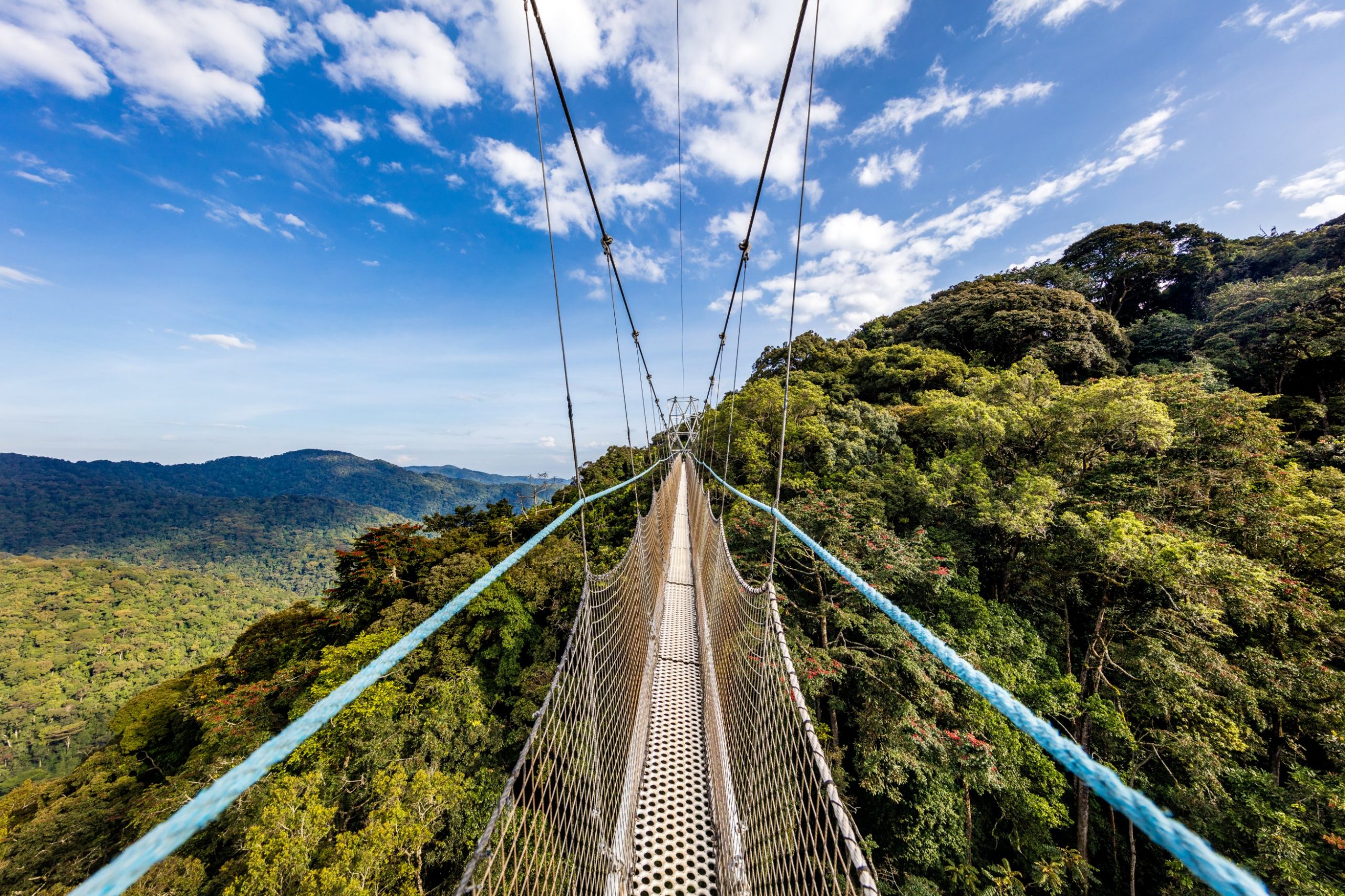
A photography safari in Rwanda's Nyungwe Forest National Park offers premier opportunities to capture chimpanzees, colobus monkeys, and vibrant birdlife within a dense, misty rainforest. Key photographic highlights include the 160-meter-high canopy walkway, Isumo waterfall, and 500+ bird species, with best visits during the dry season for hiking or wet season for primate tracking
20-days-complete-rwanda-uganda-safari-tour-combo
18-days-rwanda-uganda-birding-safari-and-primate-experience
16-days-exclusive-rwanda-safari-tour-and-gorilla-trekking-tour-package
14-days-magical-rwanda-photography-safari
10-days-rwanda-photography-safari-and-gorilla-trekking-adventure
11-days-rwanda-safari-tour-and-uganda-safari-vacation
12-days-rwanda-primate-safari-vacation-and-akagera-national-park
Best Time of Year for a Rwanda Photography Safari in Nyungwe
The ideal times for a photography safari in Nyungwe Forest, Rwanda, occur during the dry seasons from June to September and December to February. During these months, the trails tend to be less muddy, making it easier to trek through the forest and access various photographic locations. Clearer skies complement landscape shots, showcasing vibrant greens and the stunning topography of the forest. Wildlife, including diverse primate species, can be more easily spotted as they are more active during these dry spells.
Conversely, the wet seasons from March to May and October to November enrich the visual landscape with lush greenery, vibrant flowers, and thriving wildlife. This period is particularly appealing to bird watchers, as numerous migratory species inhabit the forest. The rain rejuvenates the environment, creating opportunities for photographers to capture the richness of life teeming within the forest. Waterfalls and streams also gain momentum, presenting dynamic backdrops for photography.
While the dry seasons are favorable for clearer and more manageable trekking, the wet seasons offer a unique appeal for photographers willing to embrace the unpredictability of the rainforest. Regardless of the season, visitors should be prepared for rapid weather changes typical of the rainforest. Packing waterproof gear, along with ensuring your camera equipment is protected, will enhance your photography experience.
Recommended Duration for a Rwanda Photography Safari in Nyungwe
For a fulfilling photography safari experience in Nyungwe, a duration of 3 to 4 days is recommended. This time frame allows photographers multiple opportunities for trekking, particularly to capture primate species like chimpanzees and Ruwenzori colobus monkeys. Given the dynamic nature of wildlife, having several days increases the likelihood of encountering these animals in various settings and behaviors.
Each trekking outing typically involves a guided tour, allowing photographers to observe the subtleties of animal interactions and activity. Engaging with experienced local guides is essential, as they can help locate wildlife and also advise on optimal photographic settings for the moment. Spending this length of time also enables photographers to capture the diverse flora and fauna within different light conditions, enhancing the quality and variety of photographs.
Moreover, a longer stay provides flexibility in case weather conditions or animal behaviors are less than ideal. This adaptability can significantly influence the success of your photography trip. In addition to chimpanzee trekking, additional activities like canopy walks, birding, and hiking trails offer further subjects to capture, making each day both rich and rewarding.
Permits Required for a Rwanda Photography Safari in Nyungwe
Yes, specific permits are required for a photography safari in Nyungwe Forest, and these are essential to ensure a responsible and regulated experience. For chimpanzee trekking, permits are approximately $90 to $100 for foreign non-residents. These permits grant access to locations where tourists can observe and photograph chimpanzees in their natural habitat, crucial for minimizing human impact on wildlife.
For birding enthusiasts, specialized birding permits cost around $50. These permits allow access to various trails renowned for their exceptional birdlife, enabling bird watchers to capture stunning images of local and migratory species alike. It's important to secure these permits well in advance, as they are limited and tend to sell out quickly, especially during peak seasons.
Obtaining the proper permits is not only a legal requirement but also ensures that conservation efforts are supported and that tourism activities within the park remain sustainable. The fees collected are often utilized for ongoing conservation projects, ranger salaries, and maintenance of the trails, further enhancing the park's biodiversity.
Primates to Photograph on a Rwanda Photography Safari
During a photography safari in Nyungwe, visitors can capture images of 13 different species of primates, making it a unique experience for wildlife photographers. The star attractions include chimpanzees, which share about 98% of their DNA with humans, offering incredible opportunities for close-up shots as they interact and exhibit their rich social behaviors.
Additionally, photographers can also focus on the Ruwenzori colobus monkeys, famous for their striking black and white fur and large troops that can comprise up to 300 individuals. Observing these monkeys, especially during their playful antics, provides captivating photographic opportunities. Other primates such as the L’Hoest’s monkey, blue monkeys, and owl-faced monkeys also inhabit the forest, adding to the variety of subjects available for photographers.
Tracking these primates often requires patience and careful movement, so understanding animal behavior and having the right equipment is essential for capturing the perfect shot. The dense forest habitat offers unique challenges and opportunities alike, making for a rewarding experience for photographers passionate about wildlife.
Flash Photography Rules During a Rwanda Photography Safari
Flash photography is strictly prohibited during a Rwanda photography safari, particularly while tracking primates such as chimpanzees. Flash can startle these sensitive animals, possibly disrupting their natural behavior and causing stress. The goal of responsible wildlife photography is to minimize human impact on the animals' habitat and behaviors.
Instead of relying on flash, photographers are encouraged to utilize natural lighting techniques to capture their subjects effectively. This might involve adjusting camera settings like ISO, aperture, and exposure compensation to accommodate the often dimly lit rainforest environment. Using a faster shutter speed or a higher ISO (800 to 3200) can help ensure clearer images without the need for flash.
Being respectful of wildlife, while capturing stunning photographs, is integral to the safari experience. Knowing when and how to observe animals without disrupting their peace is essential for ethical wildlife photography. Observers must remain silent, follow guidelines provided by tour guides, and equip themselves with the appropriate skills and gear to adapt to the natural conditions of the rainforest.
Photography Time Allotted on a Rwanda Photography Safari
On a Rwanda photography safari, once your trekking group successfully locates a troop of chimpanzees, you are typically granted one hour for observation and photography. This time restriction helps minimize human impact on the animals and ensures that they can continue their natural behaviors undisturbed.
The one-hour window allows photographers to capture various angles and interactions among the chimpanzees. Although this timeframe can feel short, it can be sufficient for securing compelling images if planned strategically. Photographers must be ready with their settings adjusted for rapid changes in lighting and movement, as chimpanzees are often quite active.
Maximizing this precious hour involves remaining calm and discreet, as fast movements or loud noises can startle the animals. Engaging in continuous shooting, rather than taking a few carefully composed shots, can help capture those candid moments.
Being well-prepared with your gear and already having your camera settings dialed in before locating the chimpanzees will enhance your chances of getting spectacular shots in that limited time.
Minimum Age for Rwanda Photography Safari Involving Trekking
The minimum age for participating in chimpanzee trekking during a Rwanda photography safari is 15 years old. This age restriction is enforced to ensure the safety of both the participants and the wildlife, given that trekking can involve physical challenges and a degree of unpredictability in animal behavior.
Younger individuals may have difficulty adhering to guidelines designed to protect both the animals and fellow trekkers. Ensuring that participants are mature enough to understand the importance of respecting the wildlife and following instructions from guides adds a layer of safety to the experience.
Families interested in a photography safari should plan accordingly, considering alternative activities available for younger children or individuals under 15. Various cultural tours or nature walks may still allow for fantastic photographic opportunities while catering to younger audiences.
By adhering to the age restrictions, families can ensure a safe and rewarding experience while capturing the beauty of Rwanda’s wildlife through photography.
Recommended Camera Gear for a Rwanda Photography Safari
For a successful photography safari in Nyungwe, a fast telephoto zoom lens, such as a 70-200mm f/2.8, is highly recommended. This type of lens excels in low-light conditions, common under the dense canopy, allowing for sharp images with beautiful background blur, also known as bokeh. These features are essential for capturing both fast-moving primates and the more sedentary birds that often inhabit the forest.
In addition to a suitable lens, carrying a lightweight monopod can provide added stability during treks without excessively burdening you. It's important to maintain image clarity as forest dynamics challenge conventional shooting techniques.
Utilizing high ISO settings (often between 800 and 3200) and wide apertures helps in managing the lower light situations. Being prepared for changing light, especially during early morning or late afternoon, will enhance image quality. Understanding your camera's capability to adjust settings quickly can make a significant difference.
Lastly, don’t forget to bring protective gear for your equipment—like rain covers or waterproof bags—since the rainforest can experience sudden downpours even in dry seasons. A well-prepared photographer will be equipped to capture the beauty of Nyungwe Forest, regardless of the unpredictable weather.
Managing Low Light During a Rwanda Photography Safari
Capturing sharp images in the dimly lit rainforest environment of Nyungwe requires a few essential techniques. First, consider using a high ISO setting, typically ranging between 800 and 3200, depending on the available light. Higher ISO settings enable you to maintain faster shutter speeds, which are crucial for freezing the motion of wildlife like chimpanzees and other primates.
Another strategy is utilizing wide apertures (f/2.8 or f/4), allowing more light to enter the lens while also producing a shallow depth of field. This technique creates an appealing background blur, drawing focus to the subject while effectively managing the low-light environment.
Being mindful of shutter speed is also crucial; generally, it should be fast enough to counteract movements—especially during action moments with wildlife. When conditions are challenging, shoot in continuous mode to improve chances of capturing that perfect moment as animals interact freely in their habitats.
Moreover, utilizing stabilization techniques, like a monopod, or focusing on areas of the image that are in motion will enhance image quality. Adapting to the unique light dynamics of Nyungwe ensures that photographers can return home with stunning images that reflect the rainforest's beauty, biodiversity, and the incredible encounters with wildlife.
Should I Bring a Tripod or Monopod on a Rwanda Photography Safari?
While considering the best support for your camera during a Rwanda photography safari, a lightweight monopod is often preferred over a traditional tripod. This choice is primarily due to the uneven terrain and tight spaces that characterize the forest environment. Monopods provide stability without the cumbersome footprint of a tripod, making them easier to manage during long treks.
A monopod is especially useful for wildlife photography, allowing you to quickly position your camera for fleeting moments without excessive setup time. They also provide enough support to help prevent camera shake, particularly when using telephoto lenses at slower shutter speeds in the dim light of the rainforest.
However, be mindful that using a monopod still requires some responsibility in terms of movement. It should never hinder your pace or ability to react when an opportunity arises. Ensure it’s compact enough to fit into your daypack easily when not in use.
While a tripod may be beneficial for stationary shots or long exposures, the rigorous nature of trekking and the dynamic wildlife encounters in Nyungwe often make a monopod a more practical choice. Ultimately, having the right support for your photography gear enhances both comfort and the quality of your images.
Protecting Photography Gear from Rain on a Rwanda Safari
Given Nyungwe's reputation as a rainforest, it is essential to take precautions to protect your camera gear from unexpected rain. Waterproof covers or dry bags are vital tools that help ensure your equipment remains safe during your Rwanda photography safari. These items create a barrier against moisture, preventing damage from sudden downpours or exposure to humidity, which is frequently present in rainforest environments.
Investing in good-quality rain covers designed for specific camera models can provide particular ease of use. If rain catches you off-guard, simply slip the cover over your camera and lens, allowing you to continue shooting without having to retreat to shelter.
Additionally, consider using lens pouches or waterproof backpacks that can further shield your gear. Keeping a silica gel packet in your bag can help absorb any ambient moisture, which is particularly important when transitioning between the humid forest and drier environments.
It is advisable to always have a microfiber cloth handy. This cloth can wipe down your gear and lenses after exposure to rain, ensuring clarity for your photographs. Staying proactive about protecting your equipment allows you to focus on capturing stunning images during your safari without the worry that weather could hinder your experience.
Drone Usage Regulations During a Rwanda Photography Safari
Using a drone on a Rwanda photography safari is subject to strict regulations governed by the Rwanda Civil Aviation Authority. Anyone interested in flying a drone must first obtain a specific permit to ensure that drone operations comply with local laws and do not disrupt wildlife or other visitors in protected areas like Nyungwe Forest.
Drone use can significantly enhance landscape shots and aerial views of the lush rainforest, but it’s critical to prioritize the environmental concerns associated with wildlife areas. Most national parks in Rwanda, including Nyungwe, have designated zones where drone usage is prohibited to minimize disturbances to local wildlife and maintain a serene experience for visitors.
Moreover, the use of drones requires adherence to safety guidelines to prevent accidents and ensure the safety of individuals below. Responsible use of drones can contribute to informative wildlife observation without intrusion, as long as the necessary permissions are obtained and guidelines followed.
Considering the complexities and potential impact on wildlife, many photographers opt for traditional ground-based techniques to capture the stunning biodiversity of Nyungwe Forest. If you plan to use a drone, thorough research and compliance with permits are vital to ensure an enjoyable and legally compliant photography safari.
Photography Opportunities on the Canopy Walk
The Canopy Walk in Nyungwe Forest provides unique photography opportunities due to its elevated position, approximately 50 meters above the forest floor. This suspended bridge, measuring about 90 meters long, allows visitors to capture the vibrant life thriving in the mid-canopy environment, giving perspective typically unattainable from the ground.
While traversing the walkway, photographers can focus on birds in flight, tree-dwelling primates, and the lush greenery that forms a stunning backdrop. Shots taken from this vantage point offer a dynamic array of compositions—ranging from sweeping landscapes to intimate wildlife interactions. For those interested in bird photography, the Canopy Walk serves as a prime location for spotting species that prefer the higher reaches of the forest.
To optimize photography during the Canopy Walk, consider using a camera with a versatile lens, such as a zoom lens (70-200mm), which can handle varying distances effectively. Adjust settings for the unique lighting conditions and utilize fast shutter speeds to capture movement without blur, particularly when photographing actively flying birds or swinging monkeys.
Overall, the Canopy Walk is a highlight for many photographers, offering a blend of adventure and visual excitement. This elevated perspective can yield breathtaking imagery reflective of Nyungwe's biodiversity and sheer beauty.
What to Wear for a Rwanda Photography Safari in Nyungwe
Dressing appropriately for a photography safari in Nyungwe Forest is essential for comfort and practicality. Opt for neutral colors such as khaki, green, or brown to blend into the surroundings and avoid startling wildlife. Long-sleeved shirts and long pants are beneficial; not only do they protect against scratches from dense vegetation, but they also offer some defense against insect bites, which can be common in rainforest settings.
Sturdy, waterproof hiking boots should be your footwear of choice, offering adequate grip and support while navigating potentially muddy and uneven terrains. Given Nyungwe's unpredictable weather, packing a lightweight, waterproof jacket or poncho is advisable to remain dry during unexpected downpours.
Accessories like a wide-brimmed hat and sunglasses can help protect against sun exposure, particularly during the canopy walk when spending time exposed to sunlight. Added items like a small daypack are invaluable for carrying essentials like water, snacks, and extra gear.
Taking the time to plan what to wear will ensure you remain comfortable and focused on capturing stunning photographs without being distracted by discomfort or weather-related issues. Being prepared in terms of attire significantly enhances the overall safari experience and contributes to successful wildlife photography.
Safety for Expensive Gear on a Rwanda Photography Safari
Rwanda is regarded as one of the safest travel destinations in Africa. Nevertheless, when carrying expensive photography gear during a safari, it is prudent to take specific precautions to safeguard your equipment. Always opt for lockable bags and backpacks that offer protection for your camera and lenses. This not only adds a layer of security but also deters opportunistic theft.
During your safari, avoid leaving gear unattended, even for brief moments. When in groups, designate a trusted companion to keep an eye on valuables. Adopting common-sense measures will reduce the likelihood of equipment loss or damage.
Additionally, invest in insurance for your photography equipment that covers theft, loss, and possible damage during travel. This peace of mind allows you to focus solely on capturing incredible images rather than worrying about your gear.
While participating in outdoor activities, it's wise to ensure that all equipment is securely stored when not in use and that you are in control of how and when you access your gear. By adopting proactive measures, photographers can enjoy a rewarding wildlife photography experience without undue concern about their equipment's safety or security.
Booking Rwanda photography safari with us Roads of Adventure safaris
Book your unforgettable Rwanda photography safari with Roads of Adventure Safaris! Experience breathtaking landscapes, diverse wildlife, and vibrant cultures in stunning locations like Nyungwe Forest and Volcanoes National Park. Our expert guides will ensure you capture the perfect shots of chimpanzees, golden monkeys, and exquisite bird species while navigating the lush rainforest. With personalized itineraries tailored to your interests, we guarantee a seamless adventure filled with picturesque moments. Join us for an amazing journey through Rwanda's natural beauty and create lasting memories through your lens. Contact Roads of Adventure Safaris today to start planning your dream safari!
