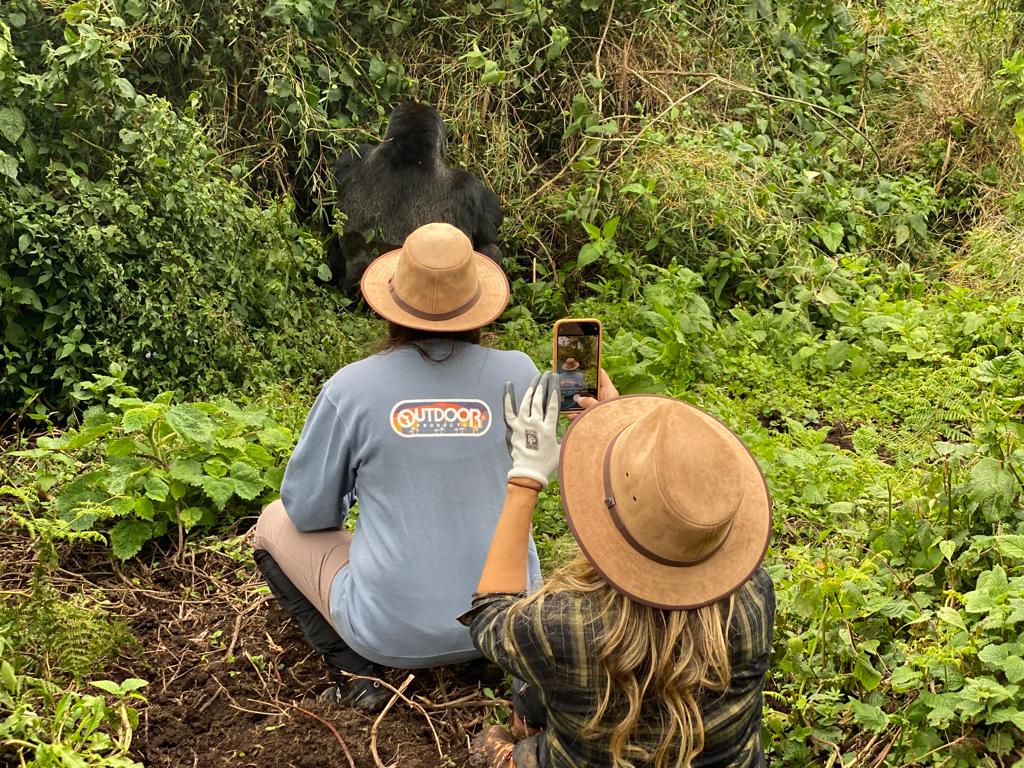
Volcanoes National Park in Rwanda is a premier destination for wildlife and landscape photography, characterized by its dramatic mist-shrouded peaks and lush rainforests. This iconic park, part of the Virunga Mountains, is world-renowned for its population of endangered mountain gorillas, offering rare opportunities to capture intimate portraits of these majestic primates in their natural habitat. Beyond the gorillas, photographers can document the vibrant golden-orange fur of playful golden monkeys, diverse birdlife, and sweeping volcanic vistas, such as the Mount Bisoke crater lake. For the best results, photographers should utilize the soft, golden light of early mornings and late afternoons. Whether capturing high-altitude scenic shots on Mount Karisimbi or the rich cultural life of nearby villages, a photography safari here promises a unique blend of technical challenge and profound natural beauty.
20-days-complete-rwanda-uganda-safari-tour-combo
18-days-rwanda-uganda-birding-safari-and-primate-experience
16-days-exclusive-rwanda-safari-tour-and-gorilla-trekking-tour-package
14-days-magical-rwanda-photography-safari
10-days-rwanda-photography-safari-and-gorilla-trekking-adventure
11-days-rwanda-safari-tour-and-uganda-safari-vacation
12-days-rwanda-primate-safari-vacation-and-akagera-national-park
What is the best time for a Rwanda photography safari?
The best time for a Rwanda photography safari unfolds during the dry seasons from June to September and December to February. These months are favored not only for stable weather patterns but also for fewer muddy trails, making trekking significantly easier. The dry conditions enhance visibility, allowing photographers to capture the enchanting beauty of both the wildlife and landscapes without the challenges posed by rain-soaked paths.
However, for those willing to brave the wet seasons—March to May and October to November—extraordinary rewards await. The rain brings lush greenery, dramatic skies, and captivating landscapes that many professional photographers prefer for their aesthetic appeal. This vibrant foliage not only enriches the backdrop for wildlife but also provides a unique contrast to the subjects you're capturing. The diffused light during these months can yield marvelous photographic effects, especially in the early hours of the day or just before sunset.
Ultimately, your choice of season should align with your photographic goals. If you prioritize ease of movement and wildlife accessibility, the dry season is suitable. Yet, for more dramatic landscapes and vibrant colors, the wet season offers a treasure trove of opportunities that can make your Rwanda photography safari uniquely rewarding.
How do I obtain a photography permit?
Obtaining a photography permit for your Rwanda photography safari primarily involves securing a standard trekking permit, which costs around $1,500 per person. This permit includes access to spend one hour with a habituated gorilla family, providing an unparalleled opportunity to capture intimate moments with these majestic creatures. The fee is a worthwhile investment, considering that the chance to photograph gorillas in their natural habitat is rare and profoundly rewarding.
For those seeking expanded photographic opportunities—like longer exposure times with gorilla families or commercial photography—special filming and professional photography permits can be arranged through the Rwanda Development Board (RDB). These permits allow for more extended sessions that can enhance your ability to capture the nuances of gorilla behavior and habitats.
It’s advisable to plan your permit application well in advance, especially during peak trekking seasons when demand is high. Providing the necessary documentation and adhering to the guidelines set forth by the RDB will facilitate the process. Obtaining the right permits not only ensures compliance with local regulations but also enriches your Rwanda photography safari experience as you immerse yourself in the captivating world of mountain gorillas.
How physically demanding is the trek?
The trekking experience during a Rwanda photography safari is both thrilling and physically demanding, ranging from moderate to strenuous levels. Depending on the specific gorilla family you plan to observe, you may find yourself hiking for 2 to 6 hours through dense vegetation, steep hills, and muddy slopes. This trek is not just a walk through the woods; it's an immersive journey through a captivating yet challenging environment that can test your endurance.
The physical demands of the trek are not to be underestimated. It’s essential that you prepare adequately, both physically and mentally, to navigate the rugged terrain. Proper footwear, appropriate clothing, and a good level of fitness will significantly enhance your trekking experience. Although the trek can be exhausting, reaching the gorilla family and capturing their extraordinary behavior is immensely rewarding.
Photographers should be particularly prepared to handle the delicate equipment while managing the physicality of the trek. The varying terrain could require different techniques to safeguard your camera gear while ensuring that you stay balanced and steady on the trails. Overall, while the trek may be demanding, the experience of encountering mountain gorillas in their natural habitat makes it unforgettable and well worth the effort during your Rwanda photography safari.
Can I hire a porter to carry my gear?
Yes, hiring a porter during your Rwanda photography safari is highly recommended, particularly if you plan to carry extensive photography gear. Porters are readily available at the park headquarters and typically cost around $15. They are accustomed to helping trekkers navigate the rugged terrain and are particularly beneficial for photographers who may be weighing down their packs with heavy lenses and multiple camera setups.
Having a porter not only alleviates the physical strain of carrying heavy equipment but also allows you to focus entirely on photography, ensuring you don’t miss those fleeting moments with the gorillas. Moreover, porters possess intimate knowledge of the trails, helping you navigate safely and efficiently while providing assistance with your gear.
While the costs associated with hiring a porter may seem like an added expense, the benefits far outweigh them. Porters contribute to local communities and are an essential part of the trekking experience in Rwanda. Engaging a porter enhances not only your own experience but also supports sustainable tourism efforts in the region, ensuring that your Rwanda photography safari contributes positively to local livelihoods.
What is the daily visitor limit for gorilla trekking?
To minimize the impact on gorilla families and preserve their natural behavior, the Rwanda Development Board has set specific visitor limits for gorilla trekking. Only 8 visitors are allowed per habituated gorilla family each day. This restriction is crucial in ensuring that the gorillas are not overwhelmed by human presence, allowing them to thrive in a more natural environment.
The limited visitor cap enhances the quality of the photography experience as well, enabling photographers to capture meaningful interactions and moments with the gorillas without feeling rushed or crowded. With a small group, each visitor can take their time to observe, appreciate, and photograph the unique dynamics within the gorilla family.
In addition to fostering a better experience for visitors and gorillas alike, the daily limit ensures that the ecological balance of the park is maintained. Maintaining these regulations is essential to sustaining thriving populations of mountain gorillas in Rwanda, ensuring they can be appreciated by future generations. As a photographer, understanding and respecting this visitor limit is vital to your Rwanda photography safari experience, enhancing both ethical practices and wildlife conservation.
What camera body is recommended?
For a Rwanda photography safari, particularly when observing and photographing gorillas, a DSLR or mirrorless camera is recommended, especially one with strong low-light performance and high ISO capability. The dense forest canopy in Rwanda presents challenging lighting conditions, necessitating a camera that can effectively capture sharp images in suboptimal lighting.
A camera body with at least 20 megapixels will allow for high-resolution images, which is especially important when you're capturing detailed expressions or dramatic interactions among the gorillas. Look for models that excel in low-light situations and have fast autofocus systems to ensure you can quickly capture spontaneous moments before they disappear.
Additionally, consider the weight and portability of your camera body. Since you'll be trekking through challenging terrain, a manageable weight can significantly improve your overall experience. Ultimately, investing in a capable camera body will enhance your ability to capture incredible images during your Rwanda photography safari, ensuring that every moment spent with the magnificent mountain gorillas is immortalized beautifully.
Which lenses are best for a Rwanda photography safari?
Selecting the right lenses is crucial for a successful Rwanda photography safari. A versatile lens kit typically includes a 70-200mm f/2.8 lens as a primary choice for portraits. This lens enables you to zoom in on the gorillas, capturing the nuances of their expressions and interactions while maintaining a comfortable distance.
For broader environmental shots, a 24-70mm lens is excellent when gorillas approach closely, allowing you to frame them against the lush backdrop of the rainforest. If you're looking for extra reach, particularly for shy individuals, a 100-400mm lens can be invaluable, giving you versatility for both wildlife and any birds you may encounter along the way.
Lenses with wide apertures will also enable you to work effectively in low-light conditions, which are common in the dense undergrowth of the rainforest. High-quality optics not only provide clarity but also create pleasing bokeh, enhancing your artistic shots.
Bringing multiple lenses on your Rwanda photography safari will ensure that you’re prepared for diverse photographic scenarios, maximizing your opportunities to capture the breathtaking beauty of Rwandan wildlife and landscapes.
Is flash photography allowed?
No, flash photography is strictly prohibited during a Rwanda photography safari, particularly when photographing gorillas. Flash can startle or irritate the gorillas, potentially causing them stress or aggression, which compromises both the safety of visitors and the well-being of the animals.
Given the unique nature of gorilla trekking, it’s crucial to respect the animals' comfort. Instead of relying on flash, photographers are encouraged to utilize natural light and manipulate camera settings to achieve well-exposed images. Shooting during the golden hours—early morning and late afternoon—can yield softer light, ideal for capturing stunning photographs.
Additionally, adjusting settings like ISO can help manage low-light conditions. Starting with an ISO of 800-1600 is advisable for gorilla shots, along with a wide aperture (f/2.8 to f/5.6) and appropriate shutter speeds (1/250s to 1/500s) to freeze movement without disturbing the gorillas.
Understanding the ethical implications and respecting the prohibition on flash photography creates a more harmonious experience during your Rwanda photography safari, ensuring you capture beautiful images while maintaining a strong commitment to wildlife conservation.
Should I bring a tripod or monopod?
When embarking on a Rwanda photography safari, choosing the right support equipment is essential for effective photography in challenging environments. Standard tripods might be too bulky for the narrow, uneven trails of the rainforest. Instead, a lightweight monopod is often the better alternative, offering stabilization for low-light photography while being easy to maneuver through dense foliage.
Monopods provide a good compromise, allowing you to stabilize your camera without the bulk of a tripod. They are also particularly useful when shooting at slower shutter speeds, which is often necessary in the shaded, low-light conditions present in the dense forest.
However, you’ll want to ensure your monopod is sturdy enough to support your camera setup, especially if you're using heavier lenses. Additionally, a bean bag can serve as a portable option for stabilization when you don't want to carry any extra equipment.
Ultimately, whether you choose a monopod or a lightweight tripod, having some form of stabilization is essential to enhance the quality of your images during your Rwanda photography safari, increasing your chances of capturing stunning moments with the magnificent mountain gorillas.
How do I protect my gear from the elements?
Protecting your gear from the unpredictable elements is crucial during a Rwanda photography safari, especially given the rainforest's variable weather. Bring a dedicated rain cover for your camera, which serves as an essential safeguard against sudden downpours. Since rain is common, particularly during the wet season, this cover can mean the difference between preserving your gear and facing potential damage.
In addition to a rain cover, consider using a waterproof dry bag for your backpack. This ensures that your gear remains dry, even in wet conditions. A simple yet effective field hack to offer quick protection around the camera lens is a shower cap; it fits easily over the lens without taking much space in your bag.
To further defend against dust and moisture, regularly check and clean your camera gear. A small blower can help eliminate any particles that might compromise your images.
Ultimately, being well-prepared for weather variations will significantly enhance your experience, allowing you to focus on capturing the incredible wildlife and landscapes that await you during your Rwanda photography safari.
Can I use a drone for aerial shots?
No, drones are strictly prohibited in Rwanda’s national parks, including during your Rwanda photography safari. This regulation is in place primarily to protect wildlife and ensure the safety of all visitors. Drones can disturb animals and disrupt their natural behavior, creating stress that could potentially endanger both the wildlife and the people present.
If you are hoping to capture aerial perspectives, it’s important to rely on traditional photography techniques. Using telephoto lenses can help get closer to the action without disrupting the natural environment, while capturing wide-angle landscapes can provide a cinematic feel to your shots.
Moreover, adhering to these regulations reflects your commitment to responsible wildlife photography. Encouraging conservation efforts and protecting the delicate ecosystems in Rwanda enhances not only your experience but also ensures that future generations can appreciate the stunning landscapes and rich biodiversity.
Respecting the prohibition on drones during your Rwanda photography safari will help maintain the natural beauty and integrity of these breathtaking national parks, allowing you to immerse yourself fully in the wildlife experience.
What are the ideal camera settings for gorilla shots?
When photographing gorillas during your Rwanda photography safari, understanding the ideal camera settings is crucial for achieving stunning images. Start by setting your ISO between 800 and 1600. Given the dense forest canopy, higher ISO settings will allow you to capture clearer images in low light without introducing excessive noise.
In addition to ISO, it's advisable to use a wide aperture setting, typically between f/2.8 and f/5.6. This approach permits more light to enter the lens while creating captivating background blur—also known as bokeh—highlighting your gorilla subjects effectively.
Your shutter speed is equally critical. Aim for a speed of at least 1/250s to 1/500s to freeze movement, particularly given the potential for active and lively gorillas. This balance of settings will help you capture the emotion and character of these magnificent animals amidst their rugged habitat.
Cross-referencing these settings with the available natural light during your trekking experience will further enhance your outcomes. Adjusting while shooting is essential; observations of the light and behavior of the gorillas will guide you to adapt your settings accordingly. Utilizing these optimal camera settings enhances your ability to create captivating and dynamic images during your Rwanda photography safari.
How can I capture the best gorilla portraits?
Capturing compelling gorilla portraits during your Rwanda photography safari requires both technical skill and an understanding of animal behavior. One of the primary tips is to focus on the eyes of the gorillas; the eyes express emotions and can convey a powerful connection to the viewer. When you capture that intense gaze, it adds depth to your imagery.
Shooting from a low angle while at the gorilla's eye level creates a sense of intimacy that enriches your portraits. This perspective helps document the gorilla’s natural expressions and moments, making the viewer feel like they are part of the scene. A 70-200mm lens excels in allowing close-up shots without invading the gorilla’s space.
Pay attention to the surrounding elements as well. The rainforest provides a textured backdrop; incorporating some of that into your shots can enhance the overall composition. Approaching quietly and not overwhelming the gorillas will increase the likelihood of capturing more candid and authentic expressions.
Lastly, allocate the first few moments of your one-hour session to observe the gorillas' behaviors. Understanding their dynamics will not only help you anticipate great photographic opportunities but also ensure a respectful distance is maintained. Following these steps will enable you to create stunning, emotive portraits during your Rwanda photography safari.
What is the required safety distance?
During your Rwanda photography safari, maintaining a required safety distance from the gorillas is paramount for both your safety and their well-being. Visitors must keep a minimum distance of 7 meters (approximately 23 feet) from the gorillas at all times. This guideline is crucial in preventing the transmission of diseases from humans to these sensitive animals, as well as in respecting their natural behaviors.
While the urge to get closer for a better shot may be strong, adhering to this distance ensures a more ethical approach to wildlife photography. It allows the gorillas to act naturally without the added stress of human presence.
Guides will always accompany trekking groups to enforce this minimum distance and safeguard both visitors and gorillas. Engaging with your guide, who has experience in navigating these encounters, will enhance your overall experience.
By respecting these safety guidelines, you ensure a responsible and enriching experience that prioritizes the health of the gorillas while also allowing for beautiful photographic opportunities during your Rwanda photography safari.
Are there other photography subjects besides gorillas?
Yes, a Rwanda photography safari offers numerous opportunities beyond just gorillas. The parks are home to golden monkeys, which provide unique photographic subjects with their playful demeanor and vibrant fur. They are often found in the same areas as the gorillas and can make for fun, engaging images.
Moreover, the region boasts over 300 bird species, making it a delightful destination for birdwatchers and photographers alike. Species such as the Rwenzori turaco and the great blue turaco are just a few examples found in the lush landscape, offering a riot of colors that enhance any portfolio.
Additionally, Rwanda’s stunning volcanic landscapes, particularly around the Mount Bisoke crater lake, are remarkable subjects for landscape photography. Capturing the juxtaposition of the serene lake with the dramatic volcanic backdrop provides beautiful imagery that reflects the country's natural beauty.
By incorporating these additional subjects into your safari experience, you expand your photographic horizons and opportunities. Embracing the diversity of wildlife and landscapes will enrich your Rwanda photography safari, allowing you to create a broader and more captivating visual story.
Booking Rwanda photography safari with us Roads of Adventure safaris
Book your ultimate Rwanda photography safari with Roads of Adventure Safaris for an unforgettable, personalized journey. We specialize in capturing breathtaking images of mountain gorillas in Volcanoes National Park, chimpanzees, and rich biodiversity in Akagera. Our expert, flexible guides ensure you get the best shots in the "Land of a Thousand Hills," offering customized itineraries including, canopy walks and scenic lake views. Enjoy intimate, high-quality wildlife photography experiences with tailored, luxurious, or mid-range, options. Contact us today to secure your, bespoke, photographic adventure in Rwanda
