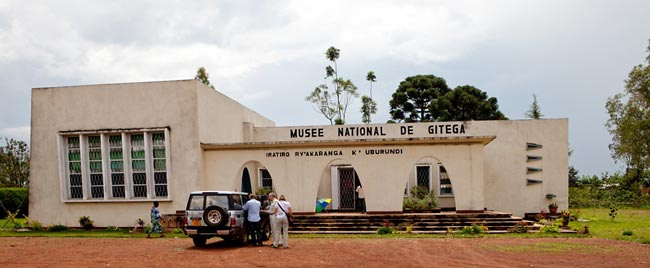
Founded in 1955 under Belgian rule, the National Museum of Gitega is the largest repository of Burundian heritage, located in the nation's political capital. It safeguards traditional folk culture, including ethnographic items, royal regalia, drums, and historical artifacts. Despite its modest size, it serves as a vital cultural center, showcasing pottery, weapons, and tools. The museum offers insights into the royal court, alongside botanical and geological specimens. While funding has been limited, a 2015 catalogue helped document its collection. Visitors can explore the country's rich, history, with guides providing context for the exhibits.
3-days-best-kibira-national-park-chimpanzee-tracking-and-bujumbura-city-tour
1-day-exciting-bujumbura-city-tour-excursion-in-burundi
5-days-bujumbura-rusizi-national-park-karera-waterfalls-falls-drum-sanctuary-tour-package
8-days-best-of-burundi-safari-holiday-combined-with-cultural-experience
7-days-exclusive-burundi-cultural-tour-and-chimpanzee-tracking-in-kibira-park
9-days-best-rwanda-safari-and-burundi-safari-holiday-vacation-combo
10-days-best-of-burundi-wildlife-safari-vacation-all-best-palaces-in-burundi
12-days-best-rwanda-primate-safari-and-burundi-cultural-safari-tour-holiday
11-days-amazing-burundi-safari-with-cultural-exposure
20-days-perfect-rwanda-burundi-uganda-safari-vacation-with-cultural-experience
What Is the National Museum of Gitega?
The National Museum of Gitega stands as the foremost historical museum in Burundi, playing a crucial role in the cultural preservation of the nation. Established to showcase and safeguard Burundian heritage, the museum is dedicated to preserving artifacts, artworks, and items that reflect the country’s rich folk culture. As a repository of Burundi’s history, the museum aims to educate visitors about traditional practices, beliefs, and the societal structures that have shaped this East African nation.
The museum features an array of exhibits that illuminate various aspects of Burundian life, from its traditional music and art forms to historical lifestyles and social customs. By doing so, it provides an essential space for both locals and tourists to engage with the nation's rich history and cultural diversity. The museum prioritizes the preservation of traditions threatened by modernization and globalization, ensuring that future generations can appreciate and understand their cultural roots.
Throughout the years, the museum has become more than just a collection of objects; it serves as a vital educational resource for schools, researchers, and cultural enthusiasts. As Burundi continues to navigate its post-colonial identity, the National Museum of Gitega stands out as a beacon of cultural pride and historical significance, emphasizing the importance of heritage in defining a nation’s identity and collective memory.
When Was the National Museum of Gitega Founded?
The National Museum of Gitega was founded in 1955 under Belgian colonial rule, a time during which Burundi was undergoing significant political and social changes. The establishment of the museum was a response to the increasing need for the preservation of Burundian culture and history, especially as the country faced the pressures of modernization and Western influence. Recognizing the importance of safeguarding national heritage, the Belgian authorities-initiated efforts to curate and display artifacts that represented the diverse cultures within Burundi.
Founded during a period of colonial rule, the museum also acts as a reminder of the historical complexities and socio-political challenges faced by Burundi. Since its inception, the museum has played a central role in documenting the evolution of Burundian society, showcasing artifacts and exhibits that tell the story of the nation’s journey through time.
The establishment of the National Museum of Gitega coincided with growing awareness about the importance of identity and cultural heritage in post-colonial societies. Over the years, it has evolved, reflecting changes in both the country and the global community’s views on cultural preservation and heritage. Today, it stands as a testament to Burundi's rich history, making its establishment pivotal to the narrative of the nation.
Where Is the National Museum of Gitega Located?
The National Museum of Gitega is located in the city of Gitega, which serves as the political capital of Burundi. Situated in the center of the country, Gitega is historically significant as it was once the royal capital and the seat of the Kingdom of Burundi. This location enhances the museum's importance, as it not only preserves cultural heritage but is also rooted in a city that embodies the historical legacy of the Burundian monarchy.
Gitega's geographical positioning offers both accessibility and relevance to visitors interested in exploring Burundi's cultural history. Being situated in a city with deep historical ties to the kingdom adds layers of significance to the museum's exhibits. Visitors can easily engage with the surroundings, exploring various landmarks and sites that further contextualize the artifacts housed within the museum.
Additionally, Gitega’s evolving role as the political capital brings fresh attention to the museum, positioning it as a key tourist destination in the country. The synergy between the museum and its location fosters an enriched understanding of Burundian culture, providing a vital link to the historical narratives and traditions that the National Museum of Gitega endeavors to preserve for present and future generations.
Why Was the National Museum of Gitega Established?
The establishment of the National Museum of Gitega stemmed from a pressing need to preserve Burundian folk culture, artifacts, and historical items at a time when modernization threatened to overshadow traditional practices. Founded in 1955, the museum’s creation was a response to both colonial influences and the realization that the rich heritage of Burundi required a dedicated institution to safeguard its cultural legacy.
By focusing on the preservation of artifacts and traditions, the museum aims to educate future generations about the unique elements that define Burundian identity. The museum not only houses objects of artistic and historical significance but also provides a platform for cultural education, ensuring that traditional practices are not lost in the face of globalization and changing societal norms.
Through its various exhibits, the National Museum of Gitega offers insights into Burundian history, social customs, and artistic expressions, thereby promoting national pride and awareness. The museum serves as a repository for stories and traditions that might otherwise be forgotten, fostering a sense of continuity and cultural identity among the Burundian people.
In essence, the museum’s establishment is a vital part of Burundi’s broader narrative, emphasizing the importance of heritage preservation in a rapidly changing world. By creating a space dedicated to Burundian culture, the National Museum of Gitega contributes significantly to the understanding and appreciation of the nation’s rich history, making it a cornerstone of cultural preservation efforts in the country.
Is the National Museum of Gitega the Largest Museum in the Country?
Yes, the National Museum of Gitega holds the distinction of being the largest public museum in Burundi. As the premier institution dedicated to the preservation and exhibition of Burundian cultural heritage, it houses a vast collection of artifacts, documents, and exhibits that represent the diverse aspects of the nation’s history and folk culture.
The museum’s size and scope allow it to offer a comprehensive overview of Burundian traditions, from ancient artifacts to contemporary cultural expressions. Its expansive collections focus on various themes, including traditional arts, musical instruments, and historical items, providing a holistic understanding of the cultural landscape of Burundi.
As the largest museum, the National Museum of Gitega plays an essential role in educating both locals and visitors about the richness of Burundian heritage. This significance is compounded by its location in Gitega, a city rich in historical context and cultural importance. The museum attracts a steady stream of visitors, making it a central hub for cultural exchange and education in Burundi.
In addition to its diverse collections, the museum also facilitates various educational programs and events that engage the community, further solidifying its position as a leading institution for cultural preservation. The National Museum of Gitega's significance as the largest public museum in the country underscores its crucial role in safeguarding and celebrating the rich tapestry of Burundian heritage.
Does the National Museum of Gitega Have a Catalogue?
Yes, the National Museum of Gitega has published a catalogue titled Le Patrimonies Burundians: le Musée de Gitega, released in 2015. This catalogue serves as a significant resource, detailing the museum’s various collections and providing insights into the cultural heritage of Burundi. Through this publication, the museum aims to document its extensive holdings and present them to a broader audience, including researchers, students, and cultural enthusiasts.
The catalogue is designed not only to serve as an informational tool but also to promote awareness and appreciation of Burundian traditions and artifacts. By highlighting key pieces within its collection, the museum emphasizes the importance of preserving cultural history and encourages visitors to explore the stories behind the items displayed.
Highlighting various themes, such as traditional arts, music, and historical artifacts, Le Patrimoine Burundais reflects the museum’s commitment to cultural education. The catalogue also serves to enrich the visitor experience by providing context for the exhibitions, fostering a deeper connection between the audience and the cultural heritage of Burundi.
Overall, the existence of this catalogue exemplifies the National Museum of Gitega's dedication to preserving its history and promoting understanding of its cultural significance, enhancing the role of the museum as an educational and cultural resource within Burundi.
What Is the Significance of Gitega for the National Museum of Gitega?
Gitega holds profound historical and cultural significance for the National Museum of Gitega, as it was once the seat of the Kingdom of Burundi and the capital of the kings (mwami) until 1966. This historical backdrop enriches the museum’s narrative, making it a fitting location for an institution dedicated to preserving and showcasing the nation’s rich heritage.
As the former royal capital, Gitega is deeply interwoven with the identity and traditions of Burundian society. The museum’s collections often reflect the royal legacy, including artifacts and items that pertain to the history of the monarchy and the customs practiced during that era. This connection not only enhances the museum’s role as a guardian of national heritage but also positions Gitega as a critical site for understanding Burundian history.
Moreover, Gitega’s significance as the historical seat of power elevates the museum’s profile as a cultural institution. It becomes a place where visitors can explore the stories of the kingdom and the people who have shaped Burundi's past. By situating the museum in this historically rich city, it plays a vital part in fostering local and national pride, encouraging communities to engage with their cultural roots.
Ultimately, Gitega’s status as the former capital adds depth to the National Museum of Gitega, making it an essential element in the broader narrative of Burundian culture and history. The museum serves not only as a repository of artifacts but also as a bridge connecting past traditions to contemporary Burundian identity.
How Many Visitors Does the National Museum of Gitega Receive?
In 2014, the National Museum of Gitega averaged between 20 to 50 visitors per week, a figure that illustrates its role as a crucial cultural institution albeit with a modest visitor turnout. While being the largest public museum in Burundi, these numbers reflect the challenges faced by cultural attractions in attracting larger audiences. Factors influencing visitor numbers may include limited awareness, accessibility, and tourism trends within the country.
Despite these challenges, the museum plays an essential role in educating the public about Burundian culture and heritage. The modest numbers also present opportunities for growth; the museum continues to engage in outreach initiatives, school programs, and community events aimed at increasing local interest and participation. By fostering partnerships with educational institutions and promoting cultural awareness, the museum aims to draw more visitors and enhance its impact within the community.
Efforts to boost attendance may include special exhibitions, workshops, or cultural events that appeal to both locals and tourists. The museum's dedication to preserving and celebrating Burundian culture positions it as a potential focal point for local tourism.
Ultimately, the visitor numbers reflect not only the current state of cultural engagement in Burundi but also the ongoing efforts of the National Museum of Gitega to provide valuable experiences that can inspire a greater appreciation for Burundian heritage among both residents and visitors.
What Can Be Seen Inside the National Museum of Gitega?
Inside the National Museum of Gitega, visitors can explore a rich collection that highlights Burundian history, culture, and artistic expression. The museum houses various traditional arts and artifacts, including intricate musical instruments that showcase the country’s rich music heritage. Instruments such as the inchiri and ikembe reflect the importance of music in Burundian society, with each piece telling its own story.
Additionally, the museum features ancient Burundian clothing that offers insights into local customs and fashion heritage. These garments not only display artistic craftsmanship but also reveal the socio-cultural identity of the Burundian people through various historical periods.
Household items such as baskets, calabashes, and traditional tools are also on display, allowing visitors to gain a deeper understanding of daily life in historical Burundi. Each item contributes to a broader narrative about the culture and practices that have shaped Burundian society.
Furthermore, the museum hosts a collection of historical photographs and documents, preserving the visual history of the country and offering a glimpse into significant events and milestones. These resources serve as valuable archives, providing context and depth to the exhibits and helping to educate visitors about the evolution of Burundian culture.
Overall, the diverse array of exhibits at the National Museum of Gitega reflects the multifaceted nature of Burundi’s heritage, making it a vital destination for anyone interested in learning about this beautiful country’s past and present.
Does the National Museum of Gitega Have Royal Artifacts?
Yes, the National Museum of Gitega boasts a collection of royal artifacts that offer insight into the history and legacy of the Burundian monarchy. These artifacts are of great cultural and historical significance, showcasing the artistry, traditions, and social structures that defined the kingdom over the centuries.
Items such as royal regalia, ceremonial objects, and artworks reflect the grandeur and cultural richness of the Burundian monarchy. These artifacts not only serve as reminders of the historical authority of the kings—known as mwami—but also illustrate the various rituals, customs, and practices that were integral to royal life.
Visitors to the museum can gain an understanding of the importance of these artifacts in the ceremonial life of the kingdom, including their roles in various rites and celebrations. The presence of royal artifacts emphasizes the museum's role in preserving the legacy of the monarchy and its impact on Burundi's cultural identity.
In showcasing these royal treasures, the National Museum of Gitega reinforces the narrative that connects the past with contemporary Burundian identity. It fosters a sense of pride among locals while educating visitors about the rich heritage and traditions that have shaped the fabric of Burundian society.
Through these displays, the museum not only highlights the historical significance of the monarchy in Burundi but also emphasizes the importance of preserving and celebrating this unique cultural heritage for future generations.
Are There Traditional Drums in the National Museum of Gitega?
Yes, the National Museum of Gitega holds a significant collection of artifacts related to traditional Burundian drums, which are a vital aspect of the country’s cultural heritage. Drumming is an integral part of Burundian music and social life, often used in ceremonies, celebrations, and communal gatherings. The museum's collection showcases various types of traditional drums, reflecting the artistry and craftsmanship involved in their creation.
Among these, the inyanga and ibihango drums are particularly noteworthy, as they are associated with the royal court and important cultural events. These drums are not only musical instruments but also symbols of identity, community, and history. Each drum has its own distinctive sound and purpose, often accompanied by traditional dances and songs that further enrich the cultural significance of these performances.
The presence of traditional drums within the museum emphasizes the importance of music and rhythm in Burundian society, where they play an essential role in storytelling, celebrating life events, and expressing communal values. By highlighting these artifacts, the National Museum of Gitega fosters an understanding of how deeply intertwined music is with the cultural fabric of the nation.
Visitors to the museum can engage with the history and significance of these drums, gaining insights into the role of music in cultural expression and social cohesion within Burundian communities. The museum’s dedication to preserving and showcasing these traditional musical instruments plays a vital part in keeping the heritage alive for future generations.
What Kinds of Household Items Are in the National Museum of Gitega?
The National Museum of Gitega features an intriguing collection of household items that provide a glimpse into everyday life in historical Burundi. These artifacts, ranging from practical tools to decorative objects, reflect the social customs, craftsmanship, and daily activities of Burundian people throughout the years.
Among the featured items are traditional baskets, often woven with intricate designs, which were used for carrying food, collecting harvests, and storing goods. These baskets are not only functional but also showcase the artistry and skills passed down through generations, emphasizing the importance of craftsmanship in Burundian culture.
Calabashes, another common household item, demonstrate the ingenuity of local artisans. Used for various purposes, including drinkware and food storage, these calabashes are an essential part of Burundian households and are often ornately decorated.
Additionally, the museum's collection includes various traditional tools used for farming, cooking, and crafting. These items help illustrate the backgrounds of agricultural practices and domestic life, revealing how cultural practices influenced the material culture of Burundi.
By showcasing these household artifacts, the National Museum of Gitega offers visitors valuable insights into the day-to-day lives of Burundians, helping them to understand and appreciate the traditions that have shaped the country’s history and culture. Overall, this collection enriches the narrative of Burundian heritage, emphasizing the importance of both practical and artistic expressions in the nation's identity.
Are There Historical Photos in the National Museum of Gitega?
Yes, the National Museum of Gitega houses an important collection of historical photos and archives related to the history of Burundi. These photographs serve as valuable visual documents that capture significant moments, events, and people throughout the country’s past. The presence of these photographs adds depth to the museum’s exhibits, enriching the narratives surrounding Burundian history and culture.
The archived photos often depict various aspects of life in Burundi, including traditional practices, historical events, and notable figures, providing visitors with a visual context for understanding the evolution of the nation. By showcasing these images, the museum preserves the memory of historical moments that have shaped Burundian society and identity.
Furthermore, the historical photos contribute to a broader understanding of Burundi's colonial past, social dynamics, and political transformations. They serve as a poignant reminder of the country's journey and the resilience of its people in the face of challenges.
Visitors to the museum can engage with these photographic archives, allowing for a multi-faceted exploration of Burundian history. By integrating visual elements with tangible artifacts, the National Museum of Gitega creates a rich educational experience, bridging the gap between the past and present.
What Type of Weapons Are in the National Museum of Gitega?
The National Museum of Gitega showcases an array of traditional weapons that were utilized in ancient Burundian society. These artifacts reflect the historical importance of weaponry, not just for conflict but also for cultural and ceremonial purposes. The weapons on display include spears, bows, arrows, and traditional shields, each telling a story about the craftsmanship and martial practices of the Burundian people throughout their history.
These traditional weapons serve multiple roles, from practical usage in warfare to symbolic functions in rituals and ceremonies. The designs and materials used in their creation often reflect the societal values and resources available at the time. For example, the varying spearheads may indicate different hunting or combat techniques, while shields may showcase artistic expressions unique to various tribes or clans.
The exhibition of these weapons provides essential insights into the martial culture of Burundi, illustrating how conflict and defense were part of everyday life in ancient societies. Additionally, displays often highlight the transition of Burundian society from traditional warfare to modern governance, marking a significant evolution in the country’s history.
Visitors to the museum can engage with these artifacts, gaining a deeper understanding of their significance in Burundian heritage. By including traditional weapons in its collection, the National Museum of Gitega enriches the dialogue about the country's past and fosters appreciation for the artistic and cultural narratives tied to these historical items.
Does the National Museum of Gitega Feature Welding Fans?
Yes, the National Museum of Gitega features traditional welding fans among its exhibits. These tools are an essential part of the metalworking process, reflecting the ingenuity and craftsmanship inherent in Burundian artisanal traditions. Traditional welding fans are used to direct air toward a fire, intensifying it for metalworking, and they play a vital role in the fabrication of tools, weapons, and other metal artifacts.
The inclusion of welding fans in the museum's collection highlights the significance of metallurgy in ancient Burundian society. Artisans who worked with metal were highly respected, and their skills were critical for producing functional items that served both everyday needs and ceremonial purposes. The fans are often handcrafted from locally sourced materials, showcasing the resourcefulness and artistic flair of Burundian craftsmen.
By exhibiting welding fans, the National Museum of Gitega sheds light on the historical importance of metalworking techniques, illustrating how traditional practices have shaped the societal landscape of Burundi. Additionally, the display provides a context for understanding how craft traditions have evolved and adapted over time in response to changing technologies and cultural influences.
Visitors can appreciate not just the functional aspects of these fans, but also their artistic qualities, as many are beautifully designed and decorated. Through these exhibits, the museum emphasizes the role of craftsmanship in preserving and celebrating Burundian culture, connecting visitors with the heritage of artisanal skills passed down through generations.
How Is the Collection Displayed in the National Museum of Gitega?
The collection at the National Museum of Gitega is primarily displayed in a single room, creating an intimate setting for visitors to engage with the exhibits. This layout allows for a focused experience, where guests can easily navigate the various artifacts and gain insights into the rich cultural heritage of Burundi without feeling overwhelmed. The compact arrangement facilitates a deeper understanding of the individual items, as each piece can be studied in relation to the others on display.
The organization of the collection is thematic, grouping artifacts according to their cultural significance, functionality, or historical context. For example, visitors may find traditional weapons alongside household items, musical instruments, and royal artifacts, allowing them to appreciate the interconnectedness of daily life, art, and social structures in Burundian culture. This cohesive display encourages visitors to draw connections between different aspects of the Burundian experience.
The curatorial approach not only highlights the diversity of the collection but also emphasizes the importance of cultural preservation in a rapidly modernizing world. By concentrating the exhibits in one room, the museum fosters a tranquil atmosphere conducive to learning and reflection.
While the single-room display may seem limiting compared to larger institutions, it cultivates a unique charm that enhances the visitor experience. Guests can fully immerse themselves in the stories and cultural narratives that the artifacts tell, promoting a greater appreciation of Burundi's heritage and the role of the National Museum of Gitega in preserving it.
Is the National Museum of Gitega Open to Tourists?
Yes, the National Museum of Gitega is open to tourists and serves as a popular destination for visitors interested in exploring Burundian culture and history. Its reputation as the largest and most significant museum in Burundi attracts both locals and international travelers alike. The museum provides a unique opportunity for tourists to engage with the rich heritage of the country and gain insights into the traditions, customs, and historical narratives that have shaped Burundian society.
Efforts have been made to promote the museum as a central part of tourism in the region, with various outreach programs designed to increase awareness and accessibility. Tourists can enjoy a variety of exhibits that range from traditional arts to royal artifacts, all displaying the cultural richness of Burundi.
The welcoming atmosphere of the museum often encourages dialogue and interaction between visitors and local communities, further enriching the experience. The museum acts as a bridge, connecting the past with the present and fostering appreciation for Burundian cultural heritage among tourists.
Overall, the National Museum of Gitega stands as a vital focal point for tourism in Burundi, offering a rewarding experience that engages visitors in a meaningful exploration of the country’s unique cultural landscape. Whether a traveler is keen to learn about history or simply seeks to appreciate the beauty of Burundian artifacts, the museum serves as an invaluable resource.
Can I Visit the National Museum of Gitega After Seeing the Gishora Drum Sanctuary?
Yes, visiting the National Museum of Gitega after seeing the Gishora Drum Sanctuary is a popular recommendation for tourists exploring the cultural heritage of Burundi. The Gishora Drum Sanctuary is renowned for its important role in Burundian music and ceremonial practices, famous for its traditional drumming performances and rich musical history. Both sites offer unique perspectives on Burundian culture and serve as complementary experiences for visitors.
The relatively close proximity between the Gishora Drum Sanctuary and the National Museum of Gitega makes it convenient for tourists to explore both locations in one trip. Starting with the Gishora Sanctuary provides a lively introduction to Burundian music and tradition, immersing visitors in vibrant performances and cultural narratives. Following this, a visit to the National Museum of Gitega allows for a deeper understanding of the country’s cultural history through displayed artifacts, traditional crafts, and historical context.
By pairing these visits, guests are able to appreciate not only the aesthetic and ceremonial aspects of Burundian culture but also the historical roots and narratives that inform those practices. Engaging with both sites fosters a comprehensive understanding of the interconnectedness of music, art, and societal values in Burundi.
Tourists often find that this combination enhances their overall experience, allowing them to engage more profoundly with the cultural fabric of the nation. By exploring both the Gishora Drum Sanctuary and the National Museum of Gitega, visitors can enjoy enriching insights into the diverse heritage of Burundi.
What Are the Opening Hours of the National Museum of Gitega?
Opening hours for the National Museum of Gitega can vary, and it is often best for visitors to confirm specific daily hours upon arrival. The museum typically operates during standard daytime hours to accommodate tourists and school groups, but seasonal fluctuations and local events may affect its schedule. Checking in with local sources or guides can provide the most accurate and up-to-date information regarding operating hours.
The museum’s flexible hours enable a broader range of visitors to experience its offerings, from local residents to international tourists. During peak tourist seasons, the museum may extend its hours to welcome an increased number of visitors, facilitating greater engagement with Burundian culture and history.
In addition to regular hours, the museum may host special events, guided tours, or educational programs, further enriching the visitor experience. This dynamic approach allows the National Museum of Gitega to remain an active participant in community engagement and cultural education.
Ultimately, while general hours provide a guideline, flexibility and adaptability are key aspects of the museum's operations. Confirming specific hours upon arrival ensures that tourists can maximize their experience, allowing ample time to explore the diverse exhibits housed within this vital institution dedicated to preserving Burundian heritage.
Is There an Entry Fee for the National Museum of Gitega?
Yes, there is typically a small entry fee required for visitors to access the National Museum of Gitega. This fee contributes to the museum's operational costs, including maintenance of exhibits, preservation efforts, and educational programs aimed at promoting Burundian culture and heritage. By charging a modest fee, the museum is able to sustain its mission and continue serving as an important cultural institution.
The entry fee is generally affordable, making it accessible for both locals and tourists. For many visitors, this small investment is worthwhile, as it grants an opportunity to delve into Burundi’s rich history and explore the diverse range of artifacts on display.
In most cases, the entry fee may be included in guided tour packages, which often provide additional context and insight into the exhibits. This option enhances the visitor experience, allowing for a more comprehensive understanding of Burundian culture.
Overall, the entry fee not only facilitates the museum's operational needs but also supports its role as a valuable educational resource in the community. By visiting the National Museum of Gitega, guests contribute to the preservation of cultural heritage while enjoying an enriching and informative experience.
Are There Guided Tours at the National Museum of Gitega?
Yes, the National Museum of Gitega offers guided tours, which are highly recommended for visitors seeking a deeper understanding of the exhibits. Local guides are often available to provide context and insights about the artifacts on display, enhancing the overall experience by connecting visitors with the cultural and historical narratives embedded within the museum.
Guided tours typically cover various aspects of Burundian heritage, including traditional arts, royal artifacts, and daily life in historical contexts. Knowledgeable guides can share stories, anecdotes, and explanations that may not be available through the museum's displays alone, enriching the visitor's appreciation for the cultural significance of each item.
Additionally, guided tours allow for a more interactive experience, as visitors can ask questions and engage in discussions. This personalized approach fosters a greater connection between the guests and the cultural material, making the visit more meaningful.
Tourists interested in guided tours are advised to check with the museum upon arrival, as availability may vary based on demand and staffing. Overall, utilizing local guides enhances the educational value of the visit, ensuring a comprehensive exploration of the diverse heritage encapsulated within the National Museum of Gitega.
What Language Are the Exhibits in at the National Museum of Gitega?
Exhibits at the National Museum of Gitega are generally described in French and Kirundi, Burundi's official languages. This bilingual approach ensures accessibility for both local visitors and international tourists, reflecting the museum's commitment to serving a diverse audience.
By providing information in Kirundi, the museum caters to the local population, allowing them to engage with their cultural heritage in their native language. This is especially important for fostering pride in Burundian traditions and history. For French-speaking visitors, the inclusion of French translations facilitates understanding and appreciation of the exhibits, making the museum accessible to a wider range of tourists, including those from Francophone countries.
The dual-language approach showcases the museum’s dedication to cultural inclusivity and education, promoting an understanding of Burundian heritage across linguistic barriers. This effort contributes to a more enriching visitor experience, as guests can fully engage with the artifacts and narratives presented in the exhibits.
Overall, the multilingual displays at the National Museum of Gitega enhance its role as an educational institution, fostering a connection to Burundian culture for all visitors, regardless of their language background.
Is Photography Allowed in the National Museum of Gitega?
Photography is generally allowed in the National Museum of Gitega, but visitors are advised to check for any restrictions upon entry. Most museums encourage personal photography as a way for visitors to capture their experiences and share them with others. However, specific guidelines may be in place to protect artifacts from damage or to maintain the decorum of the space.
Visitors should always be courteous and respectful while taking photos, ensuring that they do not disturb other guests or interfere with guided tours. Additionally, some exhibits may have restrictions on photography due to cultural sensitivities or copyright considerations, so it's essential to be mindful of signage indicating these rules.
Taking photographs allows guests to document their journey through Burundian culture, providing lasting memories that highlight the rich heritage exhibited at the museum. It also helps raise awareness and interest in Burundian culture when shared with friends, family, or on social media platforms.
By allowing photography, the National Museum of Gitega engages visitors on a personal level, encouraging them to connect with the artifacts and stories behind them. Overall, while photography is generally permitted, being aware of and adhering to any guidelines ensures an enjoyable experience for all museum-goers.
How Long Does It Take to Visit the National Museum of Gitega?
A thorough visit to the National Museum of Gitega typically takes about 1 to 2 hours. This timeframe allows visitors to explore the exhibits in detail and absorb the rich cultural history presented through various artifacts. The museum’s single-room layout facilitates a more focused experience, enabling guests to engage with the displays without feeling rushed.
During this time, visitors can appreciate the diversity of the museum’s collection, which includes traditional arts, historical items, and cultural artifacts. Engaging in guided tours can extend the visit, providing deeper insights and context about the exhibits, which may lead to a longer, more enriching experience.
For those wishing to delve even further into the narratives surrounding Burundian culture, the museum’s resources, including historical photographs and archives, may warrant additional time for exploration. Overall, the duration of the visit can vary based on individual interests and the depth of engagement desired.
In addition, visitors are encouraged to take the opportunity to engage with any available local guides, as their insights can greatly enhance the experience and lead to a more comprehensive understanding of the artifacts and cultural significance. Ultimately, the National Museum of Gitega provides an insightful and meaningful experience, making it a must-visit destination in Burundi.
Is the National Museum of Gitega Wheelchair Accessible?
Accessibility at the National Museum of Gitega can be limited due to the building's age and its single-room layout. While the museum strives to accommodate all visitors, the facilities may not be fully equipped to support individuals with mobility challenges. Visitors using wheelchairs or mobility aids might find navigating the museum somewhat difficult, particularly if there are steps involved or if the space is crowded.
The historical nature of the museum building may also contribute to these challenges, as many older structures were not originally designed with contemporary accessibility standards in mind.
Despite these limitations, the museum staff may offer assistance to those who require help, and it’s advisable for visitors with specific accessibility needs to inquire in advance. Planning ahead can ensure a more comfortable experience, and staff can provide information on the best ways to navigate the museum.
While the National Museum of Gitega presents wonderful opportunities for learning about Burundian culture and heritage, visitors should consider contacting the museum ahead of time for the most accurate information regarding accessibility options and any assistance that may be available during their visit.
What Type of Weapons Are in the National Museum of Gitega?
The National Museum of Gitega showcases an array of traditional weapons that were utilized in ancient Burundian society. These artifacts reflect the historical importance of weaponry, not just for conflict but also for cultural and ceremonial purposes. The weapons on display include spears, bows, arrows, and traditional shields, each telling a story about the craftsmanship and martial practices of the Burundian people throughout their history.
These traditional weapons serve multiple roles, from practical usage in warfare to symbolic functions in rituals and ceremonies. The designs and materials used in their creation often reflect the societal values and resources available at the time. For example, the varying spearheads may indicate different hunting or combat techniques, while shields may showcase artistic expressions unique to various tribes or clans.
The exhibition of these weapons provides essential insights into the martial culture of Burundi, illustrating how conflict and defense were part of everyday life in ancient societies. Additionally, displays often highlight the transition of Burundian society from traditional warfare to modern governance, marking a significant evolution in the country’s history.
Visitors to the museum can engage with these artifacts, gaining a deeper understanding of their significance in Burundian heritage. By including traditional weapons in its collection, the National Museum of Gitega enriches the dialogue about the country's past and fosters appreciation for the artistic and cultural narratives tied to these historical items.
Does the National Museum of Gitega Feature Welding Fans?
Yes, the National Museum of Gitega features traditional welding fans among its exhibits. These tools are an essential part of the metalworking process, reflecting the ingenuity and craftsmanship inherent in Burundian artisanal traditions. Traditional welding fans are used to direct air toward a fire, intensifying it for metalworking, and they play a vital role in the fabrication of tools, weapons, and other metal artifacts.
The inclusion of welding fans in the museum's collection highlights the significance of metallurgy in ancient Burundian society. Artisans who worked with metal were highly respected, and their skills were critical for producing functional items that served both everyday needs and ceremonial purposes. The fans are often handcrafted from locally sourced materials, showcasing the resourcefulness and artistic flair of Burundian craftsmen.
By exhibiting welding fans, the National Museum of Gitega sheds light on the historical importance of metalworking techniques, illustrating how traditional practices have shaped the societal landscape of Burundi. Additionally, the display provides a context for understanding how craft traditions have evolved and adapted over time in response to changing technologies and cultural influences.
Visitors can appreciate not just the functional aspects of these fans, but also their artistic qualities, as many are beautifully designed and decorated. Through these exhibits, the museum emphasizes the role of craftsmanship in preserving and celebrating Burundian culture, connecting visitors with the heritage of artisanal skills passed down through generations.
How Is the Collection Displayed in the National Museum of Gitega?
The collection at the National Museum of Gitega is primarily displayed in a single room, creating an intimate setting for visitors to engage with the exhibits. This layout allows for a focused experience, where guests can easily navigate the various artifacts and gain insights into the rich cultural heritage of Burundi without feeling overwhelmed. The compact arrangement facilitates a deeper understanding of the individual items, as each piece can be studied in relation to the others on display.
The organization of the collection is thematic, grouping artifacts according to their cultural significance, functionality, or historical context. For example, visitors may find traditional weapons alongside household items, musical instruments, and royal artifacts, allowing them to appreciate the interconnectedness of daily life, art, and social structures in Burundian culture. This cohesive display encourages visitors to draw connections between different aspects of the Burundian experience.
The curatorial approach not only highlights the diversity of the collection but also emphasizes the importance of cultural preservation in a rapidly modernizing world. By concentrating the exhibits in one room, the museum fosters a tranquil atmosphere conducive to learning and reflection.
While the single-room display may seem limiting compared to larger institutions, it cultivates a unique charm that enhances the visitor experience. Guests can fully immerse themselves in the stories and cultural narratives that the artifacts tell, promoting a greater appreciation of Burundi's heritage and the role of the National Museum of Gitega in preserving it.
Is the National Museum of Gitega Open to Tourists?
Yes, the National Museum of Gitega is open to tourists and serves as a popular destination for visitors interested in exploring Burundian culture and history. Its reputation as the largest and most significant museum in Burundi attracts both locals and international travelers alike. The museum provides a unique opportunity for tourists to engage with the rich heritage of the country and gain insights into the traditions, customs, and historical narratives that have shaped Burundian society.
Efforts have been made to promote the museum as a central part of tourism in the region, with various outreach programs designed to increase awareness and accessibility. Tourists can enjoy a variety of exhibits that range from traditional arts to royal artifacts, all displaying the cultural richness of Burundi.
The welcoming atmosphere of the museum often encourages dialogue and interaction between visitors and local communities, further enriching the experience. The museum acts as a bridge, connecting the past with the present and fostering appreciation for Burundian cultural heritage among tourists.
Overall, the National Museum of Gitega stands as a vital focal point for tourism in Burundi, offering a rewarding experience that engages visitors in a meaningful exploration of the country’s unique cultural landscape. Whether a traveler is keen to learn about history or simply seeks to appreciate the beauty of Burundian artifacts, the museum serves as an invaluable resource.
Can I Visit the National Museum of Gitega After Seeing the Gishora Drum Sanctuary?
Yes, visiting the National Museum of Gitega after seeing the Gishora Drum Sanctuary is a popular recommendation for tourists exploring the cultural heritage of Burundi. The Gishora Drum Sanctuary is renowned for its important role in Burundian music and ceremonial practices, famous for its traditional drumming performances and rich musical history. Both sites offer unique perspectives on Burundian culture and serve as complementary experiences for visitors.
The relatively close proximity between the Gishora Drum Sanctuary and the National Museum of Gitega makes it convenient for tourists to explore both locations in one trip. Starting with the Gishora Sanctuary provides a lively introduction to Burundian music and tradition, immersing visitors in vibrant performances and cultural narratives. Following this, a visit to the National Museum of Gitega allows for a deeper understanding of the country’s cultural history through displayed artifacts, traditional crafts, and historical context.
By pairing these visits, guests are able to appreciate not only the aesthetic and ceremonial aspects of Burundian culture but also the historical roots and narratives that inform those practices. Engaging with both sites fosters a comprehensive understanding of the interconnectedness of music, art, and societal values in Burundi.
Tourists often find that this combination enhances their overall experience, allowing them to engage more profoundly with the cultural fabric of the nation. By exploring both the Gishora Drum Sanctuary and the National Museum of Gitega, visitors can enjoy enriching insights into the diverse heritage of Burundi.
What Are the Opening Hours of the National Museum of Gitega?
Opening hours for the National Museum of Gitega can vary, and it is often best for visitors to confirm specific daily hours upon arrival. The museum typically operates during standard daytime hours to accommodate tourists and school groups, but seasonal fluctuations and local events may affect its schedule. Checking in with local sources or guides can provide the most accurate and up-to-date information regarding operating hours.
The museum’s flexible hours enable a broader range of visitors to experience its offerings, from local residents to international tourists. During peak tourist seasons, the museum may extend its hours to welcome an increased number of visitors, facilitating greater engagement with Burundian culture and history.
In addition to regular hours, the museum may host special events, guided tours, or educational programs, further enriching the visitor experience. This dynamic approach allows the National Museum of Gitega to remain an active participant in community engagement and cultural education.
Ultimately, while general hours provide a guideline, flexibility and adaptability are key aspects of the museum's operations. Confirming specific hours upon arrival ensures that tourists can maximize their experience, allowing ample time to explore the diverse exhibits housed within this vital institution dedicated to preserving Burundian heritage.
Is There an Entry Fee for the National Museum of Gitega?
Yes, there is typically a small entry fee required for visitors to access the National Museum of Gitega. This fee contributes to the museum's operational costs, including maintenance of exhibits, preservation efforts, and educational programs aimed at promoting Burundian culture and heritage. By charging a modest fee, the museum is able to sustain its mission and continue serving as an important cultural institution.
The entry fee is generally affordable, making it accessible for both locals and tourists. For many visitors, this small investment is worthwhile, as it grants an opportunity to delve into Burundi’s rich history and explore the diverse range of artifacts on display.
In most cases, the entry fee may be included in guided tour packages, which often provide additional context and insight into the exhibits. This option enhances the visitor experience, allowing for a more comprehensive understanding of Burundian culture.
Overall, the entry fee not only facilitates the museum's operational needs but also supports its role as a valuable educational resource in the community. By visiting the National Museum of Gitega, guests contribute to the preservation of cultural heritage while enjoying an enriching and informative experience.
Are There Guided Tours at the National Museum of Gitega?
Yes, the National Museum of Gitega offers guided tours, which are highly recommended for visitors seeking a deeper understanding of the exhibits. Local guides are often available to provide context and insights about the artifacts on display, enhancing the overall experience by connecting visitors with the cultural and historical narratives embedded within the museum.
Guided tours typically cover various aspects of Burundian heritage, including traditional arts, royal artifacts, and daily life in historical contexts. Knowledgeable guides can share stories, anecdotes, and explanations that may not be available through the museum's displays alone, enriching the visitor's appreciation for the cultural significance of each item.
Additionally, guided tours allow for a more interactive experience, as visitors can ask questions and engage in discussions. This personalized approach fosters a greater connection between the guests and the cultural material, making the visit more meaningful.
Tourists interested in guided tours are advised to check with the museum upon arrival, as availability may vary based on demand and staffing. Overall, utilizing local guides enhances the educational value of the visit, ensuring a comprehensive exploration of the diverse heritage encapsulated within the National Museum of Gitega.
What Language Are the Exhibits in at the National Museum of Gitega?
Exhibits at the National Museum of Gitega are generally described in French and Kirundi, Burundi's official languages. This bilingual approach ensures accessibility for both local visitors and international tourists, reflecting the museum's commitment to serving a diverse audience.
By providing information in Kirundi, the museum caters to the local population, allowing them to engage with their cultural heritage in their native language. This is especially important for fostering pride in Burundian traditions and history. For French-speaking visitors, the inclusion of French translations facilitates understanding and appreciation of the exhibits, making the museum accessible to a wider range of tourists, including those from Francophone countries.
The dual-language approach showcases the museum’s dedication to cultural inclusivity and education, promoting an understanding of Burundian heritage across linguistic barriers. This effort contributes to a more enriching visitor experience, as guests can fully engage with the artifacts and narratives presented in the exhibits.
Overall, the multilingual displays at the National Museum of Gitega enhance its role as an educational institution, fostering a connection to Burundian culture for all visitors, regardless of their language background.
Is Photography Allowed in the National Museum of Gitega?
Photography is generally allowed in the National Museum of Gitega, but visitors are advised to check for any restrictions upon entry. Most museums encourage personal photography as a way for visitors to capture their experiences and share them with others. However, specific guidelines may be in place to protect artifacts from damage or to maintain the decorum of the space.
Visitors should always be courteous and respectful while taking photos, ensuring that they do not disturb other guests or interfere with guided tours. Additionally, some exhibits may have restrictions on photography due to cultural sensitivities or copyright considerations, so it's essential to be mindful of signage indicating these rules.
Taking photographs allows guests to document their journey through Burundian culture, providing lasting memories that highlight the rich heritage exhibited at the museum. It also helps raise awareness and interest in Burundian culture when shared with friends, family, or on social media platforms.
By allowing photography, the National Museum of Gitega engages visitors on a personal level, encouraging them to connect with the artifacts and stories behind them. Overall, while photography is generally permitted, being aware of and adhering to any guidelines ensures an enjoyable experience for all museum-goers.
How Long Does It Take to Visit the National Museum of Gitega?
A thorough visit to the National Museum of Gitega typically takes about 1 to 2 hours. This timeframe allows visitors to explore the exhibits in detail and absorb the rich cultural history presented through various artifacts. The museum’s single-room layout facilitates a more focused experience, enabling guests to engage with the displays without feeling rushed.
During this time, visitors can appreciate the diversity of the museum’s collection, which includes traditional arts, historical items, and cultural artifacts. Engaging in guided tours can extend the visit, providing deeper insights and context about the exhibits, which may lead to a longer, more enriching experience.
For those wishing to delve even further into the narratives surrounding Burundian culture, the museum’s resources, including historical photographs and archives, may warrant additional time for exploration. Overall, the duration of the visit can vary based on individual interests and the depth of engagement desired.
In addition, visitors are encouraged to take the opportunity to engage with any available local guides, as their insights can greatly enhance the experience and lead to a more comprehensive understanding of the artifacts and cultural significance. Ultimately, the National Museum of Gitega provides an insightful and meaningful experience, making it a must-visit destination in Burundi.
Is the National Museum of Gitega Wheelchair Accessible?
Accessibility at the National Museum of Gitega can be limited due to the building's age and its single-room layout. While the museum strives to accommodate all visitors, the facilities may not be fully equipped to support individuals with mobility challenges. Visitors using wheelchairs or mobility aids might find navigating the museum somewhat difficult, particularly if there are steps involved or if the space is crowded.
The historical nature of the museum building may also contribute to these challenges, as many older structures were not originally designed with contemporary accessibility standards in mind.
Despite these limitations, the museum staff may offer assistance to those who require help, and it’s advisable for visitors with specific accessibility needs to inquire in advance. Planning ahead can ensure a more comfortable experience, and staff can provide information on the best ways to navigate the museum.
While the National Museum of Gitega presents wonderful opportunities for learning about Burundian culture and heritage, visitors should consider contacting the museum ahead of time for the most accurate information regarding accessibility options and any assistance that may be available during their visit.
Booking National Museum of Gitega with us Roads of Adventure safaris
Book your cultural immersion at the National Museum of Gitega with Roads of Adventure Safaris. Our expert team ensures a seamless, and memorable experience, handling all transportation and logistics, including visits to Burundi’s historical sites. Experience exceptional service, professional integrity, and in-depth knowledge of Burundi’s heritage. We cater to personalized itineraries, focusing on your safety and satisfaction throughout the journey. Contact us today to secure your, trip to the heart of Burundi’s history and culture.
