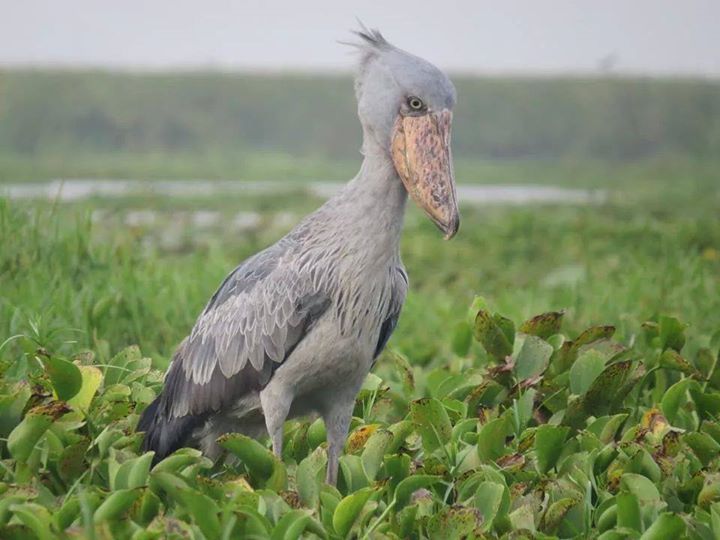
Step into an unforgettable 15-day Uganda birding safari designed for serious birders and nature lovers. This comprehensive expedition bridges the gap between Lake Victoria’s vast papyrus wetlands, Murchison Falls’ sweeping savannahs, Kibale’s ancient jungle, and the steep, forested slopes of the Albertine Rift. You will travel in custom 4x4 vehicles built specifically for rough tracks and optimal wildlife viewing, accompanied by expert local bird guides. Target iconic species like the prehistoric Shoebill stork, scarce forest specialists, rare Albertine Rift endemics, and magnificent savannah raptors. From peaceful canoe rides through winding channels to high-altitude swamp hikes, this carefully paced itinerary guarantees maximum species count while exploring Uganda's most diverse habitats.
🚗Tour Highlights
• ✅ Specialized birding focus across Uganda’s key habitats
• ✅ Expert local bird guide(s) + target-species strategy daily
• ✅ Custom 4x4 vehicles built for rough tracks and wildlife viewing
• ✅ Mabamba Swamp papyrus birding for Shoebill stork & specialists
• ✅ Murchison Falls savannah + Nile river birding & game drives
• ✅ Budongo Forest “Royal Mile” and deep forest specialist species
• ✅ Kibale Forest chimp tracking + Albertine avian targets
• ✅ Queen Elizabeth wetlands, Kazinga Channel waterbirds & raptors
• ✅ Bwindi edge-of-forest birding after gorilla trekking
• ✅ Ruhija endemics + Mubwindi Swamp for African Green Broadbill
• ✅ Well-paced routing designed to maximize species count
🌹Detailed Itinerary
Day 1: 📍Arrival in Entebbe + Bird guide briefing + Lake Victoria lodge relaxation
Day 2: 📍Mabamba Swamp & Lake Victoria papyrus birding (Shoebill-focused)
Day 3: 📍Entebbe to Murchison Falls via Ziwa Rhino Sanctuary + savannah bird stops
Day 4: 📍Game drive + Victoria Nile boat cruise birding
Day 5: 📍Murchison Falls to Budongo Forest (woodland raptors en route)
Day 6: 📍Budongo “Royal Mile” & Busingiro trails (deep forest specialists)
Day 7: 📍Budongo to Kibale Forest (Albertine Rift scenic birding stops)
Day 8: 📍Chimpanzee trekking + Bigodi Wetland birding walk
Day 9: 📍Kibale to Queen Elizabeth (crater lakes route + evening drive)
Day 10: 📍Kazinga Channel boat cruise + waterbird concentrations
Day 11: 📍Queen Elizabeth to Bwindi via Ishasha + Kigezi highlands transition
Day 12: 📍Gorilla trekking in Bwindi + forest-edge birding time
Day 13: 📍Transfer to Ruhija + Albertine Rift endemics targeting (highland lodge)
Day 14: 📍Mubwindi Swamp birding for African Green Broadbill + rail/warbler targets
Day 15: 📍Ruhija to Entebbe departure (final roadside birds + equator stop)
Day 1: Arrival in Entebbe Land at Entebbe International Airport today and meet your specialized bird guide. Transfer directly to your hotel overlooking the calm waters of Lake Victoria. Spend the afternoon resting from your international flight and unpacking your optics. Gather with your group in the evening to review the comprehensive trip bird list, discuss target species for the upcoming fortnight, and check camera equipment batteries before the journey begins tomorrow.
Day 2: Mabamba Swamp & Lake Victoria Depart early for Mabamba Swamp, a Ramsar-listed wetland situated on the northern shores of Lake Victoria. Board local wooden canoes and paddle slowly through dense papyrus channels where morning mist still lingers over the water. Keep your binoculars ready for the legendary Shoebill stork standing motionless in the shallows. Spot other papyrus specialists including the Papyrus Gonolek, Swamp Flycatcher, Malachite Kingfisher, and African Pygmy Goose.
Day 3: Entebbe to Murchison Falls Leave Entebbe behind and drive north toward Murchison Falls National Park through rolling green countryside. Stop midway at Ziwa Rhino Sanctuary for a guided walking safari to observe rhinos on foot while scanning dry-woodland acacia trees for species like the White-crested Helmetshrike, African Grey Hornbill, and Red-faced Crombec. Continue the drive past rural villages and local markets before checking into your savannah lodge just as dusk falls.
Day 4: Game Drive & Nile Boat Cruise Begin before sunrise with a morning game drive across the open Borassus palm savannah of the northern sector. Locate ground-dwelling birds such as the Abyssinian Ground Hornbill, Denham's Bustard, and Secretary Bird. In the afternoon, board a scheduled boat cruise heading up the Victoria Nile toward the base of Murchison Falls. Observe massive Nile crocodiles, hippos, and cliff-nesting Red-throated Bee-eaters, Goliath Herons, and African Fish Eagles hunting along the riverbanks.
Day 5: Murchison Falls to Budongo Forest Cross the Nile via the ferry and drive toward Masindi town, stopping at various woodland habitats along the route. Scan roadside brush and secondary growth for woodland species and raptors. Arrive by late afternoon at Budongo Forest, settling into your rustic cottages nestled right at the edge of the great mahogany reserve. Review evening calls and prepare for a full day of deep forest birding tomorrow.
Day 6: The Royal Mile Birding Spend the entire day exploring the famous Royal Mile and Busingiro trails inside Budongo Forest. Walk slowly along the wide forest tracks behind your local guide, listening for contact calls high in the canopy. Target rare forest specialists including Nahan's Francolin, Chocolate-backed Kingfisher, Blue-breasted Kingfisher, White-thighed Hornbill, Forest Robin, and several difficult greenbul species. Return to camp tired and satisfied with a high species count.
Day 7: Budongo to Kibale Forest Depart Budongo Forest and drive southwest along the dramatic Albertine Rift escarpment. Enjoy scenic views overlooking Lake Albert and the Rift Valley floor below. Make several roadside birding stops in patches of scrub and riverine woodland to record species unique to western Uganda. Arrive in the evening at Kibale Forest National Park, checking into your lodge surrounded by dense tropical vegetation and distant primate calls.
Day 8: Chimpanzee Trekking & Bigodi Wetland Walk into Kibale Forest at dawn for chimpanzee tracking combined with target birding for the elusive Green-breasted Pitta and various forest turacos. In the afternoon, visit the nearby Bigodi Wetland Sanctuary, walking along raised boardwalks through swamp vegetation. Spot the Great Blue Turaco, Ross's Turaco, Papyrus Gonolek, White-spotted Flufftail, and several weaver species building complex hanging nests above the dark wetland water.
Day 9: Kibale to Queen Elizabeth National Park Drive south from Kibale past picturesque volcanic crater lakes scattered across the landscape. Enter Queen Elizabeth National Park through the northern sector, stopping at wetlands and open savannah patches. Conduct an evening game drive as the sun begins to lower, recording open-country birds like the Black-bellied Bustard, Crowned Crane, Spur-winged Plover, and various raptors perched on termite mounds before reaching your lodge.
Day 10: Kazinga Channel Boat Cruise Drive through the Kasenyi sector at first light to locate grassland birds, lions, and kobs. Return to the lodge for midday heat before boarding an afternoon boat launch along the Kazinga Channel. This natural waterway connects Lake Edward and Lake George, hosting massive concentrations of waterbirds. Count thousands of Pink-backed Pelicans, African Spoonbills, Pied Kingfishers, African Skimmers, and migratory waders resting on the mudflats.
Day 11: Queen Elizabeth to Bwindi via Ishasha Drive south toward the remote Ishasha sector of Queen Elizabeth National Park, known for fig trees where lions rest during the heat of the day. Scan acacia woodlands for localized dry-country species like the Papyrus Canary, Greater Honeyguide, and various pipits. Cross into the Kigezi highlands, watching the terrain shift rapidly from savannah to steep terraced hillsides before arriving at the edge of Bwindi Impenetrable National Park.
Day 12: Gorilla Tracking in Bwindi Dedicate the morning to mountain gorilla tracking through the dense, steep undergrowth of Bwindi. Spend a quiet hour observing a habituated gorilla family at close range. Return to the park headquarters by early afternoon and spend the remaining daylight hours birding along the forest edge paths. Record forest-edge species such as the Cinnamon-chested Bee-eater, Mountain Wagtail, White-starred Robin, and Chubb's Cisticola near your lodge.
Day 13: Transfer to Ruhija Drive slowly toward the high-altitude Ruhija section of Bwindi Impenetrable National Park. Stop frequently along the main forest road to check deep gullies and thick vegetation for scarce Albertine Rift endemics. Target species include the Handsome Francolin, Archer's Ground Robin, Purple-breasted Sunbird, Blue-headed Sunbird, and Stripe-breasted Tit-babbler. Check into your highland lodge as temperatures drop sharply with the mountain elevation.
Day 14: Mubwindi Swamp Birding Descend early on a steep, narrow trail into Mubwindi Swamp located deep within the Ruhija sector. This damp, mossy ravine is the primary site for the iconic and critically scarce African Green Broadbill. Spend hours quietly searching the middle story for this green target. Also record Grauer's Rush Warbler, African Hill Babbler, Mountain Yellow Warbler, and Scarlet-tufted Malachite Sunbird along the stream edges before climbing back out.
Day 15: Ruhija to Entebbe Departure Begin the long return drive toward Entebbe, traversing the scenic southwestern highlands. Stop midway for a relaxed lunch directly at the Equator monument, taking final photographs and recording any last roadside birds. Continue through Kampala traffic to reach Entebbe International Airport by late evening for your outbound international departure flight, concluding a successful 15-day birding expedition across Uganda.
What can I expect from a 15-day birding safari in Uganda?
A fifteen-day safari across Uganda provides a thorough examination of East African avian habitats, moving from the shores of Lake Victoria to the high-elevation Albertine Rift slopes. Traveling in custom four-wheel-drive vehicles with specialized local guides, you cross diverse ecosystems including papyrus wetlands, open savannahs, lowland tropical jungle, and montane forests. The primary goal is recording maximum species counts while targeting famous regional specials such as the prehistoric Shoebill stork, forest francolins, canopy sunbirds, and localized Albertine Rift endemics. Every day introduces new microclimates and distinct bird communities, ensuring a comprehensive, immersive field expedition for dedicated bird watchers and naturalists.
How do I prepare for birding in Uganda’s varied climates?
Preparing for this journey requires packing gear suitable for hot tropical sun, heavy downpours, and freezing mountain nights. Bring sturdy, broken-in hiking boots for slippery forest floors, lightweight moisture-wicking shirts, durable trousers, and a reliable waterproof jacket. Optics are your most important tool, so pack high-quality binoculars, a camera with a long telephoto lens, extra memory cards, and protective rain covers. Layers are essential because morning temperatures in places like Ruhija drop sharply, while lowland parks like Queen Elizabeth remain warm and humid. Personal items, insect repellent, and a sturdy daypack round out the necessary equipment for long hours in the field.
What makes Mabamba Swamp the top spot for the Shoebill?
Mabamba Swamp is a vast, Ramsar-listed wetland on the northern edge of Lake Victoria, featuring dense floating papyrus mats and shallow channels. This unique ecosystem creates an ideal environment for the prehistoric Shoebill stork, which remains motionless for hours waiting for lungfish in the water. Exploring the winding channels by traditional wooden canoe allows local paddlers to navigate narrow passages quietly without disturbing the birds. Beyond the Shoebill, the swamp hosts numerous papyrus specialists, including the Papyrus Gonolek, Swamp Flycatcher, and various kingfishers, making it an essential introductory stop for any Ugandan bird list.
What birds and wildlife will I see at Ziwa Rhino Sanctuary?
Ziwa Rhino Sanctuary serves as a productive midpoint stop during the overland drive north toward Murchison Falls National Park. While its primary conservation goal involves protecting reintroduced southern white rhinos tracked on foot with armed rangers, the sanctuary also offers wonderful dry-woodland birding. Walking through the acacia savannah and scrub patches yields sightings of the White-crested Helmetshrike, African Grey Hornbill, Red-faced Crombec, and various woodpeckers. It breaks up a long travel day while adding several dry-country species to your trip list before you reach the massive riverine habitats further north.
How does Murchison Falls National Park differ in avian habitats?
Murchison Falls National Park splits its birding environments between sweeping Borassus palm savannahs north of the Nile and dense river corridors fed by the rushing Victoria Nile. The open grasslands support ground-dwelling species like the Abyssinian Ground Hornbill, Denham's Bustard, and Secretary Bird, while termite mounds frequently host perched raptors. Conversely, the boat cruise toward the base of the waterfall reveals sheer cliffs crowded with Red-throated Bee-eaters, Goliath Herons, and Malachite Kingfishers. This variety ensures that both game drives and water-based excursions produce high species totals and memorable wildlife sightings.
What is the significance of Budongo Forest for birders?
Budongo Forest protects a massive tract of mid-altitude rainforest containing ancient mahogany trees that tower over a dense understory. Famous specifically for the Royal Mile trail—a wide, straight path cut through prime forest—the reserve ranks among the premier birding locations in Central and East Africa. It provides a secure habitat for scarce forest specialists that are notoriously difficult to locate elsewhere, including Nahan's Francolin, Chocolate-backed Kingfisher, and several secretive greenbul species. Walking quietly behind expert local trackers allows you to decode mixed-species canopy flocks and spot rare residents hidden within the deep foliage.
How do local guides locate the elusive Green-breasted Pitta in Kibale?
Finding the Green-breasted Pitta in Kibale Forest requires pre-dawn positioning as guides listen closely for the male's distinct territorial display call echoing through the dark understory. Once a calling bird is pinpointed, trackers lead you carefully off the main path into thick vegetation to wait quietly on the forest floor. When the dim morning light filters through the canopy, the pitta occasionally descends to display on mossy logs or roots, flashing its brilliant green, red, and blue plumage. This challenging quest demands patience, silence, and absolute cooperation with the local forest guides.
What species populate the Bigodi Wetland Sanctuary?
Bigodi Wetland Sanctuary is a community-managed swamp located just outside Kibale Forest, featuring a network of elevated boardwalks traversing dense papyrus and swamp vegetation. The habitat supports a rich concentration of wetland birds and primates, including the striking Great Blue Turaco and Ross's Turaco hopping through fig trees. Other frequent sightings include the White-spotted Flufftail, Papyrus Gonolek, Yellow-spotted Barbet, and various weavers constructing complex hanging nests above dark water. The boardwalks provide stable footing while you scan the dense reeds and surrounding jungle edges for skulking species.
What makes the Kazinga Channel a waterbird paradise?
The Kazinga Channel is a natural thirty-two-kilometer waterway linking Lake Edward and Lake George within Queen Elizabeth National Park. Its muddy shores, sandbanks, and papyrus fringes attract massive concentrations of resident and migratory waterbirds that congregate by the thousands. Taking an afternoon boat launch places you at eye level with Pink-backed Pelicans, African Spoonbills, Pied Kingfishers, African Skimmers, and numerous waders probing the shallows. The close proximity to bathing elephants, hippos, and Nile crocodiles adds an extra layer of wild energy to a relaxing afternoon on the water.
Why is the Ishasha sector unique for birding and wildlife?
The remote Ishasha sector in the southern part of Queen Elizabeth National Park features open savannahs dotted with ancient fig trees where lions frequently rest during the afternoon heat. For birders, this transitional landscape introduces localized acacia-woodland species that differ from the northern plains. Scanning the thorn trees and scrub yields observations of the Papyrus Canary, Greater Honeyguide, and various pipits and larks. The combination of open grazing grounds, riverine thickets, and iconic tree-climbing lions creates a visually distinct environment before climbing into the Kigezi highlands.
What should I expect from birding along the forest edge in Bwindi?
Bwindi Impenetrable National Park is an ancient montane and lowland forest that serves as the cornerstone of any Ugandan birding itinerary. Forest-edge birding around the park headquarters provides a gentler introduction before tackling steep interior trails. Walking along the paths yields regular sightings of the Cinnamon-chested Bee-eater, Mountain Wagtail, White-starred Robin, and Chubb's Cisticola. Mixed-species flocks moving through the secondary growth often contain barbets, sunbirds, and greenbuls, offering continuous photographic opportunities and steady additions to your daily checklist.
How does high-altitude birding differ in the Ruhija sector?
Ruhija sits high in the mountains of eastern Bwindi, where cold temperatures and steep topography create a distinct habitat for high-elevation specialists. Birding along the main forest road involves scanning deep gullies, moss-laden branches, and flowering shrubs that attract specialized mountain feeders. The air is crisp, and the bird community shifts entirely toward Albertine Rift endemics like the Handsome Francolin, Archer's Ground Robin, Purple-breasted Sunbird, and Blue-headed Sunbird. Moving slowly along the road cuts requires patience and warm clothing as mists roll across the steep slopes.
What is the challenge of hiking into Mubwindi Swamp?
Mubwindi Swamp lies at the bottom of a steep, damp ravine deep within the Ruhija sector of Bwindi. Reaching it demands a strenuous descent down a muddy, narrow trail, followed by an even more grueling climb back out later in the day. However, this secluded mossy wetland is the primary global site for tracking the scarce and iconic African Green Broadbill. Spending hours quietly searching the middle story for this tiny green bird tests your physical endurance and attention to detail, rewarding successful birders with one of Africa's most coveted avian sightings.
How do custom 4x4 vehicles handle rough Ugandan roads?
Traveling across Uganda's diverse national parks requires robust transport capable of handling deep mud, rocky mountain passes, and corrugated dirt tracks. Custom safari vehicles feature elevated seating, pop-up roof hatches for optimal 360-degree viewing, sliding windows, and charging ports for camera batteries. These modifications allow passengers to stand comfortably and scan the bush during game drives or roadside birding stops. Reliable four-wheel-drive capability ensures that unexpected weather changes or slick forest roads do not disrupt the strict daily schedule of the expedition.
What role do local community guides play in the safari?
Local community guides bring invaluable expertise to every stage of the safari, possessing intimate knowledge of regional bird calls, nesting sites, and seasonal movements. Born and raised near the parks, these guides spot minute movements in dense foliage that untrained eyes easily miss. They work in tandem with national park rangers to ensure safety during tracking activities while supporting grassroots conservation efforts. Their familiarity with local dialects and cultural contexts also enriches daily interactions with villagers, turning standard transit times into educational discussions about regional ecology and wildlife protection.
How are daily bird lists compiled and managed?
Recording daily sightings is a central tradition of any serious birding expedition, usually coordinated during evening dinners or after returning to camp. The group reviews every species observed that day, verifying identifications, discussing difficult plumage variations, and tallying the cumulative trip list. Guides cross-reference field guides and audio recordings to ensure accurate record-keeping. Maintaining this meticulous checklist provides a tangible summary of your progress across different habitats, from Lake Victoria's papyrus beds to the high-altitude swamps of the Albertine Rift.
What precautions should I take regarding health and safety?
Health precautions are a vital aspect of preparing for travel through tropical East African ecosystems. Visitors must consult travel health clinics well in advance to secure mandatory yellow fever vaccination certificates, routine boosters, and prescribed malaria prophylaxis. Carrying personal medical kits containing rehydration salts, antihistamines, and stomach remedies ensures minor issues are managed promptly in remote areas. While in the field, wearing long sleeves and trousers prevents insect bites and scratches, and drinking only bottled or purified water protects against waterborne illnesses during long transit days.
What photographic equipment works best for forest birding?
Forest birding presents unique challenges for photographers due to dim lighting beneath thick canopies and the fast-moving nature of canopy flocks. A digital camera body with strong low-light performance and high ISO capabilities is paired ideally with a telephoto zoom lens, such as a 100-400mm or a fixed 500mm prime. A monopod or lightweight tripod provides stability when waiting motionless for skulking species like pittas or broadbills. External flashes are generally discouraged in dense forests, making reliance on fast shutter speeds and wide apertures essential for capturing sharp images of active birds.
How do seasonal weather shifts impact birding success in Uganda?
Uganda experiences equatorial weather patterns with two primary rainy seasons, typically running from March to May and September to November, though localized showers occur year-round. The wet months bring lush vegetation, active breeding plumage, and high insect activity, which attracts many migrant and resident species. However, heavy rains can make forest trails slippery and challenging to navigate, particularly in Bwindi and Kibale. The drier months between June and August and December to February offer easier walking conditions along muddy tracks, making travel more predictable while maintaining high species visibility.
What makes Albertine Rift endemics so special to birders?
Albertine Rift endemics are bird species restricted entirely to the montane forests and high-altitude habitats running along the western branch of Africa's Great Rift Valley. Because these birds exist nowhere else on the planet, encountering them represents a major milestone for global birders building life lists. Species like the Rwenzori Batis, Blue-headed Sunbird, Regal Sunbird, and Grauer's Rush Warbler carry immense biogeographical significance. Finding them requires ascending into specific highland zones in Bwindi and Mgahinga, where isolated mountain blocks shelter these vulnerable evolutionary lineages.
How does the safari balance heavy birding with general wildlife viewing?
While the primary focus of the 15-day itinerary centers on avian species, the route passes through major national parks that harbor iconic African megafauna. Game drives in Murchison Falls and Queen Elizabeth National Parks naturally incorporate sightings of elephants, buffaloes, giraffes, lions, and various antelope species. Furthermore, specialized primate tracking days integrate chimpanzees and mountain gorillas directly into the schedule. This integrated approach ensures that participants enjoy a complete wilderness experience without sacrificing dedicated time for searching out rare regional birds.
What are the common challenges of spotting forest skulkers?
Forest skulkers—such as alethes, illadopses, greenbuls, and scrub-warblers—live hidden within dense undergrowth where light is scarce and physical barriers restrict visibility. Spotting them relies almost entirely on listening for specific territorial calls and waiting patiently until a bird moves into a narrow opening. Quick reflexes are necessary because these species rarely stay in the open for long. Relying on your guide's knowledge of vocalizations and maintaining absolute silence during stakeouts remain the only reliable methods for adding these difficult forest birds to your list.
How are lodge accommodations structured for birding groups?
Accommodations on this safari range from comfortable tented camps set along riverbanks to rustic forest lodges nestled right at the edge of national parks. Most properties are selected specifically for their strategic locations, often featuring active gardens, fruiting trees, and nearby trails that allow productive birding right on the hotel grounds before breakfast. Rooms generally offer en-suite facilities, mosquito nets, reliable hot water, and solar or generator-powered electricity. Staying close to park entrances minimizes early morning driving times, maximizing the hours available for active fieldwork.
What should I know about tipping and supporting local staff?
Tipping is standard practice in the East African tourism sector as a way to acknowledge dedicated service from driver-guides, local trackers, boat captains, and lodge staff. Carrying a supply of small denomination local currency or US dollars makes distributing tips straightforward at the end of each excursion or stay. Beyond monetary tips, purchasing handmade crafts directly from local cooperatives—such as those encountered during community workshops or village walks—provides direct financial support to families living adjacent to protected wildlife reserves.
How do park fees contribute to avian conservation in Uganda?
Every park entrance fee, gorilla permit, and chimpanzee tracking charge collected by the Uganda Wildlife Authority directly funds anti-poaching patrols, habitat restoration, and biological monitoring programs. Protecting diverse environments like Mabamba Swamp, Budongo Forest, and Bwindi Impenetrable National Park prevents agricultural encroachment and logging. By participating in a specialized birding safari, your tourism expenditure provides tangible economic justification for keeping these vital ecosystems intact, ensuring that rare habitats and endemic bird species survive for future generations.
What distinguishes a specialized birding guide from a general safari driver?
A specialized birding guide possesses deep expertise in avian taxonomy, calls, behavior, and micro-habitats, often spending years studying regional bird distribution. Unlike general wildlife drivers who focus primarily on large mammals, bird guides identify species instantly by faint contact calls high in the canopy or fleeting glimpses of wingspan silhouettes. They carry specialized reference books, maintain updated bird lists, and utilize high-end playback equipment responsibly to coax shy species into view. This technical proficiency transforms an ordinary wildlife drive into an educational masterclass.
How does the equatorial sun affect field routines?
Because Uganda sits directly across the equator, daylight hours remain consistent year-round, with sunrise occurring around 6:30 AM and sunset near 7:00 PM. Birding itineraries capitalize on this by starting very early in the morning when avian activity peaks before midday heat sets in. Activities pause or slow down during the intense afternoon hours, resuming later as temperatures cool toward dusk. Wearing wide-brimmed hats, applying high-SPF sunscreen, and carrying adequate drinking water are essential daily habits to prevent dehydration while working outdoors under the tropical sun.
What happens if target species cannot be found due to weather?
Field conditions in tropical forests and wetlands can occasionally be unpredictable, and heavy rain or dense fog may temporarily quiet bird activity or obscure visibility. Professional guides maintain flexible daily schedules, allowing time to revisit productive trails or alter routes if initial attempts to find a specific target fail. While rare species like the Shoebill or Green Broadbill cannot be guaranteed on demand, the extensive duration of a fifteen-day itinerary provides multiple weather windows and alternative sites to maximize your chances of success.
How do boat cruises enhance the birding checklist?
Water-based excursions on Lake Victoria, the Victoria Nile, and the Kazinga Channel provide access to specialized aquatic and riverine species that cannot be observed from land. Cruising slowly along shorelines allows quiet approaches to nesting cliffs, papyrus beds, and mudflats where birds feel secure from land predators. These trips frequently add significant numbers of cormorants, herons, kingfishers, storks, and pelicans to the daily tally, while offering stable platforms for photography and relaxed viewing away from bumpy vehicle tracks.
What lasting impressions do travelers take away from this 15-day safari?
Travelers complete this fifteen-day expedition with a profound appreciation for Uganda's astonishing ecological diversity, moving from misty mountain swamps to vast equatorial savannahs. The lasting memories center around distinct moments: watching a prehistoric Shoebill stand sentinel in the papyrus, decoding complex mixed-species flocks in Budongo's ancient mahogany forest, and spotting a brilliant Albertine Rift endemic along the steep slopes of Bwindi. Beyond the impressive final species tally, the journey leaves participants connected to the rhythms of rural landscapes, community conservation efforts, and the professional guides who brought the wilderness to life.
Booking 15 Days Uganda birding safari with us Roads of Adventure safaris
Booking your 15-day birding safari with Roads of Adventure Safaris gets you over 1,065 bird species, searching for the shoebill in Mabamba and endemics in Bwindi. We handle all permits, 4WD transport, and expert guides for an unforgettable Ugandan birding journey.
