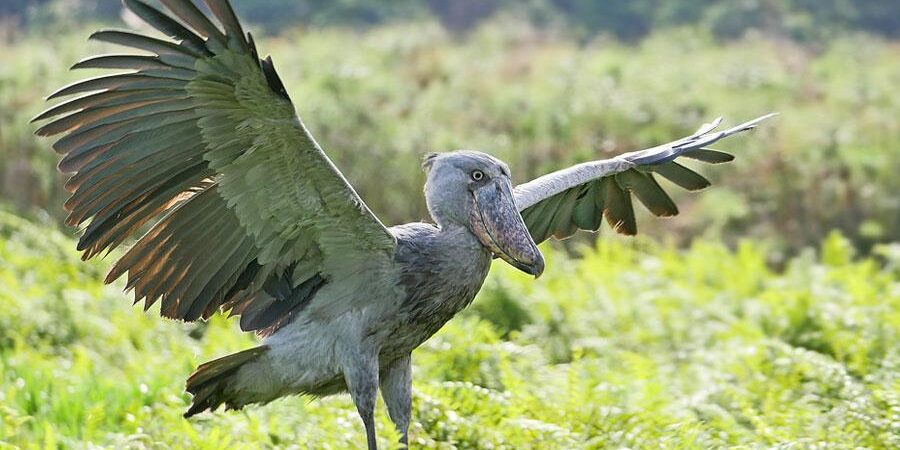
A 1-day birding safari to Mabamba Swamp (near Entebbe/Kampala) is the premier Ugandan trip to spot the rare, prehistoric Shoebill Stork ($193–$275 USD). Tours typically involve a 3-hour, early morning motorized canoe trip through papyrus channels, best in the early morning (7–9 AM) to see the bird foraging
25-days-complete-uganda-birding-safari-extravaganza-with-wildlife-viewing
20-days-uganda-birding-safari-to-uganda-national-park
10-days-best-uganda-birding-safari-and-wildlife-experience
8-day-africa-big-five-safari-in-uganda-and-mabamba-swamp-shoebill
5-days-uganda-bird-watching-safari-lake-victoria-shores-and-lake-mburo
1-day-perfect-mabamba-swamp-shoebill-stork-uganda-birding-safari
Target Species
Mabamba Wetlands is renowned for its rich avian diversity, making it an exceptional destination for birdwatchers. The primary target species is the iconic Shoebill Stork, a large, prehistoric-looking bird that captures the hearts of both novice and experienced birders. Its striking silhouette and unique behaviors are a major draw, with diligent birdwatchers often spending considerable time in hopes of spotting this elusive bird in its natural habitat.
In addition to the Shoebill, several other fascinating species frequently grace this area. The Papyrus Gonolek, with its vibrant colors, inhabits the papyrus reeds and adds to the diverse allure of the wetlands. The Blue Swallow, known for its swift flight and stunning plumage, is another spectacular sight, often seen darting over the water. The Malachite Kingfisher, characterized by its brilliant colors and fishing prowess, is a delightful sight as it perches on branches or hunts near the water's edge.
Moreover, the African Jacana, with its long toes and striking coloration, can often be seen walking on lily pads, making it a unique species to spot. This variety ensures that almost any birdwatching tour at Mabamba is filled with excitement and the potential for memorable sightings. Generally, birding in the Mabamba Wetlands creates a captivating experience for all who venture into this avian paradise.
Best Time
The best time for birding in Mabamba Wetlands stretches from September to March, aligning with the migratory season, when numerous species flock to the area. This period offers birdwatchers a chance to encounter both resident and migratory birds in abundance. The cooler temperatures and ample food supply attract various birds, making them more active and visible during this time.
While this period is particularly vibrant for spotting migratory birds, it's essential to note that the wetlands provide excellent birding opportunities year-round. The diverse habitats of reed beds, open water, and lush vegetation ensure an active birding scene irrespective of the season. Those visiting at other times will still encounter resident species and experience the rich biodiversity that Mabamba has to offer.
Additionally, the varying seasons bring changes in behavior, nesting, and feeding, adding depth to the experience. Visiting during the rainy season, while potentially muddy, offers lush scenery and active breeding birds. For dedicated birders, every season in Mabamba presents unique opportunities to observe and appreciate the fascinating avian life, ensuring that the wetlands remain a premier destination for birdwatching enthusiasts.
Tour Structure
Mabamba Birding Tours typically begin in Entebbe or Kampala, both well-connected to this prime birdwatching destination. The varied yet straightforward structure of the tours enhances the experience, making it accessible for all types of birdwatchers.
Most tours involve a scenic drive to the designated landing site, with the journey lasting approximately 1-2 hours. This drive often provides glimpses of the stunning landscapes and diverse wildlife, setting the stage for what lies ahead. Once at the wetland's edge, participants embark on guided canoe tours lasting between 1.5 to 3 hours, allowing for intimate encounters with the local avifauna.
These canoe tours offer unique perspectives, enabling birdwatchers to silently glide through the wetland's serene waters and closely observe the habitats of various species. Experienced local guides play an essential role, employing their knowledge to enhance the experience, spot elusive birds, and inform participants about the ecosystem.
The combination of comfortable transport, skilled guidance, and the tranquil environment of Mabamba Wetlands makes for a wonderfully structured birding tour, allowing participants to maximize their birdwatching experience while fully immersing themselves in this remarkable setting.
Key Components
A successful Mabamba Birding Tour relies on several critical components that enhance the overall experience for birdwatchers. Private 4x4 transport is often provided to ensure comfortable and convenient journeys to the wetlands. These vehicles are well-equipped for navigating various terrains, offering a smooth experience from the initial drive in Entebbe or Kampala to the landing site.
Experienced local guides are another essential element of these tours. Their intimate knowledge of the wetlands, bird behaviors, and the surrounding ecosystems greatly enhances the chances of spotting desired species. They provide insightful commentary, sharing information about the avian life and ecological significance of the wetland environment, enriching the overall experience for participants.
Additionally, canoe rentals are a crucial feature of the tours. Canoeing through the wetlands allows birders to explore often inaccessible areas, where many of the sought-after species reside. This tranquil mode of transport minimizes disturbance to wildlife, fostering a more intimate connection with nature.
Together, these components create a cohesive and rewarding birding experience at Mabamba. The combination of reliable transport, knowledgeable guides, and peaceful canoeing allows all birdwatchers to enjoy the abundant avian life while appreciating the serenity of the wetland environments.
Optional Add-ons
Many operators offer various optional add-ons to enhance the Mabamba Birding Tour experience. These additions provide a more comprehensive exploration of Uganda's natural beauty and cultural heritage. One popular option is a visit to the Uganda Equator, where travelers can stand on the iconic line that divides the Earth’s northern and southern hemispheres. This visit includes opportunities for photography, unique souvenir shopping, and a chance to learn about the geographical significance of this landmark.
Additionally, excursions to the Mpanga Forest showcase a different ecosystem, allowing for birdwatching in a lush rain-forest environment. The forest is home to several unique species and provides a contrast to the wetlands, making it a valuable addition for avid birders looking to expand their experience.
Another interesting add-on is a visit to the Entebbe Botanical Gardens. This vibrant place features various plant species native to Uganda, attracting a different set of birds. Birdwatchers can roam the gardens while observing unique species only found in this ecosystem, making it an ideal way to complement the experience in Mabamba.
These optional add-ons provide flexibility and variety to the birdwatching safari, allowing participants to tailor their tour experience based on their interests and maximize their time in Uganda's captivating landscapes.
What to Bring
When preparing for a Mabamba Birding Tour, packing wisely is essential to ensure a comfortable and enjoyable experience. High-quality binoculars are crucial for spotting and observing birds at a distance, enabling birdwatchers to appreciate the intricate details of various species. Investing in a good pair will significantly enhance the overall birdwatching experience.
A camera with a long lens is highly recommended for capturing stunning images of birds in their natural habitat. With diverse species often appearing unexpectedly, having the right equipment at hand allows for the perfect shot to be captured without disturbing wildlife.
Waterproof clothing is essential due to the possibility of unpredictable weather, especially during certain seasons. A lightweight rain jacket can keep you dry during sudden showers while maintaining comfort. Similarly, sunscreen is important for protection against UV rays, especially during extended outdoor activities.
Lastly, don’t forget to pack bug spray to guard against mosquitoes and other insects, particularly in wetland areas. This simple precaution can significantly enhance comfort during your birdwatching adventures.
By considering these items, adventurers can enjoy a fulfilling and well-prepared experience interacting with the rich birdlife of Mabamba Wetlands.
Recommended Itinerary (1-Day)
07:00 AM: Pick Up from Hotel in Entebbe/Kampala
The day begins with an early pick-up from your accommodation in either Entebbe or Kampala. Early starts are essential for birdwatching, as many birds are most active during the cooler morning hours. A comfortable 4x4 vehicle will be used for transportation, providing a smooth journey as you make your way to the Mabamba Wetlands.
08:30 AM: Arrive at Mabamba Landing Site
Upon arrival at the Mabamba landing site, you will receive a briefing from your local guide. This briefing includes essential safety information and an overview of the bird species you may encounter during the tour. The anticipation begins to build as you prepare to venture into one of Uganda's most biodiverse wetlands.
09:00 AM - 12:00 PM: Boat Ride to Search for the Shoebill and Other Wetland Birds
Board a motorized boat for an exhilarating 3-hour ride through the serene waters of Mabamba Wetlands. This is prime time for birdwatching as you glide silently through the reeds and waterways. The guide will help you spot the elusive Shoebill Stork, offering insights into its behavior and habitat. Keep your binoculars ready as you may also encounter other stunning species such as the Papyrus Gonolek, Malachite Kingfisher, and African Jacana. The tranquility of the wetlands, combined with the diverse avifauna, offers ample opportunities for photography and memorable wildlife experiences.
12:30 PM: Lunch at a Local Site or Return to Town
After an exciting morning of birdwatching, you will enjoy a leisurely lunch. Options include dining at a local restaurant near the wetlands for an authentic experience or returning to Entebbe or Kampala for a more extensive meal, depending on group preferences.
02:00 PM: Optional Birding at Nearby Sites or Return to Hotel
In the afternoon, participants can choose to extend their birdwatching experience by visiting nearby birding hotspots, such as Mpanga Forest or other ecological sites in the area. Alternatively, those ready to relax can return to their hotel. This flexible approach allows for a personalized experience, catering to both avid birdwatchers looking to spot more species and those seeking a more leisurely afternoon.
What is the Best Time for a Uganda Birding Safari Tour in Mabamba Swamp?
The best time for a Uganda birding safari tour in Mabamba Swamp is during the early morning, particularly from 6:30 AM to 9:00 AM. At this time, bird activity is at its peak, making it an ideal moment for birdwatchers to engage with the rich avifauna of the area. The early hours of the day provide optimal lighting conditions for photography and ensure calmer waters on the swamp, improving visibility as birds emerge to feed and socialize.
During these morning hours, birdwatchers can spot a variety of species, including the elusive Shoebill Stork. The cooler temperatures also help birds to be more active, increasing the chances of witnessing unique behaviors, such as hunting and nesting. As the sun rises higher in the sky, birds may become less active, retreating to shaded areas, which can make them harder to find.
Guided tours during this period typically maximize opportunities for sightings and allow participants to benefit from the local knowledge of experienced bird guides who can point out specific species and their calls. While outings are possible throughout the day, early morning excursions often yield the best results for avid birdwatchers. Travelers should plan accordingly to make the most of their time in Mabamba Swamp, bringing along essential gear such as binoculars and cameras to capture the vibrant birdlife.
Can I See the Shoebill Stork on a Uganda Birding Safari Tour in Mabamba Swamp?
Yes, you can definitely see the Shoebill Stork on a Uganda birding safari tour in Mabamba Swamp. In fact, Mabamba is recognized as the most reliable location in Uganda for encountering this remarkable and rare bird. The Shoebill, known for its striking appearance and prehistoric looks, captures the fascination of birdwatchers and nature enthusiasts alike.
Mabamba Swamp provides the necessary wetlands habitat that the Shoebill prefers, which includes tall papyrus reeds and open waters. The stork primarily feeds on fish and amphibians, which makes the swamp an ideal hunting ground. Experienced local guides are adept at spotting and locating the Shoebill, maximizing your chances of an unforgettable view.
Sightings often involve quiet canoe trips through the marsh, allowing for close encounters without disturbing the environment. The large, bill-like shoe gives this bird its name, and it can often be seen standing still, waiting patiently for its prey. While sightings can never be guaranteed, Mabamba Swamp has a reputation for consistent encounters, especially during early morning outings.
Additionally, the experience of observing a Shoebill in its natural habitat adds a unique dimension to the safari. The combination of its rarity and striking appearance makes spotting this bird an unforgettable highlight for any birding enthusiast visiting Uganda. Overall, Mabamba Swamp stands out as a premier destination for those seeking to witness the elusive Shoebill.
How Long Does a Typical Uganda Birding Safari Tour in Mabamba Swamp Take?
A typical Uganda birding safari tour in Mabamba Swamp takes approximately 3 to 4 hours, primarily conducted via canoe. The duration allows ample time to navigate the rich waterways while actively searching for a variety of bird species, including the renowned Shoebill Stork.
During the tour, participants can expect to glide through the peaceful marsh, observing both the water birds and the unique flora that characterize the swamp ecosystem. The canoe experience offers a quiet and unobtrusive way to approach birdwatching, ensuring that elements of the natural environment remain undisturbed.
In addition to birdwatching, this timeframe allows for stops where guides provide information about the specific birds being observed, discussing their habits and ecological roles. Participants also have the opportunity to capture photos without feeling rushed, enriching the overall experience.
Full-day tours may be available for those seeking a more extended engagement, which typically includes additional activities or visits to nearby communities. However, a shorter excursion is suitable for most birdwatchers, especially those who are focused on specific bird sightings.
Having the right gear, such as binoculars, cameras, and comfortable clothing, can enhance the experience further. Overall, the 3 to 4-hour guided canoe safari provides a perfect balance of time and immersion in the wildlife-rich environment of Mabamba Swamp.
How Do I Access the Site for a Uganda Birding Safari Tour in Mabamba Swamp?
Accessing Mabamba Swamp for a Uganda birding safari tour involves either a motorized canoe or a road journey through Mabamba Bay. The most common approach is to begin from the Nakiwogo landing site in Entebbe, which is conveniently located along the shores of Lake Victoria. This route typically takes around 30 to 45 minutes by boat to reach the swamp.
Starting from Nakiwogo, birdwatchers can enjoy scenic views of the lake and its surroundings during the canoe ride. The tranquil waters offer a unique perspective of the landscape while also allowing for active birdwatching en route, as many birds can be spotted along the margins of the swamp.
Alternatively, access by road involves driving to the Mabamba Bay area, which takes about 1 to 1.5 hours from Kampala or Entebbe. Traveling by road provides the opportunity to observe the local agricultural landscape and glimpse various rural life aspects along the way.
While both access options are feasible, the canoe approach often enhances the birding experience, allowing for a peaceful glide into the heart of the swamp where birdwatchers can begin their explorations. Regardless of access methods, reaching Mabamba Swamp is straightforward and typically organized by local tour operators, ensuring a smooth transition to this birdwatching paradise.
What Other Birds Can I See on a Uganda Birding Safari Tour in Mabamba Swamp?
In addition to the iconic Shoebill Stork, Mabamba Swamp offers an impressive array of bird species, making it a prime destination for birdwatching in Uganda. Birders can expect to see a variety of water birds, raptors, and other species that inhabit or frequent the wetland ecosystem.
Common sightings include the African Marsh Harrier, which can often be observed hunting over the marshes. The area is also a habitat for the vibrant Blue Swallow, known for its striking plumage and quick flight. Additionally, the Papyrus Gonolek, a bird distinguished by its unique colors and calls, is frequently spotted among the reeds.
The swamp is also home to several species of egrets, including the Great Egret and the Intermediate Egret, both of which can be seen wading through the shallow waters. Other notable birds include various kingfishers, such as the Pied Kingfisher, renowned for its fishing techniques.
Mabamba Swamp is a veritable paradise for bird enthusiasts, making it possible to spot numerous other species like Yellow-billed Duck, African Jacana, and the elusive Sitatunga antelope, which can sometimes be seen at the water's edge.
With a checklist that includes over 300 species of birds, the richness of Mabamba's avifauna provides a rewarding experience for birdwatchers of all levels. The opportunity to engage with such a unique range of wildlife greatly enhances the appeal of a birding safari tour in this remarkable wetland.
Do I Need a Guide for a Uganda Birding Safari Tour in Mabamba Swamp?
Yes, having a local guide for a Uganda birding safari tour in Mabamba Swamp is highly recommended. Guides possess specialized knowledge of the swamp's ecosystem and its various bird species, significantly enhancing the overall birdwatching experience. Their expertise dramatically increases the chances of spotting and identifying birds in this diverse habitat.
Local guides are trained to navigate the intricate waterways and understand the best spots and times for bird sightings. They are adept at recognizing bird calls and behaviors, which can be crucial for identifying elusive species that might otherwise go unnoticed. In regions like Mabamba Swamp, where some birds are rare, having an experienced guide can make a substantial difference.
Moreover, guides often provide valuable insights into the importance of conservation and the ecological roles of various birds, adding depth to the experience. They help ensure safety while navigating the wetlands, allowing birders to focus on observing and photographing the wildlife.
In summary, hiring a local guide for a birding safari tour in Mabamba Swamp is not just advisable but a fundamental part of making the most of the experience. These knowledgeable individuals help transform a good tour into an exceptional one by facilitating both successful sightings and enriching learning opportunities throughout the excursion.
Is a Uganda Birding Safari Tour in Mabamba Swamp Available Year-Round?
Yes, a Uganda birding safari tour in Mabamba Swamp is available year-round, making it an accessible destination for birdwatchers at any time. However, the quality of bird sightings can vary depending on the time of year, especially concerning migratory bird patterns.
From October to March, migratory birds are typically present, leading to higher sightings and increased diversity within the swamp. This period witnesses an influx of species that can enhance the overall birdwatching experience. Travelers seeking to witness these migratory species should plan their trips during these months to maximize their birdwatching opportunities.
The off-peak months can also provide unique views, as resident species remain active throughout the year. Even during these times, Mabamba Swamp maintains a remarkable avifauna, with local species such as the Shoebill Stork, African Marsh Harrier, and various kingfishers readily observable.
Weather conditions, while variable, generally allow for continued access to the swamp year-round. Despite occasional rain, the moist environment is essential for supporting the bird populations, and rainy spells can bring a different dynamic to the wildlife observations.
Overall, whether during migratory seasons or at other times of the year, a birding safari tour in Mabamba Swamp offers vibrant and varied experiences, allowing enthusiasts to enjoy the rich biodiversity that this Ramsar site has to offer year-round.
How Much Does a Uganda Birding Safari Tour in Mabamba Swamp Cost?
The cost of a Uganda birding safari tour in Mabamba Swamp typically ranges from around $50 USD per person, although prices can vary depending on factors such as the operator, group size, and specific inclusions. This price generally includes benefits such as canoe rental, guiding services, and sometimes refreshments during the excursion.
Reputable tour operators often offer different packages, with basic options focusing solely on birdwatching, while more comprehensive tours may include additional amenities like transportation from Kampala or Entebbe to the swamp. Some operators may also provide options for full-day tours, which can increase the overall price but offer an extended experience.
For travelers looking for specialized experiences, there may be upscale packages available that include private guides or combined tours with other attractions. These could provide a more personalized experience and potentially higher costs reflective of the added convenience and service.
It's advisable for travelers to conduct research and compare tours to find one that suits their needs and budget. Reading reviews and testimonials can help in choosing a reputable operator known for successful birdwatching experiences.
Ultimately, while costs may vary, a birding safari tour in Mabamba Swamp tends to provide excellent value, making it a worthwhile investment for those passionate about observing Uganda's avian diversity.
What Should I Pack for a Uganda Birding Safari Tour in Mabamba Swamp?
Packing for a Uganda birding safari tour in Mabamba Swamp requires some thoughtful consideration to ensure a comfortable and enjoyable experience. Essential items include binoculars for observation, which are crucial for identifying distant species and enhancing your overall birdwatching experience. A good-quality camera with a zoom lens will also provide opportunities to capture stunning photographs of the diverse wildlife.
Additionally, it is advisable to bring insect repellent, as the swamp's wetland areas can have mosquitoes and other insects, especially in the early morning and evening hours. To protect against sun exposure, consider packing sun protection items, including sunscreen and a wide-brimmed hat.
Appropriate clothing is also important for a birding safari. Wearing long-sleeved shirts and lightweight long pants helps protect against both the sun and insects while also providing comfort for variable temperatures. Opt for breathable fabrics that wick away moisture and dry quickly.
Bringing a light backpack is useful for carrying your binoculars, water bottles, snacks, and any additional gear during the canoe trip. If you have pocket-sized field guides or birding checklists, include those for easy reference during your outing.
Overall, thoughtful packing will enhance your experience during a birding safari in Mabamba Swamp, ensuring that you are well-prepared for encountering the stunning avifauna while enjoying the natural beauty of this important wetland ecosystem.
Can I Combine a Uganda Birding Safari Tour in Mabamba Swamp with Gorilla Tracking?
Yes, it is indeed possible to combine a Uganda birding safari tour in Mabamba Swamp with gorilla tracking, creating a remarkable multi-faceted adventure that showcases Uganda's rich biodiversity. Many travel itineraries are designed to seamlessly incorporate both activities, offering birdwatching enthusiasts the opportunity to also witness the famous mountain gorillas in their natural habitat.
Typically, a birding safari in Mabamba Swamp can be planned as part of a broader itinerary that includes visits to other national parks, such as Bwindi Impenetrable National Park, known for its populations of mountain gorillas. Tour operators often arrange the logistics for both tours, providing cohesive travel routes and timelines.
This combination offers a unique experience of observing Uganda's avifauna while also participating in the exhilarating gorilla trekking experience. Gorilla tracking allows travelers to interact with these incredible primates, deepening their appreciation for Uganda's wildlife diversity.
It is important to note that permits for gorilla trekking must be secured in advance due to their limited availability and growing demand. However, combining both activities is a popular choice among travelers, as it maximizes the wildlife experiences available in Uganda.
In conclusion, participating in both a birding safari in Mabamba Swamp and gorilla tracking in Bwindi enhances the overall adventure, allowing travelers to savor the best of Uganda’s rich wildlife offerings in a single trip.
How Many People Can Fit in a Boat During a Uganda Birding Safari Tour in Mabamba Swamp?
During a Uganda birding safari tour in Mabamba Swamp, the standard canoe typically accommodates a maximum of three passengers. This limited capacity enhances the overall experience, allowing for intimate interactions between participants and facilitating quieter observation of the abundant bird species in the wetland.
Having fewer people in the canoe means less noise, which is crucial for effective birdwatching, as many species are sensitive to disturbances. The arrangement also allows each participant ample space to maneuver their binoculars or camera without feeling cramped. This setup is particularly advantageous for photography, as tourists can aim for unobstructed views of the birds and their natural behaviors.
Canoe guides, often skilled local birdwatchers, lead small groups through the wetlands, maximizing the chance of spotting both common and rare birds while maintaining a respectful distance from the wildlife. The experiences become more personalized, as guides can trust smaller groups to listen and engage more effectively.
If a larger group is interested in birding, it’s advisable to book multiple canoes to ensure everyone can participate without compromising the quality of the experience. Overall, the maximum of three passengers in a canoe creates an intimate and effective setting for birdwatching in the remarkable environment of Mabamba Swamp.
Is a Uganda Birding Safari Tour in Mabamba Swamp Safe?
Yes, a Uganda birding safari tour in Mabamba Swamp is considered safe, particularly when organized through reputable local guides and tour operators. These professionals are knowledgeable about the area and prioritize the safety of their guests while providing insights into the unique environment of the swamp.
Guided tours ensure that participants are well-acquainted with safety precautions, especially when navigating the wetlands. Traveling by canoe allows for careful maneuvering through the marshes while minimizing disturbances to the wildlife. Local guides are trained to identify any potential hazards and navigate around them while keeping participants informed about the environment.
Birdwatching can be a peaceful and solitary activity, but it’s essential to remain aware and follow the guidelines set by your guide. These may include maintaining a respectful distance from wildlife, minimizing noise, and being cautious with equipment near the water.
The local guides often have a deep understanding of the ecological significance of Mabamba Swamp and can explain the balance of the habitat, further enriching the experience while ensuring that interactions are conducted safely and responsibly.
In summary, taking precautions and choosing qualified guides fosters a safe environment for participants during a birding safari in Mabamba Swamp, allowing you to focus on the beauty and richness of the avian life in this remarkable ecosystem.
Are There Any Other Animals to See on a Uganda Birding Safari Tour in Mabamba Swamp?
Yes, in addition to the diverse bird species, a Uganda birding safari tour in Mabamba Swamp offers opportunities to encounter various other wildlife. While the main focus is on birdwatching, the wetland environment is home to an array of fauna that adds richness to the experience.
One notable species often observed in the swamp is the Sitatunga antelope, a semi-aquatic antelope adapted to life in the marshes. With their elongated hooves and webbed feet, Sitatunga are adept at navigating the wetland terrain; spotting them can be a delightful surprise during a birding tour.
Vervet monkeys are also common in the area, and their playful antics often captivate visitors. These monkeys are frequently seen moving through the trees or along the water's edge, providing an engaging contrast to the birdwatching activities.
In addition to mammals, the swamp abounds with vibrant life, including a range of butterflies that add color to the surroundings. Observing the interactions between these creatures and their habitats further enhances the overall wildlife experience.
While the focus remains on the extensive avifauna, the chance to encounter diverse wildlife enriches the safari, making it a comprehensive exploration of the ecosystem. With the potential for unique wildlife sightings, the Uganda birding safari tour in Mabamba Swamp is not solely about birds, but a celebration of the broader biodiversity that defines this fascinating wetland.
How Far is the Swamp for a Uganda Birding Safari Tour in Mabamba Swamp From Kampala?
Mabamba Swamp is located roughly 1 hour to 1.5 hours from both Kampala and Entebbe, making it easily accessible for birdwatchers looking to experience its rich avifauna. The proximity to these major urban centers allows for convenient day trips, as the short travel time ensures that birding enthusiasts can dedicate ample daylight to exploring the swamp.
Traveling from Kampala typically involves a short drive along well-maintained roads, which provide picturesque views of the Ugandan countryside. This journey also allows opportunities to observe local life in rural areas and enjoy the landscapes that characterize the region.
The location of Mabamba Swamp is particularly advantageous for early morning birding tours, as the minimal travel time means birdwatchers can arrive at the site during peak activity hours, around 6:30 AM to 9:00 AM. Arriving early maximizes the chances of spotting resident species, including the coveted Shoebill Stork.
In summary, with its proximity to Kampala and Entebbe, Mabamba Swamp serves as an ideal destination for birdwatching enthusiasts seeking a quick yet rewarding adventure in Uganda’s beautiful natural environment. The relatively short commute enhances the overall viability of birding experiences and contributes to successful outings in this unique wetland habitat.
Booking Uganda birding safari to Mbamba swamp with us Roads of Adventure safaris
Book your unforgettable 1-day birding safari to Mabamba Swamp with Roads of Adventure Safaris to spot the rare Shoebill Stork. Our expert-led tours offer tailored, intimate canoe experiences in this Ramsar site, perfect for spotting papyrus endemics and migratory birds. Enjoy professional guiding, 4x4 transport, and seamless logistics from Entebbe or Kampala. Contact us today to secure this premier Ugandan birding adventure.
