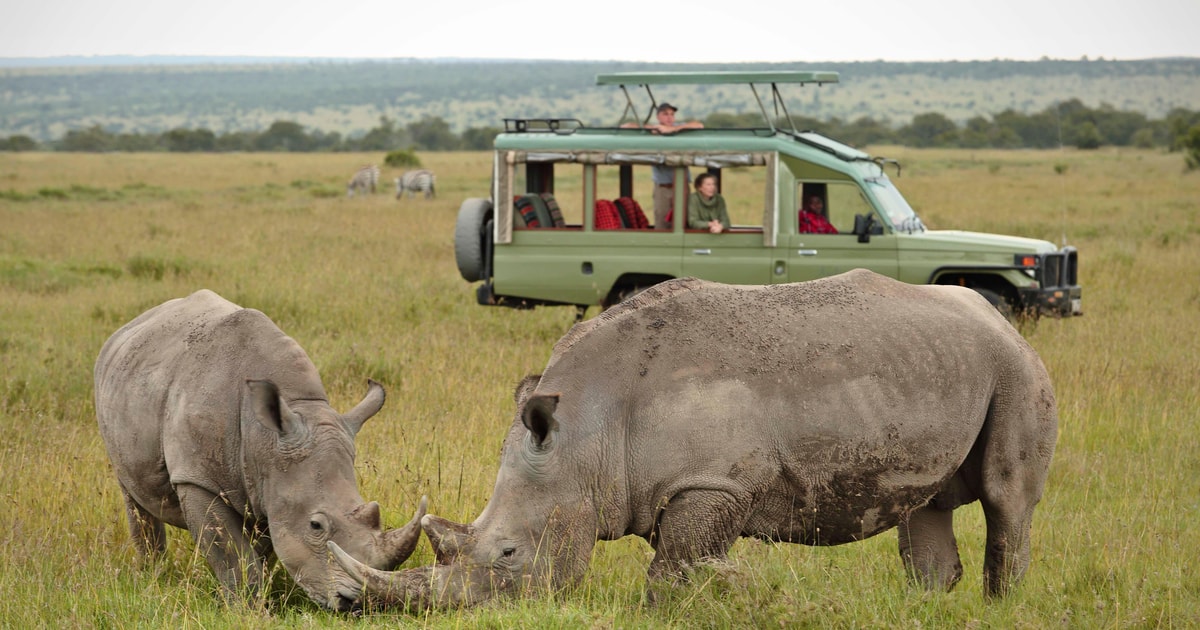
A Kenya wildlife safari offers iconic African adventure, focusing on diverse parks like the Maasai Mara (Great Migration, big cats) and Amboseli (elephants with Kilimanjaro views), featuring the "Big Five," birdlife, and cultural immersion with Maasai communities, with options ranging from luxury tented camps to budget camping, suitable for first-timers due to its accessibility and rich sightings. Key parks include Masai Mara, Amboseli, Lake Nakuru (flamingos), Samburu, and Tsavo, with activities like game drives, balloon safaris, and walking safaris.
3-days-fly-in-masai-mara-safari-tour-package
3-days-budget-masai-mara-safari-tour-package-itinerary
4-days-masai-mara-and-lake-nakuru-kenya-safari-tour-package
4-days-budget-masai-mara-safari-and-lake-nakuru
5-days-masai-mara-safari-lake-nakuru-and-hells-gate-national-park-kenya-tour
5-day-kenya-tanzania-safari-tour-from-masai-mara-to-serengeti-and-ngorongoro-crater
6-days-kenya-wildlife-safari-and-uganda-gorilla-tracking-safari-tour
7-days-incredible-africa-big-five-kenya-tanzania-combined-tour
10-days-best-kenya-tanzania-honeymoon-safari-with-zanzibar-beach-holidays
9-days-luxury-africa-big-five-kenya-safari-itinerary
8-days-honeymoon-kenya-tanzania-safari-and-optional-hot-air-balloon-safari-for-couples
7-days-masai-mara-safari-tour-and-serengeti-safari-tour-in-kenya-and-tanzania
17-days-east-africa-safari-to-uganda-rwanda-kenya-tanzania-and-zanzibar-beach-holidays
19-days-kenya-tanzania-wildlife-combined-with-zanzibar-beach-holiday-vacation
18-days-exclusive-kenya-tanzania-safari-to-uganda-primate-safari
9-days-luxury-africa-big-five-kenya-safari-itinerary
8-days-kenya-photography-safari-expedition
8-days-ol-pejeta-lake-nakuru-masai-mara-lake-naivasha-and-amboseli
6-days-masai-mara-kenya-vacation-and-tanzania-safari-with-zanzibar-beach-tour
7-days-incredible-africa-big-five-kenya-tanzania-combined-tour
11-days-ultimate-kenya-tanzania-safari-combined-tour
What is the best time for a Kenya wildlife safari?
The best time for a Kenya wildlife safari is during the dry season from June to October, when wildlife viewing is at its prime. This period coincides with the Great Migration, one of nature's most spectacular events. Millions of wildebeest and zebra migrate from Tanzania’s Serengeti to the Masai Mara in search of greener pastures, providing incredible opportunities for visitors to witness dramatic river crossings and the dynamics of predator-prey relationships.
During this time, animals congregate around water sources, making them easier to spot. The dry weather also means that the game drives are more enjoyable, with less mud and more stable road conditions. Families can fully engage in morning and evening game drives, when wildlife tends to be more active.
However, each season in Kenya offers unique experiences. The green season (November to May) transforms the landscape with lush vegetation and blooming flowers. This time can be quieter, offering fewer crowds and different wildlife activity. Migratory birds arrive, making it an excellent time for birdwatchers. Additionally, many baby animals are born, providing heartwarming sights.
Kenya's diverse ecosystems ensure that no matter when you choose to visit, you'll encounter unique wildlife experiences. Researching your specific interests and discussing your plans with tour operators can help tailor the experience to your preferences. Ultimately, the best time to visit hinges on what you wish to see and experience, ensuring that each wildlife safari can be memorable and enriching.
What is a "Big Five" Kenya wildlife safari?
A "Big Five" Kenya wildlife safari refers to the classic goal of spotting five iconic animals: the lion, leopard, elephant, rhinoceros, and Cape buffalo. This term originated from big-game hunters who deemed these animals the most challenging to hunt on foot; however, it has now become a popular focus for wildlife enthusiasts and photographers choosing to observe these magnificent creatures in their natural habitats.
The thrill of spotting the Big Five is often a significant draw for safari-goers, allowing them to engage with Africa's rich biodiversity. Lions can be seen lounging under acacia trees or stalking prey, while leopards are known for their elusive nature, often resting high in tree branches. Elephants move gracefully through the plains in large herds, displaying strong family bonds. The critically endangered black rhinoceros, while rarer, can sometimes be spotted in protected areas like Lake Nakuru. Cape buffaloes, characterized by their formidable horns, often graze in large groups.
Many Kenyan parks and reserves, including the Masai Mara and Tsavo, offer excellent opportunities for spotting these animals, enhancing the sense of adventure on your safari. Experienced guides will help locate and share fascinating insights about the Big Five, deepening the experience for families and wildlife enthusiasts alike.
While the Big Five are a primary attraction, numerous other species populate Kenya's diverse ecosystems, including cheetahs, giraffes, zebras, and an extensive range of bird species. Engaging in a Big Five safari ensures a well-rounded wildlife adventure while fostering a greater appreciation for the rich ecosystems that support these incredible animals.
What should I pack for a Kenya wildlife safari?
Packing for a Kenya wildlife safari requires thoughtful consideration to ensure comfort, functionality, and enjoyment during your adventure. Opt for neutral-colored clothing like khaki, brown, and olive to blend in with the landscape and to minimize disturbance to wildlife. Lightweight, breathable fabrics are ideal for the warm daytime temperatures, while packing layers is essential for cooler mornings and evenings, especially in open vehicles.
Comfortable footwear is another must-have; sturdy walking shoes are perfect for both game drives and nature walks, while flip-flops or sandals can be handy for relaxing at your lodge. Include a hat with a brim for sun protection, and don’t forget high-SPF sunscreen to protect your skin from harmful UV rays.
A quality camera with a zoom lens allows you to capture the stunning wildlife and landscapes, while binoculars are invaluable for spotting animals at a distance. A light jacket or fleece will come in handy during evening game drives when temperatures drop.
Additionally, consider bringing insect repellent to protect against pesky bugs, particularly around dawn and dusk. A personalized first-aid kit containing any necessary medications, along with any toiletries you might need, ensures you’re prepared for minor ailments.
Lastly, it’s advisable to carry a reusable water bottle to stay hydrated throughout the day, as well as a daypack to keep essentials handy during your adventures. Proper packing contributes to a more enjoyable and memorable safari experience, allowing you to focus on the wonders of Kenyan wildlife and landscapes.
Do I need a visa for a Kenya wildlife safari?
Yes, an eVisa is generally required for travelers visiting Kenya for a wildlife safari. The application process is straightforward and can typically be completed online prior to your trip. Obtaining an eVisa ensures that you have all necessary documentation for entry into the country, streamlining your travel experience.
It’s essential to check the latest visa regulations and requirements before your travel dates, as policies can change. Most travelers can apply for a single-entry visa that is valid for up to 90 days, allowing ample time to enjoy the various wildlife parks and reserves. The application usually requires submitting a passport-sized photo, your travel itinerary, and proof of accommodation, along with a nominal fee.
For families traveling together, it’s important to note that each member will need their own eVisa, including children. Applying well in advance prevents any last-minute complications, ensuring you receive your visas ahead of time.
Once you arrive at the airport in Kenya, having your eVisa printed and ready can expedite the entry process at customs. Ensuring you have the correct visa before your trip adds peace of mind, allowing you to focus on planning your safari experience.
Overall, it’s prudent to stay informed about visa requirements for your specific nationality and check any additional documentation that may be necessary, ensuring a smooth and enjoyable entry into the beautiful landscapes and wildlife of Kenya.
Is Kenya safe for a wildlife safari?
Yes, Kenya is generally safe for a wildlife safari, especially when booked through reputable tour operators and with experienced guides. The country has a well-established tourism industry focused on wildlife conservation and safari experiences, ensuring that safety measures are in place to protect visitors.
Reputable safari companies employ guides who are knowledgeable about both wildlife and safety protocols. They are trained to assess risks and manage wildlife encounters effectively, prioritizing the well-being of their guests. Accommodations often have safety measures, such as gated properties and security personnel, creating secure environments for travelers.
While most areas popular for wildlife safaris are safe, it’s always advisable to stay informed about local conditions and follow any guidance provided by tour operators. Traveling in groups and adhering to safety guidelines during wildlife activities also contribute to a safer experience. Most lodges and camps operate in areas where wildlife is safe yet accessible, allowing for incredible encounters without compromising guest safety.
Before your safari, be aware of any health precautions, such as vaccinations or malaria prophylaxis, ensuring you’re fully prepared. Carrying basic first-aid supplies and knowing emergency contacts enhances personal safety.
In summary, with careful planning and by choosing reputable operators, families can have a safe and enjoyable wildlife safari experience in Kenya. This vibrant country offers a remarkable opportunity to witness stunning wildlife and beautiful landscapes while ensuring safety measures are effectively implemented throughout your journey.
What animals can I see on a Kenya wildlife safari?
On a Kenya wildlife safari, you can expect to see a wide variety of animals, making it one of the most biodiverse and thrilling destinations for wildlife enthusiasts. While the Big Five—lion, leopard, elephant, rhinoceros, and Cape buffalo—are the primary highlights, the diverse ecosystems in Kenya host numerous other species, enriching your safari experience.
In parks like the Masai Mara, you can witness the majestic lions lounging in the shade, while leopards showcase their agility by lounging in trees or stalking through grasslands. Elephants roam in herds, displaying fascinating social behaviors, and rhinoceroses, particularly the black rhino, can be spotted in parks like Lake Nakuru, where conservation efforts are actively protecting this endangered species. Cape buffaloes graze in large herds, often surrounded by various other wildlife.
The diversity continues with giraffes, known for their distinctive long necks and playful interactions, and zebras, with their striking black-and-white stripes. Cheetahs, agile and elegant, grace the plains, often spotted carefully stalking their prey. Hippos can be found lounging in lakes, while numerous bird species, including the vibrant African fish eagle and various migratory species, can be observed in the rich habitats across the country.
In addition to iconic wildlife, you may also encounter unique smaller creatures, such as monkeys, jackals, and various reptiles. Immersing yourself in Kenya’s wild landscapes allows for unforgettable glimpses of its thriving ecosystems and the interconnectedness of its inhabitants. Overall, the variety of wildlife experiences available in Kenya makes for an enriching adventure that caters to families, wildlife lovers, and photographers alike.
What are the main parks for a Kenya wildlife safari?
Kenya is home to several iconic national parks and reserves, each offering unique landscapes and wildlife experiences, making it a prime destination for wildlife safaris.
- Masai Mara National Reserve: Renowned for its spectacular wildlife and the annual Great Migration, the Masai Mara is a must-visit for any safari enthusiast. The landscape is characterized by rolling savannahs, acacia trees, and diverse wildlife, including all members of the Big Five.
- Amboseli National Park: Famous for its stunning views of Mount Kilimanjaro, Amboseli is known for its large elephant populations. Visitors can see elephants up close while enjoying the striking backdrop of the mountain and vibrant wetlands filled with diverse birdlife.
- Samburu National Reserve: Located in northern Kenya, Samburu offers a unique ecosystem with distinct wildlife not commonly found in other regions. Rare animals such as the Grevy’s zebra and the reticulated giraffe can be spotted here, providing unique photographic opportunities.
- Tsavo National Park: One of the largest parks in Kenya, Tsavo is divided into East and West regions and is famous for its vast landscapes and large populations of elephants. The park features diverse habitats, from savannah to volcanic hills, ensuring varied wildlife viewing.
- Lake Nakuru National Park: Known for its spectacular birdlife, particularly flamingos, Lake Nakuru is also home to both black and white rhinoceroses. This park provides a distinct combination of wildlife and stunning landscapes, including cliffs and acacia forests.
Each of these parks offers unique experiences and opportunities to observe Kenya's rich wildlife in pristine settings. Selecting which parks to visit during your safari will enhance your overall adventure, allowing for memorable encounters with the diverse species that call these places home.
What's the Great Migration on a Kenya wildlife safari?
The Great Migration is one of the most enchanting natural spectacles in the world and a key highlight of a Kenya wildlife safari. This phenomenon involves millions of wildebeest, accompanied by zebras and other herbivores, moving across the plains of East Africa in search of fresh grazing lands. The migration typically starts in Tanzania’s Serengeti and reaches Masai Mara between July and October, making it a prime time for wildlife enthusiasts and photographers.
During this period, the herds face numerous challenges as they traverse treacherous terrain, including rivers with crocodiles that prey on the vulnerable animals during river crossings. These dramatic moments capture the raw essence of nature, showcasing the interconnectedness of life and survival in the wild. The migration is not just an event; it represents a cycle of life, where survival instincts drive the animals across vast distances and rugged landscapes.
The sight of thousands of wildebeest and zebras crossing the Mara River, often with dramatic wildlife interactions, draws visitors from around the globe. Experienced guides at safari lodges will take you to prime viewing locations, optimizing your chances of witnessing this extraordinary event.
The Great Migration is not just about the spectacle; it is a vital ecosystem phenomenon that supports the balance of wildlife in the region. Observing this migration creates powerful, lasting memories of Kenya's captivating wilderness and serves as a poignant reminder of nature's wonders.
How do I book a Kenya wildlife safari?
Booking a Kenya wildlife safari is a straightforward yet essential process that can greatly enhance your safari experience. The first step is to conduct thorough research to find a reputable tour operator specializing in wildlife safaris. Look for companies with strong positive reviews and experienced local guides who can provide insight into the wildlife and culture.
Once you select a tour operator, reach out to discuss your specific interests, preferred itinerary, and travel dates. Many operators offer customizable packages that cater to families, including accommodations, transportation, meals, and activities. Ensure that the operator includes options for child-friendly activities and accommodations, making your safari suitable for everyone in the family.
After finalizing your itinerary and confirming your preferences, it’s time to book your trip. Many operators will require a deposit at the time of booking to secure your accommodations and activities. Make sure to clarify the payment schedule and cancellation policies before proceeding.
As your travel dates approach, keep communication open with your operator for any itinerary adjustments or last-minute changes. Additionally, ensure that you have all necessary documentation, including your eVisa and travel insurance, organized and ready for your arrival.
In summary, booking a Kenya wildlife safari involves careful planning, selecting a reputable operator, and customizing your experience. This process will help ensure that your family adventure is smooth, enjoyable, and full of unforgettable wildlife encounters in the stunning landscapes of Kenya.
Can I customize my Kenya wildlife safari?
Absolutely! Customizing your Kenya wildlife safari is not only possible but often encouraged. Most tour operators offer tailor-made packages that allow you to design an itinerary suited to your family’s preferences, interests, and budget.
Customization options typically include selecting specific parks and reserves you want to visit, determining the duration of your stay at each location, and choosing the types of activities that interest you. Families may wish to incorporate additional experiences, such as cultural visits to local communities, nature walks, or hot air balloon rides, ensuring that every family member enjoys immersive encounters with Kenya’s wildlife and culture.
You can also personalize your safari based on accommodation preferences—ranging from luxury lodges to tented camps or budget campsites—ensuring that your lodging suits your family's needs. Operator flexibility often extends to meal options tailored for picky eaters, allowing families to communicate dietary restrictions or preferences.
When working with your safari operator, it’s vital to express your interests clearly. Do you want to focus on specific wildlife experiences, like birdwatching or photography? Are there certain activities that would excite your children? By sharing your interests with your operator, they can craft an experience that hits all the right notes for everyone.
In conclusion, customizing your Kenya wildlife safari provides a unique and personal adventure, making it possible for your family to have a tailored experience that reflects your interests, ensures comfort, and creates lasting memories in the breathtaking landscapes of Kenya.
What types of accommodation are there on a Kenya wildlife safari?
Kenya offers a diverse range of accommodation options to suit various preferences and budgets during a wildlife safari. From luxury lodges to budget campsites, there is something for everyone, making it easy to find the perfect fit for your family’s needs.
- Luxury Lodges: These provide upscale accommodations with modern amenities, exceptional service, and beautiful surroundings. Many luxury lodges feature en-suite facilities, gourmet dining, and opportunities for personalized experiences, including private game drives and guided walks. Families can often find interconnected rooms or family suites.
- Tented Camps: Combining comfort with a more authentic experience, luxury tented camps provide spacious, well-furnished tents with en-suite bathrooms and communal dining areas. They often blend into the natural landscape, offering an immersive experience while still providing comforts like electricity and hot showers.
- Budget Campsites: For families looking for economical options, budget campsites offer basic accommodations often in the heart of nature. While amenities may be limited, this option can provide a more rustic camping experience, complete with communal facilities such as bathrooms and dining areas.
- Safari Houses: Some operators offer exclusive safari houses that provide a unique experience for families or larger groups. These houses typically have multiple bedrooms, kitchens, and private spaces where families can relax together.
When choosing accommodation, consider proximity to wildlife reserves, family-friendliness, and available amenities. Many lodges and camps offer special programs designed for children, including activities like nature walks and cultural experiences, enhancing the safari adventure.
Overall, the variety of accommodation types ensures families can enjoy comfortable, memorable stays while exploring the stunning wildlife and natural beauty of Kenya, catering to a range of preferences and budget considerations.
What is a game drive on a Kenya wildlife safari?
A game drive is a quintessential activity during a Kenya wildlife safari, allowing visitors to experience the thrill of spotting animals in their natural habitats from an open-top vehicle. Typically led by knowledgeable guides, game drives offer a unique opportunity to immerse yourself in the sights and sounds of the African wilderness while observing a wide variety of wildlife.
Game drives often occur early in the morning or late in the afternoon, when animals are most active. During these drives, guests travel through national parks and reserves, navigating different terrains while searching for iconic wildlife like the Big Five—lions, elephants, leopards, rhinos, and buffalo. The guides’ expertise is invaluable, enabling them to interpret animal behavior, identify species, and share interesting insights about the ecosystem.
Open-top vehicles provide unobstructed views, allowing passengers to take photographs and fully appreciate the surrounding scenery. With smaller group sizes, families can engage in interactive discussions about what they observe, enhancing the educational experience for children and adults alike.
The flexibility of game drives allows for spontaneous stops when encountering wildlife, whether it's observing a pride of lions feeding or watching a herd of elephants interact. These moments create lasting memories and allow for an intimate connection with nature.
In addition to traditional game drives, many lodges offer night drives, which present a different perspective on wildlife behavior and nocturnal species. The intimate experience of observing the antics of hippos or the elusive leopard under the cover of darkness is unforgettable.
Overall, game drives are a must-do activity on any Kenya wildlife safari, providing opportunities to witness the magnificence of animals in their natural environments while fostering appreciation and respect for wildlife conservation.
Are there activities besides game drives on a Kenya wildlife safari?
Yes, there are numerous activities besides game drives that enhance the experience of a Kenya wildlife safari, offering visitors a richer understanding of the landscape and its inhabitants. These activities allow families to engage more closely with the environment, catering to diverse interests.
- Hot Air Balloon Rides: One of the most popular alternatives, hot air balloon rides provide a breathtaking aerial view of the scenery and wildlife. As the sun rises, families can enjoy panoramic views and experience the tranquility of floating above the savannah.
- Walking Safaris: A walking safari offers a unique perspective and an intimate encounter with nature. Guided by experts, families can learn about flora, fauna, and animal tracking techniques, making it an educational and engaging experience that fosters a sense of adventure.
- Cultural Visits: Visiting local communities, such as Maasai villages, allows families to learn about traditional customs and lifestyles. These interactions can include traditional dances, local crafts, and insights into daily life, helping foster cultural appreciation.
- Birdwatching: With over 1,000 bird species found in Kenya, birdwatching is a rewarding activity for nature enthusiasts. Many lodges provide guided birdwatching tours, especially during the migratory season, when rare and vibrant species are more prevalent.
- Boat Safaris: In locations like Lake Naivasha or **
Are there activities besides game drives on a Kenya wildlife safari?
Yes, there are numerous activities besides game drives that enrich the experience of a Kenya wildlife safari. These alternatives allow families to engage more intimately with the landscape, wildlife, and local cultures.
- Hot Air Ballooning: One of the most memorable experiences, hot air balloon rides offer a breathtaking aerial view of the landscapes and wildlife below. Families can rise with the sun, enjoying panoramic views of the savannah and the chance to spot animals from above. After landing, a celebratory breakfast can be enjoyed amidst the beauty of nature.
- Walking Safaris: Walking safaris provide a unique perspective on the African bush, allowing families to explore the environment at a slower pace. Guided by expert rangers, participants learn about animal tracks, flora, and fauna. This activity is educational, fostering a deeper understanding and appreciation for the ecosystem.
- Cultural Visits: Engaging with local communities, such as the Maasai or Samburu tribes, offers families an opportunity to learn about indigenous cultures. Activities may include traditional dances, storytelling, and demonstrations of craft-making. These visits not only foster cultural appreciation but also contribute to local economies.
- Birdwatching: With over a thousand species of birds in Kenya, birdwatching is a rewarding alternative for enthusiasts. Many lodges offer specialized birdwatching tours led by knowledgeable guides, enhancing the experience with information about various species and their habitats.
- Boat Safaris: In parks with lakes, such as Lake Naivasha, boat safaris can be an exciting way to view wildlife from the water. Families can spot hippos, crocodiles, and a plethora of bird species while enjoying a refreshing breeze on the water.
Overall, these activities complement traditional game drives, enriching a family wildlife safari and providing diverse experiences that create lasting memories in the beautiful Kenyan landscape.
What vaccinations are needed for a Kenya wildlife safari?
When planning a Kenya wildlife safari, it is essential to consult with a healthcare professional for personalized medical advice. Generally, several vaccinations are commonly recommended for travelers.
- Yellow Fever: This vaccination is particularly important if you are traveling from or transiting through countries where yellow fever is endemic. It is often required for entry and should be administered at least 10 days before travel.
- Tetanus and Diphtheria: A booster for tetanus-diphtheria is recommended if you haven’t had one in the past 10 years. This vaccine protects against bacterial infections that can occur through cuts or wounds during outdoor activities.
- Hepatitis A and B: Hepatitis A is recommended for all travelers due to the risk of food and water contamination. Hepatitis B vaccination is suggested, especially if you will be engaging in medical procedures or potential contact with bodily fluids.
- Typhoid: Considered for travelers consuming food and water from potentially contaminated sources, the typhoid vaccine can provide additional protection during your safari adventure.
- Malaria Prophylaxis: Given that malaria is present in certain regions of Kenya, antimalarial medications are often recommended, especially if traveling to areas where malaria is prevalent. Your healthcare provider can advise on the most appropriate medication based on your itinerary.
In summary, thorough health preparation, including vaccinations and preventative medications, is crucial to ensure a safe and enjoyable experience during your Kenya wildlife safari. Always consult with a healthcare professional for the most accurate and tailored advice before your trip.
How long should a Kenya wildlife safari be?
The ideal length for a Kenya wildlife safari typically ranges from 7 to 10 days. This duration allows families to explore a few key parks and reserves, maximizing wildlife viewing opportunities while minimizing travel fatigue.
A 7-day itinerary often covers highlights such as the Masai Mara and Lake Nakuru, providing sufficient time for game drives and exploration of diverse ecosystems. Families can witness the Great Migration during peak seasons and engage in activities like hot air balloon rides and cultural visits.
For those wanting a more in-depth experience, a 10-day safari permits visits to multiple parks, including Amboseli and Samburu. This extended time allows families to immerse themselves in unique environments, maximizing their chances of encountering various wildlife species and participating in different activities, such as walking safaris and birdwatching.
Some itineraries may even extend beyond ten days, allowing for additional visits to less-traveled parks, such as Tsavo National Park, or incorporating coastal relaxation on the shores of Mombasa after your safari adventure. Families can also opt for multi-country safaris, providing an opportunity to explore neighboring Tanzania or Uganda, enhancing the overall experience.
Ultimately, the duration of your safari should be tailored to your family's individual preferences, interests, and unique travel goals. Careful planning can ensure a well-rounded adventure, providing a memorable and enriching experience in the captivating landscapes of Kenya.
What's the difference between a park and a conservancy on a Kenya wildlife safari?
Understanding the difference between national parks and conservancies is crucial for navigating a Kenya wildlife safari effectively.
National Parks: These are government-managed areas dedicated to wildlife conservation and public enjoyment. Kenya’s national parks, such as the Masai Mara National Park and Amboseli National Park, prioritize conservation and provide access for tourists to witness protected wildlife in their natural habitats. The government monitors and maintains these parks, ensuring rules and regulations are adhered to, minimizing human-animal conflict. However, park regulations can sometimes limit the level of interaction within the environment.
Conservancies: In contrast, conservancies are privately owned lands that partner with local communities to manage wildlife sustainably while promoting conservation. These areas provide visitors with exclusive experiences, often with lower visitor numbers compared to national parks. Conservancies, such as those surrounding the Masai Mara reserve, offer more flexible activities, allowing for walking safaris, night drives, and cultural visits that create unique opportunities for interaction with wildlife. The revenue generated from tourism typically supports local communities, enhancing conservation efforts.
Choosing between a park and a conservancy may rely on personal interests; parks often provide quintessential safari experiences, while conservancies tend to offer a more intimate connection with nature. Each type of location contributes to the rich diversity of Kenya’s wildlife experience, ensuring that visitors can find the adventure that suits their preferences best.
Can children go on a Kenya wildlife safari?
Yes, children can certainly go on a Kenya wildlife safari, and many tour operators plan family-friendly itineraries that cater to travelers of all ages. However, it's important to consider the specific activities and arrangements when planning the trip.
Families with children should check the minimum age requirements for different activities, such as game drives, walking safaris, and cultural visits. Young children may not be permitted on walking safaris or certain guided excursions due to safety concerns; thus, tailored itineraries often include age-appropriate alternatives to ensure everyone can participate safely.
In Kenya, visa regulations may also vary for children, particularly for minors traveling alone or with one parent. Checking current visa rules and requirements ahead of time is essential for smooth travel.
Many lodges and camps are equipped with family-friendly amenities, including interconnected rooms and children's programs, making the safari experience enjoyable for all. Some operators offer “kids stay free” promotions or special family packages to accommodate families traveling together.
Additionally, a Kenya wildlife safari can be highly educational for children, allowing them to learn about wildlife conservation and the importance of protecting endangered species. Exposure to nature and wildlife can foster a deeper appreciation for the environment and create lasting memories.
Overall, with careful planning and consideration of activities, a Kenya wildlife safari can be a rewarding and enjoyable experience for families with children, ensuring fun and educational adventures amid the beauty of Africa’s wildlife and landscapes.
What's the currency in Kenya for a safari?
The currency in Kenya is the Kenyan Shilling (KES), which is commonly used for local transactions. It’s advisable to exchange some money into shillings for everyday expenses, local markets, and small purchases during your safari.
However, the United States Dollar (USD) is also widely accepted at many lodges, camps, and for tipping guides. Many establishments will provide prices in both KES and USD, and some may prefer cash transactions in USD, especially in more tourist-oriented areas.
When planning your safari, it’s important to inform your tour operator ahead of time whether you will need assistance with currency exchange or have specific requirements. Some safari packages may include tips for guides and drivers, but if not, having a supply of smaller denominations in USD to distribute as tips during your journey is advisable.
While credit and debit cards are accepted at larger hotels and lodges, and sometimes in shops, it is wise to carry cash, particularly in remote areas where banking facilities might be limited. ATMs are available in urban centers, but they may be scarce in rural or wilderness areas.
Overall, understanding the currency used in Kenya assists in smooth transactions, ensuring a hassle-free safari experience as you explore the breathtaking landscapes and wildlife of this beautiful country.
Do I need travel insurance for a Kenya wildlife safari?
Yes, obtaining travel insurance for a Kenya wildlife safari is highly recommended. Travel insurance provides vital protection against unforeseen circumstances, ensuring peace of mind throughout your adventure.
Comprehensive travel insurance typically covers medical emergencies, including hospitalization or evacuation if needed, which can be crucial in remote areas where medical facilities may be limited. Additionally, travel insurance can protect against trip cancellations or interruptions due to illness, emergencies, or other unexpected events.
Insurance policies may also cover lost or delayed luggage, providing compensation for essential items that may be required if your bags do not arrive on time. This is particularly important when traveling with family, as having necessary items readily accessible can enhance everyone's comfort during the trip.
When selecting travel insurance, ensure it includes coverage for adventure activities that you may engage in during your safari, such as walking safaris or hot air balloon rides. Read through the policy details carefully to confirm that you have the coverage you need.
It's also advisable to keep emergency contact numbers and necessary documents handy while traveling. By having travel insurance, you can enjoy your Kenya wildlife safari with the confidence that you are safeguarded against potential risks, ensuring a memorable and stress-free experience while exploring the stunning landscapes and wildlife of Kenya.
Is tipping expected on a Kenya wildlife safari?
Yes, tipping is generally expected on a Kenya wildlife safari and is an important aspect of the overall experience. Gratuities contribute significantly to the income of safari guides, drivers, and lodge staff, who often rely on tips in addition to their salaries to support their families.
For guide and driver tips, a standard guideline is to offer around 10-15% of the total cost of your safari. In most cases, this amount can be evaluated based on the level of service provided. Families may consider tipping more for exceptional service, and it is common to give a bit more for guides who go above and beyond in enriching the safari experience with their knowledge and insights.
When it comes to lodge staff, it’s customary to leave tips in a communal pot established specifically for this purpose. A suggestion might be around KSh 300-500 (or equivalent in USD) per day, depending on the size and quality of the service. Family groups can adjust this based on the size of the group and specific experiences.
While tipping is appreciated, it should always reflect the level of service received. It’s good practice to hand tips directly to the individuals who have assisted you, as this personal touch is often appreciated. In some luxury lodges, service charges may be included in your bill, but tipping your guides and drivers remains customary.
Booking Kena wildlife safari with us Roads of Adventure safaris
Embark on an unforgettable Kenya wildlife safari with Roads of Adventure Safaris! We specialize in crafting personalized itineraries that cater to families and nature enthusiasts, ensuring thrilling wildlife encounters and comfortable accommodations. Experience the stunning landscapes of Kenya, witness the Great Migration, and explore iconic national parks. Our expert guides will enrich your journey with their knowledge and passion for wildlife. Book with us today and create cherished memories as you dive into the incredible beauty of Kenya’s wilderness!
