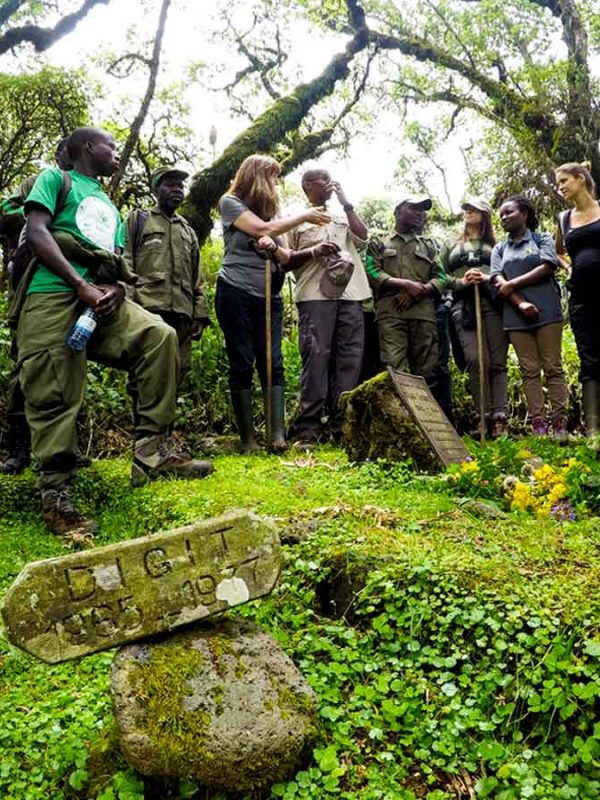
Yes, the Dian Fossey hike is highly recommended as a 3–4-hour addition to a Rwanda gorilla safari, offering deep insight into conservation history. The hike, reaching ~9,000 feet, leads to her gravesite and the ruins of her research center in Volcanoes National Park. It provides context on her legacy and is physically engaging, usually rewarding hikers with stunning scenery.
5-days-rwanda-primate-safari-dian-fossey-hike-and-ibyiwachu-cultural-centre-visit
6-days-luxury-rwanda-gorilla-trekking-safari-tour-vacation
7-days-best-gorilla-trekking-and-other-highlights-of-rwanda-tour
9-days-budget-rwanda-gorilla-trekking-safaris
Historical Significance
The hike to the gravesite of Dian Fossey offers a unique window into the life and legacy of one of the world’s most dedicated primatologists. Fossey, who famously studied mountain gorillas in Rwanda, devoted her life to protecting these magnificent creatures from poaching and habitat loss. Her passion and tireless efforts turned her into a global conservation icon, making her gravesite a place of pilgrimage for those interested in wildlife conservation.
The site is nestled in a serene area beside her favorite gorilla, Digit, symbolizing the strong bond Fossey forged with these animals. Visitors to the gravesite not only pay their respects to Fossey but also to nearly 20 other gorillas buried nearby, all of whom were victims of poaching or human-wildlife conflict. This poignant experience fosters a deeper understanding of the challenges that mountain gorillas and conservationists face in today’s world.
Educating visitors about the importance of gorilla conservation, the site also serves as a reminder of the ongoing efforts needed to preserve these endangered animals. As visitors walk in Fossey's footsteps, they gain insight into her groundbreaking research and the dramatic tales of survival surrounding the gorillas she loved. The hike becomes a pilgrimage of sorts, merging the natural beauty of Rwanda with the somber history of conservation efforts. This experience not only honors Fossey's legacy but also inspires future generations to continue advocating for wildlife protection, making it a profound and enlightening journey for all who participate.
The Experience
The hike to the former Karisoke Research Center is an educational adventure, allowing participants to explore the remarkable landscape while diving deep into its rich biodiversity. Spanning 1.5 to 3 hours each way, this trek is set against the backdrop of the stunning Bisoke and Karisimbi volcanoes, offering breathtaking views that make the effort worthwhile. The varying terrain keeps hikers engaged, providing a blend of excitement and challenge as they navigate steep and muddy trails.
This trek is not merely a physical challenge; it is a journey into the history and significance of gorilla conservation. Participants have the chance to learn about Dian Fossey’s pioneering research and the methodologies she employed in her quest to study and protect the mountain gorillas. Knowledgeable guides enhance the experience by sharing their insights and anecdotes related to Fossey’s work, fostering a deeper connection between the participants and the rich cultural history of Rwanda.
Along the way, the hike also offers opportunities for wildlife sightings, adding to the thrill of exploration. Encountering golden monkeys, forest elephants, and various endemic bird species enriches the educational aspect of the trek, making it truly immersive. As hikers venture into this magnificent environment, they gain not only physical exercise but also a profound appreciation for the complexities of wildlife conservation. This hike is the perfect blend of physical activity, education, and the chance to engage with a spectacular natural landscape, ensuring that every participant leaves with lasting memories and newfound insights.
What to Expect
Embarking on the hike to the former Karisoke Research Center presents a wealth of unique experiences and stunning visual vistas. The trail, often characterized as scenic, weaves through lush landscapes, offering hikers a changing panorama that showcases Rwanda's biodiversity and natural beauty. The journey begins at the foothills of the majestic volcanoes, creating an atmosphere that is both serene and invigorating.
As trekkers make their way up the trail, they often spot golden monkeys playing in the foliage, adding a lively element to the hike. These agile creatures are a delight to observe, and their presence brings the rich ecosystem of the area into sharp focus. In addition to the monkeys, forest elephants can sometimes be seen roaming in the distance, and the chance to hear the Calls of endemic birds enhances the experience. Each step along the trail unveils new sights and sounds, engaging all the senses and creating a connection with the environment.
While the hike is considered moderate, participants should be prepared for conditions that can be steep and muddy, particularly after rainfall. Good hiking shoes and a basic level of fitness are recommended, ensuring safety and enjoyment throughout the journey. Hikers can expect camaraderie and support from their fellow trekkers and guides, fostering a shared experience that often leads to lasting friendships. The combination of educational insights, natural beauty, and the thrill of potential wildlife encounters makes this hike an unforgettable experience, encouraging visitors to appreciate the significance of conservation efforts in Rwanda.
Physical Requirements
The hike to the Karisoke Research Center is classified as a moderate trek, striking a balance that caters to various fitness levels while still providing a rewarding adventure. While it does present certain challenges—such as steep inclines and potentially muddy paths—previous hiking experience is not strictly necessary. However, participants should have at least a basic to good level of fitness to fully enjoy the experience.
The trail often becomes more demanding due to its elevation changes, requiring stamina and determination. Those who regularly engage in outdoor activities such as walking, hiking, or running will likely find the trek manageable and enjoyable. Adequate preparation, including good hiking footwear, weather-appropriate clothing, and personal hydration, can significantly enhance one’s comfort on the trek.
For those less experienced with hiking, the guides are knowledgeable and supportive, making sure that all participants feel comfortable and safe. They can provide tips for navigating the trail, share local insights, and encourage those who may find the hike physically demanding. Ultimately, the journey is as rewarding as the destination, making it essential to pace oneself and embrace the experience.
While the hike may challenge participants physically, the stunning views and emotional resonance of reaching iconic sites like Dian Fossey's gravesite serve as excellent motivators. This trek emphasizes that achieving a meaningful goal often requires effort, and this experience encourages hikers to appreciate the connection between conservation and active engagement with nature
What is the significance of including the Diane Fossey hike on a Rwanda gorilla trekking safari?
Including the Diane Fossey hike in a Rwanda gorilla trekking safari holds profound significance for those seeking to understand the intricate relationship between conservation and wildlife tourism. Dian Fossey, an iconic primatologist, dedicated her life to researching and protecting mountain gorillas, and her work at the Karisoke Research Center was pivotal in saving them from extinction. The hike serves as a tribute to her legacy, allowing visitors to walk in her footsteps and engage with the history of gorilla conservation.
The journey to Fossey’s grave, located next to her beloved gorilla Digit, offers a unique opportunity to reflect on the trials and tribulations faced by both Fossey and the gorillas. This emotional connection transforms a standard wildlife encounter into a deeper understanding of the sacrifices made for conservation. Understanding Fossey’s challenges helps travelers appreciate the efforts that continue today to protect these magnificent creatures.
Furthermore, the hike provides essential context for the broader narrative of gorilla tourism in Rwanda. It highlights how the tourism sector has shifted from exploiting wildlife to actively conserving it, emphasizing the crucial role that ecotourism plays in local economies and conservation efforts. By incorporating this historical trek, tourists can grasp the complexities of wildlife protection, including the impacts of poaching and habitat loss.
In essence, the Diane Fossey hike enriches the overall safari experience, bridging the gap between past and present conservation efforts. It fosters a sense of responsibility among travelers, encouraging them to support ongoing initiatives that protect gorillas and their habitats. This holistic approach to exploring Rwanda’s wildlife makes the Diane Fossey hike a must-do for anyone genuinely committed to understanding gorilla conservation.
How difficult is the Diane Fossey hike compared to the main Rwanda gorilla trekking safari?
The Diane Fossey hike is generally rated as moderately challenging, offering an experience that is both rewarding and physically engaging. Typically, the hike involves a 3–4 hour round trip through montane forest at altitudes ranging from 2,900m to 3,000m. Compared to the main Rwanda gorilla trekking safari, which also varies in difficulty but focuses more on short bursts of intense trekking, the Fossey hike can be more consistently steep and muddy.
While participants on a gorilla trekking safari may tackle rugged terrain in a shorter timeframe, the Diane Fossey hike requires sustained effort over a longer period. Hikers often navigate uneven, slippery paths due to rains, making good footwear and physical fitness essential. Unlike gorilla tracking, where the primary object is to encounter the gorillas once they are located, the Diane Fossey hike requires hikers to manage their stamina over a longer distance.
Physical fitness is highly recommended for this hike, as the longer duration and altitude can make it challenging, especially for those unaccustomed to such environments. However, this challenge is balanced by the chance for rewarding views and rich educational experiences throughout the trek.
Ultimately, both hikes offer distinct experiences that showcase Rwanda's natural beauty. While the primary focus of a gorilla trek is on gorilla sightings, the Diane Fossey hike provides a historical and educational lens that deepens one's appreciation for gorilla conservation. Hikers should prepare adequately for both challenges and choose based on their interests and fitness levels, ensuring a fulfilling experience in Rwanda's stunning landscapes.
What is the cost of a permit for the Diane Fossey hike on a Rwanda gorilla trekking safari?
As of 2025–2026, the permit for the Diane Fossey hike costs $75 USD for foreign non-residents, which is significantly more affordable than the $1,500 permit required for the main Rwanda gorilla trekking safari. This pricing makes the Fossey hike an accessible option for many travelers who seek to deepen their understanding of mountain gorilla conservation without the financial burden of a more expensive gorilla trekking permit.
The reasonable cost of the Diane Fossey hike permit allows individuals and families to engage with Rwanda’s wildlife conservation narrative. The fees collected from these permits contribute directly to the conservation efforts managed by the Rwanda Development Board and local communities. By participating in this hike, you are not just taking part in a physical activity; you are also supporting ongoing initiatives aimed at preserving the mountain gorilla population and their habitats.
Furthermore, the lower permit cost enables visitors with various budgets to participate in this meaningful educational experience. It encourages more people to learn about the complex history of gorilla conservation while enjoying Rwanda’s incredible landscapes.
In addition to the financial benefits, opting for the Diane Fossey hike alongside the gorilla trekking safari provides a well-rounded itinerary. Travelers can connect the dots between the historical context of Fossey's work and current conservation initiatives, enriching their overall safari experience. The affordability and significance of the Diane Fossey hike make it a worthwhile add-on, allowing each participant to contribute to the ongoing story of gorilla survival.
What will I see at the Karisoke site during the Diane Fossey hike on my Rwanda gorilla trekking safari?
During the Diane Fossey hike, visitors will explore the historically rich Karisoke site, which houses the ruins of the original research center started by Dian Fossey in the 1960s. As you trek through the lush montane forests toward this significant landmark, you will encounter breathtaking views of the surrounding volcanoes, providing a stunning backdrop to your journey.
At the Karisoke site, the highlight is undoubtedly Fossey's gravesite, where she rests beside her beloved gorilla, Digit, as well as nearly 20 other gorillas who were victims of poaching. This poignant cemetery serves as a powerful reminder of the ongoing battle against wildlife crime and the sacrifices made by conservationists. Standing here offers visitors a moment for reflection on the fragile existence of mountain gorillas and the importance of protecting them.
Additionally, the site features remnants of the Karisoke Research Center, which was a pivotal facility for Fossey’s groundbreaking studies on gorilla behavior. Informative signage and exhibits provide insights into her research methodologies, the challenges she faced, and her profound impact on wildlife conservation. These educational elements enrich the hike, allowing participants to gain a well-rounded understanding of the complexities surrounding gorilla conservation.
Overall, the Karisoke site is not just about the physical landscape but also about the emotional and historical significance it holds. By visiting this landmark, hikers can connect deeply with Fossey's legacy and draw inspiration from her commitment to wildlife protection, making the experience unforgettable and profoundly rewarding.
Is there a chance to see gorillas during the Diane Fossey hike on a Rwanda gorilla trekking safari?
While the primary focus of the Diane Fossey hike is its historical and educational content, there is indeed a chance to observe wildlife along the trail, including mountain gorillas, golden monkeys, and possibly even forest buffalo. However, it’s important to note that unlike the main Rwanda gorilla trekking safari, which is specifically dedicated to encountering gorillas, sightings during the Fossey hike should not be taken as guaranteed.
The hike traverses lush montane forests, providing a rich ecosystem that supports a diverse range of wildlife. Trekking through this environment may yield glimpses of golden monkeys, known for their playful nature, or various endemic bird species flitting through the trees. For many hikers, these encounters offer additional excitement and enhance the connection to Rwanda’s diverse wildlife.
However, the Diane Fossey hike prioritizes education and reflection on the conservation struggles faced by mountain gorillas. As such, the primary objective isn't just to see the gorillas but to understand their plight and the efforts required to protect them. Participants are encouraged to focus on the historical narrative surrounding Dian Fossey’s work and the ongoing challenges in conservation.
For those primarily interested in seeing mountain gorillas, it’s advisable to pair the Fossey hike with one of the dedicated gorilla trekking experiences in Rwanda. This combination allows travelers to appreciate the emotional significance of Fossey’s efforts while still having the thrilling opportunity to encounter these magnificent creatures in their natural habitats.
How long does the Diane Fossey hike take to complete during a Rwanda gorilla trekking safari?
The total duration for the Diane Fossey hike typically ranges between 3 to 6 hours, depending upon various factors such as individual pacing, group size, and the initial briefing at the Volcanoes National Park headquarters. Most travelers allocate a half-day for this activity within their overall Rwanda gorilla trekking safari itinerary, making it a manageable yet enriching experience.
The hike itself generally consists of a 1.5 to 3-hour ascent to the Karisoke Research Center, where participants can learn about Dian Fossey’s vital contributions to gorilla conservation. After spending time at the site—taking in its historical significance and reflecting on the remarkable legacy of Fossey—hikers will return along the same trail, making for a rewarding round trip.
Factors such as trail conditions, the weather, and individual fitness levels can influence the total time spent. The hike can be more challenging if the ground is muddy or if the group is navigating a particularly steep section, yet ample opportunities for rest and education along the way enhance the experience.
Recognizing the entire timeframe allows travelers to be adequately prepared with water, snacks, and necessary gear, ensuring a comfortable trek. The mix of physical activity, historical exploration, and personal reflection makes the Diane Fossey hike a fulfilling half-day adventure that complements the broader narrative of Rwanda’s wildlife conservation efforts.
What is the best time of year to do the Diane Fossey hike on a Rwanda gorilla trekking safari?
The best time to embark on the Diane Fossey hike aligns with Rwanda's dry seasons, specifically from June to September and mid-December to early February. During these months, the trails are generally less muddy and offer more comfortable hiking conditions, making both the hike and your overall Rwanda gorilla trekking safari much more enjoyable.
Opting to hike during the dry season typically results in better visibility and allows for easier navigation through the montane forest. This is especially beneficial for the Diane Fossey hike, where trail conditions can heavily impact the overall experience. Additionally, fewer muddy areas mean less chance of slipping, reducing the physical strain and enhancing safety while trekking.
Traveling during peak dry months also aligns with optimal wildlife viewing conditions. Visitors may be more likely to encounter golden monkeys and other fauna amidst the flourishing vegetation. Additionally, more stable weather patterns contribute to an overall enjoyable hiking experience.
For those planning a gorilla trekking safari, it’s advisable to incorporate the Diane Fossey hike during these ideal months to maximize both comfort and experience. Advance planning and booking during this time frame can also ensure availability for both the hike and the main gorilla trekking permits. By selecting the right time of year, hikers can fully immerse themselves in the history and natural beauty of Rwanda, ensuring a memorable adventure.
What should I wear for the Diane Fossey hike on my Rwanda gorilla trekking safari?
When preparing for the Diane Fossey hike, selecting appropriate clothing and gear is essential for a comfortable and successful experience. Essential items include sturdy, waterproof hiking boots that provide good traction on slippery and uneven trails. The terrain can be challenging, so supportive footwear is critical to reduce the risk of injuries.
Long trousers tucked into socks are highly recommended to protect against insect bites and stinging nettles that may be encountered along the trail. Additionally, wearing a long-sleeved shirt can help shield your arms from the elements while also offering comfort in varying temperatures.
A lightweight, waterproof rain jacket is also indispensable. Rwanda’s weather can be unpredictable, with sudden rain showers even during the dry season. This jacket will keep you dry and comfortable, allowing you to enjoy the hike without discomfort. Moreover, consider layering clothes so that you can adjust to varying temperatures as the trek progresses.
Don't forget essentials like a good-quality hat for sun protection, sunscreen, and a refillable water bottle to stay hydrated throughout the hike. Bringing snacks can also enhance your experience, providing energy boosts during breaks.
In summary, dressing appropriately for the Diane Fossey hike is crucial for ensuring both your safety and comfort. The right gear enables participants to focus more on the stunning scenery and rich history encountered along the way, enhancing the overall trekking experience.
Is a porter necessary for the Diane Fossey hike on a Rwanda gorilla trekking safari?
Hiring a porter for the Diane Fossey hike is highly recommended and offers numerous advantages that can significantly enhance the overall trekking experience. Porters are familiar with the terrain, making navigation easier on the often muddy and slippery trails. Their assistance can help reduce the physical strain by carrying gear and personal belongings, allowing trekkers to focus on enjoying the hike.
Support from porters also directly benefits the local community living near the Rwanda gorilla trekking safari destination. Employing porters provides them with reliable income and promotes sustainable tourism practices. This support fosters a sense of shared responsibility for the park's conservation goals, ensuring that both visitors and locals work hand in hand to protect the biodiversity of the region.
Moreover, porters often possess valuable knowledge regarding the flora and fauna along the trail. They can enhance the educational aspect of the hike by sharing insights about the local environment and its significance. This connection enriches the experience and enables trekkers to engage deeper with their surroundings.
Ultimately, while hiring a porter is not mandatory, it is a worthwhile consideration for enhancing comfort and safety during the Diane Fossey hike. Their assistance allows hikers to truly immerse themselves in the beauty and history of the trek while also supporting local livelihoods, making it a win-win situation for both travelers and the community.
Where does the Diane Fossey hike start within the Rwanda gorilla trekking safari region?
The Diane Fossey hike kicks off with an organized briefing at the Volcanoes National Park headquarters in Kinigi, typically starting at 7:00 AM. This central location serves as the launching point for all major activities associated with Rwanda’s highlight gorilla trekking experiences, making it familiar to many travelers.
During the briefing, park officials convey crucial information about the hike, including safety protocols, trail conditions, and wildlife interactions. This session is vital for preparing participants mentally and physically for the trek ahead. It provides an opportunity for participants to ask questions, gain insights into the historical significance of the hike, and understand the importance of conservation efforts.
After the briefing, trekkers set out on the trail, navigating dense montane forests toward the historic Karisoke Research Center—a journey fittingly steeped in Dian Fossey’s legacy. Starting the day at the park headquarters not only enhances safety but also fosters camaraderie among participants, who share the excitement and anticipation of the adventure to come.
As the hike commences, trekkers are encouraged to absorb the beauty of their surroundings while reflecting on the profound mission of protecting mountain gorillas. The headquarters’ role as the starting point emphasizes the intertwining of education, conservation, and tourism, ultimately enriching the entire experience for those undertaking this meaningful trek.
Are there age limits for the Diane Fossey hike on a Rwanda gorilla trekking safari?
Yes, there is a minimum age requirement for participating in the Diane Fossey hike. The minimum age set is 15 years old, and this restriction is consistent with the guidelines enforced for the primary Rwanda gorilla trekking safari. The age limit primarily serves to ensure that all participants possess the physical capability and maturity to handle the challenges associated with the hike.
Setting the minimum age at 15 allows for a safer trekking experience, as younger children may not have the endurance or strength necessary for navigating steep and potentially slippery terrain. This precaution helps maintain the safety of all hikers and ensures that everyone can fully engage with the experience without undue risk.
Additionally, having an age limit promotes an appreciation for the conservation message inherent in the hike. Older participants are more likely to understand the historical significance of Fossey's work and the ongoing challenges faced by mountain gorillas, fostering a sense of responsibility toward wildlife preservation.
For families considering this hike, it presents an opportunity to educate older children about wildlife conservation in a meaningful context. The Diane Fossey hike thus not only emphasizes physical fitness and safety but also promotes educational engagement with a critical conservation story, ensuring that the experience is both enriching and responsible.
How does the Diane Fossey hike complement the wildlife experience of a Rwanda gorilla trekking safari?
While a Rwanda gorilla trekking safari primarily focuses on the unforgettable experience of observing mountain gorillas in their natural habitat, the Diane Fossey hike offers invaluable context that enhances the overall wildlife encounter. By immersing oneself in Fossey's incredible legacy, trekkers gain insights into the tireless efforts that went into saving these majestic creatures, thus understanding the "why" behind their contemporary existence.
The hike allows participants to explore the historical narrative of gorilla conservation, specifically how Fossey’s groundbreaking work created the framework for current conservation practices and gorilla tourism. Walking in her footsteps fosters a sense of connection, enabling hikers to appreciate the journey of mountain gorillas from the brink of extinction to their current growing populations.
Moreover, the Diane Fossey hike can heighten the emotional stakes of the trek. While visitors often feel excitement during their gorilla encounters, the knowledge gained from the Fossey hike fosters a deeper empathy and a strong sense of responsibility toward wildlife protection. It underscores the challenges posed by poaching and habitat destruction, imparting a more nuanced understanding of the complexities involved in wildlife conservation.
In essence, the Diane Fossey hike serves as a powerful complement to the wildlife experience of a Rwanda gorilla trekking safari, connecting travelers to the rich heritage of gorilla conservation. It enriches the adventure by framing the encounter with mountain gorillas within the vital context of conservation efforts, leaving trekkers with a profound appreciation for both the species and their dedicated protectors.
Can I visit the Ellen DeGeneres Campus instead of the Diane Fossey hike on my Rwanda gorilla trekking safari?
Yes, visitors have the option to visit the Ellen DeGeneres Campus of the Dian Fossey Gorilla Fund in Musanze as an alternative to the physically demanding Diane Fossey hike. This facility is designed to provide a more accessible way to engage with the legacy of Dian Fossey and the ongoing efforts of wildlife conservation without requiring the strenuous exertion needed for the hike.
The Ellen DeGeneres Campus offers high-tech museum exhibits that showcase state-of-the-art conservation research efforts, advancements in gorilla conservation, and the history of the Dian Fossey Gorilla Fund. This interactive learning environment allows guests to gain valuable insights into the vital work being done to protect mountain gorillas and their habitats, making it a suitable choice for families or those who prefer a less physically demanding activity.
Moreover, visiting the campus provides an opportunity to engage with knowledgeable staff who can share the latest research findings and conservation strategies. This connection enriches the experience and helps foster a deeper understanding of the ongoing challenges faced by mountain gorillas, all within a relaxed setting.
Many travelers choose to combine visits to both the Ellen DeGeneres Campus and the Diane Fossey hike within their Rwanda gorilla trekking safari itinerary. This approach ensures a well-rounded experience that captures both the physical adventure of hiking and the intellectual engagement fostered by the campus’s exhibits. Ultimately, these experiences together celebrate the enduring legacy of Dian Fossey while emphasizing the importance of conservation efforts in Rwanda.
Do I need to book the Diane Fossey hike in advance for my Rwanda gorilla trekking safari?
Yes, advance booking for the Diane Fossey hike is highly recommended, especially during the peak seasons of the Rwanda gorilla trekking safari when demand often exceeds availability. Securing permits in advance not only guarantees your spot on the hike but also facilitates better planning and organization of your overall safari itinerary.
Permits for the Diane Fossey hike can be obtained through the Rwanda Development Board (RDB) or through reputable tour operators specializing in wildlife experiences. Given the limited number of permits issued each day, booking ahead of time ensures that you do not miss out on this enriching opportunity.
Moreover, advance booking allows you to gather essential information about local conditions, potential trail closures, and other logistical matters that could enhance your hiking experience. Preparatory information can lead to a smoother trek, helping you feel more at ease as you embark on your journey.
Booking Diane Fossey hike and gorilla trekking with us Roads of Adventure safaris
Book your unforgettable Rwanda adventure with Roads of Adventures Safaris for top-tier gorilla trekking and the Diane Fossey hike. We provide expert guides for trekking the endangered mountain gorillas and hiking the historic Karisoke Research Center gravesite. We secure park permits in advance, especially for dry seasons (June-September), to ensure your place. Our 3–4-day packages offer immersive, intimate experiences tracking gorillas and honoring Dian Fossey. Contact Roads of Adventures Safaris today for an tailored, expertly managed itinerary.
