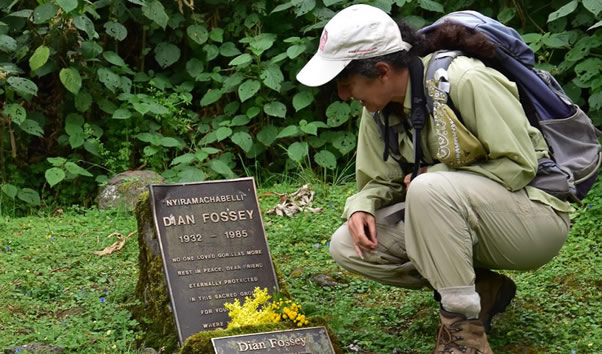
The Dian Fossey hike in Rwanda takes you through Volcanoes National Park to the resting place of the famous primatologist and her beloved mountain gorillas at the former Karisoke Research Center, offering a moving, moderate trek through dense rainforests with potential sightings of monkeys and birds, culminating in a visit to her simple grave and Digit the gorilla's tomb for reflection on conservation.
5-days-rwanda-primate-safari-dian-fossey-hike-and-ibyiwachu-cultural-centre-visit
The Dian Fossey hike in Rwanda is a guided trek within Volcanoes National Park leading to Dian Fossey's gravesite and the former location of her Karisoke Research Center. The round trip is typically 3 to 4 hours and covers about 6km. The hike, considered moderate due to potentially steep and muddy terrain, reaches an altitude of approximately 2,900m to 3,000m.
The trek starts at the Volcanoes National Park headquarters after a 7:00 a.m. briefing. The permit costs around USD 75 per person, including a mandatory park ranger guide. The minimum age to participate is 15 years old.
While not guaranteed, there's a chance of seeing gorillas or golden monkeys. Recommended gear includes waterproof hiking boots, long clothing, gloves, and a raincoat. Porters are available for hire at the trailhead.
Dian Fossey is buried next to her favorite gorilla, Digit, and other gorillas killed by poachers. Photography is allowed. The dry seasons (June to September and December to February) are generally the best time for the hike. Booking in advance is recommended, especially during peak season.
What is the Dian Fossey hike in Rwanda?
The Dian Fossey hike in Rwanda is a guided trek set in the stunning Volcanoes National Park, renowned for its breathtaking landscapes and rich biodiversity. This hike takes visitors to the final resting place of the celebrated primatologist Dian Fossey, who dedicated her life to the conservation of mountain gorillas. The trek culminates at her gravesite, located beside the ruins of the Karisoke Research Center, which she established in 1967.
Dian Fossey’s work was pivotal in the effort to protect mountain gorillas from poaching and habitat destruction. The hike not only offers a chance to honor her legacy but also educates trekkers on the significance of wildlife conservation. As you make your way to the site, you’ll traverse through lush forests, encountering diverse flora and fauna along the trail. The journey is imbued with an appreciation for the environment and the importance of protecting it.
The trek generally falls under the attention of knowledgeable local guides who share insights into the local wildlife and the history of Fossey's pioneering efforts. Participants not only gain a deeper understanding of Fossey's work but also how it laid the groundwork for current conservation initiatives in the region.
This intimate connection to both the natural landscape and the legacy of Fossey makes the hike a poignant experience for nature enthusiasts, conservationists, and trekkers alike. For many, it’s an opportunity to reflect on the importance of protective measures for endangered species, encouraging participants to engage in conservation efforts both locally and globally.
How long does the Dian Fossey hike in Rwanda take?
The Dian Fossey hike typically requires around 3 to 4 hours for a round trip. However, the overall duration may extend to about 6 hours, particularly when factoring in the initial briefing session at the Volcanoes National Park headquarters. The trek is designed to be manageable for most participants, yet the varied terrain can influence the pace of the hike.
Participants generally begin their journey early in the morning, around 7:00 AM, after a detailed briefing about the trek, wildlife, and safety measures. The initial stage of the hike involves navigating through a well-defined path that may sometimes be steep and occasionally muddy, which can slow down progress.
The trek often includes stops for rest, allowing trekkers to soak in the breathtaking surroundings while enjoying the diverse aspects of the local ecosystem. Moreover, the time spent hiking can allow for wildlife encounters, particularly with birds and the occasional glimpse of golden monkeys or even gorillas, adding extra excitement.
The duration may also depend on the individual’s physical fitness and experience with hiking. Those accustomed to more strenuous climbs may find it quicker, while others may take their time to fully appreciate the journey. Regardless of the length of the hike, participants are invariably rewarded with stunning views and a deeper connection to Dian Fossey’s significant conservation legacy.
How much does the Dian Fossey hike in Rwanda cost?
To embark on the Dian Fossey hike in Rwanda, participants are required to purchase a hiking permit, which is priced at USD 75 per person. This fee not only grants access to the trail but also supports conservation efforts within Volcanoes National Park. By participating in activities like this hike, visitors contribute to the sustainability of the park and the protection of its wildlife.
The fee covers important aspects of the trek, including the services of skilled local guides who provide valuable insights and share the rich history of Dian Fossey’s work. Additionally, it contributes to the maintenance and preservation of park facilities for future visitors, ensuring that the unique experience can be enjoyed by generations to come.
It's advisable for participants to book their permits in advance, as the limited number of spots available can fill up quickly, especially during peak seasons. This proactive approach ensures that interested trekkers can secure their place and avoid disappointment.
Moreover, it’s important to keep in mind that while the permit covers the hike, additional costs may be incurred for optional services, such as hiring a porter or extra guiding services. These additional services can enhance the trekking experience, making it more enjoyable and manageable, particularly for those unfamiliar with rugged terrain.
Overall, the cost of the Dian Fossey hike provides exceptional value not only for the adventure and education it offers but also for directly supporting conservation efforts in Rwanda.
Is the Dian Fossey hike in Rwanda difficult?
The Dian Fossey hike is often categorized as moderately challenging, primarily due to the steep and sometimes muddy slopes that trekkers encounter along the trail. While it does not require advanced climbing skills or extensive hiking experience, a reasonable level of physical fitness is recommended.
As participants ascend through the lush terrain of Volcanoes National Park, they may find sections of the trail demanding, particularly after rain, which can lead to slippery conditions. Proper preparation, including wearing sturdy hiking boots and appropriate attire, greatly enhances the hiking experience. Some trekkers may choose to take frequent breaks to enjoy the scenic vistas and catch their breath, effectively making the hike more manageable.
The hike also features varied environments, including dense forests filled with diverse flora and occasional wildlife sightings. These elements keep the trek engaging, providing opportunities to appreciate the beauty of nature while focusing on the journey. Local guides play a vital role in supporting trekkers, providing assistance and ensuring safety along the way while sharing fascinating information about the park's ecology and Dian Fossey's significant contributions to gorilla conservation.
Overall, while the hike has its challenges, it remains accessible to many who are prepared for an active outdoor adventure. The rewards, including stunning views and a deeper understanding of wildlife conservation, make the trek both memorable and enriching.
Where does the Dian Fossey hike in Rwanda begin?
The Dian Fossey hike begins at the Volcanoes National Park headquarters in Kinigi, Rwanda. This central location serves as the starting point for many trekking adventures in the park, including the iconic trek to Fossey’s gravesite. The hike officially kicks off at 7:00 AM, following a comprehensive briefing that outlines essential details about the trek, wildlife, safety protocols, and conservation efforts.
Starting early in the morning allows hikers the advantage of cooler temperatures and the chance to observe wildlife during their active hours. At the park headquarters, visitors are often provided with the necessary permits, as well as information on local guides who accompany the groups throughout the hike.
The initial part of the hike is marked by a well-defined path that leads trekkers into the heart of the park. The combination of breathtaking scenery and the educational aspects shared by the guides enhances the overall experience. These guides are usually well-acquainted with the park’s ecosystems and can provide valuable insights into the unique flora and fauna encountered along the way.
For participants, the trek transforms into not just a hike but an experience rich in history and understanding of Dian Fossey’s dedicated efforts to protect mountain gorillas. Starting from the headquarters sets the tone for what promises to be a memorable journey through one of Africa's most magnificent natural areas.
What can I see on the Dian Fossey hike in Rwanda?
The Dian Fossey hike in Rwanda offers a chance to witness an array of sights across the scenic landscapes of Volcanoes National Park. As trekkers move along the designated trails, they encounter lush forests filled with various plants and trees, creating a rich tapestry of biodiversity that captures the essence of this unique ecosystem.
Birdwatchers and nature enthusiasts will be delighted by the opportunity to observe various bird species throughout the hike, making it ideal for those interested in avian life. The forested areas are home to numerous endemic species, enriching the experience further.
One of the most exciting aspects of the hike is the potential to sight golden monkeys, known for their playful behavior and striking golden fur. Often seen foraging or leaping through the trees, these primates add a lively element to the trek. Furthermore, there’s a chance, albeit rare, to observe mountain gorillas or buffaloes, adding to the thrill of the journey. The presence of these remarkable creatures underscores the significance of Fossey’s conservation work and enriches the hikers' connection to the wildlife.
As trekkers approach the final destination, they will reach Dian Fossey's gravesite alongside the remains of her Karisoke Research Center. This poignant site offers a reflective moment on Fossey’s influential legacy and the ongoing efforts in gorilla conservation.
Overall, the hike is filled with both natural beauty and meaningful educational experiences, making it a treasured adventure for all who participate.
What is the altitude of the Dian Fossey hike in Rwanda?
The Dian Fossey hike takes participants to an altitude of about 2,900m to 3,000m (approximately 9,800 feet). This elevation contributes to the unique ecological conditions of the region, including its diverse wildlife and plant life. However, it also means that trekkers should be aware of the physical demands associated with hiking at higher altitudes.
Elevation can bring about varying weather conditions as well, including cooler temperatures and potential rain. As a result, hikers are encouraged to prepare accordingly by dressing in layers and being equipped for changing conditions. It's crucial to stay hydrated, particularly at higher altitudes, to mitigate the effects of altitude sickness, which can occur in some individuals.
The altitude of the hike offers breathtaking views of the surrounding landscape, providing a stunning visual reward for the effort expended during the trek. The trail winds through dense forests and is rich in biodiversity, allowing trekkers to appreciate not only the natural beauty but also the importance of preserving such fragile ecosystems.
Despite the altitude and its challenges, the experience of hiking to the gravesite of Dian Fossey and engaging with the breathtaking scenery of the Volcanoes National Park makes the endeavor worthwhile. The combination of elevation, dedicated conservation history, and wildlife encounters culminates in a memorable journey for all hikers.
What should I wear for the Dian Fossey hike in Rwanda?
Selecting the right attire for the Dian Fossey hike is crucial for ensuring comfort and safety throughout the journey. It is recommended to wear sturdy, waterproof hiking boots that provide good grip, as the trail can be steep and sometimes muddy. Proper footwear is essential for navigating the varied terrain of Volcanoes National Park while protecting your feet.
Long trousers are advisable, as they help shield your legs from thorns and insects while providing warmth in cooler temperatures at higher altitudes. It's best to tuck your pants into your socks to create a barrier against any insects and ensure they stay dry in muddy conditions.
A long-sleeved shirt is also recommended to protect your skin from sun exposure and help maintain a comfortable temperature while hiking. Layering your clothing allows for flexibility, accommodating temperature changes throughout the day. Depending on the season, a light waterproof jacket may also be useful for unexpected rain, ensuring you remain dry during your trek.
Don't overlook accessories like a hat to provide shade and protection from the sun, and sunglasses to shield your eyes from glare. Bringing a light backpack or daypack for personal items such as water, sunscreen, and snacks is helpful for staying hydrated and energized during the hike.
By choosing appropriate clothing for the Dian Fossey hike, participants can fully focus on the adventure and the breathtaking beauty of the park, contributing to a fulfilling and enjoyable experience.
Can I combine the Dian Fossey hike in Rwanda with gorilla trekking?
Yes, combining the Dian Fossey hike with gorilla trekking is a popular and rewarding option for visitors to Volcanoes National Park. Many adventurers choose to hike to Fossey's gravesite either the day before or after their gorilla trek, creating an enriching experience that enhances their understanding of the park's ecology and conservation efforts.
This combination allows trekkers to immerse themselves in two of the park's main attractions—the legacy of Dian Fossey and the opportunity to see mountain gorillas in their natural habitat. Doing the hike beforehand can serve as an excellent warm-up, helping participants acclimate to the terrain and altitude, as both activities require a certain level of physical fitness.
Many trekkers find that experiencing the historical and ecological context of Diane Fossey’s work enhances their appreciation for gorilla conservation efforts. Understanding the work that preceded today’s conservation successes can deepen the emotional impact of seeing these magnificent creatures up close.
Booking both experiences can often streamline logistics, as many operators offer packages that include both permits. Advance planning is still essential, as gorilla trekking permits are limited and can sell out quickly, especially during peak tourist seasons.
Overall, combining the hike with gorilla trekking allows for a more comprehensive adventure through the stunning landscapes of Volcanoes National Park, making your visit an unforgettable journey into the heart of conservation and wildlife in Rwanda.
Do I need a porter for the Dian Fossey hike in Rwanda?
While participating in the Dian Fossey hike, hiring a porter is highly recommended, especially for those less experienced with hiking or worried about navigating the terrain. Porters serve an essential role in assisting trekkers, carrying personal items, and providing support as you navigate the sometimes challenging paths of Volcanoes National Park.
The rugged terrain can be demanding, especially with its steep inclines and muddy sections. Having a porter can relieve some of the physical burden, allowing you to focus on the hike itself and enjoy the magnificent scenery without being overly concerned about your gear. This can be especially helpful for hikers who may require extra help maintaining their balance or managing their energy levels.
Additionally, hiring a porter contributes to the local economy, providing individuals with income from their services. In many cases, porters are well-versed in the local ecosystems and can share valuable insights about flora and fauna that enhance the overall experience for trekkers.
The cost of hiring a porter is generally reasonable, and it is an investment in both your comfort and the local community. Moreover, when you choose to hire a porter, it underscores responsible tourism by actively participating in conservation and community development initiatives.
Overall, while not mandatory, utilizing a porter during the Dian Fossey hike enhances the experience, ensuring a more comfortable and enjoyable trek through the breathtaking landscapes of Rwanda.
When is the best time for the Dian Fossey hike in Rwanda?
The best time for the Dian Fossey hike in Rwanda aligns with the park's drier seasons, which typically fall between June to September and December to February. During these months, the trails are significantly less muddy, making the hike safer and more enjoyable for participants. Dry conditions allow trekkers to traverse the lush landscape of Volcanoes National Park with greater ease and less risk of slipping on slippery slopes.
The dry season also coincides with wildlife behaviors that are favorable for observing a variety of flora and fauna, including the possibility of sighting both golden monkeys and mountain gorillas. The visibility and accessibility are paramount during this period, adding to the overall experience as the conditions allow trekkers to fully appreciate the environment without the hindrance of inclement weather.
During the rainy season, from March to May and October to November, the park experiences more precipitation, leading to muddy trails and potential challenges for trekkers. While the park's vegetation is lush and alive with activity during these months, the wet conditions can make hiking significantly more strenuous and less enjoyable.
Therefore, planning your visit during the drier months makes it more likely for hikers to have a fulfilling and rewarding experience as they pay homage to Dian Fossey and explore the rich ecosystem of the park. Ultimately, choosing the right time to hike can enhance your journey, allowing you to focus on the beauty of nature and conservation efforts that the hike represents.
Is there an age limit for the Dian Fossey hike in Rwanda?
Yes, there is an age limit for the Dian Fossey hike in Rwanda, with a minimum age requirement set at 15 years old. This guideline is established to ensure that participants have the physical capacity to tackle the moderately challenging trail and navigate the steep and sometimes slippery slopes typical of the hike. The age restriction reflects a commitment to safety, as older children and teenagers are generally better equipped to handle the physical demands and complexities associated with the hike.
This age limit aligns with the broader safety measures enforced within Volcanoes National Park, where the environment can present challenges even for experienced adults. Families with younger children may need to explore alternative activities within the park that are more suitable for various age groups, allowing everyone to enjoy Rwanda's beauty in a safe manner.
By setting an age threshold, the park helps ensure that all participants are adequately prepared for the adventure. The Dian Fossey hike offers a rich educational experience, highlighting the significance of wildlife conservation and the legacy of Fossey herself, making it particularly beneficial for young adults who can appreciate the educational aspects of the trek.
In summary, the age limitation reinforces the commitment to safety while providing a powerful opportunity for older youth to engage meaningfully with Rwanda’s nature and conservation efforts, enriching their understanding of environmental stewardship.
Are there any other graves on the Dian Fossey hike in Rwanda?
Yes, in addition to Dian Fossey's gravesite, there are several other graves located near her research center site within Volcanoes National Park. One of the most notable among these is the grave of Digit, a beloved mountain gorilla who was the subject of Fossey's research. Digit was tragically killed by poachers in the 1970s, and his death profoundly impacted Fossey and intensified her dedication to gorilla conservation.
The presence of Digit's grave alongside Fossey's serves as a poignant reminder of the challenges faced by these magnificent creatures and the ongoing threats to their survival. Visiting these graves provides a deeper insight into the emotional landscape of Fossey's work and the struggle against poaching that has persisted over the years.
As hikers make their way to the grave site, guided tours often include stories about the lives of these gorillas and their importance in the ecosystem. The trek becomes not just a physical journey but an educational experience that highlights the conservation challenges that the mountain gorillas face.
This multi-layered experience strengthens the connection between visitors and the ongoing efforts to protect and conserve gorilla populations in Rwanda. It serves as a powerful reminder of Fossey's legacy and the critical need for continued action in favor of wildlife conservation.
What happened to the Karisoke Research Center on the Dian Fossey hike in Rwanda?
The Karisoke Research Center, founded by Dian Fossey in 1967, played a crucial role in mountain gorilla conservation for many years. However, significant turmoil and challenges occurred in the 1990s, leading to the center's decline. Due to increased civil unrest, the research center was largely abandoned, leaving behind a poignant yet dilapidated site that can be visited during the Dian Fossey hike.
These ruins now serve as a bittersweet reminder of the work that Fossey and her team accomplished in studying and protecting mountain gorillas. Although the center operated effectively for decades, it ultimately faced insurmountable challenges, including threats from poachers and the impacts of regional conflicts.
Today, the remnants of the Karisoke Research Center attract visitors who wish to pay homage to Fossey’s monumental contributions to wildlife conservation. The hike to the center offers trekkers insight into both the history of gorilla conservation efforts and the continuing fight against poaching. The surroundings also remain a habitat for mountain gorillas and serve as a testament to their vulnerability.
While the new Karisoke Research Center has been established in Musanze, known for its modern facilities and ongoing research, the original site remains an important historical landmark for visitors. The journey to the center prompts reflection on the sacrifices made for gorilla conservation and reinforces the importance of protecting these endangered species, making the hike a blend of adventure and education.
How do I book the Dian Fossey hike in Rwanda?
Booking the Dian Fossey hike in Rwanda involves a few straightforward steps, primarily centered around securing a permit through registered avenues. The most reliable method for booking is through a registered tour operator that specializes in treks within Volcanoes National Park. These operators can provide all necessary permits, arrange logistics, and facilitate guided experiences tailored to your interests.
Alternatively, visitors can book directly through the Rwanda Development Board (RDB), the governing authority responsible for managing national parks and wildlife in Rwanda. The RDB website offers pertinent information regarding permits and associated costs, and you can reserve days of your choice directly through this platform.
Because of the limited number of permits available for both the Dian Fossey hike and gorilla trekking, it is advisable to book well in advance, especially during peak tourist seasons. Availability can significantly vary and may fill up quickly, making early planning essential for securing your desired dates.
Additionally, some operators may offer packages that include both the Dian Fossey hike and gorilla trekking, allowing for seamless coordination and an enriched experience during your visit to Rwanda.
Overall, whether booking through a tour operator or the RDB, ensure that you confirm the specifics regarding costs, requirements, and available dates to make the most of your hiking adventure.
Are there any dangers during the Dian Fossey hike in Rwanda?
While the Dian Fossey hike is generally considered safe, there are specific challenges and potential dangers that participants should be aware of. The primary concerns are related to the terrain, which can be steep, muddy, and uneven. Hikers must navigate through dense vegetation and may encounter pitfalls like nettles and thorny brush that can cause discomfort or injury without proper precautions.
To mitigate these risks, participants are encouraged to wear appropriate hiking gear, including sturdy boots and long trousers, which provide protection against the underbrush. Utilizing trekking poles can also be beneficial for maintaining balance on uneven surfaces.
Though encounters with wildlife are part of the experience, they are typically safe due to the presence of experienced guides who understand animal behavior and can navigate interactions appropriately. The risk of wildlife encounters is managed well, allowing trekkers to enjoy the natural surroundings without undue concern.
Additionally, altitude can be a factor since the hike reaches about 2,900m to 3,000m. Some individuals may experience mild symptoms of altitude sickness, such as headaches or breathlessness. Staying hydrated and taking breaks can help alleviate discomfort.
Overall, while challenges do exist, proper preparation and adherence to safety guidelines ensure that the hike remains a rewarding and enjoyable experience while savoring the beauty of Volcanoes National Park and respecting its wildlife.
Can I visit the modern Karisoke Research Center on the Dian Fossey hike in Rwanda?
No, the Dian Fossey hike specifically leads to the original Karisoke Research Center site, where Fossey conducted her seminal work on mountain gorillas until its decline in the 1990s. The trek allows visitors to explore the remnants of this historic site, offering insights into Fossey’s legacy and contributions to gorilla conservation.
The modern Karisoke Research Center, now located in Musanze, operates separately and focuses on ongoing research and conservation efforts involving mountain gorillas. While it is not included in the hike, this modern center plays a crucial role in the continued preservation of gorillas and their habitats.
Visitors interested in the contemporary research efforts of the Rwandan authorities and conservationists may secure an appointment to visit the modern Karisoke Research Center, but this visit would need to be organized independently of the Dian Fossey hike.
The hike to the original center remains a powerful experience that highlights the history of gorilla research, allowing for a meaningful exploration of the challenges and triumphs encountered since Fossey’s pioneering work.
In summary, while both sites hold significance in the realm of gorilla conservation, the hike addresses the historical context, while the modern center focuses on current research and conservation efforts. Engaging with both venues offers a comprehensive understanding of the complexities surrounding mountain gorilla preservation.
Do I need to bring food on the Dian Fossey hike in Rwanda?
Yes, it is advisable to bring snacks and water when participating in the Dian Fossey hike. The trek, which usually spans 3 to 4 hours (and longer with briefings), requires adequate nourishment and hydration to maintain energy levels. Ensuring that you’re well-prepared for the physical exertion of the hike is crucial for enjoying the experience fully.
While the hike is relatively short, packing lightweight snacks such as trail mix, energy bars, or fruit ensures that you have quick fuel readily available. Staying hydrated is also essential, particularly at higher altitudes where moisture loss can occur faster. A refillable water bottle is the best way to stay hydrated while minimizing waste.
It’s important to adhere to the principles of Leave No Trace when hiking, which means thoroughly packing out all trash, including snack wrappers and empty water bottles. This practice helps keep the natural environment clean and protects the delicate ecosystem of Volcanoes National Park.
While you may not find refreshment stops along the trail, bringing your own supplies allows you to enjoy the moment without interruption and keeps your energy levels up during the adventure to Fossey’s gravesite. Ultimately, being prepared with food and water contributes to a more pleasant and enjoyable hike, enabling you to focus on the beauty surrounding you and the significance of your visit.
What happens to the money from the Dian Fossey hike in Rwanda?
The fees collected from the Dian Fossey hike play a vital role in supporting conservation efforts within Volcanoes National Park. The USD 75 permit fee directly contributes to the ongoing protection of mountain gorillas and their habitats, funding programs aimed at preserving wildlife, education of local communities, and anti-poaching initiatives.
These permit fees are instrumental in maintaining park facilities, paying local guides, and supporting scientific research conducted by organizations dedicated to gorilla conservation. As a result, visitors contribute not only to the preservation of the species but also to local economies by generating jobs related to tourism, guiding, and conservation efforts.
Moreover, the funds gathered from activities like the Dian Fossey hike help promote awareness of the importance of wildlife conservation among the public, fostering a greater appreciation for Rwanda’s natural heritage. In a broader context, the money supports community outreach programs aimed at educating locals about sustainable practices and the value of preserving their natural resources.
Overall, participating in the Dian Fossey hike allows visitors to take an active role in conservation, empowering both local communities and the flora and fauna that inhabit the area. This underscores the importance of responsible tourism and its role in contributing to sustainable development and protecting endangered species in Rwanda.
Is the Dian Fossey hike in Rwanda suitable for children?
Due to the minimum age requirement of 15 years old for the Dian Fossey hike, it is not suitable for young children. This age limit is set to ensure that participants have the appropriate physical maturity and resilience required to navigate the challenging terrain and steep slopes typical of the trek in Volcanoes National Park.
The physical demands of the hike, combined with the altitude and nature of the environment, make it more suitable for older teens and adults who can handle the rigors associated with the excursion. Families with younger children are encouraged to seek alternative activities that are more appropriate for their age and physical capability, allowing everyone to enjoy Rwanda’s incredible natural beauty in a safe manner.
It’s crucial for parents considering this hike for their families to prioritize the safety and comfort of their children, especially when engaging in physically demanding activities. While the hike offers a rich educational experience about conservation and Dian Fossey's legacy, it requires participants to be mentally and physically prepared for the challenges presented by uneven terrain and altitude changes.
Ultimately, the emphasis on age restrictions aims to protect the experience of both the younger participants who might struggle and the natural environment that can be significantly impacted by unprepared hikers. For families visiting Rwanda with younger children, there are numerous other family-friendly activities available that can create meaningful experiences in the country’s stunning landscapes.
Booking Diani fosse hike with us Roads of Adventure safaris
To book the Dian Fossey hike with US Roads of Adventure Safaris, it is best to contact the company directly through their provided contact information, as specific booking procedures and package details may vary. The Dian Fossey hike permit itself generally costs around $75 USD per person and includes guide fees. You should confirm the total package price with the tour operator, as this fee often covers the permit, transport to/from the park headquarters, and sometimes accommodation/meals, but not personal expenses like visas or travel insurance. The hike begins at the Volcanoes National Park headquarters at 7:00 AM, and while permits can sometimes be acquired on the day of the trek, booking in advance through your tour operator is highly recommended to avoid disappointment, especially during peak season
