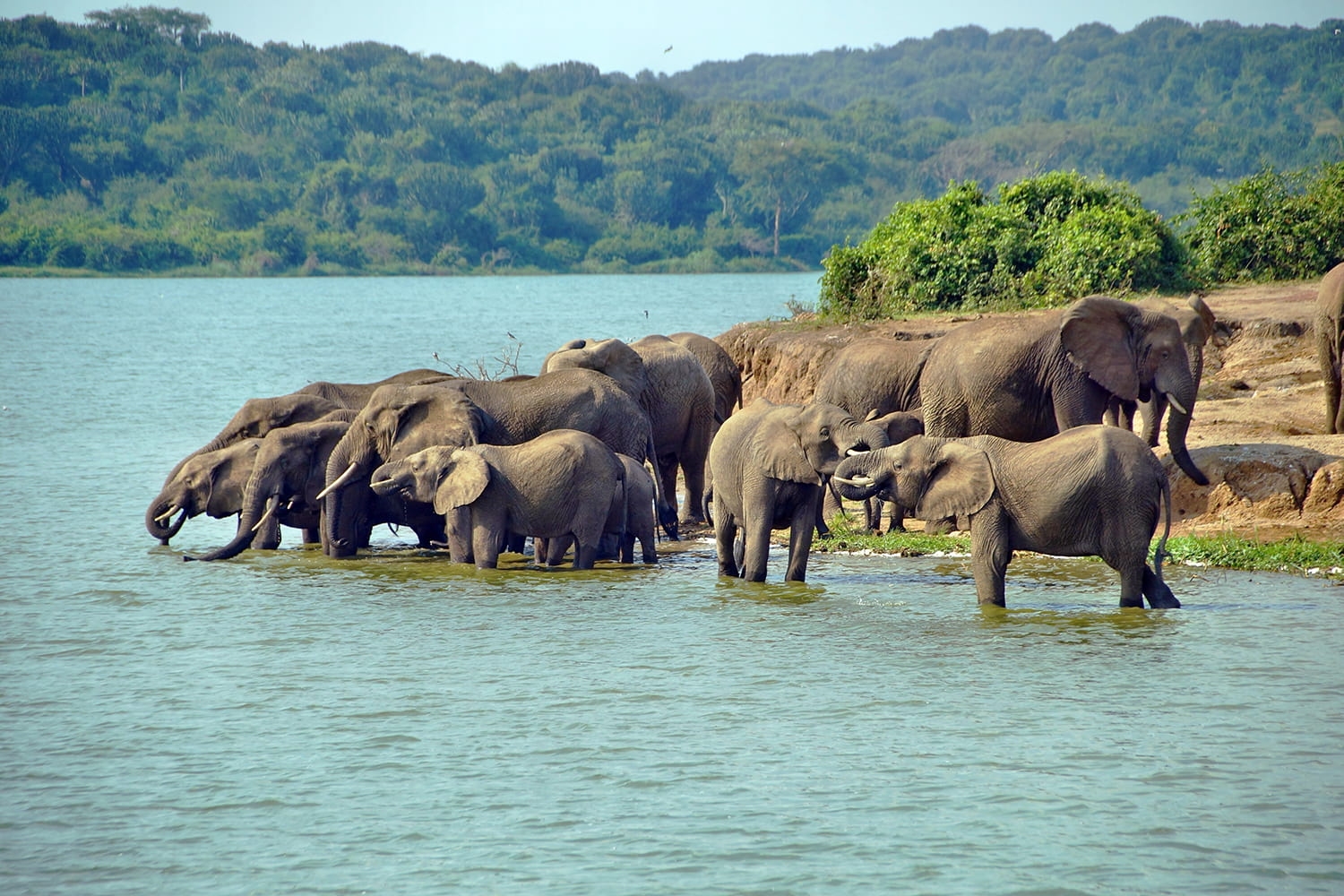
Yes, it is generally safe to visit Queen Elizabeth National Park (QENP) for a safari in 2026. The park has enhanced security, including, armed patrols and drones to monitor for any threats, as reported by Queen Elizabeth National Park Website. Following improved safety, UK travel advisories (and others) are now largely lifted, encouraging travel.
3-days-trips-to-queen-elizabeth-national-park-for-chimpanzee-tracking-in-kyambura-gorge
3-days-uganda-safari-itinerary-to-queen-elizabeth-national-park
3-days-budget-queen-elizabeth-park-uganda-wildlife-safari-holiday
3-days-fly-luxury-uganda-safari-to-queen-elizabeth-national-park
Key Safety Information for Your Safari
Safety and Security:
Security Measures: A Collaborative Defense
The safety of travelers in Queen Elizabeth National Park is a top priority, maintained through a sophisticated and collaborative security framework. According to official park reviews and regional safety reports, the Uganda Wildlife Authority (UWA) has significantly increased its boots-on-the-ground presence. This isn't just about park rangers; it’s a coordinated effort involving specialized tourism police and military officers who conduct regular patrols across the park's vast sectors. This "joint-force" approach is designed to provide a secure environment for both wildlife and visitors, ensuring that the park remains a sanctuary.
These patrols are strategically deployed to monitor boundary areas, especially near the Democratic Republic of Congo border, and to maintain a visible presence along the main tourist tracks and at accommodation sites. Interestingly, the effectiveness of these measures is often compared to regional standards, such as those found in Akagera National Park in Rwanda, where similar heightened security protocols have successfully revitalized tourism. By utilizing a mix of vehicle-based patrols, foot patrols in dense areas, and advanced communications, the UWA ensures that any potential risks are mitigated before they reach the visitor. This proactive stance allows travelers to focus on the beauty of the savanna, knowing that a professional and well-equipped security apparatus is working silently in the background.
Park Regulations: The Foundation of Safe Exploration
Regulations in the park are not merely administrative hurdles; they are the fundamental guidelines that ensure a safe coexistence between humans and the wild. For any excursion, visitors are strictly required to use recognized tour operators. These professionals are vetted by the park authorities and possess an intimate knowledge of the terrain and animal behavior, which is your first line of defense against the unpredictable. Following these rules means sticking to designated trails at all times. Off-roading is prohibited not only to protect the fragile savanna ecosystem but also to ensure that vehicles don't stumble into hazardous terrain or disturb mother animals with their young, which can trigger defensive aggression.
For those seeking to experience the park on foot, the rules become even more specific. Walking safaris or primate trekking in the Kyambura Gorge are never allowed without the accompaniment of armed rangers. These rangers are highly trained in animal psychology and carry firearms solely as a deterrent for safety. They act as "interpretive guides," reading the signs of the bush to keep you at a safe distance from buffaloes or elephants hiding in the thickets. By adhering to these protocols—which are consistently emphasized by park management and reputable travel agencies—visitors ensure that their adventure remains memorable for the right reasons, respecting the boundaries of the natural world.
Wildlife Safety: The Vehicle as a Sanctuary
One of the most critical safety mandates emphasized by experts, such as those at Kabiza Wilderness Safaris, is the "stay in your vehicle" rule. It is a common misconception that savanna animals are tame because they appear unfazed by cars. In reality, predators like lions and large herbivores like elephants generally perceive a safari vehicle as a single, large, non-threatening object. However, the moment a human steps out of that vehicle, the silhouette changes. To a lion, you become a separate, potentially vulnerable entity; to an elephant, you become a strange, threatening presence in its space.
Staying inside the vehicle ensures that you remain part of that "neutral object" the animals are accustomed to. During game drives in the Kasenyi Plains or Ishasha, even if an animal seems to be sleeping or disinterested, the proximity can be deceiving. Modern safari vehicles are equipped with pop-up roofs that allow for 360-degree viewing and photography while keeping your feet firmly inside the protected frame of the car. This regulation is the cornerstone of wildlife safety, preventing incidents and ensuring that animals do not become "habituated" to human presence in a way that leads to conflict. Following this simple instruction is the best way to enjoy an intimate, front-row seat to the wonders of the wild without compromising your safety.
Travel Times: Respecting the Nocturnal Cycle
Timing is everything in the wilderness, and Queen Elizabeth National Park enforces strict travel windows to protect both visitors and the wildlife. Generally, no night driving is permitted within the park boundaries. Travel is typically restricted to the daylight hours, usually between 6:30 AM and 7:30 PM. These limits, detailed in park guides, serve two main purposes. First, visibility significantly drops after sunset, and many of the park's inhabitants—such as the African elephant or the Cape buffalo—often move onto the roads at night. Striking a large animal in the dark is a major safety risk for any traveler.
Secondly, the "no-night-driving" rule respects the natural cycle of the park’s predators. Many hunters, including leopards and hyenas, become most active under the cover of darkness. By clearing the tracks of vehicles by 7:30 PM, the park authorities allow the ecosystem to function without human interference during these critical hours. This also ensures that if a vehicle were to break down, it happens during daylight hours when rescue and support are much easier to coordinate. For visitors, this means that the "evening game drive" concludes just as the sun sets, providing a spectacular view of the African sky before returning to the safety and comfort of the lodge.
Situational Awareness: Informed Travel
While serious incidents involving tourists in the park are extremely rare, maintaining a high level of situational awareness is a mark of a savvy traveler. As noted by Dav Safaris and other regional experts, it is always wise to consult and follow the travel advisories issued by your home country. These advisories provide a macro-level view of regional stability and health considerations, such as necessary vaccinations or current political climates. Being informed doesn't mean being afraid; it means being prepared.
In the park, situational awareness also applies to your immediate surroundings. This involves listening to your guide, who is constantly monitoring park communications and animal movements. It also means being aware of your own physical state—staying hydrated and protecting yourself from the sun. The park is a wild environment, and while the security measures and regulations are robust, the best safety tool a traveler has is their own common sense. By combining the official security efforts of the Uganda Wildlife Authority with personal responsibility and an informed mindset, you can enjoy the breathtaking landscapes and unique wildlife of Queen Elizabeth National Park with complete peace of mind, knowing that you are traveling within a well-managed and secure system.
Is it safe to visit Queen Elizabeth National Park right now?
Yes, it is currently safe to visit Queen Elizabeth National Park. As one of Uganda’s premier tourist destinations, the park is a vital asset to the country’s tourism sector, and as such, it operates under a high level of surveillance and management. Following specific historical incidents, the Ugandan government and the Uganda Wildlife Authority (UWA) have implemented a rigorous security architecture designed to proactively manage risks. This includes a combination of technology, intelligence sharing, and physical presence to ensure that the environment remains secure for international and domestic travelers. The park continues to welcome thousands of visitors monthly who enjoy the savanna and its wildlife without issue. While no travel is ever 100% risk-free, the current security protocols in Western Uganda are robust, and the park is fully open for business, offering a serene and protected atmosphere for those looking to experience the "Pearl of Africa."
Are there security personnel inside the park?
Security within the park is a multi-layered operation that involves several agencies working in tandem. The UWA employs a large force of armed park rangers who are trained not only in conservation and wildlife management but also in tactical security. These rangers work closely with the Uganda Tourism Police, a specialized unit dedicated specifically to the protection of visitors and tourism assets. Furthermore, in certain strategic areas—particularly near the park’s boundaries—the Ugandan military (UPDF) provides an additional layer of support. These personnel conduct regular patrols both on the main roads and deep within the park sectors. Their presence is a strong deterrent to any illegal activity and ensures that a rapid response team is always available. When you visit, you will likely see these professionals at park gates and patrolling in marked vehicles, providing a visible and reassuring sense of safety.
Is it safe to drive to and within the park?
Driving to and within Queen Elizabeth National Park is generally considered safe for tourists. The main highways leading from Kampala to the park are well-maintained and heavily trafficked by commercial and tourist vehicles. Once inside the park, the network of tracks is designed to be navigable, though the terrain can be rugged. To ensure the highest level of safety, it is strongly advised to travel with a local guide. A professional guide is familiar with the current road conditions, the behavior of the wildlife, and the specific security protocols of the park. They also maintain communication with park headquarters and other guides via radio, providing real-time updates on any road blockages or security notices. By following the guidance of a local expert and adhering to the 40km/hr speed limit, you can navigate the park with confidence and focus on the incredible scenery.
Are the roads safe for tourists?
The primary access roads and entry points to the park, such as the Kabatoro and Katunguru gates, are safe and frequently used by the public. These gates connect the park to major regional towns like Kasese and Bushenyi, ensuring that help and amenities are never too far away. The roads within the park are systematically patrolled and monitored by the UWA. While some of the more remote tracks in the southern sector can be bumpy, they are maintained to a standard that allows for safe transit by 4x4 vehicles. The security presence along these main arteries is constant, and the high volume of tourist traffic adds an informal layer of safety through "eyes on the road." Whether you are entering from the north or the south, the infrastructure is built to support safe tourism, making the journey into the wilderness as smooth as possible.
Is it safe to do game drives?
Game drives are a safe and thrilling highlight of any safari, provided that visitors strictly adhere to park regulations. The most critical rule is to stay inside your vehicle at all times. Savanna animals are accustomed to the shape of a car, but a person stepping out is perceived as either a threat or prey. As long as you remain within the vehicle and stick to the designated guided tracks, you are safe. For added peace of mind, the park frequently provides armed ranger escorts for certain game drives or for any activity that involves getting closer to the wildlife. These rangers are experts in reading animal body language and can ensure that your vehicle maintains a respectful and safe distance from large herds of elephants or buffaloes. Following these professional instructions ensures a safe and exhilarating encounter with the wild.
Are the tree-climbing lions in Ishasha dangerous?
Like all lions, the tree-climbing lions of the Ishasha sector are apex predators and should be treated with the utmost respect. While they appear lazy and docile as they lounge in the branches of sycamore fig trees, they are wild and unpredictable animals. Their specialized climbing behavior does not make them any less dangerous than ground-dwelling lions. The safety protocol is clear: you must observe them from inside your vehicle. Never attempt to approach a tree on foot or lean too far out of your car window or pop-up roof. The lions are generally unbothered by vehicles, but a human on foot represents a significant change in the environment that could trigger an aggressive response. By maintaining a safe distance and remaining in your vehicle, you can enjoy one of nature's rarest sights without any risk.
Is the boat cruise on the Kazinga Channel safe?
The boat cruise along the Kazinga Channel is widely regarded as one of the safest and most relaxing activities in the park. The boats are operated by the UWA or reputable private lodges and are manned by trained professionals who understand the water and the animals. Safety equipment, including life jackets, is standard and provided for all passengers. The captains are skilled at navigating near large pods of hippos and crocodiles while keeping the vessel at a distance that ensures the animals are not disturbed. Because the boats are large and stable, they provide a secure platform for viewing and photography. The animals along the banks are well-habituated to the passing boats, making for a peaceful experience where the primary focus is on the incredible density of wildlife rather than any safety concerns.
Is Chimpanzee trekking in Kyambura Gorge secure?
Trekking for chimpanzees in the Kyambura Gorge is a secure and professionally managed activity. Before descending into the "Valley of Apes," visitors receive a comprehensive briefing on safety and etiquette. Every group is led by a UWA ranger guide who is armed and highly experienced in primate behavior. The rangers know the movement of the chimps and the best paths to take through the riverine forest. By staying with your group and following the ranger's instructions—such as keeping a 7-meter distance from the primates and avoiding loud noises—you ensure a safe encounter. The gorge is a controlled environment, and the presence of the ranger ensures that you are protected from both the animals and the rugged terrain, making it a safe adventure for anyone with a moderate level of fitness.
How safe is the Ishasha sector bordering the DRC?
The Ishasha sector’s proximity to the Democratic Republic of Congo (DRC) border is a factor that the Ugandan security forces take very seriously. While the area is remote and has experienced security challenges in the distant past, the presence of the military and UWA rangers has been significantly reinforced in recent years. This sector is now heavily monitored with constant patrols and fixed security posts. For visitors, it is highly recommended to travel with an armed UWA guide when conducting game drives in this area. This is a standard and proactive measure that ensures total peace of mind. The presence of these security professionals allows you to enjoy the unique tree-climbing lions and the vast southern savanna with the assurance that the border area is well-protected and strictly managed.
Are the hotels and lodges safe?
The lodges and safari camps within and around Queen Elizabeth National Park are exceptionally safe. Most properties employ their own private security teams, often supplemented by park rangers or tourism police, to monitor the premises 24 hours a day. Lodges are often fenced or have natural barriers to prevent wildlife from wandering too close to guest rooms, and "askaris" (guards) are available to escort you between your room and the main dining areas after dark. These establishments are accustomed to hosting international travelers and maintain high standards of guest safety. Whether you are staying in a luxury lodge on the Mweya Peninsula or a tented camp in the savanna, the environment is controlled and monitored, allowing you to relax and enjoy the sounds of the African night securely.
Should I be worried about wildlife attacks?
Wildlife attacks on tourists are extremely rare and almost always occur when safety rules are ignored. Animals in the park generally want to avoid conflict with humans. As long as you stay in your vehicle during game drives and remain with your guides during walks or treks, you are not at risk. The guides and rangers are experts at "reading the bush"; they can spot an agitated elephant or a buffalo in the distance long before a traveler does, and they will adjust the vehicle's position accordingly. The primary rule of the savanna is respect: if you give the animals their space and follow the instructions of your professional escorts, the wildlife will simply continue with their natural behaviors, providing you with a safe and spectacular show.
Is it safe to travel in terms of health?
Traveling to the park is safe from a health perspective as long as you take standard tropical precautions. Queen Elizabeth National Park is in a malarial zone, so it is essential to take anti-malarial medication as prescribed by your doctor before, during, and after your trip. Additionally, using insect repellent with DEET and sleeping under a mosquito net (provided by all lodges) will further minimize your risk. It is also wise to be up-to-date on routine vaccinations. Drinking bottled or purified water is standard practice to avoid water-borne illnesses. Most lodges provide clean drinking water and have high standards for food preparation. By taking these simple, proactive health measures, you can ensure that your focus remains on the adventure rather than on preventable health issues.
Are Tsetse flies a safety issue?
Tsetse flies are present in certain wooded areas of the park, particularly in the northern sectors. While their bite can be annoying and sharp, they are generally more of a nuisance than a severe safety threat for short-term visitors. To minimize their impact, you should avoid wearing bright blue or very dark colors, as these are known to attract the flies. Instead, opt for neutral "safari" colors like khaki, tan, or olive green. Using insect repellents specifically formulated for biting flies can also help. Most safari vehicles are equipped with "tsetse fly traps" (blue and black cloths) in high-density areas to draw the flies away from the vehicle. If you are bitten, the area may itch, but it is rarely a cause for medical concern for the average traveler.
Is it safe to hike in the Maramagambo forest?
Hiking in the Maramagambo Forest is a safe and rewarding experience when done with a professional UWA guide. The forest is home to a variety of primates, birds, and even the famous "bat cave" where pythons can sometimes be seen. Because the forest is dense, walking with a guide is mandatory. The guide ensures you stay on the established trails, protecting you from getting lost and ensuring you don't accidentally stumble upon a mother animal or a territorial buffalo. The rangers who lead these walks are also knowledgeable about the flora and fauna, adding an educational layer to the hike. As long as you wear sturdy walking shoes and follow your guide’s lead, exploring the shaded canopy of Maramagambo is a safe way to experience the park’s biodiversity on foot.
What should I avoid doing in the park?
To ensure your safety and the preservation of the park, there are several things you must strictly avoid. Never walk in un-patrolled or non-designated areas; the park is full of hidden predators and large herbivores. Avoid walking outside your lodging area at night without an escort, as animals like hippos often leave the water to graze after dark. Never feed or approach the animals, as this disrupts their natural behavior and can make them aggressive. In primate sectors like Kyambura, avoid making direct eye contact or loud noises, which can be interpreted as a challenge. Finally, never litter or leave food scraps behind, as this attracts animals to human habitats. By respecting these boundaries and staying in the care of your professional guides, you ensure a safe, respectful, and unforgettable safari experience.
Booking 3 days queen Elizabeth park with us Roads of Adventure safaris
Book a 3-day Queen Elizabeth National Park safari with Roads of Adventure Safaris for a comprehensive wildlife experience, featuring tree-climbing lions in Ishasha, a Kazinga Channel boat cruise, and game drives in the Kasenyi plains. Packages typically include transportation, park fees, and accommodation.
