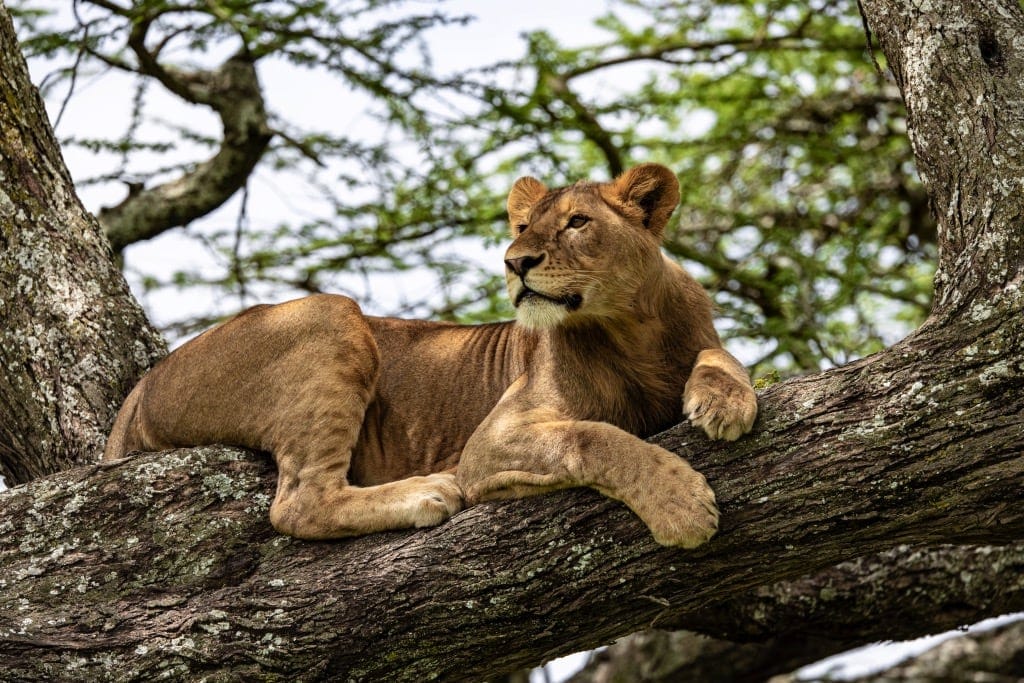
The best time for a 3-day Queen Elizabeth National Park safari is during the dry seasons: January to February and June to September. These months offer easier wildlife viewing as animals gather around water sources and trails are dry, avoiding the heavy rains of March-May and October-November that make roads difficult.
3-days-trips-to-queen-elizabeth-national-park-for-chimpanzee-tracking-in-kyambura-gorge
3-days-uganda-safari-itinerary-to-queen-elizabeth-national-park
3-days-budget-queen-elizabeth-park-uganda-wildlife-safari-holiday
3-days-fly-luxury-uganda-safari-to-queen-elizabeth-national-park
Best Times for 3-Day Safari in Queen Elizabeth Park
- Dry Seasons (Best Time): Mid-December to February, and June to September.
- Pros: Optimal game drives, pleasant weather, easier access for tree-climbing lions in Ishasha.
- Cons: Peak season means higher costs and more tourists.
- Wet Seasons (Less Ideal): March to May, and October to November.
- Pros: Lush landscapes, fewer crowds, excellent birding.
- Cons: Slippery tracks, challenging driving, reduced wildlife visibility
3-Day Queen Elizabeth Park Uganda Safari
The 3-Day Queen Elizabeth Park Uganda Safari is a premier expedition into the heart of the Albertine Rift Valley, offering a masterful blend of savannah, wetland, and volcanic landscapes. As Uganda’s most popular protected area, the park is a mosaic of biodiversity, framed by the jagged, snow-capped Rwenzori Mountains and the shimmering waters of Lake Edward and Lake George. This journey takes you across the Equator to witness some of the most iconic wildlife spectacles in East Africa. From the predator-rich Kasenyi Plains, where lions and leopards patrol the golden grasslands, to the world-famous Kazinga Channel, which hosts the highest concentration of hippos on the planet, every hour is designed for maximum wildlife impact. Whether you are searching for the legendary tree-climbing lions in the southern Ishasha sector or tracking chimpanzees in the depths of the Kyambura Gorge, this 72-hour adventure provides a profound, soul-stirring connection to the raw and untamed rhythms of the African wild.
Day 1: The Equator and the Rift Valley Descent
Your adventure begins with an early morning departure from Kampala, heading west through a landscape of rolling hills and vibrant roadside markets. You will make a classic stop at the Uganda Equator in Kayabwe for a geographic photo opportunity and a fascinating water experiment. After a local lunch in Mbarara, you descend the eastern escarpment of the Albertine Rift Valley, where the vast plains of the park first reveal themselves. You will enter the park via a sunset game drive through the Katwe Crater Drive, a 27-kilometer route winding through ancient volcanic explosion craters and salt lakes. This prehistoric terrain is a hotspot for spotting buffaloes and elephants silhouetted against the evening sky. You’ll check into your lodge as the savanna night begins to hum, enjoying your first dinner surrounded by the rhythmic sounds of the African bush.
Day 2: Predator Tracking and the Kazinga Channel
At 6:30 AM, you’ll head to the Kasenyi Plains, the park’s primary stage for wildlife drama. These grasslands are the breeding grounds for thousands of Uganda Kob, making them the ultimate hunting territory for the park’s healthy prides of lions and elusive leopards. Alongside an expert ranger, you will track these predators in the cool morning air before encountering massive herds of Cape buffalo and African elephants. Following a midday rest, the highlight of the day is a 2-hour boat cruise on the Kazinga Channel. This natural waterway acts as a massive wildlife magnet; you will glide within meters of enormous hippo pods, basking Nile crocodiles, and families of elephants lining the banks to drink. The sheer density of life and the symphony of over 600 bird species along the shore make this the most photogenic highlight of the entire safari.
Day 3: Primate Trekking and the Return Journey
On your final morning, you have the option to visit the stunning Kyambura Gorge, an "underground" forest hidden 100 meters below the savanna floor. You will descend into this lush riverine canopy to track a habituated community of chimpanzees, hearing their thunderous hoots echoing off the gorge walls as they move through the prehistoric vegetation. Alternatively, you can head to the Ishasha Sector to search for the famous tree-climbing lions before beginning the return journey. The drive back to Kampala winds through the emerald tea estates of Bushenyi and the long-horned cattle farms of Ankole, offering a beautiful cultural transition from the wild. A final stop at the Mpambire Royal Drum Makers allows you to see traditional craftsmanship before arriving back in the capital by early evening, marking the end of your high-impact Ugandan expedition.
When is the absolute best time for a 3-day Queen Elizabeth safari?
The "absolute" peak for a 3-day window falls during the long dry season (June to September) and the short dry season (January to February). These months offer the most predictable weather, which is essential when you only have 72 hours to work with. In a short timeframe, you cannot afford to have a game drive canceled or delayed by a tropical downpour. During these peak windows, the sun is consistent, and the animals are highly active. Because the vegetation is thinner, your guide can spot predators from greater distances, ensuring that every hour spent on the Kasenyi Plains or in the Ishasha sector is as productive as possible.
Why choose the dry season for a short safari?
On a 3-day trip, efficiency is your greatest ally. During the dry season, wildlife becomes much easier to predict because animals are forced to congregate around permanent water sources like the Kazinga Channel and the Ntungwe River. Instead of searching through vast, lush landscapes, you can head directly to these "hubs" for guaranteed sightings. Furthermore, the unpaved park tracks remain firm and accessible. In a short itinerary, getting stuck in the mud for two hours can ruin a carefully planned afternoon boat cruise; the dry season eliminates this risk, allowing your 4x4 to navigate the savanna with speed and safety.
Is June–September good for wildlife viewing?
These months represent the prime safari window in Uganda. As the dry season progresses through July and August, the savanna grasses turn a golden yellow and recede, stripping away the natural camouflage of lions and leopards. This is the best time for "action" photography—witnessing hunts or seeing large prides of lions socializing in the open. The weather is also pleasantly warm during the day and cool at night, providing the classic "African Safari" atmosphere. Because this is the long dry season, the water levels in the Kazinga Channel are stable, ensuring that the boat cruise is packed with hippos and thirsty elephant families.
Are January and February good months to visit?
January and February constitute the short dry season and are arguably the "hidden gems" of the safari calendar. The weather is generally hotter than in the June–September window, with temperatures often reaching 30°C (86°F). This heat is actually a benefit for travelers, as it drives even more wildlife to the Kazinga Channel for cooling swims. The skies are incredibly clear during these months, providing stunning views of the Rwenzori Mountains (the Mountains of the Moon) which are often obscured by haze or clouds during the wetter months. It is an excellent time for those who enjoy bright, sunny days and high-contrast wildlife photography.
When is the best time to see tree-climbing lions in Ishasha?
The best time to see the legendary tree-climbing lions is during the heat of the dry seasons (June–September and January–February). Lions climb trees primarily to escape the heat of the ground and to catch the breezes that circulate at higher elevations. During the dry months, the heat is more intense, making the "call of the branches" irresistible to the prides. Furthermore, the Sycamore Fig trees they prefer maintain their broad, waxy leaves even when the grass below turns brown, providing the deep shade the lions crave. In these months, you can often find entire prides lounging in a single tree for hours at a time.
Can I visit during the wet season for a 3-day trip?
Yes, and for some, the wet seasons (April–May and October–November) are preferred. This is known as the "Emerald Season" because the park transforms into a vibrant, lush green paradise. The air is exceptionally crisp and free of dust, making the colors in your photos "pop" with incredible saturation. While there is a risk of rain, it usually comes in short, heavy bursts followed by sunshine. The greatest advantage of a 3-day trip in the wet season is the solitude; you will have the tracks almost entirely to yourself, and the lack of other vehicles creates a much more intimate, private connection with the wilderness.
Is September a good time to visit the park?
September is a "transition" month and is highly recommended for those who want a bit of everything. The weather is typically "dry-ish," meaning you still get the excellent wildlife viewing associated with the peak season, but the first rains of the coming wet season often begin to settle the dust. This month is particularly special for birders, as it marks the beginning of the migratory season. You can see the resident species alongside the first arrivals from Europe and northern Africa. The park feels "fresh" in September, and the grazing animals like the Uganda Kob are in peak condition, often with many young calves following the herds.
When is the best time for a Kazinga Channel boat cruise?
The dry seasons are undeniably the best for the boat cruise. When the inland water holes evaporate, the Kazinga Channel becomes the lifeblood of the entire ecosystem. You won’t just see a few hippos; you will see hundreds of them huddled together. Elephants, which usually stay deep in the bush, are forced to come to the banks in large family groups to bathe and drink. A boat cruise in January or July often feels like a "parade" of wildlife. During the wet season, animals can find water in small pools throughout the park, so they don't congregate as densely at the channel edge.
When is the best time for chimpanzee tracking in Kyambura Gorge?
For chimpanzee tracking, the dry seasons are much more comfortable. The Kyambura Gorge is a sunken tropical forest with steep slopes; during the rainy months, the forest floor can become incredibly slippery and the descent can be challenging. In the dry season, the trails are firm, making the trek easier and safer. Furthermore, while chimps are active year-round, they tend to stay lower in the canopy during the dry months to stay cool, which often results in better, clearer sightings for trekkers. If you are planning a Day 3 chimp trek, the dry season ensures you won't be hindered by a muddy climb out of the gorge.
Is the park crowded during the peak season?
While June, July, and August are the "peak" months, Queen Elizabeth National Park never feels overcrowded in the way the Serengeti or Maasai Mara can. Uganda's tourism model is more spread out, and the park is vast enough to absorb the influx of visitors. You might see a few more vehicles at a high-profile lion sighting in the Kasenyi Plains, but you can always find a quiet track or a secluded crater lake for a private moment. Even in the height of July, the Ishasha sector remains remarkably quiet, often giving you the feeling that you are the only explorers in the southern wilderness.
Climate, Photography, and Value
When should I visit for the best photography?
This depends on your style. For wildlife portraits and "action" shots, the dry season is king because the background is less cluttered and the animals are more visible. For landscapes, however, the wet season is superior. The lush greens, dramatic stormy skies, and the absence of haze allow for breathtaking photos of the craters and the Rwenzori Mountains. If you want the clearest possible skies for "golden hour" shots, January and February are excellent. If you want to capture the raw, moody atmosphere of the African Rift Valley, the "short rains" of October provide incredible light and cloud formations.
What are the hottest months to visit the park?
January, February, and September are traditionally the hottest months in the park. Because Queen Elizabeth sits on the Rift Valley floor, it is lower in altitude and warmer than Kampala or the Kigezi highlands. Temperatures regularly hit 30°C (86°F) during the afternoon. For a 3-day traveler, this heat is manageable because your game drives are scheduled for the cool of the morning and evening, while the hot afternoons are spent on the breeze-catching boat cruise or resting in the shade of your lodge. Just remember to pack high-SPF sunscreen and stay hydrated with the bottled water provided in your 4x4.
Is birdwatching good all year round?
Yes, Queen Elizabeth is a world-class birding destination in any month, boasting over 600 species. However, if birding is your primary focus, the window from November to April is extraordinary. This is when migratory birds from Europe and North Africa arrive to spend the winter in the tropics. You can spot rare species like the Lesser Flamingo, various kingfishers, and the prehistoric-looking Shoebill. Even if you aren't a dedicated "birder," the sheer variety of color and song during these months adds a profound layer of depth to your 3-day savanna experience.
When can I find lower prices for my 3-day trip?
If you are looking for the best value, plan your trip for the low seasons: April, May, October, and November. During these months, many luxury and mid-range lodges offer "low season rates," which can be 20% to 30% cheaper than peak prices. Tour operators like Roads of Adventure Safaris may also have more flexibility with pricing during these windows. While you might experience some rain, the trade-off is significant: you get a luxury experience at a mid-range price, the park is incredibly quiet, and you are supporting conservation during the months when visitor numbers are lower.
Does the rain affect game drives?
Heavy rains in April and November can affect the "mechanics" of your game drives. The park's black cotton soil can become very slippery, and some of the smaller, secondary tracks might be closed to prevent damage to the landscape. A professional 4x4 safari vehicle is mandatory during these months to ensure you don't get stuck. While the rain rarely lasts all day, a heavy morning downpour might delay your departure by an hour. However, these rains also bring out different behaviors in animals—elephants often become more playful, and the birth of many antelope calves occurs, providing a different kind of wildlife "drama" for the patient traveler.
Booking 3 Days Queen Elizabeth with us Roads of Adventure safaris
Book a 3-day budget Queen Elizabeth National Park safari with Roads of Adventure Safaris. This itinerary includes private transport, boat cruises on the Kazinga Channel, game drives in the Kasenyi plains to see tree-climbing lions, and a visit to the Equator. Full-board accommodation and experienced driver-guides are provided, offering an intimate wildlife experience
