Yes, a hot air balloon ride is a popular option during a 10-day Kenya safari, primarily operated in the Masai Mara National Reserve at sunrise. The experience typically includes a 45–60-minute flight over the savannah, allowing for aerial views of herds and predators, followed by a champagne breakfast in the bush.
10-days-samburu-amboseli-nakuru-naivasha-maasai-mara-safari-tour
10-days-luxury-kenya-safari-holiday-vacation
10-days-best-maasai-mara-lake-nakuru-and-amboseli-safari-and-diani-beach-holiday-escape
10-day-luxury-kenya-wildlife-safari-holiday
10-days-kenya-wildlife-safari-diani-beach-holiday-round-trip-to-all-best-parks-in-kenya
10-days-ultimate-budget-kenya-tanzania-wildlife-safari-holiday-tour-package
10-days-perfect-kenya-tanzania-photographic-safari-tour
10-days-best-kenya-tanzania-safari-itinerary-tour
10-days-best-kenya-tanzania-honeymoon-safari-with-zanzibar-beach-holidays
10-days-kenya-wildlife-safari-and-gorilla-safari-in-uganda
10-days-kenya-safari-to-mombasa-beach-escape
1. Location: Primarily over the Masai Mara Plains
While ballooning occurs in other parts of Kenya, the Masai Mara is the undisputed world capital for this activity. The reserve’s vast, open savanna and flat topography provide the perfect conditions for stable flight and unobstructed 360-degree viewing. Unlike the dense bush of northern Kenya, the Mara’s rolling grasslands allow you to see animal movements from miles away.
Flights typically launch from several designated sites across the reserve, often near the Mara River or the Musiara Marsh. The flight path is determined entirely by the wind, meaning no two journeys are exactly alike. From a height of several hundred feet, you can see the intricate "elephant paths" etched into the earth and the symmetrical patterns of termite mounds. As the pilot drops the balloon closer to the ground, you might glide just meters above a pride of lions or a pod of hippos, providing a unique vertical perspective on the scale and social structures of the savanna.
2. Best Time: Year-round and the Great Migration
Kenya’s equatorial climate allows for ballooning year-round, as long as weather conditions remain stable. However, the experience reaches its peak during the Great Migration (July to October). During these months, the plains below are covered in a moving carpet of over 1.5 million wildebeest and zebras. From the air, the sheer density of the herds is staggering—a perspective that is impossible to fully grasp from the ground.
The dry seasons (including January to March) are also highly recommended due to the clear morning skies and low winds. While the "Green Season" (April to June) brings rain, balloons still fly if the morning is clear; the benefit during this time is the vibrant emerald landscape and the dramatic, storm-cleansed light which is a dream for photographers. Regardless of the month, the flight always begins at dawn, allowing you to witness the sun breaking over the horizon, painting the plains in shades of gold and purple.
3. Cost: Approximately $450–$600 per person
The price of a balloon safari is significant, reflecting the complex logistics and high safety standards required. The cost typically covers the flight itself (usually 60 to 90 minutes), the specialized 4x4 recovery vehicle that tracks the balloon from the ground, and a Champagne Bush Breakfast upon landing. Most operators also include a flight certificate and the mandatory park landing fees.
The premium price also supports the highly skilled pilots and ground crews—often 10 to 15 people are required per balloon to manage the inflation, launch, and pack-up. While it is a substantial addition to a safari budget, most travelers view it as a "once-in-a-lifetime" investment. It’s worth noting that children usually receive a discounted rate, and some luxury lodges may offer bundled packages if the balloon operator is affiliated with the property.
4. Logistics: The Early Morning Pickup
Ballooning is an early affair. To catch the thermals necessary for flight and to witness the sunrise from the air, you will typically be picked up from your lodge or camp around 5:00 AM. You will travel in a custom safari vehicle to the launch site in the pre-dawn darkness, which is often a "mini-game drive" in itself, as nocturnal animals like hyenas or leopards may still be active.
Upon arrival at the launch site, you can enjoy a coffee while watching the ground crew inflate the massive envelopes with powerful burners—a dramatic sight against the dark sky. After a safety briefing from the pilot, you’ll climb into the wicker basket. The baskets are partitioned for safety and comfort, usually holding between 12 and 16 passengers. The flight concludes with a gentle landing in a remote area of the park, where your ground crew and a fully set breakfast table await your arrival.
5. Booking: Secure Your Spot in Advance
Because of the limited number of balloons allowed to fly in the reserve and the high demand (especially during the Migration), advance booking is essential. During the peak season of July through September, balloons often sell out months ahead of time. If you wait until you arrive at your lodge to book, you risk missing out on the specific day that fits your itinerary.
Booking ahead also provides a "weather buffer." If your flight is canceled due to high winds or rain, operators will usually try to reschedule you for the following morning. If you have only allocated one morning for the flight and it’s canceled, you are entitled to a full refund, but the disappointment can be avoided by booking early in your stay to allow for flexibility. Most reputable tour operators can include the balloon safari as a seamless part of your 10-day Kenya wildlife safari itinerary.
10-Day Kenya Wildlife Safari
Kenya stands as the definitive home of the African safari, a land where the drama of the wild unfolds against a backdrop of breathtaking geographic diversity. A 10-day Kenya wildlife safari offers an immersive journey through the heart of the Great Rift Valley, the ancient northern frontiers, and the legendary golden plains of the south. This carefully curated itinerary is designed to showcase the "Big Five" in their natural habitats, from the red elephants of the arid north to the massive prides of lions that rule the Maasai Mara. Beyond the wildlife, you will experience the rich cultural tapestry of the Maasai and Samburu people, whose ancestral knowledge has protected these lands for centuries. Whether you are gliding over the savanna in a hot air balloon at dawn or watching the sunset behind the snow-capped peak of Mount Kilimanjaro, this journey promises a profound connection to the raw, untamed spirit of Africa.
Days 1–2: Nairobi and the Northern Frontier
Your 10-day Kenya wildlife safari begins in the vibrant capital of Nairobi, a city that uniquely borders a national park. After exploring urban conservation sanctuaries like the Sheldrick Wildlife Trust, you head north toward the rugged landscapes of Samburu National Reserve. This arid region feels like a different world, characterized by doum palms and the life-giving Ewaso Nyiro River. Here, the search begins for the "Samburu Special Five"—species like the Grevy’s zebra and reticulated giraffe that are found nowhere else in the country. The red earth and stark mountains provide a dramatic setting for your first game drives, offering a quiet, exclusive atmosphere far from the busier southern parks. It is a powerful introduction to the variety of Kenya's ecosystems, where the heat-hazed horizons hide predators and specialists alike in a landscape that time seems to have forgotten.
Days 3–4: The Shadow of Kilimanjaro in Amboseli
The next phase of your 10-day Kenya wildlife safari takes you to the iconic Amboseli National Park, situated at the base of Mount Kilimanjaro. This park is world-renowned for its "tusker" elephants, which roam in massive family herds through lush, emerald-green swamps fed by the mountain's melting snow. The sight of these prehistoric giants silhouetted against Africa's highest peak is perhaps the most famous image in all of safari travel. As you traverse the open plains and dried lake beds, you will also encounter cheetahs, hyenas, and an array of vibrant birdlife. The clarity of the air in Amboseli makes it a photographer’s paradise, especially during the "golden hour" when the mountain emerges from the clouds. These days offer a serene yet high-impact wildlife experience, balancing the majestic presence of elephants with the grand scale of the East African landscape.
Days 5–6: Great Rift Valley Lakes and Rhinos
Descending into the Great Rift Valley, your 10-day Kenya wildlife safari focuses on the shimmering soda and freshwater lakes that define this tectonic wonder. You will first visit Lake Nakuru National Park, a premier sanctuary for both black and white rhinoceroses. The park’s yellow-fever acacia forests provide a stunning backdrop for tracking these endangered giants. Next, you move to the freshwater shores of Lake Naivasha for a tranquil boat safari. Gliding past pods of yawning hippos and watching African fish eagles dive for prey offers a refreshing change of pace from traditional 4x4 game drives. You may even take a walking safari on Crescent Island, allowing you to walk among giraffes and zebras without the confines of a vehicle. This segment of the journey provides a crucial opportunity to see the rare rhino and appreciate the incredible aquatic biodiversity of the Rift Valley.
Days 7–9: The Legendary Maasai Mara
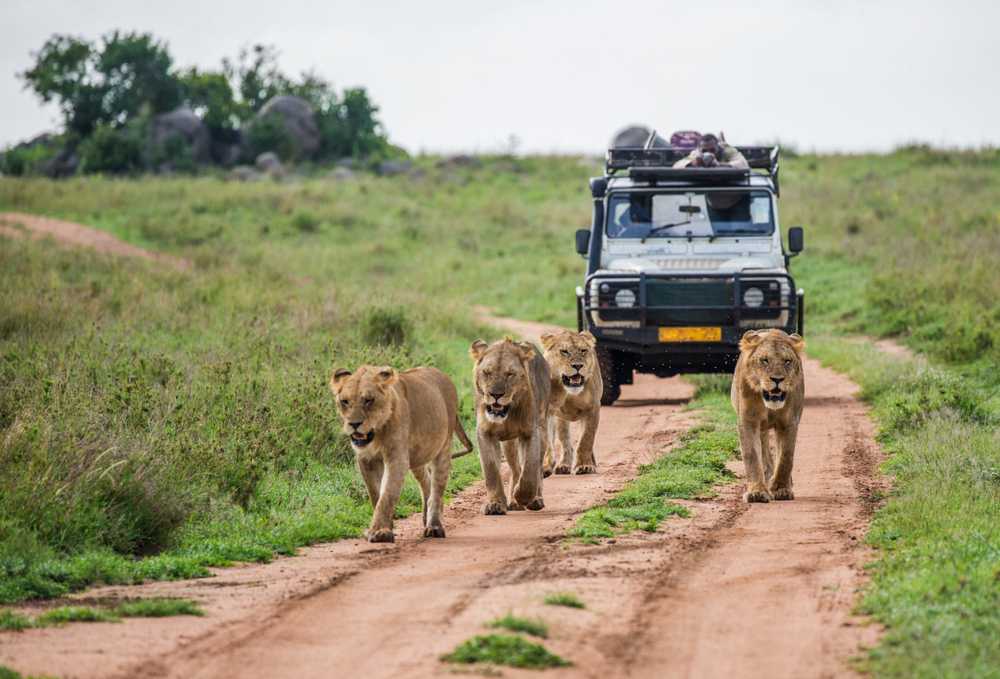
The crescendo of your 10-day Kenya wildlife safari is the world-famous Maasai Mara National Reserve. This is the stage for the Great Wildebeest Migration and boasts the highest predator density in East Africa. Over three intensive days, you will follow the movements of the "Big Three" cats—lions, leopards, and cheetahs—as they navigate the vast, rolling grasslands. Whether you are witnessing a dramatic river crossing or watching a pride of lions guarding a kill, the Mara delivers the raw intensity of nature in its most concentrated form. You will also have the chance to visit a Maasai village, gaining a deeper understanding of the cultural heritage that defines this land. From the adrenaline of the hunt to the quiet beauty of a sundowner overlooking the endless horizon, the Maasai Mara provides the emotional heart and soul of your Kenyan adventure.
Day 10: Final Savanna Sunrise and Departure
On the final day of your 10-day Kenya wildlife safari, you wake to the sounds of the bush for one last sunrise game drive. This is a golden opportunity to spot a solitary leopard returning from its night hunt or to observe a family of elephants beginning their trek across the plains. After a celebratory "bush breakfast" in the middle of the savanna, you begin the scenic drive back to Nairobi. As you climb out of the Great Rift Valley, you’ll stop at viewpoints to take in the dramatic escarpment one last time. Back in the capital, you can enjoy a farewell dinner, reflecting on the incredible diversity of wildlife and landscapes you have encountered. As you head to the airport, the memories of the dusty trails, the mountain peaks, and the wild spirits of the savanna remain as a lasting testament to the magic of Kenya.
Taking to the skies in a hot air balloon is a signature Kenyan experience, offering a perspective of the savanna that no 4x4 can match. To ensure you are fully prepared for this high-altitude adventure, here is a detailed breakdown of the logistics, costs, and safety protocols involved.
1. When is the best time of year for a hot air balloon ride?
While hot air balloons operate year-round in Kenya, the Dry Season (July to October) is widely considered the "Gold Standard." This period coincides with the Great Wildebeest Migration in the Maasai Mara. From the air, the sight of over 1.5 million animals moving across the plains is a geometric marvel that is impossible to grasp from the ground. The lack of rain also ensures clear, crisp mornings with minimal cloud cover, providing the best light for sunrise photography.
The Short Dry Season (January to March) is the second-best window. The weather is hot and dry, and the grass is short, making wildlife easier to spot from a distance. While the "Green Season" (April to June) offers the most vibrant, emerald-green landscapes, flights are more prone to cancellation due to morning thunderstorms. However, if you do fly after a rain, the air is incredibly clear, and the colors of the Mara are at their most intense.
2. Should I book in advance?
Yes, booking in advance is critical. Most balloon baskets are designed to hold between 12 and 16 passengers, and there are a limited number of licensed operators allowed to fly in the National Reserve and surrounding conservancies. During the peak migration months, these spots often sell out six months to a year in advance.
Waiting until you arrive at your safari lodge to book is a high-risk strategy that often leads to disappointment. Furthermore, booking in advance allows you to schedule the flight for the beginning of your stay in the Mara. This provides a "weather buffer"—if your flight is canceled due to high winds or rain on the first day, the operator will usually have the flexibility to move you to the following morning.
3. Which parks in Kenya offer hot air ballooning?
The Maasai Mara National Reserve and its adjacent private conservancies (like Mara North and Olare Orok) are the primary hubs for ballooning. The Mara’s flat, open plains and predictable wind patterns make it one of the safest and most scenic flight paths in the world. The abundance of wildlife ensures that no matter where the wind takes you, you are likely to see prides of lions, herds of elephants, or hippos in the river.
Some operators also offer flights in Amboseli National Park. This location provides a completely different aesthetic, as you drift over swampy marshes with the massive, snow-capped peak of Mount Kilimanjaro as your backdrop. While wildlife density in Amboseli is lower than in the Mara, the "mountain view" makes it a top choice for landscape photographers. Occasionally, ballooning is offered in the Laikipia Plateau (specifically at Ol Pejeta), but the Mara remains the definitive destination.
4. How early do I wake up?
Ballooning is an activity for early risers. To catch the pre-dawn thermals and be in the air exactly as the sun breaks the horizon, you will receive a wake-up call at approximately 3:45 a.m. to 4:00 a.m. This allows time for a quick coffee and a 45-to-60-minute transfer from your camp to the launch site.
While the early hour can be jarring, the drive to the launch site is often a "nocturnal safari" in itself. You may spot leopards returning from a night hunt, hyenas moving through the grass, or owls perched on acacia branches. Arriving at the launch site in the dark allows you to watch the spectacular sight of the balloons being inflated with massive burners, their glowing envelopes illuminating the savanna before the first light of day.
5. Is this included in standard safari packages?
No, a hot air balloon ride is almost universally treated as an optional, high-end add-on. Due to its significant cost and the fact that not all travelers are comfortable with heights, it is rarely bundled into "standard" or budget-conscious safari packages.
When booking your safari, you should look for the balloon ride as an "optional activity." Even "all-inclusive" luxury lodges typically exclude ballooning from their daily rates because the service is usually provided by third-party ballooning companies rather than the lodge itself. It is a premium "bucket list" experience that requires a separate permit and dedicated ground crew, making it a distinct logistical entity from your daily 4x4 game drives.
6. How much does it cost?
As of 2026, the cost of a hot air balloon safari in Kenya typically ranges between $450 and $600 USD per person. Prices can fluctuate based on the season (higher during the Migration) and the specific operator. While this may seem steep, the price covers a highly specialized operation that includes the flight, the ground recovery team, the park fees, and the signature "Bush Breakfast."
In some ultra-luxury conservancies or for private, two-person "romantic flights," the cost can rise toward $900 USD. For budget-conscious travelers, it is often the single most expensive activity of the entire 10-day trip. However, because the experience is so singular, most travelers view it as a once-in-a-lifetime investment rather than a standard excursion, and it remains the most popular optional activity in Kenya.
7. What is included in the price?
The price is inclusive of the entire "event," not just the flight time. A standard package includes:
- Round-trip transfers: From your lodge/camp to the launch site and back.
- Flight time: Approximately 60 to 90 minutes of airtime (weather permitting).
- The "Bush Breakfast": A full, cooked-to-order meal served in the middle of the savanna upon landing, usually accompanied by sparkling wine or champagne.
- Game Drive: The drive from the landing site back to your camp is essentially a bonus game drive, as you traverse areas of the park you might not otherwise visit.
- Landing Fees: The mandatory fees paid to the National Reserve or Conservancy to land the balloon.
- Flight Certificate: A commemorative certificate signed by your pilot.
8. Why is it so expensive?
The high cost of ballooning in Kenya is driven by logistics and safety. The balloons themselves are incredibly expensive pieces of equipment that must be imported and regularly inspected to international aviation standards. Each balloon requires a large ground crew of 10 to 15 people to manage the launch, track the flight via 4x4 vehicles, and set up the bush breakfast.
Furthermore, the pilots are highly trained professionals with thousands of hours of flight time, often brought in from Europe or North America. Their expertise and the high insurance premiums required to operate in a wildlife-dense environment add to the overhead. Finally, the "operating environment"—remote, dusty, and far from major infrastructure—means that maintenance and fuel costs are significantly higher than they would be for a balloon operator in a more developed region.
9. What is it like to be in the balloon?
The most surprising aspect of a balloon flight is the absolute silence. Aside from the occasional roar of the burner (which the pilot uses to maintain altitude), the balloon drifts silently with the wind. There is no vibration and no sensation of movement or wind, because the balloon is moving at the same speed as the air around it. This stillness makes it one of the best platforms for wildlife photography.
Being in the air as the sun rises over the Mara is often described as "magical." You can see the long shadows of giraffes stretching across the plains and hear the distant calls of birds or the "pant-hoot" of a chimp if you are near forest edges. The scale of the landscape becomes clear, and you gain a profound sense of the "Big Picture" of the East African ecosystem that is impossible to achieve from the seat of a Land Cruiser.
10. Is it safe?
Hot air ballooning in Kenya is exceptionally safe. Operators are governed by the Kenya Civil Aviation Authority (KCAA), and pilots must maintain rigorous flight logs and medical certifications. The balloons are inspected regularly, and flights are only cleared if the wind speeds and weather conditions are within strict safety margins.
Safety is the pilot's primary concern. Before takeoff, you will receive a thorough briefing on how to enter the basket and, more importantly, the "Landing Position." This involves sitting on the floor of the basket, holding onto internal safety handles, and leaning back against the padded cushions. By following these instructions, the risk of injury is minimal. Because the balloons move at the speed of the wind, the pilot has total control over the vertical movement, ensuring a controlled descent.
11. What are the landings like?
Landings are the most "adventurous" part of the flight. Depending on the wind speed at the ground level, a landing can be a gentle "touch-and-stay" or a "bumpy tip." If there is even a slight breeze, the balloon’s momentum will cause the basket to drag for a few meters and eventually tip onto its side.
This tipping is perfectly normal and is actually the safest way for a balloon to stop. Passengers remain tucked into their "landing positions" until the basket comes to a complete halt. Once the balloon envelope has deflated, you simply crawl out of the side of the basket onto the grass. While it sounds dramatic, it is a routine part of ballooning that usually results in laughter and a great story to tell over your champagne breakfast.
12. Can children participate?
Age and height restrictions apply to ballooning for safety reasons. Generally, children under the age of 7 are not permitted to fly. This is partly because children must be tall enough (usually over 1.2 meters) to see over the edge of the basket without being held up, and partly because they must be able to follow the safety instructions for the landing position.
Some operators have a higher age limit, such as 12 years old, particularly if the landing conditions are expected to be rough. Additionally, children must be accompanied by an adult. For families with younger kids, it is best to check the specific policy of the balloon operator at the time of booking. If a child is too young to fly, many lodges can arrange for a "child-minder" to stay with them at the camp while the parents take to the skies.
Booking 10 days Kenya wildlife safari with us Roads of Adventure safaris
Book a 10-day Kenya wildlife safari with Roads of Adventure Safaris for a curated experience featuring Masai Mara, Amboseli, and Lake Nakuru. Packages include professional guides, 4x4 transport, and tailored accommodation options ranging from luxury lodges to budget camps. Contact them via info@roadsofadventure.com
