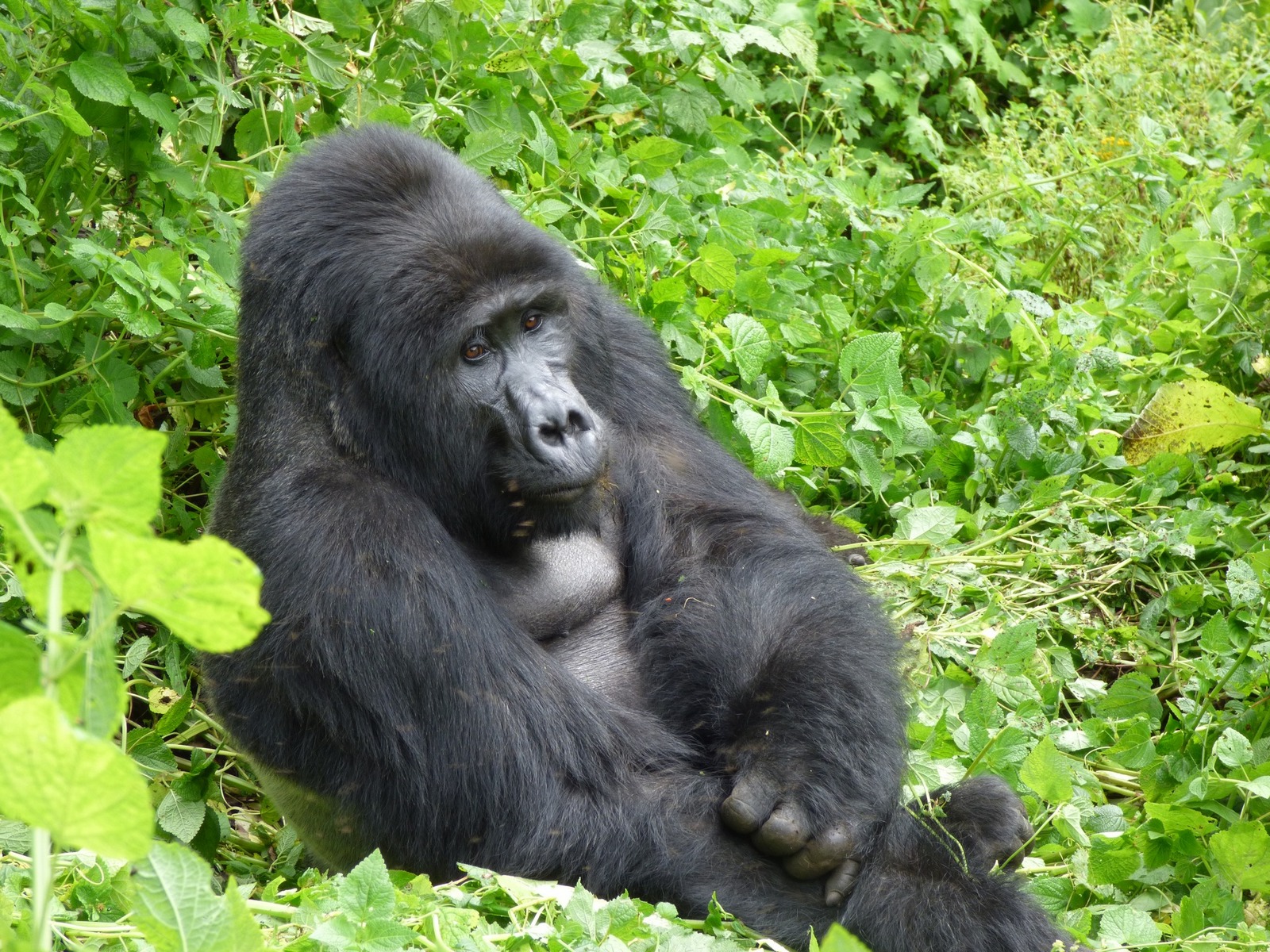
An 8-day Rwanda safari is highly recommended, offering an immersive experience that combines top-tier primate trekking (gorillas and chimpanzees) with savanna game drives. This duration allows for a comfortable, unhurried exploration of Volcanoes National Park, Nyungwe Forest, and Akagera National Park, making it a comprehensive, high-value trip for visitors.
8-day-rwanda-birding-safari-odyssey
8-days-best-luxury-rwanda-gorilla-trekking-safari-and-wildlife
8-days-best-africa-big-five-rwanda-safari-and-gorilla-trekking
8-days-best-of-rwanda-safari-tour-uganda-and-ending-in-kigali
8-days-best-of-rwanda-uganda-safari-volcanoes-to-best-uganda-safari-parks
8-day-safari-to-rwanda-and-kenya-safari-tour
8-days-luxury-honeymoon-rwanda-primate-safari
8-days-ultimate-gorilla-and-uganda-safari-tour-from-kigali-rwanda
8-days-7-nights-midrange-rwanda-wildlife-safari-trip
Comprehensive Wildlife Coverage
The primary reason an 8-day safari in Rwanda is considered the "Gold Standard" is its ability to cover the country’s three distinct ecological zones, each offering a completely different wildlife experience. Most short trips focus solely on the mountain gorillas, but an 8-day journey provides a holistic view of Rwanda’s biodiversity. You begin in Volcanoes National Park, the crown jewel of Rwandan tourism. Here, the experience is intimate and primeval. Gorilla trekking is a transformative encounter where you sit just meters away from a silverback and his family in the misty Virunga Mountains. The park also offers the chance to track the endangered Golden Monkeys, whose playful nature and striking orange coats provide a lighter, more active contrast to the quiet majesty of the gorillas.
From the volcanic peaks, you transition to the ancient Nyungwe Forest National Park, one of the oldest rainforests in Africa. This is the domain of primates and birds. Tracking Chimpanzees through the dense undergrowth is an adrenaline-fueled adventure, as these vocal and highly active cousins of ours move quickly through the canopy. Finally, the itinerary brings you to Akagera National Park, Rwanda’s only savanna park. Since the reintroduction of lions and rhinos, Akagera has officially become a Big Five destination. This creates a balanced safari profile: the rare mountain primates of the west, the deep forest species of the south, and the classic African savanna giants of the east. Without eight days, you would inevitably have to sacrifice one of these vital ecosystems, missing out on the full spectrum of Rwanda’s natural heritage.
Ideal Pace
A common mistake many travelers make is attempting to "do" Rwanda in a long weekend. While the country's small size makes this technically possible, it often results in a "check-box" travel style that leaves little room for reflection or appreciation. An 8-day itinerary provides the "Ideal Pace," turning a series of excursions into a true journey. It allows for a "buffer day" between high-intensity activities. Gorilla and chimpanzee trekking can be physically demanding, involving hours of hiking through steep, muddy terrain. Having an extra day to simply enjoy the views of Lake Kivu or the rolling "Land of a Thousand Hills" ensures you aren't exhausted by the time you reach your next destination.
Furthermore, this timeframe allows for specialized experiences like Chimpanzee Habituation. Unlike standard trekking, habituation involves spending a longer period with the primates as they grow accustomed to human presence, providing a deeper scientific and emotional connection. You also gain the time to appreciate Rwanda’s stunning "water world," including the twin lakes of Burera and Ruhondo, or the serene shores of Lake Kivu in Karongi. This pace allows the landscapes to "speak" to you; you can watch the mist roll off the mountains with a cup of world-class Rwandan coffee in hand, rather than rushing to a waiting 4x4. It transforms the safari from a frantic commute between parks into a restorative and educational retreat.
Convenience & Safety
Rwanda is frequently cited as the cleanest and safest country in Africa, and for an 8-day traveler, these aren't just statistics—they are the foundation of a stress-free trip. The Convenience factor is unmatched in East Africa. Because the country is roughly the size of Maryland or Belgium, the drive times between the capital, Kigali, and the national parks are remarkably short. You can reach Volcanoes National Park in just three hours and Akagera in about two and a half. This means that on an 8-day trip, you spend significantly less time "in transit" and more time "in the wild" compared to the sprawling landscapes of Tanzania or Kenya.
The Road Conditions in Rwanda are excellent, with smooth, winding tarmac roads that navigate the mountainous terrain with ease. This safety extends beyond the roads; Rwanda’s governance and commitment to security mean that solo travelers, families, and luxury seekers alike can move through the country with total peace of mind. There is a palpable sense of order and pride—from the plastic-bag ban that keeps the countryside pristine to the "Umuganda" (community service) spirit. For a week-long journey, this level of predictability is invaluable. You aren't worrying about flight delays or rugged "African massage" roads; instead, you can focus entirely on the scenery and the wildlife, knowing that the logistics are some of the most reliable on the continent.
In-depth Cultural Experience
The final pillar that makes an 8-day safari worth it is the opportunity to move beyond the wildlife and engage with the Resilience and Culture of the Rwandan people. A shorter trip often overlooks Kigali, one of Africa’s most vibrant and modern cities. With more time, you can visit the Kigali Genocide Memorial, a somber but essential experience for understanding the country’s modern history and its incredible journey of reconciliation. This historical context adds a layer of profound respect to everything else you see in the country, framing the conservation of the gorillas as part of a larger national success story.
Beyond the capital, the 8-day route allows for a visit to the Gorilla Guardians Village (Iby’Iwacu Cultural Village) near Volcanoes National Park. This community-based project is staffed largely by former poachers who have turned to tourism to protect the gorillas they once hunted. You can learn about traditional medicine, try your hand at archery, and witness the powerful Intore dance, characterized by its rhythmic drumming and high-energy movements. You might also stop at the Imigongo Art Center to see the unique geometric dung-paintings of eastern Rwanda. This cultural immersion humanizes the landscape; it reminds you that Rwanda is not just a collection of national parks, but a thriving, forward-looking nation with a rich heritage and a deep, communal bond with its environment.
8 Days Africa Safari in Rwanda
An 8-day Rwanda safari is a profound journey through a nation that has masterfully woven conservation into its cultural identity. Known as the "Land of a Thousand Hills," Rwanda offers a compact yet incredibly diverse landscape, ranging from the shimmering savannas of the east to the ancient, mist-shrouded rainforests of the west. This week-long odyssey is meticulously designed to provide a holistic view of the country’s ecological wonders. You will track the legendary mountain gorillas in the Virunga Mountains, navigate the high-canopy walkways of Nyungwe, and witness the successful restoration of the Big Five in Akagera. Beyond the wildlife, the itinerary invites you to witness the resilience of the Rwandan people through immersive cultural visits and a deep dive into the cosmopolitan energy of Kigali. It is a journey of both natural discovery and human inspiration, offering a transformative experience that lingers long after you leave its verdant shores.
Day 1: Arrival and Kigali Cultural Immersion
Your adventure begins in Kigali, widely regarded as the cleanest and most organized city in Africa. After a warm welcome, you’ll embark on a city tour that balances modern progress with poignant history. A visit to the Kigali Genocide Memorial provides essential context for the country’s journey toward reconciliation. You’ll also explore the vibrant Kimironko Market, where the sights of colorful textiles and the scent of fresh spices offer a sensory introduction to local life. The day concludes with a relaxing evening at your hotel, soaking in the city's sparkling skyline.
Day 2: Transfer to Akagera National Park
Leaving the city behind, you head east toward Akagera National Park. The scenery shifts from terraced hills to expansive savanna and wetlands. Upon arrival, you’ll head out for an afternoon game drive. This park is a remarkable conservation success story, now home to lions and rhinos once more. As the sun begins to set, you may spot zebras, giraffes, and elephants silhouetted against the golden plains. The day ends at a lodge overlooking Lake Ihema, where the evening air is filled with the sounds of the African wild.
Day 3: Big Five Tracking and Boat Safari
Today is dedicated to the diverse ecosystems of Akagera. A morning game drive takes you through the northern plains, where predators like leopards and hyenas are most active. After a midday break, you’ll embark on a boat safari on Lake Ihema. This offers a unique perspective of the park, bringing you remarkably close to large pods of hippos and massive Nile crocodiles. Birdwatchers will be in paradise, with opportunities to spot the rare Shoebill stork and numerous kingfishers along the papyrus-lined shores.
Day 4: Scenic Drive to Nyungwe Forest
We bid farewell to the savanna and begin a long but beautiful drive toward the southwestern corner of Rwanda. This journey takes you through the heart of the "thousand hills," passing emerald tea plantations and rural villages. We’ll stop in Huye to visit the Ethnographic Museum, home to one of Africa's finest archaeological collections. As you climb into the high-altitude rainforest of Nyungwe, the air turns cool and crisp. We arrive at our forest lodge in time to watch the mist settle over one of the continent's oldest jungles.
Day 5: Chimpanzee Tracking and Canopy Walk
The morning begins early with a trek into the deep forest to find our closest relatives, the chimpanzees. Following their vocalizations through the undergrowth is a thrilling experience that culminates in an hour of watching them play and feed. In the afternoon, you’ll ascend to the famous Canopy Walkway. Suspended 70 meters above the forest floor, this bridge offers a bird’s-eye view of the ancient trees and a chance to spot rare birds and various monkey species. It is a perspective of the rainforest that few ever get to see.
Day 6: Lake Kivu and Volcanoes National Park
Leaving the forest, we drive north along the shores of Lake Kivu, one of Africa's Great Lakes. The drive offers spectacular views of the blue water framed by steep, terraced hills. We’ll stop for a relaxed lunch in the lakeside town of Kibuye or Gisenyi before continuing toward the Virunga Mountains. As you approach Volcanoes National Park, the massive volcanic peaks of Karisimbi and Bisoke dominate the horizon. We check into a lodge near the park headquarters, preparing for the most iconic encounter of the trip tomorrow morning.
Day 7: The Mountain Gorilla Encounter
This is the day many travelers dream of. After a briefing by expert rangers, you’ll trek into the bamboo forests in search of a mountain gorilla family. The hike can be challenging, but the moment you lock eyes with a silverback, all effort is forgotten. Spending one hour in their presence—watching them groom, feed, and interact—is a life-changing experience. In the afternoon, you’ll visit the Gorilla Guardians Village to learn about traditional Rwandan culture and see how former poachers have become the primary protectors of these gentle giants.
Day 8: Golden Monkeys and Final Departure
Our final morning features a trek to see the playful Golden Monkeys, an endangered species endemic to the Virunga massifs. Their striking orange fur and energetic leaps through the bamboo make for a delightful final wildlife encounter. After the trek, we’ll visit the beautiful Twin Lakes, Burera and Ruhondo, for a scenic viewpoint before driving back to Kigali. We conclude the journey with a farewell lunch and a transfer to the airport, leaving you with a soul full of memories from the heart of Africa.
Is an 8-day Rwanda safari worth the high cost of gorilla permits and accommodation expenses?
When evaluating if the high cost of a Rwanda safari is "worth it," one must look beyond the price tag of the $1,500 gorilla permit. Rwanda has intentionally positioned itself as a high-end, low-impact tourism destination. This means that while the costs are significant, they directly fund the conservation efforts that have saved the mountain gorilla from extinction and supported the communities living around the parks. An 8-day itinerary justifies this investment by offering a comprehensive narrative of the country's transformation. You aren't just paying for a single hour with primates; you are paying for world-class infrastructure, highly trained ranger-guides, and a level of safety and cleanliness that is unparalleled on the continent.
Furthermore, the "worth" is found in the diversity of the 8-day experience. If you only visited for two days, the permit cost might feel like a singular, expensive transaction. Over eight days, that cost is amortized across a variety of life-changing experiences—from the ancient canopies of Nyungwe to the resurgent savannas of Akagera. The high-end lodges, such as those near Volcanoes National Park, offer an immersive luxury that integrates with the landscape, providing a restorative environment that complements the physical demands of trekking. Ultimately, the value lies in the "exclusivity" and the knowledge that your travel spend is a primary driver in one of the world's most successful wildlife conservation and social reconciliation stories.
Does an eight-day itinerary provide enough time to experience both mountain gorillas and chimpanzees in Rwanda?
Yes, eight days is considered the "ideal" duration to bridge the two world-class primate experiences Rwanda offers. A common logistical hurdle in Rwanda is the distance between Volcanoes National Park (home to gorillas) in the northwest and Nyungwe Forest National Park (home to chimpanzees) in the southwest. While the country is small, the winding, mountainous roads mean these parks are about a 6-to-7-hour drive apart. A shorter trip would force you to choose one or rush between them, leading to "trekking fatigue."
With eight days, you can dedicate two nights to Nyungwe and three nights to Volcanoes. This allows for a "recovery day" or a secondary activity, such as the canopy walk or golden monkey tracking, between the two major treks. Chimpanzee tracking is often more physically demanding and fast-paced than gorilla trekking, as chimps are highly mobile. Having an 8-day window ensures you have the physical stamina to enjoy both. Moreover, it allows you to include a stop at Lake Kivu in the middle of the trip, which serves as a perfect geographical and physical "reset" point between the two primate-heavy segments of the journey.
What are the main wildlife highlights I can expect to see during a full eight-day Rwanda safari?
An 8-day safari provides a "Triple Threat" of African wildlife categories that shorter trips simply cannot cover. The first highlight is the Mountain Primates: the mountain gorillas and the endangered golden monkeys of the Virunga Massif. These are "bucket list" encounters that occur in high-altitude bamboo forests. The second highlight is the Primate Diversity of Nyungwe, which includes not only chimpanzees but also large troops of Rwenzori colobus monkeys—sometimes numbering over 400 in a single group—and various other species like L'Hoest's monkeys.
The third highlight, often surprising to visitors, is the savanna wildlife of Akagera National Park. After a decade of intense conservation and reintroduction programs, Akagera is now a Big Five destination. You can expect to see lions, leopards, rhinos, elephants, and Cape buffalo. Beyond the Big Five, the park is teeming with giraffes, zebras, and hippos, particularly around Lake Ihema. For birdwatchers, the 8-day itinerary is a dream, offering a chance to see the rare Shoebill stork in the eastern wetlands and a variety of Albertine Rift endemics in the western rainforests. This combination of montane, forest, and savanna species makes Rwanda a surprisingly complete wildlife destination.
How does a 7-night/8-day tour in Rwanda compare to shorter, more intense 3-day gorilla trekking trips?
The difference between an 8-day tour and a 3-day "express" trip is the difference between a cultural immersion and a transactional visit. A 3-day trip is essentially a "fly-in, fly-out" mission: you land in Kigali, drive straight to the mountains, trek the next morning, and leave. While this achieves the goal of seeing gorillas, it misses the soul of the country. It often leaves travelers feeling like they’ve seen the "wildlife" but not the "country." You miss the history of Kigali, the serenity of the lakes, and the diversity of the other parks.
The 8-day itinerary, conversely, allows Rwanda to "unfold" for you. You have time to witness the changing geography, from the dry eastern plains to the misty western mountains. It humanizes the experience; you have time to talk to your guides, visit local markets, and understand the social fabric of the "Land of a Thousand Hills." Physically, the 8-day version is far more forgiving. Gorilla trekking can be grueling, and a 3-day trip offers no time for the muscles to recover. In the 8-day version, you can balance the intensity of the treks with afternoons of relaxation, ensuring that you return home feeling inspired rather than exhausted.
Is it worth visiting Akagera National Park for game drives within this eight-day Rwanda safari itinerary? Including Akagera National Park is absolutely worth it for the 8-day traveler, as it provides the "classic Africa" balance to the primate-focused mountains. Akagera is one of the most scenic savanna parks in East Africa, characterized by rolling hills that overlook a complex system of lakes and papyrus swamps. It offers a sense of "exclusive" wildlife viewing; unlike the crowded parks of Kenya or Tanzania, you will often find yourself alone with a pride of lions or a herd of elephants.
Furthermore, Akagera represents a powerful story of biological restoration. After being nearly destroyed following the 1994 genocide, the park was revitalized through a partnership with African Parks. Seeing the thriving populations of lions and black rhinos today is a testament to Rwanda's commitment to nature. The boat safari on Lake Ihema is another highlight that shouldn't be missed, offering close-up views of hippos and crocodiles. Including Akagera ensures that your Rwandan holiday feels like a "complete" African safari, satisfying the desire for traditional game drives alongside the specialized primate encounters.
Can I combine gorilla trekking with cultural tours and relaxation at Lake Kivu in eight days?
This combination is exactly where the 8-day itinerary excels. Lake Kivu, one of Africa's Great Lakes, sits perfectly between Volcanoes National Park and Nyungwe Forest. It serves as the "Mediterranean" heart of Rwanda. Including a night or two in the lakeside towns of Rubavu or Karongi allows for much-needed relaxation. You can enjoy a sunset boat cruise, visit local coffee washing stations, or simply watch the "singing fishermen" paddle out in their three-hull canoes as dusk falls. It is the perfect aesthetic and physical palate cleanser between treks.
Culturally, the 8-day timeframe allows for more than just a cursory glance. You can visit the Gorilla Guardians Village, where former poachers demonstrate traditional weaving, archery, and medicine. In Kigali, you have the time to visit the Genocide Memorial, which is essential for understanding the modern Rwandan identity. You can also explore the burgeoning art scene at the Ivuka or Inema Arts Centers. By weaving together wildlife, the tranquility of Lake Kivu, and the deep cultural history of the people, the 8-day trip provides a three-dimensional view of Rwanda that leaves you with a much deeper connection to the destination.
Is a 4x4 safari land cruiser essential for traversing Rwanda's national parks during an eight-day trip? While Rwanda boasts some of the best-paved roads in East Africa, a 4x4 Safari Land Cruiser is still highly recommended, and in some areas, essential. The main highways connecting Kigali to the parks are smooth tarmac, but the "last mile" roads leading into the national parks and to the lodges are often unpaved, steep, and can become quite slippery during the rainy season. A 4x4 vehicle provides the necessary clearance and traction for these mountain tracks, especially when navigating the rugged terrain of Volcanoes National Park.
Inside Akagera National Park, a 4x4 is non-negotiable for game drives. The park’s tracks are dirt and gravel, and navigating them in a standard sedan would be impossible, particularly after rain. Beyond the mechanical necessity, a specialized safari vehicle features a pop-up roof, which is vital for 360-degree wildlife viewing and photography. Most reputable tour operators use custom-built Land Cruisers equipped with long-range radios, charging ports, and cool boxes. Using a proper safari vehicle ensures that your 8-day journey is not only safe but also optimized for the best possible wildlife encounters.
Do the eight-day Rwanda packages include all necessary permits for gorilla trekking and chimpanzee tracking?
Most "all-inclusive" 8-day Rwanda safari packages do include the cost of all permits, but it is imperative to confirm this with your tour operator at the time of booking. Because the gorilla permit is so expensive ($1,500), some operators may quote a "land only" price that excludes the permit to make the package appear more affordable. Chimpanzee permits in Nyungwe ($90–$150) and canopy walk fees are also significant. A truly comprehensive package should explicitly list these permits as "included."
The logistical benefit of booking an 8-day package is that the operator handles the permit procurement process. Gorilla permits are strictly limited and can sell out months in advance, especially during the peak dry seasons of June–September and December–February. By booking a package, the operator secures these in your name through the Rwanda Development Board (RDB). They also handle the scheduling, ensuring that your gorilla trek in the north doesn't conflict with your chimpanzee trek in the south. When you receive your quote, ensure it includes: 1 Gorilla Permit, 1 Chimpanzee Permit, 1 Golden Monkey Permit (if applicable), and all National Park entry fees for Akagera.
Are the lodging options in Volcanoes National Park high quality enough to justify the 8-day trip?
The lodging near Volcanoes National Park has become some of the most prestigious in the world, easily justifying the 8-day investment. Rwanda has attracted top-tier luxury brands like Singita (Kwiatonga Lodge), Wilderness Safaris (Bisate Lodge), and One&Only (Gorilla's Nest). These properties are more than just hotels; they are architectural marvels designed to offer total privacy and an "ultra-luxury" connection to the forest. They feature world-class dining, private heated plunge pools, and personalized butler service.
However, even the mid-range options, such as Five Volcanoes or Mountain Gorilla View Lodge, offer excellent service, comfortable en-suite rooms, and the essential "post-trek" amenities like boot-cleaning services and fireplaces to take the chill off the mountain air. The high quality of lodging across all tiers ensures that your "downtime" is just as rewarding as your "trekking time." In an 8-day trip, your accommodation becomes your sanctuary; having a beautiful place to return to after a long day of hiking is what elevates the trip from a "trip" to a "safari holiday."
How much time should I allocate for travel between Akagera, Nyungwe, and Volcanoes National Park? Rwanda is small, but its geography is vertical, meaning travel times are longer than the mileage suggests. For an 8-day trip, you should plan for the following "transit legs":
- Kigali to Akagera: Approximately 2.5 to 3 hours. This is a relatively easy drive on good roads.
- Akagera to Nyungwe: This is the longest leg, typically taking 6 to 7 hours. Most itineraries stop in Huye (Butare) for lunch and a museum visit to break up the journey.
- Nyungwe to Volcanoes (via Lake Kivu): This leg takes about 4 to 6 hours depending on how many stops you make for photos along the scenic lakeside road.
The beauty of the 8-day schedule is that these transit days are built-in as "scenic transfers." You aren't just sitting in a car; you are moving through the heart of the "Thousand Hills." Your guide will stop at viewpoints, tea plantations, and local villages. By allocating a full day for the move between the south (Nyungwe) and the north (Volcanoes), you avoid the stress of rushing and can actually enjoy the road-trip aspect of the safari.
Is the 8-day Rwanda safari suitable for travelers with limited hiking experience or moderate fitness levels?
An 8-day safari is actually more suitable for those with moderate fitness levels than a shorter trip because it allows for a slower pace and better recovery. However, both gorilla and chimpanzee trekking require a basic level of mobility. You will be hiking on uneven, often muddy ground at altitudes between 2,500 and 3,000 meters. The good news is that gorilla trekking is highly organized; groups are assigned to gorilla families based on the "difficulty" of the trek. If you have limited fitness, your guide can request a "short" trek to a family located closer to the park boundary.
For those concerned about the hike, Rwanda offers the "Sedan Chair" service, where porters can carry you up the mountain for an additional fee. This ensures that even those with significant mobility issues can experience the gorillas. In Nyungwe, the canopy walk is accessible via a well-maintained trail, though it does involve some inclines. By spreading these activities over eight days, you avoid the cumulative exhaustion that often leads to injury or overexertion. Always remember to hire a porter ($10–$20)—not just to carry your bag, but to provide a steady hand on the slippery sections of the trail.
What is the best time of year to undertake an 8-day safari in Rwanda for optimal wildlife viewing?
The best time for an 8-day safari is during the two dry seasons: June to September and mid-December to February. These periods offer the "optimal" conditions for trekking. The trails are less muddy, making the hikes to see gorillas and chimpanzees easier and safer. In Akagera, the dry season is the best time for game drives, as animals congregate around the permanent water sources of the lakes, and the grass is shorter, making predators easier to spot.
However, the "Wet Season" (March–May and October–November) has its own unique advantages. This is often the best time for birdwatching, as migratory species are present and the air is clear of dust. Additionally, chimpanzees in Nyungwe are often easier to find during the rains because food is more abundant on the lower slopes, meaning shorter treks. For photographers, the wet season provides the most vibrant, lush green backdrops. Regardless of when you go, Rwanda is a year-round destination; just be prepared with high-quality waterproof gear if you choose to travel during the emerald months.
Is it possible to include a Kigali City tour, including the genocide memorial, within this eight-day schedule?
Absolutely, and it is highly recommended to do this on Day 1 or Day 8. Kigali is one of the safest and most inviting cities in the world, and a city tour provides the necessary "human" context for the rest of your safari. The Kigali Genocide Memorial at Gisozi is the most visited site; it is a somber, beautifully maintained place that tells the story of the 1994 tragedy and the country's subsequent healing. It is an emotional experience that helps you appreciate the peace and progress you will see throughout the rest of your 8-day journey.
Beyond the memorial, a city tour can include the Kandt House Museum (natural history), the vibrant Nyamirambo neighborhood, and a visit to the Women’s Center for a traditional cooking class or a walking tour. You can also explore the Kigali Convention Centre, an architectural landmark that glows with the colors of the Rwandan flag at night. Including these city sites ensures that your safari isn't just about animals; it's about the remarkable story of a nation that has rebuilt itself into a beacon of stability and conservation.
Is a Rwanda 8-day safari considered safe for families and solo travelers seeking to see primates? Rwanda is widely considered the safest country for travelers in Africa. For solo travelers, especially women, Rwanda is incredibly welcoming. The logistics are tightly managed, and the presence of "Tourism Police" and a general culture of law and order mean you can walk around Kigali or stay in remote lodges with total confidence. Most lodges are small and intimate, making it easy for solo travelers to meet others during communal dinners or while sharing a safari vehicle.
For families, Rwanda is an excellent choice, though there is one major restriction: the minimum age for gorilla trekking is 15. If you are traveling with younger children, they will not be allowed to trek. However, Akagera National Park and Lake Kivu are very family-friendly. Many lodges have family suites, and the short drive times are ideal for children who might struggle with the long, dusty hauls found in other safari countries. For families with teenagers, the 8-day safari is an unmatched educational experience that combines biology, history, and physical adventure in a safe, controlled environment.
Booking 8 days safari in Rwanda with us Roads of Adventure safaris
Book an 8-day Rwanda safari with Roads of Adventure Safaris to experience gorilla trekking in Volcanoes National Park, chimpanzee tracking in Nyungwe, and wildlife viewing in Akagera National Park. They offer tailored, expert-guided, and eco-friendly itineraries, handling all logistics, including park permits, transport, and accommodation for a seamless experience.
