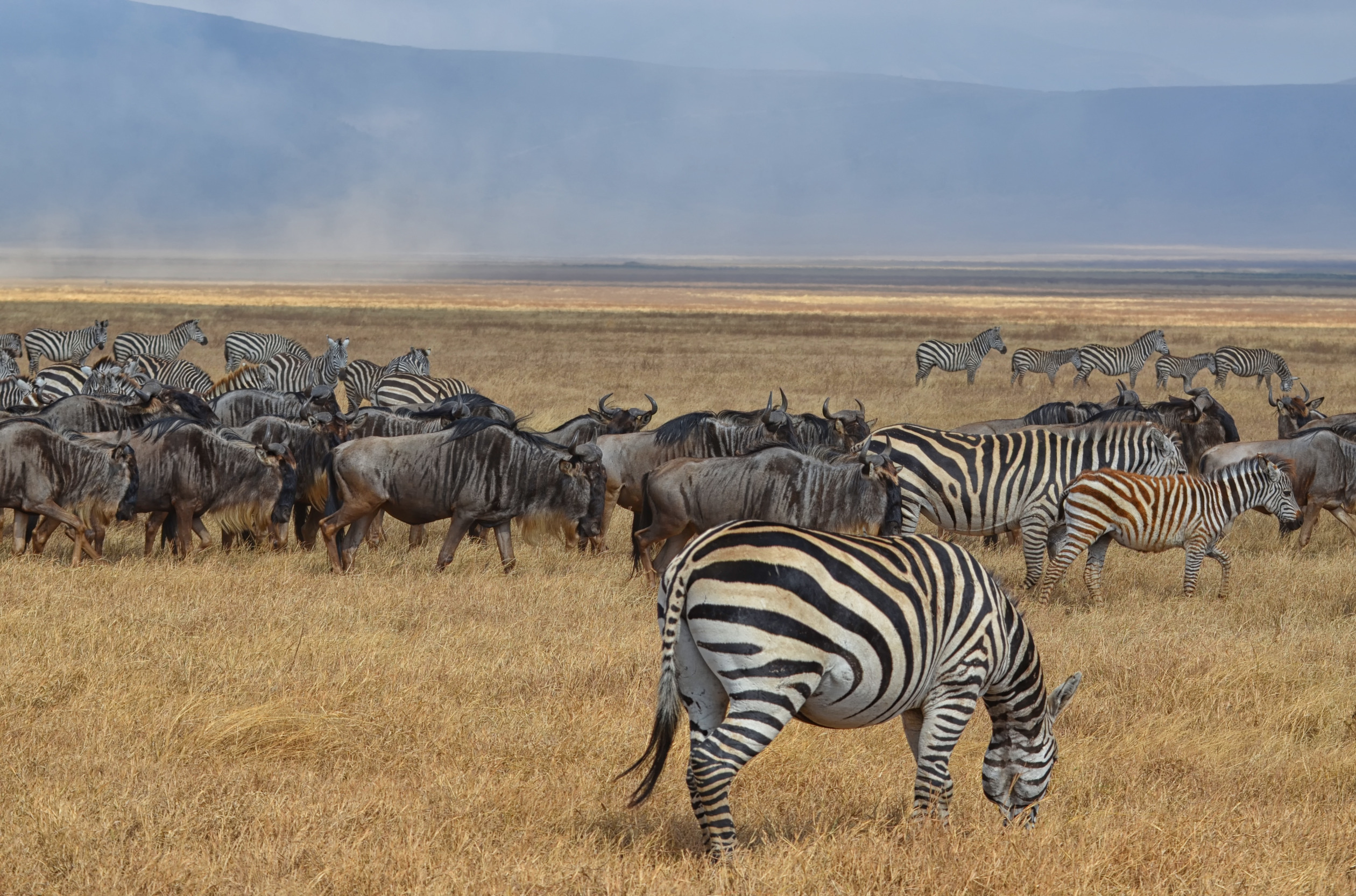
Yes, a 7-day Kenya wildlife safari is absolutely worth it for first-timers, providing an ideal balance between extensive wildlife viewing and comfortable travel. It covers prime locations like the Masai Mara, Amboseli, and Lake Nakuru without feeling rushed, offering a high chance to see the "Big Five" (lion, leopard, elephant, rhino, buffalo).
Popular 7 Day Kenya safari itineraries
7-days-budget-kenya-safari-holiday-vacation-tour
7-days-amboseli-kenya-and-serengeti-fly-in-tanzania-safari
7-days-masai-mara-safari-tour-and-serengeti-safari-tour-in-kenya-and-tanzania
7-days-best-of-kenya-wildlife-safaris-itinerary
7-days-kenya-wildlife-safari-to-kenya-beach-holiday-at-diani-beach
7-days-ultimate-budget-kenya-tanzania-safari-holiday-vacation
7-days-ultimate-africa-big-cats-kenya-safari-holiday-best-parks
7-days-kenya-honeymoon-safari-holiday-and-vacation-couple-escape
7-days-kenya-family-safari-package-and-zanzibar-beach-holiday-vacation
7-days-best-africa-big-cats-safari-in-kenya
For many first-time travelers, the prospect of an African safari is as daunting as it is exciting. Selecting a duration that balances the desire to "see it all" with the physical demands of the bush is crucial. Seven days has emerged as the industry’s "Goldilocks zone" for beginners. Here is a detailed look at why a week-long journey provides the perfect introduction to the Kenyan wilderness.
Optimal Coverage
The most common mistake beginners make is trying to cram too many destinations into a short window. A 7-day itinerary strikes a perfect balance by focusing on 2–3 major parks. This allows you to experience a massive shift in ecosystems—from the arid, elephant-rich plains of Amboseli to the lush, bird-heavy lakes of the Rift Valley, and finally the golden, predator-dense savannahs of the Masai Mara.
By limiting the number of locations, you avoid "Safari Fatigue." A 10+ day trip often involves significant transit time on bumpy, unpaved roads (affectionately known as the "African Massage"). For a beginner, the physical toll of 6-hour drives between parks can quickly overshadow the excitement of the animals. In seven days, the travel distances are manageable, typically averaging 3–5 hours between stops. This ensures that you remain energized and alert for every game drive, rather than spending the majority of your vacation looking out of a vehicle window at dusty highways. It provides a comprehensive "tasting menu" of Kenya’s diverse landscapes without the exhaustion of a marathon expedition.
The Best Highlights
A 7-day itinerary is strategically designed to hit the "Triple Threat" of Kenyan tourism: the Masai Mara, Amboseli, and a Rift Valley lake (Nakuru or Naivasha). This selection ensures that you don’t just see "animals," but rather specific, iconic vignettes that define the African safari dream.
- The Masai Mara: This is the cornerstone. It provides the high-density predator sightings—lions, leopards, and cheetahs—that every beginner has on their bucket list.
- Amboseli National Park: Here, the highlight is the massive "tuskers" (elephants) set against the towering, snow-capped backdrop of Mount Kilimanjaro. It is arguably the most famous photographic scene in all of Africa.
- Lake Nakuru or Naivasha: These parks round out the experience by adding a focus on rhinos and aquatic life. Nakuru is a world-class sanctuary for both Black and White rhinos, while Naivasha offers boat safaris to see hippos and fish eagles.
By visiting these three specific areas in one week, you are almost guaranteed to see the Big Five and the most spectacular scenery Kenya has to offer. It is a curated highlight reel that satisfies all the primary objectives of a first-time visitor.
Ideal Pacing
Pacing is where a 7-day safari truly shines over shorter or longer alternatives. A 3-day trip is a frantic rush that often leaves travelers feeling they missed the "soul" of the park. Conversely, a 14-day trip can lead to "animal saturation," where even a lion sighting starts to feel routine. Seven days allows for the "Rule of Two": spending at least two nights in the most significant locations, particularly the Masai Mara.
Spending two full days in the Mara is critical because wildlife is unpredictable. If you only have one day and it rains, or the lions are hiding, your experience is compromised. Two days allow for a "Deep Dive"—including a full-day game drive with a picnic lunch—where you can venture deep into the heart of the reserve to the Mara River. This slower pace also allows for "siesta time" at the lodge. Beginners often underestimate how tiring the sun and wind can be; having a few hours at midday to swim or nap ensures that you are refreshed for the afternoon drive. This rhythm of "activity-rest-activity" is the key to a sustainable and enjoyable safari experience.
Value for Money
When you factor in the cost of international flights, visas, and vaccinations, a 7-day safari offers the best return on investment. A shorter trip of 3 or 4 days carries a high "overhead" cost—you spend almost as much on flights as you do on the safari itself. In contrast, seven days spreads that initial travel cost over a week of high-value experiences.
Furthermore, a 7-day window allows for a flexible budget structure. It is long enough to include a mix of "Mid-Range" and "Luxury" accommodations. For example, you might save money by staying in a solid lodge in Amboseli and Lake Nakuru, then "splurge" on a high-end luxury tented camp in the Masai Mara for your final three nights. This "crescendo" approach to accommodation ensures the trip feels like it is constantly improving, ending on a high note of luxury. It also provides enough time to participate in added-value activities like a hot air balloon safari or a Maasai village visit, which are often skipped on shorter tours due to time constraints. Essentially, seven days justifies the expense by providing a complete, unhurried, and deeply immersive journey.
7-day Kenyan wildlife safari
A 7-day Kenyan wildlife safari is an immersive journey into the "Cradle of Mankind," where the raw rhythm of nature dictates the pace of life. This expedition is meticulously crafted to showcase the dramatic diversity of the Great Rift Valley, spanning from the elephant-rich marshes of Amboseli to the shimmering alkaline lakes and the legendary plains of the Masai Mara. Kenya offers an unparalleled theater of wildlife, where the "Big Five" roam freely against backdrops as iconic as the snow-capped Mount Kilimanjaro. Beyond the wildlife, this journey invites you into the heart of the Maasai culture, offering a profound understanding of a people who have coexisted with predators for centuries. Whether you are witnessing the dust of a thousand zebras or the silent stalk of a leopard, these seven days promise a transformative connection to the wild. Prepare for breathtaking sunrises, exhilarating chases, and the soul-stirring silence of the African bush that lingers long after you return home.
Day 1: Nairobi’s Sanctuary and Conservation
Your journey begins in Nairobi, a unique capital where skyscrapers overlook a national park. After a warm reception, you visit the Sheldrick Wildlife Trust to meet orphaned elephants being rehabilitated for the wild. Watching these playful calves enjoy their midday milk bottles provides a touching introduction to Kenya’s conservation efforts. Afterward, head to the Giraffe Centre to come face-to-face with the endangered Rothschild species. From a raised platform, you can feed these gentle giants and feel their prehensile tongues, a rare moment of tactile connection. These encounters offer vital context for the wild landscapes you will explore. The day concludes with a traditional Kenyan "Welcome Dinner," where you’ll brief with your guide under the city’s starlit sky, anticipating the vast wilderness that awaits you at dawn in the Great Rift Valley.
Day 2: Amboseli and the Shadows of Kilimanjaro
Leaving the city behind, you drive southeast to Amboseli National Park, famous for its massive "tuskers" and scenic beauty. As you enter, the horizon is dominated by the majestic Mount Kilimanjaro, the highest peak in Africa. The park’s unique hydrology creates lush swamps in an otherwise arid landscape, attracting hundreds of elephants that wade through the marshes to feed. Your afternoon game drive offers iconic photographic opportunities of elephant herds framed by the snow-capped mountain. You will also spot buffaloes, hippos, and a variety of waterfowl in the Enkongo Narok swamp. The flat, open plains make wildlife spotting remarkably easy, ensuring a high-density viewing experience. As the sun sets, the mountain often clears of clouds, revealing its full glory while you enjoy sundowners at your lodge overlooking the shimmering plains.
Day 3: The Great Rift Valley and Lake Naivasha
Today, you traverse the floor of the Great Rift Valley to reach the freshwater shores of Lake Naivasha. This area offers a tranquil change of pace from the dusty savannah. In the morning, you’ll enjoy a boat safari, gliding past massive pods of grunting hippos and watching African fish eagles dive with precision to snatch tilapia from the water. Afterward, visit Crescent Island—a private sanctuary where you can take a guided walking safari. Walking among giraffes, zebras, and waterbucks without the barrier of a vehicle is a liberating experience that sharpens your senses. The absence of large predators makes this one of the few places in Kenya where you can truly "walk with the wild." The day ends at a lakeside lodge, surrounded by yellow-barked fever trees and the peaceful sounds of the water.
Day 4: Lake Nakuru’s Rhino Sanctuary
A short, scenic drive brings you to Lake Nakuru National Park, an alkaline lake once famous for millions of flamingos and now a premier rhino sanctuary. Your game drive here is focused on spotting both Black and White rhinoceroses, which are highly protected within the park’s fenced perimeter. The landscape is a beautiful mix of woodlands and rocky cliffs, home to the rare Rothschild giraffe and a dense population of leopards. Keep your eyes on the acacia branches, as Nakuru’s lions are known for their unusual habit of climbing trees to escape the heat. The "Baboon Cliff" viewpoint offers a stunning aerial vista of the lake’s shimmering pink-hued shores. This park provides a compact but intense wildlife experience, ensuring sightings of waterbuck, buffalo, and a vibrant array of birdlife before you retire to your lodge.
Day 5: Entering the Legendary Masai Mara
The highlight of your safari begins as you head toward the Masai Mara National Reserve, the northern extension of the Serengeti. The vast, rolling grasslands are the quintessence of the African safari dream. As you enter the gates, you are immediately greeted by a sea of plains game: gazelles, topis, and zebras. This is the land of the "Big Cats," and your first afternoon game drive focuses on tracking the Mara’s famous lion prides. You’ll navigate through the tall grass, searching for cheetahs on termite mounds and leopards hidden in riverine thickets. The scale of the landscape is staggering, and the sense of freedom is palpable. Your evening is spent in a luxury tented camp, where the sounds of the bush provide a rhythmic backdrop to a gourmet dinner under the stars.
Day 6: Full Day in the Mara and Maasai Culture
Spend a full day exploring the Mara’s diverse ecosystems, from the Sand River to the Talek. If visiting during the Great Migration (July–October), you will head toward the Mara River to witness the dramatic river crossings, where wildebeest brave crocodile-infested waters. Your guide will interpret the complex social behaviors of the animals, from elephant matriarchs leading their herds to hyena clans patrolling their territory. Midday is spent enjoying a picnic lunch under a lone acacia tree, a classic safari experience. In the afternoon, you visit a traditional Maasai village. Here, you’ll learn about their nomadic lifestyle, participate in the Adumu (jumping dance), and see how they coexist with the wildlife. It is a day of deep immersion, balancing the ferocity of nature with the rich heritage of its human guardians.
Day 7: Sunrise Safari and Return to Nairobi
On your final morning, embark on a dawn game drive to catch the predators at their most active. The early light provides a golden glow over the savannah, perfect for final photographs of the "Big Five." Watch the elephants begin their daily trek and hear the morning chorus of over 450 bird species. After a hearty bush breakfast, you begin the journey back to Nairobi. This drive allows you to reflect on the week’s encounters as you pass through bustling market towns and rural homesteads. Arriving in Nairobi in the late afternoon, you’ll have time for a final farewell meal or some last-minute souvenir shopping for Maasai beadwork and ebony carvings. As you transfer to the airport for your flight home, you carry with you the indelible spirit and wild pulse of the Kenyan plains.
Planning Your First Adventure: The Ultimate 7-Day Kenya Safari FAQ
Embarking on a Kenyan safari is a bucket-list dream for many. To ensure you make the most of every sunrise on the savannah, here is a comprehensive look at the logistical and experiential details of a week-long journey.
1. Is 7 days long enough for a first-time Kenya safari?
For most travelers, seven days is the "Goldilocks" duration—neither too short to be rushed nor too long to be exhausting. It provides the perfect window to visit three distinct ecosystems without spending more time in the vehicle than at the wildlife sightings.
A 7-day trip allows for a "slow burn" approach. You can spend the first two days acclimating to the African sun and the early morning wake-up calls, and by day four, you are in the rhythm of the bush. It offers enough time to have a "bad day" (where the animals are elusive) without it ruining the entire trip, as you have several more days to make up for it. This timeframe also leaves you wanting more, which is the best way to end your first African expedition.
2. What are the must-visit parks on a 7-day itinerary?
The "Classic Circuit" is designed to show you the best of Kenya's geographic and biological diversity.
- Masai Mara: The undisputed king of parks. It is essential for high-density predator sightings and the rolling grasslands you’ve seen in documentaries.
- Amboseli National Park: Located at the foot of Mount Kilimanjaro, it is the best place in Africa to see massive "tuskers" (elephants) grazing in front of the snow-capped peak.
- Lake Nakuru or Lake Naivasha: These Rift Valley lakes offer a break from the savannah. Nakuru is a world-class sanctuary for both Black and White rhinos, while Naivasha offers boat safaris to see hippos and vibrant birdlife.
3. Will I see the Big Five?
While nature offers no absolute guarantees, a 7-day safari focusing on the Masai Mara and Lake Nakuru gives you a statistical probability of nearly 95% of seeing all five.
- Lions, Elephants, and Buffaloes: These are almost a certainty in the Mara and Amboseli.
- Rhinos: This is the "hardest" member to find in the Mara, which is why including Lake Nakuru—a fenced and highly protected rhino sanctuary—is a strategic move.
- Leopards: These are solitary and nocturnal, making them the wildcard. However, with seven days and a professional guide who communicates with other drivers via radio, your chances are excellent.
4. When is the best time for a 7-day safari?
The "Best" time depends on your priorities.
- July to October: This is the Peak Season. It is the driest time of year, meaning animals congregate at waterholes, and it marks the arrival of the Great Migration in the Masai Mara.
- June and September: These are "shoulder" months. You get the dry weather and great game viewing but avoid the absolute peak of the tourist crowds.
- January and February: Often overlooked, this is another dry window. The skies are clear, the grass is short (making animals easier to spot), and it is the calving season for many herbivores, which in turn attracts high predator activity.
5. Is a 7-day safari worth it during the wet season?
Absolutely. The "Green Season" (November to May) is a secret favorite for many photographers and budget-conscious travelers.
- Lush Landscapes: The dusty brown plains turn into a vibrant, emerald green, making for stunning backdrops.
- Lower Costs: Many luxury lodges drop their prices significantly, allowing you to stay in high-end camps for a fraction of the peak-season cost.
- Birthing Season: You will see thousands of baby zebras, antelopes, and gazelles.
- Birdwatching: Migratory birds from Europe and North Africa arrive, making it the best time for ornithologists. Just be prepared for afternoon showers and occasional muddy roads.
6. What is a typical 7-day itinerary?
A well-paced 7-day route minimizes backtrack driving.
- Day 1: Arrival in Nairobi and transfer to Amboseli.
- Day 2: Full day in Amboseli for elephant and Kilimanjaro viewing.
- Day 3: Drive to the Great Rift Valley (Lake Naivasha or Nakuru) for a boat ride or rhino tracking.
- Day 4: Morning game drive and transfer to the Masai Mara.
- Day 5 & 6: Two full days in the Mara to maximize predator sightings and explore the Mara River.
- Day 7: Final sunrise game drive and return to Nairobi for your departure.
7. What kind of animals can I see besides the Big Five?
While the Big Five get the marketing glory, the "supporting cast" is often more entertaining. You will see hundreds of giraffes (Masai and Rothschild), thousands of zebras and wildebeest, and elegant cheetahs—the fastest land animals. In the waterways, you’ll find hippos grunting in pods and Nile crocodiles basking on the banks. The plains are also home to "The Ugly Five": the hyena, wildebeest, vulture, warthog, and marabou stork. Each plays a vital role in the ecosystem, and observing their social dynamics is often the highlight of a game drive.
8. Is a 7-day safari with kids recommended?
Yes, but the Southern Circuit (Amboseli-Naivasha-Mara) is preferred over the rugged Northern Circuit. This route features shorter drive times (3-4 hours between parks) and higher densities of wildlife, which helps keep children engaged. Many lodges are "family-friendly," offering swimming pools, kid-specific menus, and "Junior Ranger" programs where kids can learn to track footprints and identify birds. A 7-day pace allows for a midday "siesta" at the pool, which prevents the "safari fatigue" that can lead to meltdowns in younger travelers.
9. Should I book a private or group safari for 7 days?
For first-timers, a private safari is highly recommended if your budget allows. It gives you exclusive use of the vehicle and the guide’s undivided attention. If you want to spend two hours watching a leopard sleep, you can; on a group tour, you are at the mercy of the group’s consensus. However, group-joining safaris are excellent for solo travelers or those on a budget. These usually happen in 4x4 Land Cruisers or Safari Vans with a maximum of 6-7 people, ensuring everyone has a window seat. It’s a great way to meet fellow adventurers, though you lose the flexibility to dictate your daily schedule.
10. How much does a 7-day Kenya safari cost?
The cost is determined by your choice of accommodation and transport.
- Mid-Range ($2,000 - $3,000 per person): Includes 4x4 transport and stay in comfortable, en-suite tented camps or lodges.
- Luxury ($4,000 - $7,000+ per person): Includes "fly-in" options (saving drive time), high-end luxury camps with private plunge pools, and gourmet dining. These prices generally include all park fees, meals, and guide services. The biggest variable is usually the "Park Fees"—the Masai Mara alone can cost up to $200 per person per day for non-residents, which makes up a significant portion of the total cost.
11. Do I need to take domestic flights?
You don't need to, but they change the experience. Most 7-day safaris are road-based, which allows you to see the Kenyan countryside, bustling markets, and rural life. However, the road to the Masai Mara is notoriously bumpy (the "African Massage"). Domestic "Bush Flights" from Nairobi directly into the Mara or Amboseli airstrips turn a 6-hour drive into a 45-minute scenic flight. If you have the budget, flying even one leg of the trip can save you half a day of travel, giving you two extra game drives in the reserve.
12. Are 7 days enough to include a beach trip?
It's a common question, but the answer is "Barely." To include a trip to Diani or Watamu beach, you would have to reduce your safari to 3 or 4 days. This often means skipping Amboseli or Nakuru and just doing the Mara. If you want both, we recommend extending your trip to 10 days. If you must fit it into 7, you could do a 4-day safari and a 3-day beach stay, but you will spend a lot of that time in airports and transfers. For a first-timer, it’s usually better to commit the full 7 days to the wilderness to truly soak in the experience.
13. Is malaria a risk on a 7-day safari?
Yes. Most of Kenya’s premier safari parks are located in malaria-endemic zones, particularly during and after the rainy seasons. While the risk is lower in high-altitude areas like the Mara, it is never zero. Malaria prophylaxis (preventative medication) is strongly advised for all travelers. You should consult a travel clinic at least 4-6 weeks before departure. Additionally, practice the "Big Three" of prevention: wear long sleeves at dawn and dusk, use high-DEET insect repellent, and always sleep under the mosquito nets provided by the lodges.
14. What should I pack for a 7-day trip?
The golden rule is neutral layers.
- Clothing: Pack khaki, tan, or olive green (avoid bright colors which startle animals and blue/black which attracts Tsetse flies). The mornings are surprisingly cold (10°C), while the afternoons are hot (30°C).
- Gear: A camera with a 300mm+ zoom lens is essential. A pair of binoculars (8x42 is the standard) will change your experience, allowing you to see the detail in a leopard's eye or the feathers of a kingfisher.
- Health: Sunscreen, a wide-brimmed hat, and a sturdy pair of walking shoes (hiking boots are usually not necessary for a standard vehicle safari).
15. Is it worth adding a culture visit?
Yes, it is arguably the most important part of the trip. Most 7-day itineraries offer an optional visit to a Maasai Manyatta (village). While some find these visits a bit "touristy," they provide a vital income stream for the local communities and offer a window into a lifestyle that has remained largely unchanged for centuries. You will see how they build their homes from mud and cow dung, learn about their social hierarchies, and witness the famous jumping dance (Adumu). Understanding the culture of the people who protect these lands adds a layer of depth to your safari that wildlife alone cannot provide.
Booking 7 Days Kenya wildlife safari with us Roads of Adventure safaris
Book a 7-day Kenya wildlife safari with Roads of Adventure Safaris to explore premier destinations like Masai Mara, Amboseli, and Lake Nakuru or Naivasha. These customizable tours include Big Five spotting, cultural interactions, and luxury or mid-range accommodation options tailored to your preferences, ensuring a seamless experience
