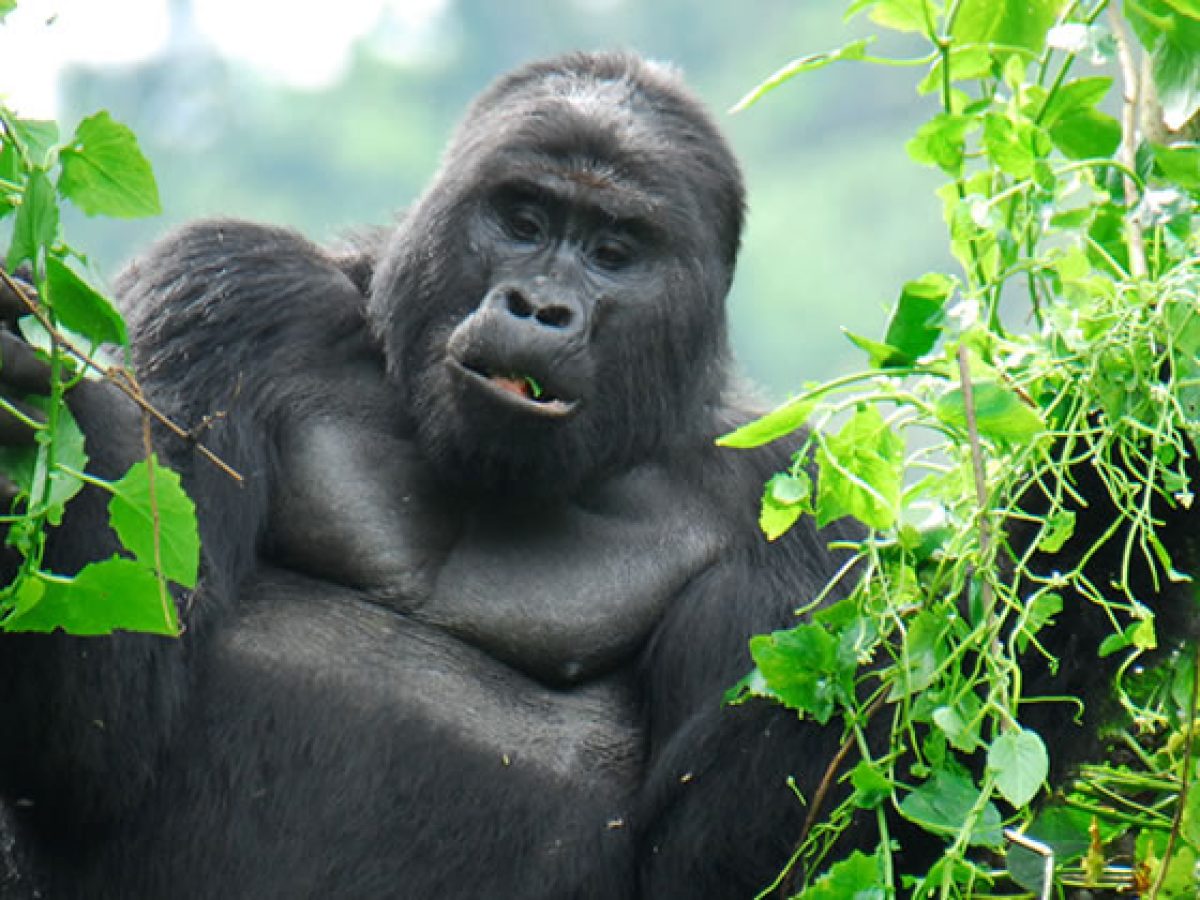
Yes, a 2-day budget gorilla trek in Bwindi Impenetrable National Park from Kigali is absolutely worth it, offering a cost-effective, intense, and unforgettable experience. By flying into Rwanda and crossing the border to Uganda, you save significantly on both travel time (3-4 hours vs. 8-10+ from Kampala) and permit costs compared to Rwanda.
2-days-best-gorilla-trekking-safari-tour-via-kigali-to-bwindi-impenetrable-forest-park
2-days-quick-escape-to-bwindi-impenetrable-to-trek-mountain-gorilla-from-kigali
The Value Proposition of a 2-Day Trek
Significant Cost Savings: Uganda vs. Rwanda The most compelling reason to choose a 2-day Uganda trek via Kigali is the undeniable financial advantage. In the world of high-end conservation tourism, Rwanda has positioned itself as a "luxury-only" destination with gorilla permits priced at $1,500. By contrast, Uganda maintains a permit price of $800. For a solo traveler, this is an immediate saving of $700, and for a couple, the $1,400 saved is often enough to fund the entirety of their remaining East African holiday. This price gap does not reflect a difference in the quality of the encounter—the gorillas are the same species and the rangers are equally expert—but rather a difference in national tourism strategy. By leveraging the Ugandan permit while using Kigali as your entry point, you effectively "hack" the system, enjoying a world-class wildlife experience at nearly half the permit cost of the neighboring country.
Fast Access from Kigali: Logistical Efficiency Many travelers are surprised to learn that Bwindi’s southern sectors (Rushaga and Nkuringo) are geographically closer to Kigali than they are to Uganda’s own capital, Entebbe. The drive from Kigali is a smooth 3–4 hour journey on well-paved Rwandan roads followed by a short stretch of Ugandan highland track. In comparison, the drive from Entebbe to Bwindi can take upwards of nine to ten exhausting hours. This proximity makes a 2-day itinerary not just "possible," but actually relaxed. You can land in Kigali, enjoy a morning coffee, and be at your lodge in the Bwindi forest by mid-afternoon. This efficiency minimizes "transit fatigue" and ensures that your limited vacation time is spent in the presence of primates rather than staring out of a car window.
High Probability of Sighting: A Guaranteed Encounter One of the most frequent concerns for first-time trekkers is the fear of not finding the gorillas. However, the probability of a successful sighting in Bwindi is over 99%. This is due to a sophisticated tracking system: teams of "advanced trackers" head into the forest at dawn to locate the gorilla families from where they nested the night before. They stay with the troop and radio the coordinates to your guide. This ensures that your hike has a definitive destination. The one hour you spend with the gorillas is often described as "life-changing"—the profound silence of the forest, the gentle grunts of the silverback, and the human-like play of the infants create a deep emotional connection that justifies every cent and every mile traveled.
Thrilling Adventure: Maximizing a Short Timeframe For business travelers in Kigali or those on a tight schedule, the 2-day trek is the ultimate "high-impact" adventure. It condenses the most iconic African wildlife experience into a 48-hour window without feeling rushed. You experience the thrill of an international border crossing, the scenic beauty of the "Land of a Thousand Hills," and the physical challenge of navigating an ancient, "impenetrable" rainforest. It is a high-octane journey that balances the adrenaline of the hike with the serenity of the mountain highlands. In just two days, you transition from a modern urban center to a prehistoric jungle, creating a narrative of adventure that feels far more expansive than its short duration would suggest. It is the perfect example of how strategic planning can turn a brief window of time into a lifelong memory.
2 Days Budget Uganda gorilla trekking in Bwindi impenetrable from Kigali
The 2-Day Budget Uganda Gorilla Trekking from Kigali is a masterfully designed "express" safari for travelers who prioritize value without sacrificing the awe-inspiring nature of the encounter. By utilizing Kigali as your gateway, you take advantage of Rwanda’s superior road infrastructure to reach the southern sectors of Bwindi Impenetrable National Park in just four hours. This logistical shortcut allows you to access Uganda’s significantly more affordable $800 trekking permit, saving you $700 compared to Rwandan permits. The journey transitions from the organized, rolling streets of Kigali into the rugged, emerald-green highlands of the Kigezi region. Within 48 hours, you will navigate international borders, climb through ancient, mist-shrouded rainforests, and secure a life-changing connection with the world’s most famous primates. It is the ultimate high-value itinerary, proving that a profound encounter with mountain gorillas can be both time-efficient and budget-conscious while supporting vital community conservation efforts.
Day 1: Kigali to the Bwindi Highlands
Your budget adventure begins with an early morning pickup in Kigali, heading north toward the Ugandan border. The drive is a scenic traverse through Rwanda’s terraced hills, offering a vivid window into rural life in the "Land of a Thousand Hills." After a seamless border crossing at Cyanika—the fastest route to the southern Bwindi sectors—you enter the rugged, high-altitude highlands of Uganda. You’ll check into a budget-friendly eco-camp or community-run lodge in the Rushaga or Nkuringo sector. These lodges offer clean, basic comfort and hearty meals right at the forest's edge, keeping costs low while maximizing the "jungle" atmosphere. The afternoon is yours to rest or take a guided walk through the local village, acclimatizing to the altitude. As night falls, the sounds of the forest set a thrilling stage for tomorrow’s trek.
Day 2: The Gorilla Trek and Return to Kigali
The day starts at 7:00 AM with a mandatory briefing at the park headquarters. Accompanied by expert rangers and trackers, you’ll plunge into the dense, multi-layered rainforest in search of a habituated gorilla family. The hike can be physically demanding, navigating steep ridges and thick vines, but all effort vanishes the moment you lock eyes with a silverback. You spend one "Magic Hour" observing the troop’s human-like social interactions and gentle strength in their natural home. Following the trek, you’ll receive your completion certificate and enjoy a quick lunch before beginning the return journey. Crossing back into Rwanda, you wind down the hills toward the capital, arriving in Kigali by late evening for your flight or hotel drop-off. You leave with an extra stamp in your passport and a soul full of memories.
Is a 2-day budget gorilla trekking trip from Kigali to Bwindi really worth the long drive?
The drive is not only worth it but is actually the most logical shortcut for travelers in 2026. While "long" is relative, the journey from Kigali is significantly shorter and more comfortable than the traditional route from Uganda’s Entebbe or Kampala. From Kampala, you are looking at a grueling 9 to 10-hour drive across the country. By starting in Kigali, you cut that time by more than half. This efficiency makes the 2-day itinerary feasible for those with limited time, such as business travelers or weekend adventurers. Furthermore, the route is incredibly scenic, passing through the "Land of a Thousand Hills" in Rwanda before crossing into the jagged, emerald highlands of Uganda, making the transit feel like a part of the safari experience itself.
How long is the total driving time from Kigali Airport to Bwindi Impenetrable National Park?
The total driving time usually ranges between 3 to 4 hours, depending on the specific sector of Bwindi you are visiting and the speed of the border crossing. The drive from Kigali International Airport to the Cyanika border takes approximately 3 hours on world-class paved roads. Once you clear immigration and enter Uganda, it is another 45 to 60 minutes to reach the lodges in the Rushaga or Nkuringo sectors. The Katuna border is another option, primarily used if you are heading to the Ruhija sector. These short transit times allow you to depart Kigali after breakfast and arrive at your lodge in time for a late lunch and an afternoon of relaxation before your trek the following day.
What makes the 2-day budget Bwindi trip cheaper than a 3-day gorilla trekking safari?
The savings are found in the reduction of "daily burn" costs. A 3-day safari typically involves two nights of lodging, three days of vehicle rental, and three days of professional guide fees. By condensing the trip into two days, you eliminate one night of accommodation and one day of operational costs. In the context of a budget trip, where travelers might be staying in community-run camps or eco-lodges, this can save between $150 and $250 per person. Additionally, the 2-day model often utilizes the most direct routes and faster border crossings, which reduces fuel consumption. For those whose primary goal is the gorillas, the 2-day itinerary offers the maximum "wildlife-to-dollar" ratio.
Are the Uganda gorilla trekking permits cheaper than those sold in Rwanda?
Yes, there is a massive price disparity that favors Uganda for budget-conscious travelers. As of 2026, a gorilla trekking permit in Uganda’s Bwindi or Mgahinga costs $800 for foreign non-residents. In contrast, Rwanda’s Volcanoes National Park permits are priced at $1,500. By crossing the border into Uganda, you instantly save $700 per person. This saving alone is often enough to cover the entire cost of your transportation, budget lodging, and meals for the duration of the 2-day trip. It is the single most effective "cost-saving strategy" for primate enthusiasts, allowing you to witness the same species of mountain gorillas at nearly half the price.
Which Bwindi sectors are best for a 2-day trip starting and ending in Kigali?
The Southern sectors (Rushaga and Nkuringo) are the undisputed best choices for a 2-day trip from Kigali. These sectors are located closest to the Cyanika border post. Rushaga, in particular, has the highest number of habituated gorilla families (currently eight), which offers more permit availability and flexibility. Nkuringo is famous for its world-class views of the Virunga Volcanoes and the Albertine Rift. Choosing these southern gateways ensures that your transit time is minimized, allowing you to spend your limited time enjoying the forest rather than navigating the interior mountain roads of Uganda to reach the northern sectors like Buhoma.
Can I catch my flight back to my country on the second day of the trip?
Yes, it is possible, but it requires precise timing. Gorilla trekking typically begins at 8:00 AM and can end anywhere from 12:00 PM to 3:00 PM. If you finish your trek by 1:00 PM, you can be back in Kigali by 6:00 PM or 7:00 PM. To be safe, you should only book a flight departing after 10:00 PM or even after midnight. This provides a "buffer" for the unpredictable nature of the trek and potential delays at the border. If your trek lasts longer (some can go up to 6 or 7 hours), a flight before 10:00 PM would be very risky. Many travelers prefer to spend the final night in Kigali to enjoy a celebratory dinner before flying out the next morning.
Is it possible to go gorilla trekking on the same day as driving from Kigali?
While technically possible if you left Kigali at 2:00 AM, it is highly discouraged and almost never offered by professional operators. The mandatory briefing starts at 7:00 AM sharp; missing this means forfeiting your $800 permit. Border crossings can also be unpredictable. The standard, most successful model is to drive on Day 1, stay at a lodge near the park gate, and trek on Day 2. This ensures you are well-rested, acclimatized to the altitude (over 2,000m), and ready for the physical demands of the hike. Trying to trek on the same day as a cross-border drive adds unnecessary stress to what should be a once-in-a-lifetime experience.
Are the mountain gorillas guaranteed during the two-day trek?
In Bwindi, gorilla sightings are as close to guaranteed as wildlife viewing can get, with a success rate exceeding 99%. This is not left to chance; a team of "advance trackers" leaves the park headquarters at daybreak to find the gorillas where they nested the previous night. They then radio the coordinates to your lead guide. You are essentially hiking toward a known location. While they are wild animals and can move, the trackers stay with them until your group arrives. In the extremely rare event that a family is not found, the Uganda Wildlife Authority (UWA) typically offers a second trek the following day or a partial refund, though this is almost never necessary.
How many hours do I get to spend with the endangered mountain gorillas in Uganda?
Once your group makes contact with the gorilla family, you are allowed exactly one hour of face-to-face interaction. This "Magic Hour" is strictly enforced to minimize human impact on the gorillas and prevent them from becoming over-stressed or too habituated. During this time, you can observe them feeding, grooming, and playing. The trackers and rangers will guide you on where to stand and ensure you maintain a safe distance of roughly 7 to 10 meters. While an hour may sound short, it is incredibly intense and intimate; most travelers find that the sheer proximity and human-like behavior of the troop make it feel like time stands still.
Do I need a Visa for both Rwanda and Uganda for this 2-day trip?
Yes, since you are crossing an international border, you need valid entry documents for both countries. The most efficient and cost-effective solution is the East African Tourist Visa, which costs $100. This visa allows multiple entries between Rwanda, Uganda, and Kenya for 90 days. You must apply for it through the consulate or online portal of the country you will enter first (which, for this itinerary, is Rwanda). This visa eliminates the need to pay for separate $50 visas at each border, saving you money and significant time at the immigration desks. Ensure you also have your Yellow Fever vaccination certificate, as this is mandatory for entry into both nations.
Is it necessary to have a 4x4 vehicle for the trip from Kigali to Bwindi?
A 4x4 vehicle is absolutely necessary. While the roads from Kigali to the border are paved, the roads on the Ugandan side, particularly the "last mile" tracks leading from the main road to the Bwindi park sectors, are unpaved, steep, and carved into volcanic hillsides. These roads can become extremely muddy and slippery in seconds during a tropical downpour. A vehicle with high clearance and four-wheel drive is required to navigate these ridges safely and ensure you reach the park headquarters in time for your trek. Most budget tours utilize a specialized 4x4 safari van or a customized Land Cruiser to handle these rugged conditions.
Is this 2-day budget trip suitable for seniors?
Yes, but with caveats. Gorilla trekking is a physically demanding activity involving hiking through dense, "impenetrable" forest at high altitudes. However, the rangers in Bwindi are excellent at tailoring the experience. During the morning briefing, you can request to be assigned to a "close" gorilla family. While there are no guarantees where wild animals will move, the trackers often have a good idea of which families are currently in more accessible areas. For those with significant mobility issues, "sedan chairs" or "stretcher services" can be hired for approximately $300–$500, where a team of local porters will carry you to the gorillas and back, making the experience accessible to almost anyone.
What do I need to bring for a budget gorilla trek in Bwindi?
For a 2-day trip, you should pack light but include the essentials. Sturdy, waterproof hiking boots with ankle support are the most important item. You also need long trousers and long-sleeved shirts to protect against stinging nettles and insects. A lightweight rain jacket or poncho is mandatory, as it can rain at any time in the rainforest. Bring a waterproof daypack for your camera, water, and lunch. Don’t forget garden gloves (for gripping branches), insect repellent, and a hat. Most lodges provide a walking stick, but if you have your own collapsible poles, they are useful. Since it is a budget trip, bringing your own snacks and reusable water bottles from Kigali will save you money on incidentals.
What should I expect for breakfast and packed lunch on trekking day?
Most lodges in the Bwindi sectors are well-accustomed to the trekking schedule. You can expect a very early breakfast (usually around 6:00 AM) consisting of eggs, toast, fruit, and Ugandan coffee or tea. Before you depart for the park headquarters, the lodge will provide a packed lunch box. This usually contains a sandwich, a piece of chicken or a hard-boiled egg, some fruit, a juice box, and a bottle of water. This lunch is eaten in the forest after you have spent your hour with the gorillas. It is designed to be high-energy to help you with the return hike. If you have specific dietary requirements (vegan, gluten-free), ensure you inform your lodge at least 24 hours in advance.
Are there any hidden costs to the 2-day budget Bwindi trekking itinerary?
While most 2-day quotes include the permit, transport, and lodging, there are a few standard "out-of-pocket" expenses. Tipping is the most significant; it is customary to tip your lead guide ($10–$15) and the trackers and rangers ($5–$10 each). Hiring a porter ($15–$20 plus a small tip) is highly recommended; they carry your bag and help you on steep sections. Additionally, the East African Tourist Visa ($100) is usually not included in tour quotes. Other personal expenses like alcoholic drinks, laundry, or souvenirs will be extra. It is best to carry some cash in small USD bills (printed after 2013) or local shillings to cover these items, as credit card facilities are rare in the remote Bwindi highlands.
Booking 2 Days Bwindi gorilla with us Roads of Adventure safaris
Book a 2-day Bwindi gorilla trekking safari with Roads of Adventure Safaris, designed for quick, budget-friendly access, typically starting and ending in Kigali, Rwanda. The package includes a mandatory $800+ gorilla permit, 4x4 transportation, and accommodation near Bwindi. Early booking is essential to secure permits and maximize your time to trek in sectors like Rushaga or Ruhija
