To travel on a budget for a 7-day Uganda safari, join a small group tour, visit during the low season (March–May, October–November), and stay in budget lodges, tented camps, or campgrounds. Focus on parks with lower fees, utilize 4x4 RAV4s over Land Cruisers, and choose local operators to save on vehicle and guide costs
7-days-murchison-falls-uganda-safari-trip-via-ziwa-rhinos-kidepo-valley-and-jinja
7-days-best-family-uganda-safari-with-primates-and-big-five
7-days-photography-uganda-safari-all-big-five-chimpanzee-and-gorillas
7-days-uganda-tour-to-murchison-falls-via-ziwa-kibale-and-queen-elizabeth-national-park
7-days-best-uganda-birding-safari-tour
7-days-perfect-uganda-primate-safari-itinerary
7-days-uganda-honeymoon-safari-holiday-vacation
7-days-best-uganda-wildlife-safari-and-culture
7-days-best-gorilla-trekking-and-safari-in-uganda-to-see-big-fives
7-days-safari-to-uganda-queen-elizabeth-park-gorillas-trekking-and-lake-mburo
7-day-best-uganda-safari-holiday-true-escape
7-days-budget-uganda-safari-tour-package
7-days-honeymoon-uganda-safari-and-primate-tour-vacation-holiday
7-days-perfect-road-trip-uganda-safari-tour
7-days-best-uganda-safari-tour-to-popular-safari-parks
7-day-uganda-safari-to-kidepo-valley-via-jinja-and-sipi-falls
7-day-uganda-gorilla-trekking-chimpanzee-wildlife-safari-tour-and-culture
7-days-uganda-safari-chimpanzee-tracking-and-jinja-white-water-rafting
7-day-ultimate-uganda-primate-safari-chimpanzees-and-game-drives
1. Join Group Tours
The single most effective way to slash the cost of a Ugandan safari is to avoid traveling solo. In the safari world, the largest expenses—fuel, vehicle hire, and the professional guide—are fixed "per vehicle" costs. By joining a scheduled group tour, these expenses are divided among four to six people. Companies like Acacia Safaris or Cymo African Safaris specialize in "Fixed Departure" dates, which bring together like-minded solo travelers or couples.
Beyond the financial savings, group tours offer a built-in social environment. Sharing the excitement of a first gorilla sighting or the thrill of a lion hunt with a group adds a layer of camaraderie to the journey. Group tours also benefit from "bulk" booking power at lodges, often securing better rates than an individual could negotiate. If you are a solo traveler, joining a group eliminates the "single supplement" fee that many lodges charge, making the difference between a trip that is prohibitively expensive and one that fits comfortably within a modest budget.
2. Travel in the Low Season
Timing is everything for the budget-conscious traveler. Uganda has two low seasons: March to May and October to November, which correspond with the heavier rains. While the "dry season" is popular for its clear skies, the low season offers significant financial advantages. Many high-end and mid-range lodges drop their prices by 25% to 40% to fill rooms, allowing you to stay in much nicer accommodations for a "budget" price.
Furthermore, traveling in the low season means you won't be fighting for space at viewpoints or competing for the best angles during a game drive. The savannah becomes a vibrant, lush emerald green, providing stunning contrast for photography. While the rain can make forest trails muddier, the showers are usually tropical and short-lived. Most importantly, permit availability is much higher, and you may find that you are trekking with a smaller group, providing a more intimate experience with the gorillas or chimpanzees without the "peak season" premium.
3. Choose Budget Accommodation
The "lodge" is often the second-highest expense after permits. To save money, look for community-run camps, bandas, or "lazy camping" options located just outside the park gates. A prime example is the Buhoma Community Rest Camp in Bwindi. Not only are the rates significantly lower than nearby luxury lodges, but the money stays directly within the local village, supporting schools and healthcare.
Budget accommodation in Uganda is generally clean, safe, and located in prime wildlife corridors. Many "budget" spots offer fixed-wall tents with real beds and en-suite bathrooms, providing a 4-star view for a 1-star price. Another tip is to look for lodges that offer "bed and breakfast" or "half-board" options rather than full-board; you can often save money by buying a local dinner or a simple snack rather than paying for a mandatory three-course lodge meal. Embracing these rustic stays allows you to fall asleep to the same sounds of the bush as the guests in the $1,000-a-night lodge across the valley.
4. Prioritize Your Activities
A 7-day safari can easily become expensive if you try to do every "add-on" activity. The Gorilla Permit ($800) is the ultimate non-negotiable expense for most travelers, but you can balance this by choosing more affordable secondary activities. For example, rather than doing multiple expensive primate treks, you might choose to track gorillas once and spend the rest of your time focusing on savannah game drives and boat cruises.
Game drives in Queen Elizabeth National Park or Murchison Falls are incredibly cost-effective. Once you have paid the park entrance fee (roughly $40), the wildlife viewing is essentially "free." A boat cruise on the Kazinga Channel or the Nile is also a high-value activity, offering hundreds of sightings for a relatively low fee (usually around $30). By prioritizing one "bucket-list" item (the gorillas) and filling the rest of your 7 days with high-impact, low-cost savannah activities, you create a well-rounded safari experience that feels expensive without actually being so.
5. Choose Smaller or Shared Vehicles
The vehicle you choose has a massive impact on your fuel budget and daily rental rate. While the iconic stretched Land Cruiser is the classic safari image, it is expensive to hire and heavy on fuel. For a budget 7-day trip, consider hiring a 4x4 Toyota RAV4 (for couples) or a Toyota Hiace (Safari Van) for small groups. These vehicles are significantly cheaper to rent and much more fuel-efficient.
A 4x4 Safari Van with a pop-up roof provides the same game-viewing advantages as a Land Cruiser at a fraction of the cost. The "pop-up" allows you to stand and take unobstructed photos, which is the most important feature for a game drive. By choosing a smaller or more economical vehicle, you can save hundreds of dollars over a week-long trip. This saving can then be redirected toward your gorilla permit or a special meal, ensuring that your budget is spent on the experiences that matter most rather than just the metal that carries you between them.
7 Days Budget Uganda safari holiday
For the savvy traveler, a 7-day budget Uganda safari is the ultimate way to witness the "Pearl of Africa" without the luxury price tag. This expedition focuses on the raw, unscripted beauty of the Albertine Rift, trading five-star glitz for authentic bush experiences and community-run lodges. You’ll traverse the emerald crater lakes of Fort Portal, the golden savannahs of the Rift Valley, and the ancient, mist-shrouded forests of the southwest. By prioritizing high-impact activities like chimpanzee tracking in Kibale and gorilla trekking in Bwindi, while utilizing cozy budget bandas and shared safari vehicles, you ensure every dollar spent goes directly into conservation and local economies. This holiday is designed for the adventurous spirit who seeks the profound silence of the jungle and the wild symphony of the savannah, proving that the world’s most life-changing wildlife encounters are accessible to anyone with a passion for discovery.
Day 1: Arrival and Transfer to Kampala
Your budget-friendly journey begins at Entebbe International Airport. To keep costs low, you’ll take a shared shuttle or a local taxi to your guesthouse in Kampala. The capital city offers a vibrant introduction to Ugandan life; you can spend your afternoon exploring the local craft markets or visiting the historic Kasubi Tombs. Budget travelers often choose hostels or small guesthouses like Red Chilli Hideaway, which offers a great social atmosphere and affordable meals. This first night is about resting and meeting your safari guide for a briefing on the week ahead. By staying in the city, you get a head start on your western journey at dawn, all while enjoying the legendary hospitality of the Ugandan people and the energetic pulse of one of Africa’s most dynamic urban centers.
Day 2: Drive to Fort Portal and Bigodi Walk
Early this morning, you’ll head west toward the scenic town of Fort Portal. The drive is spectacular, winding through verdant tea plantations and local villages. After a budget-friendly local lunch, you’ll visit the Bigodi Wetland Sanctuary. This community-led project is a fantastic low-cost alternative to expensive forest walks. As you navigate the swamp’s boardwalks, you’ll likely spot several primate species, including the Red Colobus and Grey-cheeked Mangabey, and the stunning Great Blue Turaco. You’ll stay at a budget lodge near the forest edge, such as Isunga Lodge or Kibale Forest Camp, where you can fall asleep to the distant hooting of monkeys. This day emphasizes community conservation, ensuring your visit directly benefits the families living alongside the park, while providing world-class birding and primate sightings at an affordable rate.
Day 3: Chimpanzees in Kibale Forest
Today features your first major primate encounter. After a briefing, you’ll enter the "Primate Capital of the World" to track habituated chimpanzees. While the permit is a fixed cost, the experience is priceless as you watch our closest relatives play and vocalize in the canopy. To maintain your budget, you’ll spend the afternoon exploring the nearby crater lakes on foot—a free and breathtaking activity. These "Explosion Craters" offer some of the most beautiful views in Uganda, and hiking to the top provides a panoramic perspective of the Rwenzori Mountains. By choosing a self-guided or locally-led hike, you avoid high tour fees while still immersing yourself in the landscape. The evening is spent back at your eco-lodge, sharing stories around the campfire with fellow travelers under a vast, star-lit African sky.
Day 4: Savannah Sights in Queen Elizabeth Park
You’ll leave the forest behind and drive south to Queen Elizabeth National Park. This park is a budget traveler’s dream, as the entrance fee covers 24 hours of unlimited wildlife viewing. Your afternoon game drive on the Kasenyi Plains is a high-impact, low-cost way to see lions, elephants, and herds of Uganda kob. Staying at a budget site like The Bush Lodge in a "non-self-contained" tent or banda allows you to stay inside the park’s ecosystem at a fraction of the cost of luxury lodges. The atmosphere is authentically wild; hippos are often heard grunting in the nearby channel as you enjoy a simple, hearty dinner. This day focuses on the "Big Four" and the expansive beauty of the Rift Valley, proving that you don't need a luxury suite to witness the theatre of the savannah.
5: Kazinga Channel and Ishasha Sector
The morning begins with a boat safari on the Kazinga Channel. This is one of the most cost-effective activities in Uganda, offering hundreds of animal sightings—elephants, buffaloes, and massive hippo pods—for a single modest fee. After the cruise, you’ll drive south toward the Ishasha sector. This remote area is world-famous for its tree-climbing lions. Your guide will scan the large fig trees for a pride lounging in the branches, a unique sight that requires only patience and a keen eye. You’ll continue toward the mountains, watching the landscape shift from golden plains to steep, terraced hills. You’ll check into a budget camp near Bwindi, such as Buhoma Community Rest Camp, which offers clean, rustic accommodation that supports local community projects, perfectly balancing your budget with ethical, sustainable travel.
Day 6: Gorilla Trekking in Bwindi
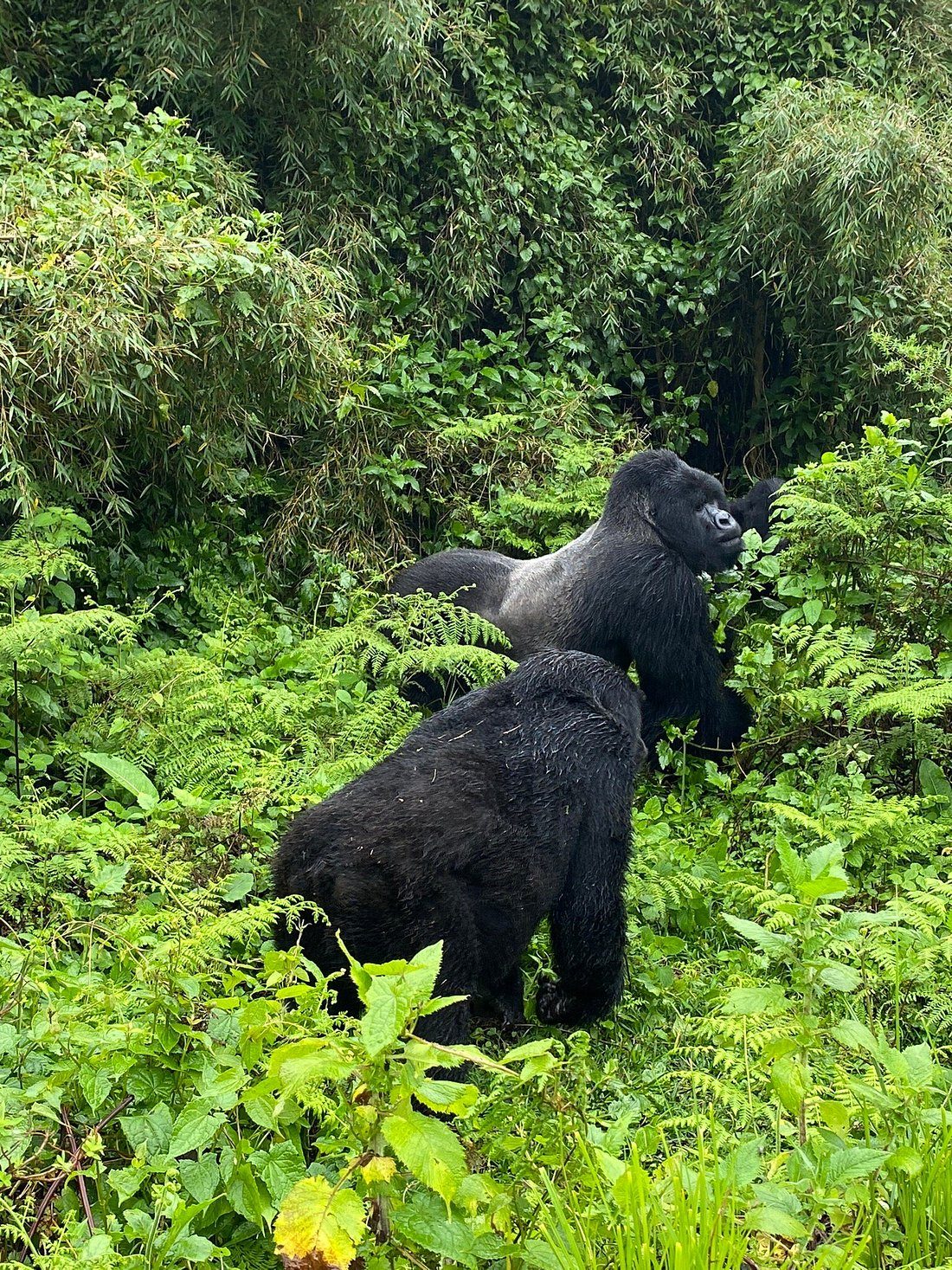
This is the pinnacle of your safari. While the gorilla permit is the largest single expense ($800), the experience of standing meters from a mountain gorilla is the reason most travelers visit Uganda. You’ll trek through the dense, prehistoric forest, guided by expert rangers who track the families daily. The hike can be challenging, but the reward—a soulful hour spent with these gentle giants—is life-changing. After the trek, instead of an expensive add-on tour, you can enjoy a free walk through the local village or simply rest and reflect on your encounter. Most budget lodges in Bwindi offer a warm, communal atmosphere where trekkers gather to share photos and emotions. This day represents the ultimate value: a world-class wildlife encounter paired with a simple, grounded stay in a global conservation hotspot.
Day 7: The Equator and Departure
On your final day, you begin the return journey to Entebbe. The drive offers one last chance to appreciate Uganda’s stunning geography, passing through the rolling cattle country of the Ankole people. You’ll make a mandatory (and free!) stop at the Equator crossing for photos and the famous water demonstration. This is also the best place for budget-friendly souvenir shopping, where you can haggle for hand-woven baskets or local fabrics. After a final roadside lunch of "rolex" (a popular and delicious Ugandan street food), you’ll arrive in Entebbe for your evening flight. As you depart, you’ll realize that by choosing a budget itinerary, you’ve experienced the heart of Uganda in a way that is raw, authentic, and deeply connected to both the wildlife and the people who call this magnificent country home.
1. How much does a 7-day budget Uganda safari cost?
In 2026, a 7-day budget safari typically costs between $1,800 and $2,400 per person when sharing. While some basic itineraries without gorillas might start lower, a standard trip including the $800 gorilla permit and a $250 chimpanzee permit pushes the total higher. This daily budget of roughly $250–$350 covers park entry fees ($40/day for most parks), simple self-contained guesthouses or community camps, shared vehicle costs, and basic meals. Traveling in a group of four or more is the most effective way to keep the per-person cost at the lower end of this range by splitting the $100/day safari van and fuel expenses.
2. What is the best time for a budget safari?
The "low seasons" of March–May and October–November are the golden windows for budget travelers. During these months, many lodges drop their rates by 25% to 40% to fill rooms. While these are the rainy seasons, showers are often short and tropical, leaving the landscape a vibrant, photogenic green. Additionally, because there are fewer tourists, you have more leverage to negotiate better rates with local tour operators who are eager for business. It is also the best time for those who prefer a quiet, intimate experience in the parks without the crowds of the peak dry seasons.
3. How can I save on transport?
Transport is often the second-biggest expense. To save, book as a group and opt for a 4x4 Safari Van (Hiace) with a pop-up roof rather than the more expensive Land Cruiser. A safari van costs roughly $100 per day including a driver, compared to $200+ for a Land Cruiser. If you are extremely budget-conscious and comfortable with logistics, using public buses between major towns (like Kampala to Fort Portal or Kabale) and then hiring local taxis for "last mile" park transfers can save money, though it adds significant time and complexity to your 7-day schedule.
4. Are budget accommodations safe and comfortable?
Yes, budget accommodations in Uganda have improved significantly. You will typically stay in community-run rest camps, bandas, or eco-camps located just outside the park boundaries. These provide basic comforts: a clean bed, a mosquito net, and often an en-suite (though simple) bathroom. While they may rely on solar power for lighting and have limited Wi-Fi, they are safe and often offer the most authentic "bush" feel. Places like Buhoma Community Rest Camp are legendary for their hospitality and proximity to gorilla trailheads, proving you don't need a $600-a-night lodge to enjoy the prehistoric beauty of Bwindi.
5. What is the cheapest way to see gorillas?
The "cheapest" way to see gorillas in 2026 is to book a short 3-day gorilla safari starting and ending in Kigali, Rwanda, but trekking in Uganda’s Bwindi Forest. Kigali is only a 4-5 hour drive from Bwindi, whereas the drive from Entebbe is 9 hours. This saves on fuel and vehicle rental days. Additionally, always choose the Buhoma or Rushaga sectors, which have the highest density of budget lodges. While "discounted" permits are rare in 2026, some operators bundle the $800 permit with low-cost community camping to keep the total package price at an absolute minimum.
6. How can I reduce food costs?
Most safari lodges include meals in their rates, but you can save by opting for Bed & Breakfast or Half-Board plans. This allows you to eat at local "tonnyas" (small restaurants) in nearby trading centers, where a hearty meal of matooke, beans, and beef costs just a few dollars. If you are on a self-drive or camping trip, stocking up on staples at large supermarkets like Carrefour or Shoprite in Kampala before heading into the wild is essential. Buying fruit, bread, and snacks locally along the road not only saves money but also supports small-scale Ugandan farmers.
7. Is self-drive better than a guided tour for budgeting?
Self-drive is often cheaper on paper because you save on the $20–$30 daily guide fee and their food/accommodation. However, for a 7-day trip, a budget guided tour often provides better value. Professional guides have "insider" knowledge of where the lions are hiding and can navigate difficult dirt roads that might result in costly damage to a self-drive rental. Furthermore, many budget operators have pre-negotiated "operator rates" at lodges that are cheaper than what you would find on booking sites, often making the final price of a guided tour nearly identical to a self-drive.
8. What are the best affordable national parks?
Lake Mburo National Park and Queen Elizabeth National Park offer the best wildlife-to-dollar ratio. Lake Mburo is close to Kampala, saving on fuel, and its $40 entry fee grants access to zebras, impalas, and giraffes. Queen Elizabeth is equally affordable and offers the famous Kazinga Channel boat cruise, which provides hundreds of sightings for a single modest fee. For those heading north, Murchison Falls is a fantastic budget pick; the UWA (Uganda Wildlife Authority) bandas there are some of the most affordable and well-located accommodations in the entire country.
9. Are chimpanzee treks expensive?
Tracking in the famous Kibale Forest costs $250 in 2026. However, for a budget-friendly alternative, you can track chimpanzees in Kalinzu Forest or Kyambura Gorge. Kalinzu, managed by the National Forestry Authority, offers permits for approximately $130, providing a very high success rate and an authentic forest experience for nearly half the price of Kibale. While the forest is less "famous," the chimpanzees are just as captivating, making it the premier choice for travelers looking to experience Uganda's primates without the premium "Primate Capital" price tag.
10. How can I avoid high bank fees?
The most cost-effective way to handle money in Uganda is to carry US Dollars printed after 2009. Older bills are often rejected or given a poor exchange rate due to forgery concerns. Use these for large payments like permits or lodge balances. For daily spending, withdraw local Ugandan Shillings (UGX) from ATMs in major towns like Entebbe, Kampala, or Fort Portal using a card with no foreign transaction fees (like Schwab or Revolut). Be aware that ATMs in remote areas are unreliable, so always carry enough cash for a few days of tipping and sundries.
11. Do I need to hire a guide?
While you can technically enter parks without a private guide, you are required to have a ranger for activities like trekking or nature walks. In a budget safari package, a driver-guide is almost always included. If you are self-driving, it is highly recommended to hire a UWA park ranger at the gate for your game drives (roughly $20). Their ability to spot a leopard camouflaged in a tree or track a lion pride by the sound of alarm calls will ensure your 7-day trip feels like a success rather than a long, empty drive.
12. What should I pack for a budget trip?
Packing smart saves you from expensive "emergency" purchases in remote areas. Essential budget items include a high-quality reusable water bottle (saving $2/day on plastic bottles), a universal power adapter (Type G), and a power bank for when solar power at budget lodges runs low. Don't skimp on hiking boots or a rain jacket; buying these in a pinch at a tourist shop will cost triple the price of bringing them from home. Also, bring your own basic first-aid kit and high-DEET repellent to avoid the premium prices charged at lodge boutiques.
13. Are there any hidden costs?
The most common hidden costs are tips, visas, and vehicle fees. Budget roughly $15–$20 per day for your main guide and $5–$10 for lodge staff. A single-entry Uganda Visa is $50, and you must pay a vehicle entry fee ($30 for a small van) every time you enter a park. If you plan to visit the Batwa Pygmies or take a guided village walk, these usually cost $20–$40 extra. Factoring in an extra $200 per person for "incidentals" will ensure you don't run out of cash in the middle of the savannah.
14. How do I book a budget safari?
Avoid international travel agencies, which often add a 20–30% markup. Instead, book directly with a local Ugandan tour operator. Look for companies registered with the Association of Uganda Tour Operators (AUTO). Local operators have direct relationships with budget lodges and their own fleet of vehicles, allowing them to offer much more competitive rates. Direct communication via WhatsApp or email also allows you to customize the itinerary, such as swapping expensive lodges for community-run campsites to fit your specific budget.
15. Can I combine activities?
Yes, the 7-day "standard" budget itinerary is designed specifically to combine savannah, primates, and water adventures. A typical route covers chimpanzees in Kalinzu/Kibale, a boat cruise and game drive in Queen Elizabeth, and gorilla trekking in Bwindi. By combining these, you save on the "empty" transit days. You can also add "free" or low-cost activities like a stop at the Equator, a hike to the Top of the Falls in Murchison, or a visit to the craters in Fort Portal, all of which add immense value to your trip without significantly increasing the cost.
Booking 7 Days Budget Uganda safari holiday with us Roads of Adventure safaris
Book a 7-day budget Uganda safari with Roads of Adventure Safaris to explore highlights like Ziwa Rhino Sanctuary, Murchison Falls, or Queen Elizabeth National Park. Budget 7-day packages typically feature basic lodges, group transport, and key activities. Prices range from roughly to over per person, depending on itinerary and inclusion of gorilla permits ($800)
