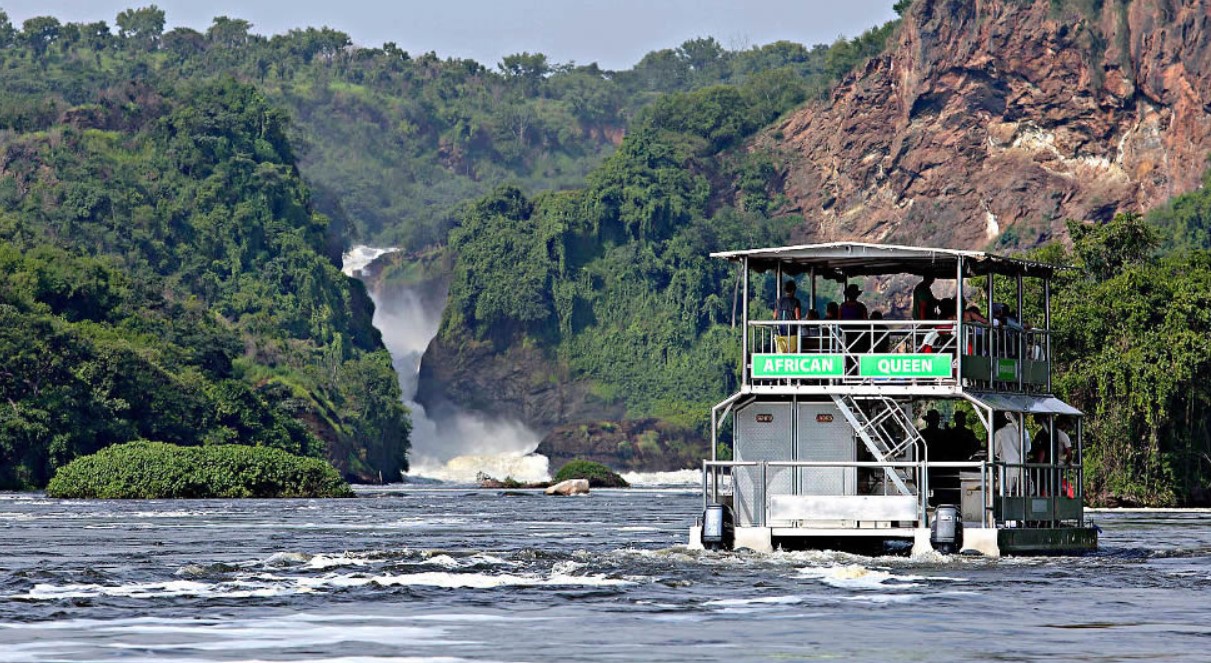
A 3-day budget safari to Murchison Falls ($450–$600 per person) is best achieved by joining a group tour, staying at budget options like Red Chilli Rest Camp or Boomu Women's Group Bandas, and traveling in the low season. Use a safari minivan, skip optional activities like Rhino tracking ($50+), and pack snacks to reduce costs
3-days-flying-luxury-uganda-safari-to-murchison-falls-national-park
3-days-best-honeymoon-uganda-safari-escape-to-murchison-falls-national-park
3-days-murchison-falls-national-park-best-uganda-safari-road-trip
4-days-murchison-falls-uganda-family-safari-vacation-tour
4-days-luxury-murchison-falls-and-jinja-uganda-safari-vacation
5-days-murchison-falls-safari-and-gorilla-trekking-in-bwindi
5-days-murchison-falls-and-queen-elizabeth-safari-itinerary
5-days-kidepo-valley-uganda-safari-via-ziwa-rhino-sanctuary
Join a Group Tour
Joining a scheduled group departure is the most significant way to slash costs. In 2026, a private solo safari can be expensive due to the vehicle and guide fees being absorbed by one person. However, by sharing a 4x4 safari vehicle with other travelers, you split the costs of fuel, the driver-guide's daily rate, and park vehicle entry fees. Many operators in Kampala and Entebbe run weekly "scheduled departures" that bring the price down to approximately $450–$550 per person. This typically includes shared accommodation in safari tents and all core activities like game drives and the Nile boat cruise. It is a social, high-value way to see the park while making the professional guiding services of a local expert much more affordable.
Budget-Friendly Accommodation
Strategic lodging choices can save you hundreds of dollars. Red Chilli Rest Camp, located inside the park at Paraa, remains a top choice; they offer self-camping for $8, twin safari tents for roughly $35, and bandas for $40–$55. Staying here also saves you time and fuel on ferry crossings. Another excellent option is Fort Murchison, which offers "lazy camping" in furnished tents at a lower price point than their standard rooms. For a culturally enriching and highly affordable stay, the Boomu Women’s Group near the southern gate provides traditional African bandas and campsites. These community-run sites often allow for self-catering or offer very affordable local meals, allowing you to bypass the high-cost dining rooms of the luxury lodges.
Travel During the Low Season
If your schedule is flexible, visiting during the Low Season (March to May and October to November) can result in substantial savings. While these are technically the "rainy" months, downpours are usually short and followed by sun. During this period, many mid-range and luxury lodges offer "Green Season" discounts of 20% to 30% to attract visitors. In 2026, the Uganda Wildlife Authority (UWA) has also been known to offer promotional rates on certain activities or entry fees during these months to boost domestic and regional tourism. Beyond the financial savings, the low season offers a more "private" experience, as there are fewer vehicles on the game tracks and the park is a vibrant, lush green that is perfect for photography.
Use a Small or Ugandan-Registered Vehicle
For those opting for a self-drive adventure, the type of vehicle you choose directly impacts your "gate fees." In 2026, Ugandan-registered vehicles attract significantly lower entry fees (roughly UGX 30,000) compared to foreign-registered vehicles. Additionally, a "small vehicle" (2 tonnes or less) is charged less for park entry than a heavy safari Land Cruiser. If you aren't planning on off-roading in the deep mud of the wet season, a smaller 4x4 RAV4 or a customized safari van can be more fuel-efficient and cheaper to rent. Just ensure the vehicle has enough ground clearance for the savanna tracks. Saving on vehicle fees and fuel allows you to reallocate those funds toward an extra game drive or a specialized activity like chimpanzee tracking in Budongo Forest.
Budget 3-Day Murchison Falls Itinerary
A Typical Budget 3-Day Murchison Falls Itinerary is the most cost-effective way to experience the grandeur of Uganda’s largest national park without sacrificing the quality of wildlife encounters. This strategically planned route prioritizes terrestrial exploration and riverine adventure, ensuring you witness the "Big Five" and the thundering Nile within a compact timeframe. Designed for travelers who value authenticity over luxury, the itinerary utilizes affordable lodging options like safari tents or community bandas. The journey begins with a scenic drive through the Ugandan countryside, transitioning into high-energy game drives across the palm-dotted savannas of the northern bank. By timing activities to align with peak wildlife activity—such as sunrise predator tracking and afternoon boat cruises—this budget-friendly format maximizes every shilling. It is an ideal "entry-level" safari that proves you can experience the world’s most powerful waterfall and iconic African megafauna on a modest budget, leaving you with lasting memories of the "Pearl of Africa."
Day 1: Kampala to Murchison Falls
Your journey starts with a 7:00 AM departure from Kampala, heading north through the historic Luwero Triangle. To keep costs low, you’ll enjoy a local lunch in Masindi town before entering the park’s southern gates. As you transit through the lush Budongo Forest toward the Nile, keep an eye out for olive baboons and black-and-white colobus monkeys lining the roadside. Upon reaching the Paraa area, you’ll cross the river to the northern bank—the park's primary wildlife hub. A short evening game drive offers your first introduction to the savanna, where herds of elephants and Uganda kobs are common sights as the sun begins to set. You’ll then check into a budget camp, such as Red Chilli, where the sounds of grunting hippos from the nearby river provide an authentic and affordable bush atmosphere for your first night.
Day 2: Game Drive and Boat Cruise
The second day is the core of your safari, beginning with a 6:00 AM game drive. This early start is essential for spotting lions and leopards on the hunt before they retreat from the tropical heat. You’ll explore the Buligi tracks, famous for massive "towers" of Rothschild’s giraffes and herds of Cape buffalo. After a midday lunch break at your camp to avoid the peak sun, you’ll board the 2:00 PM launch cruise upstream. This three-hour boat trip is a budget highlight, offering front-row views of countless hippos and giant Nile crocodiles. The cruise takes you to the base of the thundering Murchison Falls, where the river explodes through a narrow gorge. It is a high-impact day that delivers the park’s most iconic sights for the price of a standard park activity fee.
Day 3: Top of the Falls and Return
On your final day, you’ll visit the Top of the Falls to witness the Nile’s power from a different perspective. Standing at the summit, you can see the world’s longest river being squeezed through a tiny seven-meter gap, a geological marvel that creates a permanent mist and vibrant rainbows. This visit is typically included in your park entry fee, making it a high-value finale. After taking your final photographs of the "Devil’s Cauldron," you’ll begin the return journey toward Kampala. The drive back offers a chance to reflect on the diversity of wildlife seen over the past 48 hours. You’ll stop for a final budget-friendly lunch en route, arriving back in the city by late afternoon. This concludes a highly efficient three-day tour that successfully delivered a world-class safari experience at a fraction of the luxury cost.
1. What is the cheapest way to travel from Kampala to Murchison?
The most cost-effective method is joining a pre-scheduled group tour or renting a fuel-efficient 4x4 for a self-drive. While public buses travel from Kampala to Masindi for a low fare, the subsequent taxi or private hire required to enter the park gates can be expensive and logistically difficult. By joining a group, the significant costs of fuel and the professional driver-guide are split among 4 to 6 people. For independent travelers, renting a small 4x4 like a Toyota RAV4 is the cheapest self-drive option, costing roughly $45–$70 per day plus fuel.
2. How much does a 3-day budget safari to Murchison Falls cost?
In 2026, a 3-day budget safari typically ranges from $450 to $750 per person. Group tours are the most affordable, often starting at $500, which covers basic shared accommodation (like safari tents), park entrance fees, a boat cruise, and game drives. Private budget tours for two people are generally higher, closer to $650–$750, as the vehicle costs are not spread across a larger group. These prices usually include all meals and bottled water but exclude high-cost optional activities like hot air ballooning or chimpanzee tracking.
3. What is the best time to visit Murchison on a budget?
The low seasons (March to May and October to November) are ideal for budget travelers. During these "wet" months, many lodges offer "Green Season" discounts of 20% to 30% to fill rooms. While rain is more frequent, it usually occurs in short, dramatic bursts, leaving plenty of time for wildlife viewing. Furthermore, because there are fewer tourists, you have more leverage to negotiate rates with local operators. The park is lush and green, and while the grass is taller, the lack of crowds provides a much more private and affordable experience.
4. Are there affordable accommodation options inside the park?
Yes, staying inside the park does not have to be expensive if you choose UWA (Uganda Wildlife Authority) bandas or budget camps. Red Chilli Rest Camp is the most famous budget hub inside the park, offering basic safari tents and bandas for $35–$55 per night. UWA also maintains campsites and basic bandas at Paraa and the Top of the Falls. Staying inside the park is actually a budget-saving move, as it eliminates the need for multiple ferry crossings (which cost money and time) and allows you to start your game drives at sunrise without extra transit.
5. How can I save on transportation within the park?
The best way to save is by splitting the vehicle and guide fees. The Uganda Wildlife Authority charges vehicle entry fees per 24-hour cycle; in 2026, this is roughly $30 (UGX 30,000) for Ugandan-registered cars and significantly more for foreign-registered ones. By traveling in a group of six in a single safari van, your individual contribution to the vehicle’s entry and fuel is minimal. Additionally, avoiding unnecessary "back and forth" driving by planning a circular route through the Buligi game tracks saves a substantial amount on fuel.
6. Is it better to take a private or group tour?
For a budget traveler, a group tour is almost always better. A private tour requires you to bear the full cost of the driver-guide's salary, their accommodation, and the vehicle's daily rental. In a group "join-in" safari, these fixed costs are divided by the number of participants. This can save an individual traveler over $200 compared to a private trip. Group tours also often secure better "block-booking" rates at budget lodges that individuals cannot access, making the overall package much more efficient.
7. What are the must-do activities that fit a low budget?
The two high-value, "must-do" activities are the morning game drives and the afternoon Nile boat cruise. In 2026, the standard boat cruise costs approximately $30 per person, offering three hours of world-class wildlife viewing including hippos, crocodiles, and elephants. Game drives are essentially "free" once you have paid your daily park entrance fee ($40 for foreigners), provided you have your own vehicle. These two activities provide the most significant wildlife "return on investment" and form the core of any budget itinerary.
8. Can I self-drive to Murchison Falls?
Yes, self-driving is a popular budget-friendly alternative. Renting a 4x4 from a reputable Kampala agency gives you total independence over your schedule and allows you to skip the markup of a tour operator. However, you must factor in the cost of fuel and the $10–$15 fee for a UWA ranger-guide if you want expert spotting during your game drive. Self-driving is most economical for groups of 3 or 4 people who can share the rental and fuel costs while navigating the park's well-marked main tracks.
9. Do I need a tour guide for a budget trip?
While you can legally explore the park without a guide, hiring a UWA ranger-guide for $20 during your game drive is a "budget luxury" that pays for itself. These rangers are in constant radio contact and know exactly where the lions or leopards were last spotted. Without a guide, you might spend hours burning expensive fuel searching empty tracks. In a group tour, the guide is already included in the price, ensuring you get the best sightings without having to navigate the vast savanna yourself.
10. How can I save on meals during the safari?
To save on food, bring a supply of non-perishable snacks and water from Kampala, where prices are 50% lower than in the park. If you are staying in budget bandas or campsites like those run by the Boomu Women’s Group, you can often pay a small fee to use a shared kitchen or buy very affordable local meals (posho, beans, and matooke) for a few dollars. Avoiding the "tourist menus" at luxury lodges and opting for local Masindi town stopovers for lunch can save you roughly $15–$25 per day.
11. Are there any "hidden" costs I should avoid?
The biggest hidden costs are optional high-end activities and vehicle ferry fees. Avoid hot air balloon safaris (which can cost $380+) and private boat hires. Be aware that the ferry at Paraa charges per vehicle and per crossing; staying on the northern bank or choosing a lodge on the same side as your game drives avoids these repetitive fees. Also, ensure your "3-day" quote includes park entrance fees for all 24-hour cycles, as some budget operators may only quote for a single day to make the price look lower.
12. How much are park entrance fees and boat cruises?
As of 2026, park entrance fees for Foreign Non-Residents are $40 per 24 hours. For Foreign Residents (with a work permit), it is $30, and for East African Citizens, it is UGX 25,000. The standard Nile boat cruise to the base of the falls is $30 per person. If you choose to hike to the Top of the Falls, there is an additional $15 fee. Budgeting exactly for these statutory fees ensures you aren't surprised at the gate, as these are non-negotiable costs set by the Uganda Wildlife Authority.
13. Is it cheaper to visit Ziwa Rhino Sanctuary?
While Ziwa is incredible, skipping it can save you roughly $60 per person in entry and tracking fees. If your absolute priority is the Murchison Falls themselves and your budget is razor-thin, you can drive directly to the park. However, most budget travelers choose to include it because it is the only way to see the "Full Big Five" in Uganda. To save at Ziwa, you can opt for the rhino tracking but skip the expensive on-site meals, choosing instead to eat a packed lunch from Kampala.
14. How do I find a reputable budget tour operator?
Look for operators that specifically advertise "Group Joins," "Camping Safaris," or "Shoestring Tours." Check for membership in the Association of Uganda Tour Operators (AUTO) to ensure they are licensed. Reputable budget companies will provide a clear breakdown of what is included (e.g., "Park fees included, drinks excluded"). Reading recent 2026 reviews on TripAdvisor or Safari Bookings specifically looking for mentions of "vehicle reliability" and "guide knowledge" will help you avoid "cheap" tours that compromise on safety.
15. What currency should I carry?
You should carry a mix of Ugandan Shillings (UGX) and US Dollars (USD). While park fees and large lodges often quote in USD, budget camps, fuel stations, and local markets significantly prefer UGX. Using Shillings for small purchases prevents you from losing money on poor exchange rates offered by local vendors. Ensure any USD bills are printed after 2009 and are in crisp condition, as older or torn notes are often rejected by banks and lodges across Uganda.
Booking budget 3-day safari to Murchison falls with us Roads of Adventure safaris
A 3-day budget safari to Murchison Falls with Roads of Adventure Safaris typically costs between $500 and $800 per person, offering an action-packed itinerary featuring game drives, a Nile boat cruise, and hiking to the top of the falls. These budget-focused packages usually include accommodation in budget lodges/tented camps, transport, park entry fees, and meals
