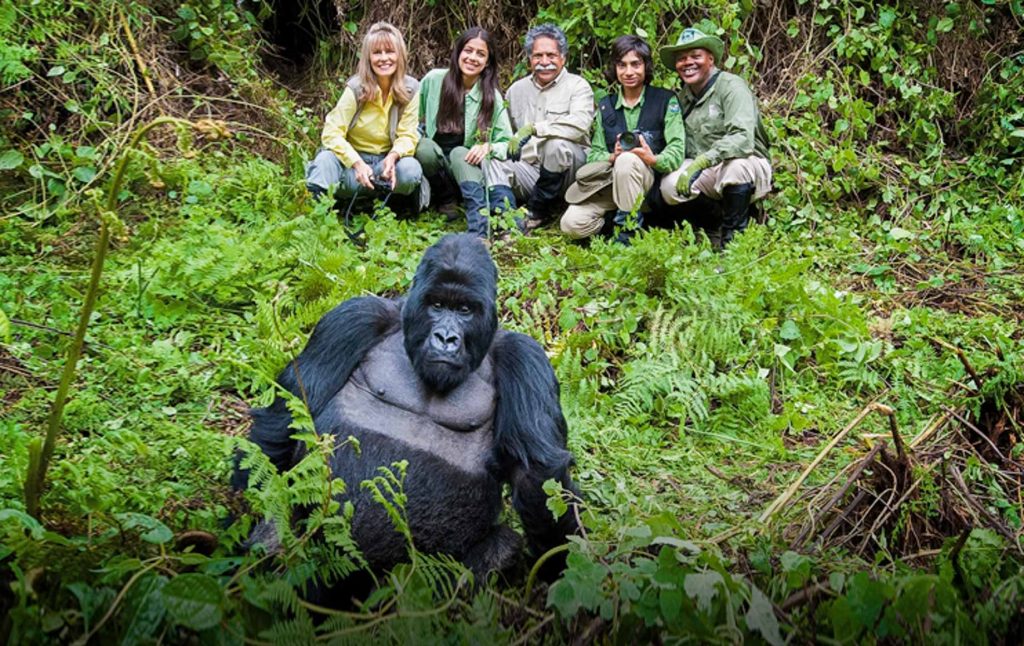
A 14-day budget Uganda safari ($3,000–$4,000+ per person) is achievable by traveling during the low season (March–May, Oct–Nov), joining group tours to share costs, booking budget campsites or bandas, and using 4x4 safari vans instead of land cruisers. Prioritize key destinations like Bwindi for gorilla trekking, Queen Elizabeth National Park, and Murchison Falls for a diverse experience.
14-days-family-uganda-safari-holiday-vacation-escape
14-days-uganda-and-rwanda-safari-tour-itinerary
14-days-classic-uganda-birding-safari-expedition
14-days-complete-uganda-safari-tour-and-primate-safari-experience
14-days-uganda-primate-safari-and-jinja-white-water-rafting
14-days-best-africa-big-five-safari-in-uganda-and-best-gorilla-trekking-adventure
14-days-luxury-uganda-primate-safari-holiday
Travel During Green Season
The Green Season (March–May and October–November) is the most effective way to slash the cost of a 14-day safari. During these months, the rains return, turning the savanna lush and the rainforests vibrant. Because this is considered the "low season," many luxury and mid-range lodges offer significantly reduced rates—sometimes up to 30% to 50% off their peak-season prices—to fill their rooms. While you should expect daily rain showers, they are often short-lived bursts followed by sunshine, and the air is remarkably clear for photography. Additionally, the parks are far less crowded, providing a more private, intimate experience with the gorillas and lions. Traveling during these windows essentially allows you to enjoy a "luxury-style" itinerary at a mid-range price point, making it the premier choice for value-conscious travelers.
Join Group Tours
One of the highest costs of a 14-day safari is the private 4x4 vehicle, including the fuel, maintenance, and the daily fee for a professional driver-guide. By joining a scheduled group tour, you effectively split these fixed costs among several people. Instead of bearing the full burden of vehicle hire for 2,000+ kilometers of travel, you pay only a fraction. Group tours also often benefit from "bulk" booking rates at lodges that individual travelers cannot access. Beyond the financial savings, group tours provide a social element, allowing you to share the wonder of a silverback sighting with like-minded adventurers. Many reputable operators run 14-day "fixed departures," which are meticulously timed to coincide with gorilla permit availability, ensuring that the logistical complexity is handled for you at a lower per-person rate.
Budget Accommodation
Choosing budget bandas, tented camps, or local guesthouses is the most direct way to keep your daily spending in check over a two-week period. Uganda has an excellent network of budget sites, such as Red Chilli Rest Camp or The Bush Lodge, which occupy prime real estate within or just outside national parks. These accommodations prioritize location and cleanliness over opulence. You might stay in a "Lazy Camping" setup—a permanent tent with a bed and linens—or a simple stone banda with shared facilities. By opting for these functional stays, you save hundreds of dollars that can be redirected toward your gorilla and chimpanzee permits. These budget spots often have the most vibrant social atmospheres, with communal fire pits where travelers exchange tips and sightings, offering an authentic "bush" experience that high-end hotels sometimes lack.
Self-Drive vs. Local Operator
Renting a 4x4 for a self-drive safari has become an increasingly popular way to see Uganda on a budget. By removing the cost of a full-time guide, you gain total control over your schedule and can save significantly on daily labor fees. However, if you are not comfortable navigating rugged, unpaved terrain or handling mechanical issues in remote areas, hiring a local operator for a "driver-only" service can be a middle-ground solution. Local guides have "insider" knowledge of where the lions are currently denning or which roads are washed out, which can save you time and expensive fuel. Organizing your own route while using a local expert for the driving ensures you don't miss the wildlife hidden in the thickets, providing a higher "return on investment" for every game drive you undertake.
Limit Optional Activities
A 14-day itinerary is naturally packed with high-value activities like gorilla trekking and boat cruises on the Nile. To stay on budget, it is essential to focus on these core inclusions and be selective about "paid extras." While activities like hot air ballooning over Murchison Falls or the Batwa Cultural Trail are fascinating, they can quickly add hundreds of dollars to your total bill. Many of the most rewarding moments on a safari are free: watching a sunset over a crater lake, birdwatching from your lodge balcony, or stopping at a roadside market to try rolex (a local egg wrap). By prioritizing your spending on the non-negotiable permits and park entries, you can ensure a world-class wildlife experience without the "activity creep" that often inflates the cost of longer tours.
Book in Advance
Securing your 14-day safari 3 to 6 months in advance is not just about logistics; it is a vital financial strategy. High-demand items like Gorilla and Chimpanzee permits are priced by the government and can occasionally see price hikes with new fiscal years; booking early locks in current rates. Furthermore, the best-value mid-range and budget lodges—those that offer the best views for the lowest price—are the first to sell out. By waiting until the last minute, you may be forced to book more expensive luxury lodges simply because they are the only options remaining in a specific sector. Early booking also allows you to monitor exchange rates and potentially pay in installments, making the overall cost of the "Grand Circuit" much easier to manage over time.
14-day budget Uganda safari
14-day budget Uganda safari is an expertly crafted adventure that proves the "Pearl of Africa" can be explored affordably without sacrificing the magic of the wild. This itinerary is designed for the savvy traveler, focusing on high-impact wildlife encounters and authentic cultural immersion while utilizing cost-effective logistics. Over two weeks, you will navigate from the thundering Murchison Falls to the misty heights of Bwindi Impenetrable Forest, checking off the "Big Five" and the Great Apes. By utilizing well-positioned budget camps, communal transport options, and local eateries, this journey stretches your investment further, allowing the focus to remain on the raw beauty of the landscape. From the savanna plains to the volcanic crater lakes, this holiday offers a seamless narrative of discovery. It is an invitation to witness one of the world’s most biodiverse nations through an intimate, grassroots lens, ensuring every dollar spent translates into a life-changing African memory.
Day 1: Arrival and Entebbe Orientation
Your budget adventure begins with a warm welcome at Entebbe International Airport. After a quick transfer to a cozy local guesthouse, you can spend the afternoon exploring the shores of Lake Victoria. Visit the Entebbe Botanical Gardens for a low-cost introduction to Uganda’s birdlife and primates, or relax at a lakeside beach where locals gather. Dining at a local "Rolex" stand or a small café allows you to save on costs while tasting authentic Ugandan street food. This day is about acclimating to the tropical air and resting after your flight. The quiet, peninsula atmosphere of Entebbe provides a gentle and affordable start to your 14-day loop, ensuring you are refreshed and ready for the early morning road trip that marks the true beginning of your safari.
Day 2: Ziwa Rhinos and Murchison Entry
Traveling north in a shared or budget-friendly 4x4, your first major stop is the Ziwa Rhino Sanctuary. Here, you pay a modest fee to track southern white rhinos on foot alongside expert rangers, marking your first "Big Five" encounter. After the trek, enjoy a packed lunch before continuing the drive to Murchison Falls National Park. To keep costs low, you will check into a well-regarded budget camp located just outside the park gates or in the Red Chilli area. These camps offer clean, permanent tents or simple bandas that provide a true "bush" feel. As the sun sets over the savanna, you’ll enjoy a communal dinner, listening to the distant sounds of hippos, which serves as a reminder that you are now deep within Uganda’s largest wilderness.
Day 3: Murchison Savanna and Nile Boat Safari
Sunrise marks the start of a game drive across the northern delta. By sharing the vehicle with fellow travelers, you split the cost of the fuel and guide. You’ll spot Rothschild giraffes, elephants, and lions roaming the golden plains. In the afternoon, board the public park boat for a three-hour cruise toward the base of Murchison Falls. This is the most affordable way to see massive Nile crocodiles and hippos at close range. The boat drops you off for a hike to the "Top of the Falls," where you can witness the Nile squeezing through a tiny gorge for free. The mist and thunder of the water provide a sensory climax to the day before returning to your budget camp for a campfire evening under the vast African stars.
Day 4: Scenic Drive to Fort Portal
Today is a full day of travel as you head south toward the foothills of the Rwenzori Mountains. To save on expenses, this drive takes you through the heart of rural Uganda, passing through vibrant trading centers and sprawling tea plantations. The ever-changing scenery provides a free "cultural tour" as you observe daily life in the countryside. You will stop for a local lunch in Hoima or a smaller village, which is significantly cheaper than lodge meals. By evening, you reach the cool, green town of Fort Portal. You’ll stay in a budget-friendly hostel or guesthouse that offers hot showers and a social atmosphere. This transition day is vital for moving from the dry savanna to the lush rainforests that house the world’s highest density of primates.
Day 5: Chimps in Kibale and Bigodi Wetlands
Morning begins with a transfer to the Kibale Forest headquarters for chimpanzee tracking. While the permit is a fixed cost, the experience of seeing our closest relatives in the wild is priceless. You’ll spend an hour watching them play and vocalize in the canopy. For a budget-friendly afternoon, embark on a guided walk through the Bigodi Wetland Sanctuary. This community-run project is much cheaper than park activities but offers incredible sightings of eight different primate species and the Great Blue Turaco. The money spent here goes directly back into local schools and health clinics, making it a sustainable and affordable highlight. You’ll return to your forest camp for dinner, surrounded by the intense, rhythmic night sounds of the jungle, prepping for the journey toward the great rift valley.
Day 6: Queen Elizabeth Park and Crater Lakes
You drive south into Queen Elizabeth National Park, crossing the equator where a stop for photos is free. The morning game drive in the Kasenyi Plains focuses on lions and the endemic Uganda kob. To keep the budget in check, you can explore the stunning volcanic explosion craters on a self-guided or ranger-led drive, offering some of the best views in the park for a minimal fee. In the afternoon, visit the Katwe Salt Lake to see how local communities have traditionally mined salt for centuries. You’ll stay at a budget-friendly "safari camp" that overlooks the Kazinga Channel or the park’s northern plains. These camps often feature elevated dining decks, allowing you to spot elephants and buffaloes from the lodge without paying for an extra game drive.
Day 7: Kazinga Boat Cruise and Savanna
The morning is dedicated to a second game drive, perhaps focusing on the park’s leopards or giant forest hogs. The afternoon features the iconic boat safari on the Kazinga Channel. By joining the scheduled public boat, you enjoy a low-cost, high-reward experience viewing massive hippo pods and buffaloes cooling off in the water. Birdlife here is prolific and free to enjoy, with kingfishers and eagles lining the banks. This aquatic safari is often the highlight for budget travelers as it offers the most "bang for your buck" in terms of wildlife density. You’ll spend a final night at your savanna camp, enjoying the cool breeze from the rift valley and sharing stories of the day’s sightings with other travelers over a simple, hearty local meal.
Day 8: Ishasha Tree-Lions and Bwindi Ascent
Heading south, you pass through the Ishasha sector of the park. This area is famous for tree-climbing lions, and a game drive here is included in your park entrance fee. Scanning the fig trees for these rare predators is a thrilling, low-cost challenge. After a picnic lunch, you begin the climb into the Kigezi Highlands. The road winds through "The Switzerland of Africa," offering breathtaking views of terraced hillsides for free. You arrive at the edge of Bwindi Impenetrable Forest, checking into a budget trekking camp. These camps provide the essential warmth and comfort needed for the high altitude. The evening is spent in quiet anticipation, as the cool mountain air and the dense, ancient forest wall create a primal atmosphere for the upcoming gorilla encounter.
Day 9: The Gorilla Trekking Climax
This is the day your budget planning pays off. After a briefing at the park headquarters, you enter the ancient forest to track mountain gorillas. While the permit is the largest single expense of the trip, the one hour spent with a silverback and his family is a once-in-a-lifetime value. The trek itself is a deep immersion into a UNESCO World Heritage site, guided by rangers who share immense knowledge of the forest ecology. Once you return, exhausted but exhilarated, you’ll enjoy a celebratory evening at your camp. Budget travelers often find that the communal spirit of the trekking camps is at its highest tonight, as everyone shares the emotional impact of the encounter. It is a day defined by profound connection and the successful realization of a bucket-list dream.
Day 10: Lake Bunyonyi Relaxation
After the physical intensity of the gorilla trek, you transfer to Lake Bunyonyi, the most affordable place to relax in the southwest. Bunyonyi is a stunning, island-dotted lake that is safe for swimming and free of crocodiles or hippos. You’ll stay in a budget island camp or a lakeside hostel. Activities here are very low-cost; you can rent a traditional dugout canoe for a few dollars or hike the surrounding hills for incredible vistas. The peaceful environment allows you to process the magnitude of the safari so far. It is a day of deep rest, where the only "must-do" is enjoying the temperate climate and the scenic beauty of the terraced hills, making it a perfect mid-safari break that keeps your daily spending to an absolute minimum.
Day 11: Cultural Immersion and Island Tours
Spend a full day exploring the history of Lake Bunyonyi. You can take a budget-friendly boat tour to "Punishment Island" or visit a local Batwa community to learn about their ancestral forest traditions. These cultural interactions are often the most memorable parts of a budget safari, providing a human perspective to the wildlife-focused journey. You might spend the afternoon swimming in the clear waters or visiting a local market to buy hand-woven baskets directly from the artisans. The lake’s "energy" is restorative, and by staying in a locally-owned guesthouse, your tourism dollars support the immediate community. As the sun sets over the 29 islands, the quiet beauty of the region serves as a reminder of why Uganda is so much more than just a big-game destination.
Day 12: Lake Mburo Savanna Walk
You travel east toward Lake Mburo National Park, the smallest savanna park in Uganda. Mburo is a budget traveler's favorite because it is the only place you can see zebras and impalas on the western circuit. Because the park lacks elephants and lions, you can enjoy a guided nature walk—a much cheaper and more intimate alternative to a vehicle safari. Walking among zebras and elands provides a visceral connection to the African bush that you can’t get from a car. You’ll stay at a budget camp or in the park’s public bandas, which offer a rustic but clean and safe environment. An evening game drive here often reveals leopards, ensuring that even this smaller, more affordable park contributes significantly to your "Big Five" and wildlife checklist.
Day 13: Equator Stop and Kampala Arrival
The morning offers a final chance for a nature walk or a boat trip on Lake Mburo to see specialized water birds. Afterward, you begin the drive back toward the capital. A mandatory stop at the Uganda Equator in Kayabwe is a free and iconic photo opportunity. You can browse the local craft markets for souvenirs, which are often cheaper here than in the airport or city shops. You will arrive in Kampala or Entebbe by late afternoon, checking into a comfortable budget hotel. The evening is perfect for a final "Rolex" or a meal at a local restaurant, celebrating the successful completion of your 14-day loop. The bustling energy of the city provides a vibrant contrast to the quiet wilderness you’ve inhabited for the past two weeks.
Day 14: Entebbe Departure
On your final day, depending on your flight time, you can visit the Entebbe Zoo (UWEC) for a low-cost "refresher" on the animals you saw in the wild, or simply relax at a lakeside café. Your guide will provide a final transfer to Entebbe International Airport. You leave Uganda having successfully navigated the "Grand Circuit" on a budget, having seen the Great Apes, the Big Five, and the stunning varied landscapes of the Pearl of Africa. The journey proves that with careful planning and a focus on local experiences, the most profound wildlife encounters on earth are accessible to every adventurous traveler. You depart with a full camera, a light heart, and memories that far outweigh the financial investment of the trip.
What is the best time for a 14 Days Budget Uganda safari holiday?
The Low Season (March, April, May, and November) is the undisputed "Golden Window" for budget travelers. During these months, Uganda experiences its rainy seasons, which results in a significant drop in tourist numbers. To combat the lower demand, many mid-range and luxury lodges slash their rates by as much as 30% to 50%, allowing budget-conscious travelers to stay in higher-quality accommodations for a fraction of the peak-season cost. While you should expect daily rain showers, they are often tropical bursts followed by clear skies, and the landscape is at its most vibrant and green. Furthermore, the parks are less crowded, meaning you often have the lions and the Nile to yourself. For a 14-day trip, this seasonal shift can save you hundreds of dollars on lodging alone, making it the most effective way to stretch your holiday fund.
How can I save on transport during my 14 Days Budget Uganda safari holiday?
Transport is often the second-largest expense after permits. The most effective way to save is by joining a scheduled group tour. By sharing a 4x4 safari vehicle with 4 to 6 other travelers, you split the costs of fuel, vehicle maintenance, and the daily fee for a professional driver-guide. If you prefer more independence, consider a "self-drive" rental with a rooftop tent, which combines your transport and lodging costs into one. Another budget-friendly tip is to plan a circular route that minimizes backtracking; a 14-day itinerary allows for a logical loop from Entebbe to Murchison Falls, Kibale, Queen Elizabeth, and Bwindi, ensuring every liter of fuel is used to move you forward to a new destination rather than repeating old ground.
Are there affordable accommodation options for a 14 Days Budget Uganda safari holiday?
Uganda offers an excellent network of budget bandas, campsites, and local guesthouses. Bandas are traditional, circular thatched huts that provide basic but clean and secure shelter within or just outside the national parks. Sites like Red Chilli Rest Camp in Murchison Falls or The Bush Lodge in Queen Elizabeth offer permanent "tented camps" that are significantly cheaper than stone-and-mortar lodges. For the absolute lowest price, many lodges have dedicated campsites where you can pitch your own tent for as little as $10 to $15 per night. These budget options often have the best communal atmospheres, featuring shared fire pits and dining areas where travelers from across the globe exchange tips and wildlife sightings, providing a grounded and authentic "bush" experience.
How much should I budget for a 14 Days Budget Uganda safari holiday?
A 14-day budget safari in 2026 typically ranges between $2,800 and $3,800 per person. While this may seem high for a "budget" trip, it is important to remember that the Gorilla Trekking Permit ($800) and Chimpanzee Permit ($250) are fixed government costs that cannot be discounted. The "budget" aspect comes from your choice of lodging and transport. By staying in bandas or tents and using a shared vehicle, your daily operational costs drop significantly compared to luxury travelers who spend $500+ per night. Your budget should also account for park entrance fees (approx. $40 per 24 hours), food, and fuel. Planning for a daily "incidentals" fund of $20–$30 will help cover bottled water, local snacks, and small tips, ensuring you stay within your financial limits without feeling restricted.
Is it better to hire a car or use public transport for a 14 Days Budget Uganda safari holiday?
While public transport (buses and "matatus") is the cheapest way to travel between towns, it is not recommended for a 14-day wildlife safari. Most national parks are located far from main bus terminals, and you cannot perform game drives in a public bus. By the time you hire private taxis to get from the bus stop to your lodge and then into the park, you will likely have spent more than the cost of a budget 4x4 rental. Hiring a 4x4 with a driver-guide is the most reliable balance; it ensures you can navigate the rugged terrain safely and have an expert eye to help you spot camouflaged leopards or rare birds. For a budget trip, look for older but well-maintained Land Cruisers or Rav4s, which are reliable and fuel-efficient.
How can I reduce food costs on a 14 Days Budget Uganda safari holiday?
Eating like a local is the best way to keep food costs low. In towns like Fort Portal or Entebbe, a meal of "Rolex" (an egg wrap) or a plate of matooke (green bananas) and beans can cost less than $2. Most budget camps have communal kitchens where you can cook your own meals; buying fresh produce like avocados, pineapples, and tomatoes from village markets is both cheap and delicious. If you are not cooking, choose the "daily special" at your lodge rather than the à la carte menu. Additionally, buying your own snacks and bulk water in major towns like Kampala or Kasese is much cheaper than purchasing them at remote safari lodges, where prices are inflated due to the high cost of transport and logistics.
What are the best free or cheap activities for a 14 Days Budget Uganda safari holiday?
A 14-day safari shouldn't just be about expensive permits; many of Uganda's best experiences are low-cost. Nature walks in areas like the Bigodi Wetlands or the foothills of the Rwenzori Mountains are significantly cheaper than vehicle-based game drives. Community visits to local coffee farms or craft markets provide deep cultural immersion for a small tip or a modest fee. In the southwest, swimming in Lake Bunyonyi is completely free and safe (bilharzia-free). You can also enjoy world-class birdwatching right from your campsite balcony. By mixing these "ground-level" activities with your major park visits, you create a more balanced and affordable itinerary that highlights the human and natural beauty of Uganda without requiring a separate ticket for every hour of the day.
Can I afford gorilla trekking on a 14 Days Budget Uganda safari holiday?
Yes, you can, but it requires prioritizing the Gorilla Permit ($800) as the "anchor" of your budget. Because the permit price is non-negotiable, you must view it as a fixed investment and then work backward to save on other segments. For example, by choosing a budget guesthouse in Bwindi (like Buhoma Community Rest Camp) and using a shared vehicle for the rest of your trip, you can "absorb" the high cost of the permit. Some budget travelers choose to trek in the low season to save on the surrounding lodging costs, even though the permit price remains the same. The 14-day duration is actually helpful here, as it allows you to spread the high "per-day" cost of the gorilla permit over a longer, more affordable overall holiday.
Should I book my 14 Days Budget Uganda safari holiday in advance?
Absolutely. For a budget traveler, booking 6 to 8 months in advance is a critical financial strategy. While luxury lodges often have last-minute availability, the most popular budget bandas and well-located guesthouses fill up very quickly because they offer the best value for money. Furthermore, gorilla permits are limited to 8 per family per day and sell out months in advance for peak periods. By booking early, you lock in your permit and your first choice of affordable lodging. It also protects you against potential price increases in fuel or park fees that might be announced closer to your travel date. Early planning also gives you more time to monitor flight deals to Entebbe, which is often the largest "variable" cost of the trip.
How can I avoid hidden costs on a 14 Days Budget Uganda safari holiday?
The best way to avoid hidden costs is to book a semi-inclusive package through a local operator. Ensure the quote explicitly covers "Park Entrance Fees," "Vehicle Fuel," and "Guide Allowances." Many travelers are surprised by "hidden" costs like vehicle entrance fees or ferry crossings in Murchison Falls. If you are traveling independently, always ask if the lodge price includes taxes (VAT) and if there are fees for "optional" activities like night game drives or guided walks. Always carry a small amount of local currency (Ugandan Shillings) for tips and snacks, as using US Dollars for small purchases often results in a poor exchange rate. Clarifying these details in your initial 14-day planning phase ensures that your "budget" stays a reality rather than a suggestion.
Which areas should I prioritize for a 14 Days Budget Uganda safari holiday?
To minimize expensive driving distances and fuel costs, you should focus on the Western Circuit. This region contains the highest density of national parks, including Murchison Falls, Kibale, Queen Elizabeth, and Bwindi. By concentrating your 14 days in this "Primate and Predator" corridor, you spend less time on the road and more time in the parks. You avoid the high cost of traveling to the remote Kidepo Valley in the far north, which requires significant fuel or expensive domestic flights. Prioritizing the Western Circuit allows for a logical, circular route that maximizes your wildlife sightings—including the Big Five and the Great Apes—while keeping your transport logistics simple, affordable, and efficient.
Can I use my own camping gear on a 14 Days Budget Uganda safari holiday?
Yes, and this is the single most effective way to lower your lodging costs. Most national parks and many private lodges have "UWA Public Campsites" or private grassy areas where you can pitch your own tent for around $10 to $15 per person. Bringing your own lightweight tent, sleeping bag, and a small stove allows you to stay inside the parks for a fraction of the cost of a room. If you don't want to fly with gear, many local safari companies in Entebbe or Kampala offer camping gear rentals (tents, mattresses, and cooking sets) for a small daily fee. This "self-contained" approach not only saves money but also offers a more immersive experience, as you’ll be sleeping under the same stars as the lions and hippos you spent the day tracking.
Is it cheaper to fly or drive for a 14 Days Budget Uganda safari holiday?
For a budget traveler, driving is almost always significantly cheaper than internal flights. A domestic flight from Entebbe to Bwindi or Murchison Falls can cost between $250 and $450 for a one-way ticket. In contrast, the daily cost of a 4x4 rental split between two or more people is much more economical. Driving also gives you the "free" benefit of seeing the country’s changing landscapes, local markets, and rural villages, which you would miss from the air. A 14-day itinerary is specifically designed for driving; it provides enough time to handle the 5-to-8-hour transitions between parks at a relaxed pace, ensuring that the journey itself becomes an integral and affordable part of your Ugandan adventure.
What should I pack for a 14 Days Budget Uganda safari holiday?
Smart packing can save you from expensive "emergency" purchases locally. Essential items include sturdy, waterproof hiking boots for gorilla trekking, a high-quality rain jacket, and a wide-brimmed hat. Pack light, breathable "safari-colored" (khaki, beige, or green) clothes to blend into the environment and avoid attracting Tsetse flies (which are attracted to dark blue and black). A high-capacity power bank is crucial for budget travelers, as some campsites may have limited hours for charging electronics. Also, bring your own high-SPF sunscreen, insect repellent, and a basic first-aid kit, as these items are much more expensive and harder to find in remote safari regions. Being self-sufficient with your gear ensures that your budget remains focused on the experiences rather than the equipment.
Are there any hidden costs to consider for a 14 Days Budget Uganda safari holiday?
When planning your 14-day budget, you must factor in tipping and visas. The East African Tourist Visa costs $100 (if visiting Kenya/Rwanda as well) or $50 for a single-entry Uganda visa. Tipping is a standard part of the safari culture; you should budget approximately $10–$15 per day for your driver-guide and $5–$10 for park rangers after treks. These are not "hidden" in a negative sense, but they are essential for the local economy and rewarding good service. You should also account for the cost of a mandatory Yellow Fever vaccination, which you must have before arrival. Finally, always have a "contingency fund" of about $200 for unexpected vehicle repairs or a last-minute activity you decide you simply can't miss.
Booking 14 Days budget Uganda safari with us Roads of Adventure safaris
Booking a 14-day budget Uganda safari with Roads of Adventure Safaris allows you to explore top destinations like Bwindi Impenetrable, Queen Elizabeth, and Murchison Falls National Parks, with costs generally ranging from $3,500 to over $7,000 per person, heavily influenced by gorilla permits ($800) and accommodation choices
