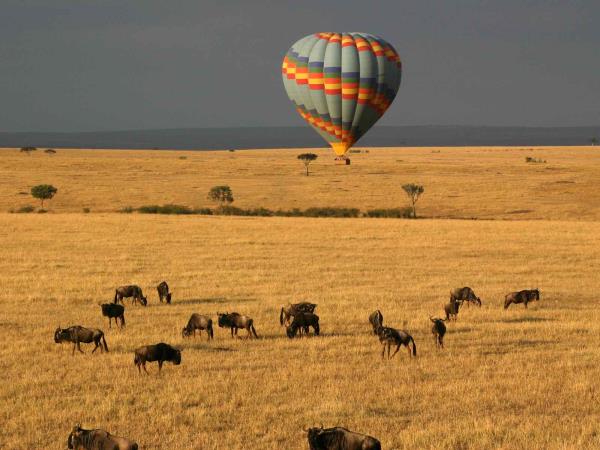
An 8-day Tanzania safari, focused on the Great Migration, is best spent traversing the Northern Circuit—spanning Tarangire, Lake Manyara, the Ngorongoro Crater, and 3-4 days in the Serengeti (focusing on the north from July-October or south from January-March). This 8 Days on Tanzania wildlife safari and wildebeest migration itinerary balances intense game drives with diverse ecosystem experiences.
Popular 8 Day Tanzania safari tour packages
8-days-budget-tanzania-safari-tour-holiday-vacation
8-days-tanzania-safari-tour-to-nyerere-mikumi-udzungwa-and-ruaha-national-parks
8-days-great-mara-river-crossing-hadzabe-tribe-and-optional-hot-air-balloon-tanzania-safari
8-days-lemosho-route-kilimanjaro-climb
8-days-best-tanzania-wildlife-safari-to-zanzibar-beach-holiday-combined
8-days-best-tanzania-wildlife-safari-to-zanzibar-beach-holiday-combined
8 Days on Tanzania Wildlife Safari and Wildebeest Migration
An 8 Days on Tanzania wildlife safari and wildebeest migration offers an unparalleled opportunity to witness the rich diversity of Africa's fauna in some of its most renowned national parks. This journey allows you to observe iconic wildlife such as elephants, lions, giraffes, zebras, and buffalo. You’ll also have a chance to see cheetahs, leopards, wildebeests, hyenas, and a variety of bird species, including the African fish eagle and the crowned crane.
The migration is a spectacular event, where millions of wildebeests, along with zebras and gazelles, traverse the Serengeti in search of fresh grazing lands. As you travel through Tarangire National Park, Ngorongoro Crater, and Serengeti National Park, you will encounter diverse habitats ranging from savannahs to wetlands. Each day presents exciting opportunities for wildlife viewing, photography, and cultural encounters with local communities. This 8-day safari promises to be a memorable adventure, offering both thrilling wildlife interactions and profound insights into the African environment.
Day 1: Arrival in Arusha
On the first day of your 8 Days on Tanzania wildlife safari and wildebeest migration, you will arrive at Kilimanjaro International Airport in Arusha. After clearing customs, a guide will greet you and transfer you to your hotel for check-in. Arusha serves as the gateway to various national parks, and you may spot local wildlife, such as monkeys and various bird species in the area. After settling in, enjoy a leisurely afternoon visiting the local markets or the Arusha Cultural Heritage Centre, where you can learn about Tanzania’s diverse cultures.
In the evening, enjoy dinner at your hotel or a local restaurant, sampling traditional Tanzanian cuisine. Prepare for an early start the next day as you prepare to travel to Tarangire National Park, known for its large elephant populations and stunning baobab trees. This first day serves as a warm-up and introduction to the wonders of Tanzania's wildlife, setting the stage for the adventure ahead.
Day 2: Tarangire National Park
Day two begins with an early breakfast before heading to Tarangire National Park, which is about a two-hour drive from Arusha. Known for its impressive elephants, Tarangire also hosts a variety of other wildlife, including lions, giraffes, zebras, and wildebeests. As you traverse the park, keep your eyes peeled for herds of elephants gathering around the park’s iconic baobab trees.
The park is also renowned for its bird species, where you might spot the secretary bird, hornbills, or even the striking lilac-breasted roller. A guided game drive through Tarangire will allow for numerous opportunities to observe wildlife up close. During the midday hours, the park’s animals often seek shade, so you may also have the chance to appreciate the elephants’ unique behavior as they cool off near watering holes.
After a full day of wildlife viewing and photography, return to your lodge for dinner and reflect on the day’s observations. Rest up for your next destination, Ngorongoro Crater, the following day.
Day 3: Ngorongoro Crater
On day three, you will depart early for Ngorongoro Crater, a UNESCO World Heritage Site. The drive takes roughly 2-3 hours, offering scenic views along the way. Upon arrival, descend into the crater, which is home to an astounding variety of wildlife. Among the wildlife you may encounter are lions, rhinos, zebras, and hippos.
The crater’s unique geological features provide an excellent vantage point for wildlife viewing. Expect to see large herbivores like wildebeests and buffalo grazing on the savannah while predators like lions rest nearby. The diversity of species within the crater makes this area a wildlife enthusiast’s paradise. Birdwatchers can also spot various avian species, such as flamingos and ostriches.
A picnic lunch will be served while you enjoy the backdrop of this remarkable natural amphitheater. After a day filled with unforgettable wildlife encounters, ascend back out of the crater and head to your accommodation for a restful night, reflecting on the wildlife observed in this unique environment.
Day 4: Serengeti National Park
Day four marks your departure to the iconic Serengeti National Park, a drive that takes approximately 3-4 hours. As you arrive in the Serengeti, known for the Great Migration, you’ll start your exploration of the park’s vast grasslands and resident wildlife. Among the species you are likely to encounter are lions, elephants, cheetahs, and dozens of herbivore species, including impalas and gazelles.
During your first day in the Serengeti, joining a guided game drive will allow you to explore various habitats throughout the park. Look for the famous predator-prey interactions, as lions stalk prey or cheetahs chase their next meal. The park is also home to an incredible array of bird species, such as the African fish eagle and the tawny eagle.
As the sun sets, return to your lodge or tented camp for dinner, where you can share stories of the day’s sightings with fellow travelers. Prepare for further adventures as you continue your wildlife safari into the heart of the Serengeti the next day.
Day 5: Wildebeest Migration
On the fifth day of your 8 Days on Tanzania wildlife safari and wildebeest migration, focus on observing the spectacular wildebeest migration. The specific wildlife sightings will depend on the time of year and your location within the Serengeti. You may see thousands of wildebeests moving in search of fresh grass, a phenomenon that usually includes zebras and gazelles.
Join a full-day game drive, giving you ample time to witness the migration. Look for predators such as lions and hyenas that often follow the herds in search of meals. Witnessing the drama of predator versus prey can be a highlight of this safari experience. In addition to large mammals, enjoy spotting birds like the secretary bird and vultures circling high above.
Lunch will be served in the park, allowing you to appreciate your surroundings while taking in all the wildlife action. After a long day, retire to your accommodation, reflecting on the incredible wildlife encounters that have left lasting memories.
Day 6: Serengeti National Park to Lake Victoria
On day six, you will leave the Serengeti and head toward Lake Victoria. This transfer takes approximately 3 hours, with potential wildlife sightings along the way. Many species, including elephants, baboons, and various antelopes, may cross your path as you drive. This area is also known for its rich birdlife, where you might spot kingfishers, storks, and cormorants.
Once you arrive at Lake Victoria, you will have the opportunity to enjoy the tranquil environment surrounding Africa’s largest lake. The lake's shores offer a contrast to the plains of the Serengeti, inviting relaxation and exploration. You can take a boat ride on the lake, where you can spot crocodiles and monitor lizards basking in the sun.
Enjoy an afternoon exploration of the local fishing villages, where you can engage with the communities and learn about their daily lives. Return to your accommodation for dinner, enjoying fresh fish from the lake, while reflecting on the diverse experiences of your safari.
Day 7: Lake Victoria to Tarangire National Park
Day seven begins with breakfast, followed by a drive back toward Tarangire National Park, approximately 4-5 hours away. On the way, keep an eye out for more wildlife sightings, such as monkeys and various bird species that inhabit the savannah and lakeside.
Upon arrival at Tarangire, embark on another thrilling game drive. Search for elephants, which dominate this park, and observe their interactions with each other and other species in the vicinity. You may also encounter giraffes, lions resting under the shade of trees, and a variety of antelope species, including the graceful oryx and the more elusive eland.
In the late afternoon, consider visiting a nearby baobab tree, a favorite hangout for many animals. After a fulfilling day filled with wildlife sightings, return to your lodge for dinner and a chance to share your highlights from the day with fellow safari-goers. Enjoy some rest before your final day in Tanzania.
Day 8: Departure from Kilimanjaro International Airport
On your final day, you will have breakfast at your lodge before preparing for your departure. Depending on your flight schedule, you may have the opportunity for one last early morning game drive in Tarangire National Park. This final chance may enable you to spot wildlife such as elephants crossing the river or cheetahs resting in the grasslands.
After this last safari experience, check out from your lodge and travel to Kilimanjaro International Airport, which takes about 2 hours. Enjoy a scenic drive as you reflect on the incredible 8 Days on Tanzania wildlife safari and wildebeest migration.
Upon arrival at the airport, your guide will assist with check-in, ensuring a smooth transition for your flight home. This safari will leave you with unforgettable memories of Africa's vibrant wildlife and diverse ecosystems, beautifully enriching your travel experiences.
1. What Does an 8 Days on Tanzania Wildlife Safari and Wildebeest Migration Typically Include?
An 8 Days on Tanzania wildlife safari and wildebeest migration usually covers the Northern Circuit of Tanzania, renowned for its diverse wildlife and stunning landscapes. The itinerary typically starts with Tarangire National Park, famous for its large herds of elephants, baobab trees, and rich wildlife diversity. Visitors can expect to see lions, giraffes, wildebeests, zebras, and a variety of bird species during game drives.
Next is Lake Manyara or Lake Natron, where guests can enjoy the sight of flamingos and other bird species. Then, the iconic Ngorongoro Crater is included, offering visitors a chance to see the "Big Five"—lions, elephants, leopards, buffalo, and rhinos—in a unique setting. The crater is often regarded as a natural amphitheater for wildlife and provides excellent game-viewing opportunities.
Finally, the safari winds through the Serengeti National Park for 2-3 days, where guests can witness the Great Migration. As millions of wildebeests and zebras traverse the plains, the chances of seeing predator-prey interactions are high, making for memorable wildlife encounters. Each segment of the itinerary is thoughtfully planned to optimize wildlife viewing while providing visitors with comfortable accommodation ranging from budget camping to luxury lodges. This safari encapsulates the essence of Tanzanian wildlife and offers myriad opportunities for photography and cultural encounters along the way.
2. When is the Best Time to Book an 8 Days on Tanzania Wildlife Safari and Wildebeest Migration?
The ideal period to book an 8 Days on Tanzania wildlife safari and wildebeest migration typically ranges from July to October for the most notable Mara River crossings, a remarkable event where wildebeests navigate the challenging waters while being pursued by predators. This is considered peak season for wildlife viewing, where the concentration of migratory animals is particularly high, thus enhancing the chances of witnessing thrilling events such as predator attacks or herds fording the river.
Alternatively, if your focus is more on witnessing the calving season, then January to March would be the best time for planning this safari. During these months, wildebeests give birth in the southern Serengeti or Ndutu region, where lush grass provides optimal conditions for calving. This period offers a unique opportunity to see newborns take their first steps alongside their mothers.
Regardless of the season chosen, prior booking is essential due to the high demand for gorilla trekking permits and accommodations. It's advisable to secure your travel plans well in advance, typically three to six months before your intended travel date. Travelers should consult with reputable tour operators who can provide detailed itineraries and assist in booking necessary permits and accommodations, ensuring a smooth experience that maximizes wildlife encounters.
3. Will I Definitely See the Wildebeest Migration?
While the itinerary for an 8 Days on Tanzania wildlife safari and wildebeest migration is designed to optimize opportunities for seeing the herds, it is crucial to understand that migration is influenced by various natural factors, leading to a degree of unpredictability. Tanzania’s Great Migration is a natural phenomenon where over 2 million wildebeests, along with zebras and gazelles, move in search of fresh pastures and water, making their paths fluid and dynamic.
Experienced guides play a vital role in maximizing your chances of witnessing the herds, leveraging their knowledge of migration patterns and animal behavior. Depending on the season and weather conditions, sightings can vary. For example, in July, herds tend to be near the Mara River, while by January, many are calving in the southern Serengeti.
Although there are no guarantees, those who follow a well-guided itinerary that coincides with peak migration periods will have a significantly enhanced chance of experiencing the stunning sights and sounds of the herds. Overall, the thrill of the anticipation, combined with the opportunity for wildlife viewing beyond just the migration, makes this safari a richly rewarding experience.
4. Which Areas of the Serengeti Are Visited on This 8-Day Trip?
The specific areas of the Serengeti visited during an 8 Days on Tanzania wildlife safari and wildebeest migration depend largely on the time of year and the migratory routes of the animals. For trips scheduled between July and October, the focus will typically be on the Northern Serengeti, particularly around the Mara River, where the dramatic crossings of wildebeests take place. This time of year often provides breathtaking views of herds navigating the treacherous waters.
Alternatively, if the safari spans from late April to June, you’ll likely traverse the Western Corridor, known for its lush pastures and stunning landscapes but also for the herds as they make their way towards the north. This part of the park offers excellent chances to see wildebeests in transit, avoiding the larger crowds found later in the peak migration months.
During trips scheduled for January to March, the focus shifts to the Southern Serengeti or Ndutu region, where calving occurs. This area is ripe with newborns and is filled with vibrant wildlife. Each sector visited offers a unique glimpse into the Serengeti’s beauty and biodiversity, maximizing visitors’ chances for diverse wildlife sightings throughout the trip.
5. What Are the Highlights of the 8 Days on Tanzania Wildlife Safari and Wildebeest Migration?
An 8 Days on Tanzania wildlife safari and wildebeest migration presents numerous highlights that capture the essence of African wildlife. One of the primary attractions is witnessing the Great Migration, where over 2 million wildebeests and other herbivores traverse the plains, often accompanied by predators ready to hunt. This movement creates dynamic and exciting wildlife interactions that many travelers aspire to witness.
The Ngorongoro Crater is another major highlight, known for its stunning caldera that houses a diverse range of species. Here, you have the opportunity to observe the Big Five—lions, elephants, leopards, buffalo, and rhinos—in a unique and concentrated setting. The day spent exploring this natural treasure can be unforgettable, delivering both exceptional wildlife encounters and panoramic views.
Additionally, a visit to Tarangire National Park allows for close encounters with massive elephant herds and a variety of wildlife, including giraffes, lions, and numerous birds. Cultural experiences, such as visiting a local Maasai village, add a rich cultural element to the safari, offering insights into local life. Taken together, these highlights provide a well-rounded experience of Tanzania's stunning natural beauty and diverse wildlife.
6. Do I Have to Fly Within Tanzania During This 8-Day Safari?
Most itineraries for the 8 Days on Tanzania wildlife safari and wildebeest migration primarily focus on driving to maximize wildlife viewing opportunities. Travel by road allows for more extensive exploration of the parks and a closer connection with the landscape and its inhabitants. The journey can be long, but it often provides unique opportunities to spot wildlife along the way.
However, some itineraries include optional flights to minimize travel time and make the overall experience more comfortable. For instance, many travelers opt for a one-way flight from the Northern Serengeti back to Arusha to avoid long driving hours after an exciting stay. This option is particularly appealing for those wishing to maximize their time in the Serengeti while also enjoying the stunning aerial views of the park.
Whether to fly or drive will vary by itinerary and personal preference, but either option can lead to a fulfilling experience filled with incredible wildlife encounters.
7. What is the Accommodation Like on an 8-Day Migration Safari?
The accommodations available during an 8 Days on Tanzania wildlife safari and wildebeest migration range widely and can cater to different budgets and preferences. Options typically include budget camping, mid-range tented camps, and luxury lodges.
Budget camping allows travelers to connect with nature while providing basic amenities and community dining experiences. It can offer a unique and adventurous feel but may lack some comforts found in other accommodations.
Mid-range tented camps usually follow the migratory patterns of the herds, moving closer to the action for the best viewing opportunities. These camps provide comfortable amenities and may feature private tents with en-suite bathrooms and dining options.
Luxury lodges, often positioned in prime locations within or adjacent to the national parks, provide a more opulent experience, complete with gourmet meals, spacious accommodations, and stunning views of the surrounding landscape. The type of accommodation selected will significantly influence the overall comfort and enjoyment of your safari adventure, so it is essential to choose one that aligns with your travel style and budget.
8. Is the Ngorongoro Crater Included in the 8 Days on Tanzania Wildlife Safari and Wildebeest Migration?
Yes, a full-day game drive in the Ngorongoro Crater is typically a key feature of an 8 Days on Tanzania wildlife safari and wildebeest migration itinerary. This UNESCO World Heritage Site is celebrated for its stunning scenery and impressive concentration of wildlife, providing what is often referred to as an African Eden.
The Ngorongoro Crater, formed from a collapsed volcano, contains a wide variety of habitats that attract many species. A day spent exploring this natural amphitheater often includes observations of lions lounging on the grass, elephants grazing near marshlands, and the possibility of spotting black rhinos. This unique geological feature offers an intimate setting for close encounters with wildlife, allowing visitors to experience various species within a confined area.
Travelers can anticipate a rewarding day filled with wildlife sightings, scenic vistas, and potentially rich cultural experiences, as the crater is often visited in conjunction with trips to nearby Maasai villages. This integration of natural beauty and cultural heritage significantly enriches the overall experience of the safari.
9. Can I See the "Big Five" in 8 Days?
Yes, the 8 Days on Tanzania wildlife safari and wildebeest migration provides excellent opportunities to see the "Big Five." The Ngorongoro Crater, along with the Serengeti National Park, is a top location for spotting lions, elephants, buffalo, leopards, and black rhinos.
Within the Ngorongoro Crater, the high density of wildlife makes it one of the best places in the world to see all five species in a single day, especially during game drives. Visitors can observe lions resting in the shade, elephants roaming freely, and leopards nestled among the branches of trees. The biodiversity in this region often gives guests the thrill of seeing various animals within close proximity.
When visiting the Serengeti, opportunities to spot lions and other members of the Big Five are also high, especially around water holes and during the migration period when many animals gather in concentrated areas. Travelers undertaking this itinerary can be assured of multiple chances to encounter these iconic species during their 8-day adventure.
10. How Much Does an 8 Days on Tanzania Wildlife Safari and Wildebeest Migration Cost?
The cost of an 8 Days on Tanzania wildlife safari and wildebeest migration varies significantly depending on several factors such as seasonality, accommodation preferences, transportation, and whether it is a private or group tour. On average, prices range from $2,500 to over $5,000 per person.
Budget travelers can find options that fall at the lower end of this scale, often opting for camping or lower-cost accommodations. Mid-range packages typically range from $3,000 to $4,000 and feature tented camps or lodges with added amenities. Luxury safaris, which offer more opulent lodges and high-end services, generally start around $4,500 and can exceed $5,000 per person.
It’s advisable to consult with tour operators for a detailed breakdown of what each package includes, as costs often incorporate permits, meals, and guided services. Planning well in advance and being flexible with travel dates may provide opportunities for specialized deals, enhancing value without sacrificing quality.
11. What Vehicle is Used for the Safari?
Travelers participating in the 8 Days on Tanzania wildlife safari and wildebeest migration will typically ride in a 4x4 Safari Land Cruiser. This type of vehicle is specifically designed for safari conditions, providing optimal viewing and comfort for passengers. The pop-up roof allows for fantastic wildlife photography and observation, enabling you to spot animals without obstruction.
The 4x4 design ensures good handling on varying terrains, including rough dirt roads and narrow trails common in national parks. Modern features often include air conditioning, comfortable seating, and spacious interiors, making long drives more enjoyable.
By providing a sturdy, safe, and spacious vehicle, the 4x4 Safari Land Cruiser enhances the overall enjoyment of the safari experience, allowing for close encounters with wildlife while also prioritizing guest comfort on extended road journeys.
12. Are There Opportunities for a Hot Air Balloon Safari?
Yes, the 8 Days on Tanzania wildlife safari and wildebeest migration may include opportunities for hot air balloon safaris, particularly over the Serengeti in the morning hours. This unique experience provides a remarkable aerial perspective of the park's vast landscapes, allowing you to survey the wildlife below in an unprecedented way.
Hot air balloon rides are usually scheduled early in the morning before the heat of the day sets in, which is an ideal time for viewing wildlife as many animals are more active during the cooler hours. Guests can expect breathtaking views of the savannah, herds of wildebeests, and the changing colors of the sunrise illuminating the Serengeti.
Typically, this activity is offered as an optional add-on to the safari itinerary. It is advisable to book in advance due to limited availability. Following the flight, passengers often enjoy a champagne breakfast in the bush, creating a memorable conclusion to their exhilarating adventure.
13. What Should I Pack for This Trip?
When preparing for the 8 Days on Tanzania wildlife safari and wildebeest migration, thoughtful packing is essential for comfort and convenience given the varied activities and environments you will experience. Lightweight, breathable clothing is recommended for daytime activities, while warmer layers are necessary for early mornings and evenings, especially in cooler areas like the Ngorongoro Crater.
Essential items include a good pair of binoculars for wildlife viewing, a camera with a zoom lens for capturing memorable moments, and sunscreen to protect against UV exposure while outdoors. Additionally, packing a hat or cap, insect repellent, and a reusable water bottle will enhance your comfort throughout the trip.
Sturdy walking shoes are crucial for any hiking or walking safaris, as uneven terrain can be common. A small daypack will also be handy to carry personal essentials during excursions. Don't forget your travel documents, including your passport and relevant permits, as these are necessary for park access and cross-border travel if applicable.
14. What is the Difference Between June and August for the 8 Days on Tanzania Wildlife Safari and Wildebeest Migration?
The differences between June and August for the 8 Days on Tanzania wildlife safari and wildebeest migration are primarily based on the behavior of the wildebeests and environmental conditions. June marks the beginning of the dry season, a time when the herds are transitioning through the Western Corridor of the Serengeti, often stopping to cross the Grumeti River. During this month, travelers may have excellent opportunities to see large concentrations of wildlife, as the animals are drawn to the remaining water sources.
In contrast, August represents a peak period for the Great Migration as the herds move further north toward the Mara River. This month is particularly exciting for witnessing the dramatic river crossings when wildebeests confront swift currents and lurking predators. The environment during this time is more grass-dried and offers optimal visibility for wildlife spotting.
Choosing between these two months will depend on what you hope to see during your safari. June is ideal for those who enjoy fewer crowds and early migration dynamics, while August is perfect for those eager to witness the thrilling crossings.
15. Are the Roads Very Bumpy During the 8-Day Safari?
Yes, it is important to prepare for bumpy roads during the 8 Days on Tanzania wildlife safari and wildebeest migration. Many tracks, especially within national parks such as the Serengeti, are unpaved and can be rough, dirt, or gravel. While this can be uncomfortable at times, the rugged terrain is part of the allure of a safari, offering closer encounters with wildlife and a more authentic experience of Africa's natural settings.
The off-road driving is often necessary to navigate to the best wildlife viewing areas, enhancing opportunities to see various species during game drives. Although some travelers may find these conditions challenging, the access to remote areas and the ability to observe wildlife in their habitats make it worthwhile. Drivers are usually skilled in handling these terrains, ensuring a safe and enjoyable experience despite the bumps.
Travelers should expect a true "bush experience" where the adventure includes the sounds and sights of the wild, complemented by the thrill of spotting iconic African wildlife along the way.
Booking 8 Days on Tanzania wildlife safari and wildebeest migration with us Roads of Adventure safaris
Book your unforgettable 8-day Tanzania wildlife safari and Wildebeest Migration adventure with Roads of Adventure Safaris. Experience the "Big Five" and spectacular migration herds in the Serengeti, Ngorongoro Crater, and Tarangire. Our tailored, affordable, and mid-range packages ensure comfortable accommodation and expert guiding, offering an immersive journey into the heart of East Africa's breathtaking landscapes and wildlife.
