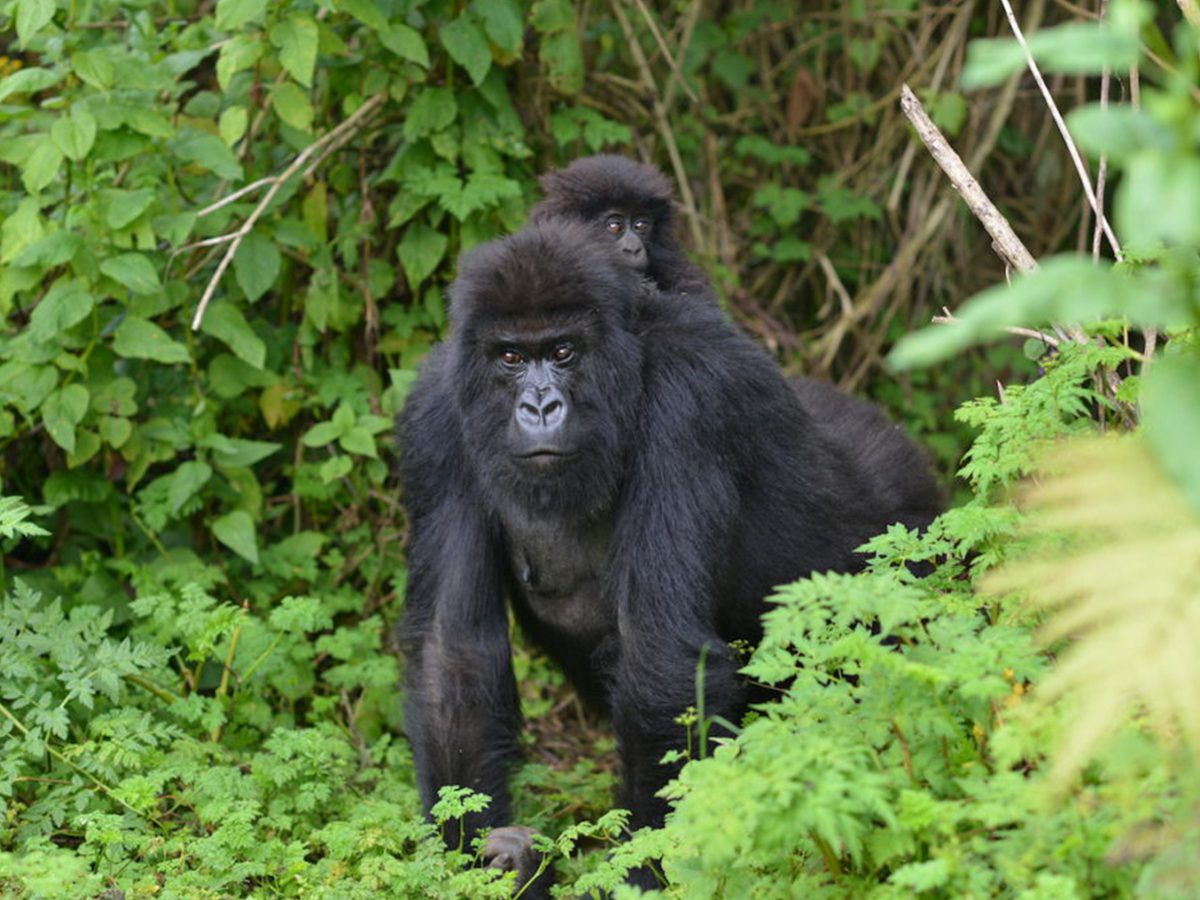
A 9-day combined Uganda and Rwanda safari starting from Kigali is best planned by driving directly into Uganda for gorilla trekking, then covering Queen Elizabeth National Park and Chimpanzees in Kibale, before returning to Rwanda for Volcanoes National Park. Key activities include mountain gorilla trekking in Bwindi ($800) and Volcanoes ($1500), chimpanzee tracking in Kibale, and savannah game drives in Queen Elizabeth.
9-days-uganda-primate-safari-and-wildlife-expedition
9-days-africa-big-five-safari-in-uganda-safari-parks-and-gorilla-trekking
9-days-best-of-uganda-safari-gorilla-trekking-chimpanzee-tracking-tour-package
9-days-luxury-gorilla-and-uganda-safari-tour-package
9-Day Uganda-Rwanda Itinerary (Kigali to Kigali)
This 9-Day Uganda-Rwanda Itinerary takes you on an unforgettable adventure through two of East Africa's most celebrated wildlife destinations. Your journey begins in Kigali and includes encounters with various species such as mountain gorillas, chimpanzees, elephants, lions, hippos, leopards, buffaloes, and numerous bird species including the African fish eagle and shoebill stork. Additionally, you may spot primates like golden monkeys, red-tailed monkeys, and black-and-white colobus, emphasizing the diversity of wildlife in both countries.
You will traverse lush forests, scenic highlands, and expansive savannahs, all while deepening your understanding of the unique cultures and conservation efforts in this region. Wildlife lovers and adventure seekers alike will appreciate every aspect of this well-rounded itinerary. Your journey concludes in Kigali, allowing you to reflect on the incredible encounters and rich experiences shared with fellow travelers and the landscapes that made this trip so memorable.
Day 1: Arrival in Kigali & Transfer to Bwindi
Upon arrival at Kigali International Airport (KGL), you will meet your guide who will assist with your luggage and provide an overview of the trip ahead. Then, you will embark on a scenic drive that takes approximately 4-5 hours to Bwindi Impenetrable National Park. This journey will include crossing the Cyanika border, where you will enjoy the sights of rural communities and rolling hills along the way.
As you approach Bwindi, keep an eye out for wildlife such as forest elephants, various bird species, and perhaps even some local monkeys. When you arrive at your lodge near the park, take some time to relax and prepare for the exciting days ahead. The tranquility of the area sets the tone for your adventure as you prepare to engage with one of the most fascinating primate experiences on Earth—gorilla trekking.
Day 2: Gorilla Trekking in Bwindi
Day 2 is dedicated to an early morning trek in Bwindi Impenetrable National Park to search for mountain gorillas. After a hearty breakfast, your guide will brief you on the trekking regulations, ensuring clarity on safety and respect towards the wildlife. As you trek through the dense vegetation, remain vigilant for wildlife encounters. You may spot red-tailed monkeys, various butterfly species, and numerous birds.
The trek can be challenging, but the reward is monumental. Upon encountering the gorillas, you’ll have one hour to observe their natural behaviors. Watching these magnificent creatures interact offers insights into their family dynamics and social structures.
In the afternoon, relax at Lake Bunyonyi, where you can enjoy the stunning views and a peaceful atmosphere. Here, you may spot birds like the grey-crowned crane and the African fish eagle while unwinding by the shore. Reflect on the day’s exhilarating moments before returning to your lodge for dinner.
Day 3: Transfer to Queen Elizabeth National Park
On Day 3, you will embark on a scenic drive to Queen Elizabeth National Park, which takes roughly 2-3 hours. The route offers breathtaking views of the Kigezi highlands, where rolling hills create captivating scenery. Along the way, keep an eye out for various wildlife, including herds of cattle, colorful birds, and perhaps some bushbucks grazing in the fields.
After reaching Queen Elizabeth National Park, check in at your lodge and enjoy a leisurely lunch. In the afternoon, you have the option to relax or explore nearby trails where you may encounter local wildlife.
In the evening, consider a night drive to catch glimpses of nocturnal species such as serval cats, bushbabies, and the elusive leopard. This day sets the stage for the adventures to come, promising not only breathtaking views but also diverse wildlife encounters.
Day 4: Game Drive & Boat Cruise
Day 4 begins with an early morning game drive in the Kasenyi plains of Queen Elizabeth National Park. The park is famed for its diverse range of wildlife, including elephants, lions, hippos, and various antelope species. As you traverse the plains, your guide will point out interesting species and share insights regarding their behaviors and habitats.
After a morning of wildlife spotting, return to your lodge for lunch before heading to the Kazinga Channel for an afternoon boat cruise. This waterway is notorious for its high concentration of hippos and is often frequented by elephants coming down to the water.
While on the boat, enjoy watching a variety of bird species such as kingfishers and pelicans. The cruise offers a unique vantage point to observe wildlife as they interact with their habitat. Afterward, return to your lodge for an evening reflecting on the incredible wildlife encounters of the day.
Day 5: Transfer to Kibale Forest
On Day 5, you will transfer to Kibale National Park, known for its rich primate population, including chimpanzees. After an invigorating breakfast and perhaps a quick morning game drive, the drive to Kibale will take around 2-3 hours. During the journey, enjoy the vibrant landscapes and watch for wildlife along the route, including monkeys and various birds.
Upon arrival at Kibale, check into your accommodation before preparing for chimpanzee tracking later in the day. Take a moment to explore the surrounding area, where you might catch glimpses of red-tailed monkeys and the clever grey-cheeked mangabeys.
Evening options may include a nature walk where more bird species can be spotted. Rest well to mentally prepare for the chimpanzee tracking activity scheduled for the next morning, as Kibale is regarded as one of the best spots for chimp experiences.
Day 6: Chimpanzee Tracking & Bigodi Swamp Walk
Day 6 is filled with adventures as you set out for chimpanzee tracking in the heart of Kibale National Park. After an early breakfast, your guide will take you through the rich jungle where these amazing primates reside. Keep your eyes peeled for other wildlife, such as black-and-white colobus monkeys, bushbucks, and the charming red-tailed monkey as you trek.
The tracking allows you to observe the social interactions of the chimpanzees, offering insights into their behaviors within their natural habitat. After a thrilling chimp encounter, enjoy lunch at your lodge and prepare for an afternoon nature walk in Bigodi Wetland Sanctuary.
This wetland area is an important habitat for various bird species, including the rare Great Blue Turaco and numerous butterflies. Walking through the sanctuary provides an opportunity to appreciate the interconnectedness of the flora and fauna, enhancing your understanding of the local biodiversity. Return to your lodge in the evening, filled with memories of the day's encounters.
Day 7: Drive to Volcanoes National Park, Rwanda
On Day 7, you will begin your transfer to Volcanoes National Park in Rwanda. The drive will take approximately 3 hours and involves crossing back into Rwanda at the border. As you make your way to Ruhengeri, take in the beautiful rolling hills and vibrant local communities along the route.
Once you arrive in Ruhengeri near Volcanoes National Park, check into your accommodation and enjoy lunch. With the stunning backdrop of the Virunga Mountains, this area is teeming with wildlife. You may spot species like golden monkeys and various birds as you settle in.
In the evening, you can take a leisurely walk around the area or relax at your lodge, preparing for the exciting activities that await in the coming days. Make sure to recharge, as there are more breathtaking wildlife encounters ahead on your itinerary.
Day 8: Second Gorilla Trek or Golden Monkey Tracking
Day 8 is focused on either a second gorilla trek in Volcanoes National Park or an exciting adventure tracking golden monkeys. If you choose gorilla trekking, prepare for another early start, as you will head into the park for a chance to see these magnificent creatures again. Spotting the same or different gorilla families can offer new insights into their behaviors and family structures.
Conversely, if you opt for golden monkey tracking, this hike allows you to observe one of the park's most playful primates in their natural habitat. The golden monkeys are known for their energetic movements and social interactions, which can be very entertaining to watch.
In both cases, be prepared to encounter a variety of wildlife, from birds to smaller mammals. The day concludes with a well-deserved evening at your lodge, reflecting on the day’s wildlife encounters and planning for your final day in Rwanda.
Day 9: Kigali City Tour & Departure
On your final day, you will return to Kigali for a city tour. After breakfast, drive back to the capital, a journey of about 2-3 hours. As you enter Kigali, enjoy the beautiful views of the city and how it has transformed over the years.
Your first stop will be the Kigali Genocide Memorial Centre, where you can learn about the country's history and the resilience of its people. This visit provides a deeper understanding of Rwanda’s cultural context and highlights the importance of peace and unity.
After the memorial, you may have time to explore local markets or sites that showcase Rwandan culture. Finally, you will be transferred to Kigali International Airport for your departure flight. Reflect on the incredible wildlife and cultural experiences of your 9-Day Uganda-Rwanda Itinerary, cherishing the lasting memories made during your adventure.
Typical Itinerary for 9-Day Uganda-Rwanda Safari
A 9-day safari combining Uganda and Rwanda typically begins in Kigali, where travelers can enjoy a city tour that introduces them to Rwanda’s history, culture, and vibrant local life. Highlights often include visits to the Kigali Genocide Memorial and local markets like Kimironko.
Following the city tour, the adventure moves to Volcanoes National Park in Rwanda for an unforgettable gorilla trekking experience. This initial trek allows participants to observe the majestic mountain gorillas in their natural habitat, a truly transcendent experience.
After exploring Rwanda, you’ll cross the border into Uganda to visit Bwindi Impenetrable National Park for a second gorilla trek. The diverse landscapes here add a different experience, and trekkers have the chance to observe distinguishable mountain gorilla families.
The next leg of your journey takes you to Queen Elizabeth National Park for exciting wildlife drives. This park is renowned for its tree-climbing lions and abundant wildlife, including elephants, buffaloes, and various bird species.
Finally, a visit to Kibale Forest provides a chance for chimpanzee tracking. This biodiverse area is also home to a variety of other primates, ensuring that your safari is filled with rich wildlife encounters.
Each day is carefully planned to enhance your experience, mixing adventure with relaxation as you move between these stunning national parks. The itinerary seeks to balance trekking, wildlife viewing, and cultural immersion, making it an unforgettable journey through two of Africa's most beautiful countries.
Best Visa for a 9-Day Uganda-Rwanda Safari
For a 9-day safari encompassing both Uganda and Rwanda, the East Africa Tourist Visa is highly recommended. This visa allows multiple entries into Uganda, Rwanda, and Kenya for up to 90 days, making it a perfect fit for multi-country travel. It simplifies the visa process, eliminating the need to secure separate visas for each country, which can save both time and money.
The East Africa Tourist Visa is priced at approximately $100, a reasonable fee considering the convenience it offers. To obtain this visa, travelers can apply online or upon arrival in Kigali or Entebbe, although it's advisable to obtain it in advance for a smoother experience.
Additionally, travelers should ensure they meet health requirements, such as having a valid Yellow Fever vaccination certificate, which is mandatory for crossing borders within East Africa. Having this visa not only eases the border crossing experience but also provides peace of mind, allowing you to fully enjoy the breathtaking experiences of gorilla trekking in both countries without worrying about additional paperwork. Always check the latest travel requirements prior to your safari, as immigration regulations can change.
Primates Encountered on the Safari
During a 9-day safari across Uganda and Rwanda, you will have the remarkable opportunity to see several species of primates. Central to the experience are the mountain gorillas, which you will encounter in both Rwanda’s Volcanoes National Park and Uganda’s Bwindi Impenetrable National Park. These massive yet gentle creatures are often seen in their natural habitats, providing trekkers a unique chance to observe their social behaviors up close.
Additionally, you will likely come across chimpanzees during your visit to Kibale Forest. Known for their playful nature, chimpanzees are the closest relatives to humans, making them fascinating to watch as they swing through the trees and interact with each other.
In Mgahinga or Volcanoes National Park, there’s a chance to see golden monkeys, which are equally captivating with their vibrant coats and sociable habits. These primates are lesser-known but equally delightful as they leap around in their bamboo forest habitat.
Each of these encounters offers not just a wildlife experience but also an enriching perspective on the diverse ecosystems of East Africa. Through professional guides, you will gain insights into their behaviors, conservation efforts, and the vital role these primates play in the ecosystem. The safari guarantees an immersive experience that combines adventure with education, making it about more than just seeing wildlife—it's about connecting with nature.
Double Gorilla Trekking
Many itineraries for a 9-day safari in Uganda and Rwanda include the exciting opportunity of double gorilla trekking, allowing you to participate in gorilla treks in both countries. The first trek usually takes place in Rwanda’s Volcanoes National Park, known for its scenic landscapes and well-established gorilla families. Here, trekkers are led by experienced guides who ensure visitors are well-prepared and informed about the trekking process and gorilla behavior.
The second trek occurs in Uganda’s Bwindi Impenetrable National Park, famous for its dense foliage and varying terrains. Each trek offers a distinct experience, as the ecosystems and movement patterns of the gorilla families differ between the two locations.
Participants often note the contrast between the two treks, from the accessibility and terrain of the Rwanda trek to the rugged beauty and biodiversity found in Uganda. Trekking in Bwindi can be more physically demanding, providing a more adventurous experience for those seeking a challenge.
The opportunity to compare the different environments of these remarkable gorillas enhances the overall safari experience. Double treks allow for extended interactions with these majestic animals, making it a highlight for most visitors. Keep in mind that gorilla permits are required for each trek, and advance booking is essential due to their limited availability.
Wildlife in Queen Elizabeth National Park
Queen Elizabeth National Park (QENP) is a wildlife enthusiast’s dream, known for its rich biodiversity and unique landscapes. Spanning over 764 square kilometers, this park features a variety of ecosystems, including savanna, tropical forest, and wetlands. One of the park's most famous attractions is its population of tree-climbing lions, often seen lounging on branches in the Ishasha sector. This behavior is unique in the animal kingdom and offers an incredible photographic opportunity.
In addition to lions, QENP is home to a plethora of wildlife, including elephants, buffaloes, and various antelope species. The park's diverse habitats support over 600 bird species, making it a top destination for birdwatchers. The Kazinga Channel, which connects Lake George and Lake Edward, is particularly popular for boat safaris where you can see hippos, crocodiles, and an array of birds along the banks.
Wildlife drives in QENP are unforgettable, as they provide close encounters with these magnificent animals and allow for photography of Africa’s iconic wildlife in their natural environment. Visitors may also witness elephants and buffaloes roaming in large herds, creating a dynamic scene worthy of any wildlife documentary.
With a diversity so rich, Queen Elizabeth National Park stands out as a highlight of the East African safari experience, ensuring that every game drive offers something new and exciting.
Cost of the Safari
The cost of a 9-day Uganda and Rwanda safari can vary significantly based on several factors, such as the level of accommodation, chosen activities, and the time of year. Generally, mid-range tours start at around $3,500 to $5,000 per person. This price reflects the high costs associated with gorilla permits, which are typically $1,500 in Rwanda and $800 in Uganda. These permits are essential for tracking the mountain gorillas and must be secured in advance, influencing overall trip pricing.
The safari costs generally cover accommodations ranging from comfortable lodges or tented camps to luxury options, all of which provide a range of amenities. Additionally, most reputable tour operators offer Full Board packages, which include all meals—breakfasts, lunches, and dinners—throughout the tour, as well as transportation and guide services.
Other factors that may influence the overall cost include park entry fees, transportation between sites, and optional activities such as boat safaris, cultural experiences, or guided nature walks. It's also essential to factor in any personal expenses, such as souvenirs or tips for local guides.
Booking during peak seasons (June to September and December to February) usually sees an increase in prices due to higher demand, making it advisable to reserve spots ahead of time for the best deals. Regardless of the package, travelers can expect an incredible return on investment with rich experiences in breathtaking landscapes all throughout the safari.
Best Time to Book
The best times to book a 9-day Uganda and Rwanda safari are typically during the dry seasons, which are from June to September and December to February. These periods are ideal for trekking as the trails are less muddy, making gorilla tracking and wildlife spotting more accessible and comfortable.
During dry months, wildlife is generally easier to observe, as animals congregate around water sources. In the national parks, vegetation is less dense, which enhances visibility and offers better photographic opportunities. The pleasant weather conditions also ensure a more enjoyable experience for outdoor activities, such as game drives in Queen Elizabeth National Park or trekking in Bwindi and Volcanoes National Parks.
If you prefer lower tourist traffic and more budget-friendly options, the shoulder seasons (October to November and March to May) could be suitable, although you might encounter more rain. While some activities may be slightly more challenging during these months, the lush, vibrant landscapes can be breathtaking, and the wildlife is still active.
Regardless of when you choose to travel, planning and booking well in advance is crucial, particularly for gorilla permits, which are limited and can sell out quickly, especially in peak seasons. By choosing the right time, you maximize your chances of unforgettable wildlife encounters and elevate your overall safari experience.
Kigali Genocide Memorial
Most itineraries for a 9-day safari that begins in Kigali will include a visit to the Kigali Genocide Memorial as part of a comprehensive city tour. This memorial serves as a poignant and educational site, offering insight into the tragic history of the 1994 genocide against the Tutsi people.
Visitors are guided through the memorial’s exhibitions that detail the events leading up to the genocide, individual stories, and the aftermath, making it a reflective and moving experience. Opened in 2004, the memorial stands as a tribute to the victims and a testament to Rwanda’s resilience and commitment to reconciliation and healing.
The Kigali Genocide Memorial is significant for both locals and international visitors, providing an opportunity for deeper understanding of Rwanda's past and its journey towards healing. Educational materials and personal testimonies help visualize the historical context and humanitarian efforts that followed the tragedy.
In combination with visits to local markets like Kimironko, travelers can also experience the warmth and resilience of Rwandan culture today. This balance of historical reflection and cultural engagement enriches the overall safari experience, giving participants a well-rounded perspective of Rwanda and its people.
Physical Demands of the Safari
A 9-day safari in Uganda and Rwanda is generally regarded as moderately demanding. Participants should be aware that gorilla trekking can be strenuous due to the varying terrain, which often includes steep paths and dense forests. Trekking times can range from 2 to 8 hours, depending on the location of the gorilla families and the trail conditions.
Having a reasonable level of fitness is highly recommended to fully enjoy the experience. The guides are skilled in leading trekkers through challenging environments, ensuring safety while maximizing wildlife encounters. Visitors should prepare for physically engaging days, especially during the gorilla treks, as the hiking can require good stamina and endurance.
Aside from trekking, safaris also involve wildlife drives, which are generally less physically demanding but can require long hours of observation. The combination of active trekking days and more relaxed wildlife viewing makes for a balanced itinerary that caters to various fitness levels.
To prepare for the physical demands of the safari, it is advised to engage in some training prior to departure, focusing on cardiovascular fitness and endurance. Proper packing, including sturdy footwear and comfortable clothing, will also enhance your experience as you navigate the diverse landscapes. After the trekking, returning to comfortable lodges for relaxation will aid in recovery and rejuvenation, ensuring you're ready for each new day of adventure.
Packing for the Safari
Packing for a 9-day Uganda and Rwanda safari requires careful consideration to ensure comfort and readiness for diverse activities. Essential items include sturdy hiking boots for trekking through dense forests, as well as long-sleeved shirts and pants to protect against insects and thorny vegetation.
Don't forget to pack gardening gloves, which can be useful for handling nettles during gorilla treks. A rain jacket is also crucial due to the unpredictable weather in East Africa, especially in the forests where rain can be frequent. Lightweight, quick-dry clothing is recommended for comfort.
Another indispensable item is insect repellent, particularly those that include DEET to ward off mosquitoes and other insects. A wide-brimmed hat and sunglasses provide protection against the sun during wildlife drives. Additionally, don't overlook your camera and binoculars for capturing the stunning landscapes and amazing wildlife encounters.
Personal items like a first aid kit (including any personal medications) and reusable water bottles will also ensure you remain healthy and hydrated throughout your journey. Most reputable tour companies will provide bottled water during vehicle transfers and trekking.
Lastly, consider a daypack for carrying your essentials during daily activities. With thoughtful packing, you can ensure your safari experience is comfortable, safe, and enjoyable, allowing you to focus on the incredible adventures ahead.
Meals and Accommodation
Most professional tour operators on a 9-day Uganda and Rwanda safari offer Full Board packages, which usually include accommodation, meals, and guided services. This arrangement allows travelers to enjoy a seamless experience without worrying about additional costs for meals during the journey.
Accommodations vary based on the chosen package, ranging from comfortable lodges or tented camps to luxury options. Many lodges are strategically located near national parks, offering stunning views and easy access to trekking and wildlife activities. Meals typically consist of a mix of local and international cuisine, provided in buffet-style or à la carte formats, depending on the lodge.
Breakfast, lunch, and dinner are all included in the Full Board package, ensuring that you are well-fed throughout your adventure. Dishes often showcase local ingredients, allowing guests to savor the flavors of Rwanda and Uganda. Dietary preferences can usually be accommodated if mentioned in advance.
In addition to daily meals, many lodges offer a cozy atmosphere for relaxation after each day of exploration, often featuring shared spaces for socializing or personal balconies with views of the surrounding nature. This integration of meals and accommodation enhances the camaraderie among travelers, creating memorable evenings full of stories and connections.
With most logistics covered, safari participants can focus their energy on soaking in the stunning landscapes and unique wildlife experiences, all while enjoying the comfort and hospitality provided by their accommodations.
Border Crossings
During a 9-day safari involving both Uganda and Rwanda, border crossings are a common part of the journey. Typically, tourists will cross at either the Cyanika or Katuna borders, which are well-used entry points designed for efficient immigration processing. Travelers will generally be accompanied by their driver-guide, who assists with the necessary paperwork and ensures a smooth transition from one country to the other.
Documentation such as the East Africa Tourist Visa, your passport, and any health vaccination certificates (like Yellow Fever) will be required for crossing. Ensure that all these documents are easily accessible to avoid any delays during the border-crossing process.
Crossing the border is usually straightforward, with processes in place to minimize waiting times. The driver-guide will help guide tourists through any necessary customs checks and validate documentation. It's wise to remain patient and maintain a good sense of humor, as border crossings can sometimes be unpredictable.
Once the crossing is complete, you'll find yourself in the next country, with the excitement of new landscapes and adventures ahead. By having knowledgeable guides assist with the process, you can focus more on enjoying the incredible experiences that await rather than getting bogged down by logistics.
Health Requirements
When planning a 9-day safari in Uganda and Rwanda, it’s essential to be aware of the health requirements necessary for entry into both countries. One of the primary vaccinations required is the Yellow Fever vaccine, which is mandatory for travelers entering Uganda or Rwanda. You must carry a valid Yellow Fever vaccination certificate as proof upon arrival. Failure to present this certificate may result in quarantine or refusal of entry, making vaccination a priority before travel.
In addition to Yellow Fever, travelers are advised to ensure routine vaccinations are up to date. Vaccinations for diseases such as Hepatitis A and Typhoid may also be beneficial, as they offer protection against foodborne and waterborne illnesses.
It's also wise to pack a basic first aid kit that includes over-the-counter medications for common ailments such as headaches, stomach upsets, and allergies. Insect repellent is crucial, particularly for preventing mosquito bites in areas where malaria is present. Consult your healthcare provider for recommendations on malaria prophylaxis, especially if you plan to visit rural areas.
Lastly, drink bottled water throughout your trip to avoid waterborne illnesses. Most professional safari companies provide bottled drinking water on transfers, which helps ensure that you're well-hydrated. By adhering to health recommendations and preparing adequately, you can enjoy your safari adventure with peace of mind.
Gorilla Habituation Opportunities
Some specialized itineraries for a 9-day Uganda and Rwanda safari offer the thrilling experience of gorilla habituation, allowing travelers to swap a standard trekking experience for a more immersive 4-hour habituation experience in Bwindi Impenetrable National Park. This unique opportunity takes trekkers into the wild to observe how gorillas are acclimatized to human presence, forming essential behaviors that aid in their eventual protection and conservation.
During the habituation experience, participants can engage firsthand with a specific gorilla family as researchers work towards making these magnificent animals more accustomed to human observers. This experience is more intense than regular trekking, often allowing for better and longer sightings of the gorillas in their natural habitat.
Travelers should note that habituation experiences usually require separate permits, which must be booked well in advance due to their limited availability. The gorilla habituation experience typically presents a more exclusive atmosphere, as visitors are fewer, allowing for deeper encounters and interaction with these incredible creatures.
Whether you choose a standard trek or a habituation experience, both offer profound insights into the lives of mountain gorillas, contributing significantly to both personal enrichment and conservation efforts in these vulnerable habitats. It's an unforgettable aspect that adds depth to any safari experience in Uganda.
Water Provision During the Safari
Throughout a 9-day Uganda and Rwanda safari, reputable tour operators ensure that bottled drinking water is provided consistently. This provision is crucial, especially during vehicle transfers, trekking activities, and while on wildlife drives. Staying hydrated is essential as temperatures can be high and physical activities, such as trekking, demand adequate fluid intake.
At the start of each day, your guide will typically stock the vehicle with plenty of bottled water, ensuring that all travelers have ready access. It’s advisable to carry a small water bottle for convenience during long hikes or excursions, allowing you to sip water as needed without constantly stopping.
While exploring the national parks or engaging in activities like gorilla trekking, having water readily available helps manage energy levels and maintains health. Some lodges also provide drinking water in rooms or dining areas, encouraging a focus on staying hydrated while enjoying local cuisine.
This attentive service not only adds comfort but also enhances the overall experience of your safari, allowing you to focus more on the wildlife, the stunning landscapes, and the rich cultural experiences awaiting you in East Africa.
Ending the Safari
A 9-day Uganda and Rwanda safari typically concludes either back in Kigali or at Entebbe International Airport in Uganda, depending on your flight arrangements. The final days often include a leisurely morning or an opportunity for last-minute sightseeing. If returning to Kigali, travelers might opt for additional tours around the city or nearby attractions.
If your flight departs from Entebbe, your itinerary may incorporate a stopover for a relaxing afternoon after your safari activities wrap up. Entebbe is known for its lakeside parks and the Uganda Wildlife Conservation Education Centre, offering a perfect place to wind down
Booking Uganda safari combined with Rwanda with us Roads of Adventure safaris
Book an unforgettable, tailored Uganda and Rwanda combined safari with Roads of Adventure Safaris, specializing in mid-range to luxury experiences. Explore Bwindi’s mountain gorillas, Volcanoes National Park’s golden monkeys, and savannah game drives in Queen Elizabeth. Enjoy expert guides, private 4x4 transport, and seamless logistics, including permit handling. Packages range from short, intensive gorilla treks to longer, comprehensive wildlife adventures, ensuring a personalized, comfortable journey through East Africa's premier destinations. Contact them for a customized itinerary.
