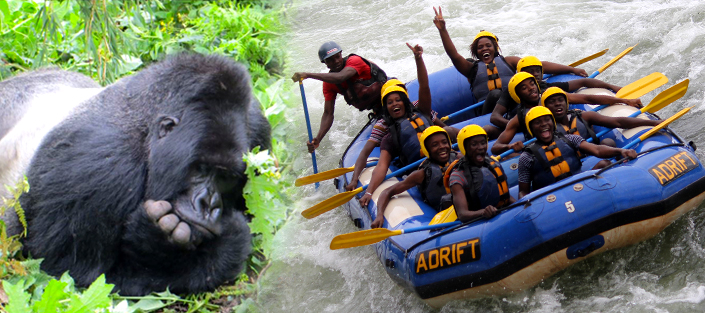
Planning a Uganda safari involves knowing about gorillas, best times to go (dry seasons: June-Aug, Dec-Feb), packing layers/rain gear, booking permits early (gorillas $800), safety (generally safe but challenging treks), transport (4x4 vehicles), and food (fresh, local, with lodge options), with key activities including mountain gorilla trekking (min age 15), chimp tracking, and general wildlife viewing (Big Five, birds).
8-days-best-uganda-rwanda-safari-holiday-ending-in-kigali
8-day-africa-big-five-safari-in-uganda-and-mabamba-swamp-shoebill
9-days-luxury-gorilla-and-uganda-safari-tour-package
7-day-uganda-gorilla-trekking-chimpanzee-wildlife-safari-tour-and-culture
7-days-best-family-uganda-safari-with-primates-and-big-five
10-days-best-uganda-big-five-safaris-and-primate-experience
14-days-family-uganda-safari-holiday-vacation-escape
18-days-ultimate-uganda-safari-with-gorilla-trekking-experience
What is the best time for a Uganda safari tour?
The best time for a Uganda safari tour is during the dry seasons, which run from June to September and December to February. These months offer the most favorable weather conditions for wildlife viewing, as animals tend to congregate around water sources, making them easier to spot. The dry season features clear skies and lower humidity, ideal for outdoor activities and photography. Additionally, during these months, the park trails are more accessible, allowing for enjoyable treks and game drives.
Although the dry season is considered the best time for a safari, Uganda's diverse ecosystems mean that it can be an exceptional destination year-round. The rainy seasons, from March to May and October to November, bring lush landscapes, vibrant flora, and a unique set of wildlife experiences. Birdwatching is particularly rewarding during the rainy months, as migratory species arrive, adding a splash of color and variety to the avian population.
While trekking trails may be muddy and access can be limited, the fewer crowds in the rainy season offer a more tranquil experience, allowing visitors to connect deeply with Uganda's incredible nature. It's advisable for travelers to pack appropriately for the varying weather, equipping themselves to handle both sun and rain.
Ultimately, whether during the dry or rainy season, Uganda offers enriching and diverse safari experiences. The choice of when to visit may depend on individual preferences for wildlife, photography opportunities, and overall adventure. Regardless of the timing, visitors are sure to encounter Uganda’s breathtaking landscapes and rich wildlife.
How much does a typical Uganda safari tour cost?
The cost of a typical Uganda safari tour can vary significantly, depending on the luxury level, duration, and specific experiences included. For mid-range budgets, travelers can generally expect to pay between $2,400 and $3,800 per person for comprehensive tours that last about a week. These costs typically cover accommodation, meals, park entrance fees, transportation, and guided tours, offering a balanced experience of Uganda's diverse attractions.
Accommodations in Uganda range from basic lodges to luxury hotels, impacting the overall cost. Mid-range lodges often provide comfortable amenities, allowing visitors to enjoy a quality experience without venturing into high-end luxury. Safari tours also differ in length; a more extended itinerary may include visits to multiple parks, primate trekking, and cultural experiences, all contributing to increased pricing.
Group tours can help reduce costs for solo travelers, as sharing a safari vehicle and accommodation with others allows for better rates. Additionally, seasonal promotions or package deals offered by tour operators can provide excellent value, especially during the low season.
Travelers should also consider additional costs like tips, souvenirs, and optional activities when budgeting for their safari. A well-planned safari budget will ensure that visitors experience the beauty and adventure of Uganda without financial strain, maximizing the enjoyment of this incredible destination.
Is a Uganda safari tour safe for international travelers?
Yes, Uganda is generally considered safe for international travelers, particularly when traveling with a licensed tour operator like Roads of Adventure Safaris. The country has made significant strides in improving safety for tourists, and regions frequented by visitors are typically secure. Tour operators often prioritize the safety and comfort of their guests, providing experienced guides who are knowledgeable about the areas they visit.
When embarking on a safari, it is advisable to adhere to the recommendations and regulations set by the authorities and the tour operators. This includes following park rules, maintaining a safe distance from wildlife, and adhering to guided instructions during excursions. Familiarizing oneself with the local culture and customs further enhances safety and fosters respectful interactions with the communities encountered.
While street crime is not common in tourist areas, basic precautions should still be taken. Travelers are encouraged to keep valuables secure and be mindful of their surroundings, especially in urban areas or crowded locations. Staying in well-reviewed accommodations can also contribute to a safer experience.
Uganda's healthcare facilities have improved in recent years, and many regions have access to quality medical services. However, travelers should secure travel insurance that covers medical emergencies as a precaution. Overall, a well-planned safari combined with adherence to safety guidelines ensures a fulfilling and secure experience in Uganda’s remarkable landscapes.
What wildlife can I see on a Uganda safari tour?
A Uganda safari tour offers an incredible opportunity to see a diverse array of wildlife, making it one of Africa's premier destinations for safari enthusiasts. The country is home to mountain gorillas, which can be encountered in their natural habitat in Bwindi Impenetrable National Park and Mgahinga Gorilla National Park. The thrill of gorilla trekking is a highlight for many tourists, allowing for intimate encounters with these remarkable creatures.
Additionally, Uganda is known for its experience of "The Big Five"—lion, leopard, elephant, buffalo, and rhinoceros. While lions and elephants can be seen in national parks like Queen Elizabeth National Park and Murchison Falls National Park, a guided visit to Ziwa Rhino Sanctuary offers the chance to see rhinos in a protected area.
Uganda's biodiversity extends beyond large mammals. The country boasts over 1,000 bird species, making it a paradise for birdwatchers. Unique avian species, such as the Shoebill, can be found in wetland areas like Mabamba Swamp. Other attractions include primates such as chimpanzees and numerous antelope species, along with an assortment of reptiles and insects that enhance the ecosystems throughout the parks.
In essence, a Uganda safari provides an enriching experience filled with opportunities to witness some of the world's most fascinating wildlife. The country's commitment to conservation and its diverse habitats ensure that each safari is unique and unforgettable, making it an essential destination for wildlife lovers.
How many days are needed for a complete Uganda safari tour?
For those seeking a complete Uganda safari tour, a duration of 7 to 14 days is often recommended. This timeframe allows visitors to explore the country’s diverse ecosystems, ranging from savannahs teeming with wildlife to the misty forests home to mountain gorillas and other primates.
Most travel itineraries include primate trekking, particularly in Bwindi and Mgahinga, where guests can encounter the revered mountain gorillas. Adding a visit to Kibale National Park for chimpanzee tracking further enriches the experience, allowing tourists to witness both gorillas and chimps in their natural environments.
In addition to primate encounters, the itinerary typically features game drives in prominent national parks such as Queen Elizabeth National Park and Murchison Falls National Park. These areas are home to diverse wildlife, including "The Big Five," and present numerous opportunities for photographing exotic animals.
The extra days not only allow for a relaxed pace but also provide time for cultural experiences with local communities, enriching the safari experience. Safaris can also be tailored to include other activities such as boat rides on the Nile River or visits to beautiful landscapes like Lake Bunyonyi.
Ultimately, the selected duration should align with individual interests, budget, and travel style. Whether opting for a shorter or more extended visit, enough time should be allocated to appreciate the unique wildlife and landscape extravaganza that Uganda has to offer.
What should I pack for my Uganda safari tour?
When preparing for a Uganda safari tour, packing the right gear is essential for a comfortable and enjoyable experience. Here are key items to consider:
- Sturdy Hiking Boots: Durable footwear is crucial for trekking through varied terrains, including rainy and muddy trails. Ensure that your boots are well-broken-in to avoid blisters.
- Neutral-Colored Clothing: Opt for breathable, quick-drying clothing in neutral shades such as beige or olive green. Wearing light colors helps blend into the natural environment and reduces the chance of attracting insects.
- Insect Repellent: Bring a good-quality insect repellent containing DEET or other effective ingredients to protect against mosquitoes and other insects, especially during dusk and dawn.
- High-Quality Camera and Binoculars: Capturing the incredible wildlife and breathtaking landscapes is a must, so a good camera with a decent zoom lens is beneficial. Binoculars enhance wildlife viewing, allowing you to observe animals from a safe distance.
- Rain Gear: Depending on the season and location, a lightweight rain jacket can be handy for unexpected showers, particularly during the rainy months.
- Personal Toiletries and Medications: Carry any personal medications, as well as a small first-aid kit, sunscreen, and lip balm to safeguard against sunburn and chapped lips.
- Water Bottle: Staying hydrated is vital, especially during game drives or hikes. A reusable water bottle is eco-friendly and can be refilled throughout the trip.
- Travel Documents and Payments: A secure travel wallet for keeping important documents, cash, and any necessary permits for primate trekking is essential.
Packing appropriately ensures comfort and preparedness for the various activities during your safari. Overall, being equipped with the right gear will enhance your adventure in Uganda's stunning natural environment.
Do I need a visa for a Uganda safari tour?
Yes, most travelers require an eVisa to enter Uganda for a safari tour. The Uganda e-Visa allows for a seamless entry process, which can be applied for in advance through the Uganda e-Visa Portal. The eVisa simplifies visa acquisition, removing the need to visit embassies or consulates before your journey.
It is advisable to apply for the eVisa at least two weeks before your travel date to ensure ample processing time. The type of visa needed may vary depending on the length of stay and purpose of visit, with options available for single-entry, multiple-entry, and transit visas.
The eVisa application process typically involves filling out an online form, providing necessary documents such as a passport-sized photo and a copy of your passport, and paying the applicable visa fee via credit or debit card. Once approved, you will receive your visa electronically, which must be printed and presented upon arrival.
In addition to the eVisa, travelers should ensure that their passports are valid for at least six months beyond their date of entry and have at least one blank page for the visa stamp. Some travel agents also assist with the visa process, providing extra support in navigating requirements.
Overall, securing an eVisa for a Uganda safari tour is straightforward, ensuring that travelers can focus on the exciting experiences awaiting them in Uganda's breathtaking landscapes and rich wildlife.
What vaccinations are required for a Uganda safari tour?
Travelers planning a Uganda safari tour are required to present a Yellow Fever vaccination certificate for entry into the country. This vaccination is essential, as Yellow Fever is endemic in many parts of Uganda. It is advisable to receive the vaccination at least ten days before your travel date to meet entry regulations.
Alongside Yellow Fever, other vaccinations are recommended to ensure traveler health and safety. These may include Hepatitis A and Typhoid, both of which can be contracted through contaminated food and water. Receiving these vaccinations helps mitigate the risk of illness during your safari and when interacting with local communities.
Rabies vaccination is also advised for travelers who plan to engage in activities that may put them at risk, such as trekking in remote areas where contact with wildlife may occur. It is crucial to consult with a healthcare professional or visit a travel clinic prior to departure, as they can provide tailored advice based on individual health history and activities planned during the trip.
In addition to vaccinations, travelers should consider taking preventive measures against malaria, such as anti-malarial medications. Using insect repellent, wearing long sleeves and pants during peak mosquito activity, and sleeping under mosquito nets are also effective strategies.
Overall, ensuring appropriate vaccinations and preventive measures can contribute significantly to a safe and enjoyable experience during your Uganda safari tour, allowing travelers to focus on the adventure ahead while staying healthy.
Can I see gorillas on a Uganda safari tour?
Absolutely! One of the premier highlights of a Uganda safari tour is the chance to go gorilla trekking in Bwindi Impenetrable National Park or Mgahinga Gorilla National Park. Uganda is one of the last remaining habitats for the critically endangered mountain gorillas, making these treks a unique and unforgettable experience.
Gorilla trekking involves guided hikes through dense forest and hilly terrain to locate a habituated gorilla family. Visitors typically have the incredible opportunity to spend one hour observing these magnificent creatures in their natural habitat, witnessing their behavior and social dynamics up close. The experience allows for profound connections with these remarkable animals while supporting their conservation.
Permits for gorilla trekking are limited and highly sought after, so booking in advance is essential. The cost of a gorilla trekking permit is a crucial part of the safari budget, and these fees go directly toward the conservation efforts and protection of gorilla populations in Uganda. A qualified guide accompanies trekkers, ensuring safety and providing valuable information throughout the tour.
While trekking, participants should be prepared for varying weather conditions and physical exertion, as the hikes can last several hours depending on the gorillas' location.
Overall, witnessing mountain gorillas in their natural environment is a once-in-a-lifetime experience, making Uganda a premier destination for wildlife enthusiasts and adventure seekers alike. The combination of breathtaking beauty, rigorous conservation efforts, and meaningful interactions with these gentle giants creates an unforgettable safari highlight.
Is there an age limit for trekking on a Uganda safari tour?
Yes, there are age restrictions for trekking during a Uganda safari tour. The minimum age for gorilla trekking is 15 years. This policy is in place to ensure that participants are mature enough to handle the physical demands of trekking and understand the importance of maintaining a respectful distance from the magnificent mountain gorillas.
For chimpanzee tracking, the minimum age requirement is typically 12 years. This ensures that younger trekkers can follow safety protocols while respecting the wildlife environment. Children below these age limits are not permitted to participate in trekking activities, primarily for the welfare of both the animals and the participants.
The age restrictions do not prevent families from enjoying a safari; many lodges offer family-friendly accommodations and activities tailored to younger guests. Families with children can engage in alternative activities such as nature walks, cultural experiences, and wildlife viewing from vehicles, ensuring that everyone has a memorable experience in Uganda's vibrant landscapes.
Travelers planning to partake in gorilla or chimpanzee trekking should pre-book their permits in advance, as they are limited and highly sought after. Families should also plan their itineraries accordingly based on the age restrictions, allowing for a well-rounded safari experience that caters to every member of the family.
In summary, while there are age limits for trekking experiences in Uganda, the country still offers plenty of family-friendly options, ensuring an enriching adventure for travelers of all ages.
What is the food like on a Uganda safari tour?
The food on a Uganda safari tour is a delightful blend of international cuisine and traditional local dishes. Many lodges and safari camps cater to diverse dietary preferences, offering a mix of flavors that often highlight regional ingredients.
Typical Ugandan staples include matoke (steamed plantains), posho (maize porridge), and a variety of stews featuring meat, beans, and vegetables. Visitors will likely encounter dishes that incorporate local ingredients, such as fresh produce from nearby farms. Traditional meals are often enjoyed with accompaniments like avocado, fried plantains, and groundnut sauce, providing travelers with a taste of Ugandan culinary culture.
Safari lodges usually provide buffet-style meals, allowing guests to sample various dishes. Breakfasts often include fruit, cereals, eggs, and local specialties, while lunch and dinner typically feature hearty meals that can vary from grilled meats to vegetable curries and soups.
While traditional Ugandan food is widely available, many lodges also offer a selection of international options, including pasta, chicken, fish, and vegetarian dishes, catering to diverse palates. Special dietary requirements can often be accommodated if arranged in advance.
Dining during a safari often becomes a communal experience, allowing guests to share stories and adventures with fellow travelers. The atmosphere in many lodges is warm and inviting, further enhancing the overall experience of enjoying local flavors amidst stunning surroundings.
In conclusion, food on a Uganda safari tour is both varied and satisfying, offering travelers the chance to indulge in delicious local dishes as well as familiar international cuisine, enriching the overall travel experience.
Is a Uganda safari tour suitable for families?
Yes, a Uganda safari tour is highly suitable for families, offering a range of activities and accommodations tailored to suit families of all sizes and ages. Many lodges provide family-sized rooms or interconnected units, ensuring comfortable stays for parents and children.
Family-friendly activities go beyond typical safari experiences, with numerous reputable operators offering tailored itineraries that include specific experiences for younger adventurers. Activities can range from guided nature walks to cultural village visits, where families can engage with local communities and understand their traditions. Such cultural interactions can be both educational and enriching, establishing valuable connections between children and diverse cultures.
Moreover, several lodges and safari companies offer specialized children's programs, including nature-based learning, arts and crafts, and other engaging activities designed to keep younger guests entertained. This ensures that children have an enjoyable and fulfilling experience while allowing parents to relax and fully immerse themselves in the safari adventure.
While specific trekking activities like gorilla and chimpanzee tracking have age restrictions, families can still participate in various other wildlife and exploration experiences. Wildlife viewing from vehicles, for instance, is a popular and engaging way for families to observe the rich fauna and flora without age-related limitations.
In conclusion, Uganda offers many family-friendly options that make it an appealing destination for families seeking adventure and quality bonding experiences. With suitable accommodations, activities designed for various age groups, and opportunities for cultural engagement, a Uganda safari tour can provide unforgettable memories for families and young adventurers alike.
How do I get around during a Uganda safari tour?
Getting around during a Uganda safari tour is typically facilitated through 4WD safari vehicles, which are well-suited for the varied terrains of the country. These vehicles provide the necessary comfort, safety, and stability needed for navigating both paved and unpaved roads typically found in national parks and rural areas.
Most tour operators arrange transportation as part of their safari package, ensuring that experienced drivers and guides are behind the wheel. This arrangement allows visitors to focus on enjoying the scenery and spotting wildlife while benefiting from the local expertise of the guides, who can share valuable insights about the areas being visited.
In addition to road transfers, domestic flights are also available to some of Uganda's more remote national parks, significantly reducing travel time. Aerolink Uganda operates scheduled flights to popular destinations such as Bwindi Impenetrable National Park and Murchison Falls National Park, making it easier for travelers to access these incredible sites without the long road journeys.
During safari drives, the open-roof vehicles provide excellent opportunities for wildlife viewing and photography, allowing tourists to capture stunning images of Uganda’s incredible landscapes and animals.
Overall, the combination of 4WD vehicles and domestic flights maximizes the safari experience in Uganda, allowing travelers to access various regions comfortably and securely while enjoying the breathtaking sights and sounds of this beautiful country.
Can I go on a solo Uganda safari tour?
Yes, you can absolutely embark on a solo Uganda safari tour. Uganda is an appealing destination for solo travelers, with many options available for those choosing to explore the country independently or join group tours.
Numerous tour operators cater to solo travelers, offering group safaris that allow individuals to share the experience with like-minded adventurers while reducing overall costs. Joining organized group tours can also be a fantastic way to meet new people, share stories, and gain insights from fellow travelers, enriching the safari experience.
What is the currency used on a Uganda safari tour?
The official currency used in Uganda is the Uganda Shilling (UGX). When planning a safari tour, it is essential for travelers to familiarize themselves with the local currency and exchange rates. Uganda Shillings are used for most daily transactions, including accommodations, meals, park fees, and local markets. ATMs are available in urban areas, but travelers are advised to carry cash in more remote locations where ATMs may not be accessible.
In addition to Uganda Shillings, US Dollars (specifically those printed after 2006) are widely accepted for larger expenses, such as accommodation in lodges, tour packages, and some restaurant bills. Using US Dollars can simplify transactions for international travelers and may help avoid unfavorable exchange rates at currency exchange points.
When handling cash, it is advisable to keep smaller denominations available for tips, entrance fees, and other minor purchases. It's also important to be aware of potential fees when withdrawing cash from ATMs or exchanging money at banks. Moreover, travelers should ensure they have coins on hand, as smaller shops and vendors may not have change for larger notes.
Overall, knowing the local currency dynamics and preparing accordingly will enhance the convenience and efficiency of financial transactions during a Uganda safari tour. This knowledge also allows travelers to focus their attention on enjoying the scenic landscapes and unique wildlife experiences that Uganda has to offer.
Should I tip my guide on a Uganda safari tour?
Tipping your guide during a Uganda safari tour is not mandatory, but it is highly appreciated and considered a standard practice in the tourism industry. Guides and drivers often work hard to ensure that guests have a memorable and enjoyable experience, and tips serve as a token of gratitude for their efforts.
The common tipping range is generally between $10 to $20 per day for your driver-guide, depending on the quality of service. For exceptional service or if the guide goes above and beyond to enhance your experience, you may choose to give a bit more. Group tours may have different tipping guidelines, so it’s essential to clarify any expectations with your tour operator.
When tipping, it’s always a good idea to do so in cash, as this is often more convenient for local staff. Many guides prefer tips in US Dollars or Uganda Shillings, so having both on hand can be beneficial. Some travelers choose to tip at the end of the safari for the entire experience, while others may choose to tip daily, particularly if they interact with multiple guides or staff members.
Travelers should be mindful of their budget and consider tipping as part of the overall tour cost. Ultimately, expressing gratitude through tipping can not only enhance the experience for the guides but also contributes positively to the local economy.
Are there malaria risks on a Uganda safari tour?
Yes, there are malaria risks associated with a Uganda safari tour, as malaria is prevalent in many parts of the country, particularly in rural and low-altitude areas. Travelers are strongly advised to take preventive measures to reduce the risk of contracting malaria during their visit.
To mitigate this risk, it is essential to consult a healthcare provider before traveling to discuss antimalarial prophylactics. Common medications include Malarone, Doxycycline, or Chloroquine, depending on individual health conditions and the specific areas that will be visited. Starting the medication prior to arrival and continuing it for a specified period after returning is critical for optimal protection.
In addition to taking prophylaxis, travelers should consistently use insect repellent containing DEET or other effective ingredients, especially during dusk and dawn when mosquitoes are most active. Wearing protective clothing, such as long-sleeved shirts and pants, is also advisable to further reduce exposure to mosquito bites.
Lodging choices can significantly impact exposure to mosquitoes; travelers should opt for accommodations with mosquito nets or screens on windows and doors. Many lodges in Uganda are equipped with amenities that help create a more mosquito-free environment.
Ultimately, being aware of malaria risks and taking the necessary precautions can significantly reduce the chances of contracting the disease during your Uganda safari tour, enabling a more enjoyable and worry-free experience in the country’s stunning landscapes.
Can I combine a Uganda safari tour with other countries?
Yes, many travelers opt to combine a Uganda safari tour with visits to neighboring countries such as Kenya, Tanzania, or Rwanda. This flexibility allows adventurers to experience a more diverse array of landscapes, cultures, and wildlife in East Africa.
Travelers interested in such itineraries often use the East Africa Tourist Visa, which allows entry into multiple countries within the region on a single visa. This option simplifies travel logistics and provides significant financial benefits, as it covers visits to Uganda, Kenya, and Rwanda during a specified period. However, travelers should ensure that entry requirements and visa regulations for each country are met.
Combining Uganda with these neighboring countries enhances the safari experience. For example, visitors can explore Uganda’s captivating wildlife, including mountain gorillas, and then venture into Kenya for additional wildlife encounters in iconic locations like the Maasai Mara National Reserve. Tanzania offers the chance to experience the Serengeti and the stunning landscapes of Ngorongoro Crater, known for their rich biodiversity and wildlife.
To optimize the travel experience, it is advisable to plan itineraries in advance. This allows for seamless logistics and ensures that enough time is allocated to visit key attractions. Coordinating with reputable tour operators familiar with cross-border travel can enhance overall planning, providing expert guidance in arranging transportation, accommodations, and experiences across multiple destinations.
In summary, combining a Uganda safari tour with visits to neighboring countries allows travelers to create a rich and multifaceted adventure, showcasing the best of East Africa’s wildlife and natural beauty.
How far in advance should I book a Uganda safari tour?
It is recommended to book a Uganda safari tour 6 to 12 months in advance, especially for experiences that require limited permits, such as gorilla trekking. Given the popularity and high demand for gorilla trekking permits in Bwindi Impenetrable National Park and Mgahinga Gorilla National Park, early booking ensures availability and secures permits for your desired travel dates.
Planning ahead also allows travelers to specify their preferred travel dates, accommodations, and tour itineraries, guaranteeing a tailored safari experience that meets individual expectations. Moreover, booking in advance typically provides better options across various categories of lodges, as availability can dwindle closer to peak seasons.
Collaborating with a reputable tour operator can streamline the booking process. These professionals often have firsthand knowledge of the best times to visit, itinerary recommendations, and the necessary permits. They can assist in coordinating an adventure that combines gorilla trekking, wildlife viewing, and cultural engagement, all while accommodating personal preferences and budgets.
Additionally, early bookings may provide travelers with the opportunity to benefit from promotions or discounts offered by lodges and tour packages.
Booking Uganda safari with us Roads of Adventure safaris
Booking your Uganda safari with Roads of Adventure Safaris is a straightforward process designed for a seamless and personalized experience. The company specializes in crafting custom itineraries, handling all logistics from securing coveted gorilla permits to arranging comfortable accommodations and expert guides. To begin, simply contact them via their official website or email at info@roadsofadventuresafaris.com, or call +256 701041637. They will work to understand your interests and budget, after which a 30% deposit is required to confirm your booking, with the balance due 60 days before departure. Booking several months in advance is highly recommended, especially for high-demand activities like gorilla trekking, to ensure availability.
