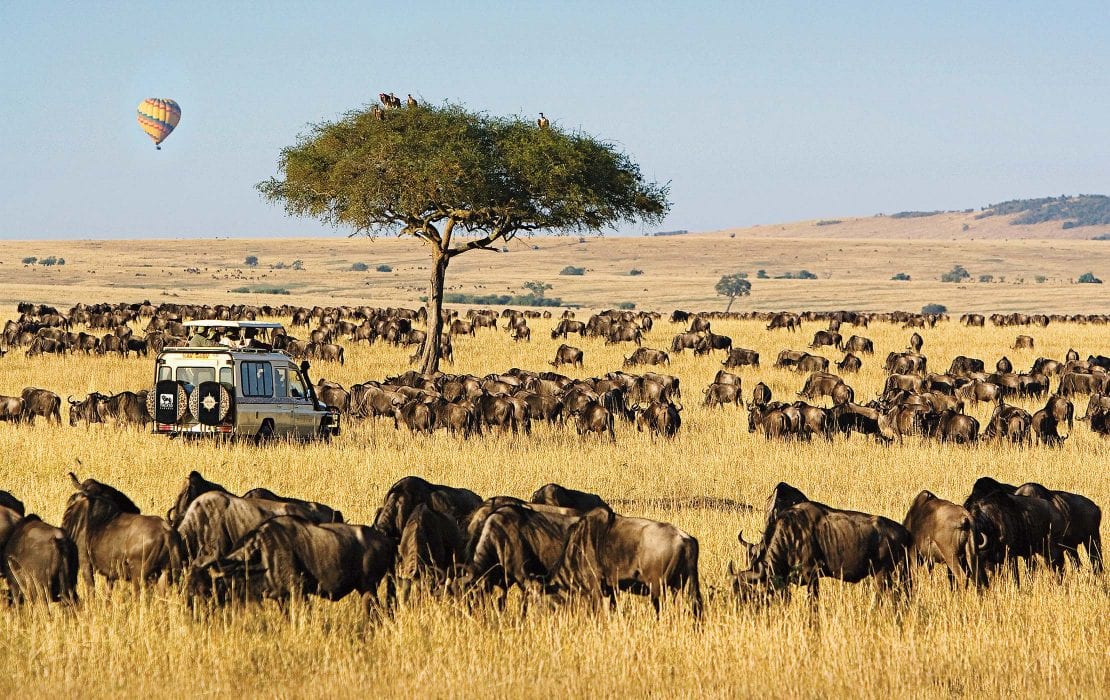
A 1-week (7-day) Kenya safari is best planned by focusing on the "Classic Southern Circuit" (Amboseli, Nakuru, Masai Mara) to maximize wildlife viewing, including the Big Five. Key steps include flying into Nairobi (NBO), booking a 4x4 Land Cruiser with a guide, and visiting during dry seasons (June-October/Jan-Feb) for the best experience.
Popular 7 Day Kenya safari itineraries
7-days-budget-kenya-safari-holiday-vacation-tour
7-days-amboseli-kenya-and-serengeti-fly-in-tanzania-safari
7-days-masai-mara-safari-tour-and-serengeti-safari-tour-in-kenya-and-tanzania
7-days-best-of-kenya-wildlife-safaris-itinerary
7-days-kenya-wildlife-safari-to-kenya-beach-holiday-at-diani-beach
7-days-ultimate-budget-kenya-tanzania-safari-holiday-vacation
7-days-ultimate-africa-big-cats-kenya-safari-holiday-best-parks
7-days-kenya-honeymoon-safari-holiday-and-vacation-couple-escape
7-days-kenya-family-safari-package-and-zanzibar-beach-holiday-vacation
7-days-best-africa-big-cats-safari-in-kenya
7 Days Kenya safari tour package
A 7-day Kenya safari is a masterfully balanced journey that captures the soul of East Africa, offering a rhythmic transition from the urban energy of Nairobi to the vast, predator-rich plains of the Masai Mara. This itinerary is designed for maximum diversity, taking you through three distinct ecosystems: the elephant-studded marshes of Amboseli, the rhino sanctuaries of the Great Rift Valley, and the legendary savannahs of the Mara. You will witness nature on a grand scale, from the towering peak of Mount Kilimanjaro to the shimmering, pink-hued shores of Lake Nakuru. Beyond the wildlife, this expedition provides a deep immersion into the cultural heritage of the Maasai people and the vital conservation efforts that protect the "Big Five." Whether you are tracking a leopard in the riverine forests or watching a sunset over the golden grasslands, these seven days offer a complete and unhurried introduction to the wild heart of Kenya.
Day 1: Arrival in Nairobi and Safari Briefing
Your adventure begins in Nairobi, a bustling capital where modern skyscrapers overlook the grazing giraffes of the nearby national park. Upon arrival, you are met by your expert guide for a comprehensive briefing on the week ahead. This is the perfect time to discuss your specific interests—whether photography, birding, or tracking the Big Five. If time allows, you might visit the Sheldrick Wildlife Trust to see orphaned elephants or the Giraffe Centre for a close-up encounter with the endangered Rothschild species. The evening is spent at a comfortable hotel, allowing you to recover from your flight and enjoy a "Welcome Dinner." As you prepare for the bush, the sounds of the city fade, replaced by the anticipation of the vast wilderness that awaits you at dawn in the southern plains.
Day 2: Drive to Amboseli National Park
Leaving Nairobi, you head southeast toward the border of Tanzania, arriving at Amboseli National Park by midday. As you enter, the horizon is dominated by the majestic, snow-capped Mount Kilimanjaro, providing a breathtaking backdrop to your afternoon game drive. Amboseli is world-renowned for its massive "tuskers"—large elephant bulls that roam the plains with unparalleled grace. You will explore the park’s unique hydrology, where underground springs from the mountain create lush emerald swamps in an otherwise arid landscape. These marshes are magnets for hippos, buffaloes, and a variety of waterfowl. Your first afternoon in the bush concludes with a spectacular sunset over the mountain, as you settle into your lodge located in the heart of this elephant paradise, listening to the distant calls of the African night.
Day 3: Full Day in Amboseli National Park
Today is dedicated to a deep exploration of Amboseli’s diverse habitats. An early morning game drive offers the best chance to see Kilimanjaro’s peak clear of clouds. You will visit Observation Hill, which provides a panoramic view of the entire park, including the shimmering Lake Amboseli and the Enkongo Narok swamp. Your guide will help you spot predators like lions and cheetahs, which utilize the low scrub for cover. Between drives, you can relax at the lodge or visit a local Maasai village to learn about their nomadic traditions and coexistense with wildlife. The beauty of a full day here is the unhurried pace; you can spend time observing the complex social interactions of elephant families or tracking the elegant Kori Bustard across the salt pans before returning for a starlit dinner.
Day 4: Drive to Lake Nakuru National Park
You depart the shadows of Kilimanjaro and traverse the dramatic floor of the Great Rift Valley toward Lake Nakuru. This journey offers stunning vistas of the escarpment and dormant volcanoes. Arriving at Lake Nakuru National Park, you enter a premier rhino sanctuary. Your afternoon game drive is focused on spotting both Black and White rhinoceroses grazing along the alkaline shores. The park is also a "bird-watcher’s paradise," where flamingos and pelicans often create a shimmering pink fringe along the water’s edge. Beyond the lake, you will explore the yellow-barked fever tree forests, a favorite haunt for leopards and the rare Rothschild giraffe. This compact park packs an intense wildlife punch, offering a vivid contrast to the open plains of Amboseli before you retire to your lakeside lodge for the evening.
Day 5: Journey to the Maasai Mara National Reserve
After breakfast, you head west toward the crown jewel of Kenyan wildlife: the Maasai Mara National Reserve. As you descend into the Mara, the landscape transforms into the iconic rolling grasslands of the Serengeti ecosystem. This is the land of the "Big Cats" and the Great Migration. Arriving in time for an evening game drive, you are immediately greeted by a staggering density of plains game, including zebras, topis, and gazelles. Your guide will begin the search for the Mara’s famous lion prides as they start their nocturnal hunt. The scale of the reserve is humbling, and the sense of wild freedom is palpable as you drive toward your luxury tented camp. The night begins with the rhythmic sounds of the savannah, a prelude to the high-stakes drama of the Mara.
Day 6: Full Day in the Legendary Maasai Mara
This is the pinnacle of your safari. You have a full day to explore the vast Mara, from the Sand River to the Talek. You may opt for a pre-dawn hot air balloon safari, drifting silently over the herds as the sun rises, followed by a champagne breakfast in the bush. On the ground, you’ll head toward the Mara River, the site of dramatic crossings if visiting during the migration season. Your guide will interpret the social cues of the wildlife, helping you spot a cheetah scanning from a termite mound or a leopard stashing a kill in a tree. A picnic lunch under a lone acacia tree provides the quintessential "Out of Africa" experience. This day is about total immersion in the cycle of life, ending with a final, golden-hour game drive.
Day 7: Sunrise Drive and Return to Nairobi
On your final morning, you embark on a sunrise game drive to catch the predators at their most active. The early light provides a soft glow over the savannah, perfect for final photographs of the Big Five. Watch the elephants begin their daily trek to the river and hear the morning chorus of the Mara’s 450 bird species. After a hearty bush breakfast, you begin the drive back to Nairobi, passing through the bustling town of Narok and climbing the Rift Valley escarpment. This journey allows you to reflect on the incredible encounters of the past week. Arriving in Nairobi in the late afternoon, you are transferred to the airport for your departure, carrying with you the indelible spirit of the Kenyan plains and memories of a lifetime spent in the wild.
Planning Your 7-Day Kenya Safari: Essential FAQ
Embarking on a week-long journey through Kenya’s wilderness requires a blend of logistical precision and a spirit of adventure. To help you navigate the planning process, here is a detailed breakdown of the most common questions regarding timing, logistics, and preparation.
1. When is the best time for a 7-day Kenya safari?
Timing is everything when it comes to the African wilderness. The period from July to October is widely considered the "Gold Standard" for a 7-day safari. This is the peak of the dry season, which triggers the world-famous Great Migration in the Masai Mara. During these months, over a million wildebeest and zebras move into Kenya from the Serengeti, creating a high-density theater of predator-prey action. Because the grass is short and water sources are limited, animals congregate around rivers and waterholes, making them significantly easier to spot.
However, the January to February window is a "hidden gem" for many seasoned travelers. This short dry season offers clear, sunny skies and excellent visibility. It is also the calving season for many species; the sight of thousands of newborns on the plains is not only heartwarming but also attracts intense predator activity. While the "Green Season" (March to May) brings lush landscapes and lower prices, the heavy rains can make some roads impassable and the tall grass can hide elusive cats like leopards.
2. How far in advance should I book my 7-day safari?
The "lead time" for a safari depends heavily on your desired level of exclusivity. For the peak migration season (July–October), you should ideally book 3 to 6 months in advance. The most sought-after luxury tented camps and lodges—especially those located inside the Masai Mara or directly overlooking the Mara River—are often fully committed a year out. Early booking ensures you secure a spot in the heart of the action, rather than being forced to stay outside the park gates, which can add hours of transit to your game drives.
If you are planning for the low or shoulder seasons (November to June), a window of 2 to 3 months is usually sufficient. This allows for more spontaneous planning and often gives you the leverage to find "last-minute" deals or upgrades. However, even in the low season, if you have your heart set on a specific high-end boutique camp with only 6 or 8 tents, the earlier you book, the better.
3. What is the typical 7-day safari route?
The most popular and efficient 7-day route is known as the "Southern Circuit." This route minimizes backtracking and maximizes the diversity of ecosystems. Most itineraries begin and end in Nairobi, Kenya's central hub. From here, you typically head to Amboseli National Park (2 nights), famous for its massive elephant herds and iconic views of Mount Kilimanjaro.
Next, you traverse the Great Rift Valley to Lake Nakuru or Lake Naivasha (1 night). This stop provides a contrast to the dry savannah, offering rhino sanctuaries, boat safaris, and incredible birdlife. The grand finale is almost always the Masai Mara (3 nights). Spending three nights here is crucial; it allows you to explore different sectors of the reserve and increases your chances of witnessing a river crossing or a big cat hunt. This 2-1-3 night rhythm ensures a balanced pace that covers the Big Five and the best landscapes Kenya has to offer.
4. Should I choose a group or private safari?
This choice ultimately boils down to a trade-off between budget and flexibility. A private safari is the gold standard for enthusiasts. You have exclusive use of the 4x4 vehicle and the undivided attention of your guide. This means you can dictate the schedule: if you want to spend three hours watching a leopard protect its kill, you can. It allows for a deeper, more personalized connection with the wilderness and is ideal for photographers, families, or couples seeking intimacy.
Group-joining safaris, on the other hand, are a fantastic way to make the 7-day experience more budget-friendly. You share the vehicle and costs with 4–6 other travelers. While you lose some control over the daily "game plan," it is a highly social experience that often leads to lifelong friendships. Most reputable operators ensure that everyone in a group safari still gets a window seat, so your viewing experience isn't compromised. For a first-timer on a budget, a group tour is a practical and lively introduction to Kenya.
5. What is the difference between a lodge and a tented camp?
In the Kenyan bush, "tented" does not mean "basic." Tented camps are often the pinnacle of safari luxury. These are permanent structures with canvas walls, wooden floors, and full en-suite bathrooms. They offer a "sensory immersion"—you can hear the hippos grunting in the river and the wind rustling the grass, creating a deep connection with nature. They are usually smaller and more exclusive, often catering to fewer than 20 guests.
Lodges are traditional, solid-structure hotels made of stone and timber. They typically offer more "urban" amenities, such as larger swimming pools, multiple dining halls, and air conditioning. Lodges are often larger than tented camps and can feel more like a traditional resort. They are an excellent choice for families with young children or those who feel more secure behind solid walls. In a 7-day itinerary, many travelers choose to mix both: staying in a lodge in Amboseli and a luxury tented camp in the Mara for the best of both worlds.
6. What is not included in a typical safari package?
It is important to understand the "fine print" of safari pricing. While most 7-day packages are "Full Board" (including accommodation, meals, and game drives), several items are almost always excluded. International flights to and from Nairobi are the traveler's responsibility. Visa fees (now the eTA) and travel insurance are also external costs.
On the ground, "extras" like laundry services, premium alcoholic beverages, and optional activities like hot air balloon rides or Maasai village visits usually carry additional fees. One of the most important exclusions to budget for is tipping. It is customary to tip your safari guide (approx. $10–$15 per person per day) and the lodge staff. These tips are a vital part of the local economy and reward the exceptional service that makes a safari so special.
7. Should I fly or drive between parks?
The choice between driving and flying is a choice between scenery and time. Driving is the most common way to see Kenya. It allows you to witness the changing landscapes, pass through vibrant rural towns, and stop at the Rift Valley viewpoints. However, the roads can be bumpy and dusty, and a drive from Nairobi to the Mara can take 6 hours.
Flying (via domestic carriers like SafariLink) is the "luxury shortcut." These bush flights turn a 6-hour drive into a 45-minute scenic hop. Flying saves you from "travel fatigue" and effectively buys you two extra game drives over a 7-day period. Many high-end itineraries use a hybrid model: driving to the closer parks like Amboseli or Nakuru and flying from the Masai Mara back to Nairobi on the final day to end the trip on a comfortable, high note.
8. What is the best way to get around?
The vehicle you choose is your "office" for 7 days. The industry standard is a customized 4x4 Land Cruiser. These vehicles are built for the bush, featuring heavy-duty suspension, high ground clearance, and—most importantly—a pop-up roof. This allows you to stand up and have a 360-degree, unobstructed view of the wildlife, which is essential for photography and spotting animals in tall grass.
Some budget-friendly tours use safari minivans. While these also have pop-up roofs, they lack the "go-anywhere" capability of a Land Cruiser, especially in the muddy terrain of the Masai Mara during the rainy season. Regardless of the vehicle, ensure your operator guarantees a window seat for every passenger. A good 4x4 Land Cruiser also comes equipped with a long-range radio, allowing your guide to communicate with others to find that elusive leopard or a fresh lion kill.
9. Do I need a visa?
As of 2024, Kenya has transitioned from a traditional visa system to the Electronic Travel Authorization (eTA). Every visitor, including children, must apply for this online before they fly. It is a mandatory requirement for entry and usually takes about 3 to 7 days to process, though it is highly recommended to apply at least two weeks before your departure.
The eTA process requires you to upload your flight itinerary and hotel bookings, so you should only apply once your 7-day safari is confirmed. It is also important to check if your itinerary includes a crossing into Tanzania or Uganda; if so, you may need an East Africa Tourist Visa, which allows multiple entries between the three countries. Always carry a printed copy of your approved eTA alongside your passport to avoid any delays at immigration.
10. What is the best currency to use?
Kenya has a dual-currency system for tourists. The Kenyan Shilling (KES) is the local currency and is essential for small purchases, local markets, and tips at small roadside stops. However, US Dollars (cash) are widely accepted and often preferred in safari lodges and for larger souvenir purchases.
There is a very specific rule regarding US Dollars: they must be "New Generation" bills (printed after 2013). Banks and businesses in Kenya often refuse older, worn, or torn US currency due to counterfeiting concerns. We recommend carrying a mix of Shillings and crisp, small-denomination US Dollar bills ($1, $5, $10, and $20). Credit cards (Visa and Mastercard) are accepted in major lodges and Nairobi hotels, but the "bush economy" still runs largely on cash.
11. What should I pack for a 7-day safari?
Packing for the bush is about utility and layers. You need neutral-colored clothing (khaki, olive, beige, or tan). These colors don't just help you blend in; they are also practical for hiding the fine red dust of the savannah. Avoid dark blue or black, as these colors attract tsetse flies, and bright colors, which can startle timid wildlife.
Because the equator can be deceptive, you must pack for wide temperature swings. Early morning game drives can be as cold as 10°C (50°F), requiring a warm fleece or lightweight jacket, while middays can reach 30°C (86°F). Essential gear includes high-quality binoculars (8x42 is ideal), a camera with a good zoom lens, and plenty of sunscreen and insect repellent. A wide-brimmed hat and polarized sunglasses will protect you from the intense glare of the African sun.
12. Is there malaria in Kenya?
Yes, Kenya is located in a malaria-risk zone, particularly in low-lying areas like the Masai Mara and the coast. While many safari lodges are at higher, cooler altitudes where the risk is lower, it is never zero. You should consult your doctor or a travel clinic at least 6 weeks before your trip to discuss malaria prophylactics.
Prevention is a multi-layered approach. In addition to medication, you should practice "bite prevention": wear long sleeves and trousers at dawn and dusk, use a DEET-based insect repellent, and always sleep under the mosquito nets provided by the lodges. Most luxury camps also provide "insect spray" in the rooms and turn down your bed with the net closed as part of their evening service. Being proactive ensures that a small mosquito bite doesn't interrupt your holiday.
13. Do I need special vaccinations?
Beyond routine vaccinations like Hepatitis A/B and Typhoid, which are recommended for almost all international travel, you should check the latest requirements for Yellow Fever. If you are arriving in Kenya from a country with a risk of Yellow Fever (such as neighboring Ethiopia or Uganda), you must show a valid vaccination certificate to enter.
Kenya also periodically updates its requirements for COVID-19 and other infectious diseases, so checking the official travel portal a month before departure is wise. It is also worth carrying a small "traveler’s medical kit" containing rehydration salts, anti-diarrheal medication, and basic painkillers. While lodges have first-aid kits, having your own supply for minor ailments ensures you don't miss a single game drive due to a simple headache or an upset stomach.
Booking 1 week Kenya safari with us Roads of Adventure safaris
Roads of Adventure Safaris offers personalized 1-week (7-day) Kenya wildlife tours, focusing on iconic destinations like Masai Mara, Amboseli, and Lake Nakuru. Packages typically include private 4x4 land cruiser transport, professional guides, park fees, and accommodation. Bookings can be initiated by contacting them directly to customize itineraries to your interests.
