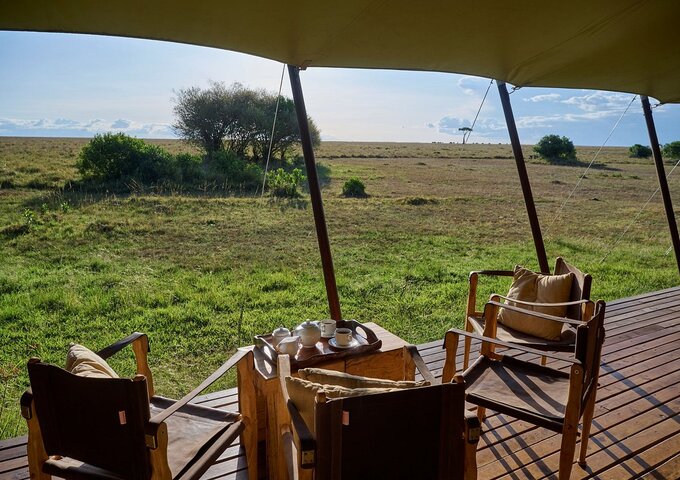
To lower costs on a 12-day Tanzania safari, opt for a group camping tour, travel during the shoulder/low season (April–May, Nov), and book directly with local Tanzanian operators. Focus on fewer parks to reduce long-distance driving and fuel costs, while prioritizing public campsites or budget tented camps to avoid expensive lodge prices.
12-days-best-tanzania-and-kenya-safari-combo-itinerary
12-days-perfect-tanzania-zanzibar-beach-holiday-tour-package
12-days-budget-tanzania-safari-itinerary-visiting-tanzania-on-budget
12-days-kilimanjaro-and-safari-in-northern-tanzania-safari-parks
12-days-tanzania-safari-and-culture-experience
12-days-tanzania-photography-safari-capturing-the-wild-with-lenses
Top Strategies to Cut Costs
Strategic Approaches to Reducing Costs on Your 12-Day Safari
Reducing the cost of a comprehensive Tanzanian safari requires a blend of logistical savvy and a willingness to prioritize experiences over high-end amenities. By understanding where the primary expenses lie—specifically in vehicle logistics, accommodation premiums, and park entry fees—you can effectively trim thousands of dollars from your budget without sacrificing the quality of your wildlife sightings.
Join a Group Safari
Sharing a vehicle, driver, and guide is arguably the most impactful decision you can make to lower the per-person cost of your 12-day journey. In the safari world, the vehicle and the professional guide are the largest "fixed" costs. Whether there is one person in the Land Cruiser or six, the fuel consumption, the guide's daily wage, and the vehicle's wear and tear remain essentially the same. By joining a group, these substantial daily costs are split among multiple travelers, often resulting in savings of $100 to $200 per day compared to a private tour.
Beyond the financial benefits, group safaris offer a unique social dimension, allowing you to share the thrill of a lion hunt or a rare rhino sighting with fellow enthusiasts. While you do trade away the total flexibility of a private schedule, most group itineraries are expertly timed to maximize game viewing. This strategy is particularly effective for solo travelers or couples who would otherwise bear the full brunt of the vehicle and driver fees alone.
Travel in Low or Shoulder Season
Timing is everything when it comes to Tanzanian pricing. The "Peak Season" (July to October) sees lodges operating at 100% capacity and charging premium rates. However, traveling during the Low Season (April to May) or Shoulder Season (November to mid-December) can result in accommodation discounts of up to 50%. During these months, luxury lodges that usually charge $600 per night might drop their rates to $300 to attract visitors.
While these months coincide with the rainy seasons, the "Green Season" offers distinct advantages. The landscape is lush and vibrant, the dust is non-existent, and the parks are significantly less crowded. You can often enjoy high-profile sightings in the Ngorongoro Crater or Central Serengeti without twenty other vehicles surrounding you. If you are willing to pack a raincoat and navigate some muddy roads, the financial savings are immense, allowing you to stay in higher-tier lodges that would otherwise be out of reach.
Opt for Camping
Accommodation is the most variable cost in any safari budget. While luxury lodges offer mahogany floors and fine dining, Budget Camping offers an authentic, "boots-on-the-ground" connection to the African wilderness. Public campsites located inside the national parks typically cost between $30 and $100 per night, inclusive of the services of a private safari chef who travels with you to prepare hot, fresh meals.
Choosing to camp doesn't mean sacrificing the quality of your wildlife experience. In fact, campers often hear the roar of lions or the "laugh" of hyenas right outside their tents, providing a sensory experience that thick lodge walls often block out. For a 12-day trip, choosing camping over mid-range lodges can save a couple over $3,000. Many travelers find a "hybrid" approach works best: camping for the majority of the trip and splurging on a comfortable lodge for the final night or the time spent in the Ngorongoro highlands.
Choose Local Tour Operators
Many international travel agencies act as "middlemen," taking a significant commission (often 15% to 25%) simply for facilitating the booking. By booking directly with a local tour operator based in Arusha, you cut out these extra fees. Local operators have a direct pulse on the parks, their own fleet of vehicles, and established relationships with lodge managers, which often allows them to negotiate better "last-minute" or "local" rates.
Furthermore, booking locally ensures that a larger percentage of your money stays within the Tanzanian economy, supporting local guides, mechanics, and administrative staff. When researching local companies, look for those registered with TATO (Tanzania Association of Tour Operators) and check recent reviews on platforms like SafariBookings or TripAdvisor. This direct communication also allows for more personalized itinerary adjustments, as you are speaking directly to the people who will be executing your 12-day adventure.
Focus on Key, High-Value Parks
A common mistake is trying to "see it all" by visiting five or six different parks in 12 days. Each park move involves significant driving time, increased fuel consumption, and multiple entry fees. A more cost-effective strategy is to concentrate your 12 days on three high-value parks, such as Tarangire, Ngorongoro, and the Serengeti. These parks are world-class and offer a diverse range of habitats and species.
By spending three or four nights in one location (particularly the Serengeti), you reduce the daily mileage on the vehicle and allow your guide to find the best wildlife "hotspots" without being rushed to the next gate. This "slow safari" approach not only saves money on fuel and transit but also results in a much more relaxed and immersive experience. You spend more time watching animals interact and less time looking at the dusty roads between park boundaries.
Limit High-Cost Add-On Activities
The core of a safari is the game drive, which is usually included in your base price. However, many "bucket list" activities come with a hefty surcharge. A Hot Air Balloon Safari over the Serengeti typically costs between $500 and $600 per person for a one-hour flight. Similarly, guided walking safaris or night game drives in private concessions often carry additional permit and ranger fees that can add hundreds of dollars to the final bill.
If you are on a strict budget, focusing purely on morning and afternoon game drives is the best way to keep costs contained. The wildlife viewing from a 4x4 Land Cruiser is spectacular and covers much more ground than a walking safari ever could. If you do want to splurge on one activity, choose the one that truly aligns with your interests, but recognize that the "standard" game drive remains the most effective and value-driven way to see the "Big Five" and the Great Migration.
Plan Around Park Fees
Park entry fees are non-negotiable and are calculated on a 24-hour basis. In 2026, fees for major parks like the Serengeti and Ngorongoro range from $45 to $70 per person, per day. Additionally, the Ngorongoro Crater has a "crater descent fee" of approximately $300 per vehicle per entry. If you enter a park at 2:00 PM and leave at 10:00 AM the next day, you are charged for a full 24-hour period.
To maximize your money, work with your guide to time your entries and exits carefully. Spending multiple days in the Serengeti—where you pay the fee once for every 24 hours you stay inside—is more efficient than jumping in and out of different parks every day. By staying within the park boundaries (either at a camp or lodge), you get the most "game time" for your permit fee. Understanding these 24-hour cycles ensures you aren't paying for a full day's entry fee for just a three-hour morning drive on your way out of the park.
12-Day Budget Tanzania Safari Holiday: The Wild on a Shoestring
Embarking on a 12-day budget safari in Tanzania is proof that you don’t need a fortune to witness the world’s most magnificent wildlife spectacles. This itinerary is strategically designed to maximize your time in the "Big Five" territory while keeping costs low through the use of public campsites, group-sharing vehicles, and overland travel. From the baobab-studded plains of Tarangire to the endless horizons of the Serengeti and the lost world of the Ngorongoro Crater, you will experience the raw, unfiltered pulse of the African bush. By choosing the budget path, you swap ivory-tower luxury for an authentic connection to nature—sleeping under a canopy of stars, listening to the distant "whoop" of hyenas, and sharing stories around a campfire. This journey is about the thrill of the chase, the clarity of the savannah air, and the realization that the greatest experiences in life are often the ones that bring us closest to the earth.
Day 1: Arrival in Arusha – Gateway to the Wild
Your adventure begins upon arrival at Kilimanjaro International Airport. After clearing customs, you will be met by a representative and transferred to a comfortable, budget-friendly hotel in Arusha. This vibrant city sits at the base of Mount Meru and serves as the logistical hub for the Northern Circuit. Use this first day to rest after your flight, meet your fellow travelers if you are on a group safari, and enjoy a comprehensive briefing from your lead guide. If time permits, you can explore the local markets or visit the Arusha Declaration Museum. Dinner is usually at your own expense today, offering a great chance to try local Tanzanian dishes like pilau or nyama choma at a nearby eatery before the early start tomorrow.
Day 2: Tarangire National Park – The Land of Giants
After an early breakfast, you head southwest to Tarangire National Park. Known for its massive elephant herds and ancient, "upside-down" baobab trees, Tarangire offers a rugged and beautiful introduction to the Tanzanian wilderness. During the dry season, the Tarangire River becomes the only permanent water source for miles, drawing thousands of animals to its banks. You will spend the day on game drives, spotting elephants, zebras, and perhaps tree-climbing pythons or leopards. Lunch is a picnic at a scenic viewpoint overlooking the river. Your first night of camping will be at a public campsite just outside the park, where your camp cook will prepare a hearty meal over an open fire as you settle into the rhythm of the bush.
Day 3: Lake Manyara National Park – The Emerald Jewel
Today’s journey takes you to the base of the Great Rift Valley escarpment to explore Lake Manyara National Park. This park is a mosaic of habitats, from lush groundwater forests to the alkaline waters of the lake itself. It is most famous for its tree-climbing lions and the thousands of flamingos that tint the shoreline pink. As you drive through the forest, keep an eye out for troops of baboons and blue monkeys, while the floodplains provide excellent sightings of giraffes and buffalo. After a full day of exploration, you will travel to a campsite in the nearby village of Mto wa Mbu. This vibrant community is a cultural melting pot, and your evening at camp will be filled with the sounds of local life and the cooling Rift Valley breeze.
Day 4: Journey to the Serengeti via Ngorongoro Highlands
Leaving the valley floor, you ascend the steep escarpment and drive through the lush Ngorongoro Highlands. The road provides spectacular views of the crater below before descending onto the vast, flat plains of the Serengeti. This is a "game drive en route" day, as the wildlife begins to appear the moment you pass through the Naabi Hill gate. You will see gazelles, ostriches, and kori bustards dotting the landscape. Your budget camp is located in the central Seronera region, an area famous for its high density of big cats. Unlike luxury lodges, these campsites are unfenced, offering a thrillingly authentic experience where you might hear the nocturnal activities of the wild from the safety of your tent.
Day 5: Central Serengeti – Big Cat Capital
A full day in the Central Serengeti allows you to dive deep into the heart of predator territory. The Seronera Valley is home to resident prides of lions, numerous leopards that frequent the acacia trees along the river, and cheetahs that hunt on the open plains. You will depart at dawn to catch the predators while they are still active. Your guide will navigate the network of tracks, searching for kills or rare sightings like a serval cat or a caracal. Between game drives, you will return to camp for a hot lunch or enjoy a picnic in the bush. The afternoon is spent exploring the various "kopjes"—granite rock islands that act as lookout points for lions—before returning to your campsite for another night under the vast African sky.
Day 6: Following the Great Migration
On Day 6, the itinerary follows the seasonal movement of the Great Migration. Depending on the time of year, you may head north toward the Mara River or south toward the Ndutu plains. Budget camping in these more remote areas is a highlight for many, as it places you right in the path of over 1.5 million wildebeest and zebras. The sheer scale of the herds is staggering, and the air is filled with the constant grunting of the animals. You will witness the complex social dynamics of the trek and the relentless pressure from pursuing predators. This day is about the raw drama of survival, and your guide will ensure you are in the best position to see the movement without the high price tag of the luxury mobile camps.
Day 7: Serengeti to Ngorongoro Crater Rim
After a final morning game drive in the Serengeti, you begin the trek back toward the Ngorongoro Conservation Area. The drive takes you across the plains and back into the highlands. You may choose to stop at Olduvai Gorge (optional), the famous archaeological site where early hominid fossils were discovered. Your campsite for the night is the Simba Campsite, situated right on the rim of the Ngorongoro Crater. At 2,300 meters, it can get very cold at night, but the view at sunrise is unparalleled. You will fall asleep to the mist rolling over the crater rim, knowing that tomorrow you will descend into one of the world's most unique wildlife havens.
Day 8: Ngorongoro Crater – The Natural Amphitheater
At dawn, you descend 600 meters into the Ngorongoro Crater for a half-day game drive. This collapsed volcano is home to nearly 25,000 large animals, including the endangered black rhino. Because of the permanent water and grazing, most animals do not migrate, leading to incredible sighting density. You will see lions, hyenas, and massive "tusker" elephants roaming the crater floor. The Lerai forest and the soda lake provide diverse backdrops for photography. After a picnic lunch by the hippo pool, you will ascend the crater walls and drive to the town of Karatu. Staying in a budget lodge or campsite here offers a chance for a hot shower and a bit of "civilization" after the rugged camping of the Serengeti.
Day 9: Cultural Immersion at Lake Eyasi
Today offers a change of pace as you travel to the shores of Lake Eyasi to meet the Hadzabe and Datoga tribes. The Hadzabe are one of the last true hunter-gatherer tribes in the world. You will have the opportunity to join the men on a morning hunt or learn foraging techniques from the women. Their click-based language is a fascinating link to our human past. Afterward, visit the Datoga blacksmiths, who are known for their traditional metalwork. This cultural immersion is a profound reminder of the deep history of the Rift Valley. You will spend the night at a budget camp near the lake, enjoying a quieter, more reflective atmosphere compared to the high-energy game drives of the previous days.
Day 10: Karatu and Mto wa Mbu Village Tour
You return toward the main road, stopping in the village of Mto wa Mbu for a comprehensive cultural tour. This village is unique because it is home to representatives from nearly all of Tanzania’s 120 tribes. You will visit local farms, see traditional woodcarving, and enjoy a traditional Tanzanian lunch prepared by a local women’s group—a delicious spread of matoke, beans, and fresh fruit. This day supports local community initiatives and offers a authentic look at modern Tanzanian life. In the afternoon, you can explore the local markets for souvenirs or simply relax at your campsite in Karatu. It’s a perfect "recharge" day before the final leg of your journey.
Day 11: Lake Manyara Treetop Walk and Return to Arusha
On your penultimate day, you have the option to visit the Lake Manyara Treetop Walkway, Africa's longest skywalk. This provides a bird’s-eye view of the forest canopy and the wildlife below. Alternatively, you can enjoy a final short game drive or a guided nature walk near the Rift Valley escarpment. The afternoon is spent driving back to Arusha, watching the landscape shift from wild savannah back to bustling urban centers. You will check back into your budget hotel in Arusha for a final night. This is a great time to have a farewell dinner with your group and guide, celebrating the incredible sightings and the bond formed over the past eleven days in the bush.
Day 12: Farewell to Tanzania
Your 12-day budget safari concludes with a final breakfast at your hotel. Depending on your flight schedule, you may have a few hours for last-minute shopping at the Cultural Heritage Center or the Maasai Market in Arusha. Your representative will then transfer you to Kilimanjaro International Airport for your departure flight. As you fly over the vast plains you just explored, you leave with a memory card full of photos and the satisfaction of having experienced the very best of Tanzania’s wilderness in the most authentic, budget-friendly way possible. You've proven that the magic of the Serengeti isn't found in a luxury suite, but in the dust of the road and the roar of the wild.
1. When is the best time to book a budget 12-day Tanzania safari holiday to save money?
Timing is the most powerful lever you can pull to reduce the cost of a 12-day Tanzanian adventure. To achieve the deepest discounts, you should target the Low Season (April and May). During these months, often called the "long rains," luxury lodges that typically charge $800 per night may slash their rates to $300 or less to maintain occupancy. While rain is more frequent, it often arrives in dramatic afternoon bursts, leaving the rest of the day clear for photography. The "Green Season" also offers the benefit of no crowds; you can enjoy the Ngorongoro Crater or the Serengeti plains in near-solitude.
If you are wary of heavy rain, the Shoulder Season (November to mid-December) is an excellent compromise. During this "short rain" period, the landscape turns vibrant green, and many operators offer significant discounts compared to the peak July–October window. Furthermore, because demand is lower during these months, you have more bargaining power with local operators. You can often secure "mid-range" accommodations at budget prices simply because lodges would rather have a guest at a discount than an empty room. Planning your 12-day trip during these windows can effectively cut your total land-only cost by 30% to 50%, allowing for a much longer or more comfortable stay for the same price.
2. How can joining a group save money on my Tanzania safari holiday?
In the world of East African travel, the vehicle and the guide represent the largest "fixed" daily expenses. A rugged 4x4 Land Cruiser costs the same in fuel, maintenance, and driver wages whether it is carrying one person or six. By joining a Group Safari, you effectively divide these substantial costs among all participants. On a 12-day itinerary, this "cost-sharing" model typically makes the trip 15% to 25% cheaper than a private tour. For solo travelers, the savings are even more dramatic, often reaching 50% since they avoid the "single supplement" on vehicle hire.
Beyond the logistical savings, group tours often benefit from the "economies of scale" at campsites and lodges. Operators who fill entire vehicles can negotiate better group rates for overnight stays. While you do trade away some flexibility—such as deciding exactly when to leave for a game drive—reputable group tours are designed to maximize wildlife viewing for everyone. For a budget-conscious traveler, the social aspect is an added bonus; sharing the excitement of a leopard sighting with new friends from around the world is a quintessential part of the safari experience.
3. Is camping cheaper than lodges for a 12-day budget Tanzania safari holiday?
Absolutely. Choosing Public Camping over permanent lodges is the single most effective way to stay within the national parks without spending a fortune. In Tanzania, luxury lodges inside the Serengeti or Tarangire often start at $400 per person per night. In contrast, public campsites cost approximately $30 to $50 per night in park fees. When you opt for a camping safari, you usually travel with a dedicated chef who prepares all your meals, ensuring your food costs remain low and predictable.
Camping provides an authentic, "unplugged" connection to the wild that lodges cannot replicate. You sleep in high-quality, weather-proof tents on the ground, protected by the sounds of the African night. There is no fence between you and the wilderness, so it is not uncommon to hear buffalo grazing nearby or the distant "whoop" of a hyena. For a 12-day trip, switching from mid-range lodges to camping can save a couple upwards of $3,500. This budget can then be redirected toward extending the trip or adding a few days of relaxation on the beaches of Zanzibar.
4. Should I pick drive-in or fly-in for a low-cost Tanzania safari holiday?
If saving money is your priority, Driving is the only logical choice. While domestic "bush flights" between Arusha and the Serengeti are scenic and time-saving, they are expensive, often costing between $200 and $400 per leg. For a 12-day holiday, flying between multiple parks can easily add $1,000 or more to your per-person budget. Driving in a 4x4 safari vehicle allows you to see the "real" Tanzania—passing through rural villages, Maasai bomas, and changing landscapes that you would miss from the air.
Furthermore, when you drive, your vehicle is with you for the entire journey, which eliminates the need to pay for separate "game package" transfers at each lodge. Modern safari vehicles are equipped with pop-up roofs for 360-degree viewing and are built to handle the "African massage" of bumpy dirt roads. While driving takes longer, it allows for "game viewing en route," meaning your transit time between parks often turns into an unexpected opportunity to spot wildlife. For a budget traveler, the $300–$500 saved by avoiding flights can cover almost a week’s worth of park entry fees.
5. Which parks offer the best value on a 12-day budget Tanzania safari holiday?
To maximize value, you should focus on Tarangire National Park and Lake Manyara. While the Serengeti is world-famous, it is also the most expensive to reach and stay in due to its size and distance. Tarangire, located closer to Arusha, offers some of the highest wildlife densities in Tanzania—especially its legendary elephant herds—at a lower logistical cost. During the dry season, the wildlife is concentrated around the Tarangire River, providing Big Five sightings that rival the Serengeti for a fraction of the fuel and transit time.
Lake Manyara is another high-value gem. It is smaller and can be explored thoroughly in a single day, saving you on multiple days of park fees. It offers a unique groundwater forest habitat and tree-climbing lions. If you are on a 12-day budget, consider spending more time in these "entryway" parks and then moving to the Serengeti for a shorter, targeted duration. This strategy allows you to enjoy world-class game viewing while minimizing the high "per-day" costs associated with the more remote areas of the Northern Circuit.
6. How far in advance should I book my 12-day budget Tanzania safari holiday?
For a budget traveler, the "early bird" truly does get the worm. Booking 6 to 12 months in advance is the best way to secure lower prices. While the park fees are fixed by the government, many budget-friendly lodges and campsites have limited capacity. The most affordable options fill up first, leaving last-minute travelers with the choice of either "camping rough" or paying for a luxury lodge they didn't want.
Additionally, many local operators offer early booking discounts of 10% to 15% to secure their season's schedule. Booking early also allows you to lock in current year prices before the annual inflation-adjusted increases usually occur in January. Perhaps most importantly, it gives you the widest choice of "group-joining" dates. Since group safaris require a minimum number of people to be cost-effective, booking early ensures you get a slot on an established departure, preventing you from having to pay the higher "private" rate if a group doesn't form around your specific dates.
7. How can I avoid hidden costs during a 12-day budget Tanzania safari holiday?
The key to avoiding "safari sticker shock" is a detailed, line-item contract. Many "budget" quotes look attractive because they exclude National Park Fees, Camping Fees, and the Ngorongoro Crater Descent Fee. These government-mandated costs are substantial; for example, the Crater fee alone is nearly $300 per vehicle. Before paying a deposit, ask your agent for an "all-inclusive" quote that specifically mentions these fees.
Other common hidden costs include drinking water and tips. While some operators provide unlimited water, others charge for it. Additionally, check if your "itinerary" includes the 18% VAT (Value Added Tax) that the Tanzanian government applies to tourism services. By ensuring your operator provides a "net" price inclusive of all taxes and fees, you can budget accurately for the duration of your 12-day stay. A transparent operator will have no problem providing a breakdown of what is—and isn't—included, which protects your wallet from unexpected "gate fees" that can derail a budget holiday.
8. Are local Tanzanian companies cheaper than international ones for a safari holiday?
Yes, booking with a Local Tanzanian Operator based in Arusha or Moshi is almost always more cost-effective. International travel agencies typically act as "middlemen"—they take your booking, keep a 15% to 30% commission, and then hire a local Tanzanian company to actually run the safari. By cutting out the middleman and going direct, you ensure that more of your money goes toward the quality of your guide, vehicle, and food.
Local companies also have more flexibility with their pricing and "last-minute" availability. Because they own their own vehicles and employ their own guides, they don't have the high overhead of a London or New York office. Furthermore, local operators have a deep, personal interest in their reputation within the community and are often more invested in providing an authentic experience. When choosing a local company, look for those registered with TATO (Tanzania Association of Tour Operators) to ensure they meet safety and insurance standards while still providing the "local price" advantage.
9. What should I bring from home to save money on my Tanzania safari holiday?
Self-sufficiency is a great budget strategy. While lodges provide meals, snacks and specialty drinks are sold at a significant premium inside the parks. Bringing a supply of high-energy snacks like nuts, dried fruit, and protein bars from home can save you $10 to $20 a day in "tuck shop" purchases. Furthermore, while water is usually provided, carrying a high-quality reusable water bottle with a built-in filter can save you money and reduce plastic waste.
If you enjoy an alcoholic drink at sundown, consider buying a bottle of your preferred spirit at the airport Duty-Free or in an Arusha supermarket before heading into the parks. A single beer at a safari lodge can cost $5 to $8, whereas a bottle from a local shop is a fraction of that price. Additionally, bring a small "safari pharmacy" from home—items like sunscreen, insect repellent, and basic first-aid supplies are very expensive to buy in remote safari gift shops. Being prepared means you won't have to pay "emergency prices" for basic necessities.
10. Do I need to pay for a guide on a 12-day budget Tanzania safari holiday?
In Tanzania, you cannot realistically—or legally—self-drive through most major national parks without a licensed guide and a properly outfitted vehicle. However, the cost of the guide is where the Group-Joining strategy pays off. A professional driver-guide typically earns a daily fee of $20 to $30. On a private safari, you pay this entire fee yourself. In a group of six, you pay only about $5 per day.
A guide is not just a driver; they are your "eyes and ears" in the bush. They use high-frequency radios to communicate with other vehicles to find elusive animals like leopards or rhinos. On a 12-day trip, a good guide will teach you about animal behavior, ecology, and Tanzanian culture, turning a simple game drive into an educational journey. Trying to save money by skimping on a guide is a false economy; without their expertise, you may spend days driving past hidden wildlife, ultimately missing the very things you traveled to Africa to see.
11. How much should I tip on a budget 12-day Tanzania safari holiday?
Tipping is a standard and expected part of the safari culture in Tanzania. While it is technically "voluntary," it forms a significant portion of the income for guides and camp staff. For a budget 12-day holiday, you should plan to tip your Driver-Guide approximately $20 to $30 per day, per vehicle. If you are in a group of six, this works out to a very manageable $5 per person, per day.
For the cook on a camping safari, a tip of $10 to $15 per day (per group) is standard. Most lodges also have a "general tip box" for the behind-the-scenes staff like cleaners and gardeners; $5 to $10 per day from the group is appreciated here. It is best to tip at the very end of your safari in either US Dollars (clean, un-torn bills printed after 2006) or Tanzanian Shillings. Budgeting for these tips in advance—roughly $100 to $150 per person for the entire 12 days—ensures you aren't caught short of cash at the end of an amazing trip.
12. Are there any hidden, expensive park fees in a 12-day Tanzania safari holiday?
The most significant "budget killer" in Tanzania is the Ngorongoro Crater Descent Fee. In addition to the per-person entry fee (approx. $70), every vehicle that enters the crater must pay a "descent fee" of about $300. This is a one-time fee per entry. On a budget 12-day safari, most operators will include this in the total price, but it is vital to double-check.
To keep costs down, many budget itineraries spend only one day in the Ngorongoro Crater and then move to more "affordable" parks like Tarangire or Lake Manyara, where there are no additional vehicle descent fees. Another potential cost is the "Transit Fee." If you drive through the Ngorongoro Conservation Area to reach the Serengeti, you must pay the Ngorongoro entry fee even if you don't stop to view wildlife. A savvy budget operator will plan your route to minimize these "overlapping" fees, ensuring you only pay for the parks where you are actually spending time on a game drive.
13. Can I use USD and Tanzanian Shillings during my safari holiday?
Both US Dollars (USD) and Tanzanian Shillings (TZS) are widely used, but they serve different purposes. For large expenses like safari balances, park fees (if paying yourself), or high-end lodge purchases, USD is the standard. However, you must ensure your USD bills are printed after 2006 and are in pristine condition; Tanzanian banks and businesses often refuse older, torn, or wrinkled notes due to counterfeiting concerns.
For small, daily purchases—such as snacks in a village, tips for porters, or souvenirs at a roadside market—Tanzanian Shillings are much better. Using Shillings often gets you a better "local" price, as vendors may use a poor exchange rate if you pay in USD. There are ATMs in Arusha and Stone Town where you can withdraw Shillings using a Visa or Mastercard. For a 12-day trip, carrying a mix of both currencies—roughly $200 in Shillings for small items and the rest in USD—is the most flexible and cost-effective strategy.
14. Is it cheaper to visit Zanzibar after my 12-day budget Tanzania safari holiday?
Zanzibar can be surprisingly affordable if you avoid the all-inclusive luxury resorts on the northern coast. To save money, start by staying in a budget guesthouse in Stone Town. You can find clean, characterful rooms for $40 to $60 a night. Stone Town is also where you can find the best cheap eats, particularly at the Forodhani Gardens night market, where you can feast on local seafood and "Zanzibar pizzas" for just a few dollars.
For transport, avoid private taxis, which can cost $50 for a single trip. Instead, use the Dala-Dala (local minibusses). They are crowded and slow but cost less than $2 to go across the island. When heading to the beaches, look at the southeast coast (like Paje or Jambiani), which tends to have more budget-friendly, backpacker-style bungalows than the high-end North. Booking your ferry from Dar es Salaam to Zanzibar in advance can also save you from the "tourist premium" charged at the pier on the day of departure.
15. Does insurance help reduce costs on a 12-day budget Tanzania safari holiday?
While it seems counterintuitive to spend more money to save money, Travel Insurance is a vital "financial safety net" for a budget safari. A 12-day trip involves significant upfront costs. If you have to cancel at the last minute due to illness or a family emergency, most safari deposits are non-refundable. Insurance can reimburse these thousands of dollars.
More importantly, medical costs in remote parts of Africa can be astronomical if you require an emergency evacuation or "flying doctor" service. Without insurance, a medical emergency could cost you $20,000 to $50,000 out of pocket. Many budget safari operators actually require proof of insurance before you can board the vehicle. By spending $100 to $150 on a comprehensive policy before you leave, you protect yourself from catastrophic financial loss, ensuring that a single stroke of bad luck doesn't turn your budget holiday into a lifelong debt.
Booking 12 Days Budget Tanzania safari holiday with us Roads of Adventure safaris
Book a 12-day budget Tanzania safari with Roads of Adventure Safaris for an affordable, immersive experience, typically costing $200–$300 per day. Packages usually cover iconic Northern Circuit parks—Serengeti, Ngorongoro, and Tarangire—using budget lodges or tented camps. Contact them early for customized, sustainable itineraries in 2026–2028
