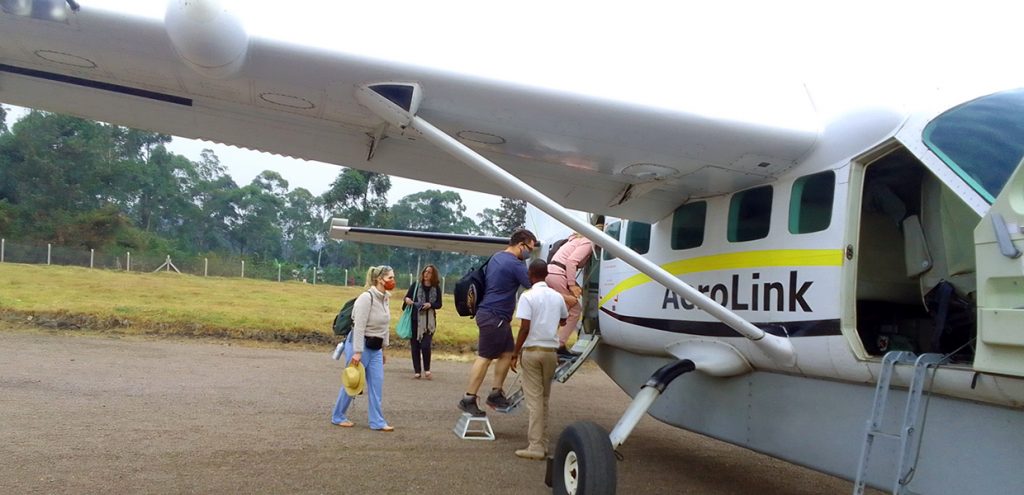
A 3-day luxury fly-in safari to Queen Elizabeth National Park involves booking a scenic, ~1.25-hour chartered flight from Entebbe International Airport (EBB) to Kasese, Mweya, or Ishasha airstrips via operators like Aerolink Uganda. The itinerary typically includes private luxury lodge accommodation, guided game drives in Kasenyi Plains, and a Kazinga Channel boat cruise.
3-Day Luxury Fly-In Queen Elizabeth Safari
3-days-fly-luxury-uganda-safari-to-queen-elizabeth-national-park
3-days-trips-to-queen-elizabeth-national-park-for-chimpanzee-tracking-in-kyambura-gorge
3-days-uganda-safari-itinerary-to-queen-elizabeth-national-park
3-days-budget-queen-elizabeth-park-uganda-wildlife-safari-holiday
The 3-Day Luxury Fly-In Queen Elizabeth Safari is the ultimate "time-saver" itinerary, designed for travelers who prioritize comfort and maximum wildlife exposure over long road transits. By swapping the six-hour drive from Kampala for a scenic 60-minute domestic flight, you soar over the lush tea estates of the central highlands and the dramatic craters of the Albertine Rift. This high-end expedition utilizes the park’s premier airstrips—Mweya or Kasese—placing you directly in the heart of the action within an hour of takeoff. From your base at an elite luxury lodge, you will enjoy private, expertly guided game drives across the predator-rich Kasenyi Plains and exclusive boat safaris along the Kazinga Channel. Framed by the majestic Rwenzori Mountains, this fly-in experience offers an seamless, sophisticated connection to Uganda's wild heart, ensuring that every moment of your three-day window is dedicated to world-class wildlife encounters and refined equatorial hospitality.
Day 1: Aerial Arrival and Evening Game Drive
Your luxury escape begins at Entebbe International Airport, where you board a scheduled domestic flight. As you fly west, enjoy a bird’s-eye view of the shimmering Lake Victoria and the jagged Rwenzori peaks. Upon landing at the Mweya or Kasese airstrip, a private professional guide will greet you in a customized 4x4 safari Land Cruiser for a transfer to your high-end lodge. After a gourmet lunch overlooking the rift valley, you’ll head out for an evening game drive through the Katwe Crater field. This prehistoric landscape of salt lakes and explosion craters is a magnet for elephants and buffaloes in the cooling afternoon air. You’ll return to the lodge for a formal three-course dinner, falling asleep to the distant, rhythmic grunts of hippos wandering the peninsula under a canopy of stars.
Day 2: Private Savanna and Water Safaris
Sunrise marks the beginning of your "Power Day." You’ll head to the Kasenyi Plains for a private game drive aimed at tracking the park’s most iconic residents: lions and the elusive leopard. With the help of an expert ranger, you’ll navigate the golden grasslands where herds of Uganda Kob congregate. After a leisurely midday "siesta" by the infinity pool, the afternoon features a private boat cruise on the Kazinga Channel. From the comfort of your vessel, you’ll glide within meters of enormous hippo pods, basking Nile crocodiles, and families of elephants lining the banks to drink. The sheer density of life and the vibrant symphony of over 600 bird species—including the African Fish Eagle—make this the most photogenic highlight of the trip, offering an intimate perspective of Africa's social wildlife hierarchy.
Day 3: Final Wildlife Patrol and Return Flight
On your final morning, enjoy a relaxed breakfast on the lodge deck or opt for a final dawn game drive to catch the predators before they retreat into the deep shade. Alternatively, you can take a short excursion to the nearby Kyambura Gorge for a glimpse into the "underground" tropical forest. After a final check of the savanna, your guide will transfer you back to the airstrip for your return flight to Entebbe. This 60-minute journey provides one last chance to admire the vastness of the Queen Elizabeth ecosystem from above. You’ll arrive back at Entebbe International Airport by early afternoon, perfectly timed for your international departure or an evening in the city. You leave with a full camera roll and the profound satisfaction of a high-impact, seamless African adventure.
1. Which airport do I fly from to reach Queen Elizabeth National Park?
To reach Queen Elizabeth National Park (QENP) by air, the primary departure point is Entebbe International Airport (EBB). As Uganda’s main aviation hub, Entebbe hosts domestic carriers like AeroLink and Bar Aviation, which operate from the domestic terminal or adjacent hangars. Flying from Entebbe is the most logical choice for international travelers who have just landed in the country, as it allows for a seamless transition from a long-haul flight to a bush plane.
Alternatively, some private charters and specialized flights depart from Kajjansi Airfield. Located approximately 30–45 minutes from Kampala (depending on traffic), Kajjansi offers a more "boutique" aviation experience. It is often preferred by travelers staying in Kampala who wish to avoid the drive back to Entebbe. Regardless of the departure point, both airfields connect you to the park’s wilderness in a fraction of the time it takes to navigate the highways. This choice essentially shifts your journey from a dusty road trip to a high-altitude scenic tour, providing a bird’s-eye view of Lake Victoria and the lush Ugandan landscape before you even touch down in the savannah.
2. What are the best airstrips for accessing Queen Elizabeth National Park?
The most convenient landing spot is Mweya Airstrip, located directly inside the park on the Mweya Peninsula. Landing here is the pinnacle of the "fly-in" experience; you are essentially dropped into the heart of the action. It is ideal for those staying at Mweya Safari Lodge or nearby luxury camps, as the transfer time to your room is often less than ten minutes. However, because it is a bush airstrip, its availability can be subject to weather conditions and aircraft size limitations.
Kasese Airstrip serves as the primary regional alternative. While located just outside the park boundaries, it is a larger, more modernized facility. It is frequently used for scheduled flights because it offers better reliability during the rainy season and can accommodate slightly larger light aircraft. From Kasese, it is a scenic 30-to-45-minute drive to reach the park’s main gates. For those heading to the southern Ishasha sector, Ishasha Airstrip is another specialized option, though it is less frequently serviced by scheduled flights and usually requires a private charter. Choosing the right airstrip often depends on your specific lodge’s location and the time of year you are traveling.
3. How long is the flight from Entebbe to the park?
The flight from Entebbe to the Queen Elizabeth region typically takes between 1 hour and 15 minutes to 1 hour and 30 minutes. This short duration is the primary selling point for fly-in safaris. When you consider that the drive from Kampala or Entebbe usually takes between 7 and 9 hours—factoring in traffic, roadwork, and the inevitable "African massage" of bumpy terrain—the flight saves you nearly an entire day of travel.
By taking the morning flight (usually departing around 12:00 PM and arriving by 1:15 PM), you can be sitting down for lunch overlooking the Kazinga Channel by early afternoon. This efficiency is critical for a 3-day itinerary, as it transforms "travel days" into "safari days." Instead of arriving at your lodge exhausted and covered in road dust, you arrive energized. The flight also doubles as a sightseeing tour; as you cross the equator from above, you’ll see the dramatic shift from the flatlands of the Victorian basin to the crater-pocked landscapes and mountain foothills of Western Uganda, making the journey part of the adventure rather than just a means to an end.
4. Which airlines offer flights for a 3-day Queen Elizabeth safari?
The domestic aviation landscape for Ugandan safaris is dominated by two highly reputable carriers: AeroLink Uganda and Bar Aviation (also known as Fly Uganda). AeroLink is arguably the most recognized name in the industry, operating daily scheduled flights that link Entebbe with all major national parks. They primarily utilize Cessna Grand Caravans—reliable, high-wing aircraft that offer excellent visibility for passengers. Their schedules are meticulously designed to sync with the check-in times of major luxury lodges.
Bar Aviation is a strong competitor, offering scheduled services as well as highly flexible private charters. They are known for their modern fleet and professional service, often operating out of both Entebbe and Kajjansi. Both airlines adhere to strict international safety standards and employ pilots who are experts in navigating the unique thermals and weather patterns of the East African Rift Valley. For a 3-day safari, these airlines provide the "bridge" that makes a short trip feasible. Booking through a tour operator usually ensures your seats are secured on these limited-capacity flights, which often carry only 11 to 14 passengers at a time.
5. Are there direct flights to Queen Elizabeth Park from Entebbe?
Yes, direct flights are available, but it is important to understand the "bus route" nature of domestic bush flying. While your flight might be labeled as a direct service to Mweya or Kasese, it is common for the aircraft to make one or two brief stops at other airstrips—such as Kihihi or Bugungu—to drop off or pick up passengers. These stops are incredibly brief, usually lasting only 15 minutes, and you typically stay on the plane while others disembark.
These "indirect" moments are actually a highlight for many travelers. Every takeoff and landing provides a new perspective of the terrain, from the dense canopies of the Bwindi Impenetrable Forest to the winding rivers that feed into Lake Edward. If you specifically require a flight with no stops, a private charter is the only guaranteed way to achieve a non-stop route. However, for most travelers, the standard scheduled flights are perfectly efficient. Even with a quick stopover, you will still arrive at the park hours before a vehicle would. The aerial views of the Rwenzori Mountains and the Great Rift Valley escarpment are included in the price of your ticket, regardless of how many times the wheels touch the ground.
6. What is the 3-day fly-in safari itinerary usually like?
A 3-day fly-in itinerary is a masterclass in time management. Day One usually begins with a mid-morning departure from Entebbe. By early afternoon, you land at Mweya or Kasese, where your guide meets you. After a quick lunch and check-in, you head out for an evening game drive as the sun begins to dip, catching predators like lions or leopards as they begin their nocturnal hunt.
Day Two is the heart of the safari. You wake up before dawn for a sunrise game drive in the Kasenyi plains, the park’s primary mating ground for Uganda Kob and a hotspot for lion sightings. After a midday rest, the afternoon is spent on the Kazinga Channel boat cruise, where you’ll see some of the world’s highest concentrations of hippos and crocodiles. Day Three offers one last chance for wildlife viewing. You might opt for a morning visit to the Katwe salt pans or a quick search for tree-climbing lions in Ishasha if your flight departs from the southern end. By midday, you are back at the airstrip, flying over the park one last time before arriving in Entebbe in time for dinner or your international flight home.
7. How do I get from Kasese Airstrip to my lodge?
If your flight lands at Kasese Airstrip, your transition to the park is handled via a pre-arranged ground transfer. Because Kasese is a regional hub rather than a private bush strip, there isn't a "taxi stand" in the traditional sense. Most travelers book their 3-day safari as a package, which means a professional driver-guide from your tour company will be waiting at the tarmac with a specialized 4x4 safari vehicle.
The drive from Kasese to the park’s main lodges (like Mweya or Elephant Plains) takes roughly 30 to 45 minutes. This drive is far from a boring commute; as you leave Kasese town, you immediately enter the foothills of the Rwenzori Mountains. You will cross the equator—usually marked by a circular monument where you can stop for photos—and begin seeing the park’s boundary markers. It is not uncommon to spot elephants or buffaloes along the highway as you approach the park gates. This transfer acts as an introductory game drive, ensuring that the transition from "air traveler" to "safari guest" is both comfortable and exciting.
8. What is the luggage allowance on domestic flights to the park?
Due to the small size and weight restrictions of light aircraft, luggage is strictly limited. The standard allowance for AeroLink and Bar Aviation is 15kg (33 pounds) per person, and this includes your hand luggage. The most important rule, however, is not just the weight, but the type of bag. Passengers are required to use soft-sided duffel bags. Hard-shell suitcases with wheels and rigid frames are often rejected because the aircraft’s cargo pods are oddly shaped; soft bags can be "squished" to fit the space, whereas hard bags cannot.
If you are on a longer trip and have heavy international luggage, you don't need to worry about bringing it all to the park. Most hotels in Entebbe offer secure luggage storage for a small fee (or for free), and the airlines themselves have storage facilities at the airport. You can pack a smaller "safari bag" with your binoculars, cameras, and light clothing for the 3-day trip, and pick up your main suitcase upon your return to Entebbe. This weight limit is a vital safety protocol for bush flying, ensuring the aircraft remains balanced during takeoffs from short, grassy runways.
9. When is the best time to book a flying safari to Queen Elizabeth?
The "Goldilocks" window for a flying safari coincides with Uganda’s two dry seasons: June to September and December to February. During these months, the weather is predictable, which is crucial for light aircraft operations. Clear skies mean better visibility for the scenic flight and safer, smoother landings on bush airstrips. Furthermore, the dry weather causes the savannah grass to recede and water holes to dry up, forcing wildlife to congregate around the Kazinga Channel and permanent river sources, making game viewing spectacular.
Because these are the peak tourism months, it is essential to book your flight and lodge 4 to 6 months in advance. The planes only hold about a dozen people, and they sell out quickly. If you book during this time, you are guaranteed the classic "Lion King" experience—golden grass, blue skies, and abundant wildlife. While the park is beautiful year-round, the dry season ensures that your 3-day window isn't hampered by overgrown vegetation or muddy tracks that can make spotting the more elusive cats difficult.
10. Can I fly to the park during the rainy season?
Yes, flights to Queen Elizabeth National Park operate year-round. However, flying during the rainy seasons (March–May and October–November) requires a bit more flexibility. Tropical rains in Uganda can be intense, and while they usually pass quickly, they can cause temporary "weather holds" at Entebbe or Kajjansi. Pilots will wait for a storm cell to pass before taking off, which could delay your 3-day schedule by an hour or two.
The "Emerald Season," as the rainy period is often called, has its own unique charm. The park becomes a vibrant, deep green, the air is incredibly clear of dust (making for high-quality photography), and migratory birds are present in huge numbers. Many luxury lodges also offer lower "off-peak" rates during these months. The primary risk is that bush airstrips like Mweya can become soft or slippery; in such cases, airlines may divert your flight to the paved runway at Kasese. As long as you have a professional guide waiting to pick you up, this shift is easily managed and doesn't significantly detract from the safari experience.
11. Is a 3-day fly-in safari worth the cost compared to driving?
For many, the $450–$600 price tag for a return domestic flight seems steep compared to a road transfer. However, for a 3-day trip, flying is almost always worth the investment. If you drive, you spend approximately 16 hours of your 72-hour trip inside a vehicle on tarmac roads. That is nearly 25% of your vacation spent in transit. By flying, you reduce that transit time to less than 3 hours total.
The "value" of a flying safari isn't just about time; it’s about the quality of the experience. Flying over the crater lakes and seeing the vastness of the Rift Valley provides a geographical context that you simply cannot get from the ground. Furthermore, you arrive at the park feeling refreshed. On a 3-day driving safari, the first and last days are essentially "lost" to travel. On a fly-in safari, every single day is a safari day. For anyone with a limited schedule, the flight is the difference between a rushed, exhausting trip and a high-end, immersive wildlife adventure.
12. Are there charter flights available for a private experience?
For travelers seeking total exclusivity or those with a very specific schedule, private charters are the ultimate option. Unlike scheduled flights that depart at fixed times, a charter works on your watch. This is particularly useful if your international flight arrives in the afternoon and you want to head straight to the park without staying overnight in Entebbe. Private charters can also land at more remote strips, such as Ishasha, which rarely see scheduled traffic.
Charters are operated by companies like AeroLink, Bar Aviation, and Kampala Aero Club. While more expensive than a scheduled seat—often costing upwards of $1,500 to $3,000 depending on the aircraft size—they become more cost-effective if you are traveling in a group of 4 to 6 people. A private charter also allows for a more personalized flying experience; pilots are often happy to point out specific landmarks or bank the plane for a better view of the Rwenzori peaks. For honeymoons, high-level business trips, or luxury family reunions, a private charter adds a layer of "VIP" sophistication to the Ugandan wilderness.
13. What animals can I see immediately after flying into the park?
The beauty of Queen Elizabeth National Park is that it doesn't have "fences" in the traditional sense. The airstrips are integrated into the ecosystem. When you land at Mweya, it is common to see Uganda kobs and waterbucks grazing right alongside the runway. These animals have become accustomed to the sound of the light aircraft and often barely look up as you touch down.
The "transfer" from the plane to your lodge is essentially your first game drive. Within minutes of leaving the airstrip, you are likely to encounter elephants, buffaloes, and giant forest hogs. The Mweya peninsula, in particular, is a high-traffic area for wildlife moving toward the water of the Kazinga Channel. If you land in the late afternoon, you might even spot a leopard in the dense thickets that line the roads near the airstrip. This immediate immersion is one of the most thrilling parts of the fly-in experience; there is no "build-up" or waiting—the safari begins the moment the cabin door opens.
14. Do I need a visa to fly to Queen Elizabeth National Park?
While you do not need a separate visa to fly within Uganda, you must have a valid Uganda Tourist Visa (or an East Africa Tourist Visa) to enter the country and board your domestic flight. Since 2021, Uganda has shifted almost entirely to an E-Visa system. You must apply and pay for your visa online via the official immigration portal before you arrive at Entebbe. You will receive an approval letter which you present at the airport to get your physical visa sticker.
When checking in for your domestic flight to Queen Elizabeth, you will need to present your physical passport. Domestic airlines are required to maintain strict manifests, and security at Entebbe’s domestic terminal will verify your identity against your flight booking. It is also wise to keep a digital or physical copy of your yellow fever vaccination certificate, as this is a mandatory requirement for entry into Uganda. Having your paperwork in order ensures that your transition from the international terminal to your bush plane is smooth and stress-free.
15. How do I handle park entrance fees on a flying safari?
On a standard 3-day fly-in safari, your park entrance fees are almost always included in the package price by your tour operator. This is a significant convenience because there are no ticket offices at the Mweya or Kasese airstrips. Your guide will typically have already secured the necessary permits from the Uganda Wildlife Authority (UWA) in Kampala or at the park headquarters.
The current fee for foreign non-residents is $40 per person per 24-hour period. For a 3-day safari, you usually pay for two 24-hour blocks (Total $80). If you were traveling independently, you would have to manage these payments via a credit card or a "UWA Card" at the gate, which can be time-consuming. By having these fees bundled into your fly-in package, you ensure that you don't have to carry large amounts of cash or deal with administrative hurdles. You can simply step off the plane, hop into your safari vehicle, and start exploring the park immediately, knowing all the legal and conservation requirements have been met.
Booking 3 days Uganda fly in safari to queen Elizabeth park with us Roads of Adventure safaris
Book a 3-day fly-in safari to Queen Elizabeth National Park with Roads of Adventure Safaris, minimizing travel time for maximum wildlife viewing. Fly from Entebbe to Kasese, then enjoy game drives in the Kasenyi plains spotting lions and elephants. Key highlights include a 2-hour boat cruise on the Kazinga Channel for hippos and birdlife, plus potential chimpanzee tracking in Kyambura Gorge. This itinerary typically includes professional guidance, luxury or midrange lodge accommodation, and park fees. It is the perfect, efficient escape to experience Uganda's biodiversity, allowing for personalized, intimate encounters with the park's scenic beauty and savanna wildlife.
