A 6-day combined Uganda-Rwanda safari typically involves flying into Kigali (Rwanda), visiting Volcanoes National Park for gorillas or golden monkeys, crossing into Uganda for Bwindi gorillas or Queen Elizabeth wildlife, and returning to Kigali for departure. This 6-day Uganda Rwanda itinerary maximizes time by leveraging the short 5-hour drive from Kigali to Bwindi compared to a 9-hour drive from Entebbe
6-days-double-gorilla-trekking-uganda-and-rwanda-side
6-days-classic-uganda-rwanda-primate-and-wildlife-safari
6-days-classic-uganda-rwanda-safari-tour-package-holiday
6 Day Uganda Rwanda tour
6-Day Uganda-Rwanda Tour
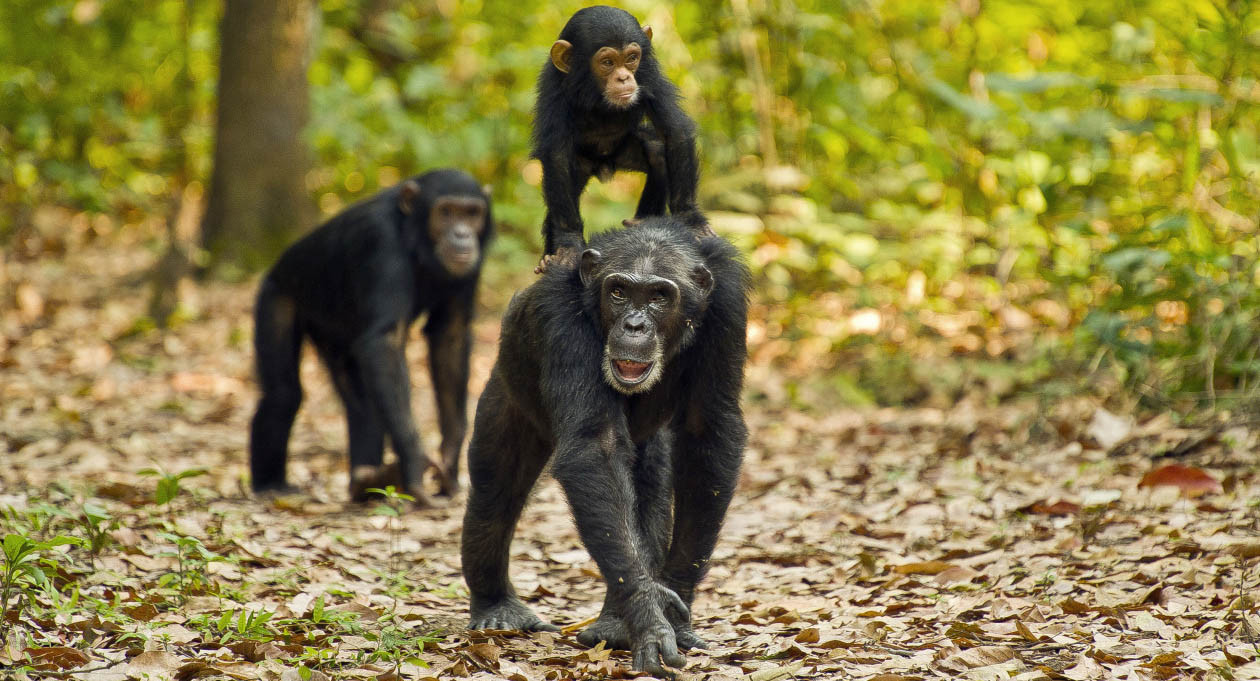
A 6-day Uganda-Rwanda tour offers a remarkable chance to discover rich biodiversity and encounter a variety of wildlife. Travelers may spot majestic mountain gorillas, playful chimpanzees, and other species such as elephants, lions, buffalos, hippos, waterbucks, lions, Uganda kobs, and various exotic birds like the African Fish Eagle, Grey Crowned Crane, and Shoebill. This adventure combines the unique wildlife of both countries, with highlights including Bwindi Impenetrable National Park for gorilla trekking, Kibale National Park for chimpanzee tracking, and Volcanoes National Park in Rwanda for golden monkey excursions.
This itinerary blends nature, wildlife encounters, and cultural experiences, making it a well-rounded choice for anyone looking to explore East Africa. From lush forests to open savannahs, every day promises new opportunities for wildlife observations and connections with local communities. Whether you prioritize primate encounters, game drives, or scenic walks, this tour encapsulates the beauty and diversity of Uganda and Rwanda, ensuring you leave with unforgettable memories.
Day 1: Arrival in Kigali and Transfer to Bwindi
Upon arriving at Kigali International Airport (KGL), you will be greeted by your guide. Following a brief city orientation, including a stop at the Kigali Genocide Memorial, you will depart for Bwindi Impenetrable National Park. The drive takes around 4-5 hours and provides ample opportunities to view wildlife such as domestic goats, various bird species, and even monkeys in certain areas.
As you navigate the winding roads, take in the vibrant scenery of rolling hills and the thriving local culture. After checking into your lodge in Bwindi, settle in and relax. You can enjoy an evening meal while recounting your day's journey with other guests. Prepare for the next day’s adventure in the heart of gorilla country and rest well for the days ahead.
Day 2: Gorilla Trekking in Bwindi
Today begins with an early morning briefing about the gorilla trekking laws and safety guidelines in Bwindi Impenetrable National Park. After the briefing, guides will lead you through the forest in search of a gorilla family. The trek can be physically demanding, lasting anywhere from 2 to 8 hours depending on the location of the gorillas.
As you navigate the dense foliage, keep an eye out for other wildlife, including red-tailed monkeys, bushbucks, and stunning bird species like the Rwenzori Turaco. The hour spent observing the gorillas as they interact and move through their natural habitat is often one of the highlights of the safari.
Once back at your lodge, spend a leisurely afternoon relaxing or engaging in community visits nearby. Prepare for another day filled with wildlife encounters as you reflect on the magnificent gorillas you met.
Day 3: Transfer to Kibale National Park
After breakfast, you will depart from Bwindi and begin your 3-4 hour drive to Kibale National Park, renowned for having the highest density of primates in Africa. The scenic drive offers opportunities to observe roadside wildlife such as monkeys, birds, and various grazing domestic animals.
Upon your arrival at Kibale, check in to your lodge and have lunch, before enjoying an afternoon visit to the Bigodi Wetland Sanctuary. This sanctuary is home to diverse wildlife, including various primate species like red-tailed monkeys and grey-cheeked mangabeys, as well as beautiful birds such as the Great Blue Turaco.
The wetland walk is not only scenic but offers excellent chances for wildlife photography. Return to your lodge in the evening and gather with fellow guests to share stories about your day's wildlife encounters, enhancing the camaraderie of your safari experience.
Day 4: Chimpanzee Tracking in Kibale
Today, you will embark on a chimpanzee tracking adventure in Kibale National Park. After breakfast, your guide will lead you into the forest, where you’ll seek out a habituated chimpanzee community. This trek can last approximately 2 to 4 hours and offers chances to see other primates, such as blue monkeys and colobus monkeys.
Once you locate the chimpanzee group, you’ll spend an hour observing their fascinating social interactions. These moments provide you with insights into their behavior and social structure.
In the afternoon, take a leisurely walk through the local community or explore the scenic Crater Lakes nearby. This exploration offers a different perspective on the region's biodiversity and provides a chance to see wildlife such as various bird species and small mammals. Return to your lodge in the evening for a well-deserved rest.
Day 5: Transfer to Volcanoes National Park
After breakfast, prepare for your drive to Volcanoes National Park in Rwanda, which takes approximately 4-5 hours. As you head towards the border, absorb the picturesque scenery and local wildlife along the way, including cattle, goats, and various bird species.
Once you arrive at Volcanoes National Park, check into your lodge and enjoy lunch with views of the stunning volcanic backdrop. The afternoon can be spent relaxing or visiting the local community, where you may encounter various cultural practices and heritage, adding depth to your journey.
As the sun sets, prepare for the next day’s adventure of tracking the rare golden monkeys, an experience that adds to the incredible variety of wildlife in this region. Reflect on your exciting safari so far and rest well in anticipation of more unforgettable moments.
Day 6: Golden Monkey Tracking and Departure
On your final day, you will set out early for golden monkey tracking in Volcanoes National Park. After a briefing, the trek begins, often taking around 2-3 hours. These playful monkeys are often found in large troops and are delightful to watch as they engage in social grooming and play.
During the trek, you may also encounter various birds and other wildlife species, enhancing the rich diversity of the area. After observing the golden monkeys, return to your lodge for a brief yet refreshing break
Can I Really Combine Uganda and Rwanda in Just 6 Days?
Yes, a 6-day Uganda-Rwanda tour is entirely feasible and quite popular among travelers. The major primate parks—Volcanoes National Park in Rwanda and Bwindi Impenetrable National Park in Uganda—are conveniently located approximately 3–4 hours apart by road. This proximity allows for efficient travel between the two countries, enabling you to experience diverse wildlife encounters within a short time frame. By organizing the itinerary carefully, you can witness the iconic mountain gorillas, engaging chimpanzees, and other unique wildlife while enjoying a rich cultural backdrop.
This time frame allows you to delve into gorilla and chimpanzee trekking, game drives, and stunning scenic views without feeling rushed. Proper planning is essential to ensure that all logistics—such as permits and border crossings—are handled smoothly. With the right tour operator, you would maximize your time in both countries while enjoying a seamless transition from one park to another. In summary, a 6-day safari is not just achievable but also an excellent way to experience the best that Uganda and Rwanda offer in terms of wildlife and natural beauty.
What is the Best Starting Point for This Safari?
Starting your Uganda-Rwanda safari in Kigali, Rwanda, is highly recommended for several reasons. The drive from Kigali to gorilla sectors in Uganda typically takes only 4-5 hours, making it much more convenient compared to starting from Entebbe, Uganda, which can take 9–10 hours. By beginning in Kigali, you effectively reduce travel time, providing more opportunities for activities and wildlife encounters.
Additionally, Kigali is well-connected and offers several amenities for travelers, including restaurants and accommodations. It also serves as an interesting introduction to Rwandan culture and history, with sites like the Kigali Genocide Memorial available for visitors.
Starting in Rwanda also permits a more strategic travel route, as you can easily transition to Ugandan parks with minimal disruption. This setup allows ample time for trekking, cultural interactions, and wildlife viewing while ensuring you can savor each aspect of your adventure more thoroughly. Choosing Kigali as your starting point will enhance your overall safari experience
Which Border Crossings Are Used Between the Two Countries?
When planning a combined Uganda-Rwanda tour, the primary border crossings used are the Cyanika and Katuna border posts. Both of these crossings provide convenient access for travelers moving between the two countries, making it easy to transition from one national park to the other.
The Cyanika border crossing is commonly preferred for its straightforward procedures and proximity to northern Uganda's major attractions. It connects easily with Bwindi Impenetrable National Park, allowing for quick access to gorilla trekking. On the other hand, the Katuna border crossing is another viable option that provides a scenic route, especially for those traveling from the Volcanoes National Park area in Rwanda to Uganda.
Navigating these borders is generally smooth, especially when traveling with a reputable tour operator who manages all necessary documentation and logistics. This ensures a seamless experience as you travel between the two countries, allowing you to maximize your time enjoying wildlife encounters and cultural experiences.
Which Visa Do I Need for a Combined Tour?
For those planning a combined Uganda-Rwanda tour, the East Africa Tourist Visa is the most convenient option. This visa, costing $100, allows for multiple entries into Uganda, Rwanda, and Kenya over a period of 90 days. It simplifies the visa process for travelers wishing to explore more than one country and helps streamline your adventure.
To apply for the East Africa Tourist Visa, you should do so through the immigration portal of the country you will enter first. If starting your journey in Kigali, you would submit your application through Rwanda Immigration. Conversely, those starting in Entebbe must use Uganda Immigration for their visa application.
Having this visa alleviates the hassle of obtaining separate visas for each country, making it easier for you to focus on your wildlife and cultural experiences. Always check for any updated requirements before your trip to ensure a smooth entry into each country during your tour.
Where Should I Apply for the East Africa Tourist Visa?
When planning to visit Uganda and Rwanda together, it's crucial to apply for the East Africa Tourist Visa at the appropriate immigration authority. The application process is straightforward and depends on the country you plan to enter first. If your safari begins in Kigali, you will need to apply through the Rwanda Immigration website. On the other hand, if you start your journey in Entebbe, you should submit your application through Uganda Immigration.
The application process can be done online, allowing you to complete it in advance of your travel. Make sure to provide the required documentation and fees promptly to avoid any delays. The East Africa Tourist Visa is valid for 90 days and includes multiple entries into Uganda, Rwanda, and Kenya, enabling you to explore the diverse attractions and wildlife in these countries seamlessly.
It's advisable to check the current visa policies and requirements as they may change. Completing this process ahead of time ensures that you can focus on enjoying your adventure without any travel complications.
Is a Yellow Fever Certificate Mandatory?
Yes, having a valid Yellow Fever vaccination certificate is a mandatory health requirement for crossing between Uganda and Rwanda. As a precautionary measure, both countries require proof of vaccination to protect public health and prevent the spread of yellow fever, which is a serious viral disease endemic in certain parts of Africa.
Travelers must arrange to receive the vaccine at least 10 days before arrival to ensure it is effective and acceptable upon entry. The vaccination certificate is generally checked at border crossings, including the Cyanika and Katuna posts, as part of the immigration process.
In addition to the Yellow Fever certificate, it’s wise to stay updated on any additional health requirements or vaccinations recommended for travel in the region. Preparing these documents in advance ensures a smooth transition when entering and exiting each country, allowing you to focus on enjoying your wildlife adventure.
What are the "Must-Do" Activities on a 6-Day Itinerary?
A 6-day itinerary for a combined Uganda-Rwanda tour typically includes several must-do activities that highlight the unique wildlife and cultural experiences available. Key highlights include gorilla trekking in Bwindi Impenetrable National Park, where you can observe magnificent mountain gorillas in their natural habitat.
Another essential activity is golden monkey trekking in Volcanoes National Park, which offers an engaging encounter with these playful primates. In addition to primate tracking, you can include a game drive in Queen Elizabeth National Park to spot diverse wildlife, such as elephants, lions, and various antelope species, while a boat cruise along the Kazinga Channel offers a chance to view hippos and an array of birdlife.
Cultural experiences and local village visits also enhance your journey, allowing for meaningful interactions with the local communities. The combination of these activities ensures a well-rounded tour that captures the essence of both Uganda and Rwanda while providing unforgettable wildlife encounters and cultural insights.
Can I Trek Gorillas in Both Countries on This Tour?
Yes, it is possible to trek gorillas in both Uganda and Rwanda during your tour, although this option can be quite costly. Some travelers choose to start their adventure in Rwanda for the easier accessibility of Volcanoes National Park, followed by trekking in Uganda’s Bwindi Impenetrable National Park. This two-country trekking experience allows for unique encounters with different gorilla families in varying environments.
Trekking in Rwanda typically involves shorter, more manageable hikes through the park’s bamboo forests, while Uganda offers a denser rainforest experience with steeper and more challenging terrain in Bwindi. Those eager for a diverse gorilla experience can appreciate these distinct environments while still observing the remarkable behaviors of these magnificent primates.
Keep in mind that permits are country-specific and not interchangeable; you will need to secure separate permits for each national park. Planning this dual gorilla trek requires advanced bookings due to limited permit availability, particularly during peak seasons.
What is the Difference Between Trekking in Rwanda vs. Uganda?
When comparing gorilla trekking in Rwanda and Uganda, a few key differences stand out. Rwanda, particularly in Volcanoes National Park, features more open bamboo forests, making trekking generally easier and more accessible with shorter hikes. The location benefits hikers with well-maintained trails that can lead to quicker encounters with the gorilla families.
In contrast, trekking in Uganda’s Bwindi Impenetrable National Park is often more challenging. The park features denser rainforests with steeper, more rugged terrain, which can make the hikes more strenuous. However, the experience in Bwindi offers a sense of adventure and seclusion that many find rewarding.
Both countries provide unique ecosystems and opportunities for observing mountain gorillas. Rwanda's shorter and more manageable treks can be appealing for those less experienced in hiking, while Uganda is favored by those looking for a more immersive atmosphere in a denser environment. Each location offers distinct advantages, allowing travelers to choose based on their preferences and fitness levels.
Are Chimpanzees Included in a 6-Day Tour?
Yes, many 6-day Uganda-Rwanda itineraries include opportunities for chimpanzee trekking, typically in Kibale National Park or Kalinzu Forest in Uganda. Kibale is especially renowned for being home to one of the highest densities of primates in Africa, making it an ideal location for this activity.
Chimpanzee trekking generally takes about 2 to 4 hours, allowing close observation of these fascinating creatures in their natural habitat. Participants have the chance to see chimps as they interact socially, feed, and climb through the trees. This provides a unique perspective on their behaviors and lifestyles.
Including chimpanzee tracking enriches your safari experience, as it diversifies the types of primates you encounter, adding depth to your understanding of East Africa's wildlife. This feature ensures that your trip remains well-rounded, incorporating various forms of wildlife interaction and fostering a deeper appreciation for nature and conservation efforts.
There are numerous cultural experiences you can incorporate into your Uganda-Rwanda tour to enhance your adventure. One notable option is visiting the Iby’iwacu Cultural Village in Rwanda. Here, you can engage with local communities, learning about traditional Rwandan customs, dancing, and crafts, offering you valuable insights into the nation’s rich cultural heritage.
In Uganda, consider the Batwa Cultural Trail or visit the Batwa community to understand the lives of these forest-dwelling people. This experience often includes storytelling, local music, and dance performances, providing visitors with a unique perspective on the deep connection between the Batwa and the forests they have inhabited for centuries.
These cultural interactions not only enrich your travel experience but also foster meaningful connections with local communities, allowing you to appreciate their traditions and way of life. Including such cultural activities ensures a balanced safari that highlights wildlife, nature, and human heritage in East Africa.
Most Uganda-Rwanda tours begin or conclude with a visit to Kigali, Rwanda's vibrant capital. A city tour frequently features a stop at the Kigali Genocide Memorial, an essential site that offers visitors a poignant understanding of Rwanda's history and the resilience of its people. This memorial serves as a tribute to the victims of the 1994 genocide and gives critical insights into the nation’s transformation.
In addition to the memorial, visitors can explore local markets like Kimironko and experience the lively atmosphere, where you can find local crafts, textiles, and fresh produce. Engaging with local vendors provides a wonderful opportunity to learn more about Rwandan culture and support small businesses.
A city tour is beneficial not only to learn about Rwanda's past but also to appreciate its current dynamic culture and progress. Therefore, incorporating a Kigali city tour enriches your overall safari experience, providing a comprehensive understanding of both the wildlife and local communities.
How Much Do Gorilla Permits Cost in Each Country?
As of 2025/2026, the cost of gorilla permits varies between the two countries. In Rwanda, a gorilla trekking permit is priced at $1,500, which includes entry to Volcanoes National Park and the opportunity to spend an hour with the mountain gorillas. In contrast, Uganda’s permit for trekking in Bwindi Impenetrable National Park costs $800.
It’s essential to note that permits are country-specific, meaning you will need to purchase separate permits for each national park if you plan to trek in both countries. Given the limited number of permits issued each day, it is advisable to secure them well in advance—ideally 6 to 12 months before your trip, particularly during peak dry seasons.
Permits can be booked through local tour operators or the respective national park offices. Planning ahead ensures that you can enjoy this once-in-a-lifetime opportunity to meet these incredible creatures and immerse yourself in the lush surroundings of their habitats.
How Far in Advance Should I Book My 6-Day Uganda-Rwanda Tour?
It is strongly recommended to book your 6-day Uganda-Rwanda tour well in advance, ideally between 6 to 12 months prior to your intended travel date. This is especially important for securing gorilla and chimpanzee permits, which are in high demand and have limited availability.
During peak seasons—typically the dry months from June to September and December to February—permits can sell out quickly. By booking early, you increase your chances of obtaining the necessary permits and securing your desired travel dates, ensuring that your safari unfolds smoothly without last-minute surprises.
In addition, early planning allows ample time to create an optimized itinerary that aligns closely with your interests, including accommodations, transport, and any special activities. The peace of mind gained from advanced bookings enhances the overall experience, enabling you to focus on the incredible wildlife and cultural experiences that await you in Uganda and Rwanda.
Can I Use One Permit for Both Countries?
No, gorilla permits are country-specific and cannot be used interchangeably between Uganda and Rwanda. Each country requires you to purchase separate permits for the respective national parks: $1,500 for Rwanda’s Volcanoes National Park and $800 for Uganda’s Bwindi Impenetrable National Park.
This necessity arises from the different management systems in place for handling the gorilla populations in each country. Therefore, if you plan to trek gorillas in both nations, ensure that you secure permits for each park in advance, as inventory is limited and can sell out quickly.
By obtaining separate permits, you can enjoy distinct experiences across both locations. The trekking environments, guides, and gorilla families vary between the two countries, providing unique perspectives on wildlife conservation and habitation. Planning for separate permits ensures a comprehensive adventure, allowing you to make the most of your time with these incredible mountain gorillas.
When is the Best Time for This Combined Safari?
The best time for a combined Uganda-Rwanda safari generally falls within the dry seasons, which occur from June to September and December to February. During these months, the weather is typically more stable, with less rainfall, leading to better trekking conditions in the national parks. The dry paths make it easier to navigate the forests while searching for gorillas and other wildlife.
In addition to the dry seasons, the shoulder months of March to May and September to November offer some advantages as well. Although you may encounter occasional rain, these months tend to have fewer tourists, providing a more intimate experience with wildlife. Lush greenery during this time can also be appealing for photography, while birdwatchers will appreciate the influx of migratory species.
Regardless of when you choose to visit, it’s critical to plan and secure permits in advance to ensure availability, especially during peak travel times. Planning trips around these optimal times enhances the likelihood of a fulfilling safari experience.
What Should I Pack for Trekking?
When preparing for a gorilla trekking or chimpanzee tracking adventure, it’s important to pack essential gear to ensure comfort and safety in the forest environment. Start with sturdy hiking boots that provide good ankle support, as hiking can be uneven and steep.
Long-sleeved shirts and long pants made from lightweight, breathable fabrics will help protect against thorns, insect bites, and sun exposure. Consider bringing gardening gloves for added protection while navigating through dense vegetation. Waterproof rain gear is also crucial, as weather conditions can change quickly, especially in tropical areas.
In addition to clothing, pack a daypack to carry your personal items, such as water bottles, snacks, a camera, and binoculars for wildlife viewing. A good first-aid kit and insect repellent will also enhance your safety and comfort during the trek. These preparations will ensure you are well-equipped to enjoy the rich wildlife encounters safely and comfortably.
Is There an Age Limit for Trekking?
Yes, there is an age limit for gorilla trekking in both Uganda and Rwanda. The minimum age for participating in these treks is set at 15 years old. This requirement ensures that all participants are mature enough to understand the importance of wildlife conservation and are physically capable of handling the rigors of trekking through dense forests.
The age limit also aims to minimize stress on the gorillas, as younger children might be less predictable in their behavior during the close encounters. Tour operators adhere to these regulations strictly, ensuring that the natural habitat and the well-being of the wildlife are prioritized.
If you’re planning to travel with younger children, there are often alternative activities available, such as cultural experiences or nature walks, that can also be enriching and enjoyable while you await the opportunity to trek with gorillas when they reach the age requirement.
How Long is the Actual Time Spent with Gorillas?
Once you locate a gorilla family during your trekking adventure, you are permitted to spend one hour observing and photographing these incredible animals. This time limitation is strictly enforced to minimize stress on the gorillas and ensure their well-being. The short duration allows for the delivery of important conservation messages regarding the protection of these endangered species.
During this hour, witnesses are encouraged to observe and document the gorillas' natural behaviors, such as foraging, playing, and social interactions. Trained guides will provide insights into their habits and the significance of conservation efforts related to gorilla habitats.
While the hour may seem brief, it provides an unforgettable encounter that allows travelers to connect with these magnificent creatures. This designated timeframe strikes a balance between visitor engagement and the preservation of the gorillas’ natural environment, highlighting the importance of responsible wildlife tourism.
Is It Safe to Travel Between the Two Countries?
Yes, both Uganda and Rwanda are generally considered safe for tourists. Traveling between these two countries via established border crossings allows for a secure transition as long as you engage a professional tour operator who manages logistics, including border documentation and transportation.
Using a reputable operator ensures a smooth experience, as they are well-versed in the necessary border procedures and required paperwork. Tour operators also provide knowledgeable guides familiar with the routes, enabling you to enjoy the journey stress-free while focusing on wildlife encounters and cultural experiences.
Both countries actively promote tourism and work to maintain safety, but as with any travel, it's wise to stay alert, follow local guidance, and adhere to safety protocols. By taking these precautions and relying on professional services, you can confidently explore the rich landscapes and wildlife of Uganda and Rwanda without concern.
Booking Uganda Rwanda tour with us Roads of Adventure safaris
Roads of Adventure Safaris is your go-to partner for an exceptional Uganda-Rwanda tour, specializing in expertly guided itineraries centered on gorilla trekking, wildlife encounters, and cultural experiences. By choosing us, you’ll explore the wonders of East Africa, including the breathtaking Bwindi Impenetrable National Park and Volcanoes National Park in Rwanda. Our tailored safari packages cater to your unique preferences, ensuring a seamless and exciting journey through the stunning landscapes of the region. Select Roads of Adventure Safaris for a safe, professional, and memorable adventure through the "Pearl of Africa" and the "Land of a Thousand Hills."
Book your unforgettable Uganda-Rwanda tour with us for a premier experience that covers top wildlife and cultural attractions, including gorilla trekking in Bwindi and Volcanoes National Park. As a leading operator, we provide well-guided, comfortable itineraries featuring chimpanzee tracking, Big Five game drives, and smooth cross-border travel. Whether it's a short getaway or an extensive 20-day adventure, our team takes care of all permits and ensures your safety. Experience these incredible destinations with us; contact info@roadsofadventure.com to plan your adventure of a lifetime.
