Combining Uganda gorilla trekking with a cultural safari is best achieved by booking a 5–10 day guided tour that pairs Bwindi Impenetrable National Park or Mgahinga with nearby community experiences, such as the Batwa trail, Bakiga village visits, or Lake Bunyonyi tours. The best time to visit is during the dry seasons (June–August, December–February) to ensure easy travel between, for instance, Bwindi and Queen Elizabeth National Park for a combined wildlife experience.
1-day-kampala-city-tour-excursion-full-day-tour
4-days-best-uganda-cultural-safari-deep-in-cultural-history
7-days-best-uganda-wildlife-safari-and-culture
8-days-uganda-and-rwanda-cultural-and-city-life-experience
3-days-mgahinga-gorilla-park-batwa-and-lake-bunyonyi
3-days-fly-in-uganda-gorilla-habituation-africa-safari-tour-package
2-days-best-gorilla-trekking-safari-tour-via-kigali-to-bwindi-impenetrable-forest-park
3-days-gorilla-trekking-safari-and-lake-bunyonyi-relaxation-itinerary
3-days-affordable-uganda-budget-gorilla-trekking-via-kigali
4-days-ultimate-gorilla-and-uganda-safari-and-chimpanzee-tracking
4-days-ultimate-gorilla-and-uganda-safari-and-chimpanzee-tracking
4-days-uganda-gorilla-safari-with-golden-monkey-tracking-from-rwanda
4-days-luxury-gorilla-trekking-safari-in-bwindi-fly-in-all-inclusive-tour
5-days-gorilla-and-uganda-safari-and-golden-monkey-trekking-tour-from-kigali
5-days-un-matched-uganda-gorilla-safari-and-chimpanzee-tour-itinerary
6-days-gorilla-and-uganda-safari-to-see-big-five
7-day-ultimate-uganda-primate-safari-chimpanzees-and-game-drives
19-days-incredible-uganda-safari-tour-big-five-chimpanzees-and-mountain-gorillas
14-days-uganda-and-rwanda-safari-tour-itinerary
12-days-perfect-rwanda-uganda-gorilla-trekking-safari-holiday-vacation
Batwa Cultural Experience (Bwindi/Mgahinga)
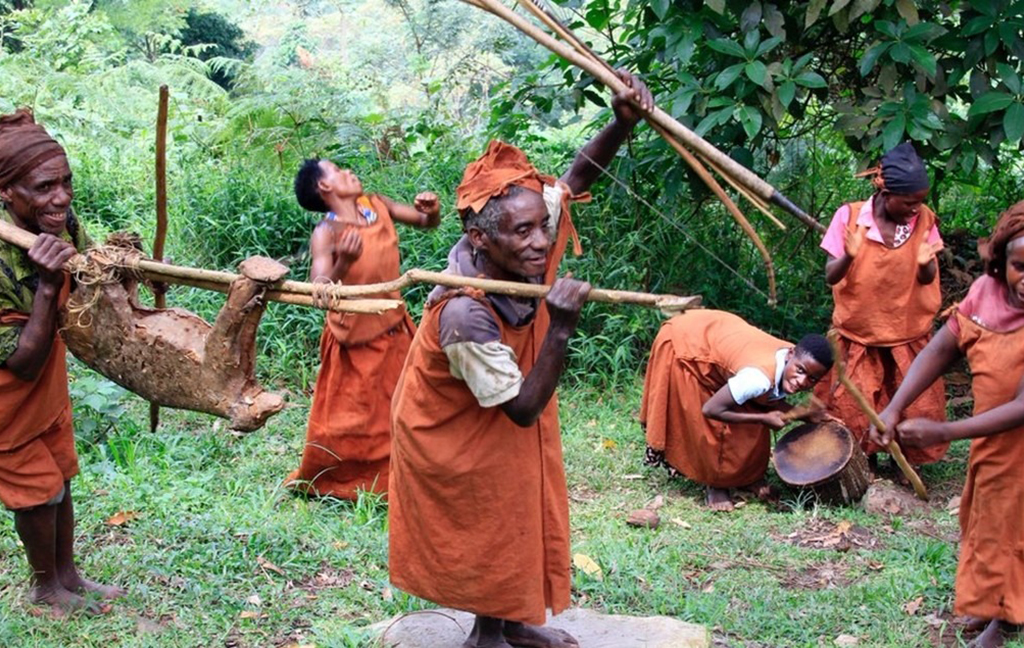
The Batwa Cultural Experience, often referred to as the "Batwa Trail," offers visitors a fascinating glimpse into the lives of the indigenous Batwa people, who once inhabited the lush forests of Bwindi and Mgahinga. This immersive guided walk transports you through the rich cultural heritage of the Batwa, showcasing their traditional way of life in the forests.
Participants embark on a journey led by knowledgeable Batwa guides, who share their history, including their unique relationship with the forest, which provided them with food, shelter, and medicine. As you walk, you'll learn about their deep understanding of the forest ecosystem, including various plants used for traditional medicine and the methods of foraging that sustained their community.
The experience is further enriched with captivating storytelling, traditional dances, and vibrant music, allowing visitors to engage with the Batwa’s rich oral traditions. Through these interactions, you'll gain insight into their customs and beliefs, fostering a deeper appreciation for their way of life.
In addition, the Batwa Cultural Experience contributes to local conservation efforts and community development. Proceeds from the tours directly support the Batwa community, enabling them to sustain their heritage and share it with future generations. Overall, this experience not only enhances your gorilla trekking adventure but also connects you with the very essence of Uganda’s cultural tapestry.
Bakiga Community Visits
Located in the vicinity of Bwindi Impenetrable National Park, the Bakiga Community Visits provide an enriching encounter with one of Uganda's vibrant cultures. These visits are designed to immerse travelers in the daily lives of the Bakiga people, showcasing their agricultural practices, traditional cooking methods, and community lifestyle.
During your visit, you’ll have the opportunity to explore local farms where you can learn about subsistence agriculture and the cultivation of staple crops like bananas, beans, and potatoes. Engaging with local farmers allows visitors to witness firsthand the techniques used in sustainable farming that have been passed down through generations.
Culinary experiences are a highlight of this cultural tour. You may participate in traditional cooking, where you can learn to prepare local dishes, such as matoke (steamed plantains) or posho (maize porridge). Sharing meals with the Bakiga family enhances the experience, as it fosters a sense of community and connection.
Additionally, you'll have the chance to learn about the art of brewing traditional beverages, such as ajon or local beer, giving you insights into social customs and celebrations within Bakiga communities. Overall, these visits are not only educational but also foster a sense of appreciation for the rich cultural heritage of the Bakiga people, while providing a rewarding complement to your gorilla trekking adventure.
Lake Bunyonyi Relaxation
Known as the "Place of Little Birds," Lake Bunyonyi is a stunning, serene haven in southwestern Uganda, ideal for relaxation after your strenuous gorilla trekking activities. Nestled between gently rolling hills and dotted with numerous small islands, the lake offers a peaceful atmosphere, perfect for unwinding and soaking in the breathtaking landscapes.
After a challenging trek in Bwindi or Mgahinga, taking time to relax at Lake Bunyonyi rejuvenates both body and spirit. Visitors can choose to stay in cozy lodges or camps that provide stunning views over the water. The calm, reflective surfaces of the lake enhance the experience, inviting you to disconnect from the hustle and bustle and reconnect with nature.
Beyond relaxation, Lake Bunyonyi offers a variety of activities that provide insights into local communities and lifestyles. You can visit nearby fishing villages, interact with local residents, and engage in cultural exchanges that further enhance your understanding of Ugandan society. Canoeing on the lake is also a popular activity, allowing you to explore the islands and take in the rich biodiversity, including various bird species for avid birdwatchers.
This tranquil environment not only complements the adventure of gorilla trekking but also serves as an opportunity to enjoy the beauty and calmness of Uganda’s natural landscapes. Lake Bunyonyi truly embodies relaxation and cultural richness, offering a perfect end to an adventurous safari.
Craft Market Tours
Participating in Craft Market Tours near Uganda's national parks is an enriching way to engage with local artisans and experience the country's vibrant cultural scene. These tours offer a unique opportunity to observe traditional crafts being made while supporting local communities.
Visitors can explore various markets where artisans display their handmade products, including intricately woven baskets, colorful textiles, beautiful jewelry, and traditional drumming instruments. Witnessing the crafting process firsthand provides insight into the skills and creativity required to create these items, fostering a deeper appreciation for Uganda's rich artisan heritage.
Moreover, engaging with artisans allows travelers to learn about the cultural significance behind various crafts. For instance, you'll discover how weaving techniques are passed down through generations and the stories that inspire the unique designs. Many artisans are eager to share their experiences and the symbolic meanings behind their work, enriching your understanding of Uganda's cultural diversity.
These tours often include interactive opportunities, such as trying your hand at weaving or drumming, making the experience even more memorable. By purchasing crafts directly from artisans, you contribute to local economies and support community development initiatives. Overall, Craft Market Tours beautifully blend cultural immersion with supporting sustainable livelihoods, providing a fulfilling complement to your gorilla trekking safari.
Karamojong Cultural Encounters
For a truly comprehensive Ugandan experience, Karamojong Cultural Encounters offer travelers an insight into the rich cultural fabric of northeastern Uganda. The Karamojong are a semi-nomadic people known for their vibrant traditions, colorful attire, and strong connection to their cattle herding lifestyle. Combining these encounters with southwestern gorilla trekking creates a broadened perspective of Uganda's diverse cultural landscape.
Travelers on this itinerary will journey from the breathtaking forests of Bwindi to the arid plains of the Karamoja region. Upon arrival, you will be welcomed by Karamojong communities, where you can experience traditional dances, songs, and storytelling that encapsulate their rich history. Participating in daily activities, such as cattle herding or basket weaving, gives a firsthand look into their sustainable lifestyle and values.
The Karamojong are known for their unique form of pastoralism, reliant on the welfare of their livestock, a significant aspect of their identity. Engaging with their ancient practices, visitors learn about the deep connection between people and their environment, gaining valuable insights into the challenges faced by nomadic communities.
In addition to cultural interaction, this trip offers opportunities for wildlife viewing in remote landscapes, creating a rich blend of adventure, culture, and nature. Karamojong Cultural Encounters not only enhance your understanding of Uganda’s diverse populations but also deepen your appreciation for the intricate balance between civilization and wildlife.
Can I combine gorilla trekking and a Uganda cultural safari in one trip?
Yes, combining gorilla trekking with a cultural safari in Uganda is highly recommended. This blend of experiences allows travelers to immerse themselves not only in the breathtaking wilderness of the national parks but also in the rich cultural tapestry of the local communities. Uganda boasts a diverse range of cultural experiences alongside its world-renowned wildlife, making it an ideal destination for such an adventure.
By visiting places like Bwindi Impenetrable National Park, where gorilla trekking occurs, travelers can also engage in aspects of local culture, such as the Batwa Trail. This offers insights into the ancient lifestyles of the Batwa pygmies who once thrived in these forests. Local guides share stories and traditions, providing context that deepens the wildlife experience.
For the most enriching experience, travelers are encouraged to dedicate a few days to explore both aspects during their visit. While gorilla trekking may require some physical exertion, cultural experiences often involve community interactions, dances, and storytelling, creating a well-rounded journey. This combination not only enhances the adventure but supports sustainable tourism efforts that benefit both wildlife conservation and local communities.
In summary, merging gorilla trekking and cultural safaris creates a comprehensive exploration of Uganda’s natural beauty and cultural heritage, allowing visitors to appreciate how closely linked these elements are. It offers opportunities for personal connection, learning, and shared experiences that make for unforgettable memories.
What is the best way to experience a Uganda cultural safari after gorilla trekking?
After an exhilarating gorilla trekking experience in Bwindi Impenetrable National Park, the best way to continue your adventure is by visiting the Batwa pygmy community. This cultural experience allows travelers to delve deeper into the lives of the Batwa people, known for their deep connection to the forests they once inhabited and their traditional hunter-gatherer lifestyle.
Upon completion of your gorilla trek, a guided visit to the Batwa community provides a unique opportunity to learn about their ancient customs, including traditional medicine practices, food preparation, and storytelling. Engaging with the community often includes witnessing traditional dances and performances that encapsulate their rich cultural heritage.
This immersion can also include a walk along the Batwa Trail, where guides share insights into the flora and fauna crucial to the community’s survival. Participants have the chance to interact with community members, offering a personal touch to the experience. This not only enhances your understanding of the culture but contributes to the livelihoods of the Batwa, ensuring that tourism supports their community.
Additionally, consider visiting local artisans, participating in cooking classes, or exploring nearby villages. These activities provide further insights into Ugandan life and culture, allowing visitors to appreciate the diverse traditions that co-exist with the nation’s wildlife conservation efforts.
In summary, a cultural safari following gorilla trekking not only deepens the overall experience but also creates a meaningful connection between visitors and the local culture, benefiting both parties significantly.
How many days do I need for a combined gorilla trekking and Uganda cultural safari?
For a successful combination of gorilla trekking and a Uganda cultural safari, a 3 to 5-day itinerary is generally sufficient. This timeframe allows travelers to enjoy both activities without feeling rushed, providing an immersive experience that captures Uganda's natural beauty and rich cultural heritage.
In a typical 3-day itinerary, you could allocate one full day for gorilla trekking in Bwindi Impenetrable National Park. Early morning, you would meet with your guide and prepare for the trek, which can last anywhere from a few hours to a full day, depending on the gorillas' location. After this thrilling experience, you might engage in a half-day cultural visit to the Batwa community, learning about their ancient traditions, storytelling, and traditional medicine.
If you extend your trip to 5 days, you can incorporate additional cultural activities such as village walks, artisan visits, or interactive cooking classes. This extended itinerary enables you to absorb more of the local culture, providing ample opportunities for interaction with community members and insights into their daily lives.
Moreover, with the extra days, you can include visits to places like Lake Bunyonyi for relaxation, or even combined wildlife experiences in nearby Queen Elizabeth National Park. This combination creates a well-rounded journey filled with adventure, culture, and relaxation, which not only leaves you with lasting memories but also supports sustainable tourism and community development in Uganda.
Is the Batwa Cultural Experience part of the gorilla trekking permit?
No, the Batwa Cultural Experience is not included in the gorilla trekking permit; it requires a separate fee, typically ranging from $30 to $40. This fee directly supports community development initiatives aimed at aiding the Batwa people and preserving their culture, ensuring that the benefits of tourism reach the local community.
The gorilla trekking permit covers the cost of tracking the mountain gorillas within Bwindi Impenetrable National Park or Mgahinga Gorilla National Park, including ranger fees, park entry, and conservation efforts. It provides access to experience the thrill of observing these magnificent creatures in their natural habitat, but it does not encompass cultural experiences.
Opting for the Batwa Trail as an additional activity allows tourists to gain a deeper understanding of the Batwa people's history and culture, which enhances the overall gorilla trekking experience. Engaging in this cultural excursion helps to preserve the Batwa’s heritage while supporting their community efforts.
By participating in the Batwa Cultural Experience, visitors contribute to community projects such as schools, health centers, and sustainable livelihoods for the Batwa, promoting conservation and cultural preservation. This enrichment underscores the interplay between tourism, wildlife conservation, and local development, providing a holistic view of Uganda.
In summary, while not included in the gorilla trekking permit, the Batwa Cultural Experience is highly recommended and offers significant benefits to travelers and the local community alike.
What cultural activities are available near Bwindi for a Uganda cultural safari?
Near Bwindi Impenetrable National Park, a variety of cultural activities are available to enhance your Uganda cultural safari in tandem with gorilla trekking. The Batwa cultural trail stands out, offering a deep dive into the traditional lifestyles of the Batwa pygmies, including their rich history, cultural practices, and sustainable survival methods in the forest.
Another enriching activity is participating in community walks in the Buhoma area, where you can interact with local farmers and artisans. This provides an opportunity to learn about local agriculture, including crops like coffee, bananas, and medicinal plants. Visitors often engage in traditional cooking experiences, allowing them to savour authentic Ugandan dishes while learning about the culinary techniques that have been passed down through generations.
Additionally, there are opportunities to visit traditional healers or blacksmiths, where you can witness the creation of handmade tools and learn about the significance of these trades within local society. These hands-on experiences offer valuable insights into the daily lives of Ugandans and their cultural practices.
Participating in community performances, such as local dance and music exhibitions, is another fantastic way to immerse yourself in the local culture. These performances often include song and dance routines that reflect the community's heritage and are typically open to participating tourists.
Overall, the cultural activities near Bwindi provide a vibrant complement to the wildlife adventure of gorilla trekking, allowing visitors to gain a holistic understanding of Ugandan culture and its relationship with the natural environment.
Does gorilla trekking directly benefit the communities visited during a Uganda cultural safari?
Yes, gorilla trekking plays a significant role in benefiting the communities surrounding the national parks, particularly through community-based tourism initiatives. Many of these initiatives are designed to ensure that local populations gain economic advantages from wildlife conservation. When visitors engage in gorilla trekking, a portion of the permit fees goes back to the local communities, funding schools, health care, and infrastructure projects.
Additionally, community tourism initiatives operate in tandem with gorilla trekking, serving to educate tourists about local cultures while directly providing income to these communities. For example, visits to the Batwa community, which are often included in cultural safaris, help fund local development efforts. The income generated from such activities allows villagers to enhance their quality of life, reinforcing the importance of conserving the gorillas and their habitat.
These efforts create a symbiotic relationship between wildlife conservation and community welfare. Locals become invested in protecting the gorillas when they see direct benefits from tourism. This engagement fosters a sense of ownership and stewardship over their environment, improving conservation outcomes.
By participating in gorilla trekking and cultural safaris, visitors are not only enjoying unique experiences but are also actively contributing to sustainability, empowering communities, and promoting the preservation of wildlife and cultural heritage. Thus, your visit plays a vital role in ensuring that both giant apes and the communities that coexist with them thrive.
What is the best time to do a combined gorilla trekking and Uganda cultural safari?
The best time to embark on a combined gorilla trekking and Uganda cultural safari is during the dry seasons, which typically occur from June to September and December to February. These months offer the most favorable weather conditions for both activities, enhancing the overall experience.
During these dry periods, trails in both Bwindi Impenetrable National Park and other cultural sites are more accessible, as heavy rains do not impede movement. This means that engaging in gorilla trekking becomes less physically taxing, and wildlife sightings are often more rewarding, as many animals are more active during dry weather.
Cultural visits also benefit from this timing, as local villages are more likely to host traditional events, dances, and markets. The vibrant atmosphere allows travelers to immerse themselves in local customs and interact with community members without the disruptions that rainy weather can bring.
Moreover, the dry seasons see a reduction in humidity, making hikes more comfortable and ensuring that activities like the Batwa Trail or community visits result in a more enjoyable experience. With clearer skies, photography opportunities increase, capturing the beauty of both the landscapes and cultural engagements.
In summary, planning your trip during the dry seasons not only enhances the gorilla trekking and cultural safari experiences but also maximizes wildlife viewing opportunities and community interactions, creating a more enriching overall adventure in Uganda.
Can I do a Ugandan cultural safari near the Mgahinga gorilla trekking park?
Absolutely! The Batwa Trail in Mgahinga Gorilla National Park is a top-rated cultural experience that seamlessly complements your gorilla trekking adventure. This culturally enriching activity allows visitors to learn about the unique traditions and lifestyles of the Batwa pygmies, who have deep historical ties to the forests.
As you embark on the Batwa Trail, local guides—often from the Batwa community—share stories of their ancestors' intimate relationship with the forest, illustrating how they relied on its resources for survival. You will witness traditional practices such as gathering medicinal plants and foraging for food, which enhances your understanding of their historical lifestyle as hunter-gatherers.
In addition to the Batwa Trail, Mgahinga also offers ample opportunities for wildlife viewing, including the chance to see golden monkeys and various bird species native to the region. After a day of trekking, you can engage with the Batwa community through performances, dance, and art, creating a connection that extends beyond just wildlife.
Moreover, since Mgahinga is less crowded than Bwindi, it provides a more intimate setting for cultural interactions. Whether you're exploring the forest or learning about traditional crafts, the combination of gorilla trekking and cultural engagement in Mgahinga is a rich and fulfilling way to explore Uganda’s heritage.
In summary, a Ugandan cultural safari near Mgahinga provides an enriching experience that highlights the unique traditions of the Batwa people, creating memorable engagements that go hand-in-hand with the magnificent experience of gorilla trekking.
Are the cultural performances included in the Uganda cultural safari?
Yes, cultural performances are often included in the itinerary for Uganda cultural safaris, enhancing the overall experience for travelers. When you engage in community visits or specific cultural tours, such as visits to the Batwa pygmies' community or local villages, you can anticipate an array of traditional dances, music, and artistic demonstrations.
These performances offer deeper insights into the cultural context of the communities you are interacting with. Traditional dances may portray historical narratives, rituals, or daily life, captivating audiences with colorful costumes and vibrant rhythms. Furthermore, local musicians often incorporate traditional instruments, allowing visitors to experience the sounds and emotions that characterize Ugandan cultural expression.
In addition to dance and music, visitors might also witness cultural demonstrations, including the brewing of local beverages or traditional crafts like pottery or basket weaving. Engaging with artisans in this manner fosters a deeper appreciation for the skill and creativity involved in creating cultural artifacts.
Including cultural performances not only enriches the visitor experience but also supports local artists and keeps traditions alive within the community. Engaging in these activities ensures that visitors leave with lasting memories and a newfound respect for the cultural diversity present in Uganda.
Overall, the inclusion of cultural performances in a Uganda cultural safari amplifies the significance of the journey, making it a thoughtfully designed experience that bonds wildlife appreciation with cultural richness.
How does a Uganda cultural safari enhance the gorilla trekking experience?
A Uganda cultural safari significantly enhances the gorilla trekking experience by providing context and understanding of the ecosystems and communities that co-exist with these majestic creatures. While gorilla trekking focuses on the thrill of seeing mountain gorillas in their natural habitat, cultural tours bring a deeper appreciation for the lives of the people living in proximity to these parks.
By participating in cultural activities, travelers gain insights into how indigenous communities, like the Batwa, historically interacted with their environment and adapted for survival. Understanding this context allows for a fuller immersion into the wilderness experience, as you learn how local traditions and practices have evolved alongside wildlife conservation efforts.
Moreover, cultural safaris often include storytelling sessions, traditional performances, and artisan interactions, helping to illustrate the regional cultural significance of both the landscape and the wildlife. This interconnectedness fosters respect for conservation efforts and the importance of protecting both gorillas and the cultural heritage of local communities.
Additionally, cultural engagements often provide opportunities for tangible contributions to local economies through community tourism initiatives. By spending time in villages and supporting local artisans and businesses, travelers leave a positive impact, reinforcing the importance of conservation initiatives.
In summary, a cultural safari complements gorilla trekking by providing enriching narratives and insights that elevate the overall adventure. This combination makes the experience more meaningful, as travelers can appreciate the interplay between wildlife and human cultures, leaving with a sense of connection and responsibility toward both.
Is it possible to visit local schools as part of a Uganda cultural safari and gorilla trekking trip?
Yes, visiting local schools can be an integral part of a Uganda cultural safari and gorilla trekking trip. Many tour operators include school visits in their itineraries, providing a well-rounded cultural experience for travelers.
By visiting local schools, such as St. Peter’s Primary School near Bwindi Impenetrable National Park, travelers gain insights into the educational challenges and successes in rural Uganda. Engaging with local students and teachers fosters meaningful exchanges, allowing visitors to learn about the Ugandan education system and the subjects students are studying.
During these school visits, travelers often have the opportunity to participate in classroom activities, share cultural experiences, and even bring school supplies or donations that can greatly benefit the students. This not only supports the local education system but also enriches the visitor experience, creating lasting connections.
Involving local schools in cultural safaris emphasizes the importance of education in community development, helping to promote awareness around conservation and cultural preservation. This aspect enriches the overall trip, providing a deeper understanding of the societal dynamics at play in the regions you are exploring.
Overall, school visits enhance the cultural experience by fostering genuine connections, creating meaningful interactions, and giving travelers the chance to contribute positively to the local community, making the journey even more impactful.
What should I pack for both gorilla trekking and a Uganda cultural safari?
When preparing for both gorilla trekking and a Uganda cultural safari, packing wisely is crucial to ensure a comfortable and enjoyable experience. Here is a comprehensive packing list to consider for such an adventure:
- Sturdy Hiking Boots: Good hiking boots are essential for gorilla trekking, providing support and grip on uneven terrain. Opt for waterproof models for added protection.
- Waterproof Clothing: Bring lightweight, waterproof jackets and pants to stay dry during unexpected rain showers, which are common in tropical climates.
- Comfortable Clothing: Pack breathable, moisture-wicking clothing that can layer well. Neutral colors are recommended for blending into the natural environment during wildlife encounters.
- Hat and Sunglasses: A wide-brimmed hat and good-quality sunglasses will help protect you from the sun’s rays, especially during hikes or cultural tours.
- Insect Repellent: Since you’ll be in forested and rural areas, an effective insect repellent is advisable to avoid mosquito bites.
- Camera and Binoculars: Don’t forget a good camera to capture stunning memories, and binoculars for birdwatching during both the trekking and cultural experiences.
- Daypack: A small backpack can be useful for carrying essentials like water, snacks, and a first aid kit during treks and cultural visits.
- Modest Clothing for Cultural Activities: For community interactions, consider packing modest and respectful clothing, as some cultural sites may require dressing appropriately.
- Personal Items: Bring along personal hygiene products, medications, and any snacks you might prefer.
- Reusable Water Bottle: Staying hydrated is essential during your activities, so a refillable water bottle is practical for both trekking and cultural tours.
In summary, being well-prepared with appropriate gear and clothing will enhance your overall experience during both gorilla trekking and cultural safari activities, ensuring comfort and safety throughout your journey.
Can I combine gorilla trekking and a Uganda cultural safari with wildlife game drives?
Yes, you can absolutely combine gorilla trekking with a Uganda cultural safari and wildlife game drives, creating a diverse and enriching travel experience. Many itineraries are designed to incorporate these elements, providing an all-encompassing journey through Uganda's magnificent landscapes and rich cultures.
In a typical itinerary, you could start with thrilling gorilla trekking in Bwindi Impenetrable National Park, observing the majestic mountain gorillas in their natural habitat. Following this adventure, travelers often venture to nearby communities for cultural experiences, such as the Batwa Trail or visits to local farming villages.
After engaging with the local culture, participants can then head to Queen Elizabeth National Park for wildlife game drives. This renowned park is famous for its diverse wildlife, including elephants, lions, and a variety of bird species. Game drives provide excellent opportunities to observe the park's ecosystems and gain a deeper appreciation of Uganda’s natural heritage.
This combination of activities allows travelers to experience the highlights of Uganda, seamlessly blending wildlife adventures with cultural experiences. Many tour operators offer tailored itineraries to accommodate such blends, ensuring that visitors enjoy balanced experiences while supporting local communities and conservation efforts.
Overall, combining gorilla trekking, cultural safaris, and wildlife game drives not only enhances your adventure but also enriches your understanding of Uganda's intricate relationship between its wildlife and local cultures.
What is the difference between a village walk and a Batwa trail as part of a Uganda cultural safari?
A village walk and the Batwa Trail represent two distinct, yet complimentary, cultural experiences available during a Uganda cultural safari, each focusing on different aspects of local life.
A village walk typically showcases the daily lives of rural communities outside of the national parks. During these walks, visitors have the opportunity to explore local agriculture, witness traditional cooking methods, and interact with community members in an informal setting. These walks often incorporate visits to local markets, artisan workshops, and homes, providing insights into the varied crafts such as basket weaving and pottery. Village walks aim to give travelers a broad overview of rural life, fostering connections between visitors and the community.
Are children allowed on a combined gorilla trekking and Uganda cultural safari?
Children are generally allowed on a combined gorilla trekking and Uganda cultural safari, but there are specific age restrictions to consider. While cultural tours are designed to be family-friendly and accommodate visitors of all ages, gorilla trekking has stricter regulations. Specifically, children under the age of 15 are not permitted to participate in the actual gorilla trekking activities, as per guidelines set by the Uganda Wildlife Authority.
This restriction is primarily in place for safety reasons, both for the children and the gorillas, as younger trekkers may not fully understand the required behavior during these encounters. However, families can still partake in enriching cultural experiences, such as visiting local communities, engaging in traditional dance performances, and learning about local customs and crafts.
For children who meet the age requirements, participating in gorilla trekking can be an unforgettable adventure that fosters an appreciation for wildlife and conservation from a young age. Preparations for such treks should include discussions about proper behavior around wildlife, ensuring that the experience is both enjoyable and educational.
Parents planning a trip with children should also consider arranging activities specifically tailored for younger travelers, such as guided village walks, safe interactions with community members, or family-friendly cultural performances. These activities can still offer a rich cultural immersion while ensuring the adventure is suitable and engaging for children.
In summary, while children can enjoy many aspects of a combined safari, the gorilla trekking portion remains limited to those over 15, encouraging families to explore cultural alternatives that create lasting memories.
How far are the cultural sites from the main gorilla trekking sectors?
The cultural sites near Uganda’s main gorilla trekking sectors are conveniently located, allowing for easy integration into your travel itinerary. For instance, communities such as Buhoma and Nkuringo are situated just outside the boundaries of Bwindi Impenetrable National Park, making them easily accessible for visitors.
The proximity of these cultural sites enhances the overall experience for travelers. After an exhilarating day of gorilla trekking, visitors can quickly transition to engaging cultural activities without lengthy travel times. Travelers might choose to engage with local communities for cultural performances, artisan visits, or even culinary experiences shortly after their trek.
These nearby cultural sites typically feature community-focused activities such as storytelling, traditional dance performances, and interactions with local artisans who produce handicrafts like baskets and wood carvings. The close distance allows for a more immersive experience that connects the wildlife adventure to the local culture seamlessly.
Additionally, cultural sites in areas like Buhoma often incorporate eco-tourism initiatives, which promote environmental conservation while providing visitors with meaningful interactions with the community. This engagement fosters goodwill and sustainability, helping ensure that cultural heritage is preserved alongside wildlife conservation.
In summary, the cultural sites near main gorilla trekking sectors are ideally positioned for easy access, making it feasible to enjoy daily wildlife encounters followed by enriching cultural experiences, thereby creating a well-rounded adventure in Uganda.
Can I buy local crafts during my Uganda cultural safari?
Yes, purchasing local crafts during your Uganda cultural safari is highly encouraged and serves as a significant component of the overall experience. Engaging with local artisans offers visitors an opportunity to support community initiatives while also bringing home unique, handmade items that reflect Uganda's rich cultural heritage.
During cultural activities, particularly village walks or visits to artisan workshops, travelers can browse a variety of crafts, including intricately woven baskets, vibrant textiles, and beautifully carved wooden figurines. These items are often created using traditional techniques passed down through generations, highlighting the skill and artistry of local craftspeople.
Buying local crafts not only allows travelers to take home authentic souvenirs but also directly benefits the artisans and their communities. Many craftsmen rely on the income generated from tourism to support their families and fund community projects, such as schools and health care initiatives. This interaction creates a tangible link between travelers and the local economy, fostering sustainable tourism practices.
Visitors are often encouraged to engage with artisans and learn about the stories behind their crafts. Understanding the cultural significance and techniques involved in creating these artisan products adds depth to your purchase, turning an ordinary souvenir into a meaningful keepsake.
In summary, buying local crafts during a Uganda cultural safari is a rewarding experience that supports local communities, fosters cultural exchange, and allows travelers to cherish unique memories from their journey.
Is a Uganda cultural safari and gorilla trekking safe?
Yes, participating in a Uganda cultural safari and gorilla trekking is generally safe. These experiences are well-organized and regulated by the Uganda Wildlife Authority in conjunction with local community leaders. The authorities prioritize the safety of visitors and the conservation of wildlife, ensuring that tour operations adhere to established guidelines and best practices.
When it comes to gorilla trekking, strict protocols are in place to minimize human impact on these gentle giants. Groups are kept small, usually capped at eight visitors per trek, and all participants are briefed on behavior guidelines before setting out. This includes maintaining a respectful distance from the gorillas, staying quiet during encounters, and adhering to health protocols to avoid transmitting diseases to the gorillas.
Cultural activities, such as community visits or local performances, are conducted in a controlled environment where local guides accompany groups. These guides are knowledgeable about the area and customs, helping to facilitate respectful interactions between visitors and community members.
While Uganda is generally safe for tourists, standard travel precautions should always be followed. Staying alert to your surroundings, securing personal belongings, and adhering to health and safety guidelines will contribute to a safe and enjoyable experience.
In summary, both gorilla trekking and cultural safaris in Uganda are organized with safety in mind. By engaging with experienced guides and following established protocols, visitors can enjoy rich cultural and wildlife experiences with peace of mind.
What to expect from a 20-day safari combining gorilla trekking, chimpanzee tracking, and a Uganda cultural safari?
A 20-day safari combining gorilla trekking, chimpanzee tracking, and Uganda cultural experiences offers an in-depth exploration of the country's rich biodiversity and diverse cultural heritage. This extensive itinerary provides travelers with the opportunity to experience a wide array of national parks, communities, and activities.
The journey typically begins with gorilla trekking in Bwindi Impenetrable National Park, where participants will spend days tracking mountain gorillas through the dense forest. This thrilling experience allows for intimate interactions with these majestic creatures, emphasizing the importance of conservation and wildlife protection.
Following gorilla trekking, the itinerary often includes visits to cultural sites, such as the Batwa community and other local villages. Here, travelers can participate in traditional dances, learn about local customs, and purchase handmade crafts. These cultural engagements offer a unique understanding of the local way of life and highlight the relationship between communities and wildlife conservation.
Chimpanzee tracking usually occurs in Kibale National Park, where visitors can observe these fascinating primates in their natural habitat. The park is renowned for its rich biodiversity, including various bird species and other wildlife. This adds another dimension to the safari experience, widening the scope of wildlife encounters beyond gorillas.
Over the span of 20 days, the itinerary can also include additional activities such as wildlife game drives in Queen Elizabeth National Park, boat trips on the Kazinga Channel, and scenic visits to Lake Bunyonyi. This extended safari offers a mix of adventure, relaxation, and cultural immersion, making it an unforgettable experience that showcases the beauty and diversity of Uganda.
Ultimately, this comprehensive journey allows travelers to create lasting memories while supporting local communities and conservation efforts throughout their adventure.
Should I book my combined gorilla trekking and Uganda cultural safari in advance?
Yes, booking your combined gorilla trekking and Uganda cultural safari in advance is essential, particularly for gorilla trekking permits, which should be secured at least 3 to 6 months ahead of travel. This early booking is crucial due to the limited number of permits issued per day, ensuring that you have a guaranteed opportunity to experience this once-in-a-lifetime adventure.
Gorilla trekking permits are in high demand, especially during peak tourist seasons from June to September and December to February, when the weather is most favorable for trekking. Alongside securing your trekking permit, it’s wise to arrange your community-based cultural tours in advance, as local guides and activities can become fully booked.
Incorporating cultural experiences into your itinerary is also beneficial to ensure you have ample time to engage with local communities, participate in traditional events, and visit artisan workshops. Pre-booking cultural tours allows for greater flexibility and ensures a smoother travel experience when you arrive in Uganda.
Moreover, early planning helps you to customize your itinerary according to your preferences and time constraints. It enables you to select accommodations, transportation options, and other activities that align with your interests.
In summary, booking your combined gorilla trekking and Uganda cultural safari in advance secures your opportunities for both wildlife encounters and cultural experiences, making for a seamless and enriching travel adventure. Proper planning enhances your experience, ensuring you make the most of your time in this remarkable and diverse country.
1. 5-Day Gorilla & Cultural Trek (Bwindi & Batwa)
This 5-day safari offers an extraordinary blend of wildlife encounters and cultural immersion in Uganda's stunning landscapes. Experience the thrill of trekking gorillas in the Bwindi Impenetrable National Park, followed by a unique opportunity to engage with the Batwa community, where you'll witness their traditional music and dance performances. This itinerary also includes a relaxing day at Lake Bunyonyi, known for its tranquil waters and breathtaking scenery. Ideal for travelers seeking both adventure and cultural enrichment, this safari highlights the beauty of Uganda's nature and the significance of its diverse tribal heritage, making it an unforgettable journey.
Day 1: Arrival in Kampala/Entebbe
Arrive in Uganda through Entebbe International Airport, where you will be warmly welcomed by your guide. After a brief introduction, the journey to Kampala begins. Spend some time exploring the capital’s vibrant markets and historical sites, such as the Uganda Museum. Enjoy a traditional Ugandan lunch at a local restaurant, soaking in the flavors of the region. In the afternoon, you’ll proceed to Bwindi Impenetrable National Park, one of the last refuges for the endangered mountain gorillas. The drive takes about 8-10 hours, showcasing the stunning landscapes of Uganda. Check into your lodge and relax, preparing for the adventure that awaits you.
Day 2: Gorilla Trekking in Bwindi
Prepare for an early morning trek as you head to the park headquarters for a briefing on gorilla trekking etiquette and safety. After being grouped with a small team of trekkers, you will set off into the dense forest guided by experienced rangers. The trek, which may vary in length, can take from 2 to 8 hours, depending on the location of the gorilla family you will visit. Once you encounter these magnificent creatures, you’ll have an hour to observe and photograph them in their natural habitat. After trekking, return to your accommodation to relish a delightful dinner, reflecting on the day’s magical experience.
Day 3: Batwa Cultural Experience
After breakfast, you'll embark on a captivating journey to learn about the Batwa people, the original inhabitants of the Bwindi forests. The Batwa cultural experience includes a guided tour where local community members share their traditional skills, stories, and lifestyle, showcasing their rich heritage through music and dance. Experience their history as expert forest dwellers and understand the significant relationship they hold with nature. Afterward, enjoy a traditional Batwa lunch before journeying to Lake Bunyonyi, one of Uganda’s most picturesque destinations. Settle into your accommodation and take the afternoon to relax or explore the beautiful surroundings.
Day 4: Relaxation and Canoeing at Lake Bunyonyi
Spend a leisurely day at Lake Bunyonyi, where you have the opportunity to unwind and engage in various activities. Take a canoe ride across the tranquil waters, experiencing stunning views of the lush hills and islands dotting the lake. Consider visiting local villages or hot springs to gain additional insight into Ugandan culture. If you’re feeling adventurous, hiking around the lake offers breathtaking vistas. Enjoy a scenic picnic lunch by the lakeshore, keeping an eye out for local bird species. In the evening, gather for a farewell dinner while reflecting on your incredible adventure through Uganda's wildlife and culture.
Day 5: Return to Kampala
After an early breakfast, begin your journey back to Kampala, with scenic views along the way. Depending on your interests, you can make a stop at cultural sites or markets on route for last-minute shopping or experiences. Arrive in Kampala/Entebbe in the afternoon with plenty of time for a final Ugandan meal or perhaps explore more of the city’s attractions. If time allows, visit the Kasubi Tombs or Craft Village for unique souvenirs. Conclude your safari with a transfer to Entebbe International Airport for your departure, taking with you unforgettable memories of the gorillas and the Batwa culture.
2. 5-Day Gorilla & Wildlife Safari (Bwindi & Queen Elizabeth)
This fast-paced 5-day safari seamlessly weaves together the exhilarating experience of gorilla trekking in Bwindi Impenetrable National Park with the remarkable opportunity to spot the Big Five in Queen Elizabeth National Park. Beginning in Entebbe, you'll embark on an adventure characterized by breathtaking landscapes and diverse wildlife. The itinerary allows for gorilla encounters, game drives, and a relaxing boat cruise along the stunning Kazinga Channel. This safari is perfect for those short on time but eager to experience the essence of Uganda's wildlife and natural beauty, offering a thrilling blend of adventure and serenity throughout the journey.
Day 1: Arrival in Entebbe
Upon arrival at Entebbe International Airport, you’ll be greeted by your guide and prepare to embark on your wildlife adventure. After a warm welcome, you'll set off for a scenic drive to Bwindi Impenetrable National Park, approximately 8-10 hours away. During the journey, enjoy picturesque views of lush hills, terraced farms, and local villages. Stop for lunch at a roadside restaurant to taste traditional Ugandan dishes. Arriving at Bwindi, you’ll check into your lodge and unwind after the long drive. As night falls, reflect on your anticipation for the gorilla trekking that awaits you the following day.
Day 2: Gorilla Trekking in Bwindi
An early start greets you as your guide briefs you on the day's gorilla trekking experience. Head to the park headquarters to meet your trekking group and rangers. After receiving instructions on etiquette and safety, set off into the dense forest. Trekking times can vary widely, so be prepared for a physically demanding yet rewarding hike. When you finally encounter a family of mountain gorillas, spend an unforgettable hour observing their natural behaviors. After your immersive experience with these gentle giants, make your way back to your lodge for a well-earned dinner, celebrating the day’s accomplishments.
Day 3: Transfer to Queen Elizabeth National Park
After a hearty breakfast, travel to Queen Elizabeth National Park, a journey of about 2-3 hours. Upon arrival, you may be greeted by the park’s diverse landscapes, including savannah, wetlands, and volcanic craters. Start your explorative journey with a scenic afternoon boat cruise on the Kazinga Channel, where you can view a variety of wildlife, including hippos, crocodiles, and numerous bird species along the riverbanks. After the cruise, check into your accommodation and take some time to relax. For the evening, enjoy a safari dinner while listening to the sounds of the African night.
Day 4: Game Drive in Queen Elizabeth National Park
Start the day early with a breakfast, then venture out for an exciting morning game drive in Queen Elizabeth National Park. Keep an eye out for the Big Five—lions, elephants, buffalo, leopards, and rhinoceroses—alongside various antelope species. The park is renowned for its diverse ecosystems, allowing for excellent opportunities to see sprawling wildlife in their natural habitat. After a fulfilling day of wildlife spotting, return to your lodge for lunch. In the afternoon, you can opt for additional activities such as a guided nature walk or birdwatching, maximizing your safari experience.
Day 5: Return to Entebbe
After breakfast, prepare for your return journey to Entebbe. Depending on your flight schedule and time available, you may stop for last-minute sightseeing or shopping in Kampala. Visit key attractions such as the Uganda Museum or local craft markets for unique souvenirs. Enjoy a delicious final Ugandan meal at a local restaurant, savoring the flavors of the region. Conclude your incredible safari experience with a transfer to Entebbe International Airport for your flight departure, taking with you unforgettable memories of gorillas and the diverse wildlife of Uganda.
3. 8-Day Best of Uganda Safari (Culture, Primates & Wildlife)
The 8-day Best of Uganda Safari is an extraordinary journey that focuses on the country’s rich tapestry of culture, primates, and wildlife. This itinerary features chimpanzee trekking in Kibale National Park, thrilling encounters with gorillas in Bwindi Impenetrable National Park, and captivating experiences with local communities. You’ll explore Queen Elizabeth National Park, famous for its tree-climbing lions, and enjoy cultural village visits by Lake Bunyonyi. Perfect for travelers seeking an in-depth experience, this itinerary covers Uganda's exceptional biodiversity while immersing participants in the vibrant cultures of its local tribes, making it a comprehensive adventure filled with unforgettable memories.
Day 1: Arrival in Entebbe
On your arrival at Entebbe International Airport, you will be warmly greeted by your guide who will facilitate your transfer to your accommodation in Entebbe or Kampala. After settling in, take time to rest and recover from your journey. In the afternoon, you can take a guided tour of Entebbe, visiting attractions like the Uganda Wildlife Education Centre to learn about local wildlife. Savor a delightful Ugandan meal at a local restaurant, sampling traditional dishes such as matoke and posho. Conclude your first day with a good night’s sleep in preparation for your upcoming adventures deep within Uganda’s stunning national parks.
Day 2: Kibale National Park for Chimpanzee Trekking
After breakfast, depart for Kibale National Park, known for its remarkable primate population, including the famous chimpanzees. Upon arrival, you'll attend a briefing at the park headquarters, where experienced guides will provide trekking instructions. Afterward, set off into the jungles of Kibale, where you'll have the chance to observe these intelligent creatures in their natural habitat. Spend an hour with the chimpanzees, marveling at their behaviors and interactions. After a fulfilling day of trekking, return to your lodge for dinner. The evening is perfect for sharing stories about chimpanzee encounters with fellow travelers.
Day 3: Queen Elizabeth National Park (Tree-Climbing Lions)
Enjoy breakfast before setting off for Queen Elizabeth National Park, a journey of about 2-3 hours. Known for its breathtaking landscapes and diverse ecosystems, this park promises a thrilling wildlife experience. Upon arrival, embark on an afternoon game drive where you might spot the park's famous tree-climbing lions, along with elephants, hippos, and various antelopes. After your drive, check into your lodge to relax. In the evening, dine while enjoying the views and sounds of nature surrounding you, preparing for another day of wildlife adventures.
Day 4: Kazinga Channel Boat Cruise & Game Drive
Start your day with breakfast before participating in a scenic boat cruise on the Kazinga Channel, where you can observe various wildlife, including elephants, buffalo, and numerous bird species. The cruise brings you up close to these animals, offering fantastic photo opportunities. After the cruise, enjoy lunch at your lodge, then head out for another exhilarating game drive in Queen Elizabeth National Park. In the afternoon, explore different areas of the park, seeking out more wildlife and taking in the spectacular views, before returning to your lodge for dinner and post-safari relaxation.
Day 5: Transfer to Bwindi Impenetrable National Park
After breakfast, depart for Bwindi Impenetrable National Park, taking in the beautiful scenery as you travel. The journey generally takes around 2-3 hours. Upon arrival, you'll proceed to the park headquarters for an orientation regarding the upcoming gorilla trekking experience. Spend the afternoon relaxing at your lodge, soaking in the lush surroundings, or perhaps visiting nearby communities for early cultural interactions. In the evening, enjoy a hearty dinner while reflecting on the exciting wildlife experiences you have had and the anticipation for the gorilla trek that awaits.
Day 6: Gorilla Trekking in Bwindi
Rise early for a hearty breakfast as you prepare for an unforgettable day of gorilla trekking. After a briefing at the park headquarters, teams are formed, and expert rangers guide you through the dense forest toward the assigned gorilla family. The trekking duration can vary, so be prepared for a challenging hike. When you finally encounter the mountain gorillas, you'll have an hour to observe their natural behaviors. After this awe-inspiring experience, head back to your lodge for a celebratory dinner, reflecting on the profound connection you established with these gentle creatures.
Day 7: Cultural Village Visits at Lake Bunyonyi
Following breakfast, embark on a scenic drive to Lake Bunyonyi, renowned for its picturesque landscapes and tranquil waters. Upon arrival, participate in cultural village visits, where you'll engage with the local communities and learn about their customs, crafts, and traditional lifestyles. Enjoy lunch at a lakeside restaurant, savoring local delicacies. In the afternoon, you can choose to relax, go canoeing, or hike surrounding hills for stunning views of the lake and islands. Conclude the day with a cozy dinner at your lodge, celebrating the richness of Ugandan culture you have experienced.
Day 8: Return to Entebbe
After breakfast, prepare for the journey back to Entebbe. As you travel, keep an eye out for any last glimpses of Uganda's breathtaking scenery and wildlife. Depending on your flight schedule, you might have time for sightseeing in Kampala, including exploring local markets or visiting key attractions. Enjoy your final meal in Uganda, reflecting on the incredible adventure filled with wildlife, culture, and personal connections. Arrive at Entebbe International Airport in time for your departure, taking home unforgettable memories of Uganda's diverse landscapes and vibrant cultures.
4. 13-Day Gorilla Trekking & Cultural Safari
The 13-day Gorilla Trekking & Cultural Safari is a comprehensive exploration tailored for travelers seeking an extensive experience of Uganda’s wildlife, culture, and scenic beauty. This itinerary includes gorilla trekking in Bwindi Impenetrable National Park, along with cultural encounters that highlight the rich traditions of Uganda’s diverse tribes. You'll also visit Ziwa Rhino Sanctuary, Murchison Falls National Park, and Lake Bunyonyi. This immersive journey balances thrilling wildlife adventures with cultural activities, offering travelers a unique opportunity to delve into Uganda's natural splendor, wildlife conservation efforts, and communities, ensuring a memorable and enriching adventure throughout the trip.
Day 1: Arrival in Entebbe
Upon arrival at Entebbe International Airport, you will be greeted by your guide who will facilitate your transfer to your accommodation in either Entebbe or Kampala. After checking in, you can take some time to relax after your travels. Depending on your arrival time, consider a guided tour of Entebbe’s local attractions, such as the Uganda Wildlife Education Centre or the serene beaches along the shores of Lake Victoria. Enjoy an introductory meal at a local restaurant, where you can sample Ugandan dishes, preparing you for the culinary adventures ahead. Rest well tonight, ready for an exciting itinerary over the next 13 days.
Day 2: Ziwa Rhino Sanctuary
Start your journey early with breakfast followed by a scenic drive to Ziwa Rhino Sanctuary, located about 2-3 hours from Kampala. This sanctuary offers a unique opportunity to track rhinos in their natural habitat, an unforgettable experience for wildlife enthusiasts. After an informative briefing, set off on foot with knowledgeable guides to observe these magnificent creatures up close. Post-lunch, you’ll continue your journey to Murchison Falls National Park, where you’ll check into your lodge. Spend the evening reflecting on the day’s experiences, gearing up for more adventures that await you in the park.
Day 3: Murchison Falls National Park – Game Drive
Enjoy an early breakfast, then embark on a thrilling morning game drive in Murchison Falls National Park. The park is home to a variety of wildlife, including giraffes, elephants, and lions. Travel through the savannah grasslands and keep your eyes peeled for sightings of the Big Five. After a fulfilling morning, return to your lodge for lunch. In the afternoon, embark on a boat cruise along the Nile River to the base of Murchison Falls. Enjoy stunning views and watch hippos and crocodiles basking along the riverbanks. Later, return to the lodge for dinner, soaking in the beauty of the park under the stars.
Day 4: Murchison Falls to Kibale National Park
After breakfast, prepare for the drive to Kibale National Park, known for its diverse primate population. Upon arrival, check into your accommodation and enjoy a leisurely lunch. The afternoon is set for relaxation, allowing you to explore the surrounding area. Kibale’s lush green landscapes provide a beautiful backdrop for a nature walk or birdwatching. As evening approaches, delight in dinner at your lodge while anticipating the thrilling chimpanzee trekking experience that awaits you the next day, immersing yourself in the tropical forest environment.
Day 5: Chimpanzee Trekking in Kibale
Get ready for an exhilarating day of chimpanzee trekking in Kibale National Park after breakfast. Attend a briefing at the park headquarters, then join expert guides on a hike through the forest in search of our closest relatives. Spend an hour observing chimpanzees in their natural habitat, witnessing their behaviors and interactions. After your trekking experience, enjoy lunch and relax before venturing out for a guided nature walk or community visit in the nearby villages. Your evening concludes at your lodge, filled with excitement from the day’s primate encounter.
Day 6: Kibale to Queen Elizabeth National Park
After breakfast, depart Kibale and head to Queen Elizabeth National Park, known for its vast biodiversity. The journey offers picturesque views along the way, with opportunities for wildlife spotting en route. Arriving at the park, enjoy a leisurely lunch at your lodge before embarking on an afternoon boat cruise along the Kazinga Channel. This relaxing cruise allows you to see abundant wildlife, including elephants, buffaloes, and varied birdlife. After the boat ride, return to your lodge for dinner and an evening under the star-lit skies, reflecting on the wildlife experiences of the day.
Day 7: Game Drive in Queen Elizabeth National Park
Start your day with an early breakfast, ready for a thrilling game drive in Queen Elizabeth National Park. Search for species such as lions, leopards, and large herds of elephants while exploring the park's diverse habitats, including savannah, wetlands, and volcanic craters. The lush landscapes provide excellent photographic opportunities. After a rewarding morning, return to your lodge for lunch, followed by relaxation or optional additional activities such as cultural performances or guided walks. In the evening, enjoy another delightful dinner at your lodge and share stories of your safari adventures with fellow travelers.
Day 8: Transfer to Bwindi Impenetrable National Park
Following breakfast, begin your journey to Bwindi Impenetrable National Park, taking in the scenic landscapes along the way. Upon arrival, check into your lodge and prepare for an afternoon of relaxation or exploring the surrounding area. If time allows, visit local communities for cultural insights, engaging with the Batwa people to learn about their heritage. Sample traditional meals and observe local crafts. As the day concludes, enjoy dinner at your lodge, reflecting on the blend of wildlife and culture you have experienced thus far in your adventure.
Day 9: Gorilla Trekking in Bwindi
Prepare for one of the most anticipated days of your safari: gorilla trekking in Bwindi Impenetrable National Park. After an early breakfast, head to the park headquarters for a briefing. During the trek, experienced rangers will guide you through the dense forest to locate a family of mountain gorillas. The trek may take varying amounts of time, so be prepared
Booking gorilla trekking and Uganda cultural safari with us Roads of Adventure safaris
Book your premier Uganda gorilla trekking and cultural safari with Roads of Adventure Safaris. We offer tailor-made, 3 to 30-day itineraries including Bwindi, Batwa cultural encounters, and wildlife adventures. As local experts, we handle all logistics, securing permits in advance and providing expert guides for a seamless experience. Our packages guarantee memorable, safe, and personalized journeys through the "Pearl of Africa," offering high-value primate and cultural experiences. Contact us to create your unforgettable African adventure.
