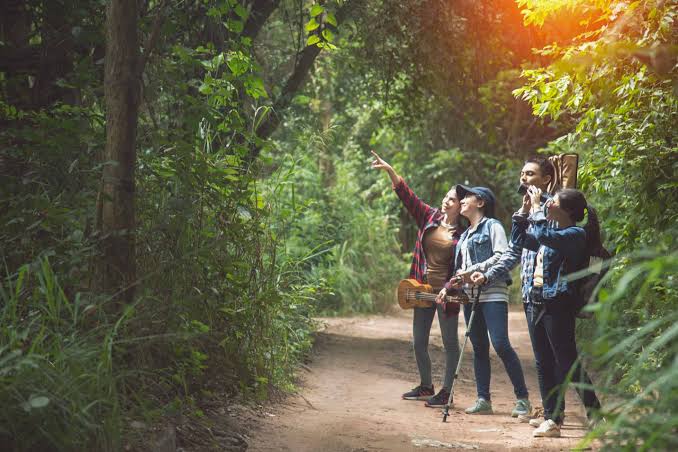
To successfully combine gorilla trekking with a classic Uganda family safari, you must build your entire itinerary around the strict minimum age limit of 15 years old for gorilla trekking while matching your travel loop with family-friendly wildlife parks. Uganda’s compact geography allows families to pair the dense rainforests of Bwindi Impenetrable National Park with standard savannah game drives within a single week.
8-days-best-uganda-rwanda-safari-holiday-ending-in-kigali
8-day-africa-big-five-safari-in-uganda-and-mabamba-swamp-shoebill
9-days-luxury-gorilla-and-uganda-safari-tour-package
7-day-uganda-gorilla-trekking-chimpanzee-wildlife-safari-tour-and-culture
7-days-best-family-uganda-safari-with-primates-and-big-five
10-days-best-uganda-big-five-safaris-and-primate-experience
14-days-family-uganda-safari-holiday-vacation-escape
18-days-ultimate-uganda-safari-with-gorilla-trekking-experience
1. Account for Age and Fitness Limits
- The 15-Year Age Rule: Children under 15 are legally restricted from trekking mountain gorillas to protect the primates from childhood illnesses. If traveling with younger kids, you must book a lodge that offers supervised kids' clubs, nature walks, or cultural activities while the adults trek.
- Request "Easy" Treks: Forest trails can be steep and muddy. When registering at the Uganda Wildlife Authority (UWA) park headquarters, request placement with a gorilla family closest to the park boundary to ensure a shorter, flatter hike.
- Hire Porters: Hire local porters at the trailhead. They carry family daypacks and offer physical support on slippery slopes, which keeps the experience manageable for older teens or grandparents.
2. Choose the Ideal Family Route
The most practical framework for families is a 6-to-8-day western circuit that minimizes grueling road travel and blends diverse safari experiences.
[Entebbe] ➔ [Kibale Forest] ➔ [Queen Elizabeth National Park] ➔ [Bwindi Forest] ➔ [Entebbe]
- Primate Pre-Show (Kibale Forest): Stop here for chimpanzee tracking (minimum age 12) or take a family-friendly walk through the Bigodi Wetland Sanctuary to spot monkeys and colorful birds.
- Savannah Game Viewing (Queen Elizabeth National Park): Drive 2 to 3 hours south from Kibale. This park features classic safari vehicles to spot lions and elephants. Take a private boat cruise on the Kazinga Channel for effortless, up-close viewing of hippos and crocodiles without the bumpy roads.
- The Grand Finale (Bwindi Forest): Drive through the Ishasha sector of Queen Elizabeth Park to spot tree-climbing lions before arriving in Bwindi for your scheduled gorilla trek
3. Smart Logistics and Booking
- Secure Permits Months in Advance: Individual international gorilla permits cost $800 USD and are highly limited. Book these through a reputable operator like Ababa Uganda Safaris or Go Gorilla Trekking at least 6 to 12 months prior.
- Consider Domestic Flights: Driving from Entebbe to Bwindi takes roughly 9–10 hours, which can cause severe travel fatigue in children. If budget permits, book a domestic flight via AeroLink from Entebbe to Kihihi or Kisoro airstrips to cut travel down to 1 hour.
- Select Family-Centric Lodges: Look for properties that feature standalone family cottages, swimming pools to burn off energy, and flexible meal menus. Excellent examples near trekking gates include Nkuringo Gorilla Lodge or Clouds Mountain Gorilla Lodge.
4. Pack the Right Gear for Kids & Teens
The rainforest environment shifts rapidly from hot to wet. Ensure everyone has: []
- Neutral Tones: Pack khaki, green, or tan clothing. Avoid bright colors that disturb gorillas, and strictly avoid blue and black clothing which actively attracts biting tsetse flies.
- Layered Protection: Long-sleeved shirts and thick trousers tucked into socks protect against safari ants and stinging nettles.
- Gardening Gloves: Cheap, lightweight gardening gloves are excellent for children to safely grip wet branches and prickly vines during the trek.
Can children under 15 years old go gorilla trekking in Uganda?
The short answer is no, because the official age limit set by the Uganda Wildlife Authority for gorilla trekking is 15 years old. This rule is strictly enforced to protect both the safety of young children and the health of the endangered mountain gorillas, who share over 98% of human DNA and are highly susceptible to human childhood illnesses like measles or chickenpox. Additionally, gorilla treks can involve several hours of strenuous hiking through steep, muddy, and unpredictable terrain, which can be physically exhausting for younger kids. However, this does not mean a family safari is off the table! When planning a family adventure with Roads of Adventure Safaris, we design flexible, multi-generational itineraries that include exciting alternative activities for children under 15—such as golden monkey tracking in Mgahinga (where the age limit is often more flexible or lower depending on park rules), guided nature walks, cultural village visits, and educational boat safaris—while the adults or older teens undertake the gorilla trek. Afterward, the whole family reunites to share stories of their incredible days exploring the Pearl of Africa together, ensuring every member of the family feels included, valued, and completely engaged throughout the journey.
How do you plan an itinerary that accommodates both gorilla trekking and family-friendly activities?
Balancing a high-intensity adventure like gorilla trekking with relaxed, engaging activities for children requires thoughtful pacing and smart logistical planning. When Roads of Adventure Safaris crafts a family safari, we structure the route to minimize long, grueling hours inside the vehicle, breaking up travel days with fun roadside stops at local craft markets, equator monuments, or scenic viewpoints. We typically schedule the gorilla trekking day near the middle or end of the itinerary so parents can focus fully on the physical trek while younger children enjoy supervised nature walks, bird watching, or cultural storytelling sessions at family-friendly lodges. Furthermore, we select accommodations that feature spacious family cottages, swimming pools, and expansive secure grounds where children can decompress after a day of travel. By maintaining a flexible schedule, we ensure that parents get their bucket-list wildlife encounters while kids stay entertained, safe, and excited about the journey, resulting in a harmonious and deeply memorable family vacation for everyone involved.
What alternative activities are available for children who cannot trek with gorillas?
Uganda offers an incredible variety of child-friendly adventures that keep younger family members thoroughly entertained while parents are out tracking gorillas. In Bwindi or Mgahinga, children can participate in guided forest walks tailored for younger legs, visit local Batwa communities to learn traditional fire-making and storytelling, or go bird watching with expert local naturalists. If your itinerary includes Queen Elizabeth National Park or Murchison Falls, children absolutely love the thrilling boat cruises teeming with hippos, elephants, and crocodiles, as well as classic game drives spotting giraffes, zebras, and playful lion cubs. Many lodges also offer junior ranger programs, baking classes with local chefs, or traditional craft-making workshops where kids can weave baskets or paint wooden animals. These curated experiences ensure that children feel just as adventurous and connected to the African wilderness as the adults do, turning a parent-focused trek into an enriching, multi-faceted family holiday.
What are the age restrictions for chimpanzee tracking in Uganda?
Unlike gorilla trekking, which maintains a strict 15-year age limit, chimpanzee tracking in places like Kibale National Park generally has an age limit of 12 years old. This makes chimpanzee trekking a fantastic wildlife milestone for pre-teens and teenagers who might be disappointed about missing out on the mountain gorillas. These vocal, playful primates are extremely active and tend to travel through the lower canopy, making sightings dynamic and thrilling for curious young minds. However, park authorities still evaluate children on a case-by-case basis regarding their physical fitness and maturity. Roads of Adventure Safaris always checks current Uganda Wildlife Authority regulations well in advance and helps families determine if older children meet all physical and age requirements, ensuring a safe, exciting, and rule-compliant primate encounter for the whole family.
How much physical stamina is required for a family gorilla trek?
Gorilla trekking is classified as a strenuous outdoor activity because mountain gorillas live high up in dense, steep tropical rainforests at elevations ranging from 1,500 to 2,600 meters. A trek can last anywhere from two to seven hours depending on where the gorilla family has nested the previous night, involving steep climbs, slippery mud, thick undergrowth, and high humidity. While teenagers aged 15 and older are legally permitted to join, parents should realistically assess their teenager's physical endurance and enthusiasm for long, rugged hikes before booking. To make the experience manageable, hiring a local porter to carry backpacks and offer a helping hand along steep inclines is essential. Roads of Adventure Safaris also requests permits for families that align with easier or closer gorilla family groups whenever possible, ensuring teenagers and adult family members can complete the trek with smiles on their faces rather than overwhelming exhaustion.
Are there babysitting or childcare services available at safari lodges?
Yes, many reputable luxury and mid-range safari lodges in Uganda offer reliable babysitting and childcare services for families traveling with younger children who are too young for gorilla or chimpanzee tracking. These childcare providers are typically local staff members from nearby communities who are wonderful with kids, engaging them in storytelling, board games, crafts, and safe outdoor play around the lodge grounds while parents are out on their trek. However, because childcare availability can vary significantly by property, it must be requested and confirmed well in advance. Roads of Adventure Safaris partners exclusively with family-friendly lodges that maintain high standards of hospitality and safety, ensuring parents can embark on their gorilla trek with complete peace of mind, knowing their little ones are being warmly cared for and entertained back at the lodge.
What is the best time of year for a family safari featuring gorilla trekking?
The ideal time for a family safari combining gorilla trekking with wildlife viewing aligns with Uganda’s dry seasons: from June to September and from December to February. During these months, rainfall is significantly lower, which makes hiking through the steep, muddy rainforest trails of Bwindi much easier and safer for family members tackling the trek. Dry weather also makes game viewing in savannah parks like Queen Elizabeth and Murchison Falls superior, as animals congregate around water sources and grass is shorter. Additionally, these dry months coincide with school holiday periods in North America, Europe, and parts of Africa, making them convenient for family travel. However, because these are peak seasons, demand for permits and family-friendly lodges is extremely high. Roads of Adventure Safaris strongly recommends booking your family adventure 9 to 12 months in advance to secure optimal dates and accommodations.
How should families prepare children physically and mentally for a safari?
Preparing children for an African safari transforms the trip from a simple vacation into an educational adventure that sparks lifelong curiosity. Months before departure, families can read books about African wildlife, watch documentaries about mountain gorillas and conservation, and discuss what life is like in rural Uganda. For teenagers preparing for the gorilla trek, physical preparation is equally important; taking family weekend hikes, walking up hills, and breaking in sturdy waterproof hiking boots ensures their feet remain blister-free on the forest trails. Parents should also talk openly with kids about wilderness safety, respecting wildlife, listening closely to ranger instructions, and understanding the cultural differences they will encounter. Roads of Adventure Safaris provides detailed family briefing notes, packing guides, and reading recommendations, ensuring your children arrive in Uganda excited, informed, and physically prepared for the journey of a lifetime.
What type of vehicle is best suited for a family safari in Uganda?
A private 4x4 safari land cruiser is the absolute gold standard for a family safari in Uganda. Unlike shared group tours where you are cramped with strangers, a private vehicle ensures your family has complete control over your daily schedule, snack stops, bathroom breaks, and game-viewing pacing. A spacious 4x4 land cruiser features large pop-up roofs for 360-degree wildlife viewing, comfortable cushioned seating, charging ports for electronic devices, and plenty of room to store camera gear and children's daypacks. When traveling with children, having a private vehicle means you can pause whenever kids spot an elephant, pull over to stretch your legs, or adjust the air conditioning and music to suit family preferences. Roads of Adventure Safaris equips every family vehicle with an experienced, patient driver-guide who specializes in engaging young travelers with fascinating wildlife facts and entertaining stories along the road.
How do safari lodge accommodations cater to families with children?
Ugandan safari lodges have evolved wonderfully to welcome families, offering spacious multi-bedroom cottages, interconnected family tents, or private villas equipped with modern amenities. Many lodges feature expansive lawns, swimming pools to cool off in after dusty game drives, and secure perimeters where kids can safely explore under the watchful eyes of staff. Dining arrangements are also flexible, with kid-friendly menus offering familiar meals alongside local dishes, early dinner times for tired toddlers, and accommodating dietary requirements. Some properties even provide board games, campfire marshmallow roasts, and interactive wildlife talks by resident naturalists. Roads of Adventure Safaris handpicks lodges that excel in family hospitality, ensuring your children feel pampered and welcomed rather than restricted, making the entire camp feel like a home away from home in the heart of the wilderness.
What essential packing gear do children need for a Uganda family safari?
Packing for children on a safari requires a balance of practical outdoor gear and comforting personal items. Essential outdoor gear includes sturdy, broken-in hiking boots with good grip for forest walks, lightweight breathable long trousers and long-sleeved shirts to protect against insects and stinging nettles during gorilla treks, wide-brimmed sun hats, and high-SPF sunscreen. For evenings in the highlands like Bwindi or Kisoro, temperatures drop significantly, so warm fleece jackets, beanies, and woolen socks are an absolute must. Parents should also pack a lightweight daypack for each child, binoculars, a journal or sketchpad, and a small personal medical kit with pediatric motion-sickness tablets, antiseptic wipes, and band-aids. Roads of Adventure Safaris supplies a comprehensive, age-specific packing list well before departure so families can shop smart and arrive fully prepared for every climate zone you will traverse.
How do you handle health, malaria prophylaxis, and safety on a family safari?
Health and safety are naturally the highest priorities for any parent planning an African adventure. Uganda is a malaria-endemic country, so consulting a travel doctor before departure for appropriate pediatric antimalarial medications (such as Malarone junior) and ensuring routine vaccinations are up to date is essential. Families should also pack EPA-registered insect repellent, DEET-free options for younger children, and lightweight long clothing for evening wear. While on safari, bottled or purified water must be used exclusively for drinking and brushing teeth. Medical facilities in remote national parks are basic, so comprehensive family travel insurance covering emergency medical evacuation is mandatory. Roads of Adventure Safaris works exclusively with trusted lodges possessing established emergency protocols and maintains direct radio contact with regional rescue networks, ensuring your family remains safe, protected, and well-cared for every single day.
What dietary and food safety considerations are there for children?
Feeding children while traveling abroad can sometimes cause anxiety for parents, but Ugandan safari lodges make catering to young palates effortless. Most safari lodges operate on a full-board basis, serving fresh, locally sourced buffet or a la carte meals that combine international favorites—such as pasta, grilled chicken, french fries, fresh fruit, and pancakes—with delicious local dishes. Kitchens are exceptionally accommodating and happy to prepare plain foods, adjust spice levels, or warm baby bottles upon request. Fresh drinking water is always provided in sealed bottles or filtered pitchers, and raw vegetables or unpeeled fruits can easily be avoided if desired. Roads of Adventure Safaris communicates all family dietary preferences, allergies, and snack requirements directly to every lodge prior to your arrival, ensuring your children enjoy safe, wholesome, and delicious meals throughout the entire journey.
How long should an ideal family safari combining gorillas and wildlife be?
An ideal family safari that successfully combines gorilla trekking, chimpanzee tracking, and classic savannah wildlife viewing should last between 8 to 10 days. A shorter timeframe forces grueling, exhausting driving days that leave children cranky and overwhelmed, whereas an 8 to 10-day itinerary allows for a comfortable, well-paced circuit. This timeframe accommodates a few days in savannah parks like Queen Elizabeth or Murchison Falls for game drives and boat cruises, a stop in Kibale for primates, and several days in Bwindi for gorilla trekking and relaxing family downtime. Roads of Adventure Safaris expertly designs these balanced itineraries with built-in rest days, ensuring children have plenty of time to play in the lodge pool, process their adventures, and enjoy the journey without feeling rushed or fatigued.
What are the passport and visa requirements for children traveling to Uganda?
Every family member, including infants and toddlers, must hold an individual passport valid for at least six months beyond their date of entry, with at least two blank pages. Additionally, all travelers entering Uganda must apply for an East African Tourist Visa or a standard Ugandan E-Visa online prior to departure. For minors traveling with one parent or guardians, immigration authorities may also request a notarized letter of consent from the non-traveling parent, along with a birth certificate proving parentage, to prevent international child abduction. These bureaucratic details can feel overwhelming when organizing a family trip. Roads of Adventure Safaris provides clear, step-by-step guidance on visa applications and documentation requirements, ensuring your family glides through customs and immigration at Entebbe International Airport smoothly and without stress.
How do you keep children engaged during long driving transfers between parks?
Long driving transfers between national parks are an inevitable part of overland safaris in Uganda, but they do not have to be boring for children. The key is transforming transit days into interactive adventures by scheduling fun roadside stops, such as crossing the Equator line to do water-drainage experiments, visiting local drum-making workshops, or stopping at roadside fruit markets to taste sweet local bananas and mangoes. Inside the vehicle, parents can pack travel-friendly games, wildlife bingo cards, audiobooks, and sketchpads. Professional driver-guides from Roads of Adventure Safaris are brilliant with children, pointing out fascinating roadside wildlife, telling local folklore stories, and answering endless questions about the landscape. By breaking up drives into manageable two-hour chunks with plenty of leg-stretching pauses, children remain cheerful, curious, and engaged throughout every road journey.
Can families on a safari participate in community and school visits?
Yes, community and cultural visits are often the most rewarding and memorable parts of a Uganda family safari for children. Interacting with local Ugandan school children, visiting community projects, or participating in traditional dance workshops teaches kids valuable global perspectives, empathy, and gratitude. In communities near Bwindi, children can visit local Batwa cultural experiences to learn ancient forest survival skills, archery, and rhythmic music. When visiting local village schools supported by tourism initiatives, children love bringing along small gifts like notebooks, pencils, or soccer balls to share with local peers. Roads of Adventure Safaris carefully curates respectful, authentic community engagements that foster genuine cross-cultural friendships, ensuring your children return home with a profound, heartfelt appreciation for East African culture and community spirit.
What wildlife safety rules must children learn before entering national parks?
Teaching children wilderness safety is essential before stepping foot into Ugandan national parks. Kids must understand that wild animals are not zoo exhibits; they are powerful, unpredictable creatures that must be respected at all times. Golden rules include remaining inside the safari vehicle during game drives unless the guide explicitly gives permission, never feeding wild animals or leaving food scraps about, keeping noise levels low so as not to startle wildlife, and following ranger instructions instantly during guided walks or gorilla treks. Parents should reinforce these safety concepts as an exciting part of becoming an official safari explorer. Roads of Adventure Safaris guides take safety briefings seriously, conducting fun, engaging educational talks with children on day one so that kids feel confident, responsible, and empowered as junior conservationists throughout the safari.
How do you manage multi-generational family dynamics on a gorilla trekking safari?
Multi-generational family safaris—bringing together grandparents, parents, and children—are deeply rewarding but require meticulous planning to accommodate varying physical abilities and energy levels. While energetic teenagers and parents tackle the strenuous gorilla trek, grandparents might prefer a gentle morning boat cruise, a relaxing spa treatment at the lodge, or a leisurely bird-watching walk around the property. The itinerary must be paced comfortably so older family members never feel pressured, while younger members stay stimulated. Roads of Adventure Safaris specializes in crafting multi-generational journeys where logistics seamlessly adapt to every age group. We ensure vehicles are comfortable for seniors, lodge rooms feature accessible ground-floor layouts, and daily schedules offer a perfect blend of shared family moments and independent relaxation.
What happens if a family member falls ill during the safari?
While everyone hopes for a smooth, healthy holiday, minor illnesses like stomach bugs, colds, or fatigue can occasionally happen when traveling with children. Being prepared makes all the difference. Every Roads of Adventure Safaris vehicle carries a comprehensive first-aid kit stocked with pediatric supplies, motion-sickness remedies, and antiseptic supplies. Our experienced driver-guides are trained in basic first aid and know the exact locations of local clinics and hospitals along every route. In the event of a more serious medical issue, lodges and operators maintain emergency communication channels to coordinate doctor consultations or rapid medical evacuations if necessary. Knowing that a professional, safety-conscious local operator has a robust emergency response plan gives parents the ultimate reassurance to explore remote wilderness areas with confidence.
How do seasonal weather changes impact family comfort and activities?
Uganda’s equatorial climate features distinct dry and wet seasons, which directly influence family comfort levels outdoors. During dry seasons (June–September and December–February), sunny skies and dry trails make hiking, game viewing, and outdoor play exceptionally pleasant and hassle-free. During the rainy or green seasons (March–May and October–November), afternoon downpours can turn forest trails into slippery mud baths and make kids restless if confined indoors. However, green season travel offers lush scenery, fewer tourists, and discounted lodge rates. If traveling with children during wetter months, packing high-quality waterproof rain jackets, mud boots, and a healthy supply of indoor card games ensures the weather never dampens family spirits. Roads of Adventure Safaris advises families on seasonal weather patterns, ensuring your packing list and daily schedule match the climatic conditions perfectly.
What photography and storytelling gear should families bring for kids?
Encouraging children to document their own safari experience is a wonderful way to keep them engaged and foster a love for nature and wildlife conservation. Instead of handing over expensive professional cameras, parents can gift children a rugged, waterproof digital camera or a simple instant-print camera so they can snap photos of elephants, baboons, and colorful birds. Providing a safari journal where kids can paste stickers, draw sketches, and write daily diary entries turns downtime into creative fun. Binoculars sized for children are also an essential tool for spotting distant giraffes or chimpanzees in the canopy. Roads of Adventure Safaris provides kids with fun wildlife checklists and activity booklets upon arrival, inspiring young explorers to observe nature closely and record their unforgettable Ugandan memories.
Are there private family safari options that offer flexibility over shared tours?
Yes, booking a private family safari is infinitely superior to joining a scheduled group tour, especially when traveling with children. Private tours ensure that your vehicle, guide, schedule, and lodge choices belong exclusively to your family. If your toddler needs an unexpected nap, your teenager wants to linger longer watching a leopard in a tree, or someone feels carsick and needs a quick bathroom break, your private guide can instantly adjust the plan without inconveniencing anyone else. Shared group tours operate on strict timetables and require compromise that can test a family's patience. Roads of Adventure Safaris exclusively operates private, tailor-made itineraries, ensuring your family enjoys complete flexibility, personalized attention, and a relaxed, stress-free holiday pace tailored entirely to your children's needs.
How do you prepare children for the cultural differences they will encounter in Uganda?
Traveling to East Africa exposes children to rich cultural traditions, vibrant communities, and sometimes stark economic differences compared to Western societies. Preparing children beforehand through conversations, books, or documentaries helps them process these new sights with empathy, curiosity, and respect rather than confusion. Parents can explain local greeting customs, the importance of asking permission before taking photographs of people, and the value of community sharing. When visiting local villages or schools, children learn firsthand about resilience, joy, and resourcefulness from Ugandan peers. Roads of Adventure Safaris ensures that all cultural exchanges are conducted with dignity and mutual respect, turning your safari into a profound educational journey that broadens your children's global worldview and leaves them with lasting cross-cultural understanding.
What souvenirs and educational keepsakes can children collect on safari?
Collecting meaningful souvenirs allows children to bring a tangible piece of their African adventure back home to share with school friends and teachers. Across Uganda, local artisan markets offer wonderful, child-friendly crafts such as hand-carved wooden animals, colorful woven baskets, beaded bracelets, traditional musical instruments like small drums, and handmade storybooks written by local authors. Purchasing these items directly supports local women's cooperatives, artisan families, and community conservation projects. Many families also collect stamps in their passports at national park gates or gather small nature keepsakes like fallen leaves and seeds for a scrapbook. Roads of Adventure Safaris introduces families to ethical, community-based craft markets where shopping is safe, enjoyable, and directly empowers the local people who make your safari so special.
How do gorilla trekking permit bookings work for family members aged 15 and older?
For teenagers aged 15 and older who are legally eligible to join a gorilla trek, securing permits requires the exact same formal booking process as adults. The Uganda Wildlife Authority strictly requires full passport details (full name, passport number, nationality, and date of birth) to issue official non-transferable permits, which cost $800 per person for foreign non-residents. Because permits are limited to a strict quota of 8 permits per habituated gorilla family per day, they sell out many months in advance, especially during school holiday months like July, August, and December. Roads of Adventure Safaris handles all permit acquisition paperwork the moment your deposit is received, locking in your family's tracking dates early and ensuring your teenagers don't miss out on this legendary wildlife milestone.
What is the typical daily pace of a family safari to prevent child fatigue?
Preventing child fatigue is the secret ingredient to a successful, harmonious family safari. A well-paced itinerary avoids early morning wake-up calls every single day, balancing high-energy wildlife activities with relaxing afternoons by the lodge pool. For example, a heavy game-drive morning in Queen Elizabeth National Park can be followed by a lazy afternoon resting at camp or exploring lodge grounds. Long driving days are interspersed with frequent stretch breaks, picnic lunches in scenic spots, and engaging roadside stops. Roads of Adventure Safaris designs every family itinerary with built-in downtime, ensuring children have plenty of physical rest and mental breathing room so they remain enthusiastic, cheerful, and ready for each new adventure without burning out halfway through the trip.
Can families experience night game drives or walking safaris in Uganda?
Yes, certain national parks and private conservancies in Uganda offer thrilling night game drives and guided walking safaris, which older children and teenagers find absolutely mesmerizing. Night game drives—available in parks like Queen Elizabeth and Lake Mburo with a specialized Uganda Wildlife Authority ranger—utilize spotlights to track nocturnal creatures such as leopards, spotted hyenas, serval cats, genets, and bushbabies. Guided nature walks allow families to track smaller wildlife footprints, examine fascinating plant life, and learn about insects and bird behavior up close. However, minimum age restrictions (usually 12 or 15 years old) apply to walking safaris and night drives for safety reasons. Roads of Adventure Safaris ensures these exciting activities are safely integrated into your family itinerary for older children while keeping younger siblings comfortably settled at camp.
How do you handle tipping and gratuity customs when traveling with children?
Teaching children about tipping and gratitude is a wonderful practical lesson in travel etiquette. In East Africa, tipping is customary and deeply appreciated by driver-guides, lodge hospitality staff, local rangers, and porters who go above and beyond to make your family's stay magical. Parents can involve children in this process by explaining why tipping matters, having kids help hand out tips to lodge staff or porters, and discussing how tips support local families and education. A safe guideline is to budget around $10 to $15 per day for your driver-guide, and modest amounts for lodge staff and trekking porters. Bringing along crisp, undamaged US dollar bills (printed 2013 or later) makes tipping straightforward. Roads of Adventure Safaris provides clear guidelines on customary tipping practices so your family can show appreciation with confidence and grace.
Why is combining gorilla trekking with a Uganda family safari an unforgettable investment?
Combining gorilla trekking for adults and teens with diverse, family-friendly wildlife adventures creates a once-in-a-lifetime holiday that binds a family together through shared wonder. While parents experience the profound, emotional magic of locking eyes with a wild mountain gorilla in the misty Bwindi forest, children are simultaneously thrilling to the sights of tree-climbing lions, playful chimpanzees, and roaring waterfalls across Uganda's pristine national parks. These shared adventures spark lifelong conversations around the dinner table, foster a deep respect for wildlife conservation, and expand children's global horizons in ways textbooks can never match. Roads of Adventure Safaris takes immense pride in crafting seamless, safe, and deeply romantic or family-oriented journeys across the Pearl of Africa, ensuring your family creates treasured memories that will last for generations to come.
Booking Uganda family safari with us Roads of Adventure safaris
You can book a family safari in Uganda with Roads of Adventure Safaris by contacting their team via email at info@roadsofadventuresafaris.com or through WhatsApp at +256 701041637.
