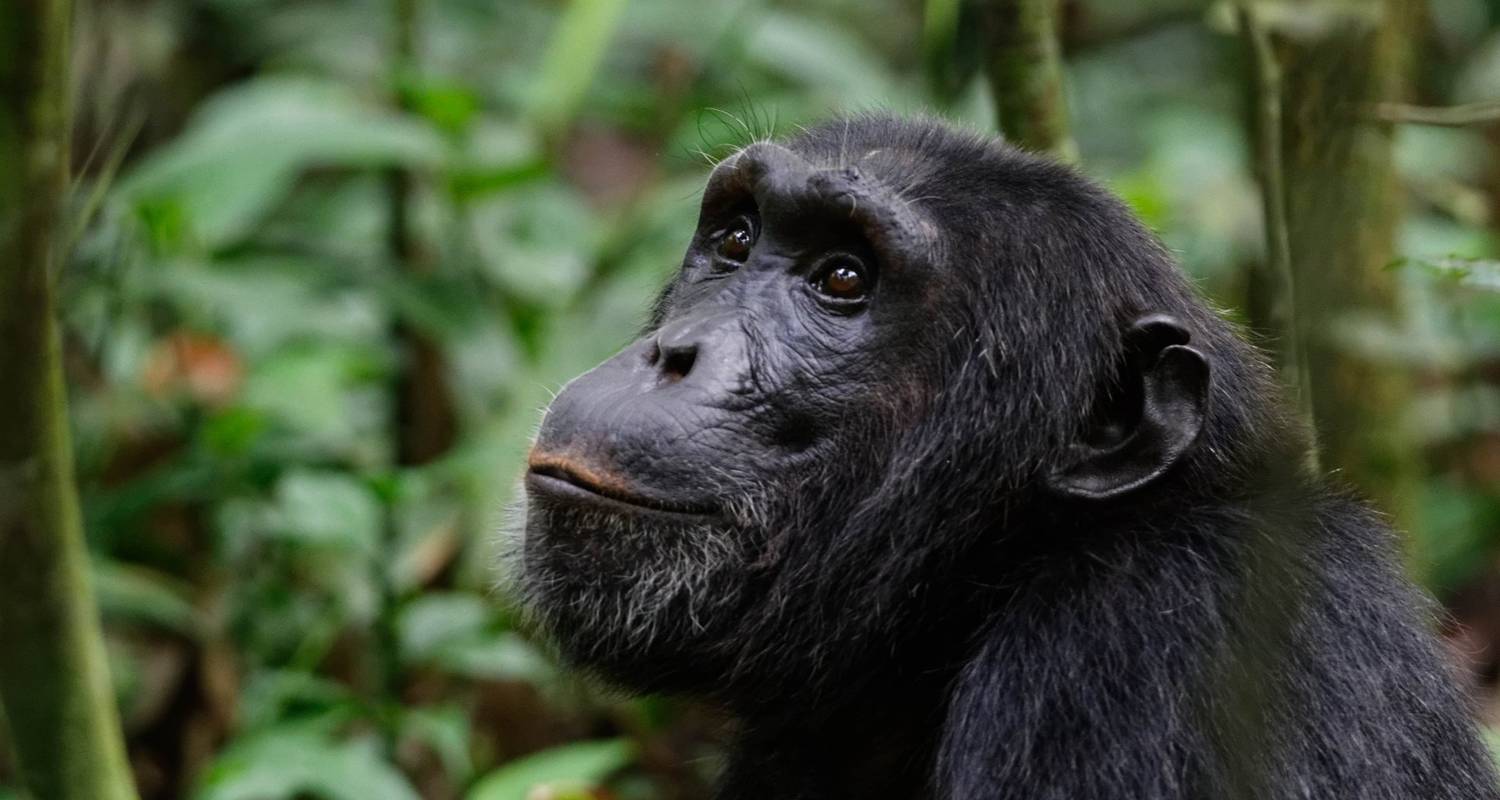
Combining a trek through Uganda’s ancient mist-shrouded rainforests with the wide-open, sun-drenched channels of Botswana is the ultimate African bucket-list trip. You get the absolute best of both worlds: the heart-pounding intimacy of locking eyes with a wild mountain gorilla, paired with the sweeping cinematic magic of a classic Southern African safari.
It’s an extraordinary contrast of landscapes—trading dense jungle canopies for winding delta waterways and desert horizons. While orchestrating the logistics between East and Southern Africa requires a bit of smart planning, the seamless transition from lush mountains to vibrant floodplains makes for an unforgettable 2-week journey.
2-days-best-gorilla-trekking-safari-tour-via-kigali-to-bwindi-impenetrable-forest-park
3-days-gorilla-trekking-safari-and-lake-bunyonyi-relaxation-itinerary
3-days-affordable-uganda-budget-gorilla-trekking-via-kigali
4-days-ultimate-gorilla-and-uganda-safari-and-chimpanzee-tracking
4-days-ultimate-gorilla-and-uganda-safari-and-chimpanzee-tracking
4-days-uganda-gorilla-safari-with-golden-monkey-tracking-from-rwanda
4-days-luxury-gorilla-trekking-safari-in-bwindi-fly-in-all-inclusive-tour
5-days-gorilla-and-uganda-safari-and-golden-monkey-trekking-tour-from-kigali
5-days-un-matched-uganda-gorilla-safari-and-chimpanzee-tour-itinerary
7-days-safari-to-uganda-queen-elizabeth-park-gorillas-trekking-and-lake-mburo
7-days-perfect-uganda-primate-safari-itinerary
7-days-uganda-tour-to-murchison-falls-via-ziwa-kibale-and-queen-elizabeth-national-park
7-day-ultimate-uganda-primate-safari-chimpanzees-and-game-drives
7-days-best-uganda-safari-tour-to-popular-safari-parks
7-days-perfect-road-trip-uganda-safari-tour
7-days-best-uganda-birding-safari-tour
7-day-uganda-safari-to-kidepo-valley-via-jinja-and-sipi-falls
7-days-murchison-falls-uganda-safari-trip-via-ziwa-rhinos-kidepo-valley-and-jinja
10-days-uganda-rwanda-primate-safari-vacation-and-game-drive-safari
10-days-best-uganda-big-five-safaris-and-primate-experience
10-days-best-uganda-birding-safari-and-wildlife-experience
10-days-best-of-uganda-and-rwanda-all-big-five-animal-and-gorilla-trekking
10-days-uganda-safari-all-big-five-gorilla-and-chimpanzee-tracking-adventure
10-days-budget-uganda-safari-holiday-vacation-tour-road-trip
Step-by-Step Combination Guide
Here is a breakdown of how to make the most out of your time in Uganda, written to give you a clear, realistic feel for what to expect on the ground:
Location: Bwindi Impenetrable or Mgahinga
Choosing between Bwindi and Mgahinga comes down to the kind of vibe you want. Bwindi is the heavy hitter—it hosts roughly half of the world’s remaining mountain gorillas across four distinct sectors, offering a dense, lush rainforest backdrop that feels utterly prehistoric. Mgahinga, on the other hand, is Uganda’s best-kept secret. Tucked against the dramatic Virunga Volcanoes, it only has one habituated gorilla family, making for an intimate, off-the-beaten-path experience. Whichever you choose, expect a physical adventure. These aren't manicured park trails; you’ll be hiking through thick undergrowth, navigating muddy slopes, and scrambling over tangled vines until you finally meet your gorilla family.
Permits: Booking Your Spot
At $800 per person, a gorilla permit is an investment, but every cent goes directly toward critical conservation efforts and local community protection—which is why gorilla numbers are actually recovering. Because daily passes are strictly capped to minimize stress on the animals, permits sell out fast, especially during the dry season (June to October). You’ll want to secure yours 3 to 6 months in advance through a registered tour operator or the Uganda Wildlife Authority. Once you hold that paper, you’re guaranteed one full hour in the presence of these gentle giants—a quiet, breathtaking hour that almost every traveler describes as genuinely life-changing.
Activities: Chimpanzee Tracking in Kibale
To round out your primate experience, head over to Kibale Forest for chimpanzee tracking (permits run around $250–$300). If gorilla trekking is a serene, reverent encounter, chimpanzee tracking is pure, high-energy excitement. Kibale has the highest concentration of primates in Africa, and tracking habituated chimps means following the loud, echoing "pant-hoots" echoing through the high canopy. You'll spend an exhilarating hour watching them leap through branches, groom one another, and forage on the forest floor. Pairing Kibale's wild, chatter-filled canopy with the quiet majesty of Bwindi gives you the absolute ultimate Ugandan primate safari.
Botswana (Delta & Wildlife Safari)
Locations: Okavango Delta, Chobe, and Savuti
Botswana offers some of the most pristine, high-density wildlife areas left on the planet, each with its own distinct personality. The Okavango Delta is an inland oasis where lush palm islands rise out of crystal-clear floodplains; here, safari moves at a gentle pace, whether you’re gliding through reeds on a traditional mokoro dugout canoe or spotting shy red lechwe antelopes.
Further northeast lies Savuti—a stark, mysterious landscape famed for its unpredictable channel and fierce lion pride dynamics, making it a dream destination for dramatic big-cat encounters. Finally, Chobe National Park delivers sheer magnitude: it is world-renowned for hosting the largest elephant population in Africa. Watching hundreds of elephants gather along the Chobe River banks at sunset, bathing and playing in the water, is an unforgettable sight. Combining water-based glides in the Delta with rugged game drives in Savuti and river cruises in Chobe gives you a complete, multi-layered picture of Botswana’s extraordinary wilderness.
Airlines & Logistics: Connecting East to Southern Africa
Bridging Uganda and Botswana requires a smart cross-continental transfer, as there are no direct commercial flights between Entebbe (EBB) and Botswana's gateways. The most seamless approach is flying out of Entebbe via major regional hubs like Johannesburg (O.R. Tambo International) or Nairobi, using trusted carriers like Kenya Airways or RwandAir.
From Johannesburg, regional operators like Airlink or South African Airways run daily flights straight into Maun (MUB)—the gateway to the Okavango Delta—or Kasane (BBK), which sits right on Chobe’s doorstep. Plan for a full travel day when transitioning between Uganda and Botswana, standardly staying overnight in Johannesburg or Nairobi to rest. Once you touch down in Maun or Kasane, small bush planes (light aircraft charters) take over, giving you stunning aerial views as they whisk you directly to remote safari camp airstrips tucked deep inside the reserves.
Typical Logistics Breakdown
Days 1–3: The Ugandan Primate Experience
Your journey begins as you land at Entebbe International Airport (EBB). From here, you’ll head southwest to Bwindi Impenetrable National Park—either via a scenic 8-to-10-hour drive through Uganda’s rolling green countryside or a quick 1-hour domestic bush flight.
Day 2 is the big moment: you’ll wake up early, head to the park headquarters for a safety briefing, and plunge into the dense, ancient mist of Bwindi alongside expert guides and trackers. The trek can take anywhere from two to six hours depending on where the gorilla family moved overnight. Finding them and spending that quiet, mesmerizing hour in their presence is purely unforgettable. You'll spend Day 3 soaking in the rainforest atmosphere or transferring back to Entebbe to prepare for your southward flight.
Days 4–5: Transitioning Across Africa
Because East and Southern Africa are connected by regional flight corridors, you’ll spend these days flying from Entebbe down to Botswana’s gateway cities—Maun (for the Okavango Delta) or Kasane (for Chobe). Most itineraries route you through Johannesburg’s O.R. Tambo International Airport, making an overnight stop in South Africa or Nairobi a great way to break up the journey, reset, and enjoy a warm dinner. By Day 5, you'll board a regional connector (like Airlink) and touch down on a Botswana runway, where a light aircraft plane will fly you straight out over the wild bush to your remote safari camp.
Days 6–13: Botswana’s Delta & Wilderness
Now, the landscape dramatically changes. You’ll spend the next week immersed in two of Southern Africa’s most celebrated wildlife ecosystems. In the Okavango Delta, life slows down to the rhythm of the water; you’ll glide silently through papyrus-lined channels in a traditional mokoro (dugout canoe), listening to the call of African fish eagles and spotting elephants wading between islands.
As you transition to Chobe and Savuti via light aircraft, the energy shifts to high-octane game drives. You'll tracker large lion prides, watch massive herds of elephants gathering along the Chobe Riverbanks at golden hour, and take sunset boat cruises where hippos pool in the currents. It’s an ideal, high-impact finish to a dream multi-country expedition.
How far in advance should I book my gorilla permits?
Given how strictly the Uganda Wildlife Authority caps daily passes to protect the animals, you should lock in your permit 6 to 12 months early. Each habituated gorilla family can only receive eight human visitors per day for a single hour. When planning a multi-country trip that hinges on lining up regional flight connections and boutique lodge stays across Botswana and Uganda, permit availability serves as your anchor. During the prime dry months—June through October—permits sell out almost instantly.
Securing your $800 permit far ahead of time gives you the freedom to build the rest of your itinerary around those exact dates. If you wait until the last minute, you risk having to compromise on park sectors, settle for less convenient lodging, or restructure your entire flight route. Working with a reputable tour operator as early as possible ensures your paperwork is filed cleanly with official channels before you book non-refundable regional flights.
Which gorilla trekking location is best: Bwindi or Mgahinga?
Choosing between Bwindi Impenetrable and Mgahinga Gorilla National Park depends entirely on the atmosphere you prefer. Bwindi is the iconic choice, holding roughly half of the world’s mountain gorillas across four distinct trekking sectors (Buhoma, Ruhija, Rushaga, and Nkuringo). It offers a classic, deeply immersive rainforest feel with a variety of accommodation options, making it reliable and easy to tailor to different fitness levels.
Mgahinga, by contrast, is Uganda’s hidden diamond. Nestled against the jagged Virunga Volcanoes, it features just one habituated gorilla family (the Nyakagezi group). Because there is less foot traffic, trekking here feels extraordinarily intimate and wild. However, because it only offers eight permits a day total, securing a spot takes real foresight. If you want high lodge variety and flexible terrain options, pick Bwindi; if you want dramatic volcanic backdrops and fewer fellow trekkers, Mgahinga is hard to beat.
What physical fitness level is required for gorilla trekking?
Gorilla trekking in Uganda requires a moderate-to-high level of physical stamina because you are navigating raw, unpaved wilderness. There are no landscaped footpaths in Bwindi or Mgahinga. You’ll be scrambling over tangled roots, trekking through thick undergrowth, navigating slippery mud, and tackling steep mountain inclines at altitudes between 3,800 and 8,000 feet. A hike can last anywhere from ninety minutes to six hours depending on where the gorilla family traveled overnight.
You don’t need to be a marathon runner, but having good cardio endurance, steady balance, and strong legs makes a massive difference. Preparing with regular hill walks or stair climbing in the months leading up to your trip will pay off on the trail. It is also wise to hire a local porter at the trailhead for around $15–$20. Porters carry your daypack, offer a steady hand on slick descents, and directly support the local community surrounding the park.
How do I fly between Uganda and Botswana smoothly?
Because there are no direct commercial flights connecting Entebbe (EBB) in Uganda to Maun (MUB) or Kasane (BBK) in Botswana, your smoothest strategy involves routing through major African hubs like Johannesburg (JNB) or Nairobi (NBO). The most dependable route is catching an early flight out of Entebbe on carriers like Kenya Airways or RwandAir down to Johannesburg’s O.R. Tambo International Airport, where you can easily connect to regional flights operated by Airlink.
To prevent travel fatigue and avoid missed connections, plan a full transition day or an overnight layover in Johannesburg. Rest up at an airport hotel, enjoy a good dinner, and catch a morning Airlink flight directly into Maun or Kasane the following day. Once in Botswana, local light aircraft charters take over, flying you straight onto bush airstrips right near your luxury safari camps.
What is the ideal time of year for this trip?
The undisputed sweet spot for combining Uganda and Botswana falls during the dry season, which runs from June through October. In Uganda, these months bring drier forest trails, making the steep mountain slopes less slippery and much easier to navigate on foot. While rain can fall at any time in a tropical rainforest, the dry spell drastically improves visibility and overall trekking comfort.
In Botswana, this same window aligns with the peak safari season. The Okavango Delta’s water levels reach their maximum height as winter floodwaters arrive from Angola, filling the channels for incredible mokoro (canoe) rides and boat cruises. Meanwhile, vegetation across Chobe and Savuti thins out, forcing wildlife to cluster densely around remaining waterholes and riverbanks. This creates extraordinary wildlife viewing conditions across both countries simultaneously.
What essential gear should I pack for both destinations?
Packing for this combination requires balancing humid jungle hikes with breezy savannah game drives. For Uganda’s rainforests, sturdy waterproof hiking boots with excellent ankle support are essential. You’ll want lightweight, breathable long-sleeved shirts and long pants to protect against stinging nettles and insects, along with high gaiters, a durable raincoat, and sturdy gardening gloves to grip thorny vines while climbing.
For Botswana, pack neutral-toned, lightweight clothing (khaki, beige, or olive green) for morning and afternoon game drives. You will also need a warm fleece, down jacket, and beanie—winter mornings (June–August) on open safari vehicles can be surprisingly frosty before the sun rises. Because light aircraft bush flights enforce strict weight limits (usually 15–20 kg per person in soft-sided bags), prioritize versatile layerable clothing and leave heavy hard-shell suitcases at home.
What makes chimpanzee tracking in Kibale Forest unique?
While gorilla trekking is a quiet, contemplative experience, tracking chimpanzees in Kibale Forest is high-octane energy from start to finish. Kibale boasts the highest density of primates in Africa, holding over 1,500 wild chimpanzees. The adventure begins long before you spot them—you’ll hear their echoing "pant-hoot" calls ringing out through the high forest canopy before catching up with their troop on the ground or in the trees.
Once located, you spend an action-packed hour watching these highly intelligent primates interact. You'll see them leap across giant branches, groom each other, forage for fruit, and communicate using complex vocalizations and drumbeats on tree buttresses. Chimps move fast, making the trek an thrilling foot-chase through lush greenery. Pairing Kibale’s energetic canopy tracking with Bwindi’s peaceful gorilla encounter gives you a complete picture of East Africa’s primate diversity.
How does safari viewing differ across Botswana’s ecosystems?
Botswana stands out because its iconic wilderness zones offer vastly different wildlife experiences within a short flight of one another. The Okavango Delta focuses on water-based, slow-paced exploration: you’ll glide quietly through papyrus channels on a traditional wooden mokoro, listening to bird calls and watching elephants wade through crystal-clear shallows.
In contrast, Savuti is a rugged, land-based ecosystem renowned for dramatic predator activity. Its sweeping grasslands and seasonal marshland attract massive lion prides, hyena clans, and elusive leopards, making it prime terrain for tracking intense predator-prey dynamics. Further north, Chobe National Park offers unmatched animal density, particularly huge elephant herds and buffalo mobs along the Chobe River. Combining all three guarantees a rich blend of tranquil water safari and classic open-vehicle game viewing.
Are domestic charter flights necessary for this travel route?
While not strictly mandatory in Uganda, light aircraft flights are essentially required in Botswana. In Uganda, you can travel from Entebbe to Bwindi via an 8-to-10-hour overland drive. While long, the drive offers a scenic tour through Uganda's rolling countryside, rural villages, and tea plantations. However, if you want to save time, taking a short 1-hour domestic flight (via Aerolink) directly to Kihihi or Kisoro airstrips is the far faster option.
In Botswana, bush aircraft transfers are an absolute necessity. Most safari camps in the Okavango Delta and Savuti sit on isolated islands or deep inside protected reserves accessible only by dirt airstrips. Flying on small 6-to-12-seater aircraft isn’t just a logistical need—it is a highlight of the trip, offering breathtaking aerial views of winding waterways, elephant paths, and wildlife herds far below.
Is combining Uganda and Botswana safe for solo travelers?
Combining Uganda and Botswana as a solo traveler is safe, rewarding, and straightforward when booked through established safari operators. Both countries are stable, welcoming destinations with well-developed tourism industries designed to care for international guests from arrival to departure. From the moment you land, private transfers, expert guides, and lodge staff ensure you are guided seamlessly between every leg of your journey.
While on gorilla treks or game drives, you are always accompanied by armed park rangers and professional guides. At safari camps, dining is often communal, making it easy to share stories with fellow travelers over dinner. The main consideration for solo travelers is cost: light aircraft transfers and high-end lodges often apply single supplements. However, booking early or joining small-group departures can help reduce these fees while keeping the trip smooth and worry-free.
Booking Combined Botswana and Uganda safari with us Roads of Adventure safaris
Combining Botswana’s iconic wilderness with Uganda’s rich primate regions is the ultimate bucket-list adventure. To seamlessly blend these two worlds, local operator Roads of Adventure Safaris specializes in bespoke cross-border trips—handling everything from coveted Bwindi gorilla permits to seamless regional transport, park fees, and luxury or mid-range lodging. Because coordinating flights across Southern and East Africa requires careful planning, working directly with an experienced local team ensures every detail is effortlessly taken care of. You can start planning your custom journey today by contacting their Kampala office via Roads of Adventure Safaris, emailing our team, or calling +256 701 041637.
