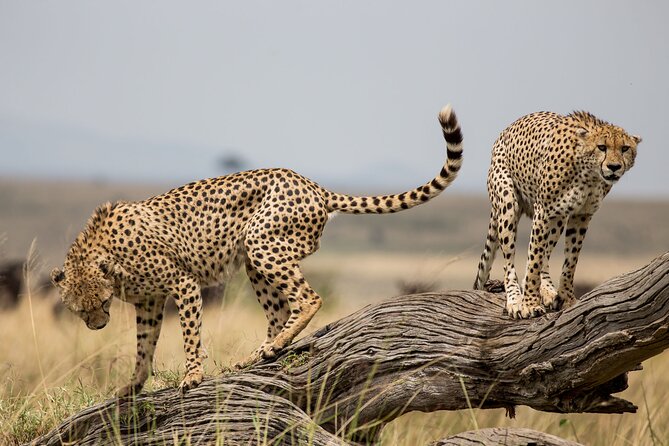
A 7-day Kenya wildlife safari typically costs between $1,500 and $5,000+ per person. Budget options start around $1,500–$2,000, mid-range options are $2,500–$3,500, and luxury packages often exceed $5,000 per person. Costs depend heavily on accommodation type, season, and park fees
Popular 7 Day Kenya safari itineraries
7-days-budget-kenya-safari-holiday-vacation-tour
7-days-amboseli-kenya-and-serengeti-fly-in-tanzania-safari
7-days-masai-mara-safari-tour-and-serengeti-safari-tour-in-kenya-and-tanzania
7-days-best-of-kenya-wildlife-safaris-itinerary
7-days-kenya-wildlife-safari-to-kenya-beach-holiday-at-diani-beach
7-days-ultimate-budget-kenya-tanzania-safari-holiday-vacation
7-days-ultimate-africa-big-cats-kenya-safari-holiday-best-parks
7-days-kenya-honeymoon-safari-holiday-and-vacation-couple-escape
7-days-kenya-family-safari-package-and-zanzibar-beach-holiday-vacation
7-days-best-africa-big-cats-safari-in-kenya
Key Cost Factors for a 7-Day Safari
Budget Tier ($200–$300 per person/day)
Choosing a budget safari is an excellent way to experience Kenya’s world-class wildlife without the high-end price tag. At this level, your investment primarily covers the essentials: access to the parks, basic nourishment, and functional shelter. Accommodation usually consists of "budget tented camps" located just outside the national reserve boundaries rather than inside the parks. These camps offer permanent walk-in tents with basic beds and attached bathrooms, providing a rustic but authentic "bush" feel. Because you are staying outside the gates, you may experience slightly shorter game-viewing hours due to park transit times.
Transportation is a major factor in keeping costs down. Budget safaris often utilize customized safari minivans with pop-up roofs rather than 4x4 Land Cruisers. While these vans are capable, they offer less ground clearance and comfort on bumpy "African massage" roads. Furthermore, budget trips are frequently organized as "group joining" safaris. You will share the vehicle with other travelers, which is a great way to meet people but means you have less control over how long you stay at a specific sighting.
Meals are typically served buffet-style at the camp and are hearty but simple. You won't find fine dining here, but you will have consistent access to clean water and cooked local and international dishes. It is important to note that while the price is lower, the park entry fees remain the same for everyone. Therefore, a large portion of your daily budget is actually going directly to the Kenya Wildlife Service or local Masai Mara authorities to support conservation. This tier is perfect for adventurous travelers who prioritize the animals over high-thread-count sheets and luxury spas.
Mid-Range Tier ($350–$400 per person/day)
The mid-range tier is often considered the "sweet spot" for Kenyan safaris, offering a significant jump in comfort and exclusivity for a moderate price increase. The primary upgrade here is the accommodation. You will likely stay in established lodges or "tented lodges" that are often situated within the park or in premium private conservancies. Staying inside the park allows you to be the first on the scene during early morning predator hunts, as you don't have to wait for the main gates to open. Rooms usually feature solid walls or high-quality canvas, private verandas, and sometimes even swimming pools to cool off during the midday heat.
Transportation in the mid-range category usually upgrades to a 4x4 Land Cruiser. These vehicles are sturdier, handle rough terrain better, and provide a more iconic safari experience. Many mid-range packages also offer "private" options, meaning you and your travel companions have the vehicle and guide to yourselves. This allows for a completely tailored itinerary; if you want to spend three hours watching a single leopard, you can do so without consulting other passengers.
The quality of guiding also tends to be more consistent at this level. Mid-range operators often employ experienced guides who have spent years studying animal behavior and birding, providing a deeper educational layer to your trip. Food becomes more varied, often including three-course dinners and better-packed picnic lunches for full-day game drives. For most travelers, this tier provides the perfect balance of a "rugged" African adventure and the comforts of a true vacation, ensuring you are well-rested and well-fed for the long days out in the bush.
Luxury Tier ($600–$1,500+ per person/day)
A luxury safari is a transformative experience where the boundaries between the wild and world-class hospitality disappear. At this level, you are staying in "boutique" camps or ultra-exclusive lodges, often with fewer than ten tents. These accommodations are architectural marvels, featuring private plunge pools, outdoor showers, and expansive decks overlooking watering holes. The service is highly personalized, often including a private butler who handles everything from your laundry to your favorite cocktail.
The most significant "luxury" here is the gift of time and space. Instead of long, dusty drives between parks (which can take 5–6 hours), luxury packages often include "fly-in" safaris. You will take light aircraft from Nairobi directly to bush airstrips, turning a grueling travel day into a scenic 45-minute flight over the Great Rift Valley. This maximizes your game-viewing time and keeps you refreshed. Once at the camp, game drives are conducted in specially modified, open-sided 4x4 vehicles, providing the best possible angles for photography without any glass or pillars in the way.
Dining at this level is a gourmet affair, featuring fine wines and "bush dinners" under the stars, complete with white linen and lanterns. Furthermore, many luxury camps are located on private conservancies. This is a game-changer because conservancies allow for activities prohibited in national parks, such as off-roading to get closer to the cats, guided night drives to see nocturnal predators, and intimate walking safaris. While the price is high, it covers a highly specialized, low-impact form of tourism that provides maximum privacy and the most profound connection to the African wilderness.
Seasonality and Included Costs
Understanding the calendar is the most effective way to control your safari's final price. Kenya’s tourism year is divided into three main seasons. The High Season (July–October) coincides with the Great Migration. This is when prices are at their peak and lodges are often booked a year in advance. The weather is dry, making it easy to spot cats around water holes. The Shoulder Season (January–March/November) offers excellent wildlife viewing with fewer crowds and slightly lower rates. The Green Season (April–June) is the rainy period; while some roads can be muddy, the landscape is lush, birdlife is incredible, and luxury lodges often slash their prices by 30-50%, making it the best time for budget-conscious travelers to "upgrade" their experience.
Regardless of the tier you choose, most Kenyan safari packages are "all-inclusive" in a very specific way. Your price will almost always include:
- Accommodation: All nights as specified in the itinerary.
- Meals: Three meals a day (Breakfast, Lunch, Dinner).
- Transport: The vehicle, fuel, and the services of a professional driver-guide.
- Park Fees: These are significant (often $80–$200 per day) and are usually bundled into the quote.
- Water: Bottled or filtered water provided in the vehicle during game drives.
However, it is crucial to check for "hidden" extras. Most packages do not include international flights, visa fees ($30+), travel insurance, or tips for your guide (standard is $10–$20 per day). Alcoholic drinks and sodas are often extra at budget and mid-range lodges but included in luxury camps. Knowing these inclusions upfront ensures that once you land in Nairobi, you can focus entirely on the horizon and the "Big Cats" waiting for you.
Typical 7-Day Itinerary Highlights
Masai Mara National Reserve
The Masai Mara is the crown jewel of Kenya’s wildlife conservation and the ultimate destination for any "Big Cat" enthusiast. Spanning over 1,500 square kilometers, this vast savannah is an extension of Tanzania's Serengeti, forming a seamless ecosystem where nature’s most dramatic spectacles unfold daily. It is world-renowned for its dense population of lions, leopards, and cheetahs. During this 7-day safari, the Mara serves as the primary stage for viewing the Big Five. The landscape is characterized by rolling grasslands, iconic flat-topped acacia trees, and the Mara River, which becomes the focal point of the Great Migration between July and October.
What makes the Mara unique is the sheer reliability of wildlife sightings. Here, you are not just hoping to see a predator; you are often deciding which pride to observe. The reserve's open plains provide little cover for prey, making it the perfect hunting ground for the cheetah, the world's fastest land animal. Observing a cheetah using a termite mound as a lookout point is a quintessential Mara experience. Meanwhile, the riverine forests along the Talek and Mara rivers provide the perfect sanctuary for the elusive leopard.
Beyond the cats, the Mara is home to massive herds of elephants, buffalo, and the rare black rhino. The "human" element of the Mara is equally compelling; the reserve is managed in harmony with the Maasai people. A visit to a local "Manyatta" (village) allows you to witness a culture that has coexisted with these predators for centuries. Whether you are taking a sunrise hot air balloon flight over the plains or navigating the tracks with an expert guide, the Masai Mara delivers an emotional connection to the wild that few other places on earth can match.
Lake Nakuru National Park
Lake Nakuru National Park offers a striking contrast to the wide-open plains of the Mara. Located in the heart of the Great Rift Valley, this park is centered around a shimmering soda lake that was once world-famous for attracting millions of pink flamingos. While rising water levels have shifted flamingo populations in recent years, the park has evolved into one of Kenya’s most successful sanctuaries for endangered species. It is arguably the best place in East Africa to see both the southern white rhino and the shy, more aggressive black rhino. Seeing these prehistoric giants grazing against the backdrop of the alkaline lake is a highlight of any Kenyan journey.
The park’s geography is diverse, ranging from steep rocky escarpments to dense yellow-fever acacia woodlands. These forests are the preferred habitat for Nakuru’s healthy leopard population. Unlike the Mara, where leopards can be difficult to track, the concentrated forest patches in Nakuru often reward patient travelers with sightings of these spotted cats resting on heavy branches. The park is also famous for its "tree-climbing lions," a unique behavioral trait where lions ascend trees to escape the heat or ground-dwelling insects.
Birdwatchers will find Nakuru to be a paradise, with over 450 species recorded. From the majestic African fish eagle to the colorful saddle-billed stork, the avian diversity is staggering. The park is compact, which means game drives are often very productive in a short amount of time. A drive to the "Out of Africa" lookout point provides a panoramic view of the entire lake and the surrounding caldera, offering a moment of quiet reflection. Nakuru represents a successful story of conservation, where fenced boundaries protect some of Africa’s most vulnerable creatures in a stunningly beautiful setting.
Amboseli National Park
Amboseli National Park is a land of giants and breathtaking vistas. Situated at the base of Mount Kilimanjaro—the highest free-standing mountain in the world—Amboseli provides the most iconic photographic backdrop in all of Africa. The park is world-famous for its "Tuskers," massive African elephants with ivory that sometimes reaches the ground. Because the park is relatively small and flat, with sparse vegetation, these elephant herds are easily visible as they trek across the dusty salt pans toward the lush, emerald-green swamps fed by the mountain's melting snow.
The swamps, such as Enkongo Narok and Olokenya, are the lifeblood of Amboseli. Here, you can watch hippos submerged in cool water and elephants playfully bathing while various water birds, like herons and egrets, forage nearby. While elephants are the stars, the park’s open terrain makes it an excellent place to spot lions and cheetahs. Seeing a lion pride silhouetted against the snow-capped peak of Kilimanjaro is a bucket-list moment for every photographer. The park’s name comes from a Maasai word meaning "salty dust," and the shimmering heat mirages over the dry Lake Amboseli add a surreal, dreamlike quality to the landscape.
Despite its arid appearance, Amboseli is a complex ecosystem. The "Observation Hill" offers a 360-degree view of the marshes below, allowing you to see the movement of wildlife across the plains in real-time. It is one of the few places where you can truly appreciate the scale of an elephant’s daily journey. The interaction between the dry, dusty plains and the life-giving swamps creates a dynamic environment where survival depends on the mountain's water. For many, the sight of a line of elephants walking beneath the "Roof of Africa" is the most enduring image of their 7-day safari.
Lake Naivasha
Lake Naivasha serves as a refreshing, tranquil interlude in a busy 7-day safari itinerary. Unlike the national parks, Naivasha is a freshwater lake, and its shores are lined with lush papyrus, yellow-fever trees, and private conservancies. The highlight of a visit here is a boat safari, which offers a different perspective on African wildlife. From the water, you can get incredibly close to pods of grunting hippos and watch African fish eagles swoop down from the canopy to pluck fish from the surface with surgical precision. The lack of predatory pressure on the water makes for a relaxing experience where you can focus on the smaller details of the ecosystem.
A unique feature of the Naivasha area is Crescent Island Game Sanctuary. This submerged rim of a volcanic crater is now a peninsula where you can enjoy a "walking safari." Because there are no resident lions or hyenas on the island, it is safe to walk among giraffes, zebras, waterbucks, and wildebeests. Walking alongside a tower of giraffes at eye level is a profound experience that "humanizes" the wildlife, allowing you to feel like part of the herd rather than a spectator in a vehicle. It is a rare opportunity to hear the sound of a zebra grazing or the rustle of a gazelle in the grass without the hum of an engine.
The Naivasha region is also a gateway to Hell’s Gate National Park, one of the only parks in Kenya where you can hike or ride bicycles through dramatic obsidian caves and towering rock towers. Whether you are exploring the geothermal activity of the valley or enjoying a quiet sunset boat ride, Lake Naivasha provides a sense of peace and intimacy. It is the perfect place to decompress between the high-energy predator tracking of the Masai Mara and the elephant-filled plains of Amboseli, rounding out a comprehensive Kenyan adventure.
What is the average cost for a 7-day Kenya safari?
The average cost for a moderate, mid-range 7-day Kenya safari typically falls between $2,500 and $4,000 per person. This price point is the most popular choice for travelers because it strikes a harmonious balance between authentic adventure and modern comfort. When you invest in this price bracket, you are essentially paying for a seamless logistics chain that includes reliable 4x4 transportation, professional guiding, and quality accommodation. The "average" experience usually involves staying in well-established lodges or permanent tented camps located within or very near the national reserves, ensuring you are close to the wildlife action without sacrificing a good night's sleep.
In this mid-range bracket, your money goes toward a more personalized experience than a budget tour but remains more grounded than a luxury fly-in safari. You can expect three full meals a day, often served as a mix of buffet and à la carte options, and a driver-guide who is highly knowledgeable about animal behavior. The cost also accounts for the significant overhead of operating in remote areas, including fuel for long drives between parks like the Masai Mara and Amboseli, and the high maintenance costs of vehicles that must withstand rugged African terrain.
Furthermore, this average cost reflects the "all-in" nature of a Kenyan safari. Unlike a standard hotel stay, this price includes your "entertainment" (game drives), your "commute" (inter-park transfers), and your "entry tickets" (national park fees). While $2,500 to $4,000 may seem like a high upfront cost, it covers nearly every waking moment of your journey. By opting for this mid-tier, travelers avoid the discomforts of shared budget vans while steering clear of the five-star prices that cater to the ultra-wealthy, making it the definitive "classic" African safari experience.
How much does a budget 7-day safari cost?
Budget safaris in Kenya are the gateway for backpackers and price-sensitive adventurers, typically starting around $1,400 to $2,000 per person. At this level, the experience is stripped down to its most essential elements: the wildlife and the landscape. The primary way costs are reduced is through accommodation. Budget travelers usually stay in "public campsites" or "basic tented camps" located just outside the park boundaries. In some cases, this may involve sleeping in small, two-person ground tents with shared bathroom facilities, providing a raw and unfiltered connection to the sounds of the African night.
Another significant cost-saver in the budget category is the mode of transport. Many budget operators use customized safari minivans (vans with pop-up roofs) rather than the more expensive 4x4 Land Cruisers. While these vans are perfectly capable on most main roads, they lack the "go-anywhere" ruggedness and high clearance of a Land Cruiser, which can be a factor during the rainy season. Additionally, budget tours are often "group-joining" safaris. This means you will share your vehicle with four to six other travelers, effectively splitting the cost of the driver and fuel. While this reduces the price, it also means you have less flexibility in the daily schedule.
Despite the lower price, a budget safari does not mean a "low-quality" wildlife experience. The lions in the Masai Mara do not distinguish between a traveler in a van and one in a luxury cruiser. You still visit the same world-class parks and see the same incredible animals. However, you should be prepared for longer days, as staying outside the park gates adds commute time each morning and evening. For those who don't mind a bit of dust, shared spaces, and simpler meals, the $1,400–$2,000 range offers an incredible opportunity to see the Big Five without breaking the bank.
What is the cost of a luxury 7-day safari?
A luxury 7-day safari in Kenya is an elite travel experience where costs range from $5,000 to over $10,000 per person. This tier is not merely about expensive beds; it is about exclusivity, intimacy, and the optimization of time. The most significant driver of this cost is often the use of "fly-in" logistics. Instead of spending six hours driving on bumpy roads between Nairobi and the Masai Mara, luxury travelers board light aircraft that whisk them between bush airstrips in under an hour. This saves days of travel time, allowing for more game drives and more relaxation at the lodge.
The accommodations at this level are often small, boutique camps with as few as six to ten tents, ensuring a high staff-to-guest ratio. These are not "tents" in the traditional sense; they are canvas-walled palaces featuring mahogany furniture, private plunge pools, and 24-hour butler service. Many of these lodges are situated on "private conservancies"—land leased from local communities specifically for conservation. Because these areas are private, they are not subject to national park rules, allowing for exclusive activities like night game drives, off-road tracking to get closer to the cats, and guided bush walks.
Luxury safaris also prioritize culinary excellence and privacy. You can expect fine dining with imported wines, often served in "secret" locations like a dry riverbed or under a lone acacia tree. Your guide is usually a silver-level or gold-level professional with decades of experience, and your vehicle is almost always a private, open-sided 4x4 designed for unobstructed photography. When paying upwards of $10,000, you are buying a curated, private world where every logistical hurdle is removed, leaving only the pure, silent beauty of the African wilderness.
What is the price per person per day (budget vs. luxury)?
Breaking down safari costs into a "per person per day" (PPPD) metric is the most accurate way to compare different levels of service. In Kenya, a Budget safari typically runs between $150 and $250 PPPD. At this rate, nearly half of your daily spend is consumed by park entrance fees and fuel, leaving a modest amount for simple food and basic tented shelter. It is a functional budget that prioritizes "being there" over "how you stay there." Travelers in this bracket are essentially paying for the privilege of access to some of the world's most expensive real estate—the national parks.
Moving into the Mid-Range category, the cost jumps to $350–$400 PPPD. This increase covers the significant upgrade from a minivan to a 4x4 Land Cruiser and the transition from a basic tent to a permanent lodge with a swimming pool, diverse buffet meals, and better locations. This is the most common price point because it offers a "standard" level of comfort that most international tourists expect. The extra $150 per day over the budget tier buys you much more comfort, better views, and usually a more experienced guide who stays with you for the duration of the trip.
At the Luxury end, the price scales from $600 to $1,000+ PPPD. This leap is attributed to the "exclusivity premium." When a camp only hosts 12 guests, the cost of maintaining the airstrip, the gourmet kitchen, and the high-security perimeter is shared among fewer people. Furthermore, luxury camps often include all drinks, private vehicles, and specialized activities like hot air ballooning (which alone can cost $450) in their daily rate. While a budget traveler pays for a seat in a van, a luxury traveler pays for the entire ecosystem of a private conservancy, making the PPPD reflective of a truly bespoke service.
What does a 7-day safari package typically include?
A standard 7-day safari package in Kenya is designed to be a "turnkey" vacation, meaning that once you land at Jomo Kenyatta International Airport, almost everything is handled by your operator. The most fundamental inclusion is accommodation. Whether it’s a tent or a stone lodge, your package covers all six nights of the journey. Along with this comes full-board meals, which include breakfast, lunch (often a picnic box in the bush), and dinner. In the African bush, there are no "local restaurants" to pop into, so the lodge or camp is your sole provider of nutrition.
Transportation is the second major pillar. This includes a 4x4 vehicle—usually a Land Cruiser or a specialized van—with a pop-up roof for wildlife viewing. The package covers the vehicle hire, all fuel, and the "kilometers" driven. This vehicle is also your "transfer" between different parks. Accompanying the vehicle is your professional driver-guide. This individual is perhaps the most important part of the package; they are your navigator, your wildlife spotter, and your cultural liaison. Their salary and expenses are included in your total trip cost.
Finally, the package includes National Park Entrance Fees. These are mandatory daily taxes paid to the government or local counties to enter areas like the Masai Mara, Lake Nakuru, or Amboseli. For a 7-day trip, these fees can easily total $500–$800 per person, so having them pre-paid in your package is essential for a stress-free experience. Most packages also include "emergency flying doctor" insurance, which provides aero-medical evacuation to Nairobi if needed. In short, the package covers everything required to safely and comfortably navigate the wild, leaving you to focus entirely on the animals.
Are park entrance fees expensive?
Yes, park entrance fees in Kenya are significant and represent a large portion of your total safari budget. For international tourists (non-residents), these fees typically range from $50 to $100 per person per 24-hour period, depending on the park. For example, popular destinations managed by the Kenya Wildlife Service (KWS), such as Amboseli or Tsavo, often sit at the $60–$80 mark. These fees are not just "tickets"; they are a critical source of revenue for conservation, paying for anti-poaching units, road maintenance, and community outreach programs that discourage human-wildlife conflict.
When you multiply these daily fees across a 7-day itinerary that visits multiple parks, the total can be startling. If a family of four spends three days in a premium park, they might spend $1,200 just on the "right to be there" before a single meal is served or a kilometer is driven. It is also important to note that these fees are usually charged on a 24-hour basis. If you enter at 2:00 PM on Monday and stay until 4:00 PM on Tuesday, you may be charged for two full days.
Furthermore, these fees are subject to change and often have "High" and "Low" season pricing. Recently, Kenya has moved toward a more centralized e-citizen payment system, making it harder to pay in cash at the gate. While the cost may seem high compared to national parks in the US or Europe, it is important to remember that Kenya’s parks are unfenced, wild ecosystems that require massive financial resources to protect. For the traveler, this cost is unavoidable and must be factored into the initial planning stages to avoid "sticker shock" during the booking process.
How much are Masai Mara park fees?
The Masai Mara National Reserve has some of the highest and most complex park fee structures in Africa. As of recent updates, park fees for international adult visitors have increased significantly, often reaching $200 per person per 24 hours during the peak season (July to December). In the low season (January to June), this may drop slightly, but it remains the most expensive entry ticket in Kenya. This premium price is a direct result of the Mara's status as a world-class destination; the demand during the Great Migration is so high that the fees are used as a tool to manage tourist density and fund the intensive conservation required.
The cost also varies depending on where you stay. If you are staying at a lodge located inside the reserve, the fee is typically $100–$200. However, if you stay at a camp located outside the reserve gates, you may be charged every time you enter for a game drive. Furthermore, the Masai Mara is divided into different management zones, such as the Narok side and the Mara Triangle. While a ticket for one side usually grants access to the other, the rules can be intricate, and it is always best to have your safari operator handle these payments.
For children (usually ages 3 to 17), the fees are generally half the adult price, while children under 3 are free. It is also worth noting that if you stay in a Private Conservancy (like Olare Motorogi or Mara North) adjacent to the main reserve, you pay a "Conservancy Fee" instead. This fee is often similar in price (around $100–$150) but stays directly with the local landowners and the conservation trust. While the $200 daily fee is a major expense, it grants you access to the most wildlife-rich savannah on earth, making it a "pay-to-play" scenario for the world’s best safari.
When is the most expensive time for a safari?
The most expensive time for a Kenya safari is the Peak Season, which runs from July to October. This window coincides with two major events: the Northern Hemisphere’s summer holidays and the world-famous Great Wildebeest Migration. During these months, over 1.5 million wildebeest, zebras, and gazelles cross the Mara River from the Serengeti into the Masai Mara. This "Greatest Show on Earth" draws thousands of tourists, and as a result, lodge prices skyrocket. Many premium camps implement a "Peak Season Surcharge," and availability can be non-existent unless booked a year in advance.
From a wildlife perspective, this is also the "Dry Season." Because it hasn't rained significantly, the grass is short, making it much easier to spot lions and leopards. Additionally, animals are forced to congregate around the few remaining water sources, leading to high-intensity predator-prey interactions. Because the demand is so high and the viewing conditions are so perfect, operators have no incentive to offer discounts. Even park fees are often at their highest "High Season" rate during this period.
Beyond the Migration, the Christmas and New Year period (late December to early January) is another "peak" spike. While it is not the Migration season, the holiday demand drives up prices for about two weeks. If you choose to travel during these peak windows, you must budget for at least a 30-50% increase in accommodation costs compared to the rest of the year. While your wallet will feel the sting, the trade-off is the absolute certainty of seeing the African wilderness at its most active and dramatic.
When is the cheapest time for a safari?
The cheapest time for a Kenya safari is during the Low Season, which primarily covers the "Long Rats" of April and May, as well as the "Short Rains" in November. During these months, Kenya experiences its highest rainfall. While this might sound like a deterrent, it is actually the "secret" season for savvy travelers. Because most tourists avoid the rain, luxury lodges that usually charge $1,000 a night may drop their rates to $500 or less to fill rooms. You can often experience a high-end, luxury safari for a mid-range price during these months.
The landscape during the rainy season is stunning—it is known as the "Green Season." The dust of the savannah is washed away, the air is crystal clear (perfect for photography), and the plains are carpeted in lush green grass and wildflowers. This is also the primary lambing and calving season for many herbivores. Seeing thousands of wobbly-legged foals and calves is a heartwarming sight, though it also brings out the predators looking for an easy meal. Birdwatching is also at its peak as migratory species from Europe and Asia are present.
However, there are practical trade-offs. The long grass makes spotting big cats more difficult, as they can easily hide just a few meters from the road. Some roads in the parks can become impassable black-cotton mud, which is why a 4x4 Land Cruiser is mandatory during this time. Additionally, some smaller "bush camps" close entirely in April and May for maintenance. But if you don't mind a spectacular afternoon thunderstorm and a bit of mud, the Low Season offers incredible value, zero crowds, and a much more intimate connection with the rejuvenated African bush.
What adds the most cost to a safari?
The two biggest "cost drivers" on a Kenya safari are the type of accommodation and the mode of internal transport. Accommodation is the most variable factor; the price difference between a basic tented camp outside the park ($150/night) and an ultra-luxury lodge inside a private conservancy ($1,500/night) is ten-fold. When you choose luxury, you are paying for low-density tourism, high-end design, and a massive staff-to-guest ratio. Even moving from "standard" to "premium" within the same park can add thousands of dollars to a 7-day total.
The second major factor is the choice between driving and flying. Kenya is a large country, and the roads can be rough. A "Driving Safari" uses one vehicle for the entire 7 days, which is cost-effective but involves long, tiring days on the road (often 5–6 hours between parks). A "Flying Safari" replaces these drives with internal flights on light aircraft (Safarilink or AirKenya). While this adds $300–$600 per "leg" to your trip, it saves you from the "African massage" of the roads. Most luxury safaris are fly-in, which significantly inflates the final invoice.
Other hidden cost drivers include private vs. shared vehicles. Having a vehicle all to yourself means you pay for the entire cost of the car and the guide, whereas a "group-joining" tour splits those costs among six people. Finally, the choice of parks matters. A day in the Masai Mara is significantly more expensive than a day in Tsavo or Hell's Gate due to the higher park entrance fees. By choosing a mix of driving, mid-range lodges, and less-expensive parks, you can significantly lower the total, whereas "fly-in luxury Mara" will always be the most expensive configuration.
Do international flights included in the safari cost?
No, international flights are almost never included in the quoted price of a Kenya safari package. Safari operators are local experts who specialize in ground logistics, lodges, and wildlife tracking; they are not travel agents for international airlines. This means you must budget an additional $600 to $1,500 for your round-trip ticket to Nairobi (NBO), depending on your point of origin, the airline, and how far in advance you book. For travelers coming from North America or Australia, this cost can often be at the higher end of that range.
There are several reasons why these are kept separate. First, airfares fluctuate daily based on global algorithms that safari operators cannot control. Second, many travelers prefer to use frequent flyer miles or specific credit card points to book their long-haul flights. Keeping the safari cost and the flight cost separate allows for more transparency in what you are actually paying for on the ground in Kenya. It also gives you the flexibility to arrive a day early or stay a day late in Nairobi to adjust to the time zone.
When planning your budget, it is also important to remember that most safaris start and end in Nairobi. If your international flight arrives late at night, you may need to add the cost of an "overnight" hotel stay in Nairobi before your safari starts the next morning. While the safari itself is "all-inclusive" once it begins, the "bridge" to get to Kenya and the initial entry costs (like your $30 Electronic Travel Authorization) are separate line items that should be accounted for in your total holiday investment.
What is the cost of a private vs. group safari?
The choice between a private safari and a group-joining safari is one of the most significant decisions affecting your budget and your experience. A Group Safari is the budget-friendly option. In this scenario, you "buy a seat" in a 6-passenger van or Land Cruiser. You share the costs of the vehicle, the fuel, and the guide’s salary with several other people. This can save you $500–$1,000 over a week-long trip. It is a social way to travel, but it comes with a loss of control; if the group wants to watch a sleeping lion for two hours but you want to find elephants, you have to compromise.
A Private Safari is more expensive because you are paying for the "exclusive use" of the vehicle and the guide. Whether there are two people in the car or six, the cost to run that vehicle for a week—including depreciation, fuel, and the guide's time—remains largely the same. Therefore, a couple taking a private safari will pay significantly more per person than a family of six who fills the same car. For a 7-day trip, opting for "private" usually adds about 20-30% to the total per-person cost.
The value of a private safari, however, is immense. It allows you to tailor every minute to your interests. If you are a photographer, you can stay at a sighting until the light is perfect. If you are a birdwatcher, you can stop for every "LBB" (Little Brown Bird) without annoying your fellow passengers. For many, the ability to have a one-on-one relationship with the guide—who becomes your personal teacher and friend—is worth the extra cost. Private safaris are the standard for mid-range and luxury tiers, while group-joining is the hallmark of the budget tier.
Do I need to tip my guide?
Yes, tipping is a deeply ingrained and expected part of the safari culture in Kenya. While it is not "mandatory" in a legal sense, it is a vital part of the income for the people who make your trip possible. Safari guides work incredibly long hours—often starting at 5:00 AM and ending late at night—and they spend weeks or months away from their families to ensure you have a safe and successful trip. A standard recommendation is to budget $10 to $15 per person, per day for your main driver-guide. For a 7-day safari for a couple, this totals about $140–$210.
It is best to tip your guide at the very end of the trip, usually in Kenya Shillings or US Dollars (ensure the USD bills are crisp, new, and printed after 2013, as older bills are often rejected by Kenyan banks). Beyond the guide, you should also budget for "back-of-house" staff at the lodges. Most lodges have a "General Tip Box" at the reception desk. Tipping $5–$10 per guest, per day into this box covers the housekeepers, chefs, and guards who you may not interact with directly but who work hard behind the scenes.
If you use specialized services, such as a "spotter" on a night drive or a porter who carries your bags, a small tip of $1–$2 is appropriate. While it might feel like "nickeling and diming," these tips are a primary driver of the local economy and ensure that the best talent stays in the conservation industry. When budgeting for your 7-day trip, you should set aside roughly $200–$300 per person just for gratuities to ensure you are seen as a respectful and appreciative guest.
How much should I budget for extras?
Even on an "all-inclusive" safari, you need to budget for "the extras"—the items not covered in your base package. A safe rule of thumb is to budget $50 to $100 per person, per day for incidental spending. The largest variable here is drinks. In budget and many mid-range lodges, your meals are included, but your sodas, beers, and cocktails are billed separately. A beer might cost $4–$6, while a bottle of wine could be $30–$50. If you enjoy a "sundowner" cocktail every evening, this can add up quickly over seven days.
Souvenirs are another factor. Kenya has incredible crafts, from Maasai beadwork and wood carvings to high-quality "Kikoy" fabrics. While you can find small trinkets for $10, a high-quality hand-carved ebony statue or a hand-woven rug can cost hundreds. You will likely visit a Maasai village or a roadside craft market at some point; having some "fun money" set aside allows you to support local artisans without stressing your main budget.
Other extras include laundry services (most lodges charge per item), optional activities like a hot air balloon safari (approx. $450 per person), or a Maasai village visit fee (usually $20–$30). You should also account for any meals in Nairobi before or after your safari. While you can pay for most things at lodges via credit card, having a few hundred dollars in cash (split between small USD bills and Kenya Shillings) is essential for smaller markets and tips. Budgeting $500 for the week covers most travelers comfortably, ensuring you can say "yes" to a special souvenir or an extra cold drink after a dusty day on the plains.
Is it better to book in advance?
Absolutely. Booking a Kenya safari 3 to 6 months in advance (or even 12 months for the Peak Migration season) is one of the smartest financial and logistical moves you can make. The primary reason is availability. Kenya’s best-value lodges—those that offer the perfect mix of price and location—are small and have limited capacity. The most popular mid-range lodges in the Masai Mara often fill up a year in advance for the July-September period. If you wait until the last minute, you will likely be forced into either a very expensive luxury lodge or a low-quality budget camp far from the action.
Booking early also allows you to lock in prices. Safari costs are subject to fluctuations in fuel prices, exchange rates, and government-mandated park fee increases. Most operators will honor the price at the time of your deposit, protecting you from mid-year price hikes. Additionally, early bird discounts are common; some lodges offer "stay 4, pay 3" deals or significant percentage discounts for bookings made six months out.
From a planning perspective, an early booking gives you time to handle the "admin" of an African trip. You need time to secure your Electronic Travel Authorization (eTA), consult a travel clinic for vaccinations (like Yellow Fever or Malaria prophylaxis), and shop for the specific safari clothing (earth tones, layers) you will need. A safari is a complex, multi-moving-part holiday; by securing your "anchor" booking early, you ensure that the rest of your preparations can happen calmly, leading to a much more relaxed and successful adventure.
Booking 7 Days Kenya safari with us Roads of Adventure safaris
Book a 7-day Kenya safari with Roads of Adventure Safaris for a curated experience featuring Masai Mara, Lake Nakuru, and Amboseli, highlighting the Big Five, wildebeest migration, and cultural tours. Packages include expert guides, customized itineraries, and accommodation ranging from luxury lodges to tented camps.
