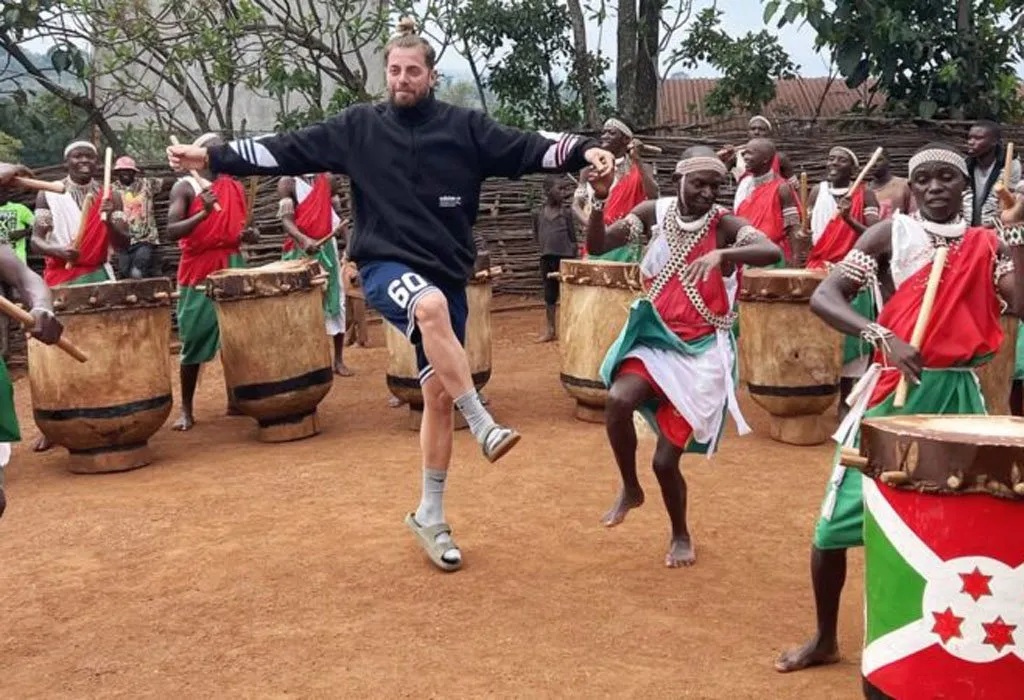
Gishora Drum Sanctuary, located near Gitega in Burundi, is the premier site for experiencing the nation's 19th-century cultural heritage, specifically the sacred Royal drums (Ingoma) used for royal ceremonies and, since 2014, recognized as UNESCO Intangible Cultural Heritage. The sanctuary features traditional drumming, dancing, and the famous Ruciteme and Murimirwa drums.
1-day-exciting-bujumbura-city-tour-excursion-in-burundi
5-days-bujumbura-rusizi-national-park-karera-waterfalls-falls-drum-sanctuary-tour-package
8-days-best-of-burundi-safari-holiday-combined-with-cultural-experience
7-days-exclusive-burundi-cultural-tour-and-chimpanzee-tracking-in-kibira-park
9-days-best-rwanda-safari-and-burundi-safari-holiday-vacation-combo
10-days-best-of-burundi-wildlife-safari-vacation-all-best-palaces-in-burundi
12-days-best-rwanda-primate-safari-and-burundi-cultural-safari-tour-holiday
11-days-amazing-burundi-safari-with-cultural-exposure
20-days-perfect-rwanda-burundi-uganda-safari-vacation-with-cultural-experience
What is the Gishora Drum Sanctuary?
The Gishora Drum Sanctuary, located near Gitega, Burundi, is a revered cultural and historic site dedicated to preserving the country's ancient sacred royal drums. Established as a center for traditional drumming, Gishora serves as both a museum and a venue where performances take place, capturing the essence of Burundian heritage. The sanctuary has gained recognition as a cultural landmark where visitors can experience the vivid rhythms and cultural significance of the royal drums, or karyenda.
Constructed by the Abanyigisaka lineage during the 19th century, the sanctuary symbolizes Burundi's rich history and the ancestral links to the monarchy. Within its confines, the sacred drums are meticulously maintained and displayed, crafted from specific trees—often associated with spirituality and the monarchy. This dedication showcases the significance of these drums as a link between the past and present.
At Gishora, visitors can engage in not only the serene observation of the drums but also in presentations of traditional performances. These performances are authentic demonstrations of Burundian culture, combining music, dance, and community participation. The atmosphere is both celebratory and reverent, inviting audiences to connect with the cultural heritage of Burundi in a profound manner.
Overall, the Gishora Drum Sanctuary is more than just a tourist destination; it is a living expression of Burundian identity, culture, and history, offering invaluable insights into the role of drumming and communal gatherings in the life of the Burundian people. Here, the art of drumming transcends mere rhythm, representing unity, cultural pride, and continuity through generations.
What is the Significance of the Royal Drums in Burundi?
The Royal drums of Burundi, known as karyenda, hold immense cultural significance, symbolizing the monarchy's power, fertility, unity, and spiritual authority. Drumming in Burundi plays a pivotal role, especially during ceremonial events, reflecting both the nation's history and traditions. These drums are not merely musical instruments; they encapsulate deep-rooted beliefs and values central to Burundian society.
Karyenda are seen as spiritual guardians, with their history intertwined with the identity of the nation. The drums represent the heartbeat of the community, making them essential during key events such as coronations, funerals, and celebrations. Their sound resonates as a call to unite and reflect collective identity, fostering a sense of belonging among the Burundian people.
The symbolism of karyenda extends beyond sound; they are thought to embody the spiritual connection between the living and the ancestors. This connection is crucial in a society that places paramount importance on tradition and lineage. The drumming rituals go hand-in-hand with themes of fertility and agriculture, serving as blessings that invoke prosperity and success for crops, helping to sustain rural livelihoods.
Furthermore, the royal drumming represents authority and governance. Traditionally, the drums were only played to announce the king’s presence or during significant state events, reinforcing the connection between the monarchy and the community. The karyenda serves as a reminder of the responsibilities the kingdom holds toward its people, encapsulating the essence of leadership and cultural pride.
In summary, the Royal drums in Burundi are profound expressions of identity, spirituality, and social order. They resonate with the people's history and their aspirations, fostering unity and continuity across generations.
When Were the Drums at Gishora Established?
The Gishora Drum Sanctuary was established in the 19th century by the Abanyigisaka lineage during the reign of King Mwezi Gisabo. This era was significant in the evolution of Burundian culture, as it marked a time when royal drumming became codified and deeply linked to the monarchy and its ceremonial functions.
The establishment of Gishora was rooted in the belief that drumming held ceremonial power; thus, the site served not only as a physical location for the drums but also as a spiritual refuge for the cultural identity of Burundi. The drums are a testament to the traditions of the royal court and have historical implications for understanding the evolution of the Burundian state.
Creating this sanctuary acknowledged the importance of drumming in cultural rituals and governance. It became a focal point for ceremonies that celebrated significant moments in the history of the kingdom, such as the installation of new kings or the celebration of national unity. The drums housed at Gishora are indispensable artifacts that allow modern generations to delve into their past. The lineage of the Abanyigisaka family has taken on the responsibility of maintaining this heritage, ensuring that the knowledge and traditions surrounding the drums are passed down over generations.
The historical context surrounding the Gishora site emphasizes its cultural importance, marking it as a living museum of Burundian traditions. This legacy continues to inspire pride and reverence among the people of Burundi, as they engage with their history in a tangible and meaningful way. Today, the Gishora Drum Sanctuary remains a vibrant symbol of continuity, reflecting the nation’s storied past while facilitating a connection to the future.
What Are the Names of the Two Main Sacred Drums at Gishora?
At the Gishora Drum Sanctuary, the two most sacred drums that are venerated but remain unplayed are named Ruciteme and Murimirwa. These drums symbolize critical cultural values and serve as central figures in the Burundian tradition surrounding royal drumming and ceremonial practices.
Ruciteme, which translates to "the one for whom we clear the forest," embodies the idea of preparation and reverence for nature and its resources. This drum is reminiscent of the dedication required for cultivation and the communal effort needed to sustain agricultural life in Burundi. It can be seen as a symbolic act of honoring the land and ensuring that it remains fertile for the next generation.
On the other hand, Murimirwa translates to "the one for whom we cultivate." This drum reflects the values of community and cooperation, emphasizing the collective effort in nurturing the earth and its bounty. The drum serves as a reminder of the roles each individual plays in fostering not only agricultural prosperity but also the cultural vibrancy of the community.
Both drums are seen as sacred and are associated with major royal events, enhancing their significance. Their roles in ceremonies extend well beyond music, as they symbolize the continuity of traditions, community spirit, and reverence for cultural identity.
The absence of performance on these drums contributes to their mystique and sanctity; the drums are treated as powerful icons rather than mere musical instruments. In a society where cultural heritage is intricately woven into daily life, Ruciteme and Murimirwa serve as enduring symbols that link the past to the present, sustaining the identity of the Burundian people across generations.
Who Are the Keepers of the Gishora Drums?
The Gishora Drums are meticulously maintained by the descendants of the traditional royal drummers, known as the Abatimbo. This lineage plays a vital role in preserving the cultural heritage associated with the royal drums, ensuring that the traditions and knowledge surrounding this sacred art form are passed down through generations. The Abatimbo are entrusted with the responsibility of maintaining the drums, performing rituals, and showcasing the rich musical traditions of Burundi.
As custodians of the Gishora sanctuary, the Abatimbo are deeply respected within the community. They carry forward the historical significance of the drums, embodying the spirits and traditions that are integral to Burundian identity. Their expertise goes beyond simply preserving instruments; it encompasses an entire cultural narrative that ties back to the monarchy and the historical significance of drumming in ceremonial contexts.
The role of the Abatimbo highlights the intergenerational transmission of culture and the importance of preserving traditional knowledge. These custodians are responsible for maintaining the physical condition of the drums, ensuring they remain in optimal shape while also engaging the community and visitors in traditional ceremonies and performances.
In addition to their technical skills, the Abatimbo serve as cultural educators, imparting the significance of the drums to both locals and tourists. They explain the history, cultural narratives, and myths surrounding the Gishora site and its sacred drums. Their engagement fosters an appreciation for the depth and complexity of Burundian culture. Ultimately, the Abatimbo not only keepers of the drums but also the very heart of the Gishora sanctuary, connecting the past with the present and shaping the future of Burundian cultural heritage.
Why Are Gishora Drums, Royal Drums in Burundi, Considered Sacred?
The Gishora drums, or Royal drums, are considered sacred due to their deep-rooted connections to spirituality, tradition, and cultural governance in Burundi. Crafted from specific trees, such as Umuvugangoma (Cordia Africana), these drums are believed to embody the essence of the spirits and ancestral forces, which adds layers of sanctity to their presence.
Historically, they were only used during significant royal ceremonies, including coronations and funerals, marking pivotal moments in the life of the kingdom. Their limited use elevates their status, signifying that they are imbued with immense power and importance, connecting the monarchy to the spiritual realm. The drums are not merely musical instruments but vessels of tradition and authority that reinforce cultural values and community unity.
The sacredness is further compounded by the rituals surrounding their preservation and performance. Only male drummers are permitted to engage with the drums, creating an exclusive context that accentuates their significance within the male-dominated sphere of royal representation. The act of drumming itself is steeped in symbolism, often viewed as a performance of unity and power—attributes deeply associated with the monarchy.
Additionally, the connection between the drums and fertility reflects their role in community and agricultural prosperity. It is believed that when the drums are played during ceremonies, they bring blessings and prosperity to the land and its people, reinforcing their essential role in the continuation of life and community cohesion.
In summary, the Gishora drums are sacred not merely because of their historical prestige but also due to their role in cultural rituals, community identity, and the spiritual fabric of Burundian society. Their significance transcends the physical realm, weaving a narrative of unity, power, and continuity for the people of Burundi.
Are Women Allowed to Play the Gishora Drums?
No, women are not permitted to play the Gishora drums, which reflects the deeply ingrained traditions and gender roles associated with this sacred art form in Burundi. The practice of drumming, particularly at significant ceremonies involving the royal drums, is dominated by male performers, known as the Abatimbo. This restriction stems from cultural beliefs that assign the drum profound symbolism, often likening it to a woman’s breast. In this context, the act of drumming is seen as an intimate expression, reinforcing a male-centric ritual that aligns with traditional views of gender roles.
The exclusion of women from drumming highlights the complexities of cultural practices in Burundi. While this tradition has been maintained over generations, it raises questions about gender inclusivity and the evolving nature of cultural norms. Despite the prohibition on drumming, women do hold crucial roles in other aspects of Burundian culture, including song and dance, which often accompany drumming performances. Their involvement is vital in enriching the cultural fabric of performances held at the Gishora sanctuary.
Furthermore, the prevailing attitudes towards women and traditional roles in Burundi reflect a broader socio-cultural dynamic, where many rituals and customs are patriarchal in nature. While the tradition of the Gishora drums stands firm, discussions around gender roles within this context are essential for understanding the challenges and opportunities for women in preserving cultural heritage.
In summary, while women are not allowed to play the Gishora drums due to cultural practices and beliefs, they contribute significantly to the broader cultural traditions of Burundi. Engaging in ongoing conversations about gender roles can help inform the future of drumming and cultural expression in a more inclusive manner.
What Does the Performance at Gishora Usually Include?
Performances at the Gishora Drum Sanctuary are vibrant and multifaceted, showcasing the rich cultural heritage of Burundi through a combination of rhythm, dance, and communal energy. These performances are not merely displays of artistry; they encapsulate the historical significance and traditional narratives associated with the royal drums and Burundian culture.
A typical performance includes a rhythmic ensemble of drummers who play the sacred drums, creating powerful beats that resonate throughout the sanctuary. The ensemble often features various types of drums, including the central Inkiranya drum, which guides the rhythm, alongside supporting instruments like the Amashako. Together, these drums create a layered, complex sound that captures the audience’s attention.
In addition to drumming, performances are marked by energetic and acrobatic dancing. Dancers often wear traditional attire, enhancing the visual impact of the performances. Their movements are synchronized with the rhythms of the drums, creating a dynamic atmosphere that invitations spontaneous participation. The choreography often includes symbolic gestures that convey deeper meanings related to unity, community, and cultural identity.
Singing also plays a significant role, with vocalists often adding harmonies that complement the drumming and dancing. These songs may tell stories or convey messages tied to Burundian culture, history, or social values, enriching the performance’s emotional depth and cultural significance.
Overall, performances at Gishora are marked by a celebratory spirit, bringing together community members and visitors to experience the interplay of music, dance, and storytelling. The blend of these elements fosters an immersive experience that allows participants to engage with the cultural essence of Burundi, ensuring that the traditions surrounding the royal drums remain vivid and relevant for generations to come.
What Is the UNESCO Recognition Regarding These Drums?
In 2014, UNESCO recognized the ritual dance of the royal drum, including the performances at Gishora, as part of the Intangible Cultural Heritage of Humanity. This designation highlights the profound importance of the royal drumming traditions in Burundi, acknowledging their cultural significance and role in the country’s identity.
Receiving UNESCO recognition not only elevates the status of the Gishora drums on a global scale but also emphasizes the need for preservation and promotion of these cultural practices. This recognition draws attention to the intricate relationship between music, dance, and community engagement within the context of royal drumming. The designation serves to honor the longstanding traditions and the efforts of the Abatimbo and other custodians who maintain these cultural practices.
UNESCO’s recognition also helps strengthen cultural pride among Burundians, fostering greater appreciation for their rich heritage. It motivates local communities to promote awareness of their traditions, encouraging younger generations to participate in and learn about royal drumming and its associated rituals.
The recognition further opens doors for cultural tourism, attracting visitors from around the world to experience the unique performances at the Gishora sanctuary. This increased interest can generate economic benefits for the local community while simultaneously raising awareness of the importance of cultural preservation.
In summary, UNESCO’s designation of the ritual dance of the royal drums as part of the Intangible Cultural Heritage of Humanity reinforces the cultural significance of these traditions in Burundi. It affirms the vital role of drumming, dance, and community connection, aiming to preserve these integral aspects of Burundian identity for future generations.
What Is the Function of the Inkiranya Drum?
The Inkiranya drum serves as the lead and central drum in the ensemble during performances at the Gishora Drum Sanctuary. Its primary function is to guide the rhythm of the ensemble, establishing the tempo and serving as a sonic benchmark for the other drums and performers. The Inkiranya embodies the heartbeat of the cultural performance, anchoring the musical experience for both participants and spectators.
As a ceremonial drum, the Inkiranya holds significant weight in Burundian culture and royal rituals. It's played during important ceremonies, such as coronations and other royal celebrations, representing authority and connection to the monarchy. The sound produced by this drum is meant to resonate deeply within the community, uniting the performance and evoking a sense of collective identity among the audience.
The Inkiranya is often elaborately crafted, both for aesthetic and acoustic purposes, showcasing the skill and artistry of the drummers. Its prominence in the rhythmic structure allows for intricate harmonies and interplays with other drums in the ensemble, enhancing the overall musical texture of the performance.
In summary, the Inkiranya drum is not just a musical instrument; it serves as a cultural symbol that encapsulates the essence of Burundian traditions, connecting the community through rhythm and reinforcing the importance of ritual and ceremonial practices.
What Is the Function of the Amashako Drum?
The Amashako drum plays a crucial supporting role in the ensemble of performances at the Gishora Drum Sanctuary. Its primary function is to provide the base rhythm that complements and enhances the main rhythms established by the Inkiranya drum. By establishing a strong, foundational beat, the Amashako contributes significantly to the overall musical structure of the performance.
While the Inkiranya serves as the lead drum that guides the tempo and is often featured prominently, the Amashako adds depth and richness to the sound. Its rhythm creates a supportive layer that allows the ensemble to flourish, fostering a cohesive musical experience. The interplay between the Amashako and the Inkiranya is essential for maintaining the rhythmic complexity and creates a balanced auditory experience for the audience.
In addition to its musical functions, the Amashako, like other drums in the ensemble, carries cultural significance. Representing the collective effort of the drumming community, it symbolizes unity, cooperation, and the shared identity of the performers. The sound of the Amashako reverberates through the audience, encouraging participation and engagement in the ritualistic aspects of the performance.
During cultural celebrations and royal ceremonies, the Amashako plays an integral part in enhancing the festive atmosphere, underscoring the communal spirit of Burundian culture. Its supportive role is vital to maintaining the momentum and energy of the performance, allowing dancers and singers to synchronize with its rhythms effectively.
What Does Ruciteme Represent in Gishora Drums, Royal Drums in Burundi?
Ruciteme, one of the sacred drums housed at the Gishora Drum Sanctuary, embodies the warrior aspect of the king in Burundian culture. This representation underscores the multifaceted role of the monarchy in traditional society, where the king is not only a figure of authority but also the protector of the land and its people. The symbolism of Ruciteme resonates deeply with the values of courage, strength, and resilience—qualities attributed to successful leaders in times of conflict and peace.
Historically, Ruciteme is more than a musical instrument; it served as a symbol to rally the community during times of war and celebration. When played, the drum resonated with the sounds of triumph and unity, instilling a sense of pride and solidarity among troops and citizens alike. It evokes the image of a king who is always ready to defend his kingdom and uphold justice.
Additionally, Ruciteme serves to honor the ancestors who fought for the land and people, reinforcing the connection to the past and the cultural memory of bravery and valor. Drumming rituals involving Ruciteme often accompany ceremonies that celebrate victories or honor those who have served the monarchy.
In modern times, Ruciteme remains a pivotal part of royal celebrations and cultural performances, serving as a reminder of the king’s warrior spirit and the community's historical narrative. The drum acts as a bridge between the past and present, embodying the enduring values of strength and honor that continue to resonate in Burundian society.
What Does Murimirwa Represent in Gishora Drums, Royal Drums in Burundi?
Murimirwa is another sacred drum at the Gishora Drum Sanctuary, representing the king’s role as a provider and cultivator. This drum serves as a powerful symbol of agricultural prosperity, community cohesion, and the nurturing responsibilities shouldered by the monarchy in Burundian society.
Historically, Murimirwa was not just a drum; it was a lifeline for the community, emphasizing the vital role of the king in ensuring food security and well-being for his subjects. As a symbol of cultivation, Murimirwa is associated with the land's fertility and the cycles of planting and harvesting, which are crucial for both sustenance and cultural rituals. The drum signifies the king’s responsibility to care for the people and ensure their prosperity.
Ceremonies involving Murimirwa often coincide with agricultural events and festivals, particularly the Umuganuro, the Sowing Festival. During such occasions, the drum reinforces themes of growth, fertility, and the interdependence of community members. The rhythmic beats of Murimirwa serve to communicate blessings and gratitude towards the earth and its bounty, enhancing the spiritual connection to the land.
In contemporary Burundian culture, Murimirwa continues to play a significant role during celebrations, uniting the community around the shared values of cooperation, nurturing, and sustenance. Its presence in performances highlights the importance of agriculture to Burundian identity and culture. Ultimately, Murimirwa not only embodies the king’s providence but also reflects the collective spirit of the people, emphasizing the importance of care and responsibility in a thriving community.
What Are the Ingendanyi Drums?
The Ingendanyi drums, often referred to as the "retinue" or regular drums, are significant in the cultural landscape of Burundi, particularly in rites and celebrations that are special but less formal compared to the regal royal drums. Unlike the sacred royal drums, the Ingendanyi are used by the Batimbo, the traditional drummers, for social gatherings, communal events, and festive occasions, making them an integral part of community celebrations and cultural expressions.
The Ingendanyi drums are characterized by their versatility and appeal, as they facilitate a variety of rhythms and styles suitable for different settings. Due to their non-sacred status, these drums are more accessible to the general public, allowing community members to engage with drumming and music in a more casual, entertaining format. This inclusivity fosters a sense of community and participation, inviting everyone to enjoy the rhythms and traditions that bind them together.
During performances, the Ingendanyi drums often accompany singing and dancing, creating a vibrant atmosphere that celebrates local culture. They are integral to ceremonies that mark significant life events, such as weddings, birthdays, and public festivities, underpinning the communal spirit that lies at the heart of Burundian society.
Moreover, the Ingendanyi drums carry historical significance that connects contemporary performances with traditional roots, allowing for the transmission of cultural narratives and communal memory. The usage of these drums underscores the diversity within Burundian musical traditions, showcasing how drumming evolves beyond the royal sphere to embody the vibrancy and richness of everyday community life.
In summary, the Ingendanyi drums serve an important cultural role, bridging the sacred and the secular while celebrating the communal aspects of Burundian heritage and promoting social cohesion through music and dance.
How Do Gishora Drums, Royal Drums in Burundi, Relate to the History of the King?
The Gishora drums, particularly the royal drums such as Ruciteme and Murimirwa, have deep historical connections to the lineage of Burundian kings. These sacred instruments have been integral to significant events in the monarchy, playing a vital role in proclaiming royal authority, celebrating victories, and marking ceremonial occasions that define the identity of the nation.
Traditionally, the Royal drums were utilized during moments of triumph, such as military victories, reinforcing the king's position as the protector of the land and its people. The sound of the drums would signal celebrations within the community, instilling pride and unity among the citizens and reminding them of their collective identity. Each beat of the drum articulated not only the king's power but also the blessings of the ancestors, linking the present with the past.
Moreover, the Royal drums were central to the Umuganuro, or Sowing Festival, which celebrates the agricultural cycle and the importance of the earth to the Burundian people. During this festival, the drums would be played prominently to invoke blessings for fertility and prosperity. The king, in turn, was seen as the steward of the land, ensuring that the harvest was bountiful and the people were cared for.
This connection to the monarchy enhances the significance of the Gishora drums as cultural artifacts that embody the history, values, and aspirations of the Burundian people. The preservation of these drums within the Gishora Drum Sanctuary ensures that the legacies of the kings are not only remembered but actively celebrated, reinforcing the relationship between leadership, culture, and community support.
In conclusion, the Gishora drums serve as enduring symbols of the history and authority of the Burundian kings, playing a crucial role in the ceremonial life of the kingdom and the communal identity of its people.
What Is the Typical Attire of the Drummers?
The typical attire of drummers at the Gishora Drum Sanctuary reflects the rich cultural heritage of Burundi, characterized by vibrant colors and traditional designs. The drummers wear clothing that usually features the national colors of white, red, and green. These colors not only signify national pride but also symbolize various aspects of Burundian identity and values.
The ensemble often includes colorful cloth wraps or sarongs known as “igitenge,” sturdily tied around the waist, along with fitted tops that may be adorned with intricate patterns or culturally significant motifs. This traditional attire is designed for movement, allowing drummers to engage in energetic performances characterized by rhythm and dance. The incorporation of local fabrics reflects the artisan skills and craftsmanship present within Burundian communities, adding authenticity and cultural depth to the performances.
Accessories also play a role in the attire; drummers may wear beads, necklaces, or other adornments that enhance their visual presence during ceremonies. Some may carry symbolic items that further emphasize their connection to the ritual and its meanings.
In addition to aesthetic appeal, the drumming attire signifies the importance of cultural identity and heritage in Burundian society. By dressing in traditional garments, drummers not only honor their ancestral roots but also reaffirm their roles as custodians of cultural memory. The act of drumming, performed in culturally specific clothing, represents a profound connection to the land, its history, and its people.
Overall, the typical attire of drummers is a vibrant reflection of Burundian culture, serving as a visual representation of unity, pride, and tradition that enhances the drumming performances at the Gishora Drum Sanctuary. This attire plays a significant role in fostering a sense of belonging and the celebration of cultural heritage within the community.
Why Is Gishora Considered the "Heartbeat" of Burundi?
Gishora is often referred to as the "heartbeat" of Burundi due to its critical role in preserving and showcasing the country's rich cultural heritage and traditional practices. As the site of the sacred royal drums, Gishora serves as a central hub for the performance of music, dance, and communal rituals that are instrumental in Burundian identity and unity.
The phrase "heartbeat" encapsulates the idea that Gishora is a living expression of culture, where the rhythms of the drums resonate with the very essence of Burundian life. This sanctuary is a place where traditions are actively practiced, with skills and knowledge about drumming being passed down from elders to younger generations. This intergenerational exchange fosters community cohesion and ensures that cultural practices remain dynamic and relevant in contemporary society.
Additionally, Gishora acts as a cultural gathering space, where communities come together to celebrate significant events and participate in rituals that strengthen social bonds. It hosts performances that not only entertain but also educate participants about the importance of cultural heritage. Through the rhythms and dances performed at Gishora, the essence of Burundian history and values is communicated and preserved.
The site also contributes to national pride, serving as a reminder of the country’s unique identity and traditions. It stands as a symbol of resilience and continuity amid the challenges faced by Burundians throughout history.
In summary, Gishora is considered the "heartbeat" of Burundi because it embodies the cultural vibrancy and historical legacy of the nation. It acts as a living repository of traditions that unify communities and cultivate a deep sense of identity, ensuring that the rhythms of Burundian life continue to thrive.
What Is the Layout of the Drummers During a Performance?
During performances at the Gishora Drum Sanctuary, the layout of the drummers is carefully organized to create a visually striking and acoustically effective ensemble. Typically, the drummers stand in a semi-circle around the central Inkiranya drum, which serves as the focal point of the performance. This arrangement enhances the dynamics of the drumming and allows for a cohesive musical experience that captivates the audience.
The semi-circular formation enables each drummer to have a clear line of sight to the Inkiranya, ensuring that they can synchronize their rhythms effectively. This layout fosters a strong sense of community among the drummers, as they play together, creating intricate harmonies and lively exchanges of sound. The positioning not only allows for acoustics to travel well but also ensures that the energy of the performance is shared among all participants, enhancing the overall experience.
Typically, the lead drummer, who plays the Inkiranya, occupies the center of the semi-circle. Surrounding them, the supporting drummers, such as those playing the Amashako or Ingendanyi, occupy the other positions. This hierarchical layout highlights the importance of the different drums while promoting collaboration among the musicians.
The layout also serves to involve the audience, as they can view the entire ensemble and feel the communal energy of the performance. This connection between performers and spectators nurtures a sense of shared cultural identity, reinforcing the significance of the event.
In essence, the layout of the drummers during performances at Gishora is an integral part of the experience, promoting synergy, enhancing sound quality, and fostering community spirit. It highlights both the artistry of the performers and the rich cultural traditions that define Burundian drumming.
How Did the Gishora Drum Sanctuary Begin, According to Tradition?
According to tradition, the Gishora Drum Sanctuary began as a significant cultural site that was established under the guidance of the Abanyigisaka lineage during the 19th century. The origins of the sanctuary are intricately linked to the royal lineage and the cultural practices of the Burundian monarchy, with foundational stories emphasizing the importance of the royal drums in societal cohesion and authority.
Local legends often tell that the site was chosen due to its spiritual significance and connection to the land. It was believed that the area possessed a unique energy that resonated with ancestral spirits, making it an ideal location for the sacred drums. This connection to the earth and ancestral heritage is fundamental in Burundian culture, and establishing a sanctuary at Gishora fortified the link between the living and the spiritual realms.
The establishment of Gishora was also a response to the need for a centralized location where royal rituals and communal gatherings could occur. It provided a venue for the performance of drumming rituals that marked important agricultural events, royal ceremonies, and celebrations of unity. Through these customs, the Gishora sanctuary became a focal point for cultural identity and a repository of traditional knowledge passed down through generations.
As time progressed, Gishora not only maintained the sacred royal drums, such as Ruciteme and Murimirwa, but also facilitated the continuation of drumming traditions among the Batimbo. Their role in preserving the cultural practices is essential in keeping alive the history and significance of Burundian drumming.
Booking Gishora drums with us Roads of Adventure safaris
Experience the thunderous heartbeat of Burundi by booking a Gishora drums excursion with Roads of Adventure Safaris. At the Gishora Drum Sanctuary, you will witness the world-renowned Royal Drummers of Burundi perform a high-energy ritual of dance and rhythmic mastery.
Our specialized Burundi safari tour packages—ranging from 2 to 20 days—seamlessly integrate this UNESCO-recognized cultural treasure with regional highlights like Karera Falls and Bwindi gorilla trekking. We handle all logistics, from expert guides to private 4x4 transport, ensuring an immersive and stress-free journey. Let us connect you to the powerful heritage of the Gishora drums today.
