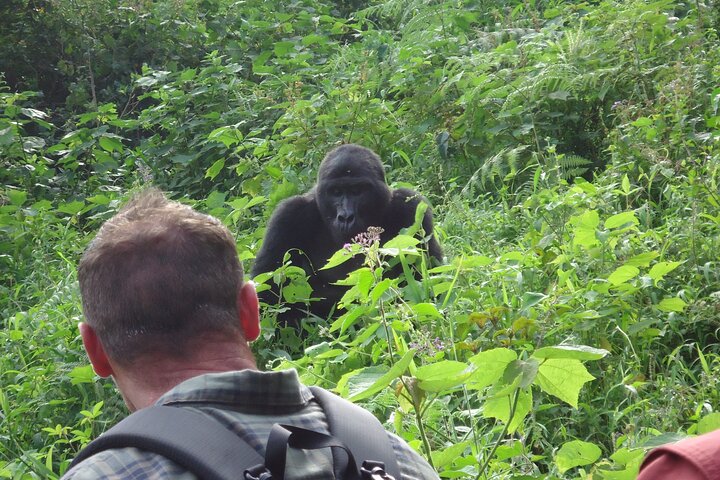
Filming mountain gorillas in Uganda is a specialized endeavor that requires distinct legal permits beyond a standard trekking ticket, particularly for commercial or professional use. While personal photography is permitted during standard treks, professional projects must be coordinated with the Uganda Wildlife Authority (UWA) and the Uganda Media Council
38-days-unmatched-uganda-primate-safari-tour-and-uganda-wildlife-safari-with-culture
30-days-uganda-rwanda-photography-safari-adventure
10-days-best-photography-uganda-wildlife-safari-holiday-and-gorilla-trekking
7-days-photography-uganda-safari-all-big-five-chimpanzee-and-gorillas
3-days-murchison-falls-national-park-best-uganda-safari-road-trip
3-days-best-honeymoon-uganda-safari-escape-to-murchison-falls-national-park
5-day-best-safaris-to-uganda-kidepo-and-murchison-falls-national-parks
5-days-kidepo-valley-uganda-safari-via-ziwa-rhino-sanctuary
6-days-best-of-murchison-and-kidepo-uganda-safari-via-ziwa
7-days-murchison-falls-uganda-safari-trip-via-ziwa-rhinos-kidepo-valley-and-jinja
7-days-uganda-tour-to-murchison-falls-via-ziwa-kibale-and-queen-elizabeth-national-park
9-days-africa-big-five-safari-in-uganda-safari-parks-and-gorilla-trekking
Do I need a special permit for filming mountain gorillas in Uganda?
Yes. Filming mountain gorillas in Uganda—especially for commercial, professional, or broadcast purposes—requires a special permit issued by the Uganda Wildlife Authority (UWA). This permit is distinct from the regular tourist gorilla trek permit that individual visitors purchase for trekking and a one-hour gorilla encounter. The commercial filming permit is intended to regulate professional production activities to ensure minimal disturbance to gorilla groups, to protect the animals’ welfare, and to secure appropriate financial and legal arrangements for the use of Uganda’s wildlife for media. The application process typically requires the production company or individual to submit a formal proposal outlining the production’s objectives, crew size, equipment list, planned locations and dates, health and safety measures, and evidence of insurance and local partnerships if required. UWA may impose additional conditions such as using authorized guides, limits on crew movement, mandatory use of local fixers or guides, and delivery of copies of final footage for Uganda’s archives or promotional use. It’s essential to begin permit arrangements well in advance of filming dates—UWA’s review and approval process can take time, and additional conservation or veterinary clearances may be required depending on subject matter and methods. Non‑compliance with permit requirements can result in fines, seizure of footage, or revocation of filming permission. If your project is non-commercial or intended for research, different application pathways or waivers may apply, but these still typically require prior approval. Contact UWA directly or work through a licensed local production fixer or tour operator who regularly handles gorilla filming permits to ensure you meet all legal, ethical, and biosecurity requirements before arriving in Uganda.
What is the cost of a permit for filming mountain gorillas?
Permit costs for filming mountain gorillas in Uganda vary substantially depending on the nature of the project (commercial vs. non-commercial), the scope and duration of filming, crew size, intended distribution, and whether the footage will be used for broadcast, documentary, advertising, or research. Unlike standard tourist gorilla trekking permits—whose per-person fees are widely published—the pricing structure for commercial filming is set case-by-case by the Uganda Wildlife Authority (UWA). UWA often calculates fees as either a fixed amount plus location/park charges, or as a percentage or flat-rate levy related to the production budget or expected revenues from the footage. Additional charges can include park entrance fees for crew, ranger/guide escort fees, vehicle and logistics charges, and any conservation levies or insurance requirements. Some productions negotiate package arrangements with UWA that bundle permit fees, ranger support, and ancillary services, while others pay separate line-item charges. Because of this variability, producers should budget conservatively and obtain a formal cost estimate directly from UWA early in pre-production. Working with an experienced Ugandan fixer, production company, or tour operator who regularly processes gorilla filming permits can shorten lead times and provide realistic cost expectations, including insurances and any veterinary/biosecurity measures (e.g., mandatory health checks or vaccinations for crew) that can add to cost. Be aware that failure to secure the proper permit or under-reporting project scope can result in penalties or denial of access; transparent discussions with UWA and a clear, signed filming agreement will protect both the production and the sanctuary habitats and animals.
Are drone cameras allowed when filming mountain gorillas?
No—drones (unmanned aerial vehicles, UAVs) are effectively prohibited for use around mountain gorillas in Uganda. The Uganda Wildlife Authority and park management regard drones as a significant disturbance risk to wildlife: their noise and presence can stress animals, disrupt natural behavior, and potentially provoke unpredictable responses from large mammals. In the context of mountain gorillas—an endangered, easily stressed species with close human‑animal disease transmission risks—avoiding additional disturbance is a paramount conservation principle. Moreover, drones can inadvertently disturb group cohesion or interfere with habituated gorilla groups and their routines. In many parks and reserves there are explicit legal restrictions or permit conditions forbidding drone use near sensitive wildlife without prior, exceptional authorization; in practice, such authorization for gorillas is rarely granted. Beyond animal welfare concerns, drones can also pose safety and privacy issues for other park visitors and staff. If aerial footage is crucial for your production, the typical legal and ethical route is to negotiate in advance with UWA for the possibility of supervised, tightly controlled aerial operations—often flown by licensed operators at specified altitudes and distances and only after rigorous risk assessments and explicit written permission. Even then, restrictions and refusal are common. An alternative is to use long-lens ground-based cinematography, camera cranes outside sensitive zones, or stock aerial footage licensed through reputable archives. Always confirm the current UWA and park-specific drone policies during pre-production; relying on assumptions can lead to permit denial or confiscation of equipment.
How close can I get when filming mountain gorillas?
When filming mountain gorillas in Uganda, strict distance rules apply to minimize disease transmission and behavioral disturbance. The standard guideline is to maintain a minimum distance of 7 meters (about 22 feet) from gorillas; some park authorities and guides recommend or enforce a slightly larger buffer of up to 10 meters (about 30 feet) depending on group tolerance, habitat visibility, and veterinary guidance. This distance is intended to reduce the risk of respiratory disease transmission from humans to gorillas, as great apes are highly susceptible to human pathogens, and to limit stress caused by close human presence. For professional filming crews, these rules are non-negotiable: camera crews, sound operators, and directors must plan to work with long telephoto lenses and remote audio techniques rather than approaching into the gorillas’ personal space. Guides and rangers leading the encounter have authority to manage the group’s position and to instruct crews when to halt filming, move back, or stop altogether if gorillas display signs of agitation. In dense vegetation where visual distance is reduced, extra caution is required to avoid sudden close encounters—moves should be slow and well-prepared. For certain controlled research or veterinary interventions, closer approaches may be authorized by UWA and wildlife veterinarians under strict protocols, but these are exceptional and not applicable for general filming. Respecting distance rules is both a legal requirement in many cases and a best-practice ethical approach to conserving these endangered animals; non-compliance risks permit cancellation, fines, or being removed from the site.
Is flash allowed when filming mountain gorillas?
No. Flash photography or filming with flash near mountain gorillas is strictly prohibited. Sudden bursts of bright light can startle, stress, or temporarily disorient animals, and gorillas—like other wildlife—may respond unpredictably to intense artificial light. Beyond immediate behavioral disturbance, flashes can damage sensitive night vision in animals and interfere with natural behaviors such as feeding, resting, and social interactions. In addition to animal welfare concerns, the use of flash may breach permit conditions set by the Uganda Wildlife Authority or park staff and can lead to warnings, revocation of filming permission, or fines for commercial crews. For low-light situations, professional crews should rely on fast (wide-aperture) lenses, higher ISO settings with careful noise management, stabilized mounts (tripods or monopods used outside the safe distance), and natural light–enhancing techniques rather than flash. If additional lighting is essential for a shot, this must be discussed well ahead with UWA and park authorities; any permitted supplementary lighting would be subject to strict limits, choreography, and advance veterinary and conservation approval. Generally, the accepted best practice is to avoid intrusive artificial lighting altogether during gorilla encounters and to plan filming schedules around the best natural light—early morning and late afternoon—while employing equipment that performs well in low light.
When is the best time for filming mountain gorillas in Uganda?
The best times to film mountain gorillas in Uganda balance weather, accessibility, animal behavior, and lighting conditions. Uganda’s drier months—June to August and December to February—are widely considered the most favorable for gorilla filming and trekking. During dry seasons trails are less muddy and treks into gorilla habitats are generally easier and faster, making logistics for equipment, crew movement, and safety simpler. Reduced rainfall also often means clearer air, better visibility, and more predictable light for cinematography. However, gorillas are present year-round; the wet seasons bring lush vegetation and sometimes higher fruiting or feeding activity, which might be desirable for certain storylines. Wet-season filming can be challenging: heavier rains make trails slippery, increase the risk of camera and equipment damage, and can reduce the number of workable filming days. Early morning and late afternoon light during either season provides the most flattering, cinematic illumination, and gorilla activity levels can be high during these periods. Also factor in park logistics—permit availability, ranger escorts, and staffing—which may vary by season. For productions requiring repeated or extended shoots, plan buffer days to accommodate sudden weather changes or difficult trekking conditions. Discuss seasonal trade-offs with local fixers and UWA to align filming objectives with the best windows for access, safety, and cinematography. Ultimately, while dry-season months are generally preferred for practical reasons, creative choices about behavior, vegetation, and atmosphere may make wet-season shoots appealing for some projects.
Which parks are best for filming mountain gorillas?
Uganda offers two primary parks for filming mountain gorillas: Bwindi Impenetrable National Park and Mgahinga Gorilla National Park. Bwindi Impenetrable National Park is the larger and more frequently used location for gorilla trekking and filming. It contains multiple habituated gorilla families distributed across several sectors (Bwindi is divided into multiple gorilla tracking zones), offers higher chances of sightings, and has more developed trekking logistics, accommodation options, and experienced ranger-guides familiar with media requests. Bwindi’s varied terrain and dense montane forest provide dramatic backdrops and diverse visual opportunities. Mgahinga Gorilla National Park, located in the Virunga region closer to Rwanda and the Democratic Republic of Congo, hosts habituated gorilla groups as well, but is smaller and less frequently used for large productions; it can be an excellent choice for specific storylines or when logistical access from southern routes is preferred. Both parks require permits through the Uganda Wildlife Authority, and both emphasize strict biosecurity and welfare rules for gorilla encounters. For productions seeking distinct visuals—Bwindi’s deep forest versus Mgahinga’s more open mountain landscapes—scouting both parks and consulting UWA on recent gorilla group availability is crucial. Additionally, cross-border productions sometimes consider Rwanda’s Volcanoes National Park (which has its own permitting system and tighter media restrictions) when seeking comparative footage; note that different park authorities have different rules and costs. Choose parks based on shot-list needs, logistical footprint, crew experience in rugged terrain, and permit negotiations with UWA.
What camera equipment is recommended for filming mountain gorillas?
Filming mountain gorillas requires gear suited to dense forest, variable light, and strict distance constraints. Prioritize long telephoto lenses (e.g., 300–600mm range or equivalents) so you can capture close-up, intimate footage while maintaining the mandatory 7–10 meter distance. Fast lenses with wide apertures (f/2.8–f/4) help in low-light forest conditions and create attractive background separation. A versatile mid-range zoom (24–70mm) is useful for contextual shots at safe distances. Stabilization is essential: bring sturdy monopods and tripods suitable for uneven terrain, and consider gimbal stabilizers for smooth movement sequences when walking in non-sensitive areas. Low-light-capable cameras with good high-ISO performance will be invaluable given the shaded understorey; mirrorless systems are popular for their low-light strengths and compact form. Protect equipment in waterproof and mud-resistant cases or camera rain covers, and carry silica packs and lens-cleaning kits for constant humidity and wet conditions. Audio is crucial—use directional shotgun mics on booms, high-quality wireless lavaliers for interviews, and portable recorders. But minimize close approach for audio capture; remote microphones or parabolic dishes may be necessary, and always coordinate with rangers. Batteries and media: bring ample spare batteries and high-capacity media cards, and plan for off-grid charging solutions (portable solar, power banks) if needed. For aerials, drones are generally restricted for gorillas—do not plan to rely on UAVs without UWA’s explicit permission. Finally, ensure crew are trained for working in fragile habitats, use camera hygiene protocols to reduce disease transmission risk, and secure insurance that covers rugged-location filming. Discuss gear lists with UWA and local fixers to ensure compliance and practicality.
Can I use tripod stands while filming mountain gorillas?
Tripods and monopods are generally permitted when filming mountain gorillas, but their use must obey safety and distance regulations. Crews must not place tripods within the required 7–10 meter buffer around gorillas; tripods should be set up at approved distances and used without sudden movements that might attract or alarm the animals. In dense forest where visibility is limited, take extra care when deploying legs and adjusting height—do so slowly and in clear view of guides and rangers to avoid inadvertent close contacts. Tripods are particularly helpful for long-telephoto work, low-light exposures, and stable interview or b-roll setups from fixed positions. Lightweight, quick-deploy tripods or monopods are often preferable on steep or muddy trails. Use of larger light stands or heavy rigs is typically restricted near gorillas because bulky equipment can impede ranger movement, damage vegetation, and increase biosecurity risk; any lighting kits or large supports must be cleared with UWA in advance. When leaving a tripod in place, ensure it is supervised by crew and placed on stable ground to prevent tipping into vegetation or across paths. Always coordinate with the assigned ranger/guide before setting up: they will confirm acceptable positioning, ensure you remain outside the safety zone, and may advise on where tripods can be left during short repositioning. Practicing silent, non-intrusive setup routines will reduce disturbance and help maintain filming permission.
What are the rules for commercial, professional filming mountain gorillas?
Commercial and professional filming of mountain gorillas in Uganda is regulated to protect the animals and their habitat. Key rules include: obtaining a formal filming permit from the Uganda Wildlife Authority (UWA) prior to arrival; submitting detailed production plans (crew size, equipment, dates, locations, and risk mitigation measures); paying applicable filming and park fees; using authorized guides and ranger escorts during all gorilla encounters; maintaining mandatory minimum distances (typically 7–10 meters) and limiting close contact; adhering to strict biosecurity protocols—crew should be healthy, avoid visits if ill, and follow sanitation measures to reduce disease transmission; prohibiting drones and flash; respecting the one-hour maximum close-contact time per day per group; and delivering copies of filmed footage to UWA if stipulated in the permit. UWA may impose further conditions such as local hiring requirements, limits on the number of shoots per group, and supervised equipment placement. Crews should also carry adequate insurance, obey local park rules (including waste disposal and vegetation protection), and be prepared to halt filming if gorillas show signs of stress. Failure to comply can result in permit revocation, fines, or expulsion from the park. It’s strongly recommended to engage a local fixer or production company experienced in gorilla permits to navigate logistics and ensure full compliance with UWA policies.
How much time do I get for filming mountain gorillas?
For filmed gorilla encounters, the standard close-contact allowance mirrors the tourist trekking rule: one hour (60 minutes) spent with a habituated gorilla group per visit. This one-hour limit is designed to minimize disturbance and reduce cumulative stress and disease exposure for the gorillas. For commercial productions, UWA may permit additional access for specific shots or multiple visits, but these are discretionary, typically require explicit permit terms, and often carry higher fees. Filmmakers should plan shot lists and crew choreography carefully to maximize usable footage within the allotted hour—pre-briefing, rehearsals outside the safety zone, and assigning clear roles to camera operators and sound technicians will increase efficiency. If longer-duration filming is needed (for documentary series or repeated sequences), producers can apply for multiple permits/days, but each visit must comply with welfare rules and may require rotating between groups to avoid overexposure of any single troop. The one-hour rule applies to close proximity work; additional background or landscape shots from greater distances may be possible outside the immediate encounter under UWA guidance. Always confirm permitted durations and any special arrangements with UWA well in advance and include buffer days in the schedule to account for trekking unpredictability and weather.
Is filming mountain gorillas during the Habituation Experience different?
Yes. The Gorilla Habituation Experience (GHE) is a distinctly different activity from the standard one-hour gorilla trek, and it has special rules, opportunities, and responsibilities for filmmakers. The core difference is time and purpose: whereas a regular trek grants one hour with a fully habituated group for viewing and limited filming, the GHE is an extended scientific process in which researchers and trackers progressively habituate a previously unhabituated family to human presence. Participants in the GHE typically spend up to four hours with the group under closely supervised conditions to observe behavior during the habituation process and to assist researchers with data collection and monitoring. For filmmakers, this extended timeframe provides far greater opportunity to capture behavioral sequences, social interactions, feeding and resting bouts, and subtle non‑verbal exchanges that are rarely visible during a standard one-hour encounter. However, the GHE is not a carte blanche for unrestricted filming: because the gorillas are in the process of adjusting to humans, there are stricter welfare and protocol constraints. UWA and the lead researchers set clear behavioral thresholds, distances, and movement rules to prevent disrupting the habituation process or increasing stress. Media crews must coordinate closely with the research team and rangers, follow choreographed positions, and usually accept tighter limits on crew movement, noise, and equipment placement. Any photography or filming must prioritize research integrity and conservation aims; in some cases, footage may be shared with researchers rather than disseminated commercially without permission. Permit fees and application requirements for filming during habituation can differ and are often higher; advance approval from UWA and the project lead is mandatory. Finally, because habituation is fragile, crews must be medically cleared and follow strict biosecurity (mask use, hand hygiene, and staying home if ill). The GHE is a unique chance for in-depth storytelling, but it demands patience, strict compliance, and respect for scientific protocols to ensure gorilla welfare and the long-term success of habituation.
Can I hire a professional guide for filming mountain gorillas?
Yes. Hiring a professional guide—often a ranger or a licensed local fixer with experience in mountain gorilla treks and media productions—is strongly advised and usually required for filming mountain gorillas. Uganda Wildlife Authority (UWA)-authorized guides and rangers are essential for safety, navigation through rugged and dense montane forest, adherence to park regulations, and effective coordination with gorilla groups. For filming projects, specialized guides or local production fixers provide critical services beyond simple navigation: they help secure the correct permits, arrange ranger escorts, advise on recent gorilla group locations and behavior, liaise with UWA, organize logistics (transport, porters, accommodation), and often mediate local hiring and community liaison. On-site, guides manage crew movement to maintain the mandatory 7–10 meter distance, signal when gorillas are stressed, advise on positioning for the best shots without disturbing the animals, and enforce biosecurity protocols. Hiring a guide experienced with media reduces the risk of accidental protocol breaches that could jeopardize permits or animal welfare. For larger productions, a dedicated production fixer or wildlife field producer can coordinate camera placement, pre-brief crew rehearsals, and arrange for contingency days. Many guides also have deep knowledge of gorilla behavior and can help predict likely activity—feeding, nesting, or resting periods—optimizing filming success within the permitted time. Fees for guides and ranger escorts are separate from UWA permits; clarify roles, costs, and expectations before the shoot. Finally, using licensed local guides supports the community-managed conservation economy, provides local expertise, and ensures ethical, lawful filming practices that prioritize gorilla welfare.
What should I wear while filming mountain gorillas?
Choosing suitable clothing is essential for comfort, safety, and minimal disturbance when filming mountain gorillas. Opt for neutral-colored, non-reflective garments—earth tones like olive, brown, gray, or dark green—so you blend with the forest and avoid startling the animals. Bright colors and shiny fabrics are best avoided. Long-sleeved shirts and long trousers help protect against scratches from dense undergrowth, biting insects, and sun exposure, and also reduce the risk of coming into contact with vegetation that might carry parasites. Waterproof or water-resistant outer layers (lightweight rain jacket and breathable shell) are important because montane forest environments are humid, often wet, and weather can change quickly; breathable fabrics (e.g., nylon blends) reduce overheating. Sturdy, waterproof hiking boots with good ankle support and grippy soles are critical—the terrain can be steep, muddy, and slippery, and carrying camera gear increases the risk of slips. Wear moisture-wicking base layers and bring spare socks; damp feet cause discomfort and increase the chance of blisters. Gloves with good grip can help when climbing or handling equipment but choose thin, dexterous gloves so you can operate camera controls. A wide-brimmed, muted hat protects from rain and sun, and a light buff or bandana can serve multiple purposes—sun protection, dust barrier, or emergency face covering. For biosecurity, bring a clean mask (surgical or well-fitting respirator) to wear if requested by park authorities—masks reduce disease transmission risks to gorillas and are commonly required. Avoid perfumes, strong-smelling soaps, or aerosols that might disturb wildlife. Lastly, dress in layers so you can adapt to variable temperatures; early mornings can be cool, while midday exertion may warm you. Keeping comfortable and unobtrusive helps you focus on filming while minimizing stress to the animals.
Are porters available to help with equipment when filming mountain gorillas?
Yes. Local porters are commonly available and widely used to assist visitors and production crews with heavy or bulky equipment when filming mountain gorillas. Hiring porters serves multiple purposes: it reduces the physical burden on crew members, speeds movement through difficult terrain, and supports local livelihoods. Porters are typically organized through park offices, trekking operators, or local guides; UWA and community-run programs often have established porter systems with standardized fees and guidelines. The stated approximate fee (around $20) is a typical guideline but can vary depending on region, hired load, distance carried, and whether porters are arranged privately or through official channels. For filming crews, multiple porters may be needed to transport camera bodies, lenses, tripods, audio equipment, batteries, and support gear—plan and budget accordingly. It’s essential to respect porter welfare and park rules: most parks set maximum load limits per porter to prevent injury, and some require porters to be in suitable physical condition. Provide clear briefings about equipment handling (fragile items, packs, and wet-weather precautions) and consider supplying rain covers, waterproof bags, and protective padding. Porters should be credited in production materials when appropriate, and tipping is customary for good service. Note that porters must observe the same biosecurity and behavioral protocols as the crew: they may be required to wear masks, avoid close contact with gorillas, and follow ranger instructions. Also confirm whether porters can enter the core gorilla viewing distance—many regulations restrict non-essential personnel or those unable to follow protocols from approaching too closely. Coordinate porter hiring, briefing, and payment through your guide or UWA contact before the trek to ensure smooth logistics and compliance.
What if the gorillas come near while I am filming mountain gorillas?
If a gorilla approaches while you are filming, you must prioritize safety and gorilla welfare. First, remain calm—sudden movements, shouting, or chasing after an animal can escalate stress or provoke defensive behavior. Follow the instructions of your ranger or guide immediately; they are trained to interpret gorilla body language and will direct you to the safest action. If a gorilla comes within the mandated safety buffer (7–10 meters), step back slowly and deliberately to re-establish the distance—do not turn your back abruptly or run. If backing away isn’t possible because of terrain, sit down slowly and fold your legs under you to make yourself smaller and less threatening; keep calm and avoid eye contact that could be perceived as a challenge. Do not attempt to touch, feed, or entice the gorillas; human contact risks disease transmission and can habituate animals to people. Put cameras into neutral positions—avoid sudden pan/tilt movements—and if the guide asks, stop filming to reduce novelty and noise. Keep voices low and motions minimal; silence equipment alarms and avoid using flashes or artificial lighting. If infants or vulnerable individuals are nearby, prioritize moving away if safe to do so; mothers can be protective. After the encounter, debrief with the guide about any signs of stress observed and record the event for UWA if requested. Remember that habituated gorillas may approach out of curiosity, but consistent human reactions that are calm and restrained reduce negative outcomes. Always adhere to park rules and rely on rangers’ directions—these protocols protect both you and the gorillas, and non-compliance can endanger the animals and jeopardize future access.
Can I use lights, such as soft boxes, when filming mountain gorillas?
Artificial lighting is generally discouraged when filming mountain gorillas and is typically subject to strict restrictions and permissions from the Uganda Wildlife Authority (UWA). The use of soft boxes, powerful LED panels, or other continuous lighting near gorillas can cause disturbance, alter natural behavior, and potentially stress the animals—especially if placed within the close-contact zone. Lighting rigs may also require large crews and equipment placement that can damage fragile vegetation or impede ranger movement. If additional lighting is considered essential for a production, it must be requested in advance in the permit application and will be assessed on a case-by-case basis. UWA may require a detailed justification, an ecological impact assessment, designated lighting positions outside the minimum buffer, and a strictly supervised setup with limitations on intensity, direction, and duration. In practice, alternatives are preferred: use fast lenses, high-ISO-capable cameras, reflectors placed outside the safe distance, or shoot during the best natural-light windows (early morning and late afternoon). If interviews with park staff or contextual shots require lighting, conduct those outside the immediate gorilla encounter zones—at base camps or designated areas—rather than near the animals. Any permitted lighting must adhere to biosecurity and wildlife welfare conditions, and crews must be prepared to cease use immediately if the animals appear disturbed. Discuss lighting needs with UWA and local fixers well in advance to determine acceptable approaches and avoid permit complications on-site.
Do I need to be in good physical shape for filming mountain gorillas?
Yes. Filming mountain gorillas requires a solid level of physical fitness and stamina. Gorilla habitat is montane and often rugged: trails can be steep, muddy, narrow, and densely vegetated, with frequent elevation changes that demand good balance and leg strength. Production crews carrying camera gear, tripods, sound equipment, and batteries face higher physical demands than typical tourists—especially if you rely on minimal porter support or if porters are restricted by load limits. A reasonable level of cardiovascular fitness helps with sustained trekking, while core strength and flexibility aid in maneuvering through scrub, squatting for low-angle shots, and stabilizing equipment on uneven ground. Good balance reduces the risk of falls that could injure crew members or damage expensive gear. Additionally, the high humidity and variable weather can be physically taxing; acclimatizing to local conditions, staying hydrated, and pacing equipment loads across crew members are important. If you have pre-existing medical conditions, consult your doctor before traveling; UWA and guides may require medical fitness for safety. For productions, rehearsals and equipment tests in similar terrain before the shoot are advisable so crew can practice safe, efficient setups. Finally, physical readiness also helps you adhere to park protocols (e.g., moving calmly, following guides’ directions) which minimizes stress on gorillas. Training, conditioning treks, and realistic logistical planning (use of porters, lighter equipment, and sufficient rest days) will make filming both safer and more productive.
What should I do if I am sick before filming mountain gorillas?
If you are sick before filming or trekking to see mountain gorillas, you must not participate and should inform your guide and UWA immediately. Mountain gorillas are highly susceptible to human respiratory and other infectious diseases; human illnesses can transmit pathogens with devastating consequences for already endangered great ape populations. For this reason, park authorities and conservation programs enforce strict health screening and biosecurity measures: symptomatic individuals (fever, cough, sore throat, gastrointestinal symptoms, or other contagious conditions) are typically barred from gorilla encounters until fully recovered and cleared by medical advice. If you develop symptoms shortly before your scheduled filming, postpone or cancel your permit date, seek medical attention, and obtain documentation if required by UWA. In some programs, proof of recent health screening or vaccination (where applicable) may be requested. Even mild colds can be grounds for exclusion because of the risk to gorillas. During outbreaks of human respiratory diseases (e.g., influenza, COVID-19), authorities may impose additional restrictions, such as mandatory negative tests, mask mandates, or temporary suspension of visits. Healthy personal practices—getting vaccinated where appropriate, practicing hand hygiene, wearing masks if required, and minimizing exposure to crowded places before a trek—are recommended in pre-trip planning. Production teams should build contingency days into schedules and secure travel/production insurance that covers illness-related rescheduling. Respecting these rules protects gorilla populations and ensures long-term access for scientific research and storytelling.
Can I take videos with my smartphone?
Yes—you can take videos with your smartphone when filming mountain gorillas, but you must follow the same welfare, safety, and permit rules that apply to professional camera crews. Smartphones can be very effective for capturing spontaneous behavioral moments due to their portability and excellent modern imaging capabilities, especially when paired with stabilizing accessories and long-zoom attachments. However, there are important considerations: maintain the mandatory minimum distance (7–10 meters), never use flash, keep movements slow and deliberate, and obey all instructions from rangers and guides. Avoid using smartphone features that may disturb gorillas—live-streaming with loud commentary, phone vibrations, or sudden panning should be minimized. Protect your device from humid, muddy conditions with waterproof cases and lens covers; bring spare batteries or power banks because remote shoots can be power-intensive. Smartphone microphones often pick up a lot of ambient noise in dense forest; use external microphones or record ambient audio separately if high-quality sound is needed. If you’re part of a commercial shoot, confirm with UWA whether smartphone footage is acceptable under the permit terms—some commercial permits require disclosure of all footage and may have stipulations on device types. Remember that smartphones are small and can be dropped easily; secure straps or mounts and practice safe handling. Finally, prioritize gorilla welfare and local rules over capturing content—if a guide requests you stop filming, comply immediately. Responsible smartphone filming allows you to obtain memorable, shareable footage while respecting conservation and ethical requirements.
Booking Uganda gorilla trekking and filing with us Roads of Adventure safaris
Book your unforgettable Uganda gorilla trekking adventure with Roads of Adventure Safaris, specialists in crafting bespoke, high-value wildlife experiences. We handle all logistics, including securing crucial gorilla permits ($700-800+ USD) and arranging expert guides for Bwindi Impenetrable Forest. With a 30% deposit, we ensure a seamless, secure journey featuring comfortable, mid-range to luxury lodges. Contact us at info@roadsofadventuresafaris.com to book your trek months in advance to guarantee availability.
