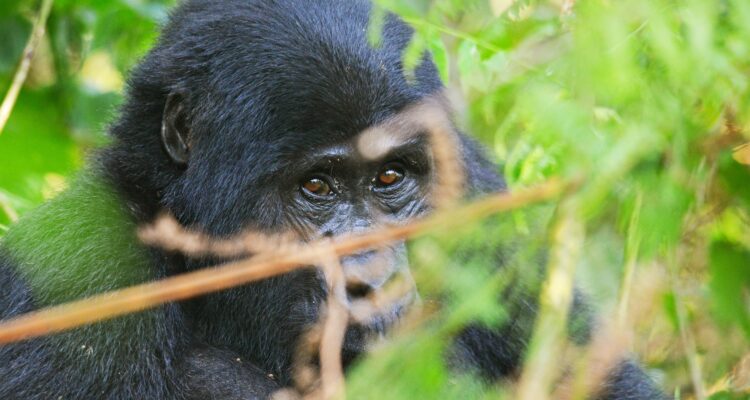
For a 3-day Uganda gorilla trek, book permits ($800) months in advance, fly from Entebbe to Bwindi to avoid a 9-hour drive, and hire a local porter, as trekking in Bwindi or Mgahinga involves steep, muddy terrain. Wear long-sleeved clothes, sturdy hiking boots, and use gloves to protect against thorns
3-days-affordable-uganda-budget-gorilla-trekking-via-kigali
3-day-budget-gorilla-trekking-safari-in-uganda
3-days-gorilla-trekking-safari-and-lake-bunyonyi-relaxation-itinerary
3-days-gorilla-habituation-in-bwindi-impenetrable-forest-park
3-days-fly-in-uganda-gorilla-habituation-africa-safari-tour-package
1. Book Permits Early
Securing a gorilla permit is the single most critical step in planning your safari, as it serves as your legal entry pass to visit a habituated family. These permits are strictly regulated by the Uganda Wildlife Authority (UWA) to ensure the conservation of the species and the tranquility of their habitat. Because only eight visitors are allowed per gorilla group each day, the supply is extremely limited while global demand remains high. During the peak seasons—June to August and December to February—permits often sell out six to twelve months in advance. Waiting until you arrive in Uganda to purchase a permit is a high-risk strategy that almost always results in disappointment.
The process of booking early also allows you to be strategic about the "sector" you visit. Bwindi is divided into four distinct regions: Buhoma, Ruhija, Rushaga, and Nkuringo. Each has a different level of difficulty and proximity to various lodges. By booking early, you ensure your permit matches your preferred accommodation, preventing a situation where you might have to wake up at 4:00 AM just to drive to a different sector for your trek. Furthermore, as of 2026, permits represent a significant financial investment—roughly $800 for foreign non-residents. Paying this in advance not only secures your spot but also allows you to lock in current rates before any annual price adjustments occur. Early booking is essentially the foundation upon which the rest of your itinerary is built.
2. Fly-in Safari
The traditional drive from Kampala or Entebbe to Bwindi is a marathon journey, typically taking between nine and ten hours. While the drive offers beautiful views of the Ugandan countryside, it can be physically exhausting, leaving travelers tired before the actual trek begins. A scheduled flight is the definitive "life hack" for maximizing your comfort and time. Flights from Entebbe International Airport to the Kihihi or Kisoro airstrips take approximately 1 hour and 50 minutes. This transition turns a grueling day of road travel into a scenic aerial tour of the Pearl of Africa, passing over Lake Victoria, the lush wetlands of central Uganda, and the dramatic, terraced Kigezi Highlands.
Choosing a fly-in safari is especially beneficial for travelers on a tight schedule or those with limited mobility. By arriving at the airstrip in the morning, you can be at your forest lodge by lunchtime, leaving the afternoon free for a relaxed community walk or bird-watching session. It’s important to note that these small domestic planes have strict luggage limits—usually 15kg in soft-sided bags—so you must pack efficiently. While the cost of a flight is higher than a road transfer, the value is found in the "saved" days of travel and the energy you preserve for the steep, high-altitude climb into the forest. For many, the sight of the Virunga Volcanoes appearing through the clouds as you descend toward the airstrip is a highlight in its own right.
3. Hire a Porter
Hiring a local porter is often described by seasoned trekkers as the best investment you can make once you reach the park headquarters. For a fee of approximately $15 to $20, a porter will carry your daypack, which can feel surprisingly heavy after three hours of climbing with two liters of water and camera gear. More importantly, porters provide physical assistance on the trail. Bwindi’s terrain is famously "impenetrable," consisting of steep, muddy ridges and tangled roots. Your porter will offer a steady hand on slippery slopes, a pull up a vertical ridge, or a stabilizing anchor during a descent. This assistance allows you to focus on the scenery and your footing rather than struggling with the weight of your gear.
Beyond the personal benefit, hiring a porter is a powerful act of community conservation. Most porters are residents of the villages surrounding the park, and many are former poachers who have transitioned to tourism for their livelihoods. The income they earn directly supports their families, paying for school fees and healthcare. This creates a tangible link between the survival of the gorillas and the economic well-being of the local people. When the community benefits from the presence of tourists, they become the most fierce protectors of the forest. By hiring a porter, you aren't just making your trek easier; you are participating in a social contract that ensures the long-term protection of the mountain gorillas.
4. Dress Appropriately
The environment of a mountain gorilla trek is a high-altitude, tropical rainforest, which demands a very specific dress code for comfort and safety. The most essential item is a pair of sturdy, waterproof hiking boots with deep "lug" soles for grip. Crucially, these must be "broken in" before you arrive in Uganda; the middle of a six-hour trek is the worst possible time to discover that your new boots cause blisters. You should pair these with long trousers and long-sleeved shirts, even if the weather seems warm. The forest is home to stinging nettles and thorny branches that can easily irritate exposed skin.
A key "pro-tip" is to tuck your trousers into your socks. This may not be a high-fashion look, but it is a highly effective barrier against safari ants and other insects that crawl along the forest floor. Additionally, gardening gloves are a mandatory item for many. During the trek, you will frequently need to grab onto branches, vines, and roots to pull yourself up steep sections. These gloves protect your hands from thorns, stinging plants, and sharp rocks. Finally, dressing in layers is vital. The temperature fluctuates significantly between the chilly early morning briefing and the humid, physical exertion of the climb. Lightweight, moisture-wicking fabrics are preferred over cotton to help your body regulate its temperature as you move through the varying altitudes.
5. Pack Key Items
Success in the bush often comes down to the quality of your "kit." Because Bwindi is a rainforest, a high-quality waterproof jacket or poncho is non-negotiable. Even in the "dry" season, tropical downpours can occur with little warning, and being soaked through can lead to a rapid drop in body temperature at high altitudes. Along with rain protection, you must pack for the equatorial sun. At 2,000 meters, the UV rays are intense even on cloudy days, so high-SPF sunscreen and a wide-brimmed hat are essential to prevent painful burns that could ruin the rest of your trip.
Inside your daypack, you should have insect repellent with a high DEET concentration to ward off mosquitoes and flies. A reusable water bottle is also a priority; most lodges provide filtered water, and using your own bottle reduces the plastic waste that plagues sensitive ecosystems. For photographers, extra batteries and memory cards are vital, as you will likely take hundreds of photos during your one hour with the gorillas. It is also wise to carry a few high-energy snacks like nuts or protein bars. While most tours provide a packed lunch, you may not reach a suitable spot to eat until late in the afternoon. Having all these items organized in a waterproof bag inside your pack ensures that your gear stays dry and functional regardless of the forest conditions.
6. Prepare for Fitness
While gorilla trekking is accessible to most people with a basic level of mobility, it is a physically demanding activity that should not be underestimated. The treks take place at altitudes ranging from 2,000 to 2,500 meters (6,500 to 8,200 feet). At this elevation, the air is thinner, and your heart and lungs have to work significantly harder than they do at sea level. Even those who consider themselves fit may find themselves winded more quickly than usual. Preparing with light cardiovascular exercise in the weeks leading up to your trip—such as hiking, walking on an incline, or using a stair-climber—will make the experience much more enjoyable.
It is also important to remember that there are no "flat" trails in Bwindi. You will be navigating "off-piste" through thick vegetation, stepping over fallen logs, and crossing small streams. The rangers will pace the group according to the slowest member, so there is no need to "race," but having the stamina to hike for four to six hours is important. If you have any concerns about your fitness, you should inform your guide during the morning briefing. They can often assign you to a gorilla family that is known to stay closer to the park boundary. For those with significant physical limitations, "sedan chairs" carried by porters are available for an extra fee, ensuring that the magic of seeing a mountain gorilla is an inclusive experience regardless of one's athletic ability.
3-Day Uganda Gorilla Trekking Safari: A Journey Into the Mist
The 3-day Uganda gorilla trekking safari is a profound pilgrimage into the heart of Bwindi Impenetrable National Park, a prehistoric rainforest harboring half of the world's remaining mountain gorillas. This itinerary is expertly crafted for those seeking a high-impact wildlife encounter within a compact timeframe. Your journey begins with a scenic traverse across the Equator, winding through the "Switzerland of Africa," where terraced emerald hills meet the clouds. The pinnacle of the expedition is a guided trek through dense, ancient foliage to stand mere meters away from a majestic silverback and his family. Beyond the primates, this tour offers a deep dive into the soul of Uganda, from its vibrant local markets to the ancestral stories of the Batwa people. By participating in this trek, you aren't just a spectator; you become a vital contributor to one of the most successful conservation stories in modern history, ensuring these gentle giants thrive for generations.
Day 1: Entebbe/Kampala to Bwindi Impenetrable Forest
Your adventure commences with an early morning departure from the capital, heading southwest toward the edge of the Albertine Rift. The drive is a visual feast, featuring a primary stop at the Uganda Equator in Mpambire for photos and a demonstration of the Coriolis effect. After a traditional lunch in Mbarara, the landscape shifts dramatically into the steep, terraced ridges of the Kigezi Highlands. As you ascend toward Bwindi, the air becomes cooler and the vegetation more lush. You will reach your lodge in the late afternoon, nestled right on the fringe of the ancient forest. This evening is dedicated to a pre-trek briefing and a hearty dinner, as you prepare for the physical challenge of the following day. The sounds of the jungle—the calls of turacos and the rustle of the canopy—provide a hauntingly beautiful soundtrack to your first night in the wild.
Day 2: The Gorilla Trekking Experience
Today is the centerpiece of your safari. After an early breakfast, you head to the park headquarters for a 7:30 AM briefing where you are assigned to a habituated gorilla family. Led by expert rangers and armed trackers, you will plunge into the "Impenetrable" forest. The hike can last between two to seven hours, navigating steep slopes and tangled vines. Once the family is located, the forest falls silent as you spend one unforgettable hour observing the gorillas. Witnessing a silverback’s quiet power or the playful antics of juveniles is a life-altering experience. In the afternoon, once you have returned from the forest, you can opt for a Batwa Cultural Walk. This visit offers a glimpse into the lives of the forest's original inhabitants, showcasing their ancient hunter-gatherer survival skills, traditional songs, and deep spiritual connection to the Bwindi ecosystem.
Day 3: Return Journey to Kampala or Entebbe
On your final day, you enjoy a leisurely breakfast overlooking the mist-covered forest before beginning the scenic drive back to central Uganda. The return leg offers a different perspective of the countryside, passing through the lush wetlands of the Lake Mburo ecosystem and the bustling agricultural towns of the central region. You will stop for a final lunch in Masaka before making a second brief stop at the Equator for any last-minute souvenir shopping, such as hand-carved gorilla figurines or local textiles. This journey provides time to reflect on the profound connection made with the mountain gorillas and the impact of your visit on their continued survival. You will arrive back in Kampala or Entebbe in the late evening, just in time for your departure flight or an overnight stay, concluding an extraordinary three-day journey into the heart of Africa.
When is the best time for a Uganda gorilla trekking safari trip?
The timing of your gorilla trekking expedition is one of the most important factors for both comfort and photography. Uganda typically experiences two dry seasons: the primary one from June to October and a shorter spell from December to January. During these months, the forest floor is significantly less muddy, and the steep slopes of Bwindi or Mgahinga are easier to navigate. While it can rain at any time in a tropical rainforest, the dry season offers the most predictable weather, ensuring your gear stays dry and the light is optimal for capturing images of the primates.
Conversely, the wet seasons (March to May and October to November) present a different set of challenges and rewards. The trails can become quite slippery, and the dense foliage often makes the hike more strenuous. However, this is also when the forest is at its most lush and vibrant, providing a stunning emerald backdrop for the gorillas. For some, the "low season" is preferable because the parks are less crowded, and some luxury lodges offer discounted rates. Furthermore, gorillas often stay at lower altitudes during the rainy season because food is more abundant near the forest floor, potentially shortening the length of your trek. Ultimately, while the dry season is the "golden window" for most travelers, gorilla trekking is a year-round activity that offers a unique perspective in every season.
How far in advance should I book my 3 Days Uganda gorilla trekking safari trip?
Booking a gorilla trek is not a last-minute endeavor. Because the Uganda Wildlife Authority (UWA) strictly limits the number of people who can visit each habituated family to just eight per day, permits are a finite and precious resource. For those planning to travel during the peak months of July, August, or December, it is highly recommended to book your permits 6 to 12 months in advance. Even for the "shoulder" seasons, a lead time of 3 to 5 months is generally considered the minimum safe margin to ensure you get a permit for your desired sector.
The urgency of booking early is also tied to your choice of accommodation. Bwindi Impenetrable National Park is divided into four distinct trekking sectors: Buhoma, Ruhija, Rushaga, and Nkuringo. If you book your permit late, you may find that the only available spots are in a sector far away from your preferred lodge, necessitating a 2-to-3-hour drive before the trek even begins at dawn. By securing your permit early, your tour operator can coordinate your lodging to be within minutes of the park headquarters. This early preparation also provides peace of mind, as once the permit is paid for and confirmed with your passport details, the most difficult logistical hurdle of your African safari is cleared.
What should I pack for the hike?
Packing for a gorilla trek requires a balance between protection and weight. The most critical item is a pair of waterproof, high-traction hiking boots. The terrain involves off-trail climbing through thick undergrowth and mud, so ankle support and a deep grip are essential. You should also pack long-sleeved shirts and long trousers made of lightweight, moisture-wicking material. These are not for warmth, but for protection against stinging nettles, thorny vines, and biting insects like safari ants. A high-quality rain jacket or poncho is also mandatory, as the weather in the Albertine Rift can change in minutes.
Other essential "small" items include gardening gloves, which allow you to grab onto branches and vines for support without getting stung or scratched. You will also need a daypack to carry your lunch, water, and camera gear; ensure it has a waterproof cover. Inside the pack, keep a bottle of high-DEET insect repellent, sunblock, and a wide-brimmed hat. For those interested in photography, extra batteries and a waterproof bag for your camera are vital. Finally, don't forget to pack a reusable water bottle. Uganda is increasingly focused on reducing plastic waste in protected areas, and many lodges will provide filtered water to refill your own containers before you head into the forest.
Are porters necessary on a Uganda gorilla trekking safari trip?
While you may consider yourself fit and capable, hiring a porter for roughly $15 to $20 (plus tip) is one of the most helpful things you can do during your trek. The role of a porter is twofold: physical assistance and community support. Physically, they carry your daypack, leaving you free to navigate the steep, tangled terrain with only your walking stick and camera. On the most vertical sections of the trek, a porter will offer a steady hand to pull you up or a shoulder to lean on during a slippery descent. This "mechanical" help can be the difference between an exhausting struggle and an enjoyable adventure.
Beyond the physical aid, hiring a porter is a vital part of Uganda’s conservation strategy. Most porters are members of the local community surrounding the park, and many were formerly involved in subsistence poaching or illegal logging. By providing them with a steady income through tourism, the park creates a direct economic incentive for local people to protect the mountain gorillas. The money earned by porters goes toward school fees, medical care, and small business investment in the villages. When you hire a porter, you are transforming your safari into a tool for social development, ensuring that the people who live alongside the gorillas have a vested interest in their continued survival.
How difficult is the actual gorilla trek?
The difficulty of a gorilla trek is notoriously unpredictable and can vary from "easy" to "extremely strenuous" depending on where the gorillas spent the night. Mountain gorillas are wild animals that move through the forest in search of food, meaning you might find them after a 45-minute stroll or after six hours of intense climbing. The hike involves navigating through thick, humid jungle where there are no manicured trails. You will be stepping over fallen trees, ducking under vines, and walking across steep slopes at altitudes exceeding 2,000 meters.
The altitude itself adds a layer of difficulty, as the air is thinner and oxygen levels are lower than at the coast. This can make even a moderate incline feel like a major workout. The weather also plays a role; a sudden downpour can turn a stable hillside into a mudslide in seconds. However, the trek is managed by professional rangers who are experts at pacing the group. They will take frequent breaks to ensure everyone is coping with the terrain. While a basic level of fitness is required, the "slow and steady" approach used by the guides makes the trek achievable for most people. The sheer adrenaline of seeing a gorilla for the first time usually provides the final burst of energy needed to conquer the last few meters.
What is the minimum age for gorilla trekking?
The official minimum age for mountain gorilla trekking in Uganda is 15 years. This rule is strictly enforced by the Uganda Wildlife Authority for several key reasons, primarily involving conservation and safety. From a biological standpoint, younger children are more likely to carry common childhood diseases like mumps, measles, or chickenpox, to which mountain gorillas have no natural immunity. Because humans and gorillas share approximately 98% of their DNA, the risk of cross-species transmission is high, and a simple human virus could be catastrophic for an entire gorilla family.
From a safety and behavioral perspective, a gorilla trek requires a level of maturity and physical stamina that younger children may lack. The trek can be long and grueling, often lasting up to seven hours in harsh conditions. Furthermore, once you encounter the gorillas, it is vital to remain calm, quiet, and still. A child’s sudden movement or high-pitched exclamation—while natural—could be interpreted as a threat or a challenge by a silverback, potentially leading to a charge. While there are very rare exceptions where authorities might grant a waiver if a child is turning 15 shortly and is exceptionally physically fit, the 15-year rule remains the gold standard for protecting both the primates and the tourists.
What should I wear on a Uganda gorilla trekking safari trip?
Dressing for a gorilla trek is about utility and protection rather than aesthetics. The "Ugandan Uniform" for trekking consists of long-sleeved shirts and long trousers in neutral colors like khaki, green, or tan. Avoid camouflage, as it is often reserved for the military in many African countries. These long layers protect you from stinging nettles, which are abundant in Bwindi, and from the "wait-a-bit" thorns that can snag your skin. The fabric should be lightweight and quick-drying, as you will likely sweat during the climb or encounter rain.
A crucial tip for your attire is to tuck your trousers into your socks. While it may look unusual, this is a highly effective defense against safari ants (red ants) that crawl along the forest floor. If these ants get inside your clothes, their bite is painful and distracting during the trek. Additionally, you should wear thick, moisture-wicking socks to prevent blisters and a pair of gardening gloves. These gloves are essential for the sections of the hike where you must grab onto vines or branches to pull yourself up steep inclines. Finally, always wear a hat to protect your face from the equatorial sun and keep a lightweight waterproof jacket tied around your waist, as the forest can transition from sunny to a downpour in a matter of moments.
How long do I spend with the gorillas?
Once your group successfully tracks and locates the gorilla family, you are granted exactly one hour of observation time. This "Golden Hour" is a strictly enforced rule across all mountain gorilla habitats in Uganda, Rwanda, and the Democratic Republic of the Congo. The time limit is in place to minimize the impact of human presence on the gorillas' natural behavior. Even though these families are "habituated"—meaning they are accustomed to seeing humans—prolonged exposure can cause them stress, disrupt their feeding and grooming patterns, and increase the risk of disease transmission.
During this hour, you will stand or crouch at a distance of approximately 7 to 10 meters, observing the daily lives of the family. You might see mothers nursing infants, juveniles wrestling in the undergrowth, or the massive silverback keeping a watchful eye over his troop. It is a deeply meditative experience; the sound of the gorillas chewing on bamboo and the quiet grunts they use to communicate create an atmosphere of profound peace. Your guides will keep a close eye on the time, and when the sixty minutes are up, they will quietly signal for the group to withdraw. While an hour may seem short given the effort to find them, most travelers find it is more than enough time to forge a life-long memory and capture stunning photographs.
Can I take photos of the gorillas?
Yes, photography is encouraged and is one of the primary reasons people embark on this journey. However, there is one absolute rule: you must keep your camera flash off at all times. Mountain gorillas are highly sensitive to sudden bursts of light, which can be interpreted as a threat or can startle the animals, potentially provoking an aggressive reaction from the silverback. Additionally, the flashes can disturb the peaceful atmosphere of the encounter. Modern digital cameras and smartphones have excellent low-light capabilities, which are usually sufficient for the dappled light of the forest canopy.
When taking photos, it is best to use a camera with a good zoom lens (around 70-200mm is ideal), as this allows you to capture close-up details of the gorillas' expressive faces and intricate fur without having to move too close. Be mindful of your surroundings and try not to spend the entire hour looking through a viewfinder; take a few moments to simply watch the gorillas with your own eyes. It is also courteous to move around so that everyone in your group of eight gets a clear view. If it starts to rain, having a waterproof cover for your camera is essential. Many professional photographers also recommend using a higher ISO setting to compensate for the dark forest floor, ensuring your images are sharp and well-exposed.
What happens if I feel sick?
The health of the mountain gorillas is the highest priority for park authorities. Because humans and gorillas are so closely related, the primates are extremely susceptible to human respiratory infections and other contagious diseases. Even a common cold or a mild flu, which might be a minor inconvenience for a human, can be fatal to a mountain gorilla who has no natural immunity. If you wake up on the morning of your trek with a cough, fever, diarrhea, or any contagious illness, you are ethically and legally obligated to inform the park rangers.
In most cases, if you are deemed unfit to trek due to illness, the park authorities will work with your tour operator to reschedule your trek for a later date once you have recovered, provided there is availability. In some instances, a partial refund or credit may be issued. To prevent such situations, it is wise to take extra health precautions in the weeks leading up to your trip, such as staying hydrated and avoiding crowded areas. During the encounter itself, if you need to sneeze or cough, you are instructed to turn your head away from the gorillas and cover your face to prevent the spread of droplets. These strict health protocols are the reason mountain gorilla populations have successfully rebounded in recent decades.
Do I need to carry food and water?
Yes, carrying your own sustenance is a mandatory part of the trekking experience. A gorilla trek is an unpredictable physical challenge that can last anywhere from two to seven hours, and there are no shops or facilities once you enter the forest. Most lodges will provide you with a packed lunch box and a few snacks (like fruit or biscuits) specifically for the trek. This lunch is usually eaten at a designated spot in the forest once you have finished your hour with the gorillas, providing a much-needed energy boost for the hike back to the park headquarters.
Regarding hydration, it is recommended to carry at least two to three liters of water. The combination of high altitude, physical exertion, and tropical humidity means you will lose fluids quickly. Staying hydrated is also one of the best ways to combat altitude sickness and muscle cramps. If you hire a porter, they will carry this weight for you, making it much easier to stay refreshed throughout the day. It is also worth packing some "quick-energy" snacks like glucose biscuits, nuts, or chocolate in your pockets for the more grueling sections of the climb. Remember to pack out all your trash; "Leave No Trace" is the guiding principle of the park to ensure the pristine nature of the gorillas' home remains undisturbed.
Is it better to fly or drive from Entebbe for a 3-day trip?
Deciding whether to fly or drive is a choice between budget and time. The drive from Entebbe or Kampala to Bwindi takes approximately 9 to 10 hours. While long, the drive is a spectacular way to see the "Pearl of Africa." You will cross the Equator, pass through vibrant local markets, and see the changing landscapes from the flat central plains to the rolling emerald hills of the Kigezi Highlands. It is a more affordable option and allows for a deeper cultural immersion. However, for a 3-day trip, this means two of your days are almost entirely spent on the road, which can be exhausting.
Flying is the "premium" choice for those who want to maximize their time and comfort. Scheduled domestic flights from Entebbe to the Kihihi or Kisoro airstrips take about 1 to 2 hours. From the airstrip, it is a much shorter drive to the lodges. This option saves you nearly 16 hours of road travel across the round trip, allowing you to arrive at your lodge refreshed and ready for the trek. While flying is significantly more expensive—adding several hundred dollars to the total cost—it is often the preferred choice for business travelers, seniors, or those who simply want to spend more time relaxing and less time in a vehicle. On a 3-day itinerary, flying turns a "marathon" trip into a manageable, high-end escape.
How far should I stay from the gorillas?
To ensure the safety of both the tourists and the animals, the Uganda Wildlife Authority mandates a minimum distance of 7 to 10 meters (about 23 to 33 feet) from the gorillas. This distance is calculated to prevent the spread of airborne diseases and to give the gorillas enough space to feel comfortable and non-threatened. Maintaining this gap allows the family to continue their natural behaviors—such as grooming, playing, and feeding—without feeling that their personal space is being invaded by the observers.
In reality, the gorillas do not always follow the rules. Occasionally, a curious juvenile might approach you or a silverback might move through the group to reach a specific patch of vegetation, closing the gap to just a couple of meters. If this happens, you are instructed to slowly and quietly back away to re-establish the required distance. Never attempt to touch a gorilla, even if they come close enough to do so. Your rangers will constantly monitor the position of the gorillas and the tourists, whispering instructions to move forward or back as needed. Respecting this boundary is a sign of respect for these majestic creatures and is fundamental to the long-term sustainability of gorilla tourism.
How do I behave if a gorilla charges?
While mountain gorillas are generally peaceful and habituated to human presence, they are still wild animals with immense strength. On very rare occasions, a silverback may feel the need to assert his dominance or protect his family by "charging." This usually involves the gorilla rushing toward the group while screaming, thumping his chest, or tearing at vegetation. It is almost always a "bluff charge" designed to intimidate rather than to cause harm. The most important rule in this situation is: do not run. Running triggers a chase instinct and can turn a bluff into a real confrontation.
If a gorilla charges, you must stay still, crouch down, and look at the ground. Avoid direct, prolonged eye contact, as this is seen as a challenge in gorilla body language. Try to make yourself appear smaller and non-threatening. Most importantly, listen to your rangers; they are highly trained and know the individual personalities of the gorillas. They may use vocalizations to calm the silverback or tell the group to slowly move back. Charges are very rare during habituated treks, but knowing the protocol ensures that you react calmly. By showing submission and staying calm, the silverback will quickly realize you are not a threat and will return to his family, allowing the encounter to continue peacefully.
What is a "3 days Uganda gorilla trekking safari trip" itinerary generally like?
A standard 3-day itinerary is a high-impact journey designed to get you to the gorillas and back with maximum efficiency. Day 1 typically begins with an early morning pick-up in Kampala or Entebbe. You embark on the 9-hour drive to the southwest, stopping at the Equator for photos and Mbarara for lunch. As you climb into the Kigezi Highlands, the scenery becomes breathtaking. You arrive at your lodge near Bwindi or Mgahinga in the late afternoon, just in time for a briefing and a warm dinner overlooking the forest canopy.
Day 2 is the highlight of the trip: Trekking Day. After an early breakfast, you head to the park headquarters for a 7:30 AM briefing by the rangers. You are assigned a family, and then you plunge into the forest. Once the gorillas are found, you spend your one hour with them, followed by a forest lunch. Many travelers use the afternoon for a "Batwa Cultural Experience" to learn about the forest's original human inhabitants. Day 3 is the return leg. After breakfast, you begin the long drive back to central Uganda, stopping for lunch en route. You usually arrive in Kampala or Entebbe by early evening, concluding an extraordinary 72-hour adventure that has taken you from the city to the ancient heart of the African jungle and back.
Booking 3 Days gorilla trekking with us Roads of Adventure safaris
Booking a 3-day gorilla trekking safari with Roads of Adventure Safaris offers a curated, immersive experience in Bwindi Impenetrable or Mgahinga National Parks. Their packages typically include transport from Kampala, gorilla permits, accommodation, and guided tours, with options for Midrange, luxury, and cultural experiences
