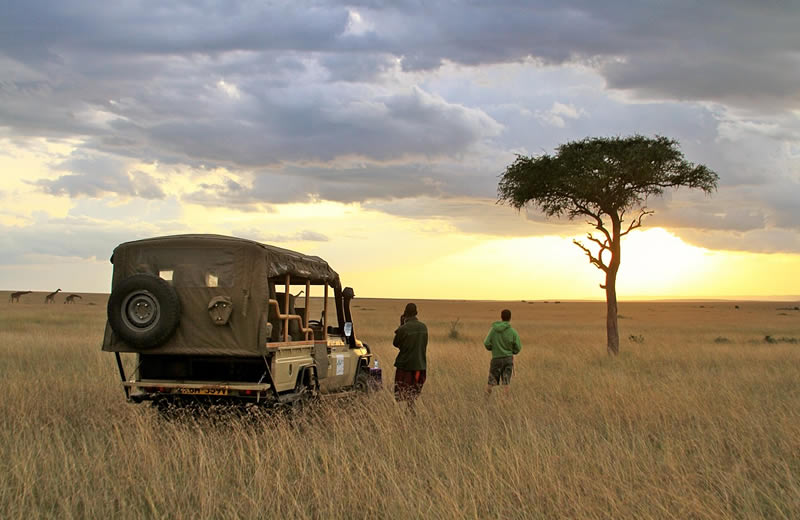
The direct driving distance from Nairobi to Arusha is approximately 272 kilometers (168 miles), with the journey typically taking about 4.5 to 6 hours, not including border crossing time. On a safari, the route generally involves driving from Nairobi to the Namanga border, crossing into Tanzania, and then continuing on to Arusha. This route is a common and convenient leg of a Kenya-Tanzania safari, offering travelers a seamless transition between the two countries while enjoying the scenic landscapes along the way
Popular Kenya Tanzania safari itineraries
10-days-best-kenya-tanzania-safari-itinerary-tour
10-days-best-kenya-tanzania-honeymoon-safari-with-zanzibar-beach-holidays
10-days-samburu-amboseli-nakuru-naivasha-maasai-mara-safari-tour
10-days-best-tanzania-safari-tour-and-zanzibar-beach-holiday-itinerary
10-days-tanzania-safari-to-all-northern-circuit-safari-parks-expedition
10-days-best-tanzania-honeymoon-safari-with-3-days-zanzibar-beach-holidays
Driving Distance and Time
The driving distance from Nairobi to Arusha is approximately 272 kilometers (168 miles). This journey typically takes between 4.5 to 6 hours, depending on several factors such as traffic conditions and the time spent at the border. The route is quite scenic, offering views of the Kenyan countryside as you travel. It's important to plan your departure time to avoid peak traffic hours, especially when leaving Nairobi, as congestion can add significant time to your journey. Additionally, the duration may vary based on how quickly you navigate through the border crossing. It’s advisable to check for any travel advisories or road conditions that could affect your travel time. Having a well-planned schedule will help ensure a smooth transition from Kenya to Tanzania, allowing you to enjoy the journey without unnecessary delays.
Route and Border Crossing
The most common route from Nairobi to Arusha is via the A104 highway, which leads directly to the Namanga border post. This road is well-maintained and regularly used by travelers heading into Tanzania. Upon reaching the Namanga border, you will need to complete the border crossing procedure, which involves clearing both immigration and customs. Make sure to have all necessary documents ready, including a valid passport with at least six months of validity and any required visas for Tanzania. After successfully clearing immigration, you will continue your journey on the B1 highway, which leads directly to Arusha. This stretch of road is also scenic, giving you glimpses of the vibrant local culture and landscapes. It’s essential to remain patient during the border crossing, as it can take time, especially during peak travel periods.
What expect when driving from Nairobi to Arusha on 10 days Kenya Tanzania safari
When driving from Nairobi to Arusha for a 10-day Kenya-Tanzania safari, expect a journey of about 4-6 hours that involves border crossing procedures and scenic views of the landscape. You can anticipate a diverse safari itinerary featuring iconic parks like Amboseli, Masai Mara, Serengeti, and Ngorongoro Crater, with chances to see wildlife such as elephants, the "Big Five," and potentially the Great Migration. The drive itself will be a part of the adventure, offering glimpses of rural life and wildlife along the way.
On the road to Arusha
Travel time: The drive is roughly 270 km (168 miles) and takes approximately 4 to 6 hours, depending on traffic and border crossing times.
Border crossing: You will need to clear customs and immigration at the Kenya-Tanzania border. This can be a lengthy process, so factor that into your travel time.
Scenery: Expect to see picturesque views of rolling hills, farms, and sometimes wildlife as you drive through the East African landscape.
Transportation: Many safari packages include the road transfer, often in a 4x4 vehicle with a pop-up roof and driver/guide.
Wildlife
On your safari, you can expect to encounter a stunning variety of wildlife, making it a truly unforgettable experience. One of the highlights will be the opportunity to see the "Big Five": lions, leopards, elephants, rhinos, and buffalo. Each park you visit offers unique chances to observe these magnificent creatures in their natural habitats. For instance, in the Masai Mara, you may witness lions lounging in the grasslands or leopards resting on tree branches, expertly camouflaged among the leaves. Elephants are often seen in large herds, while rhinos, though more elusive, can sometimes be spotted in conservation areas. The diverse ecosystems across the parks mean that you'll also encounter other fascinating wildlife, including giraffes, zebras, cheetahs, and hippos. The thrill of seeing these animals in their natural environment is heightened by the knowledge that you are part of a delicate ecosystem, and your visit contributes to conservation efforts. Your guides will provide valuable insights into animal behavior and the interconnectedness of life in the savannah, enriching your safari experience.
· Iconic Parks
Your itinerary will likely take you through some of Africa's most iconic national parks, each offering unique landscapes and wildlife experiences. Starting with Amboseli National Park, renowned for its large elephant herds and breathtaking views of Mount Kilimanjaro, you’ll have the chance to capture stunning photographs against this majestic backdrop. Next, you may visit the Masai Mara, famous for its rich wildlife and the annual Great Migration, where millions of wildebeest and zebras traverse the plains. The Serengeti is another highlight, known for its vast savannahs and diverse animal populations. Here, you can witness predator-prey interactions and the dramatic landscapes that define this UNESCO World Heritage site. Last but not least is the Ngorongoro Crater, a geological marvel that serves as a sanctuary for a variety of animals. The crater's unique ecosystem allows for a high density of wildlife, making it one of the best places to spot the Big Five. Each park offers a different perspective on Africa's natural beauty, ensuring that your safari is rich in unforgettable experiences.
The Great Migration
Depending on the time of year, your safari may coincide with the spectacular Great Migration, one of nature's most incredible events. This annual phenomenon occurs mainly in the Serengeti and the Masai Mara, where millions of wildebeest and zebras make a perilous journey across the plains in search of fresh grazing grounds and water. The migration typically follows a circular route, driven by seasonal rains, and witnessing this event is a bucket-list experience for many travelers. From July to September, the herds cross the Mara River, facing challenges such as crocodile attacks and swift currents. Observing these dramatic crossings can be both thrilling and emotional, as the survival of the animals hangs in the balance. Your guides will provide insights into the migration's patterns and the ecological significance of this event, enhancing your understanding of the interconnectedness of wildlife and their habitats. Whether you find yourself witnessing a river crossing or simply marveling at the sheer number of animals in the herds, the Great Migration promises to be a highlight of your safari, leaving you with lasting memories.
Birdlife
In addition to the large mammals, your safari will also provide fantastic opportunities to observe diverse birdlife across various parks. Locations like Lake Nakuru are particularly renowned for their abundance of birds, including large flocks of flamingos that often blanket the shores in vibrant pink hues. The lake's unique ecosystem supports a variety of bird species, making it a paradise for birdwatchers and nature enthusiasts alike. You can expect to see waterfowl, raptors, and migratory birds, with guides pointing out interesting species and their behaviors. Parks like the Masai Mara and Serengeti also host numerous bird species, from the striking African fish eagle to the colorful lilac-breasted roller. Each park presents a different mix of habitats, allowing for a rich birdwatching experience. Your guides will share insights into the significance of these birds within the ecosystem, as well as tips for capturing the best photographs. Whether you’re an avid birdwatcher or simply appreciate the beauty of nature, the diverse avifauna will add another enriching layer to your safari adventure.
Cultural Experiences
Many safari itineraries include opportunities to engage with local cultures, particularly the Maasai people, who are renowned for their rich traditions and vibrant lifestyles. Visiting a Maasai village can offer a unique glimpse into their way of life, characterized by colorful clothing, intricate jewelry, and traditional customs. During these visits, you may participate in activities such as dancing, learning about their herding practices, and understanding their relationship with the land and wildlife. Interactions with the Maasai community can be both enlightening and enriching, as they share stories of their history, challenges, and aspirations. These cultural experiences foster a deeper appreciation for the region's heritage and the importance of conserving both the environment and local traditions. Your guides will facilitate these visits respectfully, ensuring that your interactions are meaningful and beneficial for the community. Engaging with the Maasai not only enhances your safari experience but also supports local economies and cultural preservation, making your journey even more impactful.
Which Parks to Visit on a 10 Days Kenya Tanzania Safari
On a 10 days Kenya Tanzania safari, you’ll have the opportunity to explore some of the most iconic national parks and reserves in East Africa. Starting in Kenya, the Masai Mara National Reserve is a must-visit, known for its rich wildlife and the annual Great Migration. Here, you can witness the “Big Five” and experience thrilling game drives across the vast savannahs. Next, you may visit Lake Nakuru National Park, famous for its stunning scenery and large flocks of flamingos. This park also offers excellent birdwatching opportunities and diverse wildlife.
Crossing into Tanzania, the Serengeti National Park is another highlight, celebrated for its expansive landscapes and abundant wildlife. Witnessing the dramatic predator-prey interactions is a unique experience here. You may also explore Ngorongoro Crater, a UNESCO World Heritage Site, where you can see a high concentration of wildlife in a stunning caldera setting. Lastly, Tarangire National Park is known for its large elephant herds and iconic baobab trees, offering a different yet captivating experience. Each park provides a unique ecosystem and wildlife, ensuring a rich and diverse safari adventure.
When is the Best Time for a 10 Days Kenya Tanzania Safari
The best time for a 10 days Kenya Tanzania safari typically falls between June and October, coinciding with the dry season. During these months, wildlife viewing is at its peak, as animals gather around water sources, making them easier to spot. This period is particularly ideal for witnessing the Great Migration in the Serengeti and Masai Mara, where millions of wildebeest and zebras traverse the plains in search of fresh grazing. Expect thrilling river crossings and predator interactions, which are highlights of the migration.
Alternatively, January to March is also an excellent time for a safari, as it coincides with the calving season. During this period, many wildebeest calves are born, attracting predators and providing exceptional wildlife viewing opportunities. Although the wet season from April to June offers lush landscapes and fewer tourists, the roads may be challenging in some areas. Ultimately, the best time for your safari will depend on your wildlife interests and preferences, ensuring a memorable experience in the stunning ecosystems of Kenya and Tanzania.
What Are the Accommodation Options for a 10 Days Kenya Tanzania Safari
For a 10 days Kenya Tanzania safari, accommodation options cater to various budgets and preferences, ensuring a comfortable experience without compromising on adventure. Camping is a popular choice for budget travelers, offering a unique opportunity to immerse yourself in nature. Public campsites are available near major parks, allowing for easy access to wildlife viewing while enjoying the sounds of the African wilderness.
Budget lodges are another excellent option, providing basic yet comfortable accommodations with essential amenities. These lodges are often located just outside park boundaries, offering a cozy retreat after a day of exploration.
For those seeking a mid-range experience, guesthouses and lodges provide more amenities and comfort while still being affordable. Many of these accommodations are strategically located for wildlife viewing, with opportunities to see animals visiting the lodge.
No matter your choice, these budget-friendly options ensure you have a comfortable base to explore the stunning landscapes and wildlife of Kenya and Tanzania, enhancing your overall safari experience.
Booking 10 Days Kenya Tanzania Safari with Us Roads of Adventure Safaris
When you book your 10 days Kenya Tanzania safari with Roads of Adventure Safaris, you can expect a well-organized and personalized experience tailored to your needs. Our team specializes in creating unique itineraries that focus on budget-friendly accommodations without compromising quality or adventure. We offer a range of options, from camping and budget lodges to comfortable guesthouses, ensuring that your preferences are met.
Our knowledgeable guides are passionate about wildlife and local cultures, providing expert insights that enhance your safari experience. We handle all logistics, including transportation, park fees, and most meals, allowing you to focus on enjoying the breathtaking landscapes and unique wildlife encounters.
With a commitment to responsible tourism, we aim to give back to local communities while providing unforgettable experiences. Whether you’re looking for thrilling game drives, cultural interactions, or stunning landscapes, Roads of Adventure Safaris is dedicated to making your dream safari vacation a reality. Contact us today to start planning your unforgettable journey through Kenya and Tanzania!
