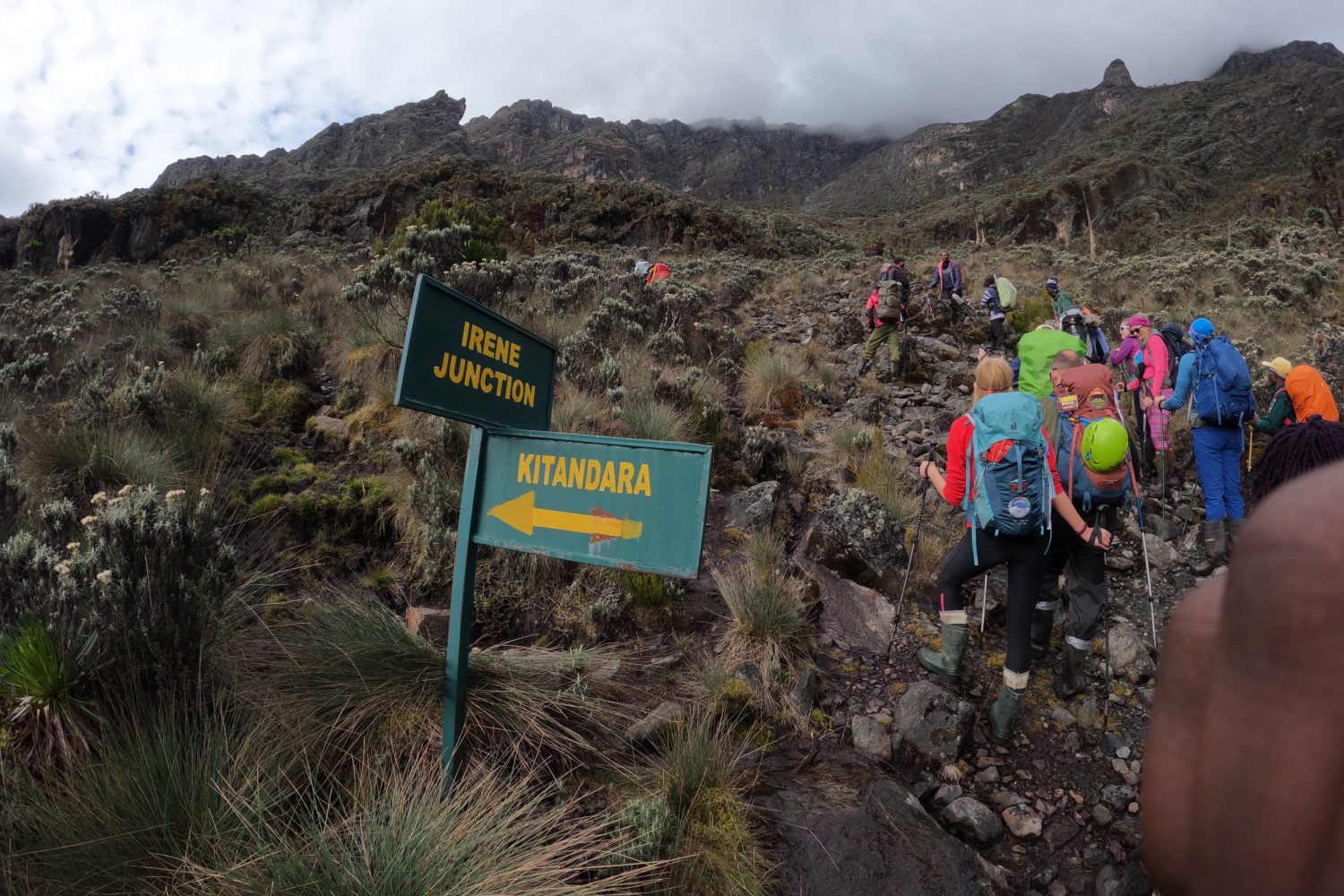
Combining a Rwenzori trek with a birdwatching safari is an unforgettable way to experience Uganda’s diverse biomes. The Rwenzori Mountains alone boast 177 bird species, including 19 Albertine Rift endemics like the Rwenzori Turaco and Blue-headed Sunbird. Peak birding and trekking occur during the dry seasons from June to August and December to February. To maximize your birdlist and climbing experience, it is highly recommended to combine your Rwenzori expedition with adjacent birding hotspots in western Uganda
15-days-rwenzori-hiking-safari-and-mountain-gorilla-trekking-vacation
11-days-best-rwenzori-mountain-hike-to-margherita-peak
7-days-mountain-rwenzori-mountain-climbing-active-adventure-to-margherita-peak
5-days-rwenzori-hike-to-either-mountain-sepeke-baker-or-luig-di-savoia
2-days-rwenzori-trek-to-nyabitaba-camp
The Ultimate Endemic Birding & Peak Trek (14-17 Days)
This ultimate 14-to-17-day itinerary is custom-crafted for serious birdwatchers who refuse to compromise on adventure. You will journey from the classic East African savannas to the dense, ancient rainforests of the Albertine Rift, tracking legendary target species found nowhere else on earth. The absolute crown jewel of this expedition is a grueling yet deeply rewarding high-altitude trek up the Rwenzori Mountains. Here, you will hunt for specialized afro-alpine endemics before pushing through jagged, ice-capped terrain to stand atop the glaciated Margherita Peak. Combining world-class montane birding with an elite mountaineering challenge, this itinerary offers an unparalleled expedition through Africa's most biodiverse ecological zones. Get ready for the ultimate trek.
Days 1–2: Entebbe to Murchison Falls National Park
Touch down in Entebbe, where your Ugandan avian adventure immediately begins. After a brief briefing, you will head northwest toward Murchison Falls National Park, driving through changing landscapes that transition into vast savanna. The primary target here is the prehistoric-looking Shoebill Stork, a highly sought-after prize for any serious birder. You will embark on a tranquil boat boat cruise along the swampy fringes of the Victoria Nile delta, keeping your binoculars trained on the thick papyrus reeds where this giant bird hunts. Beyond the Shoebill, the park's diverse habitats host over 450 species, including the Abyssinian Ground Hornbill, Secretary Bird, and the elegant Grey Crowned Crane. As night falls, listen for the distinct calls of nightjars echoing across the Nile.
Days 3–4: Kibale National Park & Forest Specials
Leave the open savannas behind as you journey south toward the lush, emerald canopy of Kibale National Park. Known as the primate capital of the world, this dense rainforest is also a legendary hotspot for elusive forest birds. Your absolute top priority here is the enigmatic Green-breasted Pitta, a vibrant but incredibly master of camouflage that requires an early morning trek to locate during its display season. As you walk beneath the towering ancient trees, you will also track vocal chimpanzee troops moving through the canopy. Keep your eyes peeled for other highly localized forest specials, such as the Black-bee-catcher, Joyful Greenbul, and the massive Great Blue Turaco. The surrounding community wetlands offer excellent chances for spotting unique rail and crake species.
Days 5–11: The Kilembe Trail & Margherita Peak Summit
Prepare for the ultimate physical and ornithological challenge as you begin the legendary 7-Day Kilembe Trail up the Rwenzori Mountains. As you ascend through distinct botanical zones—from dense bamboo forests to eerie heather zones draped in moss—the bird community shifts dramatically. You will actively scan the tangled undergrowth for the spectacular Rwenzori Turaco, with its brilliant flashes of crimson wings, and the skulking Archer's Robin-Chat. The higher you climb, the stranger the landscape becomes, dominated by giant lobelias and groundsels. After days of challenging montane birding, you will strap on crampons and rope up to conquer the steep, glaciated terrain of Margherita Peak at 5,109 meters. Standing atop Africa's third-highest point offers an unforgettable reward before your careful descent.
Days 12–14: Queen Elizabeth National Park & Kazinga Channel
Descend from the misty heights of the Rwenzoris to rest and recover in the sweeping rift valley savannas of Queen Elizabeth National Park. The absolute highlight of this final leg is a relaxed boat launch along the famous Kazinga Channel, a natural oasis drawing an incredible concentration of water birds. From the safety of the boat, you will glide past hundreds of basking hippos and elephants while checking off dozens of new avian species. Look out for the African Skimmer cutting through the water, massive flocks of Lesser Flamingos, the striking Saddle-billed Stork, and various kingfishers hovering overhead. The surrounding acacia woodlands provide a perfect backdrop to spot predatory raptors and colorful sunbirds, concluding your ultimate Ugandan expedition.
The Foothills & Savanna Combo (7–10 Days)
This finely tuned 7-to-10-day itinerary is ideal for avid birders and nature enthusiasts who want to experience the legendary biodiversity of western Uganda without committing to an exhausting alpine mountaineering trek. By focusing on the rich foothills of the Rwenzori Mountains and the sprawling savannas of Queen Elizabeth National Park, this trip offers a perfect balance of montane and wetland habitats. You will explore towering rainforests, fertile valleys, and dynamic waterways that host hundreds of unique bird species, including coveted Albertine Rift endemics. This accessible yet deeply rewarding route ensures you experience Africa's spectacular wildlife up close, moving seamlessly from misty mountain paths to classic big-game country. Get ready to witness a stunning showcase of specialized birds and iconic African mammals in an unforgettable, condensed timeframe.
Day 1: Entebbe to Kasese (The Mountain Gateway)
Your journey begins with your arrival at Entebbe International Airport, the gateway to Uganda's natural wonders. Depending on your preference and schedule, you will either board a scenic domestic flight or embark on a picturesque overland drive heading west across the country. Your destination is the bustling town of Kasese, nestled dramatically at the dusty base of the Rwenzori Mountains. As the iconic "Mountains of the Moon" loom progressively larger on the horizon, the air turns crisp and the local vegetation grows noticeably lusher. Spend your evening relaxing at your lodge, adjusting to the rising elevation, and preparing your binoculars, cameras, and bird checklists for the mountain adventure ahead. Your expert guide will provide an evening briefing detailing the specialized species you hope to spot tomorrow.
Days 2–3: Lower Rwenzori Hike (Nyakalengija to Nyabitaba Hut)
Begin your two-day lower altitude trek from the trailhead at Nyakalengija, stepping directly into the vibrant montane forest zone. This accessible hike introduces you to the unique afro-alpine flora and fauna without the grueling demands of the high glaciers. Walk slowly along the pristine trails, keeping your binoculars trained on the dense canopy and tangled undergrowth. You will search for active troops of Blue Monkeys and black-and-white colobus monkeys leaping through the branches. The absolute avian highlight here is the spectacular Rwenzori Turaco, renowned for its striking plumage and flashes of brilliant crimson wings when it takes flight. Stay alert for other forest gems, including the Rwenzori Batis and colorful sunbirds, before spending a memorable night immersed in nature at the rustic Nyabitaba Hut.
Day 4: Descent & Transfer to Queen Elizabeth National Park
Wake up to the crisp morning calls of the mountain forest before beginning your steady descent back down to the Nyakalengija trailhead. After bidding farewell to your mountain rangers, you will board your safari vehicle and make the short, highly scenic transition south toward Queen Elizabeth National Park. Watch out the window as the steep, mossy mountain slopes give way to expansive, sun-drenched savanna plains and acacia woodlands. This dramatic ecological shift opens up a completely new array of avian and mammalian viewing opportunities. Arrive at your safari lodge in time to watch a spectacular African sunset over the rift valley floor, listening to the evening chorus of savanna birds and cicadas as you prepare for the classic game viewing ahead.
Days 5–6: Savanna Game Drives & Kazinga Channel Cruise
Dedicate these two full days to exploring the diverse ecosystems of Uganda's most popular safari destination. Early morning game drives across the Kasenyi plains will yield views of elephants, buffaloes, lions, and leopards alongside iconic open-country birds like the martial eagle. In the afternoon, embark on a world-class boat launch along the famous Kazinga Channel, a natural waterway connecting Lake Edward and Lake George. This cruise offers unparalleled, close-up viewing of hundreds of water birds, including massive colonies of great white pelicans, skimmers, and various herons wading along the reedy banks. Watch hippos wallow and elephants drink at the water's edge, completing an absolute paradise for wildlife photographers and serious checklist-keeping birders alike.
Day 7: Queen Elizabeth National Park back to Entebbe
Your remarkable foothills and savanna expedition draws to a close today as you enjoy one final breakfast overlooking the park. Pack your gear and begin the return journey back to Entebbe, crossing the equator along the way for a memorable photo opportunity and a quick stop to browse local artisan crafts. The drive back offers a final chance to spot roadside birds and absorb the beautiful, rolling countryside of western Uganda. Arrive back in Entebbe by late afternoon or evening, perfectly timed to catch your international departure flight home or check into a local hotel. You leave with an incredibly rich bird list and unforgettable memories of Uganda's diverse landscapes.
Primates, Parks, and Peaks (12 Days)
This comprehensive 12-day itinerary delivers a masterful cross-section of western Uganda's most legendary ecosystems, expertly blending elite primate encounters, classic big-game tracking, and pristine montane birding. You will journey deep into the ancient, mist-shrouded canopy of Bwindi Impenetrable National Park to stand face-to-face with endangered mountain gorillas before traversing the sweeping savannas of the Albertine Rift Valley floor. The grand finale of this expedition takes you high into the rugged Rwenzori Mountains, where you will tackle the legendary Central Circuit trail. This route is strategically designed to maximize your exposure to highly localized forest endemics on the lower slopes before guiding you through surreal, high-altitude botanical wonderlands. It is the ultimate journey for travelers who want to experience Africa's wildest landscapes and rarest creatures in a single, perfectly balanced expedition.
Days 1–2: Bwindi Impenetrable National Park (Gorillas & Rift Endemics)
Your Ugandan expedition kicks off with a scenic southbound drive toward the ancient, mist-draped ridges of Bwindi Impenetrable National Park. This UNESCO World Heritage site is a global biodiversity hotspot, protecting half of the world's remaining mountain gorillas and hosting over 350 bird species. Day two brings the unforgettable adventure of tracking a habituated gorilla family through the dense, tangled undergrowth, a deeply moving wildlife encounter. When you are not with the primates, your binoculars will be firmly glued to your eyes as you scout for coveted Albertine Rift endemics. Walk the forest trails to locate localized avian specialists like the striking African Green Broadbill, the Regal Sunbird, and the handsome Rwenzori Batis flitting through the mountain bamboo.
Days 3–4: Ishasha Sector to Queen Elizabeth National Park
Leave the deep forest behind and descend onto the sun-drenched floor of the Great Rift Valley, entering the remote Ishasha Sector of Queen Elizabeth National Park. This wild region is globally famous for its unique population of tree-climbing lions, which spend the heat of the day lounging lazily in the sprawling branches of ancient fig trees. As your safari vehicle navigates the open savanna tracks, keep a sharp lookout for these majestic predators alongside herds of elephants and topis. The birding here shifts dramatically to open-country species; you will actively scan the grasslands and acacia woodlands to spot the iconic Martial Eagle, the colorful Rufous-naped Lark, and various fork-tailed drongos hunting from conspicuous perches.
Days 5–11: The 7-Day Rwenzori Central Circuit Trek
Transition to the base of the Rwenzori Mountains to begin the legendary 7-day Central Circuit trek, a true wilderness immersion. The early, lower-altitude stages wind through magnificent montane forests, offering an absolute paradise for dedicated birdwatchers. Walk slowly and quietly along the mossy trails to spot highly sought-after skulkers like the Rwenzori Olive Thrush and the shy Red-throated Alethe moving through the damp leaf litter. As you ascend day by day, the forest gives way to eerie bamboo zones and a surreal heather landscape dominated by giant lobelias. You will navigate high-altitude boardwalks, cross rocky passes, and camp beside pristine alpine lakes, all while surrounded by some of the rarest, most specialized flora and fauna on the planet.
Day 12: Fly from Kasese back to Entebbe
After completing your rewarding mountain trek and descending to the trailhead, you will bid a fond farewell to your dedicated team of Rwenzori porters and guides. You will then make the short transfer to the airfield in Kasese town to board a comfortable domestic flight back to Entebbe. As your aircraft lifts off, enjoy a spectacular aerial view of the rugged, snow-capped peaks you just explored and the glittering expanses of the rift valley lakes below. Arriving back in Entebbe by midday provides the perfect opportunity to pack your gear, review your extensive bird and wildlife checklists, and prepare for your international evening departure flight home, concluding an epic Ugandan adventure.
Tips to consider when combing Rwenzori trek and bird watching safari in Uganda
Combining a Rwenzori Trek with a bird watching safari in Uganda requires careful pacing, as challenging high-altitude terrain can easily tire you out. The Rwenzoris boast over 217 species, including 19 Albertine Rift endemics like the Rwenzori Turaco and Long-eared Owl. To get the most out of your trip, focus your birding on the lower forest zones, hire an expert, and time your travel correctly
Focus Your Birding on Lower Zones
When planning your Rwenzori expedition, it is critical to align your itinerary with the biological realities of high-altitude ecosystems. The stark, glaciated alpine peaks near the summit are magnificent for mountaineering, but they lack the ecological complexity required to sustain a diverse bird population. Instead, the true jackpot for serious birdwatchers lies much lower down. You should concentrate your active birding efforts within the lush Afro-montane forest zones, which thrive at elevations between 1,800 meters and 3,000 meters above sea level. This fertile, moisture-rich belt acts as an evolutionary island, harboring the highest concentration of rare, localized Albertine Rift endemics. If you are short on time or lack the physical conditioning for a multi-day alpine expedition, do not despair. A short, well-planned one-day forest trek or a deliberate nature walk along the pristine river trails at the base of the mountains can yield an incredible array of sightings. Walking slowly through these lower canopies gives you the absolute best chance to cross legendary target species off your life list, including vibrant turacos, colorful sunbirds, and elusive forest robin-chats, all without enduring extreme high-altitude exhaustion.
Hire a Specialized Guide
The dense, multi-layered canopy of a tropical montane rainforest can make birdwatching exceptionally challenging, as many of Africa’s rarest species are masters of camouflage that prefer to skulk deep within the tangled undergrowth. To successfully navigate this environment and maximize your sightings, you must not rely solely on a general mountain climbing guide. While standard trekking guides are excellent at high-altitude navigation, safety protocols, and trail logistics, they rarely possess the highly specialized audio-visual skills required for elite birding. Instead, make it an absolute priority to request an expert birding guide from the Uganda Bird Guides Club, or coordinate your itinerary through an agency like Rwenzori Expeditions that explicitly provides avian specialists. A dedicated birding guide undergoes years of rigorous training to memorize the subtle, complex vocalizations, nesting habits, and territorial behaviors of localized endemics. They can instantly identify an obscure call echoing through the misty valley, mimic the whistle to draw a rare bird into view, and position you at the exact angle needed for a clear photograph. Investing in a specialist transforms a simple mountain hike into a world-class, highly productive scientific expedition.
Target the Right Season
The Rwenzori Mountains are notoriously wild, wet, and rugged, and timing your trip correctly is the single most important factor determining your safety, comfort, and overall birding success. To ensure a rewarding trip, you should strictly schedule your expedition during the region's two primary dry seasons: from June to August or from December to February. While tropical birds can technically be seen and heard year-round, attempting to trek during the heavy rainy seasons can turn the steep mountain trails into treacherous, deeply boggy mud slides. When you are constantly fighting to maintain your footing on slick rocks and sinking waist-deep into high-altitude bogs, it becomes practically impossible to keep your binoculars steady or focus on the forest canopy. Furthermore, heavy downpours cause birds to seek deep shelter, drastically reducing their activity and vocalizations. Choosing the dry months means safer hiking conditions, clearer skies for photography, and more predictable avian behavior. It allows you to spend your energy scanning the branches for magnificent flashes of feathers rather than constantly looking down to navigate dangerous, muddy terrain.
Wear Natural Colors
One of the most frequently overlooked aspects of a successful birding expedition is the specific wardrobe you pack. Wild birds possess incredibly sharp, highly evolved vision that is finely attuned to detecting sudden movements and unfamiliar visual anomalies in their environment. Wearing bright, unnatural colors—such as vivid reds, bright blues, or neon synthetic jackets—acts as an instant warning flare to local wildlife. It can easily spook sensitive forest species long before you even manage to lift your binoculars, causing them to retreat deep into inaccessible thickets. To blend seamlessly into the dense, primeval foliage of the Rwenzori foothills, you should pack and wear strictly neutral, earth-toned clothing, including shades of khaki, olive green, tan, and dark brown. These organic colors mimic the natural tones of the forest bark, leaf litter, and canopy shadow, effectively breaking up your human silhouette as you move along the trails. By minimizing your visual impact, you reduce the perceived threat to the local avian community. This allows you to approach feeding flocks much more closely, observe natural behaviors undisturbed, and capture stunning, close-range photographs of species that are normally notoriously shy.
Combine with a Lowland Birding Safari
While the Rwenzori Mountains offer an unparalleled arena for spotting montane specialists, the high-altitude topography naturally excludes a vast number of Africa's most iconic wetland and open-savanna species. To truly maximize your time in East Africa and build a comprehensive, diverse life list, you should strategically pair your mountain trek with a lowland birding safari. The geographical layout of western Uganda makes this incredibly easy, as several drastically different ecological zones sit right on the mountains' doorstep. Before your climb begins or immediately after you descend, consider booking targeted day excursions to the nearby Queen Elizabeth National Park or the extensive, papyrus-dominated wetlands surrounding Kasese town. Incorporating these nearby lowland habitats allows you to seamlessly hunt for legendary, prehistoric-looking prizes like the elusive Shoebill Stork, which hunts in the swampy fringes, alongside massive flocks of pelicans, skimmers, and colorful kingfishers. This brilliant geographical contrast ensures that within a single, unified itinerary, you can successfully check off both high-altitude forest endemics and classic, water-dwelling African giants, resulting in the ultimate, well-rounded birding checklist.
Can I get a customized itinerary for Rwenzori trek and Bird watching safari in Uganda
Yes. A customized 10-day tour 10 Days Mount Rwenzori Hiking Safari | Uganda Safari Tours begins by driving from Entebbe International Airport (EBB) to Queen Elizabeth National Park for a savanna birding cruise, spotting species like the Shoebill. Next, transfer to Mount Rwenzori National Park for a 7-day Central Circuit trek Rwenzori Trekking: #1 Expert Guide to the Rwenzori Mountains via Nyakalengija. You will climb through montane and bamboo forests famous for Bird Watching in Rwenzori Mountains National Park, tracking the Rwenzori Turaco and handsome francolin before reaching snow peaks.
Booking Rwenzori trek and Bird watching safari in Uganda with us Roads of Adventure safaris
Book your combo trip directly through Roads of Adventure Safaris. We specialize in customized, mid-range to luxury vacations. We can assist build your itinerary; you can combine specialized Uganda Birding Safaris with their Rwenzori Hiking Safaris.
