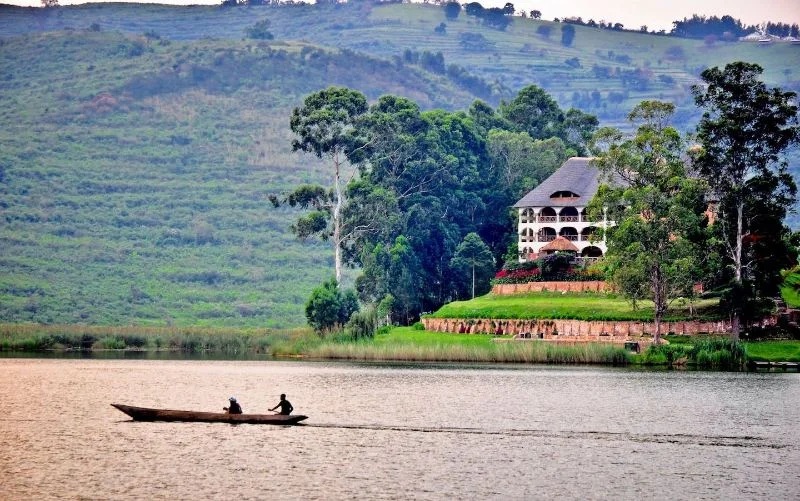
After a tiring and thrilling day tracking mountain gorillas in Bwindi Impenetrable Forest, you need a quiet place to rest. Lake Bunyonyi is that magical sanctuary you are looking for. It sits calmly in southwestern Uganda, cradled by steep, terraced green hills and dotted with over twenty tiny islands. The water is smooth, deep, and safe for swimming because it is free of bilharzia. Staying here gives your tired muscles a chance to heal while your soul enjoys breathtaking views of nature at sunrise and sunset. Choosing the right lodge makes all the difference for your comfort and peace of mind. We have handpicked the finest properties around the lake to match your style, budget, and desire for tranquility after your incredible primate adventure.
Popular Uganda gorilla trekking safari tour packages
3-days-fly-in-uganda-gorilla-habituation-africa-safari-tour-package
2-days-best-gorilla-trekking-safari-tour-via-kigali-to-bwindi-impenetrable-forest-park
3-days-gorilla-trekking-safari-and-lake-bunyonyi-relaxation-itinerary
3-days-bwindi-gorilla-trekking-tour-and-batwa-forest-dweller-cultural-visit
3-days-affordable-uganda-budget-gorilla-trekking-via-kigali
4-days-uganda-gorilla-safari-with-golden-monkey-tracking-from-rwanda
4-days-ultimate-gorilla-and-uganda-safari-and-chimpanzee-tracking
5-days-gorilla-and-uganda-safari-and-golden-monkey-trekking-tour-from-kigali
4-days-luxury-gorilla-trekking-safari-in-bwindi-fly-in-all-inclusive-tour
5-days-best-gorilla-habituation-and-chimp-trekking-safari-tour-package
5-days-un-matched-uganda-gorilla-safari-and-chimpanzee-tour-itinerary
6-days-gorilla-and-uganda-safari-to-see-big-five
5-days-bwindi-gorilla-trekking-and-uganda-safari-queen-elizabeth-park
7-days-best-uganda-safari-tour-to-popular-safari-parks
Birdnest Resort
Birdnest Resort is widely known as the top upscale luxury retreat on the shores of Lake Bunyonyi. The property blends European architectural touches with warm African hospitality to create an unforgettable stay. Every room features vibrant decor, large windows, and a private balcony facing the peaceful waters. Guests can relax on the outdoor terrace deck, take a refreshing swim in the infinity pool, or borrow a canoe to explore nearby islands. The on-site restaurant serves delicious meals made from fresh ingredients, offering both local Ugandan dishes and international favorites. The stocked bar provides fine wines and spirits from all over the world to help you unwind after a long drive from the gorilla tracking trails. Service here is attentive and personal, ensuring every need is met with a friendly smile. The quiet environment lets you listen to bird songs and watch the mist rise off the lake in the morning. It is an ideal choice for travelers who want high-end comfort, great food, and stunning views.
Arcadia Lodge
Arcadia Lodge sits high on a sprawling hillside property, giving guests a commanding view of at least twenty-six islands scattered across Lake Bunyonyi. The lodge features well-maintained, private cottages that come equipped with comfortable beds and clean ensuite bathrooms. Each cottage opens up to a private veranda where you can sit with a hot cup of coffee and watch the golden morning light touch the water. The main building includes a cozy lounge area with a stone fireplace, which keeps the chilly mountain evenings warm and inviting. Dining at the restaurant is a delightful experience, featuring hearty meals prepared by skilled chefs who cater to diverse dietary preferences. Staff members treat every visitor like family, providing thoughtful recommendations for local boat tours and cultural village walks. Staying here places you far from the noisy crowds, creating a deep sense of peace that heals the body after a strenuous trek through thick forest vines. The gardens surrounding the cottages attract numerous colorful birds, making it a dream spot for nature lovers. It offers a wonderful middle ground between rustic charm and modern convenience.
Lake Bunyonyi Eco Resort
Lake Bunyonyi Eco Resort rests on a quiet, tree-clad ridge that overlooks the shimmering blue expanse of the water and the surrounding local communities. This four-star eco-friendly property focuses heavily on sustainability while delivering top-tier comfort and style. It features a limited number of standalone cottages, meaning you enjoy plenty of privacy and quiet space during your stay. The architecture showcases local art, cultural heritage, and traditional building designs that blend seamlessly with the natural forest environment. Inside your room, you find plush bedding, large viewing windows, and a private deck designed for peaceful reflection. The resort offers an array of engaging activities, from guided bird watching excursions to cultural performances that introduce you to local traditions. After a long day of travel or wildlife viewing, you can enjoy a soothing massage or sit by the central fire pit under a clear African sky. The dining room serves a fantastic selection of meals crafted from organic, locally grown produce. This lodge provides a harmonious balance between luxurious relaxation and deep environmental respect, making your post-gorilla retreat truly meaningful.
Can I stay at Lake Bunyonyi and trek gorillas in Bwindi on the same day?
Yes, but precise timing is crucial. Lake Bunyonyi sits approximately 1.5 to 2 hours from Bwindi’s Ruhija sector and roughly 2 to 2.5 hours from the Rushaga sector. Because mandatory gorilla trekking ranger briefings begin at 7:30 AM sharp at the park headquarters, you must wake up around 5:00 AM and hit the road by 5:30 AM at the latest. Dirt roads twisting through the Kigezi highlands can experience early morning mountain fog, so leaving extra cushion time is essential. Staying at Bunyonyi on trek day is very common, provided your permits match these southern or eastern Bwindi sectors rather than northern sectors like Buhoma.
Which Bwindi trekking sector is closest to Lake Bunyonyi?
Ruhija is the closest Bwindi sector to Lake Bunyonyi, located roughly 59 kilometers away, which translates to a 1.5-hour drive on dirt mountain roads. Rushaga is the second closest, taking about 2 hours to reach from the lake’s northern shores. Nkuringo is slightly farther, requiring around 2.5 hours, while Buhoma in the far north takes well over 3.5 hours and is not recommended for a same-day commute. When booking your gorilla permits through the Uganda Wildlife Authority or a tour operator, ensure you specify Ruhija or Rushaga if Lake Bunyonyi is your chosen accommodation base.
Should I stay at Lake Bunyonyi before or after my gorilla trek?
Staying at Lake Bunyonyi after your gorilla trek is the ideal itinerary layout. Gorilla trekking involves grueling physical exertion—hiking through dense, untamed jungle, battling steep muddy slopes, and pushing through thick foliage for anywhere from three to seven hours. Returning to a quiet lakeshore lodge after that level of fatigue allows you to soak in hot showers, enjoy cold drinks on a private terrace, swim in parasite-free water, or order a massage. While staying at Bunyonyi before your trek works logistically, doing so afterward gives you a peaceful, rewarding retreat to process your gorilla encounter.
Do Lake Bunyonyi lodges arrange transfers to Bwindi briefing points?
Most mid-range and luxury lodges around Lake Bunyonyi can coordinate local 4x4 transport to Bwindi briefing points, but you must request this well in advance. Upmarket properties like Birdnest Resort or Arcadia Cottages have trusted local drivers on standby. However, relying on last-minute lodge transfers on the morning of your trek can be risky. The standard practice for gorilla trekking in Uganda is having your dedicated tour operator driver handle the transfer, ensuring your vehicle is ready at 5:30 AM with full fuel tanks, proper tire pressure, and a packed breakfast waiting in the back seat.
Is a 4x4 safari vehicle necessary between Lake Bunyonyi and Bwindi?
A sturdy 4x4 vehicle with high ground clearance is non-negotiable for travel between Lake Bunyonyi and Bwindi Impenetrable Forest. The connecting mountain roads are unpaved dirt and gravel, featuring steep gradients, tight hairpin turns, and uneven surfaces. When tropical rains strike, these roads turn into slick, heavy red clay where two-wheel-drive sedans or small crossovers easily lose traction and become stuck. A four-wheel-drive Toyota Land Cruiser or modified Safari Custom Van provides the power, low-range gearing, and clearance required to navigate mountain passes safely and reach your trekking briefing on schedule.
What time is the morning wakeup on gorilla trekking day?
Expect a 5:00 AM alarm on gorilla trekking morning. You will need roughly thirty minutes to dress in your trekking gear—gaiters, thick socks, sturdy waterproof boots, long trousers, and lightweight layers—before heading to the dining area by 5:30 AM. Lodges around Lake Bunyonyi are well-accustomed to early starts and will serve quick hot coffee and eggs, alongside handing you a custom packed box lunch for the trail. Your driver will want wheels rolling by 5:45 AM or 6:00 AM maximum to navigate the mountain fog and arrive at Bwindi’s park gates comfortably before 7:30 AM.
What is the top luxury lodge on Lake Bunyonyi?
Birdnest @ Lake Bunyonyi Resort in Rutinda stands as the premier luxury property on the lake. Belgian-owned and operated, it combines European elegance with warm Ugandan hospitality. Positioned directly on the water’s edge, it features spacious suites with private balconies overlooking the islands, stylish hardwood decor, an ecological swimming pool, and an acclaimed restaurant renowned for serving fresh crayfish dishes. For high-end travelers seeking reliable 24/7 solar electricity, hot pressurized showers, manicured tropical gardens, private boat docks, and top-tier service standards before or after gorilla trekking, Birdnest remains the undisputed benchmark for lakeside luxury.
Which mid-range lodges offer the best value for money?
Arcadia Cottages and Bunyonyi Rock Resort represent the finest mid-range choices, balancing comfort, scenic views, and reasonable rates ($110–$180 per night). Arcadia Cottages is famous for its hilltop placement, offering self-contained timber chalets with private verandas that overlook all 29 islands of the lake. Bunyonyi Rock Resort offers an intimate alternative right on the water’s edge, featuring stone-and-wood cottages built into natural rock outcroppings, direct lake swimming docks, and personal canoe access. Both options deliver hot water, comfortable beds, solid culinary menus, and exceptionally warm local staffing without a luxury price tag.
Which budget eco-lodges are best for backpackers?
Bushara Island Camp and Byoona Amagara Island Retreat are legendary budget options for eco-conscious travelers and backpackers. Bushara Island, managed under a local conservation trust, offers rustic wooden cabins and canvas safari tents tucked into a lush eucalyptus forest, where proceeds support community development projects. Byoona Amagara, located on Itambira Island, is famous for its open-air wooden "geodomes," rustic dorms, and environmentally friendly composting toilets. Both lodges charge between $30 and $70 per night, providing organic farm-to-table food, cheap traditional dugout canoe rentals, and a relaxed, community-focused vibe suited for independent travelers on a budget.
Which lodges are on private islands versus the mainland?
Mainland properties like Birdnest Resort, Arcadia Cottages, and Bunyonyi Safaris Resort sit on the shores of Rutinda or atop nearby ridges, offering direct road access by car. Island lodges—such as Bushara Island Camp, Paradise Eco-Hub (Itambira Island), Byoona Amagara, and Heritage Lodge (Habuharo Island)—require a 10 to 25-minute boat transfer from Rutinda landing. Mainland lodges offer convenient vehicle parking and faster early-morning departures for gorilla trekking. Island retreats provide absolute seclusion, zero traffic noise, and direct water access, though you must factor in boat logistics when planning your early morning Bwindi commute.
Are there family-friendly lodges around the lake?
Yes, Bunyonyi Safaris Resort and Bunyonyi Rock Resort excel at accommodating families traveling with children. Bunyonyi Safaris Resort features multi-bedroom family cottages, expansive grassy lawns for kids to play safely, an outdoor swimming pool, and an onsite gym. Bunyonyi Rock Resort offers family-sized stone chalets with adjoining rooms and shallow water areas suitable for supervised swimming or traditional wooden canoe lessons. Additionally, staff at these properties are happy to arrange kid-friendly cultural walks, bird-watching tours, and visits to nearby island schools, making Lake Bunyonyi an inviting destination to unwind after adult gorilla trekking activities.
Which lodge offers the best view over Lake Bunyonyi’s 29 islands?
Arcadia Cottages commands the most breathtaking panoramic view on Lake Bunyonyi. Situated high on a cliff ridge hundreds of feet above the shoreline, the resort’s outdoor dining terrace looks down upon the entire lake basin and its 29 green islands scattered across the water. On clear mornings, fog drifts between the island peaks while the sun illuminates the surrounding terraced Bakiga hillsides. Even if you choose to sleep at a shoreline or island lodge, stopping by Arcadia Cottages’ hilltop bar for a afternoon drink or lunch is widely considered a must-do photography stop.
Is Lake Bunyonyi safe for swimming?
Lake Bunyonyi is exceptionally safe for swimming compared to most African lakes. It is officially certified bilharzia-free, meaning there are no parasitic flatworms, and it is entirely free of dangerous wildlife like hippos or crocodiles. However, swimmers must respect its depth. Reaching depths of up to 40 meters (with older local estimates suggesting even deeper trenches), it is Africa’s second deepest lake. There are no shallow bottoms once you step off a dock. Unless you are an experienced open-water swimmer, always wear a life jacket, swim near lodge docks, or utilize lodge swimming pools.
How do transfers work from the mainland to island lodges?
When staying at an island lodge, your safari driver drops you at the main mainland landing site, Rutinda (Kibuzigye). From there, your lodge coordinates a private pick-up using either a motorized wooden boat or a traditional dugout canoe. Most island properties include the arrival and departure boat transfer in your room booking price, though private motorboat shuttles run around $10 to $20 USD per leg if booked independently. Transfers take anywhere from 10 to 20 minutes depending on wind conditions and island distance, offering a scenic introduction to the lake as you glide past local fishermen.
What activities can I do directly from my lodge?
Lake Bunyonyi lodges offer a diverse range of low-impact outdoor activities. You can rent traditional wooden dugout canoes or modern kayaks to explore nearby bays, swim off private wooden piers, or take guided bird-watching walks to spot over 200 resident species, including the Grey Crowned Crane. Many lodges arrange guided cultural hikes through the surrounding terraced hills to visit local Bakiga farming homesteads or Batwa indigenous communities. For thrill-seekers, zip-lining across lake channels is available near Supreme Adventure Park, while peaceful boat tours explore historical islands scattered across the water.
How much do boat transfers and boat tours cost?
Standard motorboat transfers between the mainland landing at Rutinda and nearby island lodges range from $10 to $20 USD per trip for the whole boat. Guided 2-to-3-hour motorboat tours that visit key sites—such as Punishment Island, Sharp’s Island, and Bushara Island—typically cost between $30 and $60 USD total for a private vessel carrying up to six people. If you prefer self-guided exploration, renting a traditional wooden dugout canoe costs around $5 to $15 USD for a half-day, while rental of standard plastic kayaks or stand-up paddleboards runs about $15 to $25 USD.
Can I visit Punishment Island (Akampene) from my lodge?
Yes. Every lodge on Lake Bunyonyi can arrange a motorized boat or dugout canoe trip to visit Punishment Island (Akampene). This tiny, swampy reed patch carries a dark cultural history: until the mid-20th century, the local Bakiga community abandoned unwed pregnant women on the island to starve or drown while attempting to swim home, serving as a harsh societal deterrent. Today, the island is slowly eroding into the lake, but local guides explain the historical context, how customs evolved, and how the practice was eventually abandoned, making it an essential educational stop.
What is the weather like at Lake Bunyonyi lodges?
Due to its high altitude of 1,950 meters (6,400 feet) above sea level, Lake Bunyonyi enjoys a pleasant, mild highland climate rather than sweltering tropical heat. Daytime temperatures average a comfortable 20°C to 25°C (68°F to 77°F), ideal for outdoor hiking, boating, and sunbathing. However, once the sun sets behind the hills, temperatures drop quickly to between 10°C and 14°C (50°F to 57°F). Early mornings are frequently cold and shrouded in thick, picturesque fog over the water, making warm fleece sweaters and rain shells essential packing items.
Do Lake Bunyonyi lodges have reliable hot water and power?
Mid-range and luxury lodges (such as Birdnest Resort and Arcadia Cottages) feature reliable 24/7 power supplied by solar arrays, local grid electricity, and backup generators, alongside pressurized hot water showers. Rustic budget eco-camps on the islands operate primarily on solar systems for room lighting and device charging, with hot water provided via traditional "donkey boilers" (wood-fired water heaters). Donkey boilers are usually fired up on set schedules during early mornings and late evenings. Bringing a personal power bank and a small headlamp is recommended when staying at budget island retreats.
What is the Wi-Fi like at these lodges?
Wi-Fi connectivity vary based on lodge location and infrastructure. Mainland resorts like Birdnest offer complimentary Wi-Fi in public lounge and dining spaces, which is sufficiently reliable for checking emails, browsing, and messaging apps, though streaming video can be slow. Remote island lodges often struggle with stable Wi-Fi connections due to topography. However, cellular coverage across Lake Bunyonyi is surprisingly strong. Purchasing a local SIM card (MTN or Airtel Uganda) with a data bundle provides fast, reliable 4G coverage directly on your mobile phone across almost all parts of the lake.
What culinary specialties should I try at the lodge restaurants?
The defining culinary specialty across all Lake Bunyonyi lodges is fresh Louisiana crayfish, locally nicknamed "crawdads." Introduced to the lake decades ago, crayfish have thrived and now feature prominently on lodge menus in dishes like crayfish masala, garlic crayfish tails, crayfish pasta, and rich crayfish bisque. Beyond seafood, restaurants serve fresh tilapia caught daily, organic avocado salads, tropical fruits (pineapple, passionfruit, papaya), roasted Irish potatoes grown on the surrounding terraced hills, and traditional Ugandan staples like matooke (steamed green bananas) served with savory peanut (g-nut) sauce.
Can lodges cater to vegetarian, vegan, or gluten-free diets?
Yes, Lake Bunyonyi lodges cater to plant-based and gluten-free diets easily. Ugandan cuisine relies heavily on fresh, locally harvested produce. Kitchens readily prepare hearty vegetarian and vegan meals featuring fresh beans, lentils, steamed green bananas (matooke), fried plantains, pumpkin, sweet potatoes, and rich groundnut (peanut) sauces. Fresh tropical fruits and crisp garden salads are served daily. To ensure seamless service, notify your lodge or tour operator of any dietary requirements, severe allergies, or gluten sensitivities when booking so chefs can stock specialized alternatives like gluten-free breads or plant milks.
Will the lodge store my extra bags while I trek?
Yes. All major lodges around Lake Bunyonyi offer complimentary, secure luggage storage for guests heading out on gorilla treks. Since carrying heavy suitcases into Bwindi National Park is impractical, you can pack a small daypack with your trekking essentials—rain gear, water, camera, and lunch—and leave your main duffel bags locked in the lodge’s storage room or at reception. Furthermore, lodges routinely offer post-trek boot cleaning services, where staff wash thick Bwindi jungle mud off your hiking boots for a modest tip upon your return.
Do I need a mosquito net at Lake Bunyonyi?
While Lake Bunyonyi’s high elevation (1,950 meters) keeps mosquito populations far lower than in low-lying savanna parks, malaria-carrying mosquitoes are still present around lake environments. Most lodges equip beds with draped mosquito netting or install fine insect mesh over cottage windows. It is standard practice to drop your mosquito net before dinner and apply insect repellent containing DEET or Picaridin to exposed skin during sunset hours. Combining netted beds, long sleeves in the cool evenings, and repellent ensures comfortable, bite-free sleep.
When is the best time of year to stay at Lake Bunyonyi?
The best time to visit Lake Bunyonyi coincides with Uganda’s dry seasons: June through August and December through February. During these months, skies are clearer, rainfall is minimal, lake waters are calm for canoeing, and the unpaved dirt roads connecting Bunyonyi to Bwindi remain firm and easily passable. The wet seasons (March to May and September to November) bring frequent rain showers and muddy roads, but offer stunning lush green landscapes, dramatic misty morning lighting for photography, fewer tourists, and discounted seasonal room rates at select lodges.
How many nights should I spend at Lake Bunyonyi?
A stay of two to three nights is ideal for balancing trekking and relaxation. A two-night stay allows you to arrive on Day 1, wake up early for your Bwindi gorilla trek on Day 2, and return to rest by the lake that afternoon before departing on Day 3. A three-night stay is even better, giving you a full, unhurried day after your trek to sleep in, enjoy a fresh crayfish lunch, take a private boat tour of the islands, hike the terraced hills, and paddle a dugout canoe.
Should I book lodges directly or through a safari tour operator?
If your trip focuses primarily on gorilla trekking, booking your lodge through an established Ugandan tour operator is recommended. Safari companies bundle lodge reservations alongside official UWA gorilla permits ($800 USD per person), professional 4x4 vehicles, fuel, and experienced driver-guides. This ensures seamless timing on trek morning without worrying about independent transport. However, if you are traveling independently by public bus or self-drive vehicle and simply want a relaxing lakeside vacation, booking directly via lodge websites or major booking platforms works perfectly fine.
Is Lake Bunyonyi convenient if arriving from Kigali, Rwanda?
Yes, arriving via Kigali International Airport in Rwanda is one of the most efficient routes to Lake Bunyonyi and southern Bwindi. The drive from Kigali north to Lake Bunyonyi via the Katuna or Cyanika border crossings takes only 2.5 to 3.5 hours on smooth paved highways (excluding border clearance time). This is significantly shorter than the 8 to 9-hour drive from Entebbe or Kampala. Many international travelers land in Kigali, cross into Southwestern Uganda for gorilla trekking and Lake Bunyonyi, and depart back through Kigali to save transit time.
What is the standard tipping custom at the lodges?
Tipping at Lake Bunyonyi lodges is optional but deeply appreciated by local staff. Most mid-range and luxury properties feature a general "Staff Tip Box" at reception; leaving $5 to $10 USD per room per day in this box ensures tips are shared equally among behind-the-scenes staff like cooks, gardeners, and housekeepers. For exceptional personal service—such as boat captains transferring your luggage, private waiters, or local hiking guides—a direct tip of $2 to $5 USD in cash (Ugandan Shillings preferred) is a meaningful way to support local livelihoods.
What single item is most essential to pack for a Bunyonyi stay?
A high-quality, lightweight warm fleece or down jacket paired with a breathable waterproof rain shell is the single most essential packing item. Thanks to the lake’s elevation of nearly 2,000 meters, evening temperatures drop rapidly, making chilly nights by the water a surprise to unprepared tropical travelers. Wearing a warm fleece under your windproof, waterproof shell keeps you comfortable during cold night dinners, foggy morning boat rides across the lake, and sudden, unexpected mountain downpours while commuting to Bwindi Impenetrable Forest.
Booking gorilla trekking with us Roads of Adventure Safaris
Booking your gorilla trekking adventure with Roads of Adventure Safaris is an unforgettable journey waiting to happen. We handle all the hard work, from securing your crucial Uganda or Rwanda gorilla permits and booking cozy eco-lodges to arranging expert local guides who know every trail in Bwindi or Volcanoes National Park. You just need to bring your sense of wonder and hiking boots. We care deeply about making your wildlife encounter safe, smooth, and deeply personal. Let us turn your dream mountain gorilla safari into a seamless reality filled with magical moments you will treasure forever.
