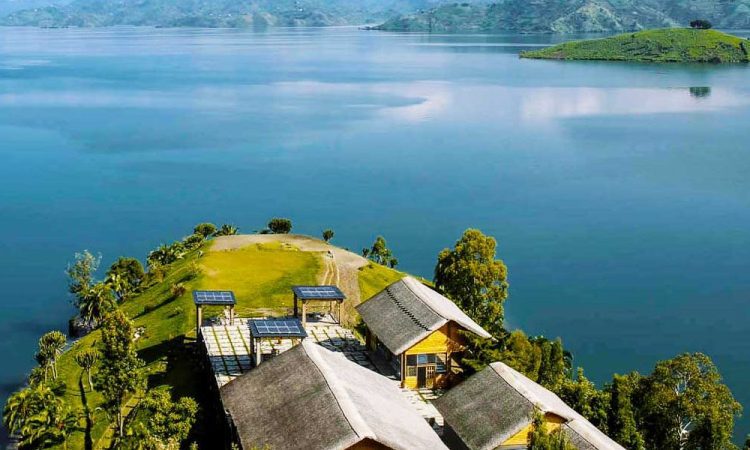
You can absolutely visit Lake Kivu during a Rwanda safari. It is a highly recommended addition to unwind after exhausting treks. Located on the western border, it is commonly combined with Volcanoes National Park (gorilla trekking) and Nyungwe National Park (chimpanzees).
Lake Kivu spans roughly 2,700 square kilometers and is known for its beautiful inland beaches, calm blue waters, and green terraced hills. The primary resort towns to include in your itinerary are Gisenyi, Kibuye, and Cyangugu
2-days-nyungwe-luxury-fly-in-to-trek-with-chimpanzee
2-days-nyungwe-chimpanzee-tracking-and-canopy-walk
3-days-luxury-honeymoon-chimpanzee-tracking-and-canopy-walk-in-nyungweb
3-days-budget-chimpanzee-tracking-in-nyungwe-forest-park
3-days-nyungwe-chimpanzee-tracking-and-lake-kivu-relaxation
3-days-best-rwanda-canopy-walk-and-nyungwe-chimpanzee-tracking-adventure
3-day-chimpanzee-trekking-tour-package-canopy-and-lake-kivu
4-days-nyungwe-chimpanzee-trekking-canopy-walk-and-lake-kivu-relaxation
Top Resort Towns
Gisenyi (Rubavu)
Situated at the northern tip of Lake Kivu, Gisenyi (officially named Rubavu) is Rwanda’s most bustling lakeside resort city. Just an hour’s drive from Volcanoes National Park, it serves as the ultimate post-trekking relaxation hub for travelers coming off gorilla safaris. The town features tree-lined avenues, grand colonial-era architecture, and a long waterfront promenade along sandy beaches where locals and visitors swim, play beach volleyball, and enjoy watersports.
Beyond its beach resort atmosphere, Gisenyi is famous for the Nyamyumba Hot Springs, where geothermal waters heated by nearby volcanic activity are believed to have therapeutic properties. The city also borders Goma in the Democratic Republic of Congo, giving it a lively, cross-border commercial energy. Food lovers flock to the lakefront to sample fresh sambaza (small fried fish) and local tilapia paired with Rwandan coffee grown on nearby hillside plantations. Whether you are looking to kayak along the shoreline, hike the northern start of the Congo Nile Trail, or simply unwind in a luxury hotel overlooking the water, Gisenyi delivers a classic tropical resort feel set against a backdrop of dramatic volcanic peaks.
Kibuye (Karongi)
Nestled roughly halfway down the eastern shore of Lake Kivu, Kibuye (Karongi) is widely regarded as the most scenic stop along the lake. Surrounded by steep, pine-forested hills that slope dramatically into turquoise inlets, the town offers a tranquil atmosphere distinct from the busier hub of Gisenyi. Its tranquil bays make it the premier destination in Rwanda for water sports, kayaking, and boat excursions.
Island hopping is the centerpiece of a trip to Kibuye. Popular boat trips take visitors to Napoleon Island—named for its resemblance to the French emperor’s hat—where a short hike leads to a summit packed with thousands of roosting straw-colored fruit bats. Another nearby spot, Monkey Island, offers quiet walking trails and wildlife sightings. At dusk, the lake comes alive with the melodious singing of traditional sambaza fishermen as their three-hulled wooden boats head out into the mist, their lantern lights illuminating the dark waters. Kibuye is also a major highlight along the Congo Nile Trail, making it an ideal base for mountain bikers, hikers, and travelers seeking a quiet retreat surrounded by nature.
Cyangugu (Rusizi)
Positioned at the far southern extremity of Lake Kivu, Cyangugu (Rusizi) offers a wilder, off-the-beaten-path experience compared to its northern counterparts. Spanning two distinct areas—a bustling upper commercial town on the plateau and a peaceful lower section along the lake shore—Cyangugu overlooks the Rusizi River and directly borders the city of Bukavu in the Democratic Republic of Congo.
The primary draw for visitors to Cyangugu is its proximity to Nyungwe National Park, located just a 30- to 40-minute drive away. Travelers often use Cyangugu as a serene coastal base while spending their days tracking chimpanzees, walking along Nyungwe’s canopy walkway, or exploring high-altitude montane rainforest trails. The waters around Cyangugu are exceptionally calm, making it a peaceful location for canoeing, boat trips to islands like Ishwa, or simply enjoying panoramic views across to Bukavu. With fewer tourists and an authentic border-town atmosphere, Cyangugu provides a unique blend of lush rainforest gateway, rich local history, and untamed natural beauty along Lake Kivu’s southern shore.
Recommended Activities
Island Boat Cruises
Hopping aboard a wooden motorboat to explore Lake Kivu’s emerald archipelago is one of Rwanda's most memorable adventures. The lake is dotted with dozens of quiet, green islands, each with its own character and community. The undisputed star of these cruises is Napoleon Island, shaped surprisingly like the French emperor’s bicorne hat. A short, energetic hike through the island’s scrubland brings you face-to-face with a colony of tens of thousands of straw-colored fruit bats clinging to the treetops, filling the air with chatter before taking flight in dramatic sweeps across the sky.
Beyond the bat colony, boat tours routinely drop anchor at Monkey Island, where vervet monkeys swing through the canopy, or Peace Island, an ideal spot for a quiet picnic swim. Along the way, your boat captain shares local folklore while guiding you past traditional fishing hamlets where children wave from the shoreline. As late afternoon approaches, the lake transforms: traditional fishermen set out in iconic three-hulled wooden boats, singing rhythmic unison chants that echo across the water as they prepare for a night of harvesting sambaza.
Water Sports
With no hippos, no crocodiles, and no risk of bilharzia, Lake Kivu’s clear, calm waters offer Africa's safest and most inviting natural environment for freshwater sports. Whether you are staying near the sandy bays of Gisenyi or the sheltered, fjord-like inlets around Kibuye, the lake functions as a giant, warm-water playground framed by dramatic volcanic hills.
Sea kayaking is particularly popular along the shoreline. Paddling silently past steep banana plantations and hidden coves lets you experience the lake’s tranquility at your own pace, with options ranging from short hourly rentals to multi-day guided expeditions between towns. For those seeking a bit more adrenaline, localized winds in the afternoons create ideal conditions for windsurfing and stand-up paddleboarding across the glassy bays. Motorized activities are also readily available, including speedboats, banana boat rides, and waterskiing near the major resort hotels. Swimming off dock platforms into the deep, fresh water remains an unmatched way to cool down after a morning spent trekking or mountain biking.
The Congo-Nile Trail
Stretching roughly 227 kilometers along the mountainous eastern coastline from Gisenyi down to Rusizi, the Congo-Nile Trail is widely celebrated as one of East Africa’s premier outdoor adventures. Named for the watershed divide that separates the river basins of the Congo and the Nile, this network of dirt roads, single-track paths, and rural lanes winds directly through the beating heart of rural Rwanda.
The trail can be completed as a 10-day hike, a 5-day mountain bike ride, or tackled in shorter day-long segments. As you traverse ridge lines overlooking Lake Kivu, you pass through terraced farmland, fragrant eucalyptus forests, and tea fields, receiving warm, enthusiastic greetings of "Mwaramutse!" from school children and local farmers along the way. Overnight stays are spent at community guesthouses, campsites, or lakeside lodges, offering authentic cultural immersion alongside traditional Rwandan meals. The terrain involves plenty of rolling hills and challenging climbs, but every steep ascent repays you with sweeping, postcard-worthy vistas of blue waters, scattered islands, and distant mist-shrouded peaks.
Coffee Tours
The high altitudes, rich volcanic soil, and tropical climate surrounding Lake Kivu produce some of the finest Arabica coffee beans on earth. Taking a crop-to-cup coffee tour gives travelers an intimate look at the entire artisan process, while directly supporting the local farming cooperatives that power the region’s rural economy.
Tours typically begin on hillside plantations, where farmers walk you through the seasonal cycle of hand-picking bright red coffee cherries. From there, you follow the harvest down to a lakeside washing station—such as the famous Kinunu station along the Congo-Nile Trail—to witness how the cherries are pulped, fermented in freshwater tanks, and meticulously sorted by hand. The beans are then spread across elevated drying beds under the sun, framing a picturesque view of the lake. The experience wraps up with a roasting session and a guided cupping tasting, where you learn to identify complex flavor notes of citrus, chocolate, and floral spice before sipping a freshly brewed cup right at the water’s edge.
Is Lake Kivu safe for swimming compared to other African Great Lakes?
Unlike many major freshwater bodies in East and Central Africa, Lake Kivu is remarkably safe for swimming. It contains zero hippos and zero Nile crocodiles, which eliminates the primary predatory dangers found in neighboring bodies of water like Lake Victoria or Lake Tanganyika. Furthermore, Lake Kivu is completely free of Schistosoma parasites, meaning swimmers face no risk of contracting bilharzia (schistosomiasis).
The lake's high elevation keeps surface water temperatures comfortable, usually hovering between 22°C and 24°C year-round. While deep subterranean layers hold trapped methane and carbon dioxide, these gases remain dissolved under intense water pressure deep below the surface and pose no danger to surface swimmers or boaters. The calm, tide-free bays around Gisenyi and Kibuye offer glassy conditions that feel more like a massive freshwater swimming pool than a wild African lake. Most upscale hotels and lodges feature private docks or beach entry points where guests can jump directly into the clear water. Whether relaxing after an intense morning of gorilla tracking or taking a refreshing dip at sunset, swimming in Lake Kivu is one of the safest natural freshwater experiences on the continent.
How far is Lake Kivu from Volcanoes National Park and how do you get there?
Lake Kivu’s northern hub, Gisenyi (Rubavu), sits just 60 kilometers west of Kinigi, the main headquarters for Volcanoes National Park. Driven along a smooth, paved highway, the journey takes approximately 60 to 75 minutes. This close proximity makes Gisenyi the natural rest stop immediately following a mountain gorilla or golden monkey trek.
Travelers typically rely on private 4x4 safari vehicles provided by their tour operators, which allows for a seamless door-to-door transfer from rainforest lodges straight to lakeside resorts. For independent travelers, public coasters and minibuses run frequently between Musanze (the gateway town to Volcanoes) and Rubavu throughout the day, taking roughly 90 minutes. The drive itself is spectacular, winding through steep agricultural terraces, village markets, and pine forests with dramatic backdrops of the Virunga volcanic peaks. Because the road is well-maintained and fully paved, travelers do not need specialized off-road capabilities for this leg of a Rwandan safari, making it an easy, scenic addition to any northern circuit itinerary.
What makes Gisenyi (Rubavu) a popular resort stop after gorilla trekking?
Gisenyi offers the ideal energetic contrast to the cool, demanding climate of the Virunga Mountains. After spending hours hiking through dense rainforest and mud to locate mountain gorillas, visitors arrive in Gisenyi to find palm-fringed sandy beaches, tropical breezes, and warm weather.
The city’s waterfront promenade is lined with charming colonial-era mansions, open-air beach bars, and high-end resorts like the Kivu Serena Hotel. Travelers can unwind with a cold local Skol beer, feast on grilled tilapia caught hours earlier, or schedule a massage overlooking the water. For those with remaining energy, Gisenyi offers active options such as sunset kayak tours, stand-up paddleboarding, and visits to nearby coffee washing stations. Its location directly on the border with Goma in the Democratic Republic of Congo also gives the town a unique, vibrant atmosphere with bustling cross-border trade. The seamless transition from intense wildlife encounters in Volcanoes National Park to beachside luxury makes Gisenyi Rwanda’s premier post-trek destination.
What can travelers experience on an island-hopping boat tour from Kibuye?
Kibuye (Karongi) serves as the jumping-off point for exploring Lake Kivu’s most picturesque archipelago. Standard boat cruises depart from town docks in motorized wooden dhows or sleek speedboats, navigating sheltered turquoise channels flanked by steep green hills.
The flagship stop on most tours is Napoleon Island. Here, visitors take a short, steep hike through indigenous vegetation to reach a high lookout point home to thousands of straw-colored fruit bats roosting in the canopy. Watching these large flying mammals take flight simultaneously across the sky is an extraordinary spectacle. Boat tours also visit Amahoro Island (Peace Island), a private haven featuring quiet picnic lawns, swimming docks, and a small bar. Another favorite stop is Monkey Island, where habituated vervet monkeys often greet arriving boats along the tree line. Beyond wildlife, boat excursions offer cultural interactions, allowing travelers to pass remote farming hamlets, speak with local boatbuilders, and watch traditional fishermen preparing their vessels for evening fishing runs.
How does a visit to Cyangugu (Rusizi) combine with Nyungwe Forest National Park?
Located at Lake Kivu’s southernmost tip, Cyangugu (Rusizi) acts as a peaceful coastal getaway just a 30- to 40-minute drive from the western gates of Nyungwe Forest National Park. Nyungwe is one of Africa’s oldest mountain rainforests, famed for chimpanzee tracking, colobus monkey trekking, and its suspended canopy walkway. However, park lodges inside the rainforest can be pricey or limited in availability.
Staying in Cyangugu gives safari travelers a relaxing, budget-friendly waterfront base with panoramic views across the lake toward Bukavu in the DRC. Visitors can wake early, head into the rainforest for a morning primate trek, and return by mid-afternoon to relax on the quiet shores of Lake Kivu. Cyangugu feels far less commercialized than Gisenyi or Kibuye, offering an authentic glimpse into border-town life. Highlights include taking dugout canoe trips around Ishwa Island, exploring historical sites along the Rusizi River, and watching kingfishers hunt along the quiet reeds. Combining Cyangugu with Nyungwe connects two entirely different ecosystems—dense high-altitude jungle and serene tropical lake—in a single day.
What is the legend and reality behind Napoleon Island's fruit bat colony?
Napoleon Island earns its name from its distinct physical profile, which uncannily mirrors the classic three-cornered bicorne hat worn by Napoleon Bonaparte. Situated off the coast of Kibuye, this uninhabited island has become world-famous among safari-goers for hosting one of Rwanda's largest colonies of straw-colored fruit bats (Eidolon helvum).
The reality behind the colony is ecologically vital: tens of thousands of these large fruit bats roost in the island's tall trees during the day. As visitors complete the 20-minute hike to the island's peak, the rustling of leaves and high-pitched chattering intensifies until thousands of bats are visible hanging upside down from the branches. When startled or at twilight, the entire colony takes to the air, creating a swirling cloud of dark wings against the sky. These nocturnal mammals play a crucial role in regional seed dispersal and forest regeneration across Lake Kivu's surrounding hills. Local legend holds that the bats have protected the island for generations, serving as guardians over its ancient flora and secluded rocky shores.
How does the "crop-to-cup" coffee tour along Lake Kivu work?
The nutrient-rich volcanic soil, steep altitudes (1,500 to 2,000 meters), and tropical climate surrounding Lake Kivu create world-class growing conditions for Specialty Arabica coffee. "Crop-to-cup" coffee tours give travelers a hands-on look at this artisanal industry, with prominent washing stations like Kinunu located right on the lake’s edge.
The tour begins in the green hillside groves, where local farmers explain how red coffee cherries are hand-picked at peak ripeness. Guests then follow the harvest down to the processing station to see cherries pulped, fermented in freshwater vats, and sorted by density. Next, the beans are transferred to elevated drying tables under the sun, where workers turn them meticulously to ensure even drying while overlooking the blue waters of Lake Kivu. The experience concludes with traditional drum-roasting over an open fire and a sensory "cupping" session. Visitors taste notes of red fruit, dark chocolate, and floral spice before brewing their own fresh cup. It is an enriching cultural activity that directly benefits local agricultural cooperatives.
What is the Congo-Nile Trail and how can safari travelers experience it?
The Congo-Nile Trail is a famous 227-kilometer trail that stretches along the entire eastern rim of Lake Kivu, running from Rubavu (Gisenyi) in the north down to Rusizi (Cyangugu) in the south. The trail gets its name because it follows the physical continental watershed divide separating the river basins of the Congo and the Nile rivers.
While hardcore adventurers complete the entire route in 10 days on foot or 5 days on a mountain bike, safari travelers can easily sample single-day sections. The trail weaves through local tea and coffee plantations, eucalyptus forests, banana groves, and terraced agricultural hills with continuous views of the lake. Guided half-day or full-day hikes allow visitors to trek between lakeside villages, cross footbridges, and interact with welcoming rural communities. Renting an e-bike or mountain bike for a morning ride out of Gisenyi or Kibuye is another popular option. The trail is well-signposted, safe, and offers an intimate look at Rwandan everyday life far away from standard vehicle safari routes.
Is it safe to visit the hot springs in Gisenyi, and what are their origins?
Located roughly 7 kilometers south of Gisenyi town center, the Nyamyumba Hot Springs (also known as the Rubavu Hot Springs) are a popular and safe thermal attraction. The springs owe their origin to the region's intense volcanic geology—specifically the geothermal activity associated with the active Virunga mountain range and the East African Rift System. Deep underground water is heated by magma chambers and forced back to the surface through rocky fissures along Lake Kivu's shore.
Visiting the springs is entirely safe when guided by local handlers. Water temperatures at the primary thermal vents can reach near-boiling levels—hot enough for locals to boil eggs as a demonstration—but the thermal water flows into open-air earthen basins where it cools to a comfortable, bath-like temperature. Visitors can soak their feet or receive a natural thermal mud massage from local attendants. The mineral-rich water, dense with sulfur, calcium, and magnesium, is believed by locals to possess healing properties for joint pain and skin ailments. It is a relaxing 1-hour excursion.
What are the traditional singing fishermen of Lake Kivu and how can you see them?
One of Lake Kivu’s most iconic cultural traditions involves the nightly departure of the sambaza fishermen. Sambaza are small, sardine-like fish introduced to the lake decades ago that form a staple of the local diet and economy. Every evening around dusk, groups of fishermen set out in custom-built wooden trimarans—three narrow canoes tied together with long wooden poles.
As they paddle out into deep water, the crews sing rhythmic, soulful unison chants, using the cadence of their songs to coordinate their rowing power. Once in position, they hang bright gas lanterns over the water to attract swarms of sambaza into deep dip nets beneath the hulls. Travelers can witness this captivating ritual by booking a evening boat tour out of Kibuye or Gisenyi. Boat captains position guests close enough to hear the melodies echoing across the water and see the lake light up with hundreds of glowing lanterns. It is a poignant, unforgettable evening experience unique to Lake Kivu.
Can you combine Akagera National Park Big Five safari with Lake Kivu?
Yes, combining Akagera National Park with Lake Kivu is a popular way to experience Rwanda's environmental diversity. A classic Rwandan itinerary bridges the savannas of Akagera in the east, the mountain gorillas of Volcanoes National Park in the northwest, and the aquatic beauty of Lake Kivu in the west.
Travelers typically start in Akagera for game drives to spot lions, leopards, rhinos, elephants, and buffalos. From Akagera, it takes roughly 2.5 hours to drive back west to Kigali, followed by another 2.5 hours to reach Volcanoes National Park or 3.5 hours directly to Gisenyi on Lake Kivu. Placing Lake Kivu near the end of a safari circuit allows travelers to recover from early morning game drives and dusty savanna tracks. After tracking wildlife across Akagera and hiking through Virunga forests, spending two nights relaxing on Lake Kivu's beaches creates a perfectly balanced vacation that showcases savannas, rainforests, and lakeside resorts all within a single small country.
What water sports are available on Lake Kivu for adventure seekers?
Lake Kivu is Rwanda's center for aquatic adventure, offering a full range of non-motorized and motorized water sports supported by calm, crocodile-free waters. Sea kayaking is the most sought-after activity. Operators in Gisenyi and Kibuye provide modern single and double sea kayaks for hourly rentals, guided sunset paddling, or multi-day coastal expeditions along the Congo-Nile Trail.
Stand-up paddleboarding (SUP) and windsurfing are also popular, particularly during afternoon breezes when light swells develop across open bays. For speed enthusiasts, major resort hotels rent out jet skis, speedboats for lake cruising, banana boats, and equipment for waterskiing or wakeboarding. Fishing excursions are another great choice; visitors can join local guides to try catching Nile tilapia or barbus using light tackle. Because the lake lacks strong ocean currents or dangerous marine life, even beginners and children can safely participate in water sports under the supervision of qualified local guides.
What is the best time of year to include Lake Kivu in a Rwanda itinerary?
Lake Kivu is a year-round destination thanks to Rwanda’s mild tropical highland climate, but the long dry season from June to September offers the most optimal conditions. During these months, rainfall is minimal, skies are clear, and daytime temperatures average around 25°C to 27°C—ideal for beach lounging, swimming, boat cruises, and hiking along the Congo-Nile Trail.
The shorter dry period from mid-December through February is also an excellent window for a lakeside visit, featuring warm sunshine and lower humidity. The wet seasons—March to May and October to November—bring frequent afternoon rain showers. However, rain often falls in short, intense bursts followed by bright sunshine, meaning outdoor activities are rarely washed out completely. Furthermore, the wet season turns the surrounding terraced hills brilliant shades of green and brings lower lodge rates and fewer tourists. If your main goal is photography, kayaking, or hiking, target the dry months for clear horizons and calm water conditions.
How many days should you spend at Lake Kivu during a safari trip?
To fully appreciate Lake Kivu without feeling rushed, a stay of 2 to 3 nights is highly recommended. A single-night stopover often feels too brief, as travel time between parks cuts into your relaxation time.
A 2-night itinerary in Gisenyi or Kibuye allows for one full, uninterrupted day on the water. You can spend the morning on a coffee plantation tour or kayaking along the coast, take an afternoon island boat cruise to see Napoleon Island's fruit bats, and end the day watching the traditional singing fishermen set out at sunset. If you plan to tackle active pursuits like biking a multi-day segment of the Congo-Nile Trail or exploring multiple resort towns (e.g., spending 1 night in Gisenyi and 2 nights in Kibuye), extending your stay to 4 or 5 nights is ideal. Lake Kivu serves as the ultimate "slow travel" buffer in an otherwise busy safari itinerary.
What types of accommodation are available around Lake Kivu?
Lake Kivu caters to every travel budget, offering everything from luxury waterfront resorts to eco-friendly lodges and budget guesthouses.
In Gisenyi (Rubavu), luxury travelers favor the Lake Kivu Serena Hotel, which features direct beach access, an expansive pool, and fine dining. Mid-range boutique options like Paradise Malahide offer cozy timber cottages built directly over the water in a quiet cove outside town.
In Kibuye (Karongi), luxury and mid-range options emphasize stunning topography. Lodges like Cormoran Lodge feature wood-hewn chalets perched on steep, pine-covered cliffs overlooking islands, providing wooden walkways down to private swimming docks. Rushel Kivu Resort offers peaceful beachside stays right next to coffee plantations. Budget travelers and backpackers along the Congo-Nile Trail can find clean, basic accommodations at local parish guesthouses like Home Saint Jean in Kibuye or designated community campsites outfitted with basic amenities and cook stations.
How do you travel between Gisenyi, Kibuye, and Cyangugu along the lake?
Traveling between Lake Kivu’s three main resort towns can be accomplished by road or by water.
By road, paved highways connect Gisenyi, Kibuye, and Cyangugu, winding through spectacular terraced hillsides and mountain passes. Driving from Gisenyi south to Kibuye takes roughly 2.5 hours (about 110 km), while driving from Kibuye south to Cyangugu takes approximately 3 to 3.5 hours. Private 4x4 safari vehicles provide the most comfortable ride, but public minibuses run these coastal routes daily for budget travelers.
For a more scenic journey, water transport is available. Scheduled passenger boat services and public ferries operate between Gisenyi, Kibuye, and Cyangugu, offering a relaxing lake voyage with sweeping views of islands and rural shorelines. Private speedboats can also be chartered for custom transfers, allowing travelers to hop between towns in a fraction of the time while enjoying a private lake cruise.
What fresh local foods and seafood can you try along Lake Kivu's shores?
Dining along Lake Kivu highlights fresh freshwater catches and locally sourced produce. The region's undisputed culinary signature is sambaza—tiny sardine-like fish harvested nightly from the deep lake waters. Sambaza are typically lightly battered and deep-fried until crispy, served with a squeeze of fresh lemon, garlic mayo, or spicy pili-pili sauce as a starter. They are also cooked in rich tomato and peanut stews served with plantains.
Nile Tilapia is another staple, usually grilled whole with garlic, ginger, and local spices over open charcoal flames and served alongside french fries (mélange) or green bananas. Because the surrounding hills are filled with banana groves, avocado trees, and organic vegetable farms, salads and fruit platters are remarkably fresh. Pair your meal with locally grown Arabica coffee or a cold Rwandan beer, and enjoy dining at open-air waterfront tables where you can watch boats drift across the water.
Why is Lake Kivu called an "exploding lake" and is it safe for tourists?
Lake Kivu is classified geologically as one of Africa’s three "exploding lakes" (along with Lake Nyos and Lake Monoun in Cameroon) because its deep bottom waters contain vast amounts of dissolved methane and carbon dioxide gases. These gases accumulate due to deep volcanic vents feeding into the lake bed.
However, despite this dramatic label, Lake Kivu is completely safe for tourists. Unlike smaller crater lakes that have experienced sudden gas releases, Lake Kivu is extremely deep (up to 480 meters) and stable. The high atmospheric and water pressure at the bottom keeps the gases safely trapped in deep water layers. Furthermore, Rwanda operates pioneering green energy projects—such as the KivuWatt power plant—which extract methane gas safely from the bottom of the lake to generate electricity for the national power grid. This commercial extraction actually reduces gas pressure over time, making the lake even safer while providing clean energy.
What bird species can birdwatchers spot around Lake Kivu?
Lake Kivu and its surrounding shoreline wetlands are a paradise for birdwatchers, hosting over 60 resident and migratory bird species. The lake’s calm bays, reedy inlets, and forested islands provide rich feeding grounds for aquatic and forest birds alike.
While cruising near the shore or paddling a kayak, birders frequently spot Pied Kingfishers and Malachite Kingfishers hovering above the water before diving for small fish. African Fish Eagles are common, often seen perched high in lakeside eucalyptus trees before letting out their iconic calls. Along swampy fringes, majestic African Crowned Cranes display their golden crests, alongside flotillas of White-breasted Cormorants, Great White Pelicans, and various herons and egrets. On islands like Napoleon and Amahoro, visitors can see weaver birds weaving intricate nests, sunbirds feeding on wild nectar, and osprey hunting off the rocky cliffs. Birdwatching tours can easily be conducted by boat or on foot along the Congo-Nile Trail.
Can you cross into the Democratic Republic of Congo from Lake Kivu resort towns?
Yes, travelers staying in Lake Kivu's resort towns can cross into the Democratic Republic of Congo (DRC), though doing so requires proper planning and visas. Gisenyi sits directly adjacent to the Congolese city of Goma, connected by the La Corniche and Grande Barrière border posts. In the south, Cyangugu borders the Congolese city of Bukavu across the Rusizi River.
Historically, tourists used Gisenyi as a launchpad to enter Virunga National Park for mountain gorilla trekking or climbing Mount Nyiragongo volcano. However, border conditions and security statuses in the eastern DRC fluctuate. Travelers wishing to cross must secure an official DRC visa in advance, present valid yellow fever vaccination certificates, and confirm that border posts are open to international tourists. Most casual safari tourists prefer to stay on the Rwandan side of Lake Kivu, enjoying views of Congo’s mountains across the water while soaking in Rwanda's peace and safety.
What should you pack for a lakeside safari extension at Lake Kivu?
Packing for Lake Kivu requires a mix of casual beachwear and light outdoor gear. Because daytime temperatures are warm and sunny (25°C–27°C), bring lightweight clothing such as shorts, t-shirts, sundresses, and swimwear. Polarized sunglasses, a wide-brimmed sun hat, and reef-safe sunscreen are essential for protection against strong tropical UV rays while out on open boats.
For active pursuits like kayaking, hiking, or biking segments of the Congo-Nile Trail, pack moisture-wicking quick-dry shirts, sturdy walking shoes or trail runners, and lightweight water shoes for rocky shorelines. Evenings near the lake can cool down to 15°C–17°C, so bring a light sweater or light fleece jacket for outdoor dining. Do not forget eco-friendly insect repellent for dusk, a waterproof dry bag to protect cameras and smartphones during boat tours, and a reusable water bottle to stay hydrated during outdoor excursions.
Is Lake Kivu suitable for family safaris with children?
Lake Kivu is one of the most family-friendly destinations in East Africa. Unlike game parks where children must spend long hours seated in safari vehicles, Lake Kivu offers open space, physical freedom, and hands-on activities that keep kids engaged.
The absence of dangerous wildlife like crocodiles and hippos, combined with bilharzia-free water, means children can swim safely off beach shores and hotel docks. Short, calm boat trips to islands like Napoleon Island captivate kids with thousands of fruit bats and vervet monkeys. Tandem sea kayaking, stand-up paddleboarding, and short flat bike rides along the Congo-Nile Trail are easily tailored for ages six and up. Resort hotels in Gisenyi feature manicured lawns, shallow swimming pools, and sandy beaches where children can build sandcastles or play beach volleyball. It provides a welcome, fun-filled pause for families between gorilla tracking and savanna game drives.
How does sunset on Lake Kivu compare to other East African safari experiences?
Sunsets on Lake Kivu offer a tranquil, water-focused beauty that complements the dramatic horizon sunsets of savanna parks like the Serengeti or Akagera. Because Lake Kivu is framed by high, terraced mountain ridges to the east and the towering volcanic peaks of the Congo to the west, the evening sky transforms into a canvas of deep violet, orange, and crimson reflections across the calm water.
What makes Lake Kivu sunsets truly unique is the human element. As the sun dips behind the western mountains, hundreds of traditional three-hulled fishing boats glide out onto the water. The lanterns suspended from their wooden frames light up one by one across the dark water, resembling a floating city of flickering stars. Listening to the rhythmic singing of the fishermen echo across the quiet bay while watching the sun sink behind misty volcanic outlines creates one of the most serene evening atmospheres in Africa.
What cultural visits and village tours are offered around Lake Kivu?
Cultural tourism around Lake Kivu allows travelers to connect with local communities in meaningful, non-intrusive ways. Guided village walks take visitors through rural hamlets along the Congo-Nile Trail, where local guides introduce small-scale farming practices, traditional pottery making, and herbal medicine.
In Gisenyi, travelers can visit the historic Imbabazi Orphanage and its gardens, founded by Rosamond Carr in 1994, to learn about regional history and enjoy traditional dance performances. Artisanal fishing tours allow guests to join local fishermen on early morning or evening outings, learning how traditional nets and wooden trimarans are built and operated. You can also visit women’s weaving cooperatives in Kibuye, where local artisans demonstrate basket weaving using natural dyes and plant fibers. These visits provide vital secondary income to rural families while giving travelers an authentic appreciation of everyday life in western Rwanda.
How do you fit Lake Kivu into a grand East African circuit (Uganda/Tanzania/Kenya)?
For travelers undertaking a broader East African circuit, Lake Kivu fits in as the ultimate mid-trip or end-of-trip relaxation hub. A typical cross-border itinerary might start with wildlife game drives in Kenya's Masai Mara or Tanzania's Serengeti, followed by gorilla trekking in Uganda's Bwindi Impenetrable Forest or Rwanda's Volcanoes National Park.
After days of dusty game drives, early morning wake-up calls, and physical mountain treks, Lake Kivu provides a resort-style retreat to recharge before long international flights home. Because Rwanda shares smooth road connections and daily flights between Kigali and regional hubs like Entebbe, Nairobi, and Kilimanjaro, adding 2 or 3 nights on Lake Kivu requires minimal transit friction. It serves a similar role to Zanzibar or the Kenya coast, but without the extra flight legs, keeping your travel seamless within Rwanda's compact borders.
What makes Peace Island (Amahoro) a popular stop for boat tours?
Amahoro Island—famously translated from Kinyarwanda as "Peace Island"—is a small, privately owned island located in the waters off Kibuye. True to its name, the island offers an extraordinarily tranquil environment secluded from the mainland.
It has become a favorite stop for boat cruises due to its manicured green lawns, shade trees, and safe, gently sloped swimming spots. Visitors can stop on the island to enjoy a cold drink at the small open-air bar, go swimming in the clean open water, or relax on wooden loungers under the sun. For active travelers, Amahoro Island offers volleyball courts, short walking tracks, and ideal launch points for kayaking around smaller satellite islets. Its peaceful atmosphere makes it a popular location for family picnics and romantic sunset stops during island-hopping tours in the Kibuye archipelago.
Are there luxury options for a honeymoon at Lake Kivu?
Lake Kivu is Rwanda’s top destination for honeymooners seeking a romantic, high-end escape after a gorilla safari. The region features several boutique lodges designed specifically for privacy and scenic beauty.
In Gisenyi, the Lake Kivu Serena Hotel provides executive oceanfront-style suites with private balconies overlooking private palm-lined beaches, complete with fine dining and poolside service. In Kibuye, Cormoran Lodge offers intimate, eco-luxury wooden chalets perched on steep hillside stilts surrounded by pine trees, featuring private verandas with direct sunset views over the island-dotted lake. Honeymoon couples can arrange exclusive private experiences, such as private sunset boat cruises with champagne, candlelit beach dinners serving fresh seafood, private couple's massages, and guided sunrise kayak paddling across glassy bays. The blend of dramatic mountain scenery, quiet water, and refined hospitality makes it a world-class honeymoon destination.
What historical role did Lake Kivu play during colonial and post-colonial Rwanda?
Lake Kivu has long served as a vital strategic, economic, and cultural boundary in East-Central Africa. During the late 19th and early 20th centuries, the lake formed a natural border between German East Africa (later Belgian Ruanda-Urundi) and the Belgian Congo. Towns like Gisenyi and Cyangugu developed as administrative and trade outposts, leaving behind European-style colonial architecture, grand churches, and tree-lined avenues that still characterize their waterfronts today.
The lake was historically utilized as an essential transportation highway for agricultural trade, carrying coffee, tea, and livestock between isolated mountain communities. Today, Lake Kivu stands as a powerful symbol of national unity, peace, and economic rejuvenation in modern Rwanda, transforming former border outposts into thriving hubs for eco-tourism, green energy development, and cross-border commerce.
How does community-based tourism support local livelihoods around Lake Kivu?
Tourism around Lake Kivu is closely linked to community development and environmental conservation. Unlike isolated luxury enclaves, lakeside tourism directly engages local residents as boat captains, mountain biking guides, coffee farmers, and cultural performers.
When travelers take a coffee tour at stations like Kinunu, a significant portion of the tour fee flows directly back to smallholder farming cooperatives, funding local health clinics, clean water infrastructure, and schools. Along the Congo-Nile Trail, community-owned guesthouses and campsites ensure that rural families along the route benefit financially from hikers and cyclists purchasing meals, lodging, and supplies. Additionally, boat excursion fees support local fishing associations and conservation projects aimed at protecting bat colonies and wetland bird habitats. By participating in local tours, visitors help build sustainable, diversified livelihoods for rural Rwandan communities.
How do you book boat cruises, kayaks, and guided activities on Lake Kivu?
Booking activities on Lake Kivu is simple and flexible, whether arranged in advance or on arrival. Most travelers coordinate boat cruises, coffee tours, and kayaking excursions through their primary safari tour operator as part of an overall Rwanda itinerary. This ensures private vehicles, licensed guides, and pre-reserved equipment are ready upon arrival.
Alternatively, activities can easily be booked directly through lakeside hotel reception desks or local tour centers in Gisenyi and Kibuye. Professional kayak and adventure operators (such as Kingfisher Journeys) maintain bases in both towns, offering online pre-booking for single-day rentals, sunset paddles, and multi-day guided trips along the Congo-Nile Trail. For spontaneous boat trips to Napoleon or Amahoro islands, licensed boat captains are available directly at the public boat docks in Kibuye and Gisenyi, offering fixed hourly or half-day charter rates.
Booking lake Kivu activities on Rwanda safari tour with us Roads of Adventure safaris
Booking Lake Kivu activities with Roads of Adventure Safaris is highly customizable. You can weave excursions like sunset boat cruises, kayaking, or Congo-Nile Trail trekking into an itinerary that begins in Kigali and explores Volcanoes National Park
