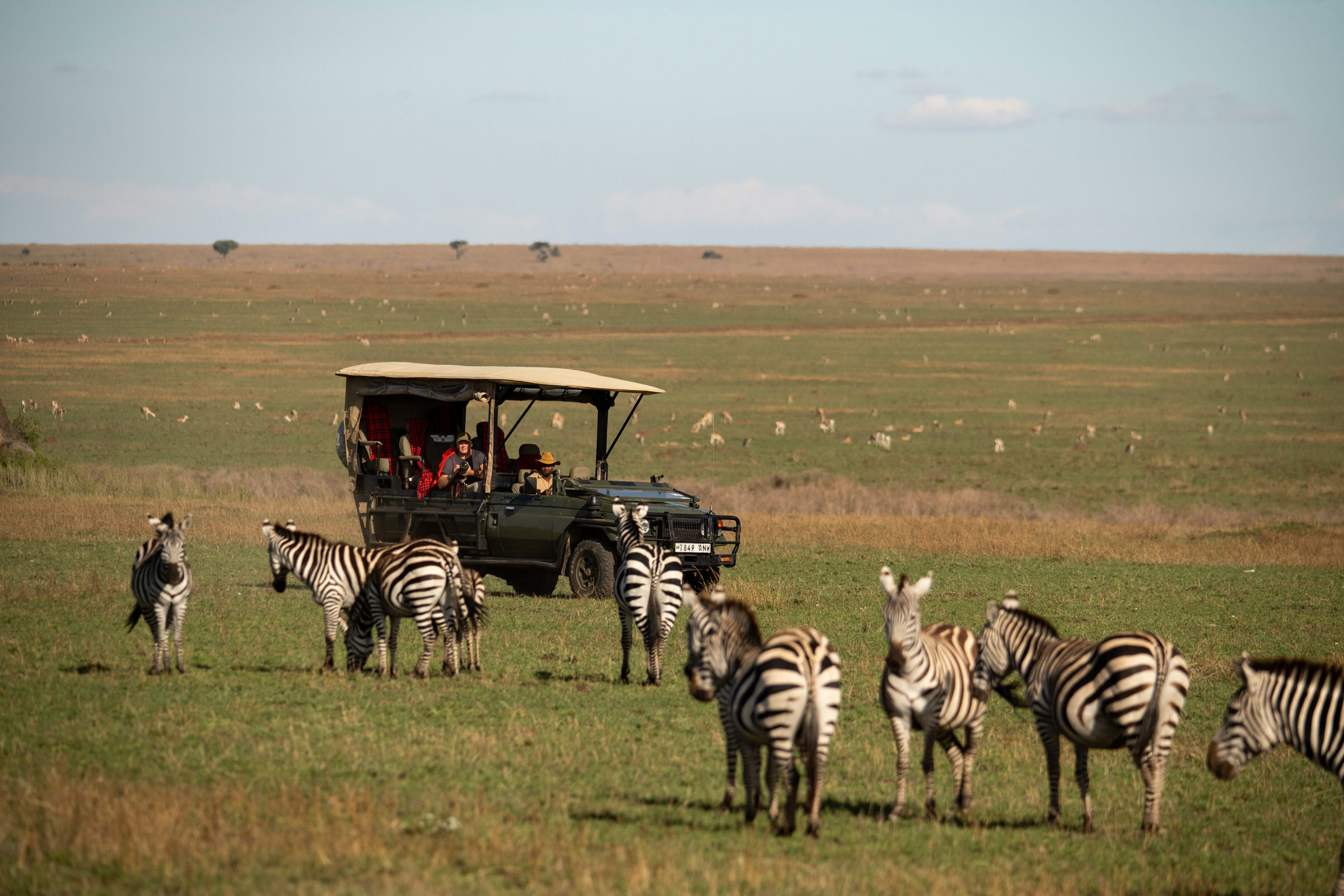
Yes, a 10-day Tanzania safari is ideal for seeing the Great Migration and diverse wildlife, including elephants, lions, and zebras. The best time to witness river crossings is June–October in the Northern Serengeti, while January–March is best for calving in the South. Common sightings include the Big 5, especially in Ngorongoro.
Popular 10 days Tanzania safari tour itineraries
10-days-perfect-tanzania-safari-itinerary
10-days-tanzania-wildlife-safari-and-optional-visit-to-masai-tribe-or-hadzabe
10-days-luxury-gorilla-trekking-masai-mara-serengeti-and-ngorongoro-crater
10-days-luxury-kenya-tanzania-safari-holiday-high-end-tour-package
10-days-best-tanzania-honeymoon-safari-with-3-days-zanzibar-beach-holidays
10-days-tanzania-safari-to-all-northern-circuit-safari-parks-expedition
10-days-best-tanzania-safari-tour-and-zanzibar-beach-holiday-itinerary
10-days-southern-tanzania-safari-to-nyerere-mikumi-ruaha-and-udzungwa-mountains
12-days-best-tanzania-and-kenya-safari-combo-itinerary
Great Migration Tracking: The Pulse of the Serengeti
The Great Migration is not merely a single event but a perpetual, 800-kilometer circular odyssey driven by the search for green pastures and water. Watching millions of wildebeest, zebras, and gazelles move in a singular, relentless flow is arguably the most profound wildlife experience on Earth. To witness this in 2026, timing is everything. During the calving season (January–February) in the southern Serengeti and Ndutu regions, the short-grass plains are transformed into a massive nursery. Approximately 8,000 wildebeest are born every day, creating a frantic "buffet" for predators. This is the best time to see high-speed cheetah hunts and lion prides taking advantage of the vulnerable young.
As the rains end in May, the herds begin their trek north. By July to October, the migration reaches its most perilous chapter: the Mara River crossings. This is nature’s ultimate drama. Thousands of animals gather on the banks, hesitant to enter the water where massive Nile crocodiles wait in silence. When the first brave wildebeest finally leaps, a chaotic stampede follows. The sheer noise, the splashing water, and the life-or-death struggle against both current and predator offer a visceral reminder of the raw power of the natural world.
Beyond the dramatic crossings, the "quiet" moments of the migration are equally moving. Watching a column of zebras stretching toward the horizon, their stripes blurring into a monochromatic wave, gives a sense of the scale of this ecosystem. It is a spectacle that dictates the lives of everything in the Serengeti, from the vultures circling above to the hyenas trailing the herds. In 2026, mobile camps are the gold standard for tracking this movement, as they move seasonally to ensure you are always at the heart of the action, far away from the permanent crowds.
Northern Serengeti: The Theater of the Mara River
The Northern Serengeti remains one of the most exclusive and dramatic corners of Tanzania. This region, characterized by rolling hills and hidden valleys, is the primary stage for the Mara River crossings. Unlike the central plains, the North is rugged and feels remarkably remote. The "Lamai Wedge"—the triangle of land between the Mara River and the Kenyan border—offers some of the best viewing opportunities. Here, the landscape is dotted with granite kopjes where lions and leopards keep watch over the incoming herds.
The draw of the North is the suspense. You might sit by the river for hours, watching the wildebeest build up "pressure" on the banks. The air is thick with dust and the constant, lowing grunts of the animals. When a crossing finally begins, it is a sensory explosion. Seeing a 1.5-meter crocodile lunge for a zebra while the rest of the herd pushes forward is a scene that no documentary can fully capture. It is a place of high stakes where life can end in an instant, yet the migration persists.
Outside of the river crossing season, the Northern Serengeti is a sanctuary for resident wildlife. It has a high density of leopards who favor the thickets along the drainage lines, and the elephant populations here are significant. Because it is further from the main entry gates, the North sees fewer day-trippers, providing a more intimate "wilderness" feel. In 2026, the luxury lodges in this area focus on "low-impact" tourism, offering walking safaris that allow you to feel the vibration of the earth as the herds move nearby—a truly grounding way to experience the legendary Mara.
Ngorongoro Crater: Africa’s Prehistoric Eden
The Ngorongoro Crater is a geological marvel—the world’s largest inactive, intact, and unfilled volcanic caldera. Descending 600 meters through the mist-shrouded forest of the rim into the sun-drenched crater floor is like stepping back into a prehistoric world. Within this 260-square-kilometer "bowl" lies a self-contained ecosystem where over 25,000 large animals live in a state of perpetual proximity. The sheer density of wildlife is staggering; it is one of the few places on the continent where you can reliably see the "Big Five" in a single morning.
The "celebrity" of the Crater is the black rhino. These critically endangered giants find sanctuary on the open plains of the caldera, where they are protected by the natural walls and dedicated ranger patrols. You will also encounter "Tuskers"—ancient elephant bulls with ivory so long it nearly grazes the ground—wandering through the Lerai fever tree forest. The central Magadi Lake is a vibrant pink smear of thousands of flamingos, while the nearby marshes are home to pods of hippos that spend their days submerged to escape the equatorial sun.
The predators of the Crater are famously bold. Because the vehicles are a constant presence, the lions and hyenas often ignore humans entirely, sometimes even using the shade of a safari jeep to rest. This allows for unparalleled photographic opportunities of social behavior—lions playing with cubs or hyenas competing over a carcass. While the Crater can be busy, its beauty is undeniable. The contrast of the golden grasslands against the steep, emerald-green walls creates a dramatic backdrop that makes every sighting feel like a scene from a masterpiece.
Diverse Ecosystems: Tarangire and Lake Manyara
While the Serengeti and Ngorongoro capture the headlines, the diverse ecosystems of Tarangire and Lake Manyara provide essential layers to the Tanzanian safari narrative. Tarangire National Park is a land of giants. It is defined by its iconic "upside-down" baobab trees and a staggering population of elephants. During the dry season, the Tarangire River becomes the only source of water for miles, drawing thousands of elephants that congregate in the riverbeds to dig for water. The sight of a hundred elephants silhouetted against a prehistoric baobab at sunset is the quintessential image of wild Africa. Tarangire also hosts a "mini-migration" of its own, with wildebeest and zebras flooding the plains, followed closely by lions and the park’s famous tree-climbing pythons.
A short drive away lies Lake Manyara National Park, a stunning contrast of groundwater forests and alkaline flats. Hemmed in by the towering red escarpment of the Great Rift Valley, Manyara is an emerald gem. It is most famous for its tree-climbing lions, a rare behavioral trait thought to be an escape from the heat or biting insects. Seeing a pride of lions lounging in the sturdy branches of an ancient mahogany tree is a surreal sight.
Beyond the lions, Manyara is a birder’s paradise. The lake is often home to a pink froth of flamingos, while the forest canopy vibrates with the calls of silvery-cheeked hornbills and the antics of massive baboon troops. Manyara offers a "vertical" safari experience, where you move from the cool, dark forest floor to the wide-open views of the soda lake. Together, Tarangire and Manyara showcase the incredible geological and biological variety of Northern Tanzania, proving that the "safari" is about far more than just the endless plains.
10-day Classic Tanzania Safari
This 10-day Classic Tanzania Safari is a definitive journey through the crown jewels of East Africa’s "Northern Circuit," meticulously designed to showcase the staggering biodiversity of the Great Rift Valley. Your odyssey begins in the lush highlands of Arusha, moving swiftly into the baobab-studded landscapes of Tarangire, famous for its massive elephant dynasties. You will explore the emerald groundwater forests of Lake Manyara before ascending the mist-shrouded rim of the Ngorongoro Crater, a prehistoric caldera teeming with the "Big Five." The heart of the journey lies in the legendary Serengeti, where the "endless plains" provide the stage for the Great Migration’s thundering herds and their relentless predators. This holiday is more than a wildlife tour; it is a deep immersion into a world where nature remains untamed and majestic. Whether you are watching a lion hunt at dawn or enjoying sundowners under an acacia tree, this 10-day circuit delivers an unparalleled, soul-stirring African adventure.
Day 1: Arrival in Arusha
Your adventure begins in Arusha, the vibrant gateway to Tanzania’s northern safari circuit. Nestled at the base of Mount Meru, this town offers a cool, highland climate and a lush introduction to East Africa. Upon arrival at Kilimanjaro International Airport, you will be transferred to your boutique lodge, a tranquil sanctuary set amidst coffee plantations. The afternoon is dedicated to a comprehensive safari briefing with your expert guide, followed by a relaxed stroll through the lodge gardens or a visit to a local cultural center. As the evening air cools, enjoy a farm-to-table welcome dinner, allowing you to settle into the "safari pace." The scent of blooming jasmine and the distant calls of tropical birds provide a serene backdrop as you prepare for tomorrow’s first foray into the wild, marking the start of an unforgettable decade-day expedition.
Day 2: Tarangire National Park
After an early breakfast, you head toward Tarangire National Park, a landscape dominated by ancient, gnarled baobab trees and massive elephant herds. Tarangire is world-renowned for having one of the highest concentrations of elephants in Africa, and you will likely see family groups congregating along the Tarangire River. As you traverse the golden savanna, keep an eye out for fringed-eared oryx and the long-necked gerenuk, species rarely found in other northern parks. Your afternoon game drive offers a chance to spot lions draped over tree branches or leopards hidden in the riverine forest. As sunset paints the sky in shades of amber, you will retreat to your lodge, falling asleep to the low trumpeting of elephants moving through the acacia woodland. This "Land of Giants" provides a powerful, visceral introduction to the raw scale of the Tanzanian wilderness.
Day 3: Lake Manyara National Park
Today you explore Lake Manyara National Park, a gem often described as a "microcosm of the safari experience." The drive into the park begins through a lush groundwater forest, where baboons play in the road and blue monkeys leap through the mahogany trees. As the forest opens up, you reach the soda lake, its alkaline waters often shimmering with thousands of pink flamingos. Manyara is legendary for its tree-climbing lions, an unusual behavioral adaptation you will hope to witness in the ancient acacias. You will also see pods of hippos at the Simba River and large buffalo herds grazing on the floodplains. The park’s diverse habitats, ranging from steep escarpments to marshlands, ensure a high-density wildlife experience in a relatively small area, providing a visually stunning transition before heading toward the highlands of the Ngorongoro region.
Day 4: Karatu and Cultural Immersion
Leaving the wildlife parks for a brief moment, you spend the day in the fertile highlands of Karatu. This region, known for its red soil and vibrant agriculture, offers a fascinating look at Tanzanian village life. You will visit a local coffee plantation to learn about the "bean-to-cup" process and enjoy a traditional lunch prepared with fresh, local ingredients. In the afternoon, a visit to a neighboring Iraqw village provides insight into the history and traditional architecture of the local people. This cultural "intermission" allows you to connect with the human spirit of Tanzania, providing context to the landscapes you are traversing. The cooler air of the highlands is refreshing, and the lush, green scenery of the rolling hills offers a beautiful contrast to the savanna as you prepare to descend into the crater tomorrow.
Day 5: Ngorongoro Crater Exploration
At dawn, you descend 600 meters into the Ngorongoro Crater, a collapsed caldera that now serves as a self-contained Eden. The density of wildlife here is unparalleled, with over 25,000 large mammals living within its natural walls. This is your best opportunity to spot the endangered black rhino, completing your "Big Five" checklist. You will explore the Magadi soda lake, home to flamingos, and the Lerai forest, where massive "tusker" elephants wander through the fever trees. The crater’s lions are famously relaxed around vehicles, allowing for incredibly close encounters. After a picnic lunch on the crater floor near the hippo pool, you will spend the afternoon tracking hyenas and golden jackals. As you ascend the rim in the late afternoon, you carry with you memories of the most concentrated wildlife viewing on Earth.
Day 6: Drive to the Central Serengeti
Today you head toward the legendary Serengeti National Park, whose name means "Endless Plains" in the Maasai language. The drive itself is a spectacular transition, moving from the lush forest of the crater rim to the vast, short-grass plains. Along the way, you will stop at the Olduvai Gorge, the "Cradle of Mankind," to learn about the archaeological discoveries that shaped our understanding of human evolution. As you enter the Serengeti, the horizon stretches infinitely, dotted only by granite kopjes that serve as lookout points for cheetahs and lions. This central region, Seronera, is famous for its resident big cats. Your afternoon game drive is a masterclass in scale and biodiversity, concluding with a sunset over the African horizon as you arrive at your luxury tented camp.
Day 7: Full Day in Central Serengeti
A full day in the Central Serengeti allows you to venture deeper into the Seronera Valley, where wildlife is most abundant year-round. This is the realm of the big cats; the Serengeti is perhaps the best place on Earth to witness a lion hunt or spot a leopard dragging its kill up a sausage tree. You will spend the morning tracking predators and the afternoon observing the intricate social behaviors of elephants and giraffes. For those seeking an unforgettable perspective, an optional dawn hot-air balloon safari offers a silent flight over the plains as the sun rises. Whether watching a Nile crocodile bask on a riverbank or observing the frenetic energy of a hyena den, the day is an immersive dive into one of the most complex and pristine ecosystems remaining on our planet.
Day 8: Tracking the Great Migration
Depending on the season, your guide will navigate toward the current location of the Great Migration. Witnessing hundreds of thousands of wildebeest and zebras moving in a singular, relentless flow is a sensory experience like no other. The air is thick with the sound of lowing herds and the dust of their hooves. You will observe the complex social structures of the herds and the opportunistic predators—lions, cheetahs, and hyenas—that follow them. The scale of the movement is humbling, a reminder of the ancient rhythms that have dictated life on these plains for millennia. Your guide will interpret the behaviors of the animals, from the frantic river crossings to the peaceful grazing of the newborns, ensuring you capture the true essence of this world-class natural spectacle.
Day 9: Serengeti to the Highlands
After a final morning game drive in the Serengeti, catching the predators while they are still active in the cool air, you begin your journey back toward the Ngorongoro Highlands. The drive is an opportunity to spot any species you may have missed, with the landscape shifting once again as you ascend. You will arrive at your lodge in Karatu in the late afternoon, where the lush gardens and swimming pool offer a relaxing space to reflect on the week’s adventures. The evening is spent enjoying a farewell dinner under the stars, sharing stories of lion encounters and breathtaking landscapes with your fellow travelers. The transition from the dry savanna back to the moist, fertile highlands marks the final chapter of your wildlife exploration, providing a comfortable and serene conclusion to the safari.
Day 10: Return to Arusha and Departure
On your final day, you will enjoy a relaxed breakfast overlooking the lush agricultural highlands. The drive back to Arusha offers final views of the Rift Valley escarpment and the rolling hills of the north. You will arrive in Arusha for a farewell lunch, where you can pick up last-minute souvenirs at the Maasai Market or a local craft center. Your guide will then transfer you to Kilimanjaro International Airport for your departure flight. As you fly over the majestic peaks of Mount Kilimanjaro, you look down upon the plains and craters you’ve explored, concluding a 10-day journey that has revealed the absolute best of Tanzania’s natural heritage and untamed spirit. You carry with you not just photos, but a profound connection to the wild heart of Africa.
1. Can I see the Big Five in 10 days?
A 10-day itinerary is the "sweet spot" for checking off the legendary Big Five: lion, leopard, rhinoceros, elephant, and buffalo. While nature offers no ironclad guarantees, 10 days provides a statistically high probability of success because it allows you to visit multiple ecosystems where these animals thrive. In Tanzania, the secret to seeing all five lies in the combination of the Serengeti National Park and the Ngorongoro Crater.
Elephants and buffalo are common across almost all parks, often seen in massive herds in Tarangire. Lions are also abundant, particularly in the Central Serengeti. The challenge usually lies with the leopard and the rhino. Leopards are solitary and camouflaged; however, with 10 days, your guide has the time to scan the sausage trees of the Seronera Valley, where these cats are frequently spotted. The black rhino is the rarest of the group, but the Ngorongoro Crater acts as a natural sanctuary for them. Because the Crater is a contained caldera, the rhinos are resident year-round, making it one of the few places on earth where a rhino sighting is nearly a daily occurrence. By spending 10 days on the ground, you aren't just rushing through; you are giving yourself the "luck window" necessary to catch these animals during their most active hours at dawn and dusk.
2. Where is the Migration during my 10-day trip?
The Great Migration is a perpetual cycle, not a stationary event. To see it during a 10-day trip, your itinerary must be strategically "pinned" to the specific region the herds occupy during your travel month. From January to March, the herds are in the Southern Serengeti and Ndutu regions. This is the calving season, where the short-grass plains are carpeted with over a million wildebeest.
By April and May, the herds move toward the Western Corridor, though this is the rainy season and travel can be difficult. From June to October, the action shifts to the Northern Serengeti. This is the most sought-after period for 10-day safaris, as it features the dramatic Mara River crossings. During these months, the herds brave crocodile-infested waters to reach greener pastures. Finally, in November and December, the migration begins its southward trek through the eastern Serengeti to return to the southern plains for the start of the next calving cycle. A well-structured 10-day tour will often include a "fly-in" component to the specific region where the migration is strongest, ensuring you don't spend half your trip driving across empty plains to find the movement.
3. What is the best month for a 10-day safari?
While Tanzania is a year-round destination, June to October is widely considered the "Gold Standard" for a 10-day safari. This is the dry season, which offers two distinct advantages for wildlife viewing. First, the vegetation thins out. Without the long, lush grasses of the wet season, predators like lions and leopards have fewer places to hide, making them much easier to spot from a safari vehicle. Second, water becomes scarce. Animals are forced to congregate around the remaining permanent water sources, such as the Tarangire River or the Seronera River. This creates a "theater" of wildlife where you can park your vehicle and watch a constant stream of different species come to drink.
Additionally, these months coincide with the Mara River crossings in the North, the most dramatic phase of the Great Migration. The weather is also at its most pleasant; days are clear and sunny (perfect for photography), and the lack of rain means fewer mosquitoes. However, it is important to note that this is the peak tourist season. If you prefer a quieter experience with fewer vehicles, the "Green Season" of January to March is an excellent alternative, offering lush emerald landscapes and the spectacular wildebeest calving season in the south.
4. Can I see the migration calving season?
Absolutely. If you schedule your 10-day safari between January and March, you will be perfectly timed for the calving season in the Southern Serengeti and the Ndutu Conservation Area. This is one of the most remarkable wildlife spectacles on the planet. During a concentrated window of about two to three weeks in February, approximately 8,000 wildebeest are born every single day. The plains are filled with "wobbly" calves that can stand and run within minutes of birth.
This abundance of vulnerable prey triggers intense predator activity. Cheetahs, which favor the short-grass plains for their high-speed hunts, are seen in higher concentrations here than anywhere else. Lions and hyenas also thrive during this time. For a 10-day trip, a "Calving Safari" usually involves spending at least 4-5 nights in the Ndutu region to fully immerse yourself in the drama. The landscape is strikingly beautiful during this time—vibrantly green and dotted with wildflowers—offering a completely different aesthetic than the golden, dusty Serengeti seen in travel documentaries.
5. Are river crossings visible during a 10-day safari?
Yes, but visibility requires a specific commitment to the Northern Serengeti between July and October. The river crossings—where wildebeest leap into the Mara River—are the "Holy Grail" of safari sightings. Within a 10-day itinerary, you should dedicate at least 3 to 4 nights specifically to the Kogatende or Lamai Wedge areas to increase your chances. Crossings are unpredictable; the herds may gather on the banks for hours or even days before a single "leader" decides to take the plunge.
Having a 10-day window allows you the patience required for this event. A shorter trip might only allow one day in the north, which is often not enough to catch a crossing. In a 10-day schedule, your guide can afford to wait by the riverbank with a picnic lunch, watching the tension build. When the crossing finally happens, it is a chaotic, heart-pounding scene of splashing water, snapping crocodile jaws, and the sheer determination of the wildebeest. It is a raw display of nature's power that remains the highlight for many travelers visiting Tanzania in the dry season.
6. Which parks are essential for 10 days?
To get a truly "comprehensive" Tanzanian experience in 10 days, four parks are considered essential: Tarangire, Lake Manyara, Ngorongoro Crater, and the Serengeti. Tarangire is the perfect starting point; its ancient baobab trees and massive elephant herds provide an immediate, high-impact introduction to the wild. Lake Manyara offers a unique groundwater forest ecosystem and is the best place to see flamingos and tree-climbing lions. The Ngorongoro Crater is non-negotiable; as a self-contained caldera, it provides the most reliable "Big Five" viewing in a spectacular, amphitheater-like setting. Finally, the Serengeti is the soul of the trip. Its vast, "endless" plains are where you find the Great Migration and the highest concentration of large predators.
A 10-day route allows you to visit these parks in a logical circuit. Typically, you start south and move north, ending in the Serengeti. This structure builds the excitement, starting with the smaller, specialized parks and culminating in the grand scale of the Serengeti. This combination ensures you see the full diversity of Tanzania's landscapes—from forests and soda lakes to volcanic craters and savanna.
7. Can I see the Big Five in Ngorongoro Crater?
The Ngorongoro Crater is often called the "Eighth Wonder of the World" precisely because it offers the most reliable "Big Five" sightings in a single day. The crater floor is a 260-square-kilometer natural enclosure. Because the walls are 600 meters high, many animals stay within the crater year-round. While it is possible to see all five, the Crater is most famous for being the best place in Tanzania to see the black rhinoceros. In other parks, rhinos are incredibly elusive and shy, but in the Crater, they are resident and can often be seen grazing on the open plains. Elephants here are often "Tuskers"—older bulls with massive, magnificent ivory. Buffalo are found in large herds near the marshes, and the lion population is one of the densest in Africa. The only "tricky" member of the five in the Crater is the leopard, as they prefer the forested areas of the crater rim. However, they are occasionally spotted in the Lerai Fever Tree forest on the crater floor. For a 10-day safari, the Ngorongoro Crater is the "guarantee" day that often completes a traveler's checklist.
8. Is 10 days enough time to visit Serengeti?
Yes, 10 days is actually the ideal duration for a Serengeti-focused trip. In a 10-day itinerary, you aren't just "visiting" the Serengeti; you are "exploring" it. Because the park is roughly the size of Belgium, it is divided into several distinct regions: the South (plains), Central (Seronera Valley), West (Grumeti), and North (Mara River).
A 10-day trip allows you to spend 4 to 5 nights within the Serengeti itself. This is crucial because it allows you to visit at least two different regions. For example, you could spend two nights in the Central Serengeti to see resident big cats and then fly or drive to the North to track the migration. This extra time reduces the "travel fatigue" of long drives and allows for "slow safari"—spending hours observing a single pride of lions or a mother cheetah with her cubs. While a 7-day trip might only give you two nights in the Serengeti, a 10-day trip provides the depth needed to truly appreciate the scale and rhythm of the world's most famous wildlife sanctuary.
9. Can I see all Big Five in one park?
Technically, the Serengeti and the Ngorongoro Crater both contain all members of the Big Five. However, it is rare to see all five in a single park in a single day (though it does happen in the Ngorongoro Crater). The Big Five are spread across different habitats, and their behaviors vary.
For instance, while the Serengeti has thousands of lions and elephants, its rhinos are mostly located in the remote Moru Kopjes area and are difficult to spot. Conversely, the Ngorongoro Crater has a high density of rhinos and lions but fewer leopards. Therefore, the most successful 10-day safaris do not rely on one park; they use the combination of the Northern Circuit. By visiting Tarangire (elephants/buffalo), Ngorongoro (rhino/lion), and the Serengeti (leopard/lion), you are virtually guaranteed to see all five. Relying on a single park puts too much pressure on "luck," whereas a 10-day multi-park itinerary uses "ecology" to ensure you see each animal in the environment where it is most abundant.
10. When is the best time to see predators?
If your goal for a 10-day safari is to see lions, leopards, and cheetahs in action, the dry season (June to October) is the best time. Predators are opportunistic; when water is scarce, they simply wait near the few remaining waterholes for their prey to arrive. This makes predator sightings much more predictable for your guide. During these months, you are more likely to witness a hunt or see predators interacting over a carcass.
Another excellent time for predator action is the calving season (January to March) in the Southern Serengeti. With hundreds of thousands of vulnerable wildebeest calves being born, predators don't have to travel far for a meal. This is particularly good for seeing cheetahs, which use the short grass to their advantage to outrun their prey. During the calving season, the sheer volume of "easy" prey means that predators are more active during the day, providing incredible opportunities for wildlife photography. Whether you choose the dry season for "waterhole drama" or the calving season for "nursery hunts," 10 days gives you ample time to track these apex predators across the savanna.
11. Is it possible to see the migration in November?
Yes, November is a fascinating "transitional" month for the migration. During this time, the "short rains" usually begin, triggering the herds to leave the Northern Serengeti and Kenya’s Masai Mara to head back south. The migration moves down the eastern limits of the Serengeti, heading toward the southern plains to prepare for the calving season.
While the sightings in November aren't as "stationary" as they are in July or February, the movement itself is spectacular. You see long, thin lines of wildebeest (sometimes miles long) trekking across the plains in a determined march. This is often referred to as the "Short Migration." One of the benefits of a 10-day safari in November is that it is the "shoulder season." The parks are much less crowded, and lodge prices are often lower. You get a sense of the vastness of the Serengeti without the "traffic jams" of the peak season. It is a time of renewal, where the dusty plains turn green almost overnight, and the air is clear and fresh.
12. How much does a 10-day safari cost?
A 10-day Tanzania safari is a significant financial investment, and costs can vary wildly based on your chosen level of luxury. In 2026, a mid-range 10-day safari typically costs between $4,000 and $6,000 per person. This usually includes comfortable tented camps, a private 4x4 vehicle, an expert guide, all park fees, and meals.
For a luxury experience, prices range from $8,000 to $15,000+ per person. These itineraries feature world-class lodges (like those from Singita or andBeyond), internal bush flights to save driving time, and high-end amenities like private chefs and plunge pools. The primary drivers of the cost are the park fees (which can be over $100 per person, per day in the Serengeti/Ngorongoro) and the logistics of operating in remote areas. While expensive, a 10-day trip is often considered a "once-in-a-lifetime" experience. To get the best value, many travelers choose a "mix-and-match" approach—staying in mid-range lodges for most of the trip and splurging on a luxury camp for the final three nights in the Serengeti.
13. Are there many tourists in the Serengeti?
The Serengeti is one of the world’s most famous national parks, so it does attract a significant number of visitors, particularly during the peak months of July, August, and September. In the Central Serengeti (Seronera), you may encounter multiple vehicles at a high-profile sighting, such as a leopard or a lion kill. This is because the central area has the highest concentration of lodges and permanent water.
However, a 10-day itinerary allows you to escape the crowds. Because you have more time, you can venture into the Northern Serengeti or the Western Corridor, which are much more secluded. In these areas, it is common to go for hours without seeing another vehicle. Furthermore, choosing a safari that uses private concessions or smaller, remote tented camps can provide a much more exclusive experience. Guides in Tanzania are also very adept at finding "quiet" spots; if you tell your guide you prefer solitude, they can often find alternative routes and hidden valleys where you can enjoy the wildlife in peace.
14. What animals can I see besides the Big Five?
While the Big Five get all the press, the supporting cast of a 10-day safari is equally impressive. You will see massive herds of zebras and wildebeest, which are the backbone of the ecosystem. Giraffes (the national animal of Tanzania) are seen gracefully browsing the acacia trees, and hippos are found in almost every river and pool, often seen "yawning" or jostling for space.
You will also see cheetahs, which are a highlight for many, especially in the southern and central plains. The "Small Five" are another fun addition: the ant lion, leopard tortoise, elephant shrew, rhinoceros beetle, and red-billed buffalo weaver. For bird enthusiasts, Tanzania is a paradise with over 1,000 species, including the stunning lilac-breasted roller and the massive ostrich. In Lake Manyara, you will see thousands of flamingos, and in the Serengeti, you’ll encounter hyenas, jackals, and serval cats. The sheer variety of life means that every game drive in your 10 days will reveal something new, from the smallest dung beetle to the tallest giraffe.
15. Can I combine Tanzania with a beach holiday?
Yes, this is one of the most popular ways to structure a 10-day trip. The "7+3" model is the standard: 7 days of intensive safari on the mainland followed by 3 days of relaxation in Zanzibar. This provides the perfect balance of adventure and luxury.
In this structure, you would spend your first seven days hitting the highlights: Tarangire, Ngorongoro, and the Serengeti. On Day 7, you would fly directly from a Serengeti airstrip (like Seronera) to Zanzibar. This 2-hour flight saves you an entire day of driving back to Arusha. You then spend your final three nights in a beachfront resort in Nungwi or Paje, or exploring the historic streets of Stone Town. Zanzibar’s turquoise waters and white sands are the ideal "antidote" to the dust and early wake-up calls of the safari. It allows you to process the incredible sights you've seen in the bush while enjoying the tropical pace of the Indian Ocean, ensuring you return home feeling both inspired and rested.
Booking 10 days Uganda safari with us Roads of Adventure safaris
Book a 10-day Uganda safari with Roads of Adventure Safaris for tailored, all-inclusive experiences, including gorilla and chimpanzee trekking, wildlife viewing, and accommodation, Contact them via email, website, or call +256 701041637, with a (30%) deposit required to secure bookings, which is highly recommended several months in advance to ensure permits.
